Miami on a Budget: How to Visit Without Overspending
Miami has a reputation for flashy excess, but the city is genuinely accessible on a tight budget. Free public beaches, a $2.25 transit fare, zero-cost museums on select days, and a thriving street food scene mean you can do Miami properly without burning through your savings. Here is exactly how.
Plan and book this trip
Tools from our partner Travelpayouts help you compare flights and hotels. If you book through them, we may earn a commission at no extra cost to you.
Flights
Hotels map
TL;DR
- All public beaches in Miami, including South Beach, are free to enter — you only pay for optional chair rentals or parking.
- The Metromover in Downtown Miami and Brickell is completely free, and standard Metrobus and Metrorail fares are $2.25 per ride.
- Visiting between May and November cuts hotel rates significantly compared to peak winter season — see the best time to visit Miami for a full seasonal breakdown.
- Viernes Culturales in Little Havana is a free monthly street festival every third Friday, 7–11 pm on SW 8th Street.
- Many top attractions are free or low-cost — explore free things to do in Miami for the full list.
Understanding Miami's Cost Structure
Miami's reputation as an expensive city is half-earned. Hotels and nightclubs can be genuinely ruinous if you choose the wrong ones, and South Beach parking ranks among the most expensive in Florida. But the underlying city is far more affordable than the marketing suggests. The beaches are free. The public transit is cheap. Cuban food from a counter-service restaurant costs a fraction of what you'd pay at a hotel restaurant. The key is knowing where the tourist premium ends and the real city begins.
The single biggest lever on your trip cost is timing. Miami's peak tourist season runs roughly December through March, driven by visitors escaping cold winters in the Northeast and Europe. During this window, hotel rates in Miami Beach can be two to three times higher than in summer, and even budget options fill up fast. Spring break, typically mid-March to mid-April, adds another surge. If your travel dates are flexible, visiting between May and mid-November brings substantially lower accommodation rates, though you should plan around the wet season's afternoon rain showers, which are usually brief and predictable.
💡 Local tip
Book accommodation at least 6–8 weeks in advance even for summer visits. Miami is a major convention and event destination year-round, and events like Art Basel Miami Beach (early December) or Miami Music Week (late March) can erase any off-season savings overnight if you haven't already secured a room.
Free and Cheap Things to Do in Miami
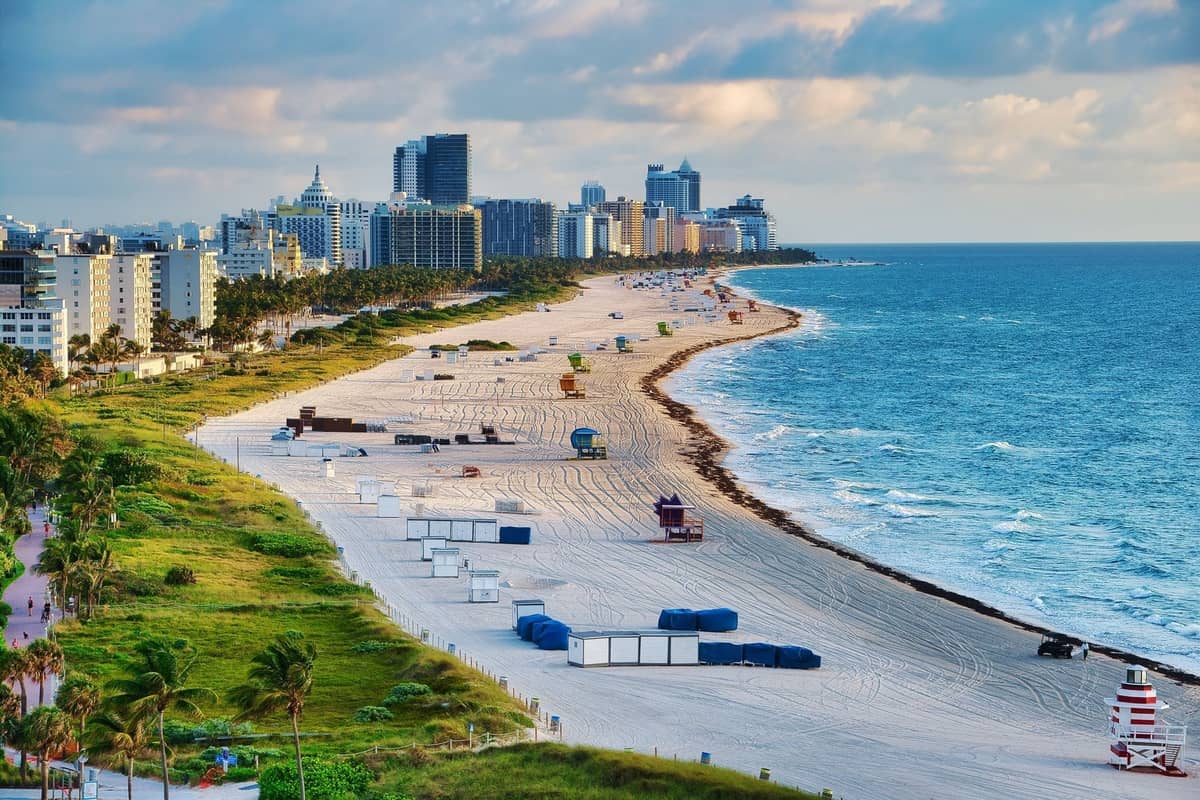
The most obvious budget win in Miami is also the best one: the beaches are entirely free to access. Lummus Park Beach on South Beach stretches for miles and is open around the clock. You can spend a full day there with nothing more than sunscreen and a packed lunch. The only costs come from optional chair and umbrella rentals (skip them) or the metered street parking if you drive (also skip it — take the bus or Citi Bike instead).
Beyond the beach, Miami has a rich supply of genuinely free cultural experiences. Wynwood Walls is free to walk past on the street — the outdoor murals are visible from the sidewalk at no charge, though the ticketed inner courtyard is a separate decision. The Miami Beach Boardwalk runs about 4 miles from 21st Street to 46th Street and is one of the best free walks in the city. Biscayne National Park has no entrance fee and its waters are open 24 hours, while the Dante Fascell Visitor Center and park grounds have limited daytime hours — it is genuinely one of the most underused free attractions in South Florida.
- Viernes Culturales (Cultural Fridays) Free monthly street festival on Calle Ocho in Little Havana, held the third Friday of every month from 7–11 pm. Live music, art vendors, and street food stalls line SW 8th Street.
- Metromover rides The automated people-mover covering Downtown Miami and Brickell is completely free and gives a solid orientation to the city from above ground level.
- Art Deco Architecture Walking Tour (self-guided) The entire Art Deco Historic District along Ocean Drive and Collins Avenue is outdoors and free. Download the official Miami Design Preservation League walking tour map to do it yourself instead of paying for a guided version.
- Pérez Art Museum Miami (PAMM) free admission PAMM offers free admission on the first Saturday of each month and on select weekday evenings. Verify current schedule at pamm.org before your visit.
- Bayfront Park Free public park on Biscayne Bay in Downtown with waterfront views, an amphitheater, and walking paths. Regular free events take place here throughout the year.
⚠️ What to skip
Ocean Drive on South Beach is beautiful but heavily tourist-priced. Restaurant touts stand outside and pressure you to sit down for meals with inflated prices and mandatory service charges. Walk it, photograph it, but eat one or two blocks inland where prices drop noticeably.
Getting Around Miami Without a Car
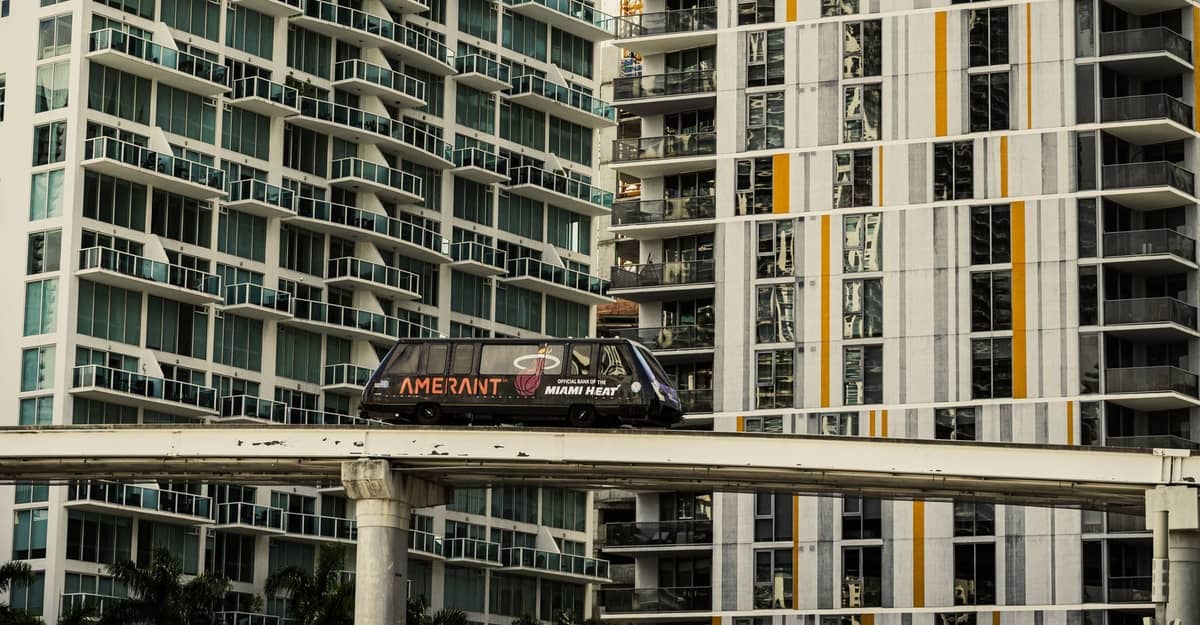
A rental car is one of the easiest ways to blow your Miami budget. Between the daily rental rate, insurance, resort or parking fees at hotels, and South Beach parking meters, you can easily spend $50–80 per day just on the vehicle. For most itineraries focused on South Beach, Wynwood, Downtown, and Little Havana, you genuinely do not need one.
Miami-Dade Transit runs the Metrorail (elevated heavy rail), Metrobus, and the free Metromover. The standard Metrobus and Metrorail fare is $2.25 per ride, paid with an EASY Card or the Transit app. Day passes and weekly passes offer better value if you are using transit frequently. The bus route South Beach Local (currently operating as route 123) covers much of Miami Beach and is particularly useful. Citi Bike, the city's bike-share network, operates 24/7 with docks across Miami Beach and parts of the mainland — short-term passes are available and work out cheaper than a taxi for trips under 2 miles.
✨ Pro tip
The Metrorail Orange Line connects Miami International Airport directly to Downtown via the Miami Intermodal Center. At $2.25 per ride, this is dramatically cheaper than a taxi or rideshare from MIA during surge pricing. Allow about 30–40 minutes total, including the free MIA Mover connection at the airport side.
Budget Eating in Miami

The claim that all dining in Miami is expensive is simply wrong. Cuban food from a ventanita (walk-up window) or a counter-service spot in Little Havana runs around $8–14 for a filling plate of rice, black beans, roast pork, and plantains. Calle Ocho is lined with options. Versailles Restaurant on SW 8th Street is the most famous, but the ventanita around the corner from the main dining room is far quicker and cheaper than sitting down inside.
Food trucks gather at Wynwood Marketplace and around the Design District on weekends, with most items priced between $8–14. Fresh fruit from roadside stalls and produce markets in Little Havana or Hialeah costs significantly less than grocery stores, and a mango or avocado in season costs almost nothing. Miami tap water meets EPA drinking water standards, so carrying a reusable bottle instead of buying bottled water is a small but real saving over a multi-day trip.
- Counter-service Cuban restaurants on Calle Ocho: full plate meals around $10–14
- Food trucks at Wynwood Marketplace and weekend markets: $8–14 per item
- Bayside Marketplace food court: mid-range, around $12–18, but convenient for Downtown days
- Publix supermarket deli and bakery: hot meals and sandwiches for $6–10, ideal for beach picnics
- Happy hour food specials: many Brickell and Wynwood bars run $5–8 bar bites from 4–7 pm on weekdays
Budget-Friendly Neighborhoods to Explore
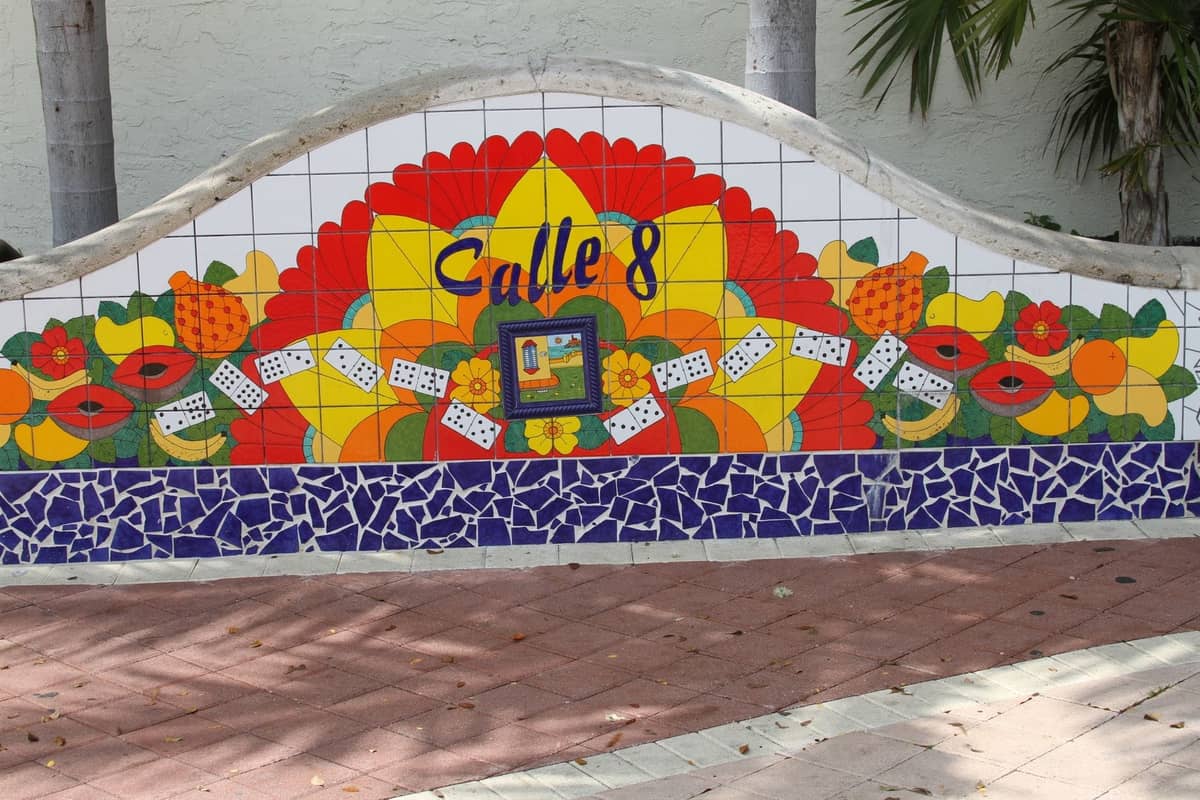
Not every Miami neighborhood costs the same to explore. Little Havana is the best value district in the city for eating, culture, and atmosphere. A few dollars gets you a cortadito (Cuban espresso with steamed milk) and a pastelito (flaky pastry) from a bakery, and the street life along Calle Ocho is genuinely interesting without any entry fee. Domino Park on SW 15th Avenue is free to watch and gives an authentic glimpse of daily neighborhood life.
Coconut Grove is another low-cost option for a half-day. The waterfront, Barnacle Historic State Park (modest entry fee), and the streets around CocoWalk are pleasant to walk and free. Coral Gables is worth visiting for the Venetian Pool — a remarkable public swimming pool carved from a coral rock quarry with a relatively low entry fee — and the architecture along Miracle Mile, which costs nothing to walk.
For nature on the cheap, Bill Baggs Cape Florida State Park on Key Biscayne charges a per-vehicle entry fee but is far less crowded than South Beach and has excellent swimming, cycling, and the historic Cape Florida Lighthouse. The The Underline is a free linear park running 10 miles beneath the Metrorail corridor from Brickell to South Miami, ideal for walking, cycling, and free outdoor fitness classes.
Practical Tips for Keeping Costs Down
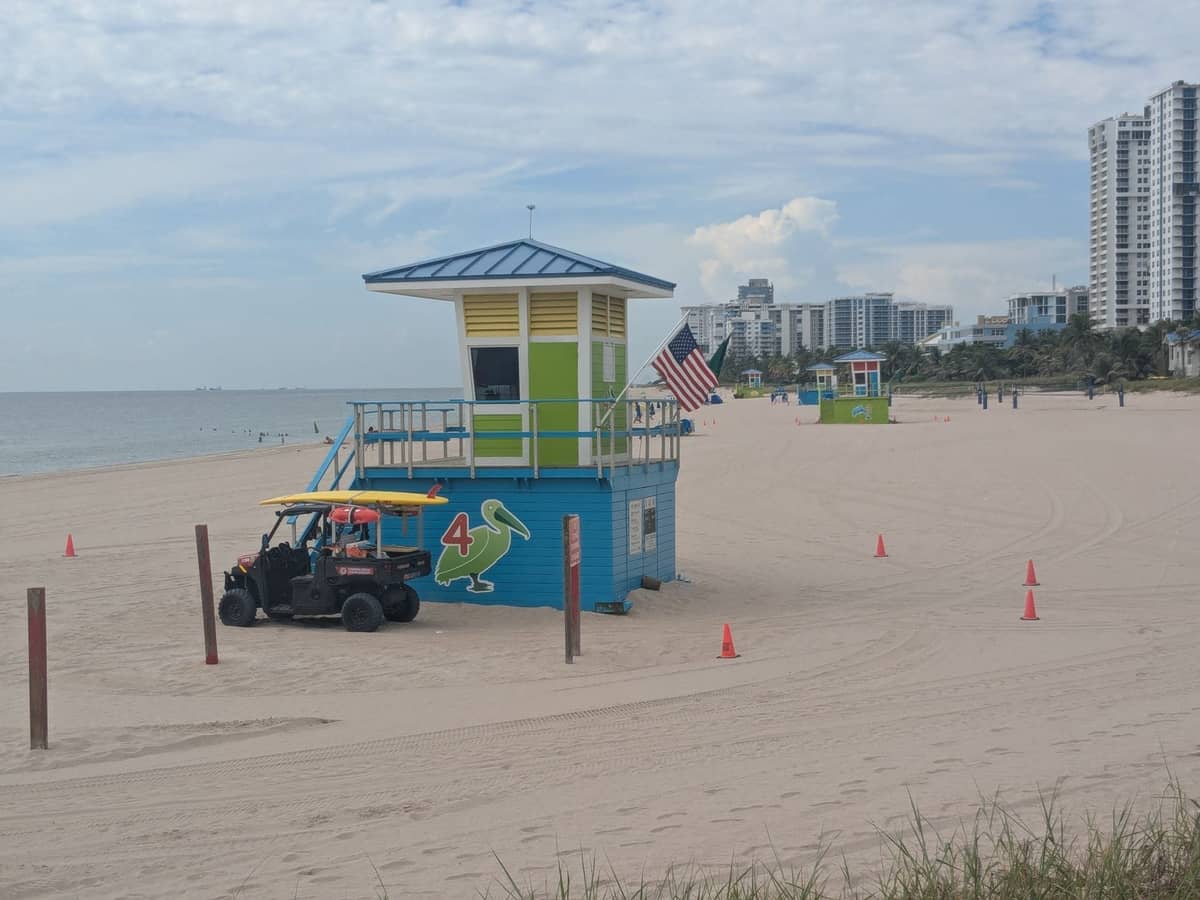
Accommodation is where most Miami budgets collapse. South Beach hotels carry heavy resort fees (often $25–50 per night on top of the room rate) and parking charges that are not always visible at booking. Mid-Beach and North Beach hotels tend to run cheaper than South Beach while remaining walkable to the ocean. Mid-Beach and North Beach also have a more residential feel, with better access to local grocery stores and cheaper lunch spots. Staying on the Miami mainland in Brickell or the Brickell area gets you closer to the free Metromover and can cut nightly rates substantially.
Tipping is customary across the United States at 15–20% of the pre-tax bill for sit-down restaurant service, which is a real additional cost to factor into your food budget. Always check your bill before tipping, as some Miami Beach restaurants in tourist areas add an automatic gratuity of 18–20%, particularly for groups. For bigger savings on activities, the Miami with Kids guide covers family-specific discounts, but many of those passes (like the Go City card) are useful for adults too if you plan to visit several paid attractions in a short window.
- Avoid hotel restaurants for breakfast A hotel breakfast in Miami Beach runs $18–30 per person. A Cuban bakery or Publix deli breakfast costs $4–8.
- Use the EASY Card for transit Buying individual bus/rail tickets costs slightly more than loading an EASY Card. A 7-day unlimited pass is available and pays off quickly if you use transit daily.
- Check museum free days before paying full price PAMM, the Bass Museum, and HistoryMiami all have periodic free admission days. Verify schedules on their official sites before booking paid tickets.
- Walk or bike between Wynwood and the Design District These neighborhoods are about a 15-minute walk apart. Taking a rideshare between them is a waste of money.
- Skip the hop-on hop-off bus At around $50–60 per adult, the tourist bus adds little value in a city where the Metromover, Citi Bike, and walkable neighborhoods cover the same ground for a fraction of the price.
ℹ️ Good to know
Miami tap water is reported as safe to drink by Miami-Dade Water and Sewer, which publishes annual water quality reports. Buying a reusable bottle saves you $3–5 per day compared to purchasing bottled water at beach vendors or convenience stores.
FAQ
What are the cheapest things to do in Miami?
The beaches (including South Beach) are free to enter. The Metromover covers Downtown and Brickell at no cost. Wynwood Walls street murals are visible from public sidewalks for free. Viernes Culturales in Little Havana is a free monthly street festival. Bayfront Park, The Underline linear park, and the Miami Beach Boardwalk are all free. Many museums offer free admission days on specific dates — check PAMM, The Bass, and HistoryMiami before paying full price.
Is Miami expensive to visit on a budget?
Miami can be expensive or genuinely affordable depending on your choices. The biggest costs are accommodation (especially with hidden resort fees in Miami Beach), dining on Ocean Drive, and renting a car. Staying in Mid-Beach, North Beach, or the Miami mainland, eating at Cuban counter-service spots and food trucks, and using public transit instead of rideshares brings the daily cost down significantly. A realistic budget traveler can manage the city well on $80–120 per day excluding accommodation.
When is the cheapest time to visit Miami?
Hotel rates are lowest from June through early November, particularly July through September. The trade-off is the wet season: afternoon thunderstorms are common but usually brief, and temperatures and humidity are high. The sweet spot for combining lower prices with pleasant weather is May to early June, or late October to November, when rates drop but the extreme heat and rainfall have eased.
Can you get around Miami without a car?
Yes, for most tourist itineraries. South Beach is walkable and connected by the SB1 Miami Beach Local bus. The free Metromover covers Downtown and Brickell. The Metrorail connects the airport to downtown for $2.25. Citi Bike is available across Miami Beach and parts of the mainland. Little Havana, Wynwood, and the Design District can be reached by Metrobus. A car becomes useful mainly for day trips to Everglades National Park, Biscayne National Park, or the Florida Keys.
Are Miami Beach hotels worth the price?
Many are not, especially for budget travelers. Beyond the room rate, South Beach hotels often add resort fees of $25–50 per night and parking fees of $30–50 per night if you have a car. Identical beach access, similar nightlife proximity, and lower prices are available in Mid-Beach and North Beach, or on the Miami mainland in Brickell, which has the added bonus of the free Metromover and easy Metrorail access.