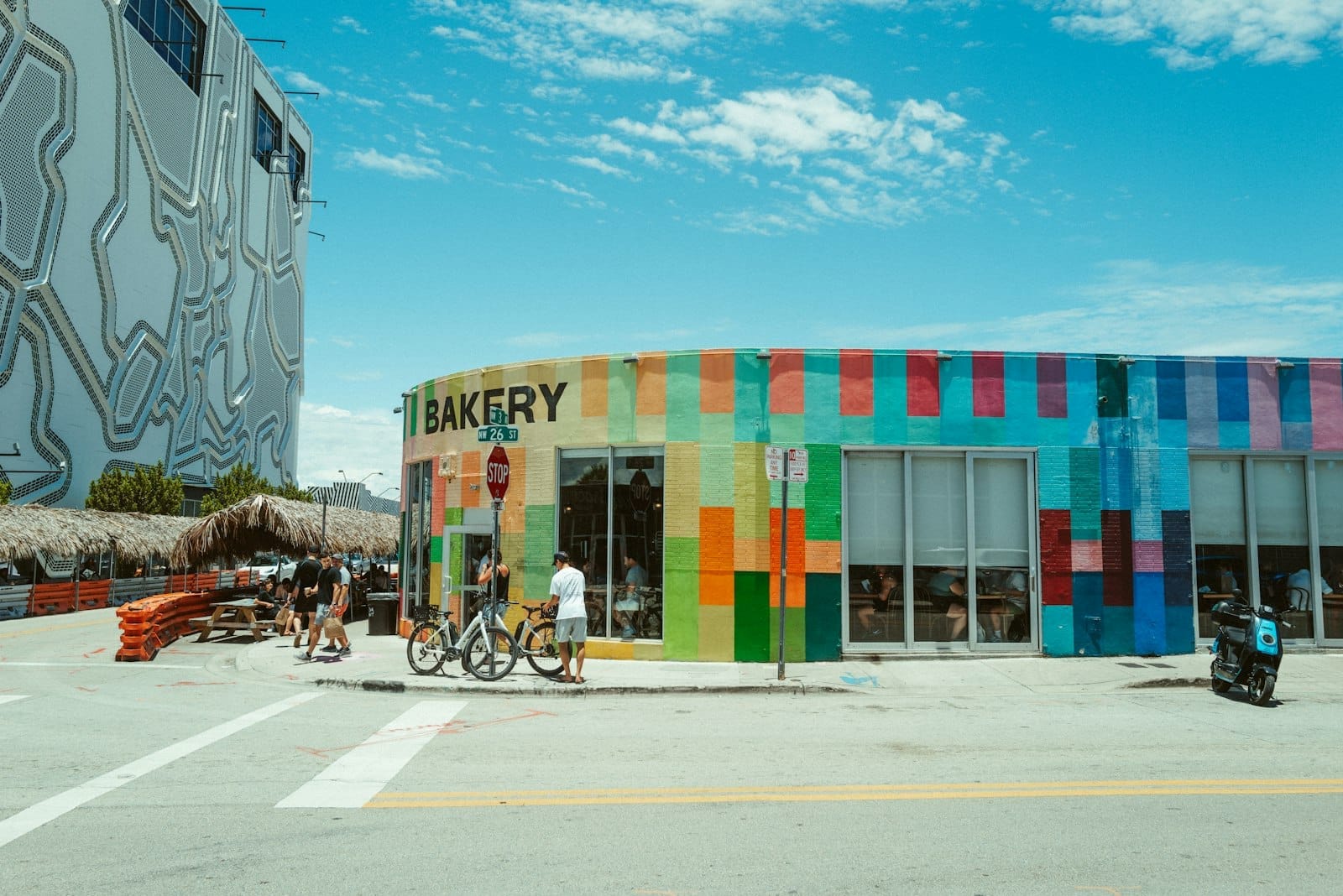
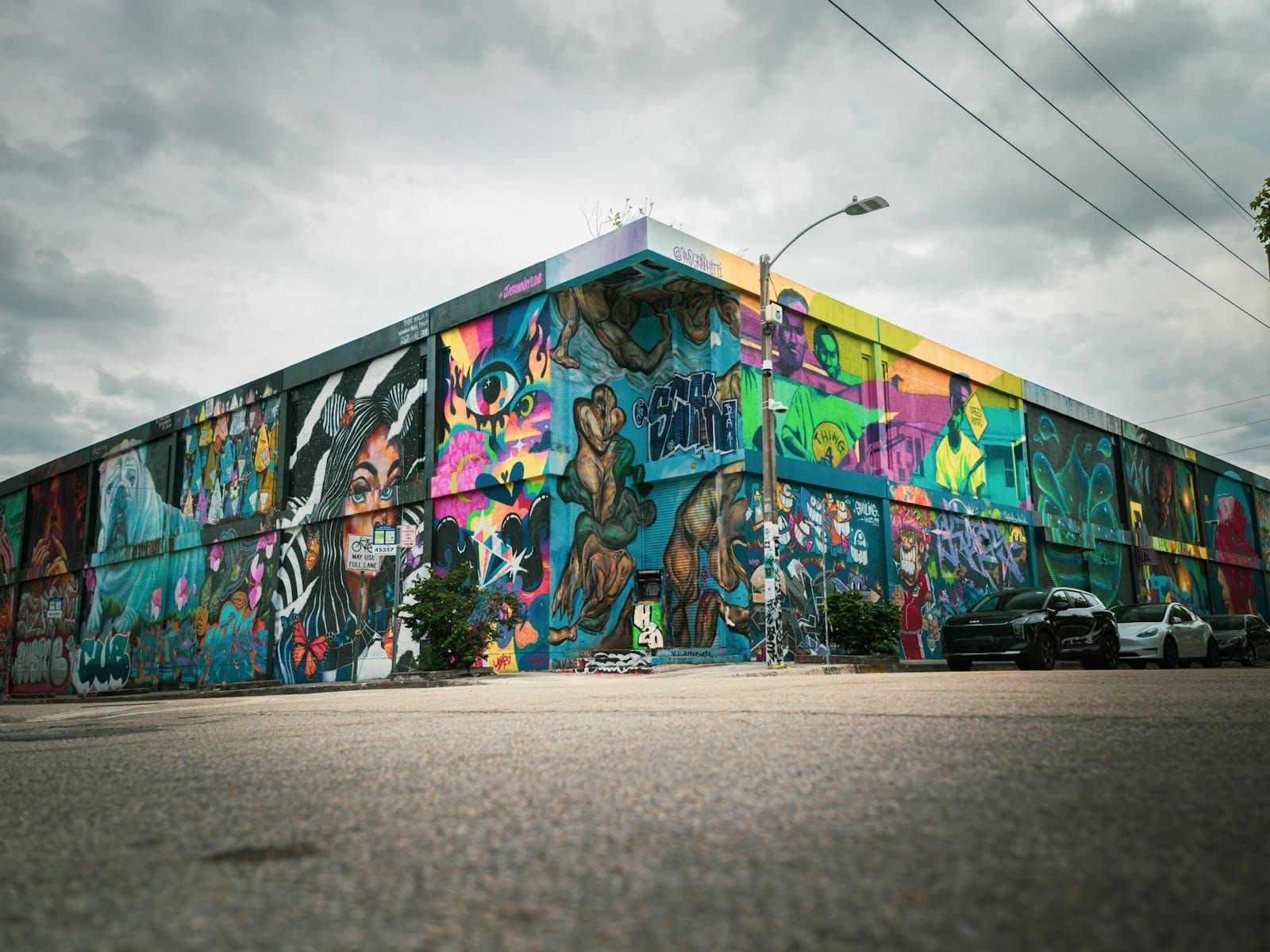
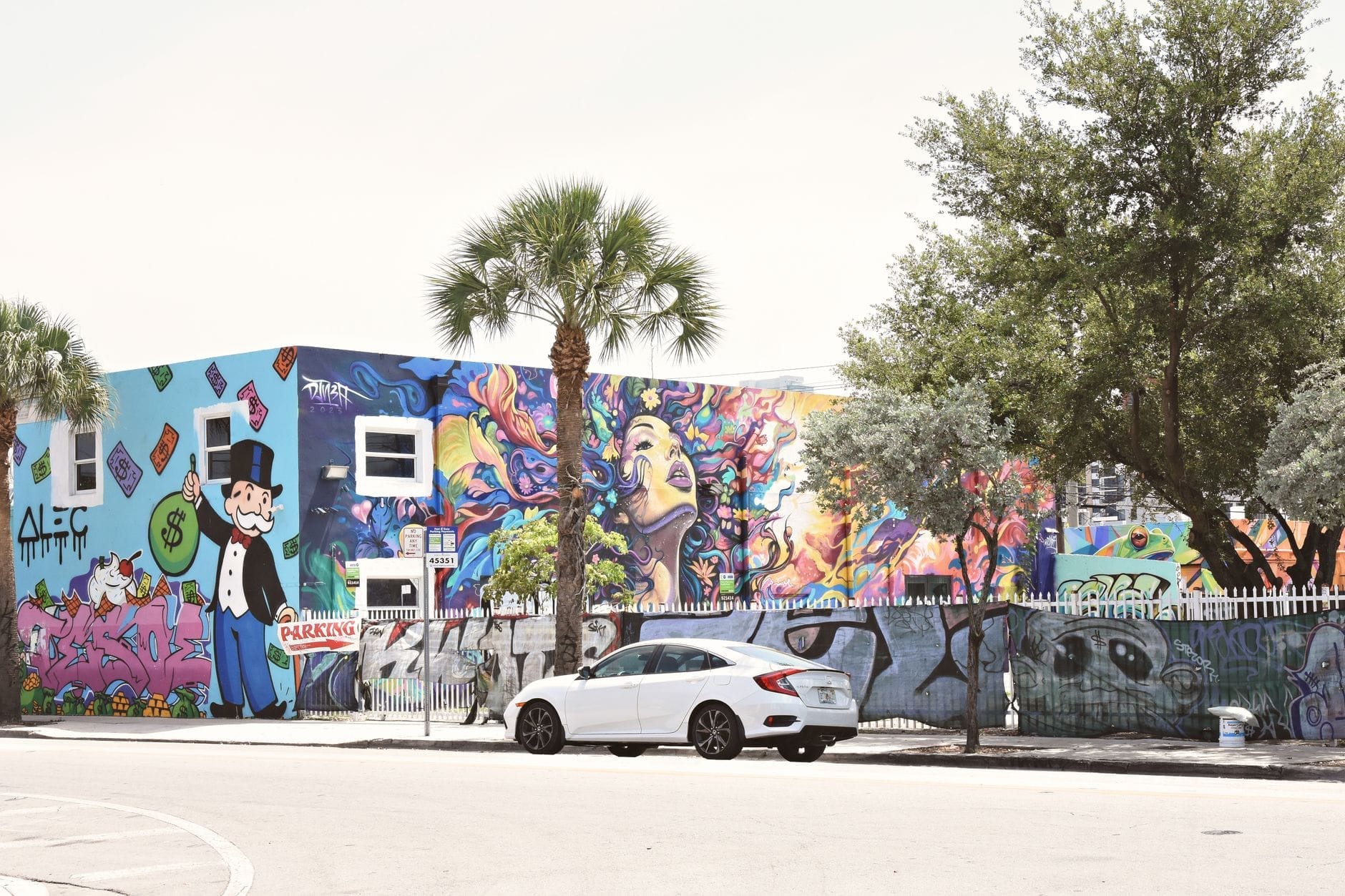
Wynwood is Miami's premier arts district, a former industrial warehouse zone north of Downtown that has reinvented itself around large-scale street murals, contemporary galleries, independent restaurants, and a nightlife scene that draws crowds on weekends. It sits at the intersection of creative culture and rapid gentrification, making it one of the most photographed and debated neighborhoods in the city.
Wynwood is where Miami's creative energy concentrates: a grid of former warehouses and loading docks that has been colonized by muralists, gallerists, chefs, and entrepreneurs over the past two decades. The neighborhood is best known for the Wynwood Walls, an open-air museum of large-format street art, but the district around it has grown into a full-service cultural destination with some of the city's most interesting dining and drinking. It is not quiet, it is not cheap, and on weekend nights it is the opposite of undiscovered — but few places in Miami reward a slow afternoon walk as generously.
Orientation
Wynwood occupies a compact rectangle of Miami's urban grid, bounded by I-195 (the Julia Tuttle Causeway ramp corridor) to the north, NW 20th Street to the south, I-95 to the west, and North Miami Avenue to the east. In practical walking terms, the neighborhood that visitors experience is even more concentrated: most galleries, murals, restaurants, and bars cluster along NW 2nd Avenue and the cross-streets between roughly NW 24th Street and NW 29th Street.
Geographically, Wynwood sits almost exactly between Downtown Miami to the south and the Miami Design District to the north. This position is not accidental. As real estate pressure moved north from Downtown through the 2000s and 2010s, Wynwood became the connective tissue between the financial core and the luxury retail enclave of the Design District, absorbing cultural and commercial energy from both directions. Walking north from the southern edge of Wynwood, you cross through Midtown Miami before reaching the Design District; walking south on NW 2nd Avenue takes you toward Overtown and eventually Downtown itself.
The neighborhood's eastern edge, near North Miami Avenue, transitions toward Edgewater and the Biscayne Bay waterfront. To the west, beyond I-95, the character of the city changes sharply into residential neighborhoods with a different demographic and economic profile. For travelers building a multi-neighborhood itinerary, Wynwood pairs most naturally with the Miami Design District to the north or a Metrorail ride south into Brickell or Downtown Miami.
Character & Atmosphere
Wynwood's transformation from industrial warehouse district to arts destination began in earnest in the mid-2000s, accelerated by the founding of the Wynwood Walls in 2009 by developer Tony Goldman. The neighborhood had long housed Puerto Rican-owned businesses and a working-class community, and traces of that older Wynwood remain in the side streets west of NW 2nd Avenue, where family-run shops and Puerto Rican-owned enterprises operate alongside the newer wave of restaurants and concept stores. Understanding this layered history explains why some blocks feel entirely curated while others retain a more unpolished, functional character.
On a weekday morning, Wynwood is genuinely quiet. The warehouse walls glow with murals in the low-angle light, and the streets belong mostly to delivery trucks, gallery staff opening up, and the occasional photographer who has arrived early to shoot the Walls before the crowds. The air is warm even in winter, and with little shade on the wide industrial streets, the heat builds quickly by mid-morning. Coffee shops along NW 2nd Avenue fill up around 9am with a mix of local creatives, remote workers, and hotel guests from nearby accommodations.
Afternoons shift the neighborhood's energy. Galleries open, the Wynwood Walls fill with visitors working their way around the courtyard, and the restaurants begin prepping for evening service. The light in late afternoon, particularly in winter months, hits the painted warehouse facades at a low angle that makes the colors of the murals almost luminous. This is the best time for photography and for slow exploration of the side streets, where unexpected murals appear on walls you'd otherwise walk past without noticing.
Thursday through Saturday nights, Wynwood transforms into something considerably louder and more crowded. NW 2nd Avenue and the surrounding blocks fill with bar-hoppers, and the line of rideshare cars creates near-gridlock on the main streets. The energy is high and the scene is social, but it is worth being honest: weekend-night Wynwood is a well-documented party destination, not a quiet neighborhood. If you are staying nearby and value sleep before midnight, that is a relevant consideration.
💡 Local tip
Visit the Wynwood Walls on a weekday when doors first open. Weekend afternoons bring heavy crowds that make it difficult to step back far enough to appreciate the larger-scale pieces. Hours vary by season — check thewynwoodwalls.com before visiting.
What to See & Do
The Wynwood Walls is the anchor attraction and the reason most visitors come to the neighborhood. The complex functions as a curated outdoor museum: more than 35 large-scale murals by internationally recognized street artists and contemporary painters cover the warehouse walls of an enclosed courtyard. The programming changes periodically, so even repeat visitors often find new work. There is an admission fee for the main Walls complex, though the surrounding streets are free to walk at any hour.
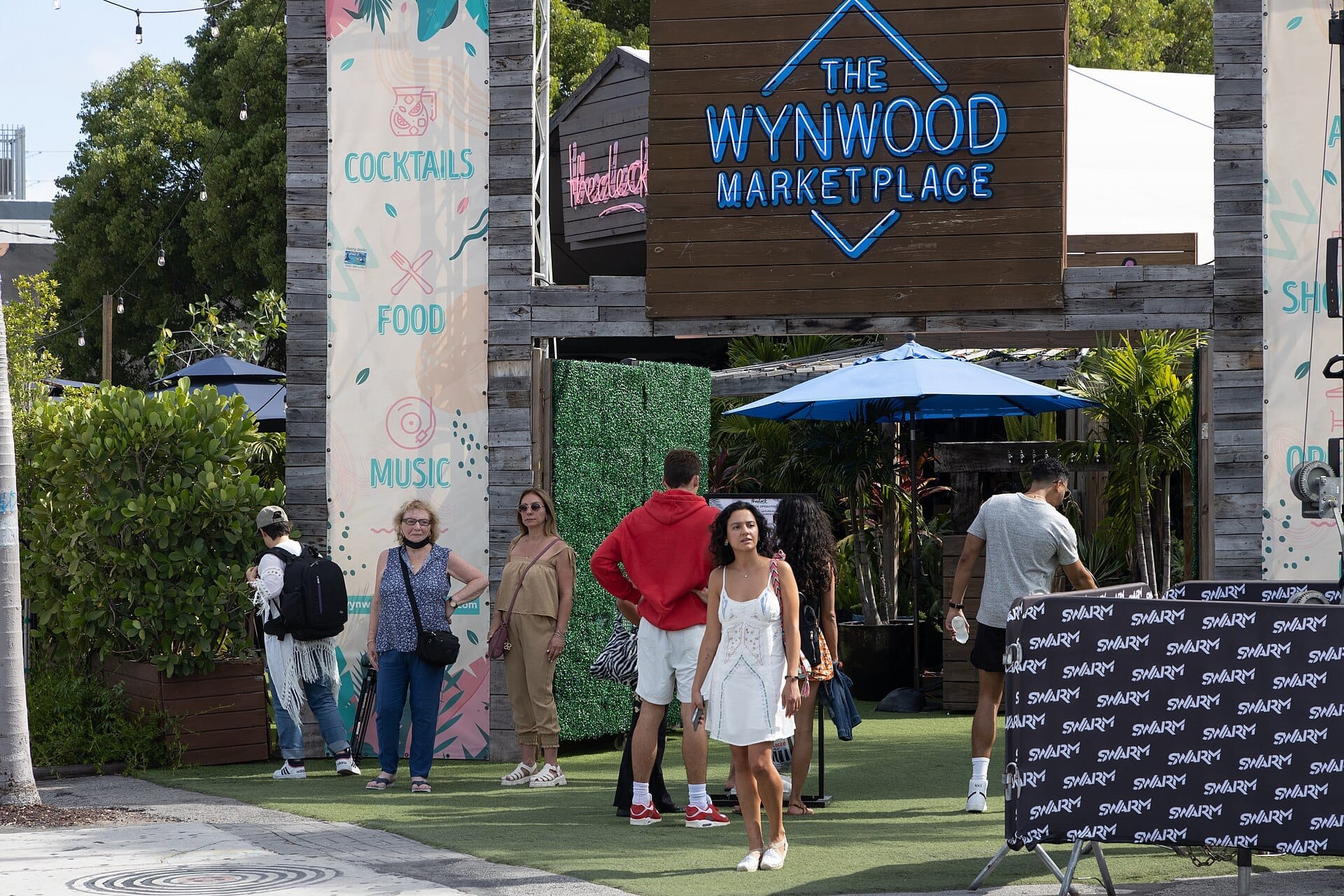
Beyond the Walls, the surrounding streets are an open-air gallery in their own right. Many of the most striking murals in Wynwood are on building exteriors accessible from the public sidewalk, with no admission charge. The Wynwood Marketplace on NW 2nd Avenue hosts a rotating selection of food vendors, craft stalls, and live events, particularly on weekends. Roberto Clemente Park at 101 NW 34th St provides green space in a neighborhood that otherwise has little of it, and functions as a community anchor for the older resident population.
For contemporary art beyond the street level, Wynwood has a cluster of commercial galleries and independent art spaces concentrated along NW 2nd Avenue and on side streets near the Walls. The Museum of Graffiti on NW 2nd Avenue is a dedicated institution tracing the history of graffiti as an art form, with rotating exhibitions and a permanent collection that provides context for the street art visible throughout the neighborhood. It charges a separate admission and is worth planning around.
Wynwood Walls: the core outdoor mural complex, ticketed entry, best visited on weekday mornings
Museum of Graffiti: dedicated institution on NW 2nd Avenue covering graffiti history and contemporary work
Wynwood Marketplace: weekend food and craft market on NW 2nd Ave with rotating vendors
Roberto Clemente Park: community green space at 101 NW 34th St
Street art walking routes: dozens of significant murals on building exteriors throughout the district, free and accessible at all hours
Commercial gallery circuit: independent art spaces along NW 2nd Avenue, most with free admission
ℹ️ Good to know
Wynwood sees particularly concentrated activity during Art Basel Miami Beach each December, when temporary installations, pop-up galleries, and special events fill the neighborhood. If you are planning a visit during that period, book accommodation and restaurant reservations well in advance. See the Miami Art Basel guide for details.
Eating & Drinking
Wynwood's food and drink scene has grown alongside its art reputation, and the result is one of Miami's most concentrated dining corridors. NW 2nd Avenue is the main spine, with restaurants, bars, and cafés occupying converted warehouse spaces on both sides of the street. The range runs from fast-casual lunch spots to full-service dinner restaurants with serious wine lists. For a broader overview of what Miami's food culture looks like across the city, the Miami food guide covers the full spectrum.
The neighborhood has particular strengths in Latin American cuisine, reflecting both its older Puerto Rican community roots and the wider Miami cultural mix. You will find arepas, Cuban sandwiches, and Venezuelan-influenced menus alongside New American, wood-fired pizza, and international concept restaurants. Price ranges are moderate to high by Miami standards. Budget lunch options do exist, particularly at the Wynwood Marketplace stalls, but most sit-down restaurants in the core district price at mid-range or above.
The bar scene concentrates on the same stretch of NW 2nd Avenue and the surrounding cross-streets. Craft beer is well represented, with several breweries operating taprooms in the district, a natural fit for the large warehouse footprints available. Cocktail bars are numerous and tend toward the designed end of the spectrum, with outdoor terraces and muraled walls as part of the aesthetic. The drinking scene peaks Thursday through Saturday nights, when reservations or early arrival are advisable at the more popular spots.
⚠️ What to skip
Parking is genuinely difficult in Wynwood on weekend nights. Several private lots charge significant fees, and street parking fills early. If you are coming for a dinner and drinks evening, arriving by rideshare (Uber or Lyft both operate throughout the area) is strongly recommended over driving. The cost and frustration of parking often outweighs any savings.
Getting There & Around
Wynwood is not directly served by Miami's Metrorail, which is the main practical limitation for visitors relying on public transit. The closest Metrorail stations are in Downtown Miami to the south. Miami-Dade Transit operates Metrobus routes along corridors near the neighborhood, and the county's Go Connect circulator service covers parts of the area. For current route and schedule information, check Miami-Dade Transit directly before your visit. The guide to getting around Miami covers the full public transit picture and is worth reading before planning a multi-neighborhood day.
In practical terms, most visitors reach Wynwood by rideshare or car. Uber and Lyft both operate in the area and provide the most convenient door-to-door connection from South Beach, Downtown, Brickell, or the airport. From Downtown Miami, the drive is under 10 minutes outside of peak traffic. From South Beach via the MacArthur Causeway, allow 15 to 20 minutes under normal conditions.
Within the neighborhood itself, everything is walkable. The core visitor area — Wynwood Walls, the main gallery streets, the NW 2nd Avenue restaurant and bar strip — fits within a roughly 10-minute walk from end to end. The streets are flat and mostly wide, though shade is limited. In summer heat (June through September, with highs regularly above 89°F / 32°C), bring water and plan for the afternoon sun.
For day-trippers combining Wynwood with the Miami Design District, the two neighborhoods connect by a straightforward walk north along NW 2nd Avenue, approximately 10 to 15 minutes on foot. The transition is visible as you cross NW 36th Street, where the warehouse aesthetic of Wynwood gives way to the designed streetscapes and luxury storefronts of the Design District. This north-south corridor makes for a logical half-day itinerary combining both areas.
Where to Stay
Wynwood has become an increasingly viable base for visitors who prioritize the arts and nightlife over beach access. A growing number of boutique hotels and design-forward properties have opened in and around the district over the past decade, typically occupying converted warehouse or low-rise buildings that fit the neighborhood's aesthetic. Staying here puts you within walking distance of the galleries and restaurants, which is a genuine convenience if your itinerary is centered on the arts scene. For a comparison of Miami's neighborhoods as bases, the where to stay in Miami guide breaks down the trade-offs across the city.
The main trade-off for staying in Wynwood is beach distance. South Beach is a 20 to 30-minute rideshare ride depending on traffic, which is manageable but not walkable. Visitors whose primary reason for coming to Miami is the beach will likely find South Beach or Mid-Beach a more convenient base. Wynwood makes most sense as a home base for travelers whose itinerary is built around art, dining, nightlife, and cultural exploration rather than beach time.
Weekend nights bring noise from the bar and restaurant strip that can be audible in nearby accommodations. If you are a light sleeper or arrive exhausted from travel, confirm with your accommodation whether your room faces a quiet street. Properties on or directly adjacent to NW 2nd Avenue will be loudest on Friday and Saturday nights.
Practical Notes
Wynwood follows standard Miami weather patterns: a dry, cooler season from roughly November through April when temperatures stay in the mid-70s to low 80s Fahrenheit (around 24–28°C), and a wet, hot season from May through October with afternoon thunderstorms and temperatures regularly above 89°F (32°C). The dry season aligns with peak tourism, and the neighborhood is busiest from December through March, particularly around Art Basel in early December. For a full seasonal breakdown, the best time to visit Miami guide covers weather and crowd patterns across the year.
The neighborhood is generally safe during the day and during the busy evening hours on the main commercial strips. As with any urban area, awareness of your surroundings matters more on quieter side streets late at night. The rapid development of Wynwood has brought significant lighting and commercial activity to the core blocks, but the streets immediately adjacent to I-95 to the west are less developed and less active after dark. Stick to the lit main corridors when navigating back to your accommodation or to a rideshare pickup point late at night.
U.S. tipping norms apply throughout Wynwood: 18 to 20 percent is standard at sit-down restaurants and bars, and many point-of-sale systems will suggest amounts starting at 18 percent. Tap water in Miami meets EPA drinking water standards and is safe to drink. The standard U.S. electrical system (120V, Type A and B plugs) is in use throughout. For broader practical travel information covering all of Miami, the Miami safety tips guide and the Miami nightlife guide are both relevant for Wynwood visitors.
TL;DR
Wynwood is Miami's most concentrated arts district: a former warehouse zone defined by the Wynwood Walls mural complex, independent galleries, the Museum of Graffiti, and a dense restaurant and bar strip along NW 2nd Avenue.
Best experienced on weekday mornings for the art and on weekday evenings for dinner; weekend nights are crowded and loud, which some visitors love and others find overwhelming.
Not directly served by Metrorail — rideshare or car is the practical way in, and parking on weekends is difficult and expensive.
Ideal for travelers whose Miami itinerary centers on art, design, food, and nightlife rather than beach time; for beach-first visitors, South Beach or Mid-Beach is a more convenient base.
Pairs naturally with a walk or short ride to the Miami Design District to the north; connects south to Downtown Miami and Brickell via rideshare or bus.
Three days is enough to hit Miami's best neighborhoods, beaches, and cultural landmarks — if you plan smart. This day-by-day guide covers South Beach, Wynwood, Little Havana, and a half-day Everglades excursion, with practical advice on getting around, what things cost, and what to skip.
Miami Beach's Art Deco Historic District contains the world's largest concentration of Art Deco architecture, with over 800 historic buildings packed into a walkable stretch of South Beach. This guide covers where to start, what to look for, the best times to go, and how to make the most of the district on your own terms.
Miami's beaches range from the world-famous to the wonderfully overlooked. This guide covers the best stretches of sand across South Beach, Key Biscayne, and beyond, organized by what kind of beach day you're actually after.
Miami's museum scene is stronger than its beach-city reputation suggests. Whether you're after contemporary art, Cuban history, cutting-edge science, or design history, the city delivers world-class institutions across every neighborhood.
Miami is a year-round destination, but timing your trip makes a real difference. This guide breaks down every month by weather, crowd levels, hotel prices, and key events so you can pick the window that fits your priorities, whether that's perfect beach weather, low-cost flights, or catching a major festival.
Held each March in Little Havana, the Calle Ocho Music Festival draws roughly one million people to a single mile of SW 8th Street for free live music, 300+ food vendors, and a full day of Latin culture. Here's how to make the most of it.
Miami sits at one of the most extraordinary geographic crossroads in North America. Within an hour or two, you can be wading through alligator country, snorkeling coral reefs, or exploring colonial-era lighthouses. These are the best day trips from Miami, organized by destination.
The Everglades sit less than an hour from downtown Miami, yet most visitors leave without a clear plan and end up on the wrong tour for their expectations. This guide covers every option, from budget bus packages to private airboat expeditions, with honest advice on timing, pricing, and what to watch out for.
The Florida Keys are one of the most rewarding drives from Miami, but the logistics matter more than most visitors expect. This guide covers exact distances, key stops along the Overseas Highway, day-trip options, multi-day road trip planning, and honest seasonal advice to help you get the most out of the journey.
Miami rewards budget-conscious visitors more than most cities its size. Between free beaches, no-admission museums, iconic architecture walks, and world-class street art, you can fill several days without pulling out your wallet. This guide covers the best genuinely free experiences across the city.
Miami has more transit options than most visitors expect. This guide covers the Metrorail, free Metromover, Metrobus, trolleys, ride-hailing, and the fastest ways to get from Miami International Airport into the city, with fares, hours, and honest assessments of what actually works.
Little Havana is Miami's most culturally distinct neighborhood, centered on Calle Ocho and shaped by decades of Cuban exile history. This guide covers the top attractions, best food stops, seasonal festivals, walking tour options, and what to know before you go.
Miami International Airport (MIA) is the main gateway to South Florida, handling tens of millions of passengers each year. This guide covers the terminal layout, the arrivals process for domestic and international travelers, every ground transport option with current fare structures, transfer rules you need to know, and how to avoid the most common mistakes first-timers make.
Art Basel Miami Beach is the largest international contemporary art fair in the Americas, drawing 80,000 visitors to Miami Beach each December. This guide covers tickets, VIP access, satellite fairs, logistics, and how to make the most of Miami Art Week without losing your mind.
Miami is the undisputed Cuban food capital of the United States. This guide covers the best restaurants, essential dishes, where to find the perfect Cuban sandwich, and practical tips on prices, neighborhoods, and timing — so you eat well from the first day.
Miami's restaurant scene runs deeper than most visitors expect. Cuban classics, Peruvian ceviche, Haitian griot, and world-class seafood sit alongside a fine-dining circuit that ranked #1 nationally for restaurant quality in 2025. This guide cuts through the noise to tell you exactly what to order, where to go, and when to show up.
Miami delivers a genuinely impressive range of couple-friendly experiences, from Italianate waterfront estates to mangrove kayak trails and rooftop cinemas. This guide cuts through the tourist noise to give you the best romantic activities, honest pricing, and practical advice for planning a memorable trip together.
Miami rewards those who look beyond Ocean Drive. From mangrove paddling trails to a coral-rock swimming pool and tucked-away historic sites, these lesser-known spots reveal the layers of history, nature, and culture that make the city genuinely fascinating.
Summer in Miami means heat, humidity, and afternoon thunderstorms — but also lower hotel rates, thinner crowds, and a city that never actually closes. This guide breaks down exactly what to expect from June through September so you can decide if the off-season trade-offs work for you.
Miami's winter months are the city's peak season for good reason: warm, dry days, minimal humidity, and a packed events calendar. Here's everything you need to know about visiting from December through February, from realistic weather expectations to crowd levels and money-saving tips.
Miami's luxury scene spans oceanfront South Beach party hotels to quiet Bal Harbour enclaves and sky-high Brickell penthouses. This guide breaks down the best neighborhoods, hotels, restaurants, and high-end experiences with honest pricing, seasonal advice, and no filler.
Miami Music Week is the city's biggest annual electronic music takeover, culminating in Ultra Music Festival at Bayfront Park in Downtown Miami. This guide covers everything: how the week works, what Ultra actually involves, where to stay, what to bring, and what first-timers consistently get wrong.
Miami's after-dark scene runs the full spectrum, from A-list DJ clubs open until sunrise to low-key cocktail bars and late-night Cuban diners. This guide breaks down the best neighborhoods, top venues, seasonal tips, and what first-timers consistently get wrong.
Miami has a reputation for flashy excess, but the city is genuinely accessible on a tight budget. Free public beaches, a $2.25 transit fare, zero-cost museums on select days, and a thriving street food scene mean you can do Miami properly without burning through your savings. Here is exactly how.
Miami is safe for tourists in the right areas, but it helps to know exactly where those areas are and what to watch out for. This guide breaks down crime data, neighborhood risk levels, road safety, weather hazards, and practical tips drawn from official Miami-Dade and Miami Beach police guidance.
Miami's shopping scene spans open-air luxury districts, massive malls, artsy markets, and eclectic neighborhood streets. This guide covers the best spots across every style and budget, from designer flagships to Cuban cigar shops.
Miami rewards solo travelers who know where to go and what to expect. This guide covers the safest neighborhoods, realistic daily budgets, transport options, top solo-friendly activities, and seasonal advice to help you plan a trip that actually works.
Whether you're heading north to Fort Lauderdale for a day trip or crossing the state to Tampa, the logistics matter. This guide breaks down every travel option between Miami and both cities, with honest assessments of cost, time, and comfort across all transport modes.
From Ocean Drive's Art Deco hotels to the Cape Florida Lighthouse on Key Biscayne, many Miami Vice filming locations are still standing and visitable today. This guide maps the key sites, separates fact from fan myth, and gives you everything you need to plan your own location tour.
Miami is built around the water, and the activities on offer go far beyond lounging on the beach. This guide covers the best places to kayak, snorkel, paddleboard, sail, and explore by boat across Biscayne Bay, Key Biscayne, and the wider Miami coastline.
Miami's tropical monsoon climate means warm winters, scorching summers, and a rainy season that catches many visitors off guard. This guide breaks down temperatures, rainfall, sea conditions, and crowd patterns for every month so you can plan smarter.
Miami delivers far more for families than sun and sand. This guide covers the best kids activities in Miami, from the only subtropical zoo in the U.S. to shallow lagoons perfect for toddlers, with honest advice on timing, pricing, and what genuinely works with children in tow.
Miami's waters are the main attraction, and renting a boat is the best way to experience them. This guide covers every vessel type, honest price breakdowns, the best departure marinas, and the hidden costs that inflate your final bill.
Miami packs beaches, world-class art, Cuban culture, and two national parks into one metro area. This guide cuts through the noise to show you what's genuinely worth your time, what to skip, and how to plan it all without overpaying.
Choosing where to stay in Miami shapes your entire trip. This guide breaks down every major neighborhood by vibe, price, transit access, and who it suits best, so you can book with confidence and avoid costly mistakes.
Wynwood is Miami's most visually arresting neighborhood, home to the world-famous Wynwood Walls, 70+ galleries, acclaimed restaurants, and craft breweries. This guide covers everything from buying tickets and finding the best murals to navigating Art Walk nights and knowing when to avoid the crowds.