Solo Travel in Miami: The Complete Guide to Tips, Safety & Best Experiences
Miami rewards solo travelers who know where to go and what to expect. This guide covers the safest neighborhoods, realistic daily budgets, transport options, top solo-friendly activities, and seasonal advice to help you plan a trip that actually works.
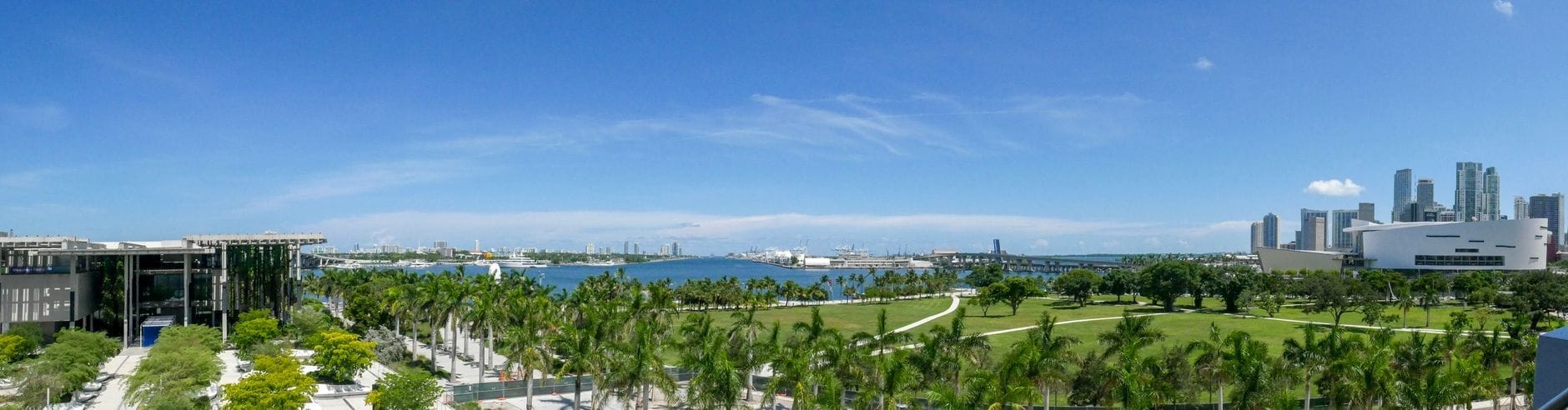
Plan and book this trip
Tools from our partner Travelpayouts help you compare flights and hotels. If you book through them, we may earn a commission at no extra cost to you.
Flights
Hotels map
TL;DR
- Solo travel in Miami is very manageable: tourist-heavy areas like South Beach, Brickell, and Wynwood are generally safe, well-lit, and easy to navigate. Read the full Miami safety tips guide for neighborhood-level detail.
- Budget around $180–$240 per day for a mid-range solo trip (hostel bed, three meals, one or two paid activities, and some nightlife).
- Use Metrorail and city trolleys during the day to save money; switch to Uber or Lyft after dark for convenience and safety.
- The best months for solo travel are November through April: dry, cooler weather (highs around 76–85°F / 24–29°C) and a full events calendar. See the best time to visit Miami guide for full seasonal breakdowns.
- Miami has no notable tourist-specific scams, but standard big-city awareness applies: watch your belongings, avoid isolated areas after midnight, and don't flash expensive gear on the beach.
Is Miami Good for Solo Travel?
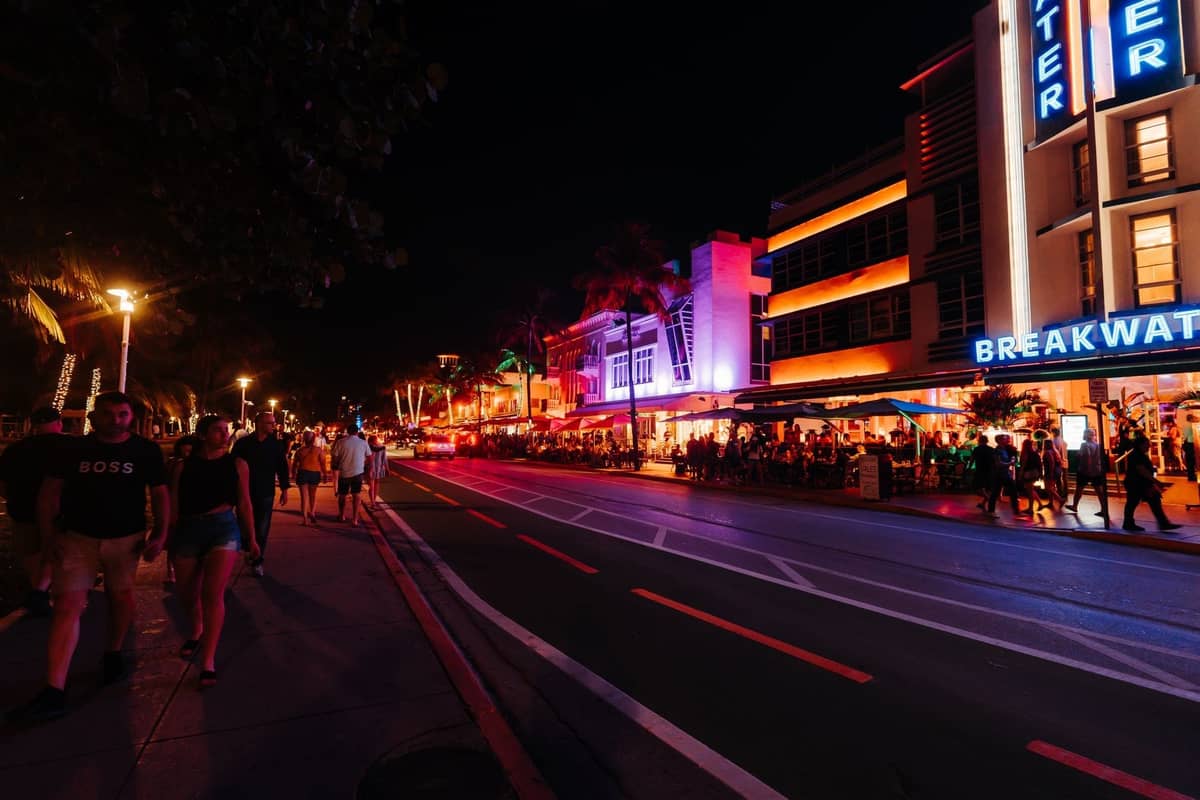
Miami is one of the more accessible U.S. cities for people traveling alone. The city is set up for visitors in a way that many American metros are not: compact tourist zones, a walkable beach strip, a functioning public transit system, and a culture that skews social. You are unlikely to feel out of place eating alone at a counter-service spot in Wynwood or sitting on the sand in South Beach with a book.
The flip side is that Miami as a whole does carry a higher-than-average crime rate by U.S. standards, according to Miami-Dade Police Department statistics. This is worth acknowledging honestly, not to alarm you, but because the contrast between tourist zones and some surrounding areas is significant. Stick to the areas covered in this guide, particularly South Beach, Wynwood, Brickell, and Coconut Grove, and you are operating in genuinely well-maintained, high-footfall environments.
ℹ️ Good to know
Miami Beach is a separate municipality from the City of Miami, connected by causeways across Biscayne Bay. When locals say 'the beach,' they almost always mean Miami Beach. This matters for ride-share pricing, transit planning, and understanding which city's services apply where.
Best Neighborhoods for Solo Travelers
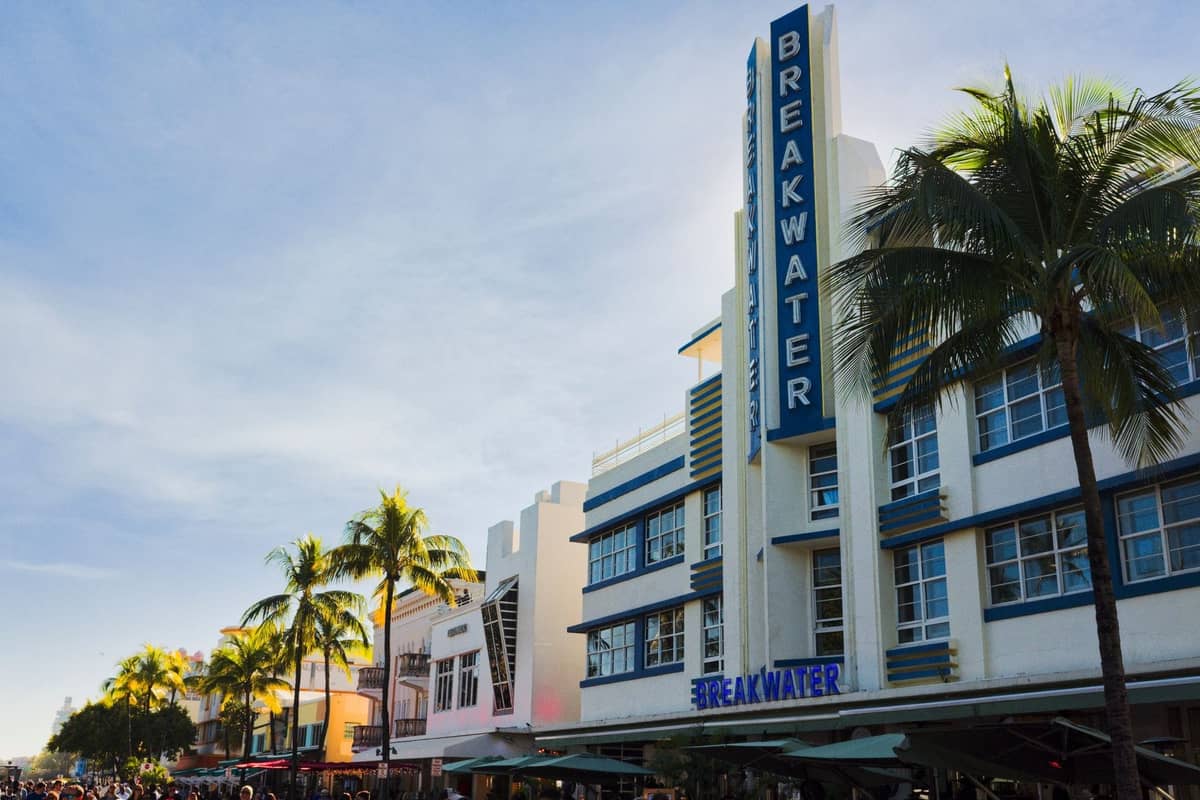
Not all of Miami's neighborhoods are equally solo-friendly. The following areas offer the best combination of walkability, safety, atmosphere, and things to do on your own schedule.
- South Beach The most tourist-dense area in Miami, which works in your favor as a solo traveler. Ocean Drive, Collins Avenue, and Lincoln Road Mall are active from morning through late night. South Pointe Park at the southern tip is excellent for a solo morning walk or sunset session without the Ocean Drive crowds.
- Wynwood This former warehouse district is tailor-made for solo exploration. You can spend two to three hours wandering the murals around the Wynwood Walls independently, then settle into a café or brewery. The area is busy on weekends, quieter and more atmospheric mid-week.
- Brickell Miami's financial district is clean, walkable, and has excellent food and coffee options at Brickell City Centre. The free Metromover connects you to Downtown in minutes. Good base neighborhood if you want a quieter, less party-heavy vibe than South Beach.
- Little Havana Calle Ocho (SW 8th Street) is best explored on foot during daylight hours. The strip has Cuban coffee windows, cigar rollers, and live music at spots like Ball & Chain. It is a more local, less touristy experience than South Beach, and all the better for it.
- Coconut Grove One of Miami's oldest neighborhoods, with a relaxed bayside atmosphere. Good for solo dining, independent bookshops, and waterfront walking paths. Less nightlife than South Beach, which is a selling point for some.
⚠️ What to skip
Overtown and parts of Liberty City are historically underserved neighborhoods with higher crime rates. These are not areas solo visitors should navigate on foot at night, and rideshare apps will be your safest option if you pass through en route to something else. This is not a judgment on the communities there — it is practical safety advice.
Top Solo-Friendly Activities in Miami
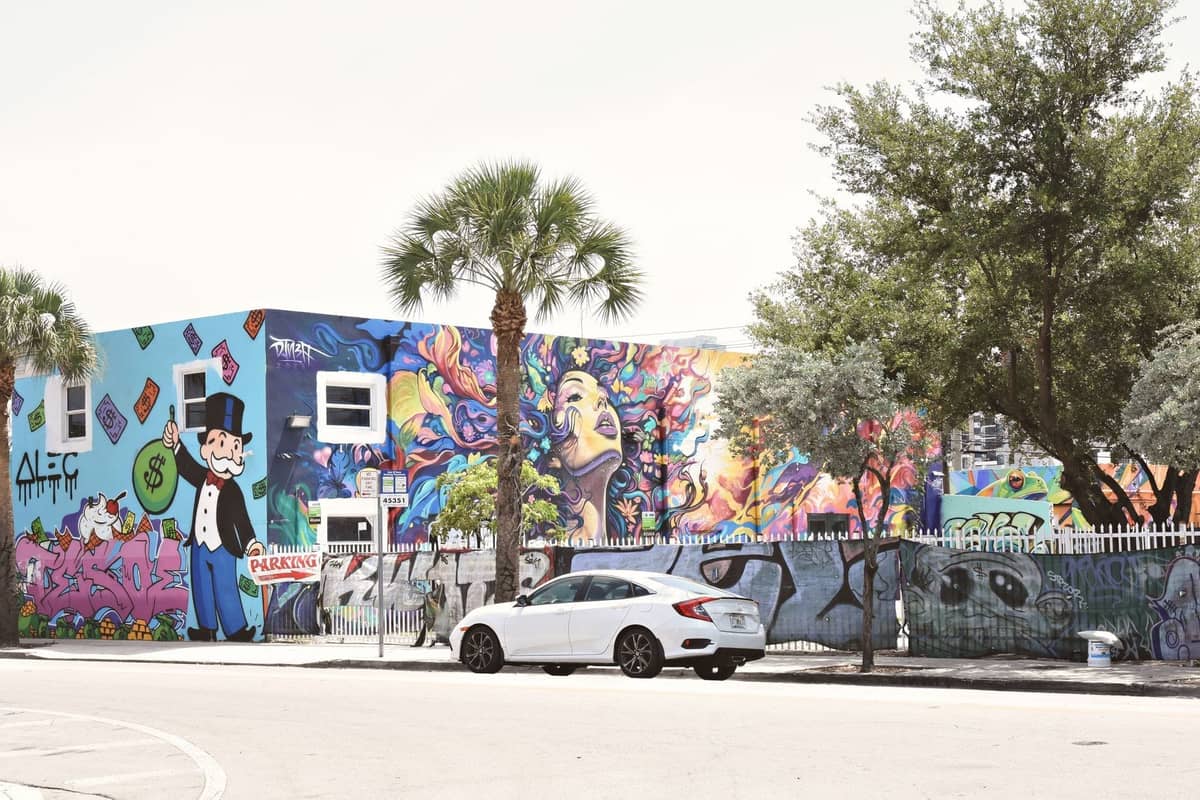
Solo travel rewards activities that work at your own pace, and Miami has a strong lineup. The Wynwood Walls outdoor street-art museum is one of the best solo stops in the city: admission is paid, the murals rotate periodically, and there is no pressure to move at anyone else's speed. Combine it with the nearby Museum of Graffiti for a full arts-focused half-day.
For culture with more depth, the Pérez Art Museum Miami (PAMM) on the Downtown waterfront covers modern and contemporary work with a strong Latin American focus. The Phillip and Patricia Frost Museum of Science next door includes a planetarium and a Gulf Stream aquarium, which is genuinely impressive for adults, not just families. Both museums are a short Metromover ride from Brickell or Downtown.
Beach time is the obvious solo activity, and the options go beyond the main South Beach strip. Lummus Park Beach between 5th and 14th Streets is the classic South Beach stretch, busy and social. For something calmer, head north to Haulover Beach Park or cross the Rickenbacker Causeway to Key Biscayne for significantly fewer crowds and cleaner water. Check the best beaches in Miami guide to match your preference for energy level and setting.
- Walk the Art Deco Historic District on Ocean Drive and Collins Avenue — free, self-guided, best done on a weekday morning before the heat peaks
- Take a solo kayak or paddleboard rental at Oleta River State Park, the largest urban park in Florida
- Spend a morning at Vizcaya Museum and Gardens, an Italianate villa with 10 acres of formal gardens on Biscayne Bay
- Explore Little Havana's Calle Ocho on foot: Cuban coffee at a ventanilla (walk-up window), a hand-rolled cigar, and a domino game watch at Maximo Gomez Park
- Catch a Metrorail train to Coral Gables and walk the Miracle Mile or swim at the historic Venetian Pool
- Join a free walking tour in South Beach — these run most mornings, are pay-what-you-wish, and are an efficient way to meet other travelers
Getting Around Miami as a Solo Traveler
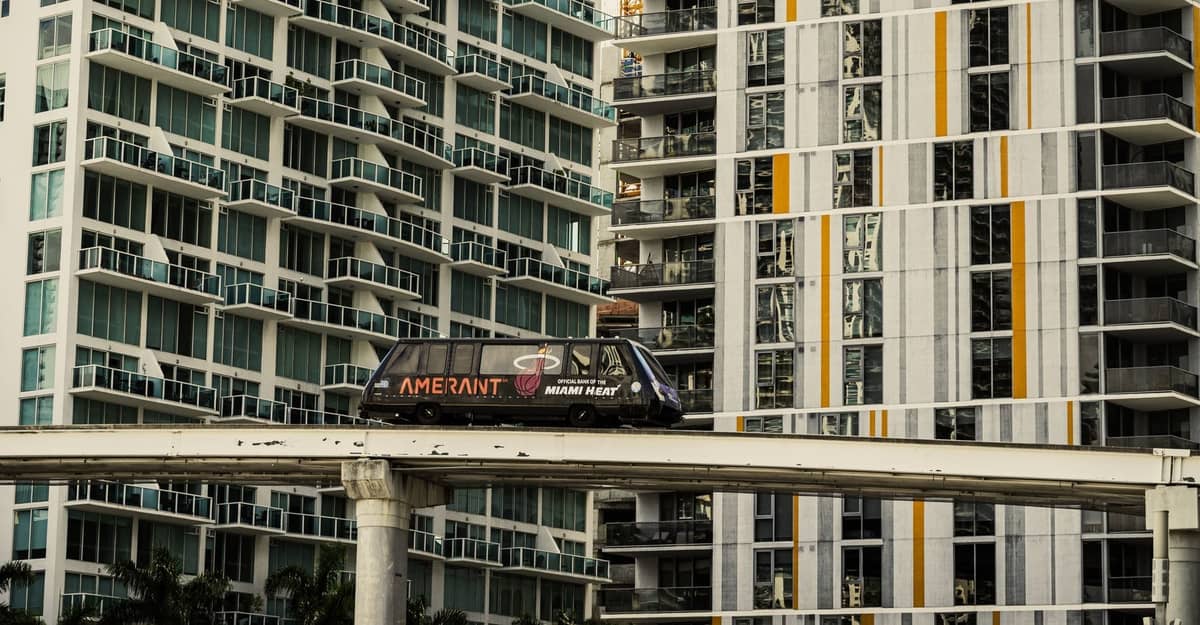
Miami is not a walking city at the metro scale, but within neighborhoods it is very manageable on foot. The key is understanding which transit tools suit different times of day and budget levels.
Miami-Dade Transit (MDT) operates the Metrorail heavy rail system, the free automated Metromover in Downtown and Brickell, and an extensive Metrobus network. The Metrorail connects Miami International Airport (MIA) to Downtown via the Orange Line through the Miami Intermodal Center, making it the most affordable airport transfer option. Fares are currently $2.25 per ride on Metrorail and Metrobus — check current pricing on the Miami-Dade Transit website before your trip, as fares are subject to change.
Several Miami neighborhoods also run free city trolley routes, which are genuinely useful for short hops within Brickell, Wynwood, Little Havana, and Coconut Grove. For the full breakdown of routes and options, the getting around Miami guide covers every transit mode with current details.
✨ Pro tip
Rideshare (Uber and Lyft) is the smart default for solo travel after dark. Both operate legally from MIA and throughout Miami-Dade, with designated pick-up zones at the airport. Pricing is dynamic, so avoid peak surge hours (Friday and Saturday nights after midnight) if budget matters. A standard ride between South Beach and Brickell typically falls in the $20–$30 range, but verify with the in-app estimate before confirming.
Honest Cost Breakdown for Solo Travel in Miami
Miami is not cheap, and it is worth being realistic about costs before you arrive. The city operates at U.S. prices with a beach-town premium layered on top, particularly in South Beach. That said, budget travel is genuinely possible if you make deliberate choices.
A mid-range solo traveler spending 5–7 days should budget roughly $180–$240 per day. That covers a hostel dorm bed (around $60–$80 in South Beach) or a budget hotel room further from the beach, three meals (mixing counter-service spots with one sit-down meal per day), one or two paid activities or museum entries, and some nightlife. A cocktail at a Downtown bar runs around $15–$18; a craft beer around $6–$8; coffee around $4–$6. Miami's nightlife scene is expensive by any standard — a full night out can easily exceed $100 without much effort.
For a week-long solo trip, estimates generally land between $1,500 and $2,000 depending on accommodation choices and how much nightlife you include. A long weekend runs closer to $800–$1,000. If you are working with a tighter budget, the Miami on a budget guide has concrete strategies, and the free things to do in Miami page lists a solid week's worth of no-cost activities.
- Accommodation Hostel dorm: $60–$80/night in South Beach. Budget hotel (Wynwood or Brickell): $120–$160/night. Mid-range hotel on Miami Beach: $180–$280/night. Resort fees are common and often not included in displayed rates — always check total before booking.
- Food Cuban sandwich or ventanilla coffee in Little Havana: $3–$8. Food truck or fast-casual lunch: $12–$18. Mid-range restaurant dinner: $25–$45 per person before tip. Upscale dinner: $60–$100+. Tipping 18–20% is standard across table-service restaurants.
- Transport Metrorail/Metrobus single fare: verify current pricing at Miami-Dade Transit. City trolleys: free. Rideshare South Beach to Wynwood: roughly $12–$20. MIA to Downtown by Metrorail: cheapest option, under $5 in most cases.
- Activities Wynwood Walls: around $12–$18 for general admission (verify current price). PAMM: check current rates, free on select evenings. Frost Science Museum: around $28–$35 for adults. Everglades day trips from Miami: $60–$120 depending on tour type.
Safety Advice and What to Actually Watch Out For
The headline safety message for solo travel in Miami is this: the main tourist zones are genuinely safe and heavily trafficked. South Beach, Wynwood, Brickell, and Coconut Grove all have significant foot traffic, functioning street lighting, and a visible police presence. Standard urban awareness, the kind you would apply in any major city, is sufficient for daytime and early evening.
After midnight, particularly on Ocean Drive and the blocks immediately off it, the dynamic shifts. Intoxication is common, and petty theft opportunism rises. Keep your phone in your pocket rather than in your hand, do not leave bags unattended on the beach (ever, at any time of day), and use rideshare rather than walking alone through unlit blocks after a long night out.
Miami does not have notable tourist-specific scams in the way some European cities do. The standard big-city precautions apply: watch your belongings in crowds, be alert when withdrawing cash at ATMs, and be appropriately skeptical of anyone offering unsolicited tour deals or club entry. Emergency services are reached at 911; for non-emergency city information, Miami-Dade County's 311 Answer Center handles general inquiries.
💡 Local tip
Solo women traveling in Miami report largely positive experiences when applying basic precautions: avoid isolated stretches of beach after dark, use rideshare rather than walking back to accommodation from late-night venues, and trust your instincts in any situation that feels off. Miami's social culture is open and forward, which most solo female travelers find a plus rather than a drawback.
When to Go: Seasonal Planning for Solo Travelers
Miami runs on a tropical monsoon climate with two distinct seasons: a dry season from roughly November through April, and a wet season from May through October. For solo travelers, this has real practical implications beyond just packing a raincoat.
The dry season, particularly December through March, is peak tourist season. Prices are highest, hotel availability tightest, and the social scene most active. Winter temperatures average 76–78°F (24–26°C) during the day and drop to around 60–63°F (16–17°C) at night, which is extremely pleasant. This is also when major events like Art Basel Miami Beach (December) and Miami Music Week (March) take place, bringing significant crowds but also an electric atmosphere.
Summer solo travel is viable but demands adjustment. June through August brings highs of 89–91°F (32–33°C), near-daily afternoon thunderstorms, and humidity that makes sustained outdoor activity genuinely uncomfortable between roughly noon and 4pm. On the upside, hotel rates drop significantly, restaurants are less crowded, and Miami's cultural life does not shut down. Stay hydrated, pack high-SPF sunscreen, and structure outdoor activities for early morning or evening. The guide to Miami in summer covers strategies for handling the heat without wrecking your budget.
FAQ
Is Miami safe for solo female travelers?
Yes, with sensible precautions. South Beach, Wynwood, Brickell, and Coconut Grove are well-lit, high-footfall areas where solo women regularly travel without issues. The key practical rules: use rideshare after midnight rather than walking alone, avoid isolated beach stretches at night, and keep bags secured in busy areas. Miami's social culture is open and outgoing, which most solo female travelers find a net positive.
How much money do I need per day for a solo trip to Miami?
Budget around $180–$240 per day for a mid-range solo trip covering hostel or budget hotel accommodation, three meals, one or two paid activities, and some nightlife. A hostel dorm in South Beach typically runs $60–$80 per night. If you avoid nightclub spending and use public transit, you can get below $150/day. A full week usually costs $1,500–$2,000 total.
What is the best neighborhood to stay in for solo travelers?
South Beach is the obvious answer for first-timers: walkable, social, and full of hostels and budget hotels. Wynwood suits solo travelers who want a more local, arts-focused atmosphere without the Spring Break energy. Brickell is the best choice if you want a quieter base with good food options and easy transit connections across the city.
Can I get around Miami without a car?
Yes, particularly if you base yourself in South Beach, Wynwood, or Brickell. The Metrorail, Metromover (free in Downtown and Brickell), Metrobus, and free city trolleys cover the main tourist neighborhoods. Uber and Lyft fill in the gaps efficiently. A car is only worth renting if you plan day trips to the Everglades, the Florida Keys, or further afield.
What is the best time of year for solo travel in Miami?
November through April offers the best weather: lower humidity, temperatures in the 76–85°F (24–29°C) range, and no significant rain. January through March hits the sweet spot of great weather plus an active events calendar. If budget is the priority, late May through early June or September give you lower hotel rates with the wet season's drawbacks minimized at either end.