Best Beaches in Miami: A Complete Guide to Every Shore Worth Visiting
Miami's beaches range from the world-famous to the wonderfully overlooked. This guide covers the best stretches of sand across South Beach, Key Biscayne, and beyond, organized by what kind of beach day you're actually after.
Plan and book this trip
Tools from our partner Travelpayouts help you compare flights and hotels. If you book through them, we may earn a commission at no extra cost to you.
Flights
Hotels map
Miami and its surrounding barrier islands offer a genuinely diverse beach scene, something that gets lost in the South Beach hype. The main beaches span three distinct zones: the South Beach strip with its Art Deco backdrop and people-watching culture, the calmer and greener shores of Key Biscayne, and the quieter parks to the north around Mid-Beach and North Beach. One important distinction: Miami Beach is a separate city from Miami, connected by causeways across Biscayne Bay. Most visitors confuse the two. If you want to plan your time well, the getting around Miami guide is worth reading before you go. For water-specific activities beyond sunbathing, check the Miami water activities guide.
💡 Local tip
Call the Ocean Rescue Hotline at (305) 673-7714 for daily beach conditions before heading out, or check the latest advisory online. Rip currents and jellyfish can affect any beach on any given day, and flag colors change regularly.
South Beach: The Classic Miami Beach Experience
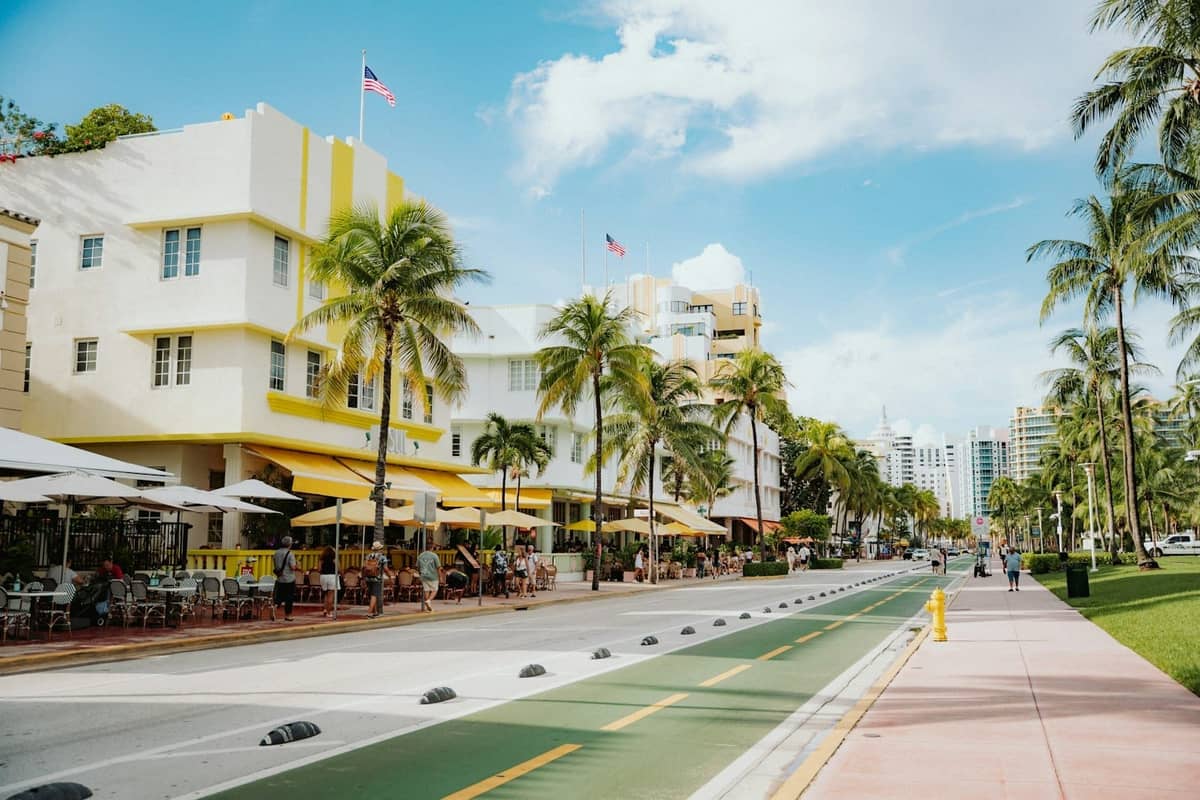
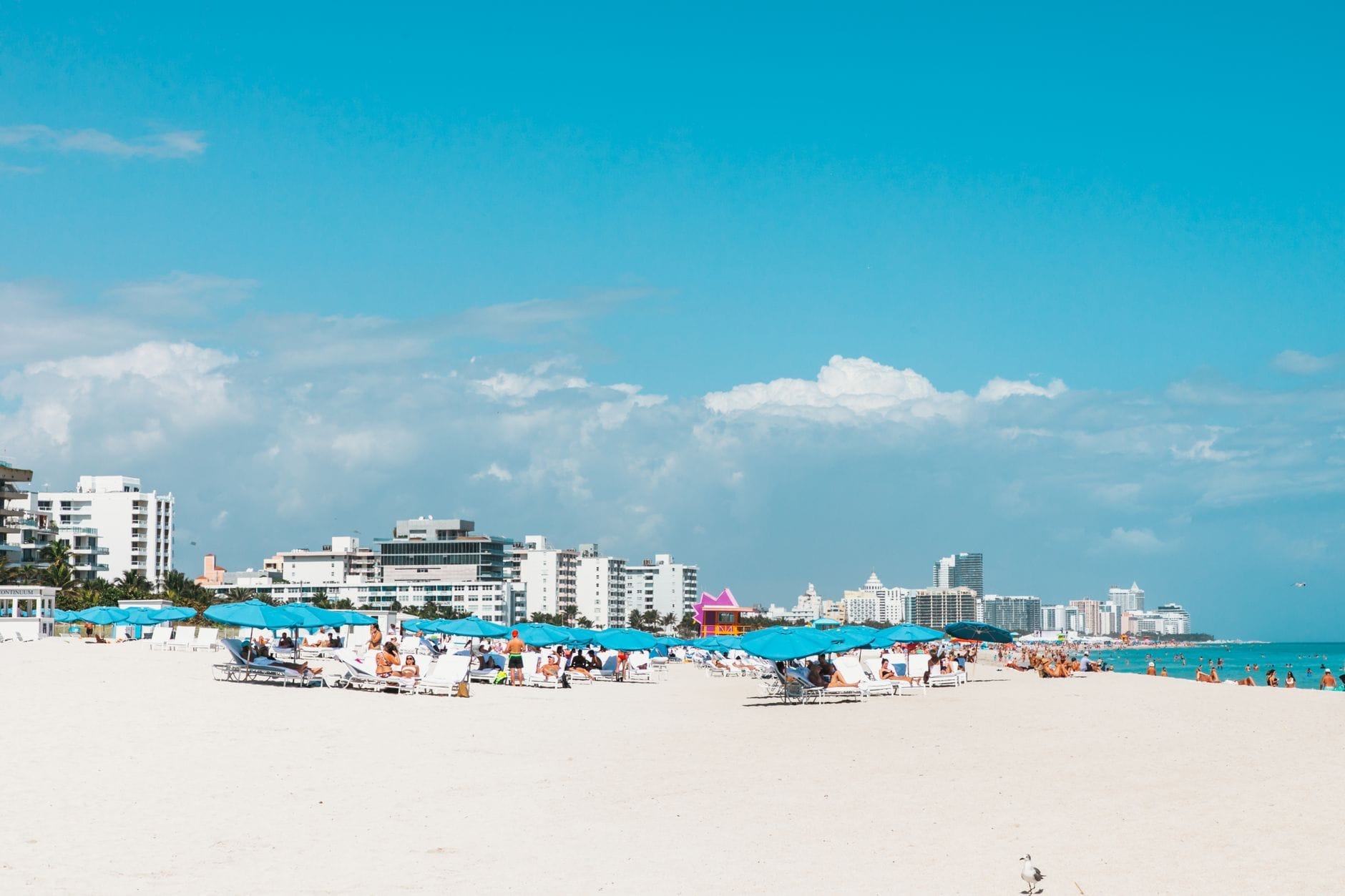
South Beach is the image most people carry in their heads when they think of Miami. The beach itself runs just over two miles north from South Pointe Park, backed by the pastel facades of the Art Deco Historic District. It's loud, colorful, and crowded in peak season, but there's a reason it became iconic. Come before 9am to get the beach almost to yourself, or lean into the scene and arrive midday with everyone else.
1. Stake Out a Spot on the Quintessential South Beach Strip
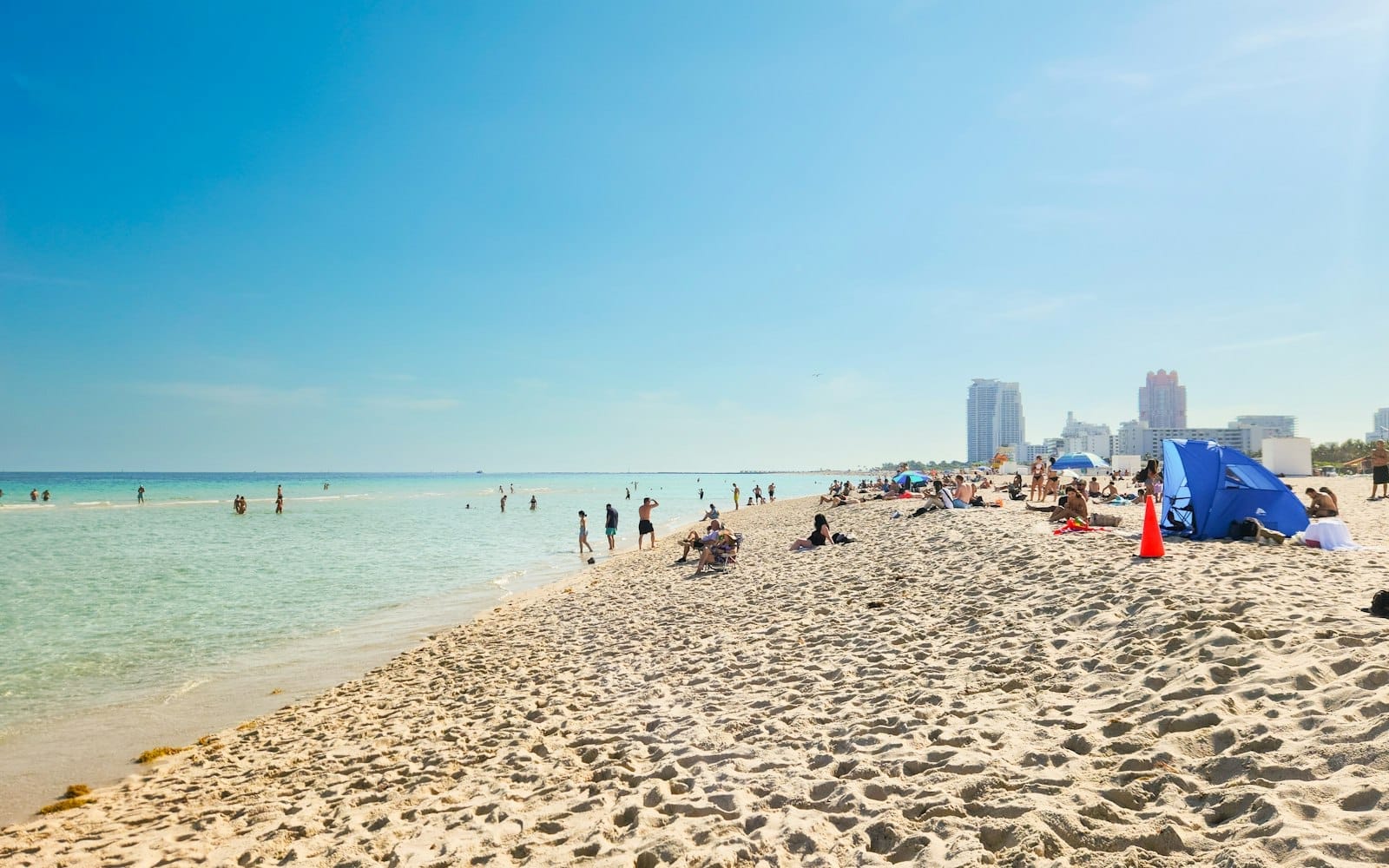
Lummus Park is the beating heart of South Beach, with white sand, turquoise water, and the famous muscle beach gym. It's wide, well-maintained, and free. Ocean Drive's cafés and Art Deco hotels are steps away. Arrive early or expect packed sands by 11am.
Explore1. Stake Out a Spot on the Quintessential South Beach Strip
Lummus Park is the beating heart of South Beach, with white sand, turquoise water, and the famous muscle beach gym. It's wide, well-maintained, and free. Ocean Drive's cafés and Art Deco hotels are steps away. Arrive early or expect packed sands by 11am.
Explore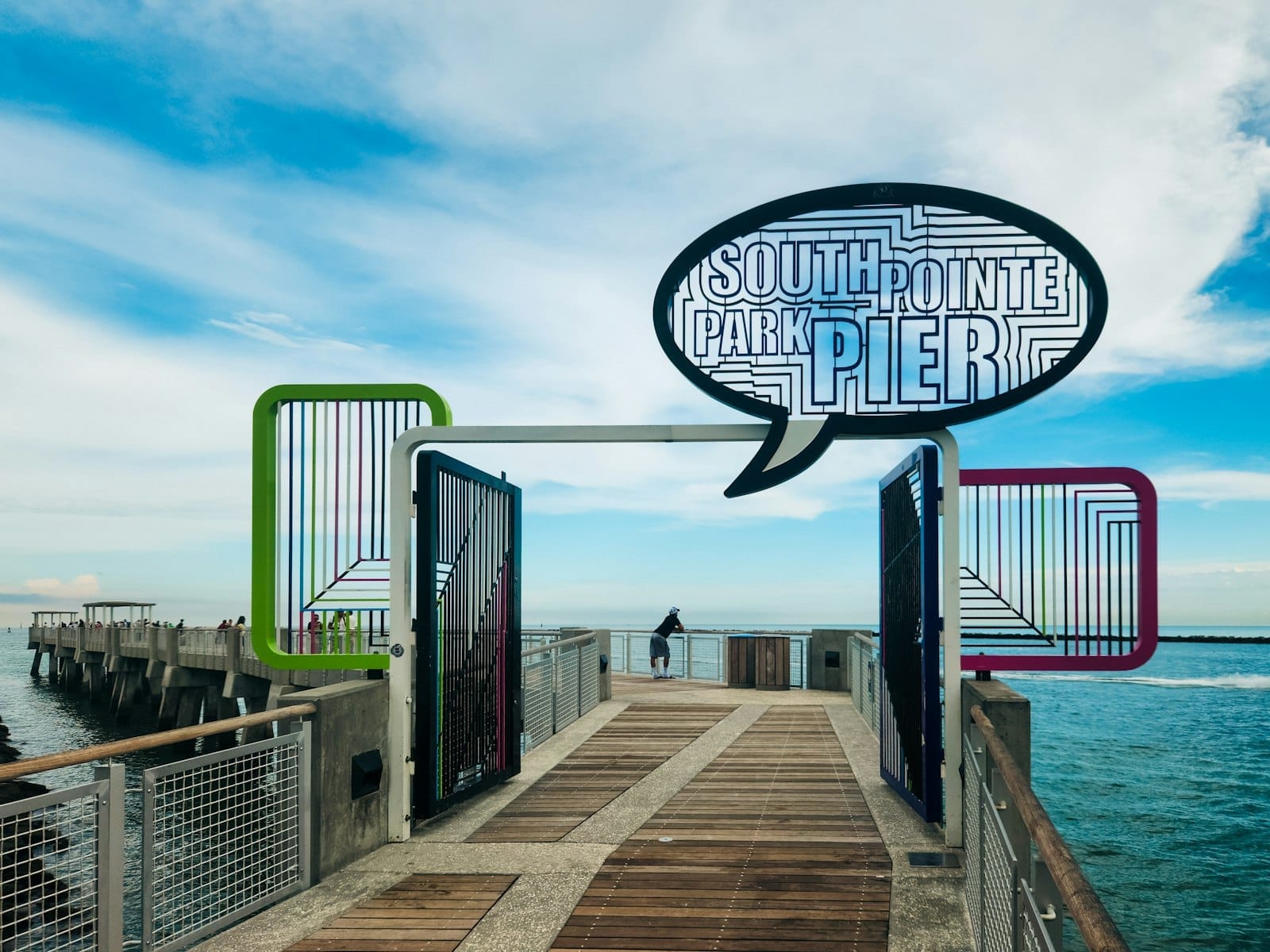
2. Watch Cruise Ships Pass at South Pointe Park and Pier
At the southern tip of Miami Beach, South Pointe Park offers something most beaches don't: massive cruise ships passing through Government Cut at close range. The pier is great for fishing, the lawns are shaded, and the water views stretch to the horizon.
Explore2. Watch Cruise Ships Pass at South Pointe Park and Pier
At the southern tip of Miami Beach, South Pointe Park offers something most beaches don't: massive cruise ships passing through Government Cut at close range. The pier is great for fishing, the lawns are shaded, and the water views stretch to the horizon.
Explore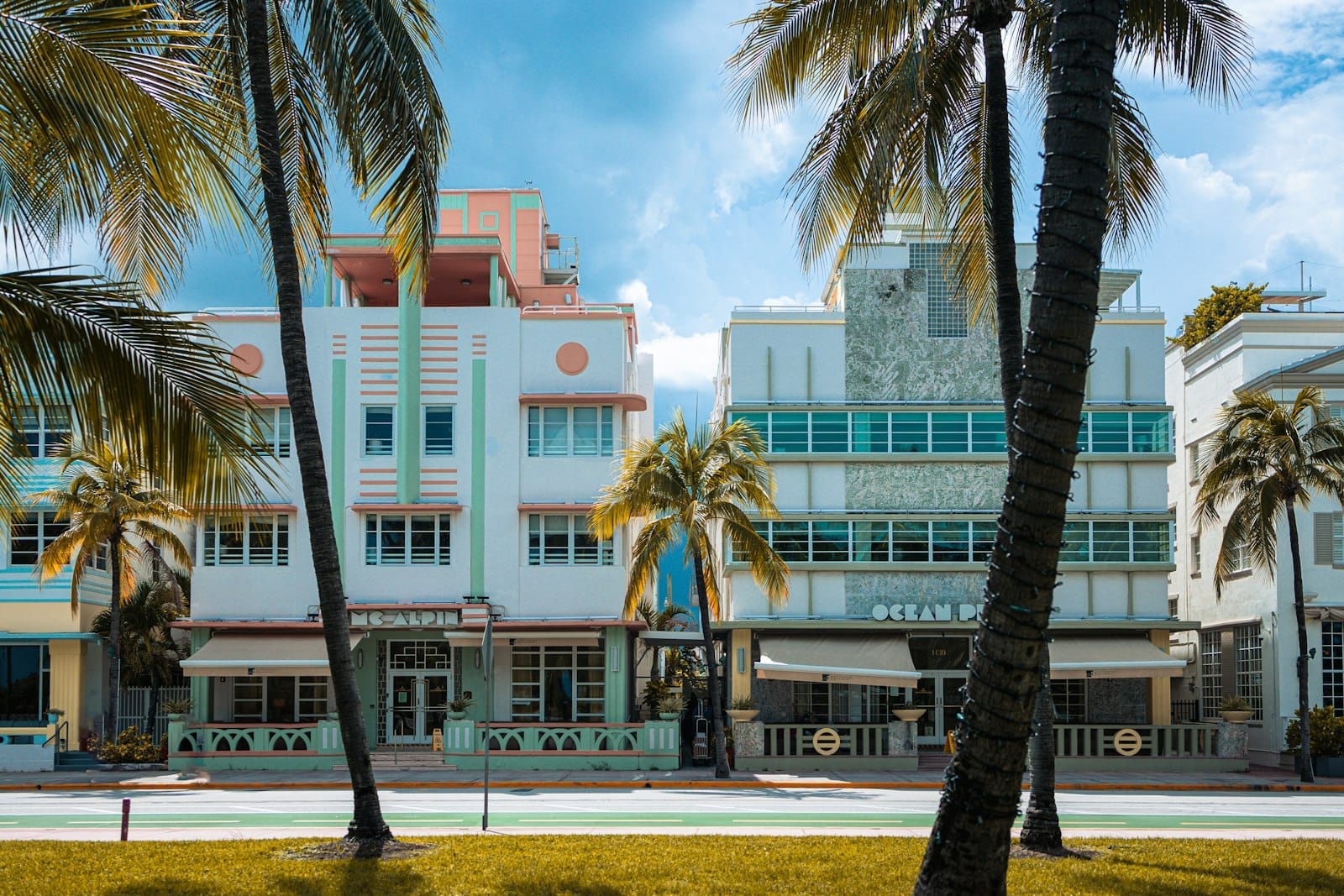
3. Walk Ocean Drive at Golden Hour for the Full Miami Effect
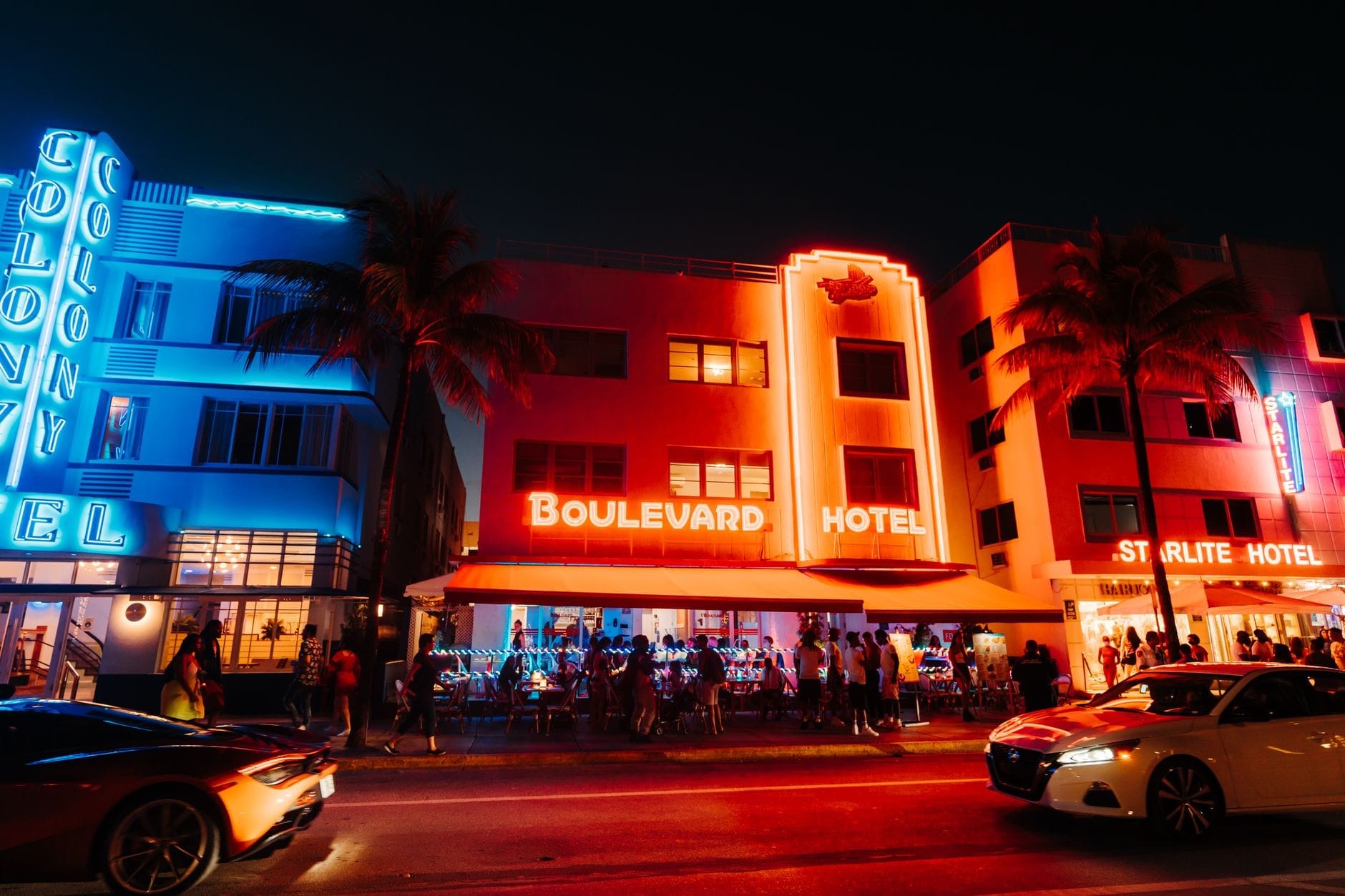
Ocean Drive isn't a beach itself, but it's the backdrop that makes South Beach what it is. The 1930s Art Deco hotels glow pink and yellow at dusk, outdoor bars fill up, and the energy is unlike anywhere else in the country. Walk it before dinner.
Explore3. Walk Ocean Drive at Golden Hour for the Full Miami Effect
Ocean Drive isn't a beach itself, but it's the backdrop that makes South Beach what it is. The 1930s Art Deco hotels glow pink and yellow at dusk, outdoor bars fill up, and the energy is unlike anywhere else in the country. Walk it before dinner.
Explore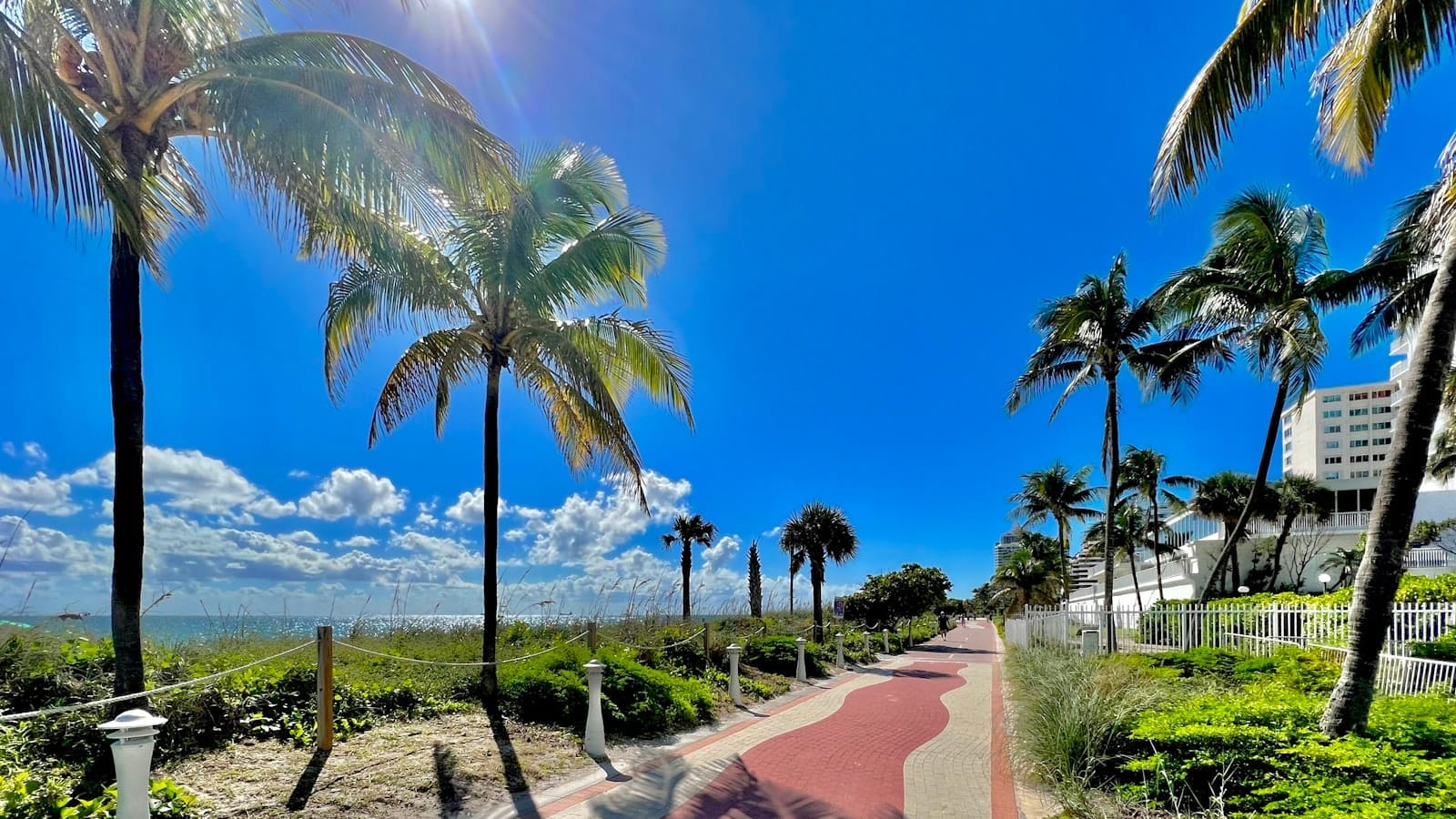
4. Run or Cycle the Full 4-Mile Miami Beach Boardwalk
Stretching from South Beach north to Surfside, this oceanfront promenade gives direct beach access at every point. Early mornings are ideal: joggers, cyclists, and locals have it largely to themselves. It's a practical and scenic way to experience multiple beach stretches in one go.
Explore4. Run or Cycle the Full 4-Mile Miami Beach Boardwalk
Stretching from South Beach north to Surfside, this oceanfront promenade gives direct beach access at every point. Early mornings are ideal: joggers, cyclists, and locals have it largely to themselves. It's a practical and scenic way to experience multiple beach stretches in one go.
ExploreKey Biscayne: Calm Waters and Natural Beauty
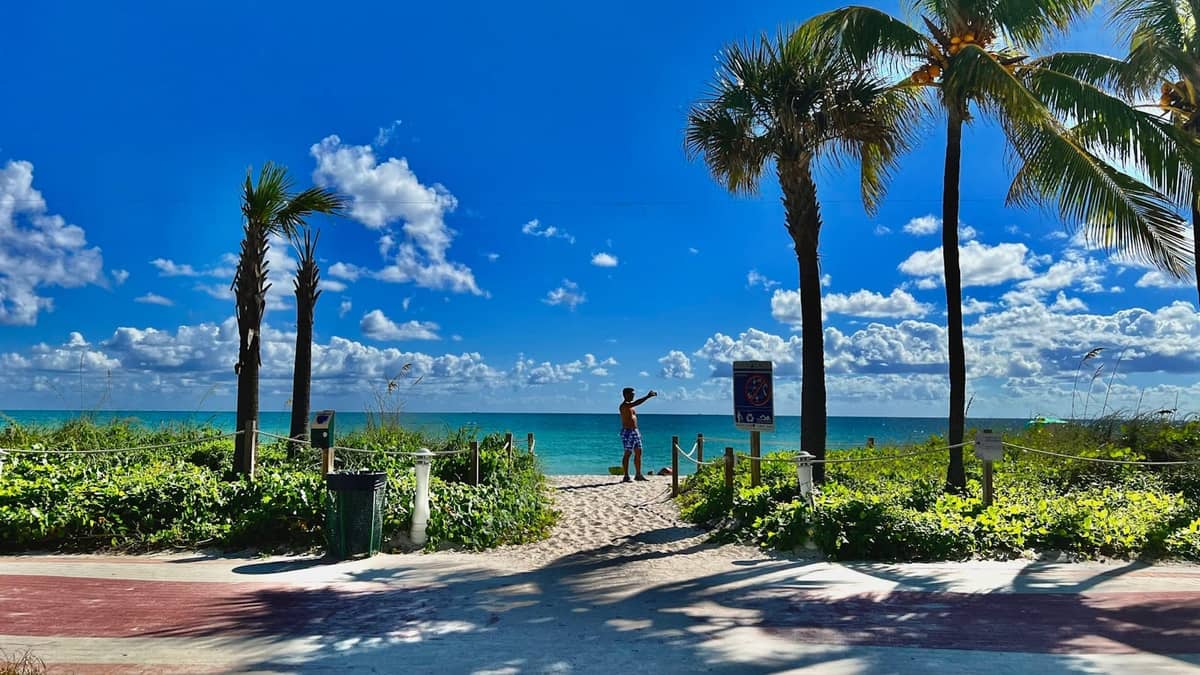
Key Biscayne sits southeast of downtown Miami, reached via the scenic Rickenbacker Causeway. Its beaches are consistently rated among the best in the United States, with shallow turquoise water, fewer crowds than South Beach, and a natural setting that feels genuinely removed from the city. If you have kids or prefer swimming over scenery, this is where to go. For the full picture of the island, the Miami with kids guide covers both Crandon Park and Bill Baggs in detail.
5. Swim in Calm, Shallow Water at Crandon Park Beach
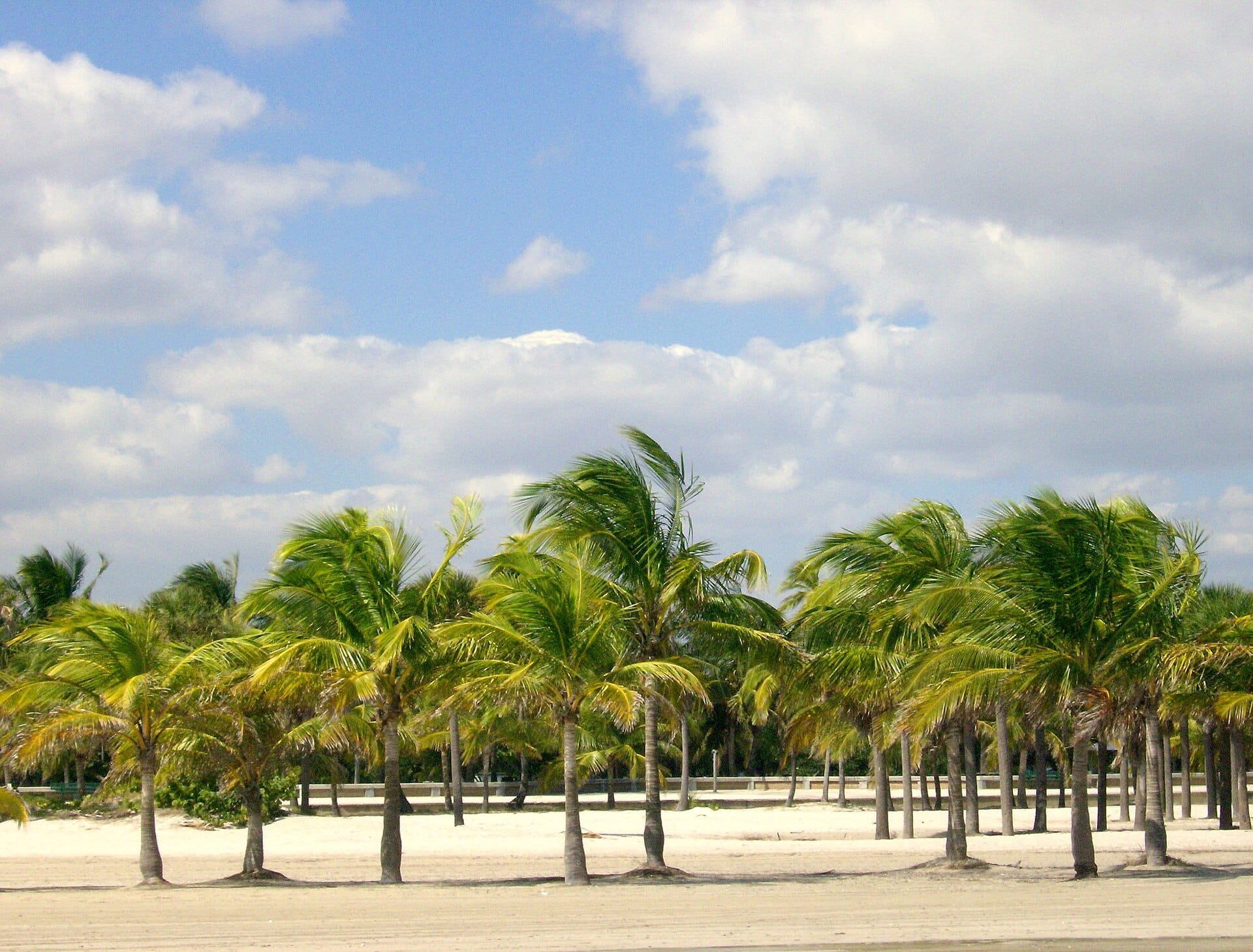
Crandon Park's two-mile beach is repeatedly ranked in the top ten in the nation, and for good reason: the water is calm and shallow, making it ideal for families. There's a lagoon, a historic carousel, and ample picnic facilities. Check Miami-Dade County's site for current parking and entry fees.
Explore5. Swim in Calm, Shallow Water at Crandon Park Beach
Crandon Park's two-mile beach is repeatedly ranked in the top ten in the nation, and for good reason: the water is calm and shallow, making it ideal for families. There's a lagoon, a historic carousel, and ample picnic facilities. Check Miami-Dade County's site for current parking and entry fees.
Explore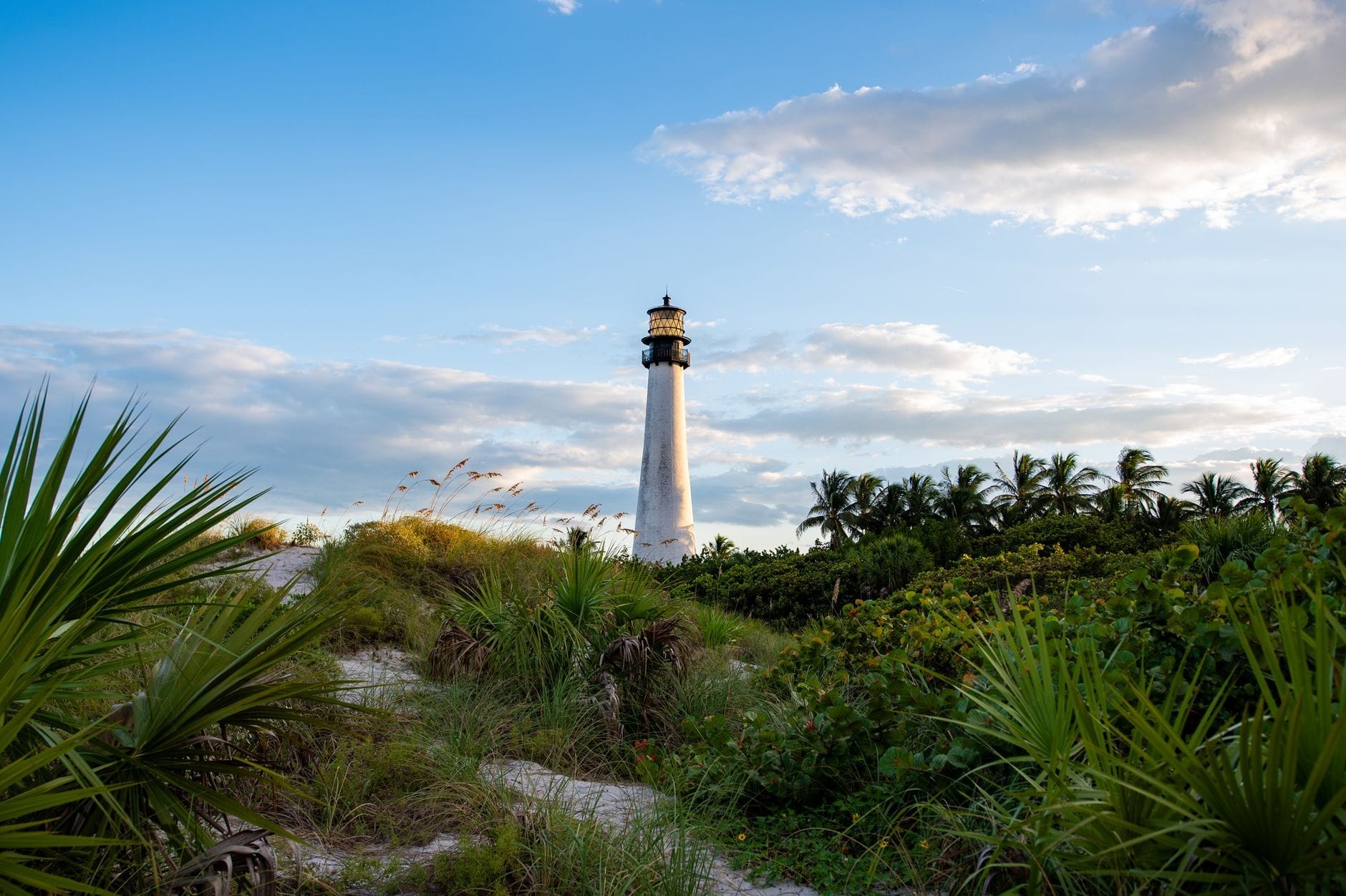
6. Explore a Pristine Beach and Historic Lighthouse at Bill Baggs
Bill Baggs at the southern tip of Key Biscayne has one of Miami's least crowded and most beautiful beaches, plus Miami-Dade County's oldest standing lighthouse from 1825. Guided lighthouse tours run twice daily. Arrive early on weekends as the park can reach capacity. Check state park fees before visiting.
Explore6. Explore a Pristine Beach and Historic Lighthouse at Bill Baggs
Bill Baggs at the southern tip of Key Biscayne has one of Miami's least crowded and most beautiful beaches, plus Miami-Dade County's oldest standing lighthouse from 1825. Guided lighthouse tours run twice daily. Arrive early on weekends as the park can reach capacity. Check state park fees before visiting.
Explore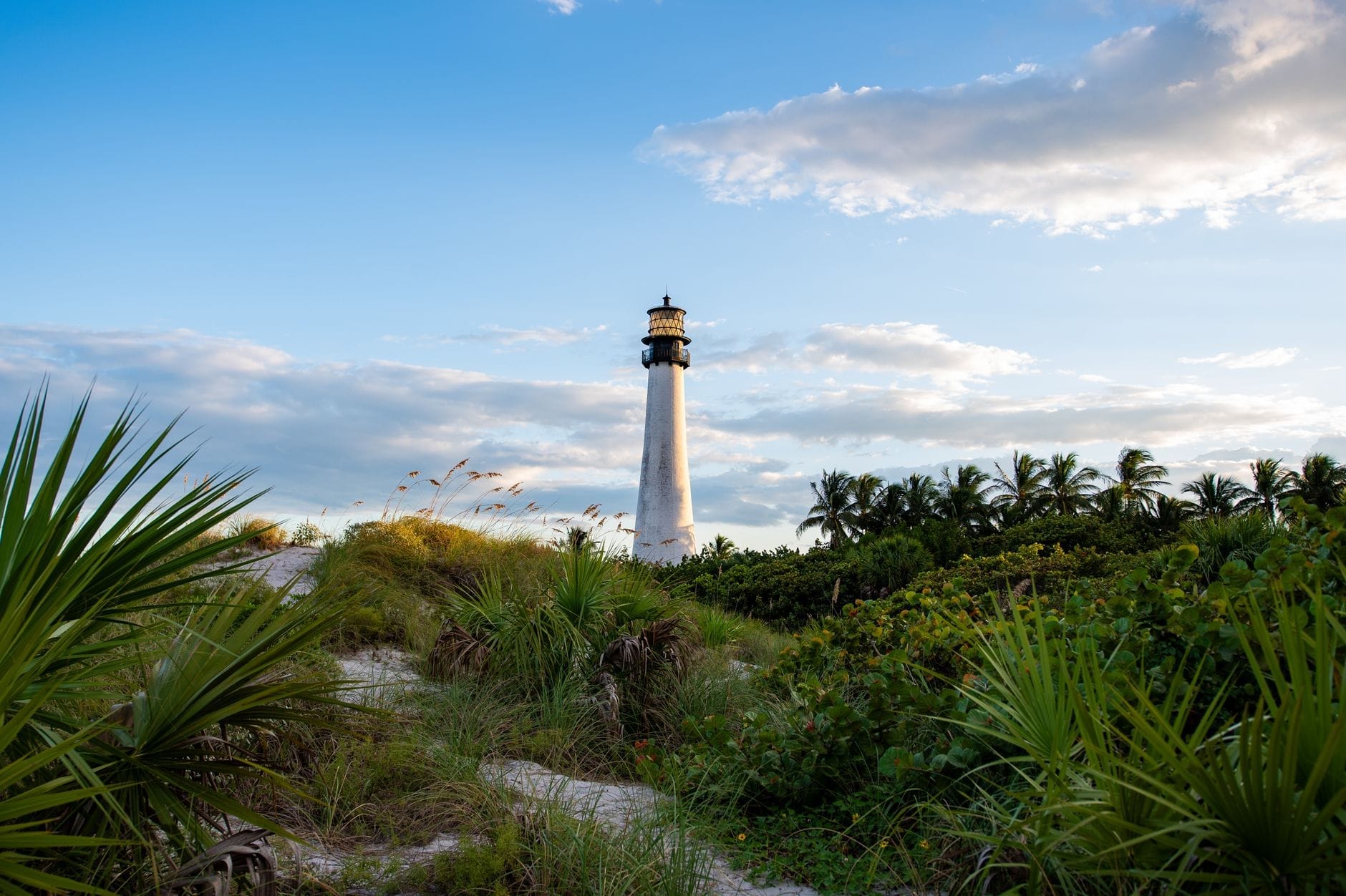
7. Climb the Cape Florida Lighthouse for Sweeping Bay Views
Built in 1825 and survived a Seminole attack in 1836, the Cape Florida Lighthouse is Miami-Dade County's oldest standing structure. The guided climb to the top rewards you with unobstructed views across Biscayne Bay and the Atlantic. Tours are limited, so check availability on the Florida State Parks site.
Explore7. Climb the Cape Florida Lighthouse for Sweeping Bay Views
Built in 1825 and survived a Seminole attack in 1836, the Cape Florida Lighthouse is Miami-Dade County's oldest standing structure. The guided climb to the top rewards you with unobstructed views across Biscayne Bay and the Atlantic. Tours are limited, so check availability on the Florida State Parks site.
Explore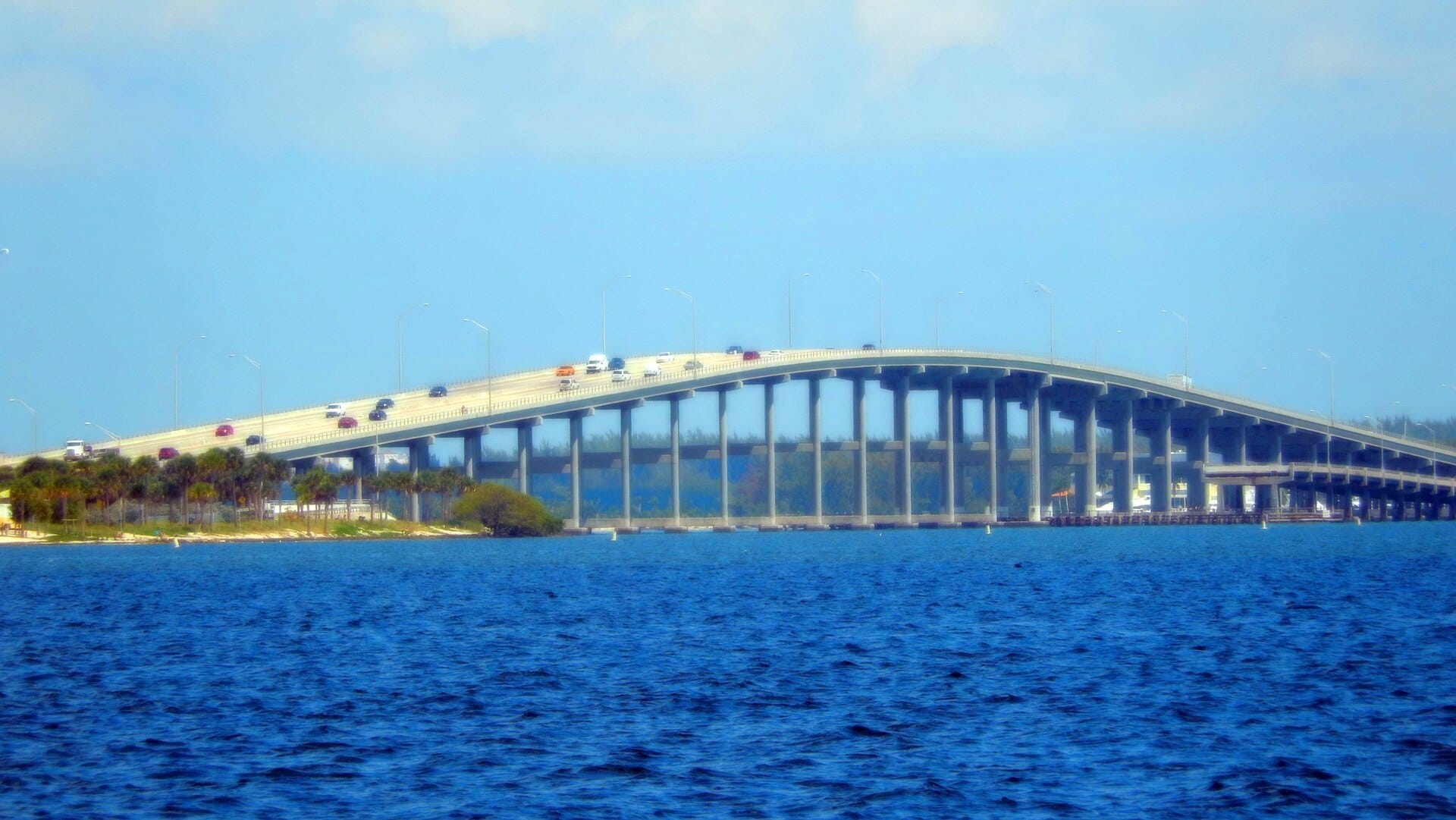
8. Catch Skyline Views and Kite Surfing at Rickenbacker Causeway
The causeway connecting downtown Miami to Key Biscayne has its own beach at Windsurfer Beach, popular with kite surfers and paddleboarders. The bridge itself offers some of the best unobstructed views of the Miami skyline, making the drive or cycle over worth it regardless of your beach plans.
Explore8. Catch Skyline Views and Kite Surfing at Rickenbacker Causeway
The causeway connecting downtown Miami to Key Biscayne has its own beach at Windsurfer Beach, popular with kite surfers and paddleboarders. The bridge itself offers some of the best unobstructed views of the Miami skyline, making the drive or cycle over worth it regardless of your beach plans.
ExploreNorth Beach and the Upper Miami Beach Strip
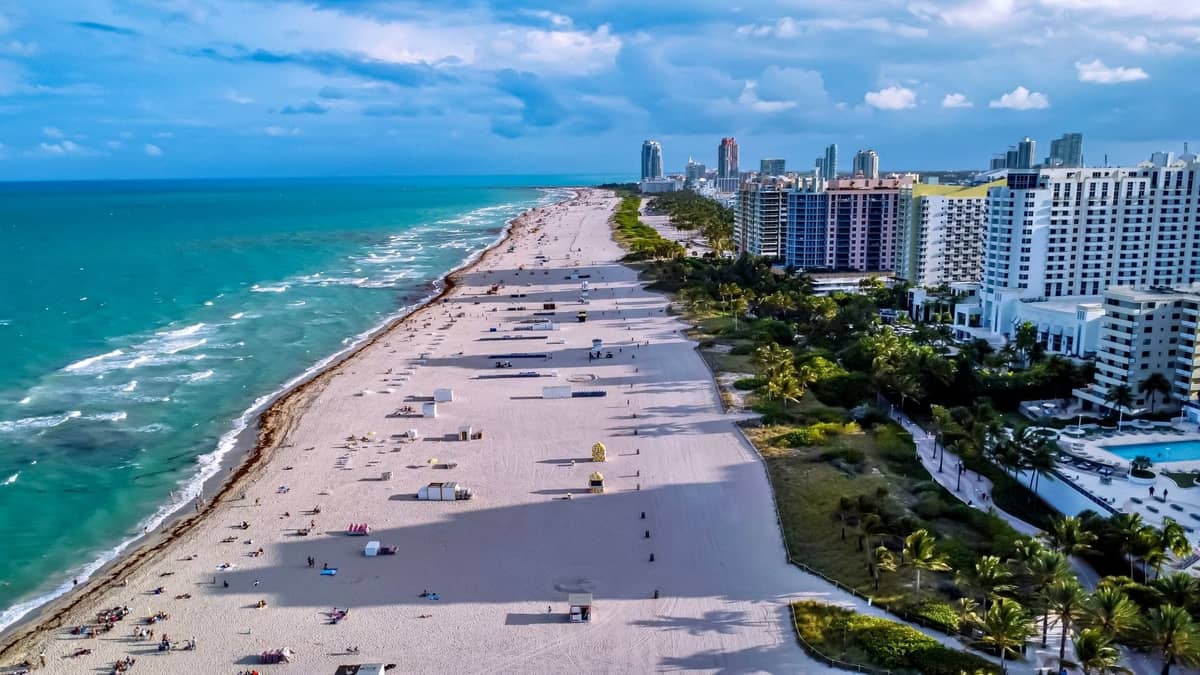
The stretch from Mid-Beach through North Beach to Surfside sees fewer tourists than South Beach but offers wider sands, more neighborhood character, and a noticeably calmer atmosphere. Haulover Beach Park anchors the northern end. The free Miami Beach Trolley connects these areas with other parts of Miami Beach, including routes that run to and from South Beach, making it straightforward to combine a quieter morning beach with a South Beach evening.
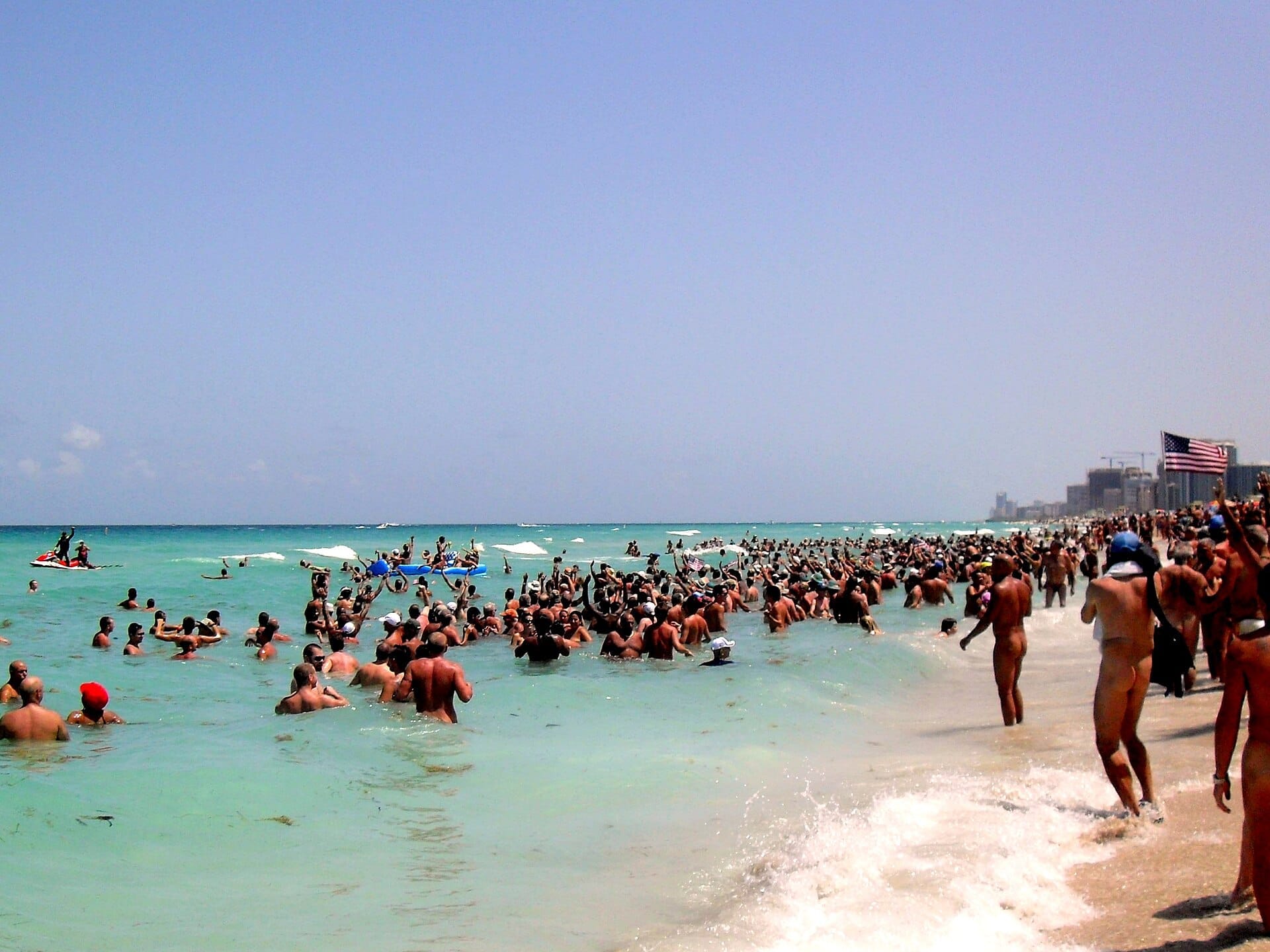
9. Visit Florida's Most Famous Clothing-Optional Beach at Haulover
Haulover Beach Park is well-maintained, wide, and popular across its full length. The northern section is Florida's oldest officially recognized clothing-optional beach, but the rest of the park is entirely conventional. There's also a marina, a kite-flying meadow, and good surf on the ocean side.
Explore9. Visit Florida's Most Famous Clothing-Optional Beach at Haulover
Haulover Beach Park is well-maintained, wide, and popular across its full length. The northern section is Florida's oldest officially recognized clothing-optional beach, but the rest of the park is entirely conventional. There's also a marina, a kite-flying meadow, and good surf on the ocean side.
ExploreHidden and Alternative Beaches Worth the Detour
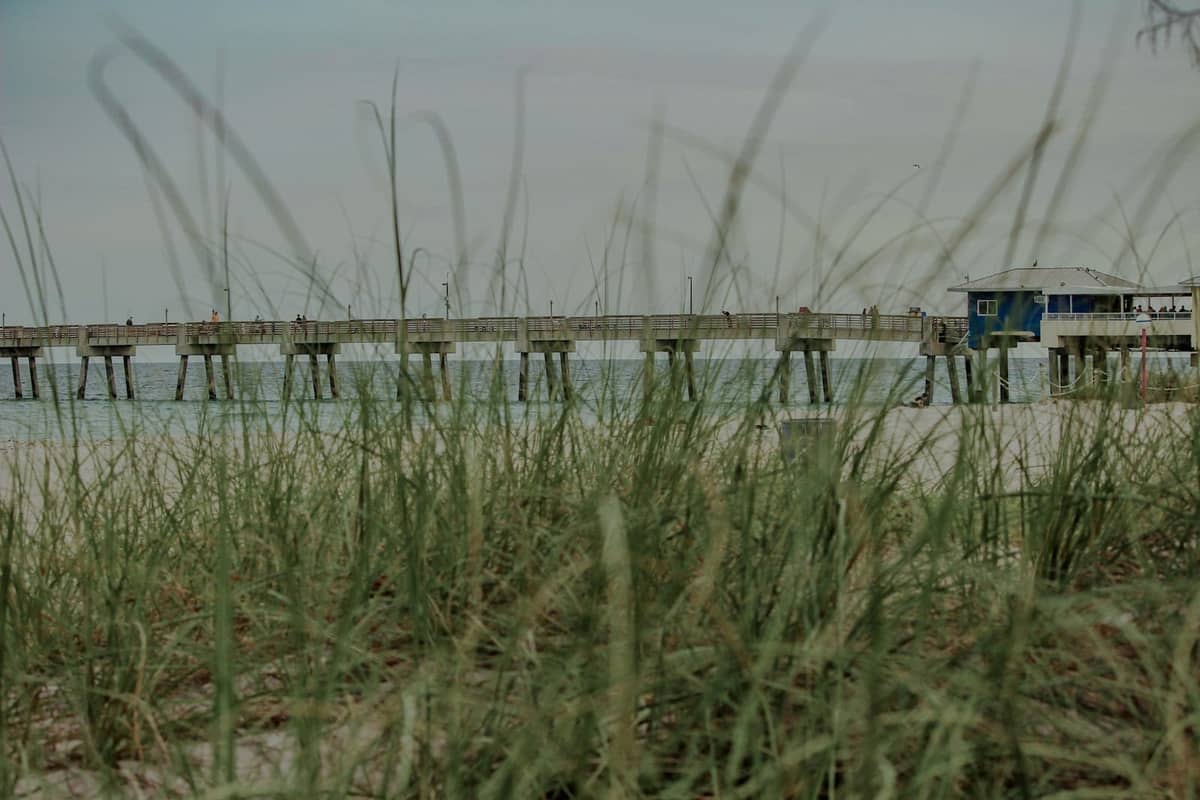
Beyond the main strips, Miami has several beaches that reward travelers who look past the obvious choices. Virginia Key offers historical depth, Matheson Hammock delivers a uniquely calm pool-like swim, Biscayne National Park puts snorkelers onto live coral reefs, and Oleta River combines beach access with genuine wilderness. These are the beaches that Miami residents actually go to on weekends. For a broader list of overlooked spots, see the Miami hidden gems guide.
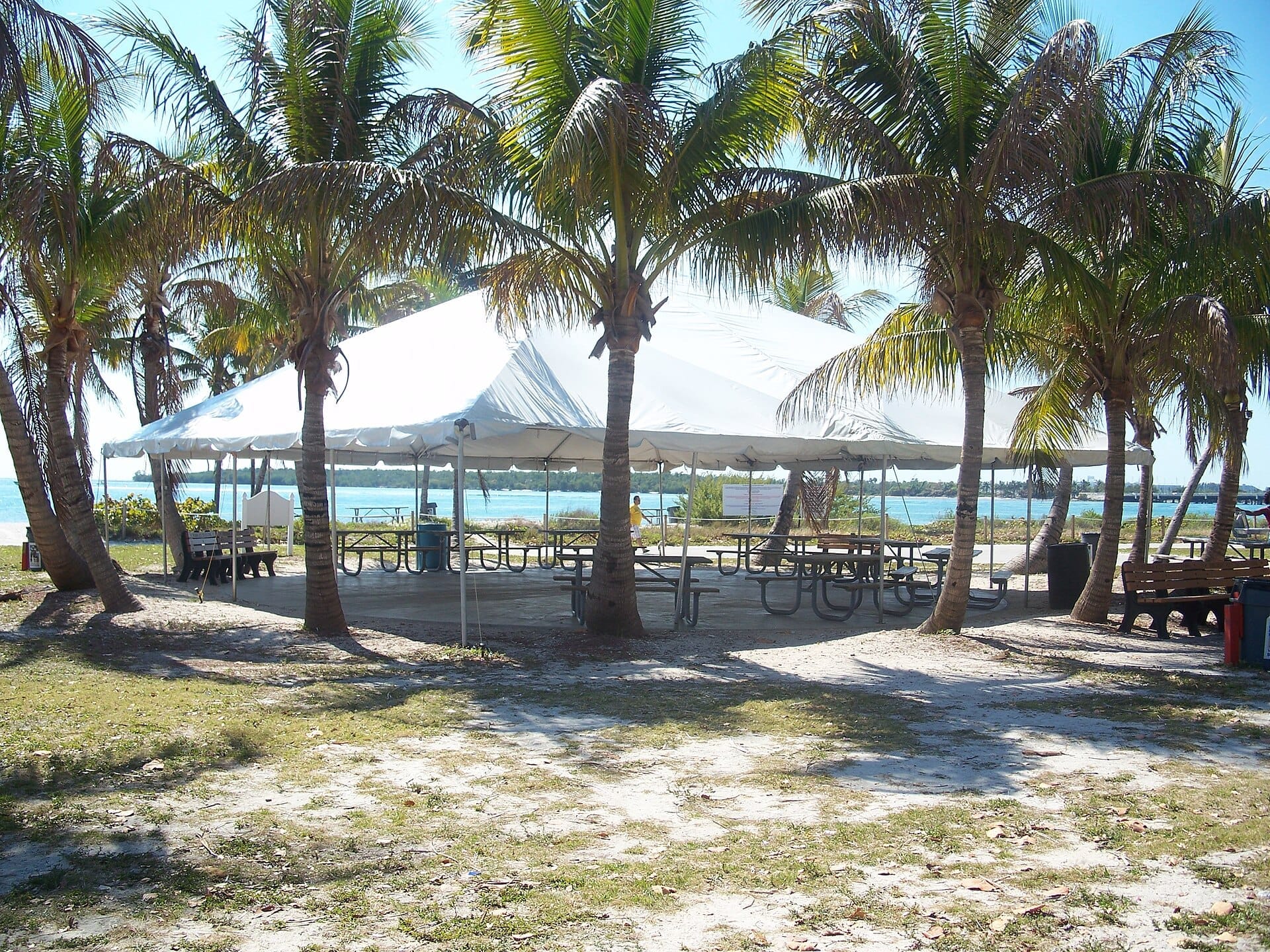
10. Swim at Virginia Key, Miami's Historically Significant Beach Park
Virginia Key was Miami's designated beach for Black residents during segregation, a history now honored through a beautifully restored park. The bay-side waters are calm and shallow, there's a historic carousel, and nature trails wind through mangroves. It's rarely as crowded as South Beach.
Explore10. Swim at Virginia Key, Miami's Historically Significant Beach Park
Virginia Key was Miami's designated beach for Black residents during segregation, a history now honored through a beautifully restored park. The bay-side waters are calm and shallow, there's a historic carousel, and nature trails wind through mangroves. It's rarely as crowded as South Beach.
Explore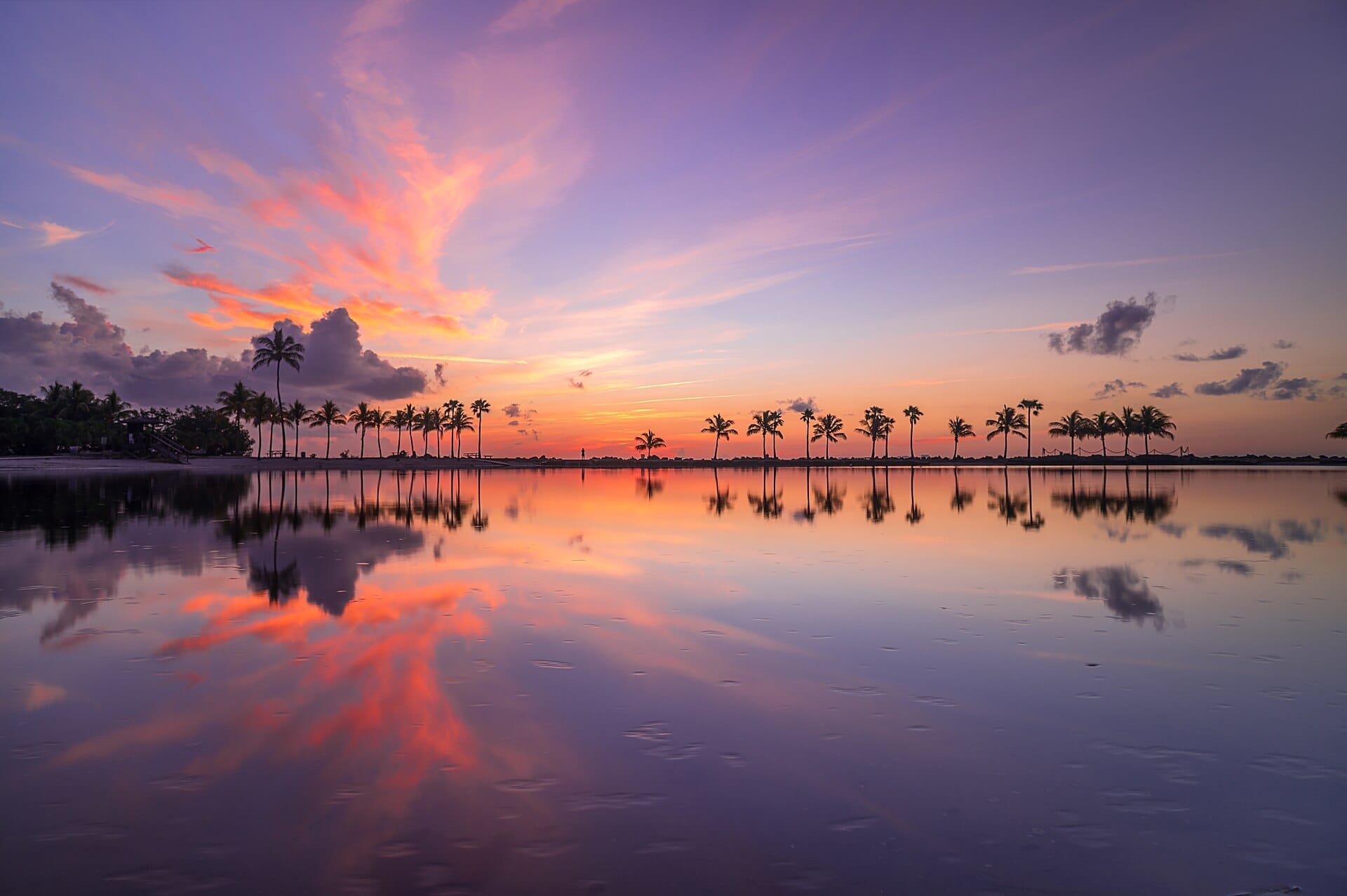
11. Float in a Tidal Atoll Pool at Matheson Hammock Park
Matheson Hammock's atoll pool is unique: it's naturally flushed by tidal action from Biscayne Bay, creating an enclosed, crystal-clear swimming area with almost no waves or current. Set in a mangrove park in Coral Gables, it's the calmest swim in Miami and perfect for young children.
Explore11. Float in a Tidal Atoll Pool at Matheson Hammock Park
Matheson Hammock's atoll pool is unique: it's naturally flushed by tidal action from Biscayne Bay, creating an enclosed, crystal-clear swimming area with almost no waves or current. Set in a mangrove park in Coral Gables, it's the calmest swim in Miami and perfect for young children.
Explore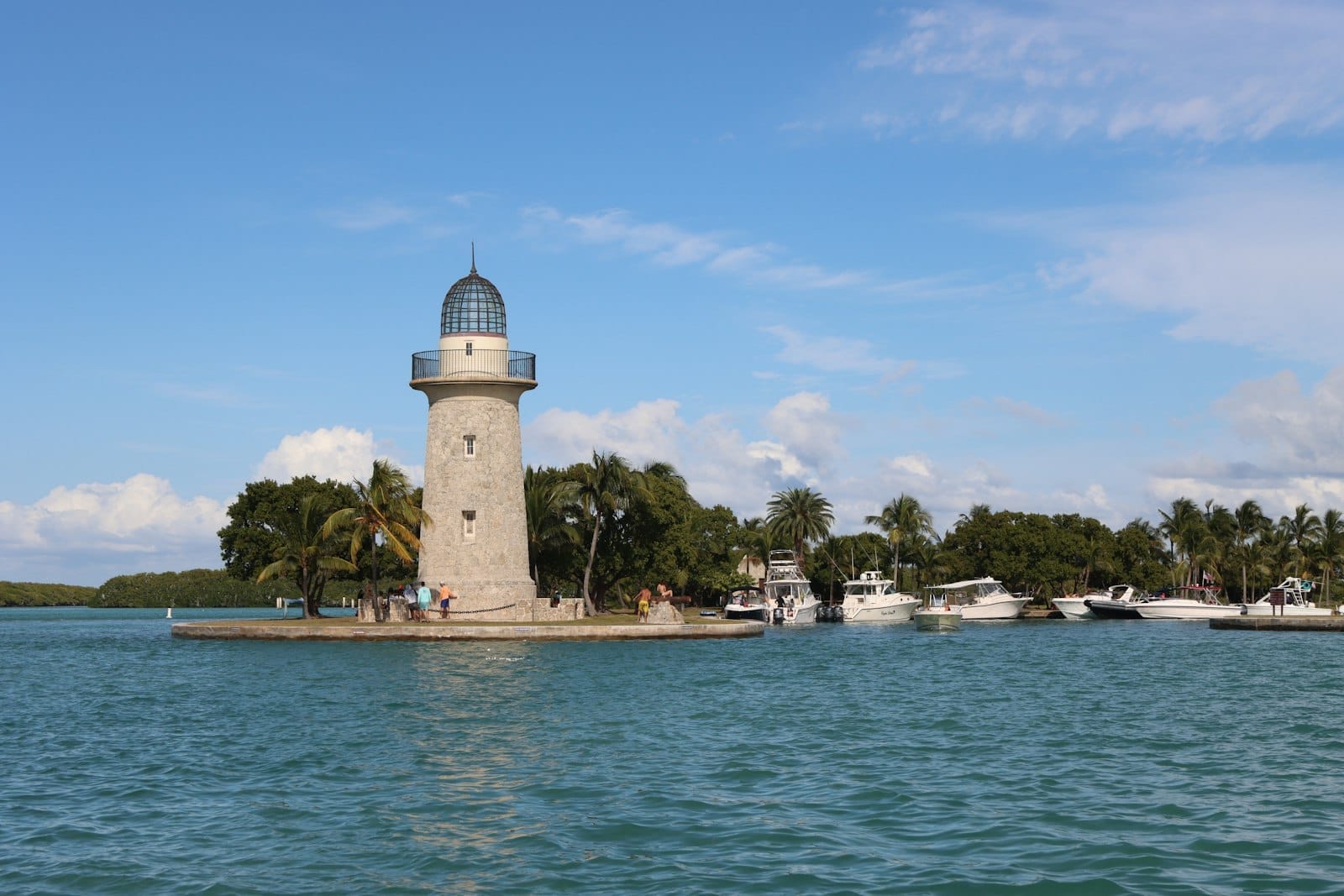
12. Snorkel Living Coral Reefs at Biscayne National Park
Over 95% of Biscayne National Park is water, protecting one of Florida's last intact coral reef systems. Snorkeling and diving trips depart by boat from Convoy Point, and the park also has undeveloped barrier island beaches. Check the National Park Service site for current tour availability and fees.
Explore12. Snorkel Living Coral Reefs at Biscayne National Park
Over 95% of Biscayne National Park is water, protecting one of Florida's last intact coral reef systems. Snorkeling and diving trips depart by boat from Convoy Point, and the park also has undeveloped barrier island beaches. Check the National Park Service site for current tour availability and fees.
Explore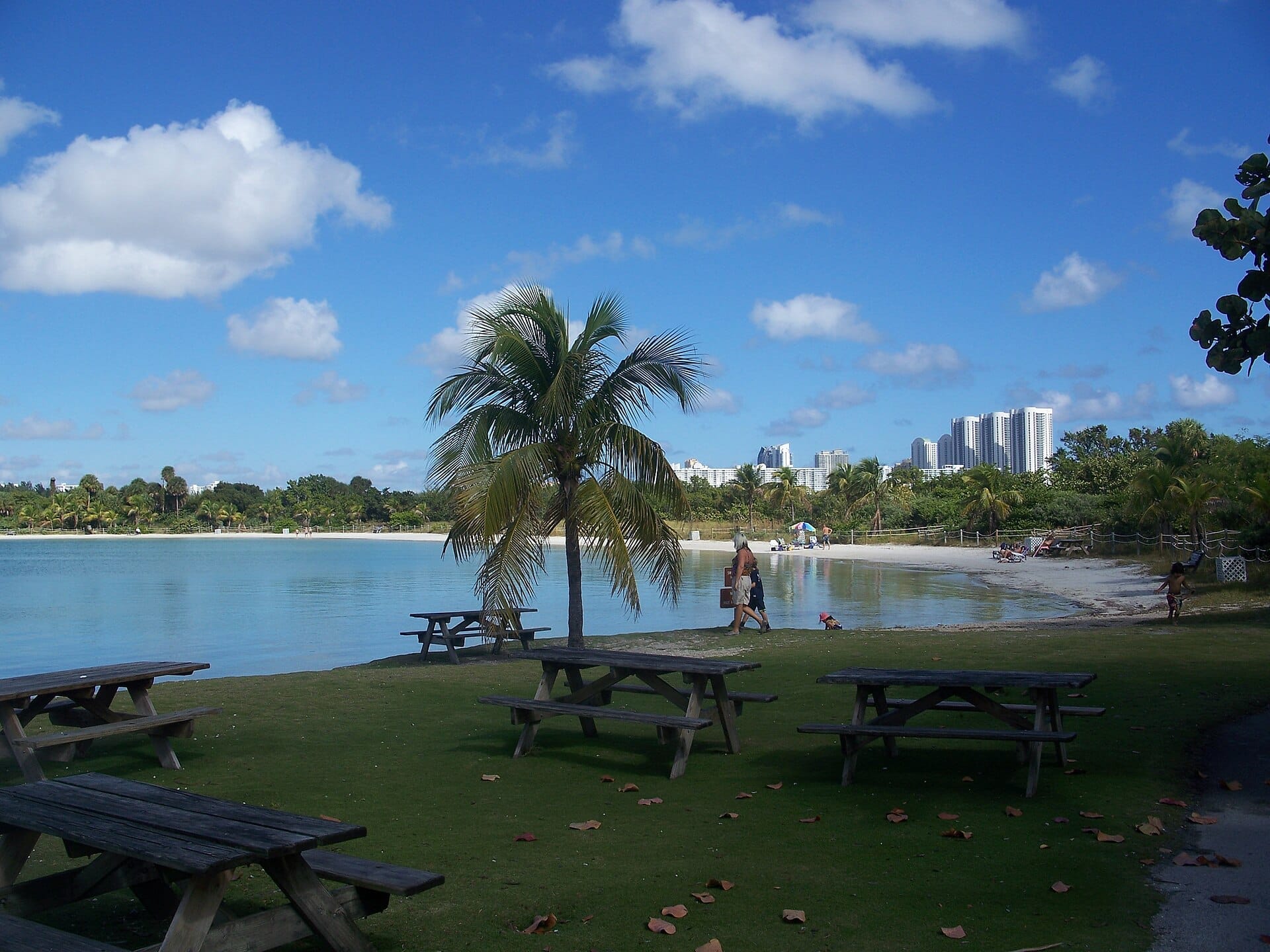
13. Kayak Mangroves and Swim at Oleta River State Park
Florida's largest urban park sits in North Miami and combines a beach with genuine wilderness: kayak rental, mountain bike trails, and mangrove paddling. The beach is calm, the park is rarely packed, and the contrast with urban Miami is stark. Current entry and rental fees on the Florida State Parks website.
Explore13. Kayak Mangroves and Swim at Oleta River State Park
Florida's largest urban park sits in North Miami and combines a beach with genuine wilderness: kayak rental, mountain bike trails, and mangrove paddling. The beach is calm, the park is rarely packed, and the contrast with urban Miami is stark. Current entry and rental fees on the Florida State Parks website.
ExploreBeyond the Sand: What to Do After the Beach
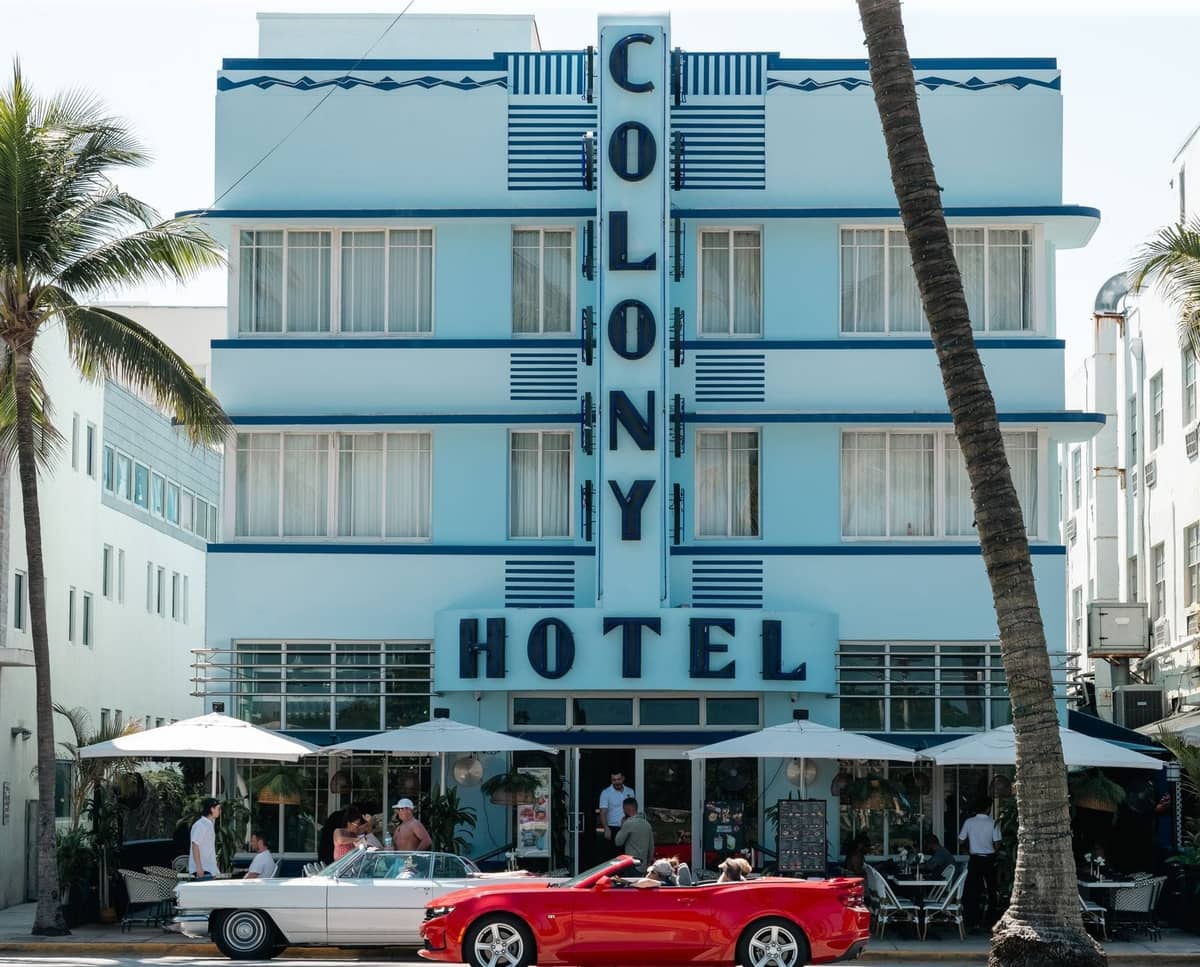
Miami's beaches are best paired with the neighborhoods around them. After a morning at South Beach, the Art Deco architecture on Ocean Drive and the shops on Lincoln Road are natural next steps. After Key Biscayne, the drive back along Rickenbacker Causeway puts you minutes from downtown. For a full day itinerary that weaves beach time with city exploration, the 3 days in Miami guide is a practical starting point.
14. Walk the Art Deco District After a South Beach Morning
The Art Deco Historic District runs directly alongside South Beach, covering over 800 buildings in pastel pinks, blues, and yellows along Ocean Drive, Collins, and Washington Avenue. It's the world's largest concentration of Art Deco architecture and worth exploring on foot after you leave the sand.
Explore14. Walk the Art Deco District After a South Beach Morning
The Art Deco Historic District runs directly alongside South Beach, covering over 800 buildings in pastel pinks, blues, and yellows along Ocean Drive, Collins, and Washington Avenue. It's the world's largest concentration of Art Deco architecture and worth exploring on foot after you leave the sand.
Explore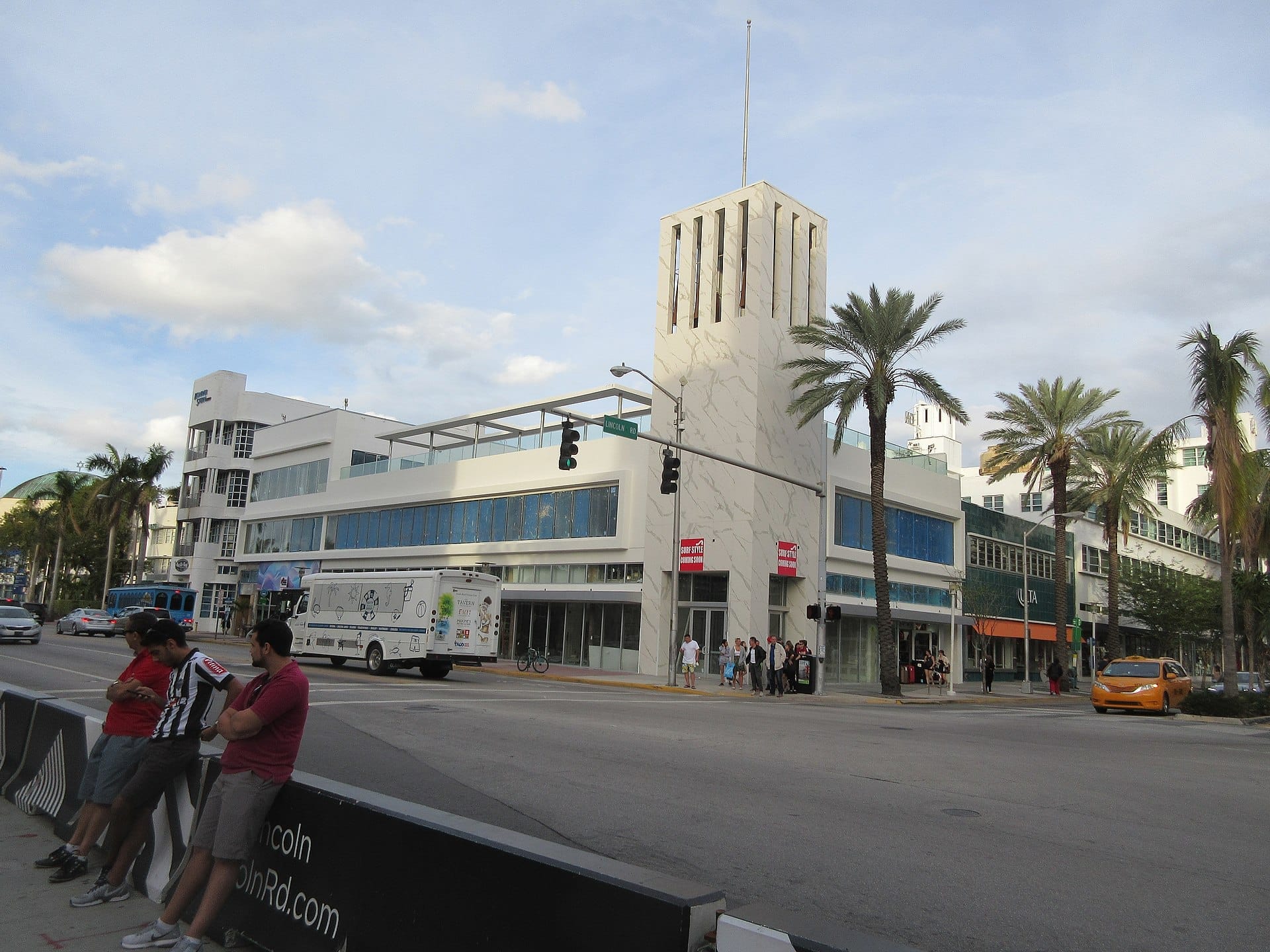
15. People-Watch and Eat Your Way Down Lincoln Road Mall
Lincoln Road is South Beach's pedestrianized main street, lined with restaurants, boutiques, and outdoor seating. It's two blocks from the beach and ideal for a mid-afternoon break or an evening after sunset. Sunday morning farmers markets add another reason to schedule a visit.
Explore15. People-Watch and Eat Your Way Down Lincoln Road Mall
Lincoln Road is South Beach's pedestrianized main street, lined with restaurants, boutiques, and outdoor seating. It's two blocks from the beach and ideal for a mid-afternoon break or an evening after sunset. Sunday morning farmers markets add another reason to schedule a visit.
Explore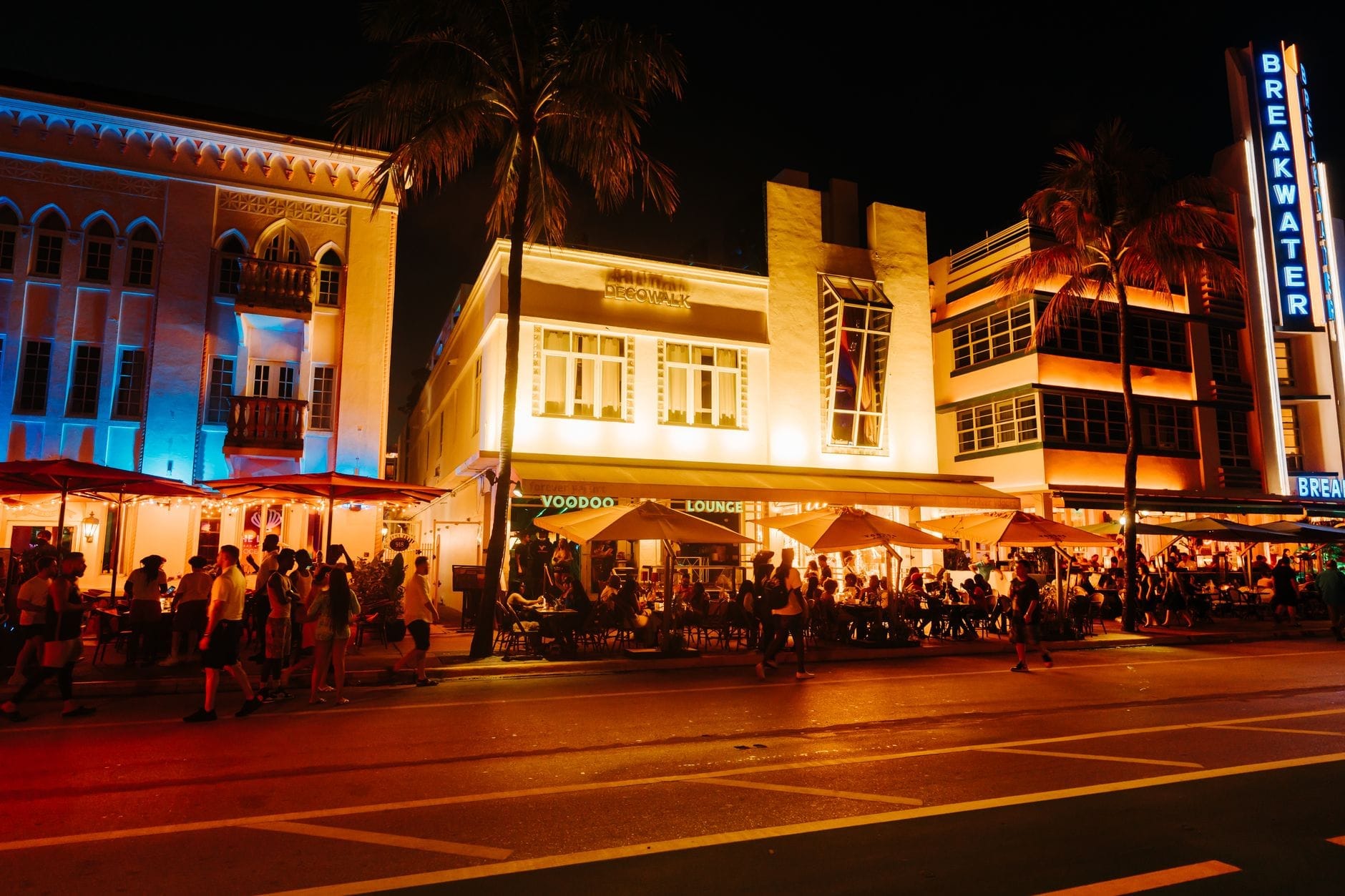
16. Explore Española Way's Mediterranean Revival Architecture
Just a few blocks from Lummus Park Beach, Española Way is a narrow pink-and-terracotta street of 1920s Mediterranean Revival buildings. Weekend art markets, outdoor cafés, and boutique shops fill the lane. It's one of the most photogenic corners of Miami Beach and often overlooked by beach visitors.
Explore16. Explore Española Way's Mediterranean Revival Architecture
Just a few blocks from Lummus Park Beach, Española Way is a narrow pink-and-terracotta street of 1920s Mediterranean Revival buildings. Weekend art markets, outdoor cafés, and boutique shops fill the lane. It's one of the most photogenic corners of Miami Beach and often overlooked by beach visitors.
Explore17. End Your South Beach Day at South Pointe's Waterfront Lawns
After a day on the sand, South Pointe Park's shaded lawns and pier are ideal for watching the sunset over Government Cut and Biscayne Bay. Cruise ships and cargo vessels pass within close range throughout the day, adding an unexpected spectacle to an already scenic waterfront setting.
Explore17. End Your South Beach Day at South Pointe's Waterfront Lawns
After a day on the sand, South Pointe Park's shaded lawns and pier are ideal for watching the sunset over Government Cut and Biscayne Bay. Cruise ships and cargo vessels pass within close range throughout the day, adding an unexpected spectacle to an already scenic waterfront setting.
ExploreFAQ
What is the best beach in Miami for families?
Crandon Park Beach on Key Biscayne is consistently rated one of the best family beaches in the United States, with calm shallow water, a lagoon, and picnic facilities. Matheson Hammock Park in Coral Gables is another excellent option, with a tidal atoll pool that creates an enclosed, wave-free swim area ideal for young children.
Is South Beach free to access?
The beach itself is free. Parking is the main cost, and it can be expensive near Ocean Drive. Consider using the free Miami Beach Trolley from a less expensive parking area further inland within Miami Beach, or check current Miami-Dade Transit options. Chair and umbrella rentals on the beach are an additional cost.
What is the best time of year to visit Miami beaches?
March through May offers the best combination of warm temperatures, calm seas, and lower humidity than summer. December to April is peak tourist season overall. Summer (June to September) is hot and humid with frequent afternoon thunderstorms, and hurricane season runs from June through November, which can affect beach conditions.
Which Miami beach is least crowded?
Virginia Key Beach Park and Bill Baggs Cape Florida State Park are consistently quieter than South Beach. Matheson Hammock Park in Coral Gables is also relatively uncrowded on weekdays. For the most isolated beaches, Biscayne National Park's barrier island beaches require a boat to access, making them the most removed from the crowds.
How do I get from South Beach to Key Biscayne beaches?
Key Biscayne is reached via the Rickenbacker Causeway from downtown Miami, not directly from South Beach. The most practical option is a car or rideshare. There is no direct public transit between South Beach and Key Biscayne. The drive from South Beach takes roughly 25 to 35 minutes depending on traffic.