Oleta River State Park: Miami's Best Outdoor Escape
Oleta River State Park is Florida's largest urban park, covering 1,043 acres of mangrove forest, tidal river, and open bay just north of Miami. It offers a rare combination of kayaking, mountain biking, swimming, and wildlife watching within reach of the city.
Quick Facts
- Location
- 400 NE 163rd St, North Miami Beach, FL 33160
- Getting There
- No direct Metrorail access; drive or rideshare recommended. Limited bus routes serve the area via Miami-Dade Transit.
- Time Needed
- 2 to 5 hours depending on activity
- Cost
- Vehicle entry fee per Florida State Parks fee schedule (verify current rate at floridastateparks.org). Kayak and bike rentals available on-site at additional cost.
- Best for
- Kayakers, cyclists, families, nature lovers, and anyone craving green space near the beach
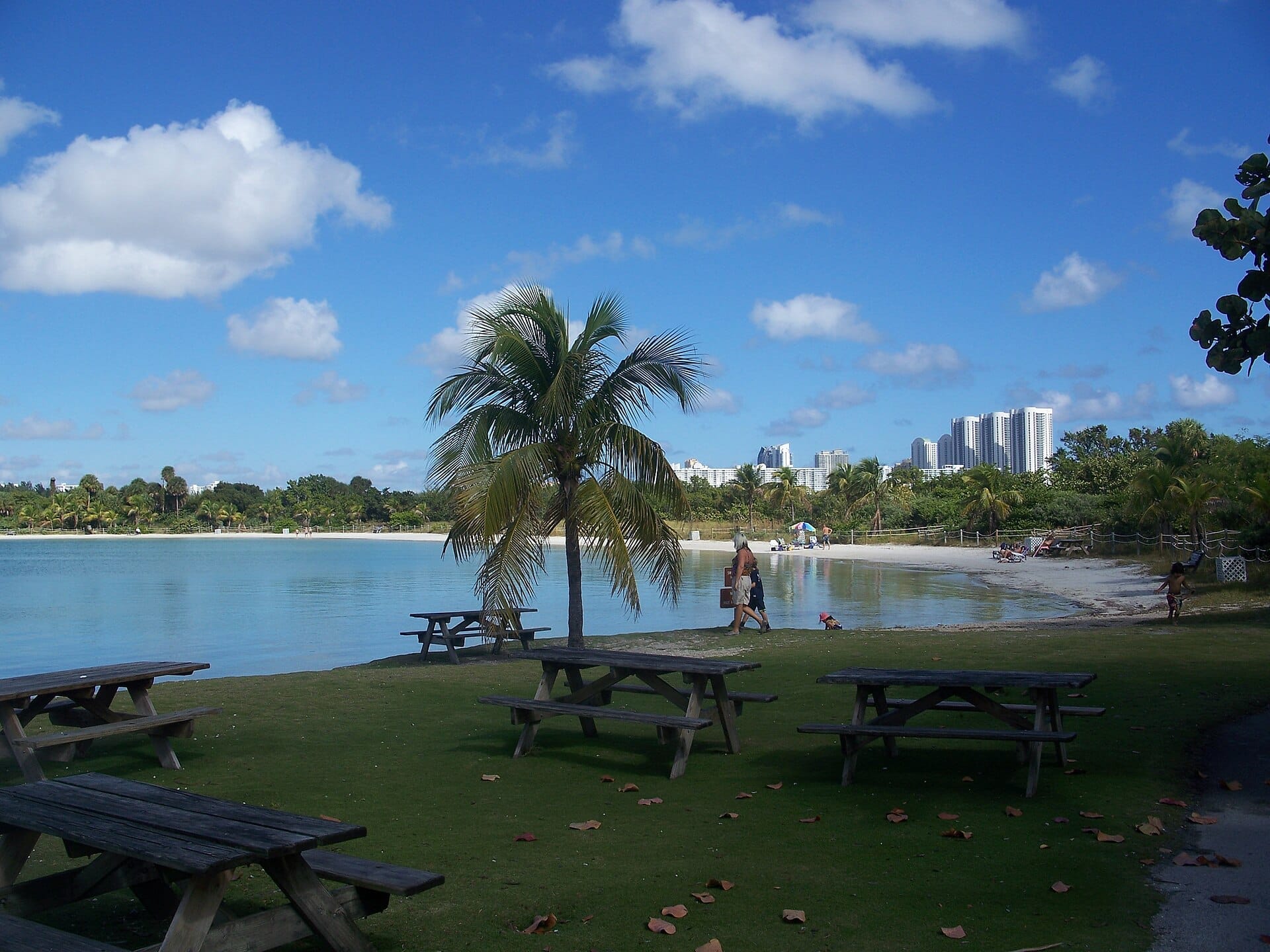
What Oleta River State Park Actually Is
Oleta River State Park covers 1,043 acres along Biscayne Bay in North Miami Beach, making it the largest urban park in Florida. That title is not just a technicality: the park genuinely feels removed from the surrounding city. The moment you pass the entry gate, the sound profile shifts. Traffic noise fades, replaced by the creak of red mangrove roots, the splash of kayak paddles, and birds moving through the tree canopy overhead.
The park protects a significant stretch of mangrove ecosystem that would otherwise be prime waterfront real estate. It sits on the Oleta River, a tidal river that drains into Biscayne Bay, and the water here reads differently depending on the tide and time of day: dark and glass-still at dawn, textured and brown-green by midmorning when boat traffic starts.
💡 Local tip
Arrive before 9 AM on weekends to secure a parking spot and get the river to yourself before kayak tour groups and cyclists arrive in force.
What to Do Here: Activities by Type
Kayaking and Paddleboarding
The water is the main draw. The park has a concession stand that rents kayaks and paddleboards (verify current availability and pricing on-site or via the park's official page). Paddling the mangrove tunnels is the experience most visitors remember longest. These narrow channels force you to duck under arching roots and move slowly, which is when you start noticing what is actually living here: fiddler crabs on exposed mud, schools of small fish scattering below the surface, herons standing motionless on branches just above eye level.
The open bay portion of the park allows longer paddles with views back toward the Miami skyline to the south. Conditions can shift quickly in the afternoon when wind picks up, so plan water time for the morning if you are not an experienced paddler.
Mountain Biking
Oleta has over ten miles of mountain bike trails that wind through the mangrove fringe and hammock habitat. The terrain is mostly flat, which suits beginners, though some trails include banked turns, boardwalk sections, and rooty stretches that reward riders who pay attention. Rentals are available at the park's bike concession. The trails get muddy after rain, so check conditions before planning a cycling-focused visit during the wet season (roughly May through October).
Swimming Beach and Picnic Areas
There is a small sandy beach along the bay with calm, shallow water that works well for families with young children. It does not have the wave energy of the Atlantic-facing beaches, which makes it less exciting for swimmers looking for surf but genuinely pleasant for anyone who just wants to wade in flat, warm water. Covered picnic shelters and grills are scattered through the park; some can be reserved in advance through the Florida State Parks reservation system.
Fishing and Wildlife Observation
The tidal flats and river channels attract snook, tarpon, and other species popular with Florida anglers. A Florida fishing license is required for visitors 16 and older (verify current rules at myfwc.com). Wildlife observation requires no gear at all: manatees are spotted from November through April in the calmer channels, especially on cool mornings, and wading birds are present year-round. The mangrove tunnels are especially productive for bird watching in the early morning.
Tickets & tours
Hand-picked options from our booking partner. Prices are indicative; availability and final rates are confirmed when you complete your booking.
Everglades admission ticket with airboat ride and wildlife show
From 24 €Instant confirmationFree cancellationKey West day trip with glass bottom boat ride
From 110 €Instant confirmationFree cancellationEverglades airboat ride with Biscayne Bay boat tour and transportation
From 67 €Instant confirmationFree cancellationGrand Bahama tour with optional Pig Beach visit
From 309 €Instant confirmationFree cancellation
How the Experience Changes by Time of Day
Early morning is the clearest argument for arriving at opening. The light on the water is low and golden, the air is cooler, and you are likely to share the launch area with just a few other paddlers. By 10 AM on weekends, particularly from November through April, the park fills noticeably. Parking can become an issue, kayak wait times increase, and the beach area gets crowded.
Midday in summer means serious heat. Temperatures regularly reach the high 80s to low 90s Fahrenheit (roughly 31 to 33 degrees Celsius), and humidity makes the shade feel essential rather than optional. The park has very limited shade on the beach and picnic areas outside of the covered shelters. If you visit between June and September, plan water activities for early morning and save the bike trails for late afternoon when temperatures ease slightly.
Late afternoon on weekdays is one of the quieter windows. Light becomes attractive again for photography, especially on the water, and the park feels less crowded than it does at any point on a weekend.
Getting There
Oleta River State Park sits in North Miami Beach, separate from the City of Miami proper. It is not served directly by Metrorail. Most visitors drive via the Sunny Isles area or take a rideshare. If you are based in South Beach or Mid-Beach or North Beach, the drive is roughly 20 to 30 minutes depending on traffic. Rideshare drop-off works fine since the park has a single main entrance.
For a broader look at how to move around the Miami area without a car, the Miami transit and getting around guide covers your options in detail.
⚠️ What to skip
Weekend parking fills fast during peak season (December to April). The lot is not large relative to demand. If you arrive after 10 AM on a Saturday, expect to wait or park along the street and walk.
Ecology and Context: Why This Park Exists
Miami sits at an unusually low elevation, averaging around six feet above sea level, and its coastal ecosystems, including mangrove forests and tidal flats, serve as critical buffers for the developed areas behind them. Mangroves stabilize shorelines, filter runoff, and provide nursery habitat for a wide range of marine species. The fact that Oleta's mangroves remain intact and protected within a densely developed coastal corridor makes the park ecologically significant beyond its recreational value.
The Oleta River drains into Biscayne Bay, the same body of water that Biscayne National Park protects further south. The bay connects these ecosystems in ways that are not immediately obvious from the park itself, but the water quality and species you encounter at Oleta are part of the same broader coastal system. Paddling through the mangrove channels here gives you a visceral sense of what Miami's coastline looked like before concrete.
Practical Details Worth Knowing
The park is operated by the Florida Department of Environmental Protection under the Florida State Parks system. Entry fees are charged per vehicle and apply the standard Florida State Parks fee schedule; confirm current pricing at floridastateparks.org before your visit, as fees are subject to revision.
Facilities include restrooms, outdoor showers, the bike and kayak concession, and rental cabins (available for overnight stays by reservation through ReserveAmerica). Camping is limited but available; it books up well in advance during the dry season.
Wear water shoes or sandals you are comfortable getting muddy if you plan to launch a kayak or explore the mangrove edges on foot. Sunscreen is non-negotiable, especially on the open beach and water. Mosquitoes are present but manageable in the dry season; from May through October, insect repellent becomes genuinely necessary, particularly in the mangrove areas in the late afternoon.
ℹ️ Good to know
The park has no on-site food vendor beyond the rental concession. Bring water and snacks, especially if you are spending more than two hours. The nearest convenience stores and restaurants are a short drive north or south along US-1 and Collins Avenue.
Photography Notes
The mangrove tunnels reward a wide-angle lens or a phone with a panoramic mode, but the tighter shots of root systems, reflections, and bird perches benefit from patience more than gear. Early morning light from the east hits the open water sections of the bay, making paddling out toward the bay at sunrise genuinely cinematic. The park's beach, facing west across the bay, is better for late afternoon light.
A waterproof case or dry bag for any camera is strongly recommended if you are kayaking, since rental kayaks can tip and the water at launch is shallow but unavoidable. Even sitting in the boat, spray from paddles reaches anything stored in your lap.
Who Might Not Enjoy This
Travelers primarily interested in Miami's cultural and nightlife scenes, including the Art Deco architecture of South Beach or the gallery culture of Wynwood, will find Oleta largely irrelevant to their itinerary. The park requires some physical engagement: even the beach involves a moderate walk from the parking area, and the experience is outdoor-dependent in a way that Miami's urban attractions are not.
Visitors with limited mobility may find trail and beach access challenging. The park is not a compact city attraction, and it rewards those who come with time and a specific activity in mind. If you are looking for an easier introduction to Miami's outdoor options, Crandon Park Beach on Key Biscayne offers more developed facilities with similar natural scenery.
Insider Tips
- Book the rental kayaks by phone before arriving on busy weekends. On peak season Saturdays, they can be fully reserved by mid-morning.
- The blue trail on the mountain bike system is beginner-friendly, but the trails closest to the launch area flood briefly after heavy rain and may be posted as closed. Check the park's official Facebook page for condition updates, which staff post more reliably there than on the main website.
- If you want to paddle the mangrove tunnels without renting, launching an inflatable kayak or paddleboard from the public launch area is permitted with a fee. This saves money compared to rentals for visitors who travel with their own gear.
- Overnight cabin rentals at Oleta are among the most unusual ways to spend a night in Miami: falling asleep to the sounds of the bay rather than traffic. These book out weeks in advance during winter months, so plan early.
- Manatee sightings in the calmer channels near the boat launch are most common on winter mornings when manatees seek warmer shallow water. They surface quietly and disappear; stay still if you spot one to avoid startling it.
Who Is Oleta River State Park For?
- Kayakers and paddleboarders who want a protected, scenic route away from open ocean conditions
- Families with children looking for calm swimming water and covered picnic areas in a natural setting
- Mountain bikers wanting accessible trail miles close to the urban core
- Nature and bird photographers seeking early-morning mangrove light
- Travelers on longer Miami visits who want a half-day outdoors to balance beach and city time
Nearby Attractions
Combine your visit with:
- Aventura Mall
Aventura Mall is Florida's largest enclosed shopping center, spanning roughly 2.7 million square feet with more than 300 stores, dozens of restaurants, and a growing collection of public art. Positioned between Miami and Fort Lauderdale, it draws shoppers from across South Florida and beyond. Whether you are hunting flagship luxury brands or simply escaping the afternoon heat, the mall delivers a surprisingly complete half-day experience.
- Biscayne National Park
Biscayne National Park protects one of the largest coral reef ecosystems in North America, about 35 miles south of downtown Miami. With 95% of its 172,971 acres underwater, this is not a typical roadside park — it rewards those who come prepared to snorkel, dive, kayak, or sail.
- Deering Estate
The Deering Estate is a 444-acre historic preserve in South Miami-Dade that combines 1920s-era architecture, fossil-rich limestone terrain, coastal mangroves, and a surprisingly ambitious arts program. It rewards slow exploration and offers a side of Miami most visitors never see.
- Everglades National Park
Everglades National Park protects the largest subtropical wilderness in the United States, just an hour from Miami. From alligator-lined boardwalks to silent sawgrass prairies stretching to the horizon, it rewards visitors who prepare — and humbles those who don't.