Deering Estate: Miami's Most Underrated Historic Preserve
The Deering Estate is a 444-acre historic preserve in South Miami-Dade that combines 1920s-era architecture, fossil-rich limestone terrain, coastal mangroves, and a surprisingly ambitious arts program. It rewards slow exploration and offers a side of Miami most visitors never see.
Quick Facts
- Location
- 16701 SW 72 Avenue, Palmetto Bay, FL 33157 — South Miami-Dade County
- Getting There
- Car recommended — very limited public transit. Access via Old Cutler Road from US-1 or Florida Turnpike. Free on-site parking.
- Time Needed
- 2.5–4 hours for a thorough visit; 90 minutes minimum to cover the main buildings and waterfront
- Cost
- Adults (15+): US$15 | Youth (4–14): US$7 | Ages 3 and under: free | Seniors (62+) & military (with ID): US$9. No admission after 4:00 p.m.
- Best for
- History enthusiasts, nature walkers, architecture admirers, and anyone looking for quiet on a weekday morning
- Official website
- deeringestate.org
What the Deering Estate Actually Is
The Deering Estate is not a single building or a conventional park. It is a 444-acre historic and environmental preserve in Palmetto Bay, about 20 miles south of Downtown Miami, that holds a remarkable amount in one place: two historic structures from the early 1900s, a fossil site with evidence of human habitation going back 10,000 years, coastal mangrove wetlands, pine rocklands, and an active arts and events calendar. Miami-Dade County manages it as a county park and historic site, and it is listed on the National Register of Historic Places.
The estate is named for Charles Deering, a Chicago industrialist and art collector who acquired the property in the 1910s and developed it through the 1920s as a private winter retreat. His brother James Deering built Vizcaya, the more famous Italianate villa on Biscayne Bay a few miles north. Charles took a quieter approach: fewer columns, more wilderness, and a deep interest in the subtropical landscape rather than European grandeur.
ℹ️ Good to know
Hours: Open daily 10:00 a.m. to 5:00 p.m., with no admission after 4:00 p.m. Closed Thanksgiving and Christmas Day. Arrive by 10:00 a.m. on weekdays if you want the grounds largely to yourself.
The Two Historic Structures
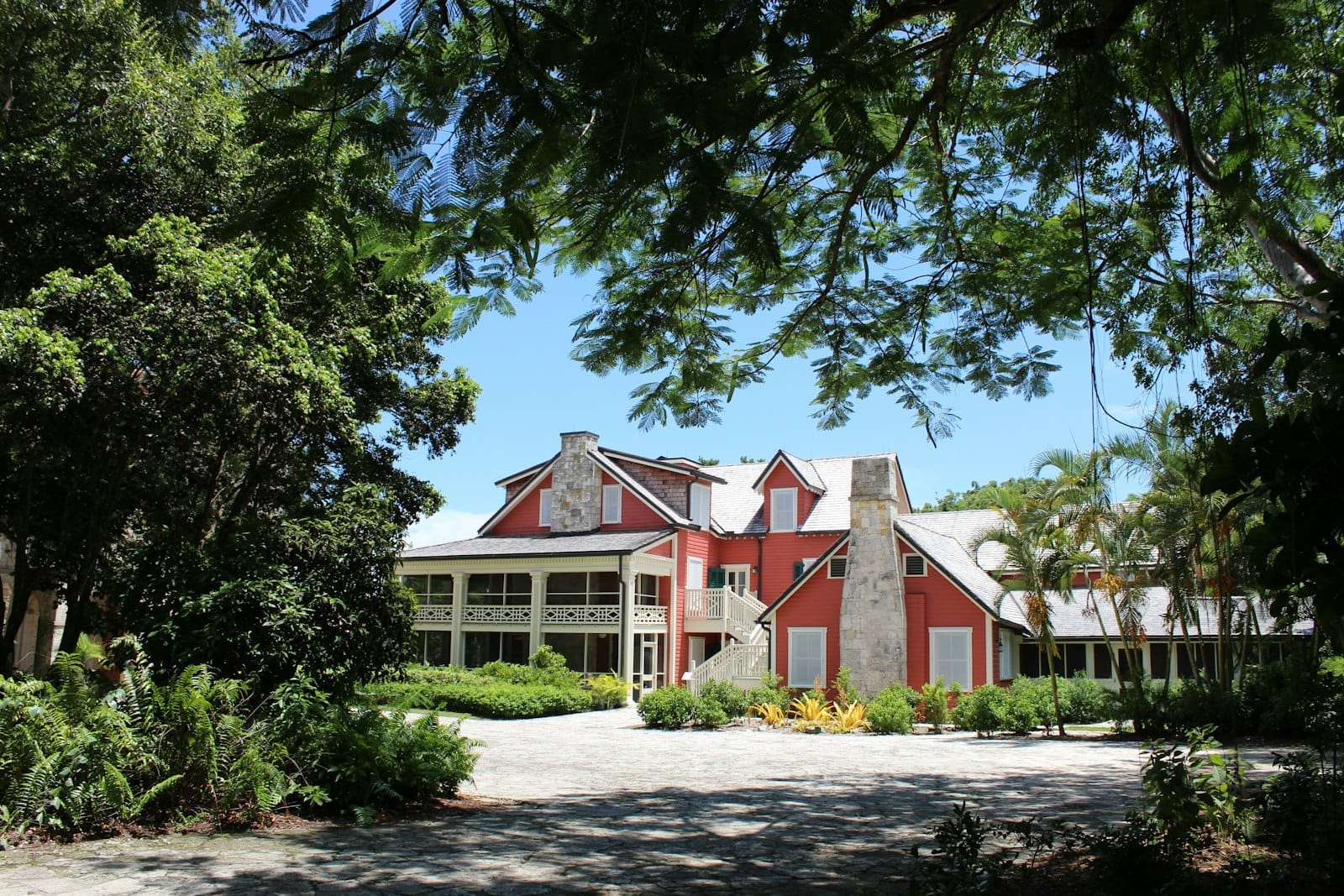
Two buildings anchor the historic core of the estate, and they are quite different from each other. The Richmond Cottage is the older of the two — a frame vernacular structure that dates to the 1890s and served as an inn called the Richmond Inn before Deering purchased it. It is one of the only surviving examples of late-19th-century Florida vernacular architecture in South Miami-Dade, and its modest wooden construction stands in sharp contrast to the property's second, more imposing structure.
That second building is the Stone House, completed around 1922 and built in a Mediterranean Revival style using oolitic limestone, the porous local stone that underlies much of South Florida. The walls are thick, the ceilings high, and the rooms retain much of their original character. The interior is sparsely furnished by comparison to Vizcaya, which suits the space — the architecture is the exhibit, and details like the arched loggia opening onto Biscayne Bay give the building a quiet authority that photographs do not fully capture.
If you have visited Vizcaya Museum and Gardens, the contrast between the two Deering properties is worth noticing. Charles's estate feels less theatrical and more personal. The scale is human rather than palatial, and the natural setting — a working shoreline rather than a formal garden — feels closer to what South Florida actually looked like a century ago.
Tickets & tours
Hand-picked options from our booking partner. Prices are indicative; availability and final rates are confirmed when you complete your booking.
Everglades admission ticket with airboat ride and wildlife show
From 24 €Instant confirmationFree cancellationKey West day trip with glass bottom boat ride
From 110 €Instant confirmationFree cancellationEverglades airboat ride with Biscayne Bay boat tour and transportation
From 67 €Instant confirmationFree cancellationGrand Bahama tour with optional Pig Beach visit
From 309 €Instant confirmationFree cancellation
The Natural Landscape: What 444 Acres Looks Like
The majority of the estate's acreage is not manicured grounds but functioning natural habitat. Walking the trail system, you move through several distinct ecosystems within a short distance: pine rocklands, tropical hardwood hammock, mangrove forest, and the shoreline of Biscayne Bay. The pine rocklands in particular are a globally endangered ecosystem — South Florida holds the largest remaining fragment outside of Cuba, and the Deering Estate's portion is one of the more intact examples in Miami-Dade.
The mangrove shoreline along the bay is best appreciated in the morning, when the light hits the water from the east and herons and ibis move through the shallows. The air smells of salt and tannin. In summer, expect heat, high humidity, and mosquitoes after rain — insect repellent is not optional. In winter and spring, the conditions are considerably more comfortable, and migratory birds add another layer of interest to the shoreline walk.
The estate also contains a significant fossil and archaeological site. Paleo-Indian remains and artifacts have been found here, and the official interpretation of the site spans approximately 10,000 years of continuous human presence in this location. The interpretive materials are thoughtful without being dense, and the context they provide — standing on limestone ground that served as a hunting camp, a burial site, and later a winter estate — gives the place an unusual weight.
💡 Local tip
Wear closed-toed shoes if you plan to walk the natural trails. The oolitic limestone paths are uneven, and the terrain through the hammock can be muddy after rain. Light, breathable clothing is essential in summer — shade is limited in sections.
How the Experience Changes by Time of Day and Season
Weekday mornings are the quietest and most rewarding time to visit. By 10:00 a.m., the grounds are cool enough that a full trail loop is manageable, and the buildings are uncrowded. Weekend afternoons bring school groups, organized tours, and family visitors, which changes the atmosphere considerably — the buildings can feel cramped, and the quieter moments near the water become harder to find.
The dry season, roughly November through April, is the best window for combining the outdoor trails with the historic buildings in a single visit. Summer visits are entirely feasible but demand a different approach: prioritize the shaded hammock trails in the morning, plan to be indoors during the hottest part of the afternoon, and carry water. Miami's afternoon thunderstorms from June through October can arrive quickly, and there is limited shelter on the natural trail sections.
The estate also runs a robust program of evening events — full moon kayak tours, art openings, and outdoor concerts — that transform the property after hours. These require separate ticketing and registration through the official site, but they offer a genuinely different experience of the grounds. The bayfront at dusk, with the Stone House lit from within and bats beginning to emerge from the hammock, is a version of the estate most daytime visitors never see.
Getting There and Practical Logistics
The Deering Estate sits in Palmetto Bay, a residential municipality in Miami-Dade County. The official site is direct about the transport situation: public transit access is very limited. In practical terms, this is a car destination for the vast majority of visitors. The most straightforward routes are via Old Cutler Road from the north (a scenic two-lane road lined with live oak canopy), or via the Florida Turnpike or US-1 with a turn onto SW 168 Street heading east. On-site parking is free.
Ride-hailing through Uber or Lyft is technically an option if you are coming from areas like Coconut Grove or Coral Gables, but the return journey can involve a wait in an area with low driver density. Budget extra time and confirm a pickup before you enter the grounds.
The admission fee covers both the historic buildings and the natural trails. Guided tours of the buildings are offered at scheduled times and are worth joining if you arrive early enough — the guides add context about the Deering family, the construction materials, and the archaeological discoveries that the signage alone does not convey. Check the official site before your visit for the current tour schedule, as times vary.
⚠️ What to skip
No admission is accepted after 4:00 p.m. The estate closes at 5:00 p.m. If you arrive close to 4:00 p.m., you will have enough time to see the waterfront briefly but not to explore the buildings or trails properly. Plan to arrive by 1:00 p.m. at the latest for a complete visit.
The Arts Program and Why It Matters
The Deering Estate describes itself as a Historic Museum, Nature Preserve, and Arts Hub, and the arts programming is more substantive than that kind of label often implies. The estate hosts visual art exhibitions, artist residencies, and live performances, typically oriented toward work that engages with South Florida ecology, history, or cultural identity. The programming is not a backdrop for the main attraction — it is integrated into the interpretation of the site itself.
For travelers with a serious interest in Miami's contemporary arts landscape, the Deering Estate offers a complement to places like Wynwood Walls or the Pérez Art Museum Miami — but the frame here is ecological and historical rather than urban. It occupies a different space in Miami's cultural geography.
Who Should Skip This Attraction
The Deering Estate is not for everyone, and it is worth being honest about that. Visitors without a car face a genuinely inconvenient journey. Anyone expecting the visual spectacle of Vizcaya's formal gardens or the saturated color of Wynwood will find the estate understated. The buildings are not lavishly furnished, the trails require some physical engagement, and the overall pace of the experience is slow and contemplative rather than stimulating.
Young children can enjoy the outdoor spaces if they like exploring, but the historic building tours are not designed for easily bored kids, and the limestone trails are not stroller-friendly in places. Visitors with significant mobility limitations should check with the estate directly about which areas and structures are accessible before making the trip.
Insider Tips
- The guided building tours typically run in the morning and are included with admission. Ask about the next tour time when you buy your ticket — walking the buildings on your own without context misses a significant part of the story.
- The bayfront area behind the Stone House is one of the best spots on the property for photography, especially in the morning when the light comes across Biscayne Bay from the east. The Stone House loggia frames the water in a way that reads well in vertical format.
- Evening events such as full moon kayak tours sell out early, sometimes weeks in advance. Check the Deering Estate website and book as soon as you identify your travel dates if an evening program interests you.
- Old Cutler Road, the most scenic approach to the estate from the north, passes through a canopy of live oaks and runs along Biscayne Bay for sections. Give yourself an extra ten minutes on the way back to pull over at one of the small county park access points along the road.
- Deering Estate Foundation Members receive free regular daytime admission. If you plan to visit Miami multiple times in a year, or if you are also visiting Vizcaya, check whether a membership at either institution offers reciprocal benefits — it can shift the per-visit economics significantly.
Who Is Deering Estate For?
- History and architecture travelers who want depth over spectacle
- Birders and nature walkers during the dry season, November through April
- Couples looking for a quiet half-day away from Miami Beach crowds
- Photographers interested in historic structures and natural waterfront settings
- Anyone researching South Florida's pre-colonial and early 20th-century history
Nearby Attractions
Combine your visit with:
- Aventura Mall
Aventura Mall is Florida's largest enclosed shopping center, spanning roughly 2.7 million square feet with more than 300 stores, dozens of restaurants, and a growing collection of public art. Positioned between Miami and Fort Lauderdale, it draws shoppers from across South Florida and beyond. Whether you are hunting flagship luxury brands or simply escaping the afternoon heat, the mall delivers a surprisingly complete half-day experience.
- Biscayne National Park
Biscayne National Park protects one of the largest coral reef ecosystems in North America, about 35 miles south of downtown Miami. With 95% of its 172,971 acres underwater, this is not a typical roadside park — it rewards those who come prepared to snorkel, dive, kayak, or sail.
- Everglades National Park
Everglades National Park protects the largest subtropical wilderness in the United States, just an hour from Miami. From alligator-lined boardwalks to silent sawgrass prairies stretching to the horizon, it rewards visitors who prepare — and humbles those who don't.
- Fruit & Spice Park
Tucked into Homestead's Redland agricultural district, the Fruit & Spice Park packs over 500 varieties of tropical fruits, herbs, nuts, and spices across 37 acres. It's a genuine working botanical park, built on Florida's unique subtropical growing conditions, and one of the few places in the continental United States where you can walk beneath breadfruit trees, taste a carambola, and watch jackfruit the size of a basketball hang from a trunk.