Rickenbacker Causeway: Miami's Most Scenic Route Across Biscayne Bay
Stretching about 5.4 miles from the Brickell shoreline to Key Biscayne, the Rickenbacker Causeway is the only road connecting Miami to Virginia Key and Key Biscayne. Whether you cross it by car, bicycle, or on foot, the views of Biscayne Bay and the downtown skyline rank among the best in South Florida.
Quick Facts
- Location
- Brickell area, Miami to Key Biscayne, FL (State Road 913)
- Getting There
- No direct bus service onto the causeway; nearest Metromover stop is Brickell. Cycling or driving are the practical options.
- Time Needed
- 15–30 min by car (one way); 1.5–3 hrs for cyclists or walkers doing the full trail
- Cost
- US$2.25 toll southbound by car as of the most recently published figures (northbound free); free for cyclists and pedestrians. Verify current toll before travel.
- Best for
- Cyclists, runners, sunrise photographers, and anyone heading to Key Biscayne's beaches or parks
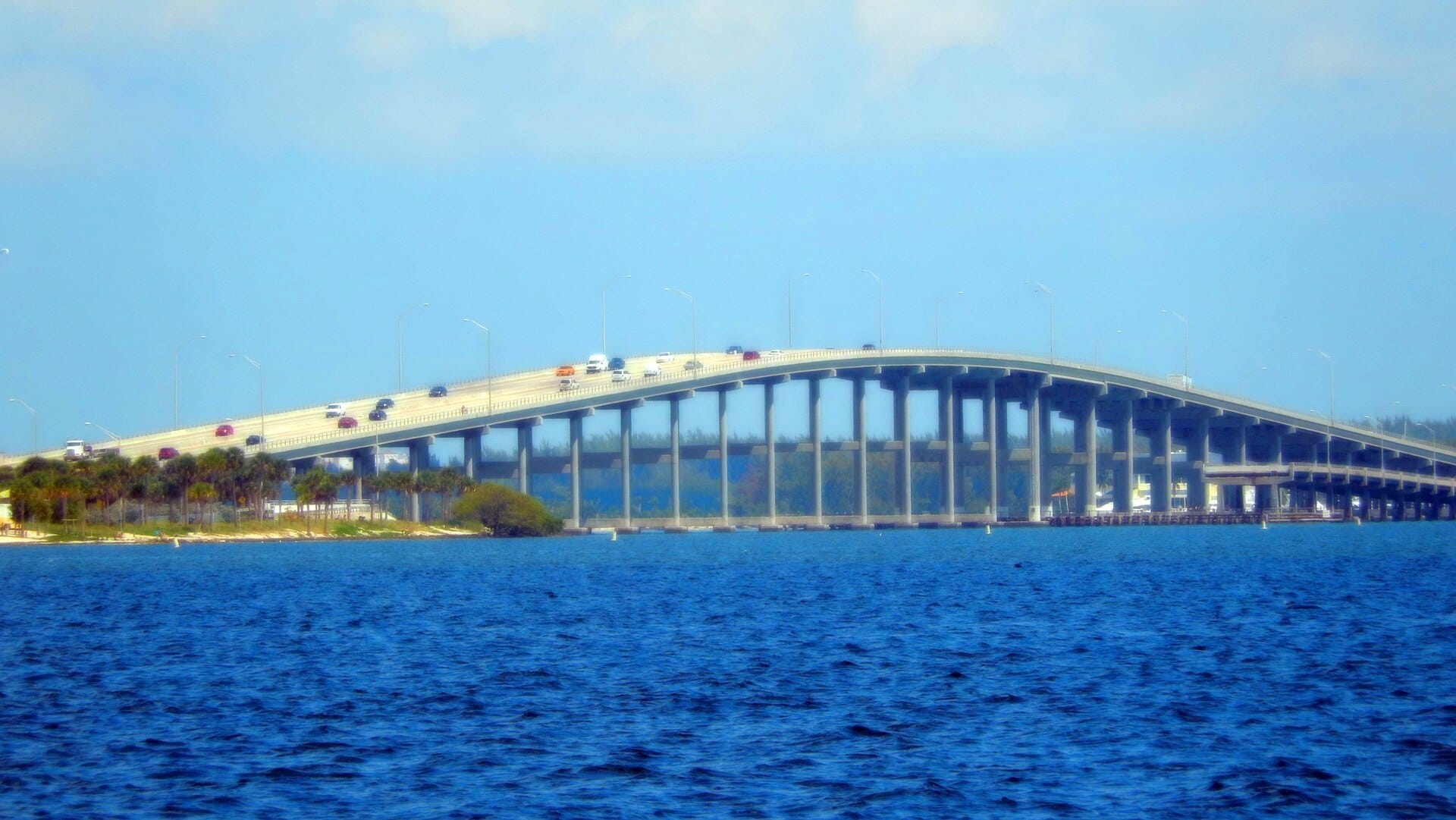
What the Rickenbacker Causeway Actually Is
The Rickenbacker Causeway is a roughly 5.4-mile toll corridor owned and operated by Miami-Dade County, connecting the mainland near Brickell across Biscayne Bay to Virginia Key and, ultimately, Key Biscayne. Of that total length, a significant portion consists of bridge structures spanning open water, with the remainder running across land and fill sections. It opened on November 9, 1947, and was named for Eddie Rickenbacker, a World War I flying ace who was also a Miami resident.
Unlike most causeways, this one functions as much more than a road. Miami-Dade County maintains the Rickenbacker Trail alongside the roadway, a multimodal path used daily by cyclists, runners, in-line skaters, and walkers. On weekday mornings, the trail sees a steady stream of commuter cyclists and fitness regulars. On weekend mornings, especially before 9 a.m., it becomes one of the most popular outdoor corridors in all of South Florida, with hundreds of cyclists moving in both directions.
ℹ️ Good to know
The causeway is the only road access to Virginia Key, Crandon Park, the Village of Key Biscayne, and Bill Baggs Cape Florida State Park. If you plan to visit any of those destinations, you will cross it regardless.
The Views: What You Actually See from the Bridge
The bridge sections offer unobstructed panoramas of Biscayne Bay in both directions. Heading southbound, the Miami skyline fills your left shoulder, with the towers of Brickell and Downtown reflected in calm bay water on clear mornings. The view is best in the early hours, before marine haze builds and before boat traffic chops up the surface. Heading north on the return, the city presents itself head-on: a compact wall of glass towers framed by water and sky.
From the elevated sections, you can spot Virginia Key to the southeast, the Miami Marine Stadium (a landmark closed since Hurricane Andrew in 1992), and on clear days, the low green line of Key Biscayne's shoreline. Sailboats and powerboats move through the bay at most hours. In winter months, the water often runs an extraordinary shade of blue-green, particularly around midday when the sun is overhead.
Sunrise is the single best moment on the causeway. The sky over Key Biscayne lightens in pinks and oranges while the skyline behind you catches the first warm light. Photographers with wide-angle lenses and tripods regularly set up on the pedestrian path before dawn. After around 8 a.m. on weekdays, vehicle traffic increases noticeably, and the light flattens.
💡 Local tip
For photography, arrive before 7 a.m. The angled light, calmer water, and lighter traffic make sunrise the definitive time to shoot both the skyline and the bay from the bridge path.
Tickets & tours
Hand-picked options from our booking partner. Prices are indicative; availability and final rates are confirmed when you complete your booking.
Everglades admission ticket with airboat ride and wildlife show
From 24 €Instant confirmationFree cancellationKey West day trip with glass bottom boat ride
From 110 €Instant confirmationFree cancellationEverglades airboat ride with Biscayne Bay boat tour and transportation
From 67 €Instant confirmationFree cancellationGrand Bahama tour with optional Pig Beach visit
From 309 €Instant confirmationFree cancellation
Using the Rickenbacker Trail: What Cyclists and Runners Should Know
The paved Rickenbacker Trail runs alongside the road for the full length of the causeway and is separated from vehicle lanes. It is wide enough for two-way cyclist traffic plus pedestrians, though weekend mornings between 7 and 10 a.m. see enough users that slower walkers should keep to the right and faster cyclists should call out when overtaking. The pavement is in generally good condition, though the raised bridge sections have expansion joints that can catch narrow road-bike tires if you cross them at a sharp angle.
The grade changes noticeably on the bridge sections. The elevation gain is modest by any standard, but cyclists who have ridden only flat Miami streets will feel the incline. Experienced riders find it a worthwhile interval. The most popular weekend cycling loop uses the causeway as the spine and extends into Key Biscayne on Crandon Boulevard, adding beach and park scenery at the far end.
If you plan to explore Key Biscayne by bike from central Miami, the causeway is your entry point. You can rent bikes near the Brickell area or in Coconut Grove and ride over. Combined with a stop at Crandon Park Beach or Bill Baggs Cape Florida State Park, the full out-and-back ride from Brickell runs roughly 14 to 18 miles depending on how far into the island you go.
Getting There and the Toll
By car from central Miami, take I-95 or US-1 to the Brickell area, then follow signs for the Rickenbacker Causeway (State Road 913). The toll plaza is on the southbound side, before you cross over to Virginia Key. As of 2018, the automobile toll is US$2.25 southbound; there is no charge heading northbound back to the mainland. Payment methods at the plaza should be confirmed with Miami-Dade County before travel, as these change and tolls are now collected electronically via SunPass or compatible transponders. Cyclists and pedestrians use the trail at no charge.
⚠️ What to skip
There is no Metrobus service that runs the full length of the Rickenbacker Causeway onto Key Biscayne. If you do not have a car or a bicycle, ride-hailing is your practical alternative for reaching the island. Verify current transit options with Miami-Dade Transit before your visit.
If you are staying in Miami Beach and considering a day trip to Key Biscayne, note that the distance is significant: you would travel south through South Beach or Downtown before reaching the causeway entrance near Brickell. Factor in at least 30 to 45 minutes of travel time each way by car, depending on traffic. For more detail on getting around Miami efficiently, the getting around Miami guide covers transport options across the city.
How the Causeway Changes Through the Day
Early morning, from around 5:30 to 8 a.m., the causeway belongs to athletes. Cyclists in kit, solo runners, and occasional inline skaters move at speed in the low light. The bay is often glassy. The air carries salt and diesel from the marine traffic beginning in the channel below. Conversations are minimal. The atmosphere is focused and purposeful.
By mid-morning on weekends, the character shifts. Families with children on rented bikes, tourists walking the path for the views, and groups of casual joggers all share the trail. The toll plaza sees a steady flow of cars heading to Crandon Park or the Key Biscayne village. Food trucks and vendors sometimes set up near the Virginia Key side on weekend mornings, serving coffee and snacks to cyclists taking a break.
Afternoons in summer, between roughly noon and 4 p.m., are the least comfortable window for any outdoor activity here. The heat index routinely exceeds 95°F (35°C) from June through September, and the bridge sections offer no shade whatsoever. Afternoon thunderstorms also develop quickly over the bay during the wet season, May through October. Lightning on an open bridge is a serious risk; if you see storm clouds building to the west, move off the exposed sections promptly.
Sunset draws a different crowd: people who park at the small turnouts near the water's edge to watch the sky change over Miami's skyline, couples walking the path in the cooler evening air, and photographers chasing the golden light. Weekday evenings are notably quieter than mornings. The causeway stays open 24 hours, and some runners and cyclists use it after dark, though lighting on the trail is limited in sections.
What Else Is Along the Route
Virginia Key, the first island you reach after the main bridge, holds several points of interest in its own right. Virginia Key Beach Park has a historically significant beach, the site of a former "colored only" beach during Miami's segregation era, now a public park. The Miami Marine Stadium, a 1963 concrete grandstand designed by Hilario Candela that juts over the bay, sits in a state of disrepair but draws architecture enthusiasts and urban explorers to its graffiti-covered exterior.
Continuing south, the causeway becomes Crandon Boulevard and crosses into the Village of Key Biscayne. Crandon Park, with its long barrier island beach and nature trails, is just minutes from where the causeway ends. At the southern tip of Key Biscayne, Cape Florida Lighthouse stands inside Bill Baggs Cape Florida State Park, one of the oldest structures in South Florida. The lighthouse dates to 1825, though it was extensively rebuilt after being attacked during the Second Seminole War in 1836.
Honest Limitations: Who Should Think Twice
The Rickenbacker Causeway is often described as a scenic drive, and for many it is exactly that. But as a standalone destination, it requires some calibration of expectations. The views from a car window moving at 35 mph are pleasant but brief. Drivers have few places to safely stop and absorb the bay panorama; the trail experience is meaningfully different from the car experience.
Travelers who are not cyclists or runners and who have no particular interest in the islands at the far end may find the causeway feels like a means to an end rather than a destination. If your goal is simply to see the Miami skyline from water level, the views from Bayfront Park, the Miami Riverwalk, or even the MacArthur Causeway boardwalk are accessible without the toll and the drive. The Rickenbacker earns its place for what it leads you to, not just what it offers in the crossing itself.
Summer visitors should weigh the heat carefully. If you plan to cycle the causeway between June and September, schedule it for early morning and bring significantly more water than you think you need. The Miami in summer guide covers heat management and timing strategies for outdoor activities across the city.
Insider Tips
- The small parking area on the Virginia Key side near the base of the main bridge offers one of the best unobstructed views of the Miami skyline from water level. It fills quickly on weekend mornings but is often empty on weekday evenings.
- Cyclists heading out on weekends should aim to be on the bridge by 6:30 a.m. to avoid the buildup of foot traffic and to catch the best light. By 9:30 a.m. on Saturdays, the trail feels genuinely crowded in sections.
- The bridge expansion joints on the raised sections run perpendicular to the path. Road cyclists on narrow tires should cross them straight-on rather than at any angle to avoid the front wheel dropping into the gap.
- Afternoon thunderstorms during the wet season can materialize from clear skies in under 30 minutes over Biscayne Bay. Check the radar before heading out and plan your turnaround time so you are not on the exposed bridge sections when storms approach.
- There are no dedicated restroom facilities on the causeway itself. The nearest public facilities are at Virginia Key Beach Park on the Virginia Key side, or at Crandon Park once you cross onto Key Biscayne.
Who Is Rickenbacker Causeway For?
- Cyclists looking for a challenging and scenic training route with bay views
- Runners and fitness-focused travelers who want a route with genuine atmosphere
- Photographers chasing the Miami skyline reflected in calm water at sunrise
- Travelers using the causeway as the route to Key Biscayne's beaches and parks
- Anyone interested in the maritime and architectural character of Biscayne Bay
Nearby Attractions
Other things to see while in Key Biscayne:
- Bill Baggs Cape Florida State Park
Bill Baggs Cape Florida State Park occupies the southern tip of Key Biscayne, combining a historic 1825 lighthouse, a wide Atlantic-facing beach, and roughly 440 acres of subtropical coastal habitat. It offers one of the most complete outdoor escapes within easy reach of central Miami.
- Cape Florida Lighthouse
Standing at the southern tip of Key Biscayne, the Cape Florida Lighthouse is the oldest standing structure in Miami-Dade County. Built in 1825 and scarred by a Seminole attack in 1836, it offers guided tower tours, a restored keeper's cottage, and panoramic views over Biscayne Bay and the Atlantic. The lighthouse sits inside Bill Baggs Cape Florida State Park, one of Miami's most rewarding half-day escapes.
- Crandon Park Beach
Crandon Park Beach stretches two miles along the Atlantic edge of Key Biscayne, offering calm turquoise water, wide sandy flats, and generous shade from palm groves. It's the kind of beach Miami locals return to again and again, precisely because it never feels like a performance.