Historic Virginia Key Beach Park: Miami's Most Meaningful Beach
Historic Virginia Key Beach Park sits on 82.5 acres of barrier island just minutes from Downtown Miami, offering calm Atlantic shoreline, shaded nature trails, and a civil rights history that most visitors know nothing about. It is quieter than South Beach, cheaper than many waterfront parks, and far more layered than it first appears.
Quick Facts
- Location
- 4020 Virginia Beach Drive, Miami, FL 33149 (Virginia Key, via Rickenbacker Causeway)
- Getting There
- Drive or rideshare via Rickenbacker Causeway; no direct Metrorail service. Metrobus route 102 serves Virginia Key.
- Time Needed
- 2–4 hours for a full visit; half a day if you use kayaks or explore the nature trails
- Cost
- US$10/vehicle (cash only). Verify current rates at official site.
- Best for
- History lovers, families seeking calm water, nature walkers, locals escaping South Beach crowds
- Official website
- virginiakeybeachpark.net
Why Virginia Key Beach Park Deserves More Attention
Historic Virginia Key Beach Park is one of the few places in Miami where the physical landscape and the historical record carry equal weight. The park sits on a quiet barrier island between Downtown Miami and Key Biscayne, covering 82.5 acres of Atlantic-facing shoreline, mangrove edges, and shaded inland paths. The water here is calmer and shallower than the open Atlantic beaches on Miami Beach, making it particularly suited for families with young children and anyone who prefers wading and floating over wave-surfing.
What most visitors do not realize when they pull in off the Rickenbacker Causeway is that they are entering a site of genuine civil rights significance. Understanding that history does not require a long detour or a docent tour. It changes how you read the shoreline itself.
ℹ️ Good to know
Park recreation hours are 7:00 AM to sunset year-round, with the park closed on Thanksgiving Day and Christmas Day. The main gate closes at or shortly before sunset in line with overall park recreation hours. Plan your arrival accordingly, especially on summer evenings.
The History Behind the Shoreline
On August 1, 1945, the Miami City Commission formally established Virginia Key Beach as a public beach for Black residents. This was not a gesture of generosity. It was a product of Jim Crow segregation: Black Miamians were barred from the white-only beaches of Miami Beach and most of the city's waterfront. Virginia Key was the designated alternative, accessible initially only by boat until road access via the Rickenbacker Causeway and bus service followed.
What followed surprised the city's planners. The beach became a thriving community space. Families arrived in large numbers on weekends. A carousel, concession stands, and a mini-train were installed. The park developed a social life of its own, becoming a gathering point for the Black community of Miami through the late 1940s, 1950s, and into the 1960s. After desegregation, attendance declined as other beaches opened, and the park eventually fell into neglect. It was nearly redeveloped entirely before community advocates pushed back and the Historic Virginia Key Beach Park Trust was established to restore it.
That restoration is ongoing and visible. The original carousel has been returned and refurbished. Interpretive signage throughout the grounds explains the site's dual identity: a place of forced exclusion that became, paradoxically, a space of community pride. Walking through here with that context feels different from any other beach visit in Miami.
Tickets & tours
Hand-picked options from our booking partner. Prices are indicative; availability and final rates are confirmed when you complete your booking.
Key West day trip with glass bottom boat ride
From 110 €Instant confirmationFree cancellationKey West day trip and hop-on hop-off trolley
From 102 €Instant confirmationFree cancellationSelf-guided driving tour from Miami to the Florida Keys
From 15 €Instant confirmationRound-trip transfer to Key West from South Beach Miami
From 52 €Instant confirmationFree cancellation
What the Park Actually Looks and Feels Like
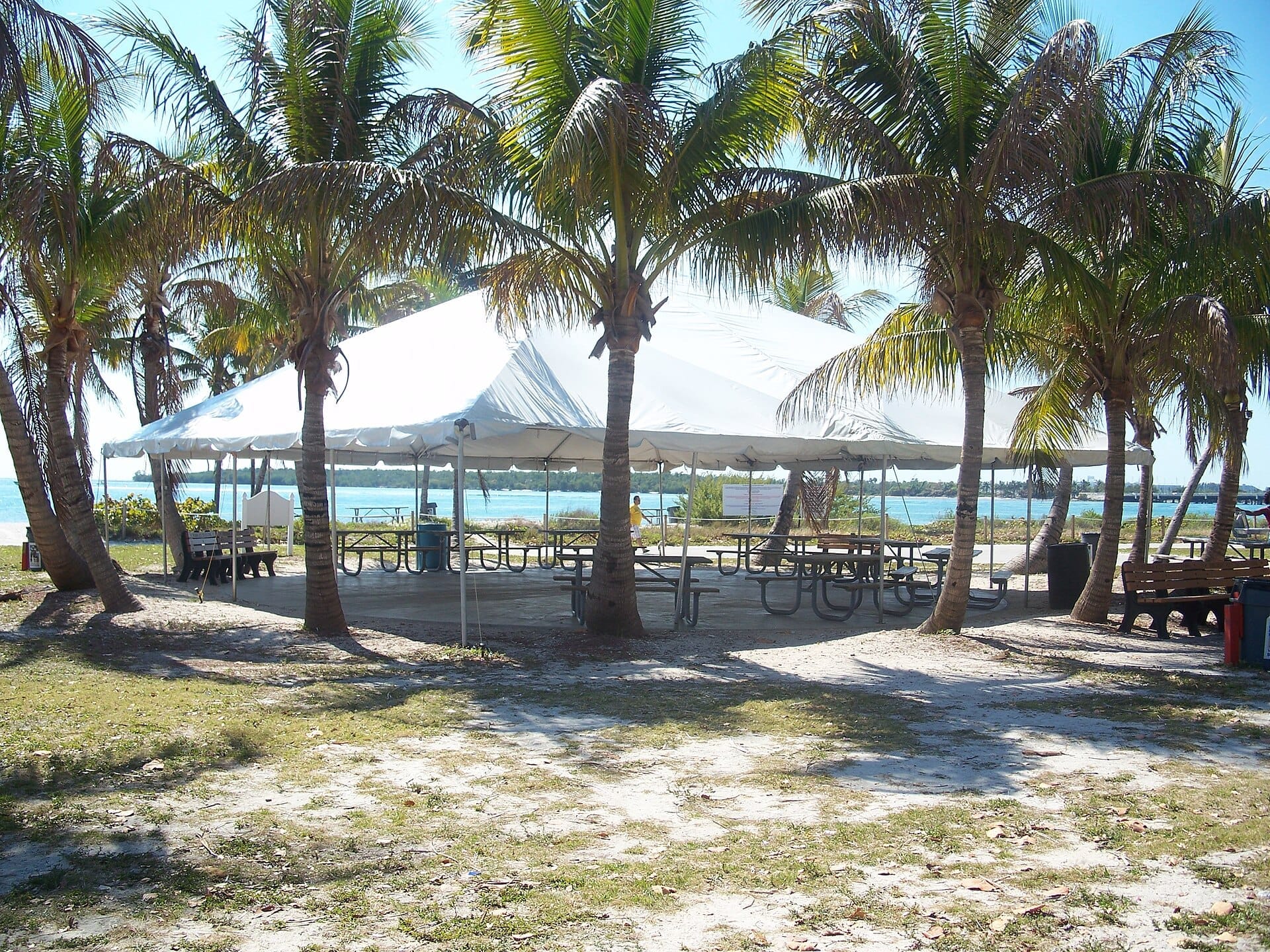
Virginia Key sits between Biscayne Bay and the Atlantic, and the park's beach faces a protected stretch of relatively calm water. The sand is not the powdery white of South Beach. It is coarser and darker in places, and the waterline shifts noticeably with tide. The beach itself is wide enough that even on a moderately busy weekend afternoon, you can find a patch of sand with reasonable space around you.
The smell is unmistakably coastal but earthier than oceanfront Miami Beach. Inland, where the nature trails push through sea grape and mangrove, there is a low vegetal humidity that mixes with salt air. Birdsong is more present here than at almost any other Miami attraction. Ospreys circle regularly. The light in the early morning, before 9:00 AM, cuts through the tree canopy in long slanted beams that make the inland paths photogenic in a way most visitors don't expect.
The park is also located just south of the Virginia Key Outdoor Center and within a short drive of Bill Baggs Cape Florida State Park on Key Biscayne, so combining both in a single day makes geographic and logistical sense.
How the Experience Changes Through the Day
Early arrivals, especially on weekdays, get the park in its quietest form. The parking lot is nearly empty at 7:30 AM. The beach has the particular stillness of a place that hasn't been disturbed yet: smooth wet sand at the waterline, no footprints yet beyond the tideline, the water very flat. This is the best time for photographers and for anyone who wants to walk the shoreline in peace.
By mid-morning on weekends, families with children begin to populate the shallows. The calm water makes this an approachable environment for very young swimmers. By midday in summer, the heat is significant, temperatures commonly reaching into the low 90s°F (around 33°C), and the shade trees near the picnic areas become the most contested real estate in the park. Bring water, sun protection, and if possible, beach chairs, as amenities are present but not always abundant.
Late afternoon on summer days brings the best light for photography from the beach itself, but also the most risk of afternoon thunderstorms. Miami's wet season runs roughly May through October, and storms can develop quickly and with little warning. If you see the sky building to the west, plan to leave the water and find shelter.
⚠️ What to skip
Swimming is at your own risk. The park does not always have lifeguards on duty. Check the official site or call ahead if you are visiting with young children and need confirmed lifeguard coverage.
Getting There and Practical Logistics
The park is reached via the Rickenbacker Causeway, which connects Downtown Miami to Virginia Key and then to Key Biscayne. By car, the drive from Downtown Miami takes roughly 10 to 15 minutes depending on traffic. The causeway itself has a toll, so factor that into your cost calculation on top of the park's vehicle entry fee.
Metrobus route 102 serves Virginia Key, offering an alternative for visitors without a car, though service frequency is limited and worth checking before you rely on it. Rideshare via Uber or Lyft works well for the outbound trip, but pickup availability from the park itself can be inconsistent, particularly at closing time. If you use rideshare, confirm pickup logistics before you arrive.
For visitors planning a broader day on the water, the Miami water activities guide covers kayak rentals, paddleboard options, and other ways to extend a visit to this part of the bay.
Authorized city vehicles are the only motorized vehicles permitted inside the park grounds beyond the main parking area. The park office operates on a weekday business schedule and the park itself is closed on Thanksgiving Day and Christmas Day; visitors should confirm current Welcome Center hours in advance. If you have accessibility needs or specific questions, weekday visits when the office is staffed will give you the best options for support.
The Nature Trails and What Else the Park Holds
Beyond the beach, Virginia Key Beach Park maintains a network of inland trails through native coastal hammock and mangrove habitat. These are not strenuous hikes, more like flat, shaded walks ranging from a few hundred yards to around a mile depending on the route. The trails are better suited to exploration than exercise, and they offer a genuinely different sensory experience from the open beach: cooler, shadier, denser in sound and smell.
The restored historic carousel is located near the park's central area and operates on select days and weekends. It is a tangible physical link to the park's mid-century history, and children respond to it entirely on its own terms as a carousel, with no knowledge of its history required to enjoy it. Picnic facilities and barbecue grills are available, and the park does a steady trade in family birthday gatherings and reunions, particularly on weekend afternoons.
Visitors interested in the broader natural context of Miami's coastal ecosystems might also consider pairing this visit with a trip to Biscayne National Park, which protects the bay waters visible from the beach here, or the trails at Crandon Park Beach on Key Biscayne.
Who Might Want to Skip This
Visitors looking for the classic Miami Beach experience, including oceanfront waves, a long parade of people, beachside bars, and the Art Deco backdrop, will not find it here. Virginia Key Beach Park is intentionally quieter, more park-like in character, and removed from the social energy of South Beach. The beach itself is attractive but not dramatic.
If nightlife, restaurant walkability, or the architectural spectacle of Ocean Drive are what you're after, this is not the right stop. Similarly, travelers with very limited time in Miami who feel pressure to cover major landmarks may find that the park rewards slower, more exploratory visits better than quick check-ins.
Insider Tips
- Arrive on a weekday morning before 9:00 AM if you want the beach nearly to yourself. The gate opens at 7:00 AM and the park has a completely different atmosphere in that first quiet hour.
- The carousel does not operate every day. If seeing it in motion (rather than just viewing it) matters to you, check the park's official schedule before you go rather than assuming weekend availability.
- Bring cash for the entry fee. While payment options may vary, having exact change or small bills for the gate avoids any friction at entry.
- The nature trails are most comfortable in the early morning or late afternoon in summer. Midday heat on the exposed sections can be significant, and the trails have limited shade for stretches near the open water edges.
- Park toward the north end of the main lot if you plan to access the nature trails first. It saves a longer walk back after time on the beach and gives you a natural circuit through the park rather than doubling back.
Who Is Virginia Key Beach Park For?
- Families with young children wanting calm, shallow water in a low-crowd environment
- History-conscious travelers interested in civil rights and the African American experience in Miami
- Nature walkers seeking mangrove and coastal hammock trails close to the city
- Photographers looking for early-morning light on an underpopulated Miami shoreline
- Miami residents and repeat visitors who have done South Beach and want something quieter and more meaningful
Nearby Attractions
Combine your visit with:
- Aventura Mall
Aventura Mall is Florida's largest enclosed shopping center, spanning roughly 2.7 million square feet with more than 300 stores, dozens of restaurants, and a growing collection of public art. Positioned between Miami and Fort Lauderdale, it draws shoppers from across South Florida and beyond. Whether you are hunting flagship luxury brands or simply escaping the afternoon heat, the mall delivers a surprisingly complete half-day experience.
- Biscayne National Park
Biscayne National Park protects one of the largest coral reef ecosystems in North America, about 35 miles south of downtown Miami. With 95% of its 172,971 acres underwater, this is not a typical roadside park — it rewards those who come prepared to snorkel, dive, kayak, or sail.
- Deering Estate
The Deering Estate is a 444-acre historic preserve in South Miami-Dade that combines 1920s-era architecture, fossil-rich limestone terrain, coastal mangroves, and a surprisingly ambitious arts program. It rewards slow exploration and offers a side of Miami most visitors never see.
- Everglades National Park
Everglades National Park protects the largest subtropical wilderness in the United States, just an hour from Miami. From alligator-lined boardwalks to silent sawgrass prairies stretching to the horizon, it rewards visitors who prepare — and humbles those who don't.