Florida Keys from Miami: The Complete Day Trip & Road Trip Guide
The Florida Keys are one of the most rewarding drives from Miami, but the logistics matter more than most visitors expect. This guide covers exact distances, key stops along the Overseas Highway, day-trip options, multi-day road trip planning, and honest seasonal advice to help you get the most out of the journey.
Plan and book this trip
Tools from our partner Travelpayouts help you compare flights and hotels. If you book through them, we may earn a commission at no extra cost to you.
Flights
Hotels map
TL;DR
- Miami to Key West is roughly 150 miles and takes 3 to 4 hours of driving one way — not the quick trip many assume.
- A single day is enough to reach Key West, but seeing multiple islands properly takes at least 2 to 3 days.
- Organized day-trip buses from Miami run around US$50–$90 per person and include hotel pickup — useful if you prefer not to drive. Browse day trips from Miami for more options.
- The best stops on the road include John Pennekamp Coral Reef State Park (Key Largo), Robbie's Marina (Islamorada), and the Seven Mile Bridge near Marathon.
- March through May offers the best balance of weather, crowds, and pricing. Hurricane season (June–November) is cheaper but comes with real weather risk.
Getting the Distances Right: Miami to the Keys

The Florida Keys stretch southwest from the tip of mainland Florida as a chain of coral islands linked by the Overseas Highway (US-1), which runs about 113 miles from Key Largo to Key West across 42 bridges. From Miami, Key Largo sits about 60 miles south, roughly 1 to 1.5 hours without traffic. Key West, at the far end of the chain, is around 150 miles from central Miami and consistently takes 3 to 4 hours of driving each way under normal conditions.
That 3 to 4 hour figure is one of the most important things to understand before planning this trip. The Overseas Highway is a two-lane road through dozens of small communities, with speed limits dropping frequently to 35 or 45 mph, traffic lights, and no passing zones on long bridge stretches. Even Google Maps sometimes shows optimistic estimates. Add a meal stop, a photo break at the Seven Mile Bridge, or any unexpected traffic near Key Largo on a holiday weekend, and a 3.5-hour drive easily becomes 5 hours.
⚠️ What to skip
Do not plan a same-day Key West trip if you're starting after 8 AM. To get meaningful time in Key West and return to Miami the same evening, most organized tours depart Miami hotels between 7 and 8 AM and don't return until 10 PM or later. This is a genuinely long day.
Day Trip vs. Road Trip: Which Approach Actually Works?
A Miami-to-Key West day trip is feasible, but the honest answer is that it's exhausting if you're driving yourself. You'll arrive in Key West having already spent 3 to 4 hours in a car, have maybe 4 to 6 hours to explore, and then face the same drive back in the dark. The Overseas Highway at night is perfectly safe, but it adds fatigue to an already long day.
If you only have one day and want to reach Key West, taking an organized bus tour is genuinely the smarter call. Shared coach services from Miami typically run US$50–$90 per person, include hotel pickup from South Beach and Downtown, and give you around 6 hours of free time in Key West before the return journey. You can eat, walk Duval Street, visit the Southernmost Point marker, and catch the Mallory Square sunset. That's a solid day without the driving fatigue.
If you have 2 to 3 days, self-driving is far superior. You can stop properly at John Pennekamp, have lunch at a proper fish shack in Islamorada, walk onto the old Seven Mile Bridge, and actually spend a night in Key West rather than racing back. The road trip version of the Keys is one of the great American drives, and rushing it to fit a day-trip format misses a lot of what makes it worth doing.
The Key Stops Along the Overseas Highway
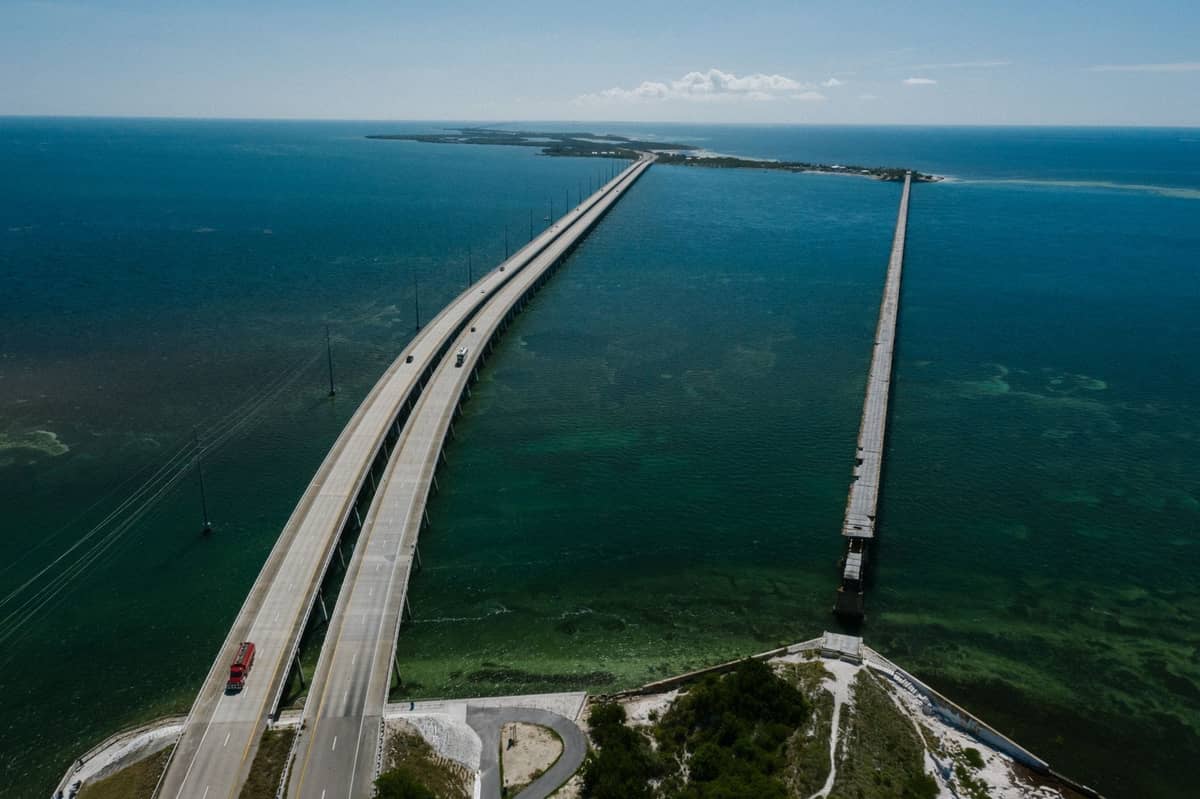
The Overseas Highway uses a mile marker (MM) system, counting down from MM 126 near Florida City to MM 0 in Key West. This is how locals and most businesses reference locations. Here are the stops worth building time around:
- Key Largo (MM 102.5) — John Pennekamp Coral Reef State Park The first major stop and the most significant for snorkelers and divers. Pennekamp was the first undersea park in the United States, covering roughly 70 nautical square miles of coral reef. Glass-bottom boat tours run several times daily. Entry is typically around US$8 per vehicle plus a per-person fee — confirm current rates at Florida State Parks before visiting.
- Islamorada (MM 77.5) — Robbie's Marina A classic midpoint stop where you can hand-feed tarpon from the dock (a small fee applies), rent kayaks, or book a fishing charter. There's a decent market and waterside food stalls. It sounds touristy, and it is, but feeding 100-pound tarpon from a dock is a genuinely memorable experience.
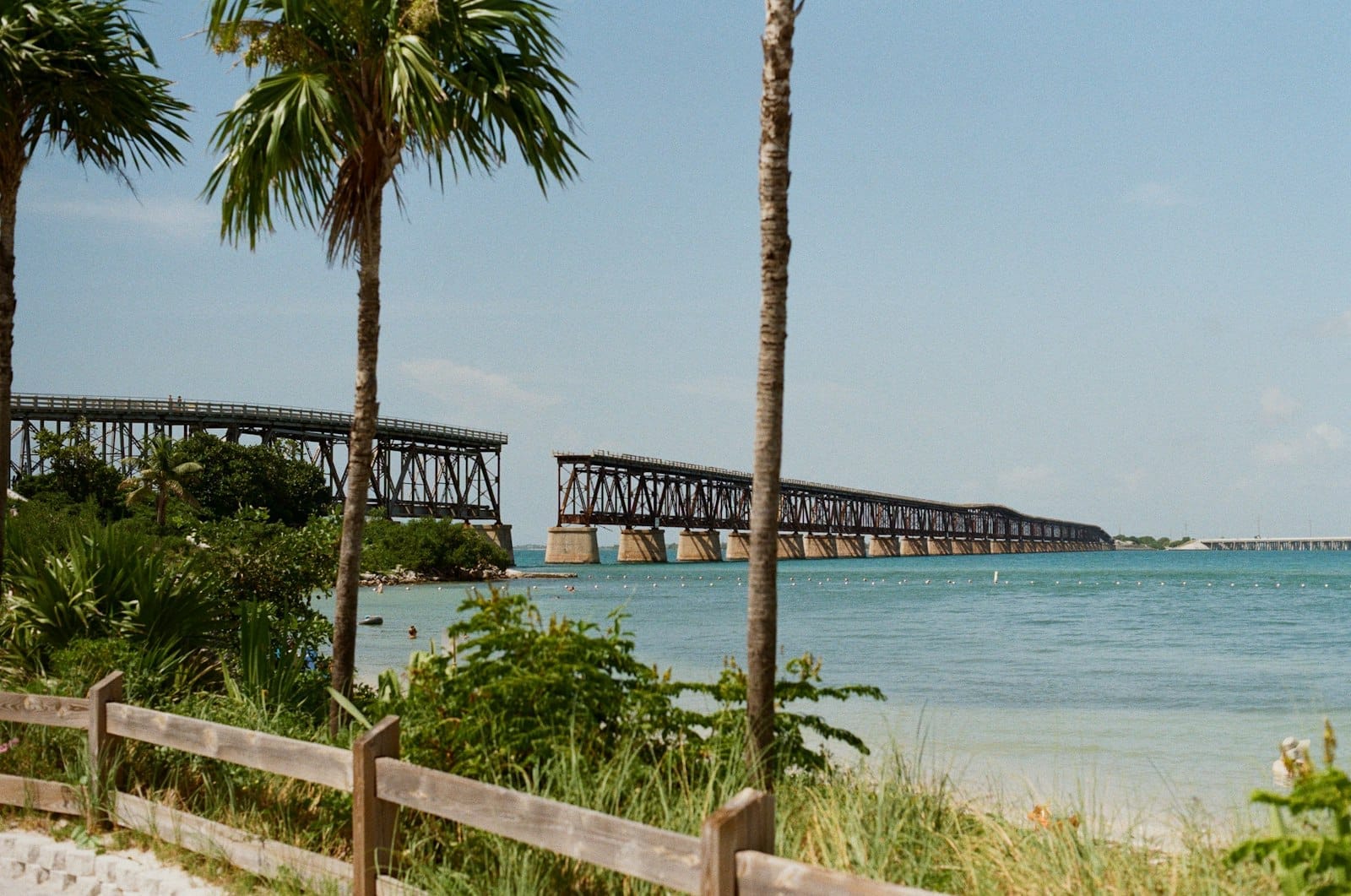
- Marathon and the Seven Mile Bridge (MM 47) The Seven Mile Bridge is the iconic image of the Overseas Highway and a legitimate engineering feat. There's a small pull-off area where you can park and walk onto the old bridge for photos. Bahia Honda State Park, just south of Marathon, has some of the best natural sandy beach in the Keys — a rarity along this coastline.
- Big Pine Key (MM 33) — Key Deer National Wildlife Refuge Home to the endangered Key deer, a miniature subspecies of white-tailed deer that can be spotted along roads and trails. A quieter stop but worth 20 minutes if you're doing a multi-day trip.
- Key West (MM 0) The end point. Old Town is where most visitors focus: Mallory Square for the nightly sunset celebration (arrive early, it draws crowds), Duval Street for bars and shops, the Southernmost Point buoy for the obligatory photo, and the Ernest Hemingway Home if you want a worthwhile paid attraction.
✨ Pro tip
Southbound traffic on a Friday afternoon from Miami to Key Largo can be brutal, especially from May through Labor Day. If you're driving, leave Miami before 7 AM or after 7 PM on Fridays. Saturday morning departures are generally easier than Friday evenings.
What the Keys Are Actually Like (And What They're Not)

The most common misconception visitors bring from Miami is expecting long Caribbean-style sandy beaches. The Florida Keys largely don't have them. The coastline is mostly mangrove, coral rock, and shallow seagrass flats. Bahia Honda State Park and a handful of other spots have genuine beach sand, but the appeal of the Keys is overwhelmingly about what's in and on the water rather than beside it: snorkeling on living coral reef, fishing, kayaking through mangroves, watching tarpon, and driving one of the most scenic coastal roads in the country.
Key West itself has a distinct character from the rest of the chain. It's louder, more commercialized, and far more crowded than anywhere between Key Largo and Marathon. If you want peace, great snorkeling, and fewer people, Upper Keys stops like Pennekamp or the waters around Islamorada will serve you better. Key West is worth visiting, but temper expectations if you're envisioning a quiet tropical escape. For more water-based activity planning, see the Miami water activities guide.
When to Go: Seasonal Breakdown for the Keys from Miami
Miami's climate is tropical monsoon, and the Keys follow a similar seasonal pattern. The dry season runs roughly November through April, with lower humidity, temperatures in the mid-70s to low 80s Fahrenheit, and minimal rain. This is peak tourist season. Crowds and accommodation prices in Key West reflect that, particularly from January through March when snowbirds fill the region.
March through May hits a sweet spot: the dry season is winding down, weather is warm but not yet oppressively humid, and the shoulder-season pricing hasn't fully kicked in. This is the strongest recommendation for a Keys road trip. For a broader look at Miami's seasonal patterns, the best time to visit Miami guide covers month-by-month details.
- December to February (Peak Season) Best weather, highest prices, busiest roads. Book Key West accommodation months ahead. The drive south from Miami is crowded on weekends.
- March to May (Best Overall) Warm, relatively dry, manageable crowds through mid-March. Late April and May see fewer visitors and lower accommodation rates while weather remains excellent.
- June to August (Summer) Hot, very humid, with daily afternoon thunderstorms. Hurricane season begins June 1. Cheaper accommodation, but the heat makes outdoor activity unpleasant by midday. Water visibility for snorkeling can also be reduced by summer algae blooms.
- September to November (Hurricane Risk Period) Peak hurricane risk through October. September and October are the quietest months with the lowest prices, but a storm can cancel trips with no notice. If you travel in this window, purchase travel insurance and monitor NOAA forecasts.
ℹ️ Good to know
The Keys sit within the Atlantic hurricane belt. The Overseas Highway can close entirely during hurricane evacuation orders, and the single road in and out makes emergency departure slow. This is not a reason to avoid the Keys in shoulder season, but it is a reason to take hurricane forecasts seriously and have a contingency plan.
Practical Logistics: Driving, Fuel, and What to Bring
If you're renting a car from Miami for this trip, pick it up the evening before a morning departure to avoid losing time. Gas stations exist throughout the Keys but become less frequent south of Marathon, and prices tend to be higher than in Miami. Fill up in Homestead or Florida City before crossing onto the Keys. For general getting-around logistics in Miami itself, the getting around Miami guide covers transit, ride-hailing, and car rental specifics.
Cell coverage is generally solid along US-1 but can drop in more remote stretches between islands. Download offline maps before leaving Miami. Sunscreen, water, and reef-safe products (strongly recommended, and increasingly required in sensitive marine areas) are worth packing from Miami rather than buying in Key West at tourist markup prices. Bring cash for Robbie's Marina tarpon feeding and some smaller roadside food stalls that don't take cards.
- Depart Miami before 8 AM for a day trip to Key West; before 9 AM for an Upper Keys day trip to Key Largo or Islamorada
- Fill gas in Homestead or Florida City — fuel is cheaper there than anywhere in the Keys
- Use reef-safe sunscreen, especially at state parks and in the water (strongly recommended to protect coral reefs)
- Book John Pennekamp glass-bottom boat tours in advance on busy weekends — spots fill up
- Key West parking is expensive and limited; use the Park-and-Ride shuttle on busy days or park in a garage on the edge of Old Town
- Pack a cooler with drinks and snacks — roadside food is available but pricey and inconsistent south of Marathon
If the Keys are part of a longer Florida itinerary, they pair naturally with a visit to Everglades National Park, which sits directly west of the Florida City turnoff. You can combine an Everglades morning with an afternoon push into the Upper Keys in a single day, though it makes for a full schedule. See the Everglades from Miami guide for logistics on that option.
FAQ
How far is it from Miami to the Florida Keys?
Key Largo, the first island in the Keys, is about 60 miles from central Miami — roughly 1 to 1.5 hours by car under normal traffic conditions. Key West, at the far end of the chain, is around 150 miles and takes 3 to 4 hours of driving one way. There are 42 bridges along the Overseas Highway between Key Largo and Key West, and the two-lane road has frequent speed limit changes that slow average travel time.
Is a Florida Keys day trip from Miami worth it?
It depends entirely on your destination within the Keys. A day trip to Key Largo or Islamorada (Upper Keys) is very manageable — you can be at John Pennekamp State Park in under 90 minutes and have a full day of snorkeling or kayaking before returning to Miami comfortably. A day trip all the way to Key West is possible but long: expect to spend 7 to 8 hours in transit total, leaving only 4 to 6 hours in Key West itself. It's doable, but a one-night stay in Key West is a significantly better experience if your schedule allows.
What is the best stop in the Florida Keys for a first-time visitor from Miami?
John Pennekamp Coral Reef State Park in Key Largo is the strongest single stop for first-timers, especially if you have any interest in the underwater environment. It's the closest major destination, the reef system is exceptional, and glass-bottom boat tours are accessible even for non-swimmers. Islamorada is the better choice if you want a more laid-back, local atmosphere with a great waterfront meal. Key West is the most famous but also the most touristy and takes the longest to reach.
When is the best time to visit the Florida Keys from Miami?
March through May is the most consistently recommended window. The weather is warm and dry without the extreme heat and humidity of summer, crowds thin out compared to January and February peak season, and accommodation prices are more reasonable than midwinter. Avoid June through October if possible due to hurricane risk and oppressive humidity, though budget travelers willing to monitor weather forecasts can find very good deals in those months.
Can you visit the Florida Keys without a car from Miami?
The most practical car-free option is an organized day-trip bus tour, which typically includes round-trip transport from Miami Beach or Downtown hotels and costs around US$50–$90 per person depending on inclusions. There is no regular intercity rail or frequent public bus service from Miami to the Keys; options are limited to infrequent regional buses and private shuttles. Once in Key West, the city itself is very walkable and has bicycle rentals and local shuttles, so you don't need a car once you arrive — the challenge is getting there.