Where to Stay in Miami: The Neighborhood-by-Neighborhood Guide
Choosing where to stay in Miami shapes your entire trip. This guide breaks down every major neighborhood by vibe, price, transit access, and who it suits best, so you can book with confidence and avoid costly mistakes.
Plan and book this trip
Tools from our partner Travelpayouts help you compare flights and hotels. If you book through them, we may earn a commission at no extra cost to you.
Flights
Hotels map
TL;DR
- South Beach suits first-timers and nightlife lovers, but rates in peak season routinely hit $400+ per night for decent beachfront properties.
- Downtown and Brickell are the best base for transit-dependent travelers: both Brickell and Downtown Miami sit on the Metrorail and the free Metromover network.
- Mid-Beach (around the Faena district) is the luxury strip; expect resort fees on top of already-high room rates.
- Key Biscayne and Coconut Grove deliver a quieter, more residential feel with waterfront access, ideal for couples or families.
- Peak season runs December to April. Rates spike again during Art Basel, Miami Music Week, and major sports events. Check our best time to visit Miami guide before you book.
How Miami's Neighborhoods Actually Break Down for Visitors
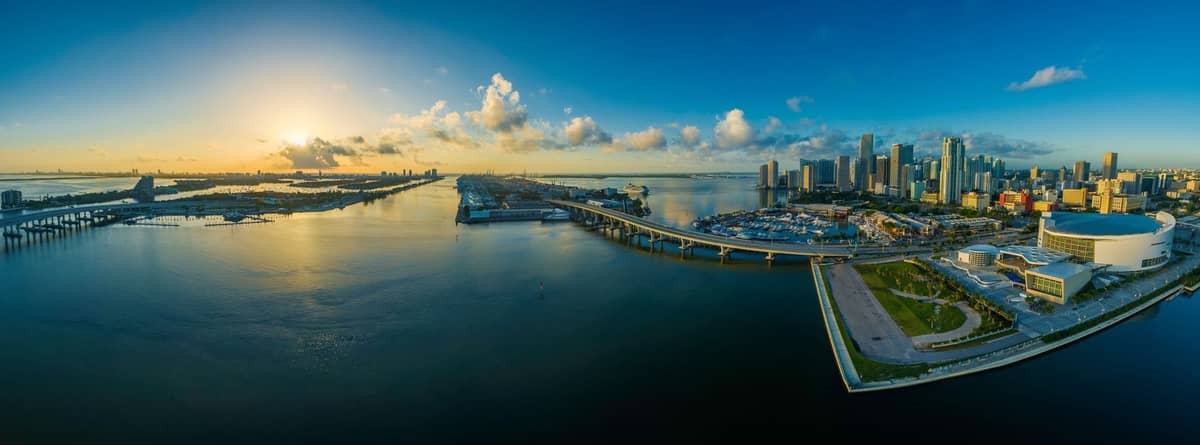
One of the most common planning mistakes is treating Miami as a single destination with one hotel zone. In reality, Miami and Miami Beach are separate municipalities connected by causeways, and the driving time between, say, Wynwood and South Beach can swing from 10 minutes to 45 minutes depending on traffic. Where you sleep determines what you'll pay, how easily you'll get around, and what kind of trip you'll have.
The main visitor hubs are: South Beach, Mid-Beach, and North Beach (all on Miami Beach island), plus Downtown Miami, Brickell, Wynwood, Coconut Grove, Little Havana, and Key Biscayne. Each has a distinct character, price range, and set of trade-offs.
ℹ️ Good to know
Miami Beach is a separate city from Miami. When searching accommodation platforms, filter by specific neighborhood rather than just 'Miami' to avoid surprises about location. A hotel listed in 'Miami' can legally be miles from the beach.
South Beach: The Classic Choice (With Real Trade-Offs)
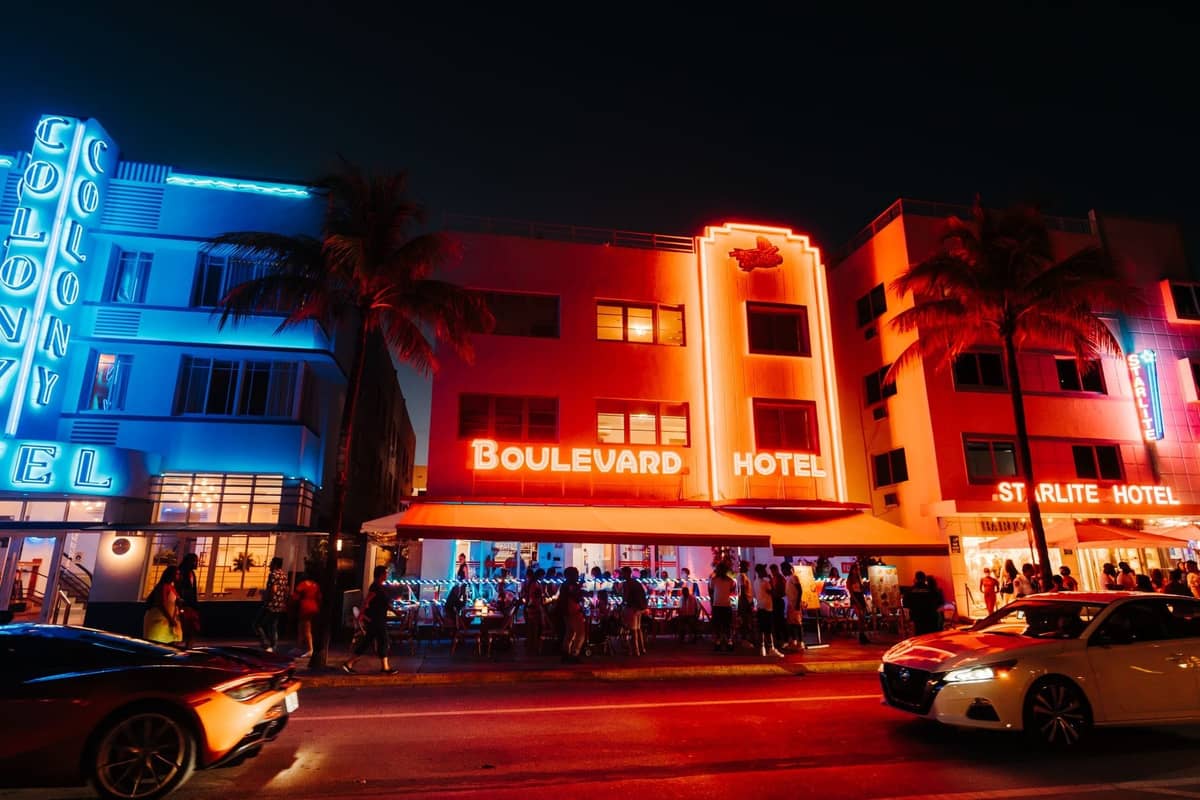
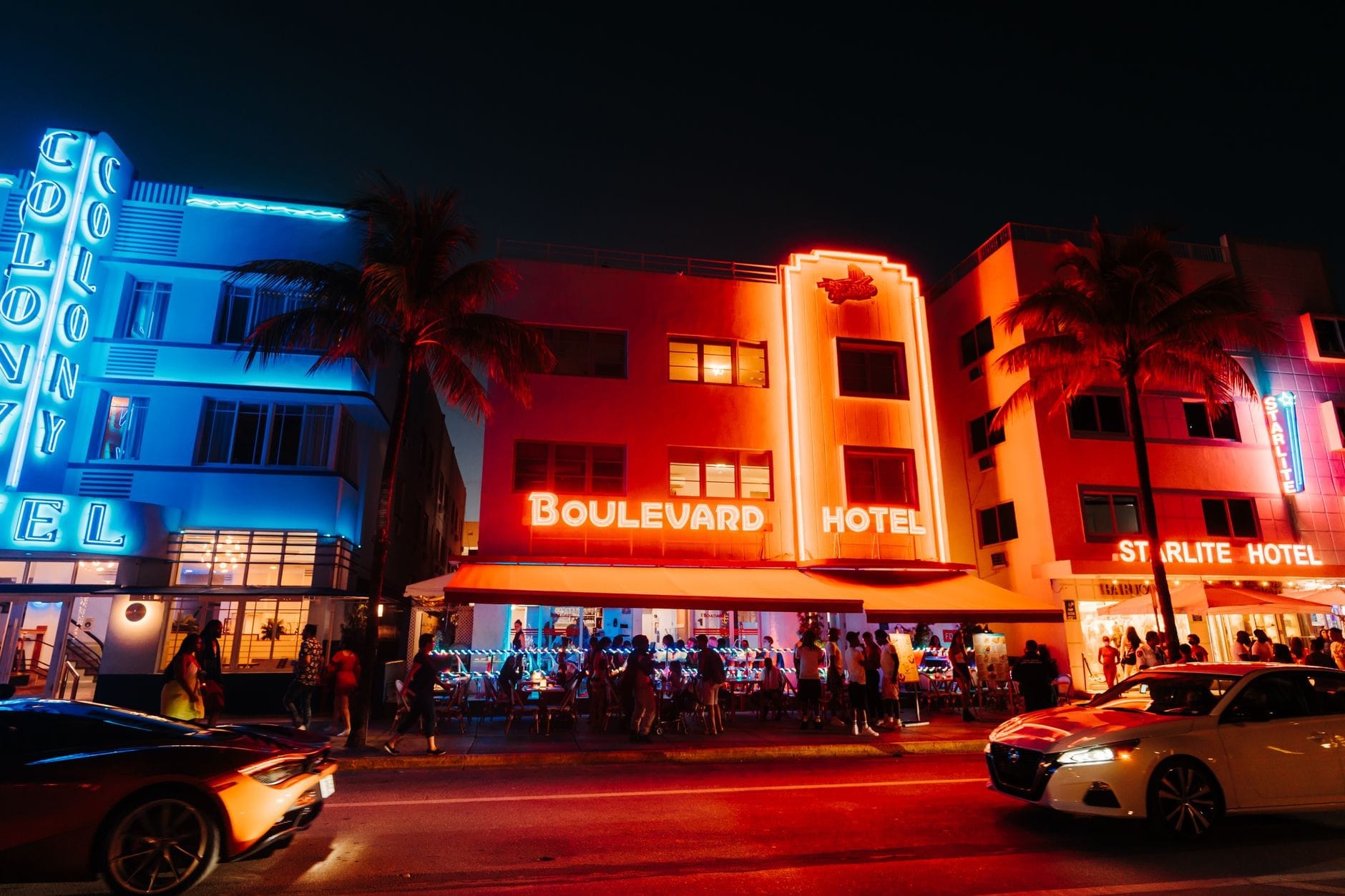
South Beach, known locally as SoBe, is the densest hotel zone in Miami and the default choice for first-time visitors. The Art Deco Historic District lines Collins Avenue and Ocean Drive with pastel-colored hotels, many of which have been converted into boutique properties with rooftop pools. The beach itself is genuinely excellent: wide white sand, lifeguard stations, and the free-to-access Lummus Park Beach running directly in front of the hotel strip.
The drawback is crowds and cost. Ocean Drive is one of the most tourist-dense streets in the United States. Restaurant markups near the strip are aggressive, the nightlife noise carries well past midnight on weekends, and parking is expensive and scarce. A 4-star beachfront room on Collins Avenue typically runs $300-600 per night in peak season (December through April), with some iconic properties charging considerably more during Art Basel or New Year's Eve. That said, for travelers who want to walk out of their hotel onto the sand and into the city's nightlife without relying on Uber, South Beach delivers.
⚠️ What to skip
Resort fees are nearly universal in South Beach and are not always included in the advertised rate. Add $35-60 per night on top of the displayed price when comparing properties. Always check the full booking total before confirming.
Mid-Beach and North Beach: More Space, Different Crowds
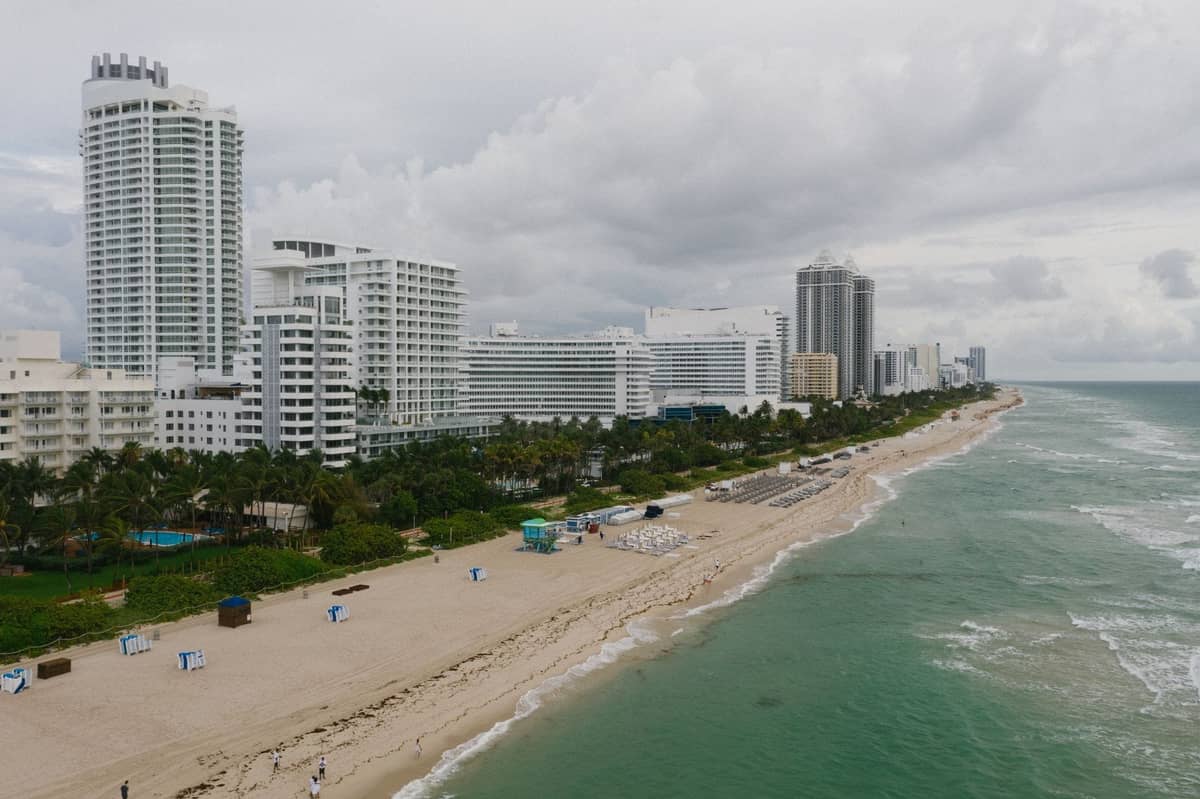
Mid-Beach sits roughly between 23rd and 63rd Streets and has become Miami's luxury resort corridor. The Faena District anchors the area with a concentration of high-design hotels targeting a wealthy international clientele. Room rates here match or exceed South Beach, but the atmosphere is calmer and the beach is less packed. If the Miami Edition hotel experience or Faena Hotel's theatrical interiors appeal to you, this is the neighborhood. It's not cheaper, but it trades the SoBe party scene for a more curated, design-forward environment.
North Beach, from roughly 63rd Street northward toward Surfside, is a genuinely quieter alternative. The Mid-Beach and North Beach area has a more residential feel, with family-run restaurants, less aggressive street-level tourism, and direct beach access at lower prices than South Beach. Budget to mid-range properties here often run $150-280 per night in shoulder season, which is significantly more manageable. The trade-off is distance: getting to Wynwood, Brickell, or Downtown requires 20-30 minutes by car or a somewhat inconvenient bus connection.
Downtown Miami and Brickell: Best for Urban Travelers and Transit Users
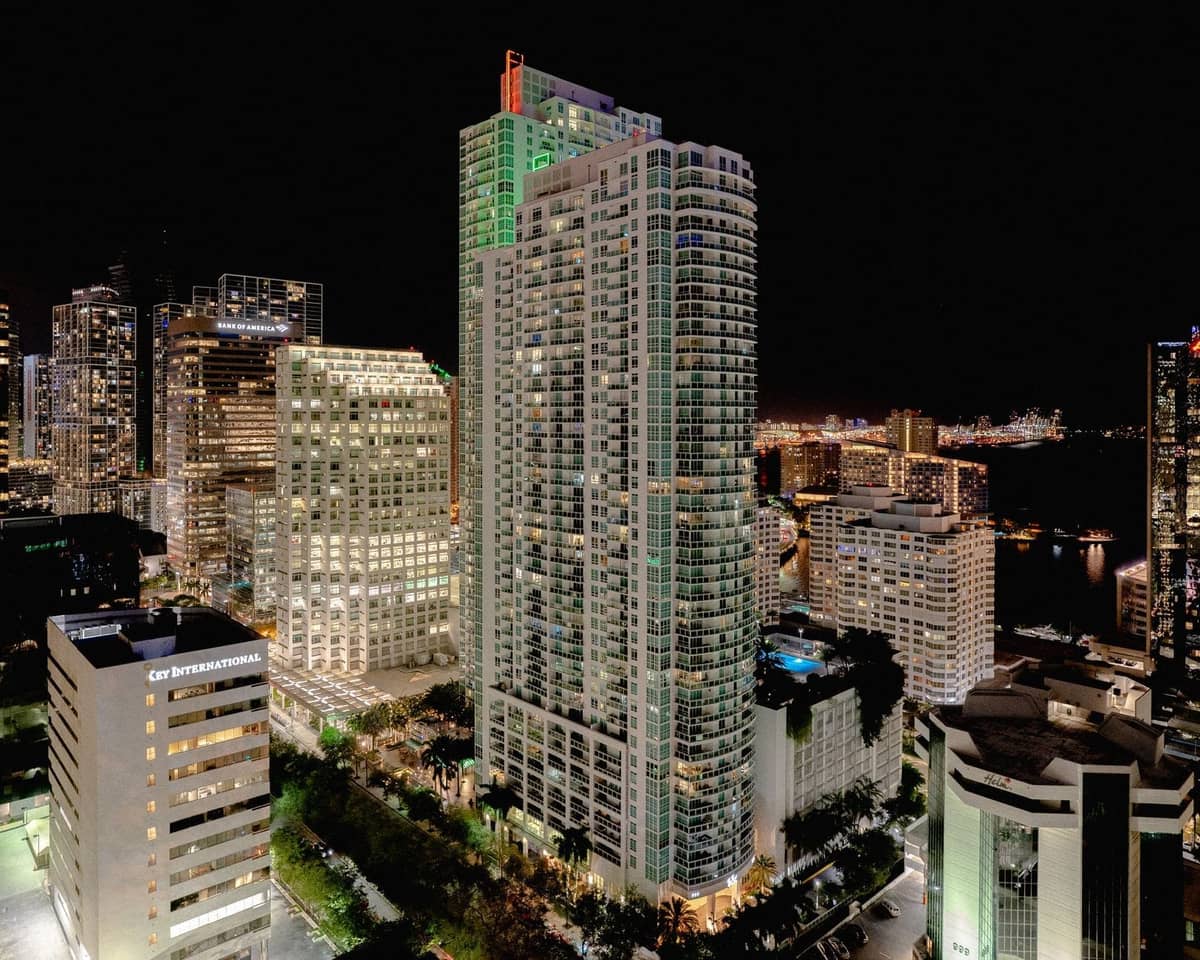
Downtown Miami and Brickell are the two neighborhoods that make the most sense if you don't want to rent a car. The free Metromover loops through both areas, the Metrorail connects Brickell directly to Miami International Airport via the Orange Line, and the Brightline intercity rail station (MiamiCentral) sits at the northern edge of Downtown. For anyone arriving at MIA and wanting to get to their hotel without a taxi, this is the most straightforward zone where that's genuinely practical.
Hotel rates here are somewhat more predictable than the beach: mid-range business hotels cluster around $180-350 per night in peak season, with fewer resort fees. The area is dense with restaurants, happy hours, and the waterfront Brickell City Centre mall. What it lacks is sand. The beach is a 20-25 minute Uber ride or a less direct bus journey away, which is a real limitation if beach time is the core of your trip. But for city breaks, corporate trips, or travelers who plan to spend most of their time eating, drinking, and exploring the city rather than lying on the sand, Downtown and Brickell offer serious value.
Wynwood, Coconut Grove, Little Havana, and Key Biscayne

Wynwood is Miami's arts district, centered on the Wynwood Walls murals and a dense cluster of galleries, breweries, and restaurants. The hotel stock here is still limited compared to the beach or Brickell, but boutique properties have been opening steadily. Staying in Wynwood makes sense if the art and food scene is your priority, but be realistic: it's not walkable to the beach, and while Uber is easy, you're paying South Beach prices for a neighborhood that doesn't have ocean access.
Coconut Grove is one of Miami's oldest neighborhoods, with tree-lined streets, Biscayne Bay waterfront access, and a noticeably calmer atmosphere. It suits couples and families over party-focused travelers. The Vizcaya Museum and Gardens is within easy reach, and the area has good restaurants without the tourist markup of South Beach. Waterfront resort properties here typically run $250-500 per night. Coral Gables, just west of Coconut Grove, adds access to the famous Venetian Pool and the Mediterranean Revival architecture around Miracle Mile.
Little Havana is often misunderstood as a hotel destination. It's a cultural and historic neighborhood centered on Calle Ocho with excellent Cuban food and authentic local character, but it has very few hotels. Most lodging options are small guesthouses or budget properties in the $100-200 range. Worth considering if price is the priority and you plan to spend days exploring different parts of the city by car or rideshare.
Key Biscayne sits on a barrier island accessible via the Rickenbacker Causeway, about 20 minutes from Downtown by car. It has an island resort feel, significantly less crowd density than South Beach, and direct access to Key Biscayne's beaches. It's the best choice for a romantic escape or a quiet family beach holiday, though you'll need a car or consistent Uber budget since transit connections are limited.
Price Ranges, Seasonal Timing, and Booking Tactics
- South Beach and Mid-Beach USD 250-700+ per night for 4-5 star beachfront properties in peak season. Budget options exist but are rare on or near the water. Always verify the total rate including resort fees.
- Downtown Miami and Brickell USD 180-450 per night for mid- to high-end hotels. Business travel demand keeps weekday rates elevated; weekend rates sometimes drop. Good Metrorail access to MIA.
- Coconut Grove and Key Biscayne USD 250-600 per night at waterfront resort properties. Quieter than the beach corridor with a more local clientele. Car or rideshare recommended.
- North Beach and Upper East Side USD 120-250 per night for mid-range options. The best value on Miami Beach for travelers who want ocean access without South Beach prices and crowds.
- Little Havana and budget areas USD 100-200 per night for guesthouses and budget hotels. Limited options but the most affordable if proximity to cultural Miami, not the beach, is your focus.
Peak season runs roughly December through April, with the highest prices concentrated around Christmas, New Year's, and major events. Art Basel Miami Beach (early December) and Miami Music Week (typically late March) each cause city-wide rate spikes of up to roughly 40-80% above normal. Book 3-4 months ahead for these periods. The Miami Art Basel guide covers the event-specific hotel logistics in more detail. Summer rates (June-August) are significantly lower, though the heat and humidity are intense and hurricane season runs June through November.
✨ Pro tip
If you're visiting in January or February for the weather, book mid-week arrivals when possible. South Beach hotels frequently discount Sunday-Thursday nights by 20-30% compared to Friday-Saturday, even in peak season. The beach is also noticeably less crowded on weekdays.
- Compare total price including resort fees, not just the nightly rate. Many South Beach and Mid-Beach hotels add $35-60 per night in fees not visible in initial search results.
- Downtown and Brickell give the best public transit access. If you're flying into Miami International Airport without a rental car, these neighborhoods save you significant rideshare costs over a multi-night stay.
- North Beach is underrated. It has the same Atlantic Ocean as South Beach, lower prices, and far fewer crowds. The Metrobus connection to South Beach takes around 20-30 minutes.
- Avoid booking 'Miami' hotels without checking the map first. Properties described as 'near South Beach' can be 5-10 miles away in practice.
- Coral Gables and Coconut Grove suit slow-travel itineraries. Both have walkable neighborhoods with restaurants, parks, and cultural sites within easy reach of the hotel.
For trip planning beyond accommodation, the getting around Miami guide covers Metrorail, Metromover, bus routes, and rideshare logistics in detail. If you're weighing the overall structure of your trip, the 3 days in Miami itinerary maps out how different neighborhoods connect across a short stay.
FAQ
Where should first-time visitors stay in Miami?
South Beach is the most practical base for first-timers: walkable to the beach, densely packed with restaurants and nightlife, and with the most hotel variety across price ranges. The downside is noise, crowds, and higher prices. If budget is a concern, consider North Beach for the same Atlantic access at significantly lower rates.
Is it better to stay in Miami or Miami Beach?
It depends on your priorities. Miami Beach (South Beach, Mid-Beach, North Beach) is where the ocean, Art Deco architecture, and resort hotels are concentrated. Miami proper (Downtown, Brickell, Wynwood) offers better transit, lower prices, and a more urban experience without immediate beach access. Most visitors targeting sun and sand stay on the beach; city-focused travelers and business visitors typically prefer Downtown or Brickell.
What is the cheapest area to stay in Miami?
Little Havana and North Beach offer the most affordable options. Little Havana has budget guesthouses in the $100-200 range but limited hotel choice. North Beach on Miami Beach island has mid-range hotels at $120-250 per night in shoulder season with direct beach access, making it generally better value than paying resort-zone prices further south.
Do Miami hotels charge resort fees?
Yes, resort fees are extremely common in Miami Beach and at larger resort properties across the city. They typically add $35-60 per night and may cover amenities like pool access and Wi-Fi that should reasonably be included in the room rate. Always check the total price breakdown before booking, not just the advertised nightly rate.
When is the most expensive time to stay in Miami?
Peak pricing runs December through April. The single most expensive periods are Art Basel Miami Beach (early December), Christmas and New Year's week, and Miami Music Week in late March. Rates during these events can be 40-80% higher than standard high-season prices. Summer (June-August) offers the lowest rates but comes with intense heat, high humidity, and hurricane season risk.