Miami Nightlife Guide: Best Clubs, Bars & Late-Night Spots
Miami's after-dark scene runs the full spectrum, from A-list DJ clubs open until sunrise to low-key cocktail bars and late-night Cuban diners. This guide breaks down the best neighborhoods, top venues, seasonal tips, and what first-timers consistently get wrong.
Plan and book this trip
Tools from our partner Travelpayouts help you compare flights and hotels. If you book through them, we may earn a commission at no extra cost to you.
Flights
Hotels map
TL;DR
- Miami nightlife starts late: clubs fill between midnight and 2 a.m. and serious spots stay open until 5 a.m. or beyond.
- South Beach is the most famous party district, but Wynwood and Brickell offer equally strong nightlife without the tourist markup.
- Many bars in Miami close around 2 a.m. by ordinance, though specific hours can vary by municipality and venue license. Only a handful of clubs, like E11EVEN and Club Space, run all night.
- Peak season is December through March. Expect higher cover charges, stricter door policies, and longer lines during Art Basel and Miami Music Week.
- Always book tables or tickets in advance for major clubs, and check each venue's dress code before you go. See our full Miami things-to-do guide for daytime context.
How Miami Nightlife Actually Works
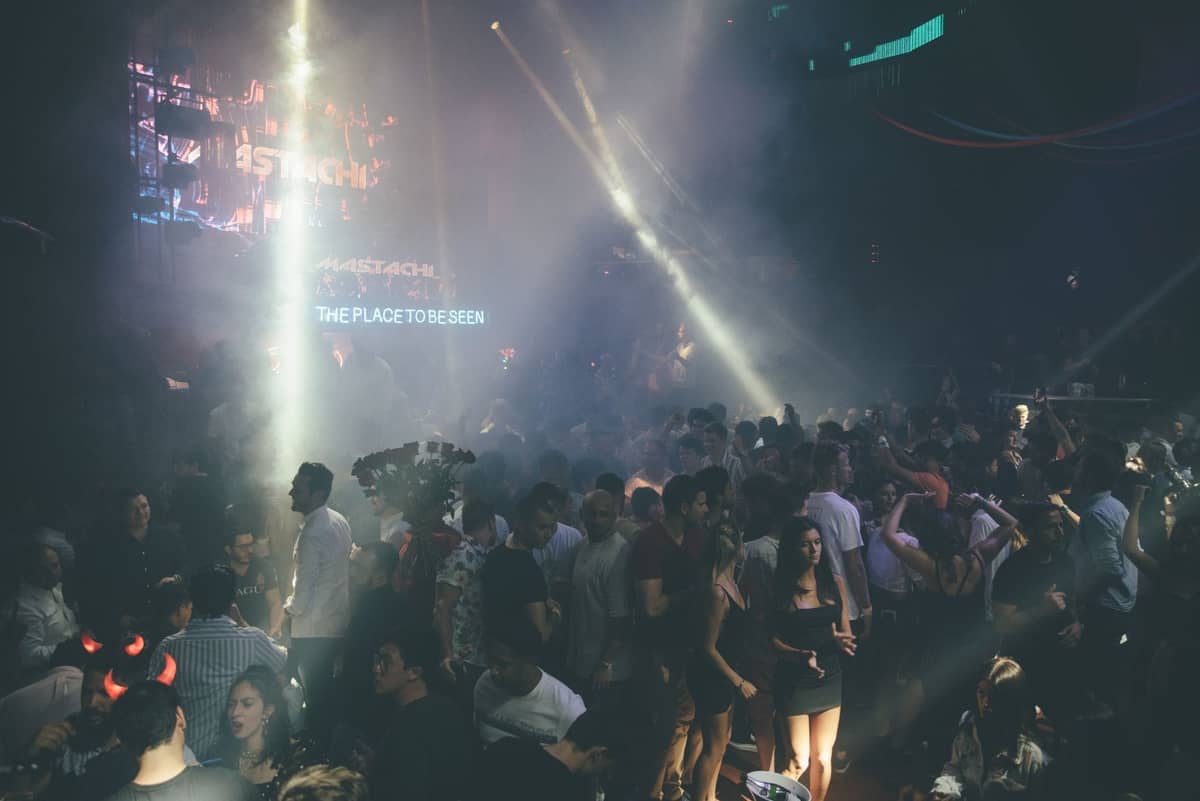
If you show up to a Miami club at 10 p.m., you will be nearly alone. The city runs on a later schedule than most of the U.S.: pregaming typically starts around 9 or 10 p.m., bars get busy around midnight, and clubs hit peak capacity between 1 and 3 a.m. Many of the best spots are still going strong at 4 a.m., and a select few don't close at all. Planning around this rhythm is the single most important thing a first-timer can do.
Local municipal ordinances in Miami-Dade County often set 2 a.m. as a standard closing time for many bar licenses, This applies to the majority of bars in South Beach, Wynwood, and Brickell. A smaller number of venues hold special extended licenses that allow them to operate well past sunrise. Knowing which category a venue falls into will determine your whole night's routing.
⚠️ What to skip
Don't confuse Miami (the city) with Miami Beach (a separate municipality on the barrier island). Nightlife rules, closing times, and even taxi zones differ between the two. Many of the most famous clubs are in Miami Beach or Downtown Miami, which are separate jurisdictions with their own rules.
Tipping is part of the Miami bar experience. Budget 18 to 20 percent on top of any drink bill, and expect that bartenders at busy clubs may move faster for guests who tip well early. For a full picture of costs across the city, the Miami on a budget guide covers how to manage spending across neighborhoods.
The Best Nightlife Neighborhoods
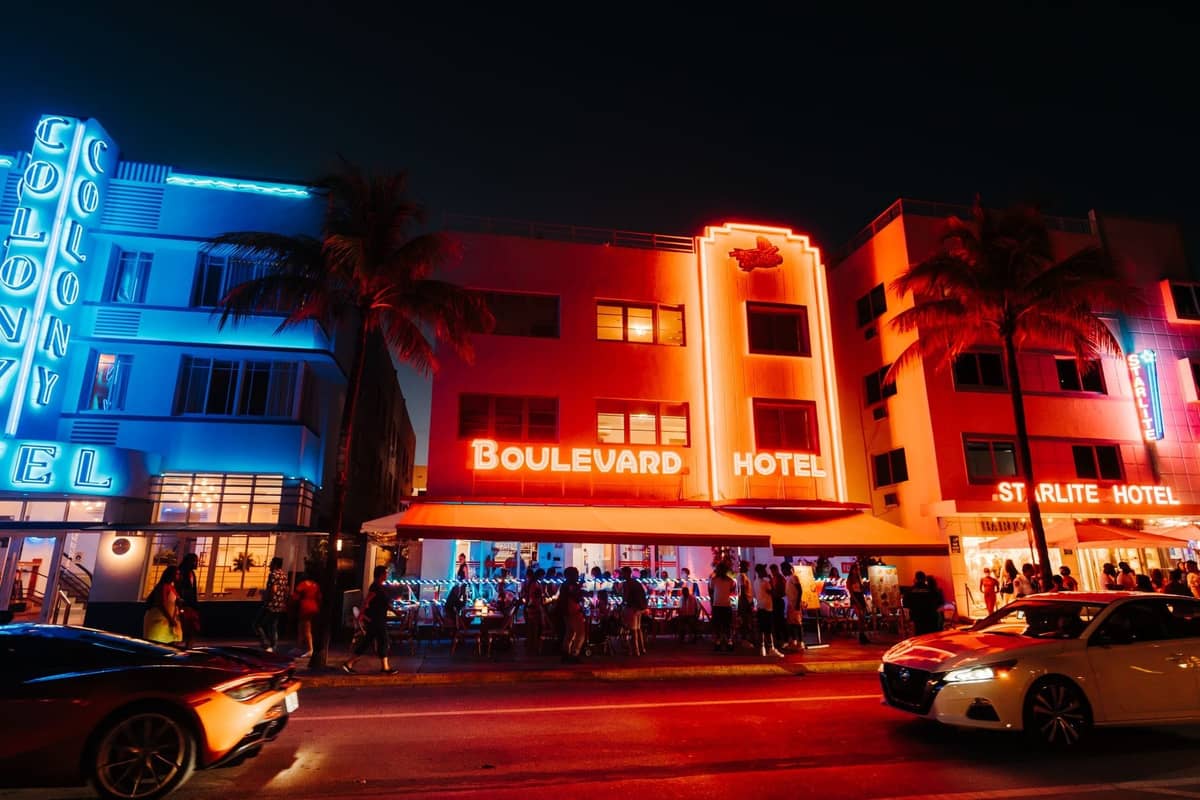
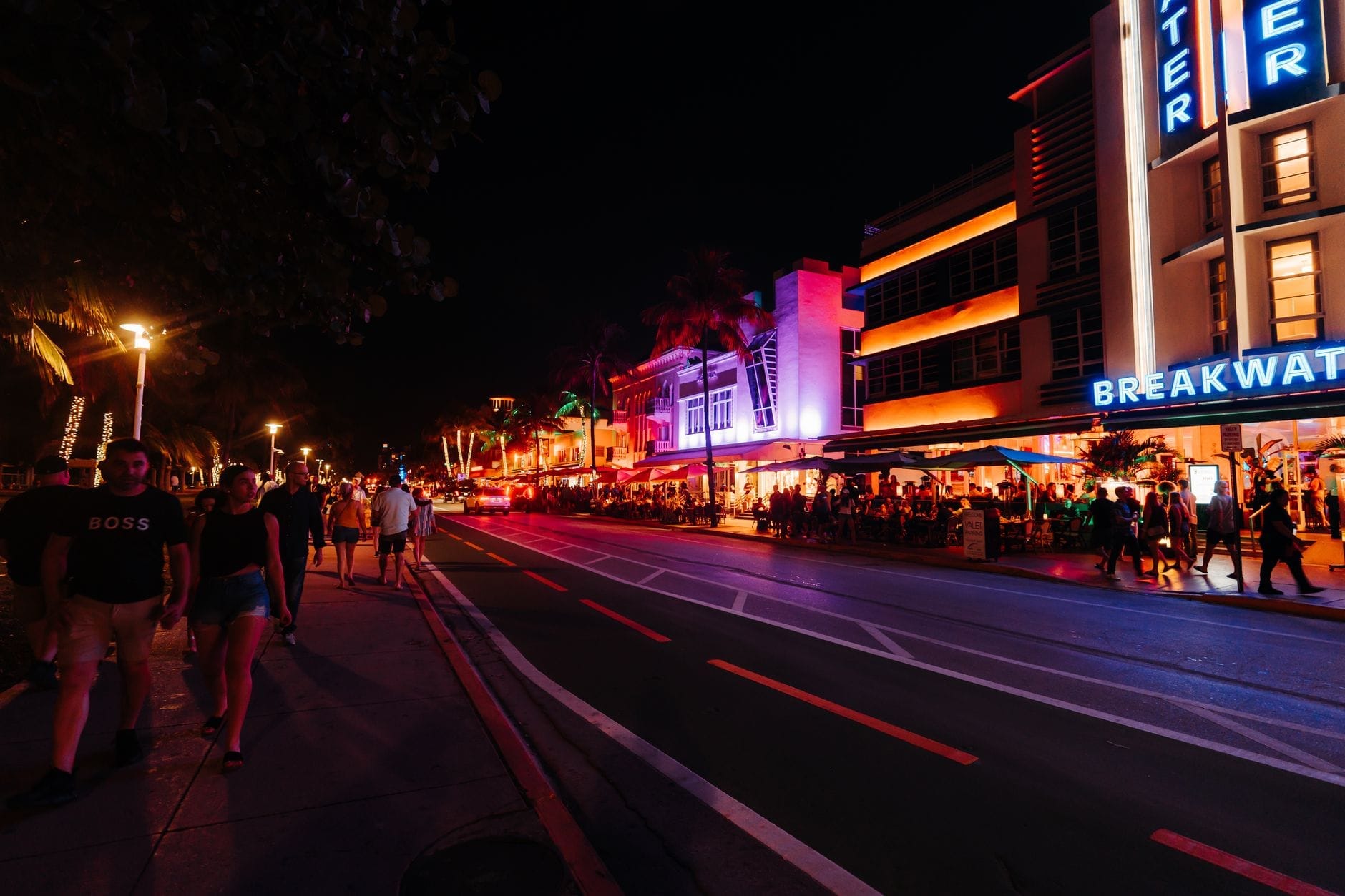
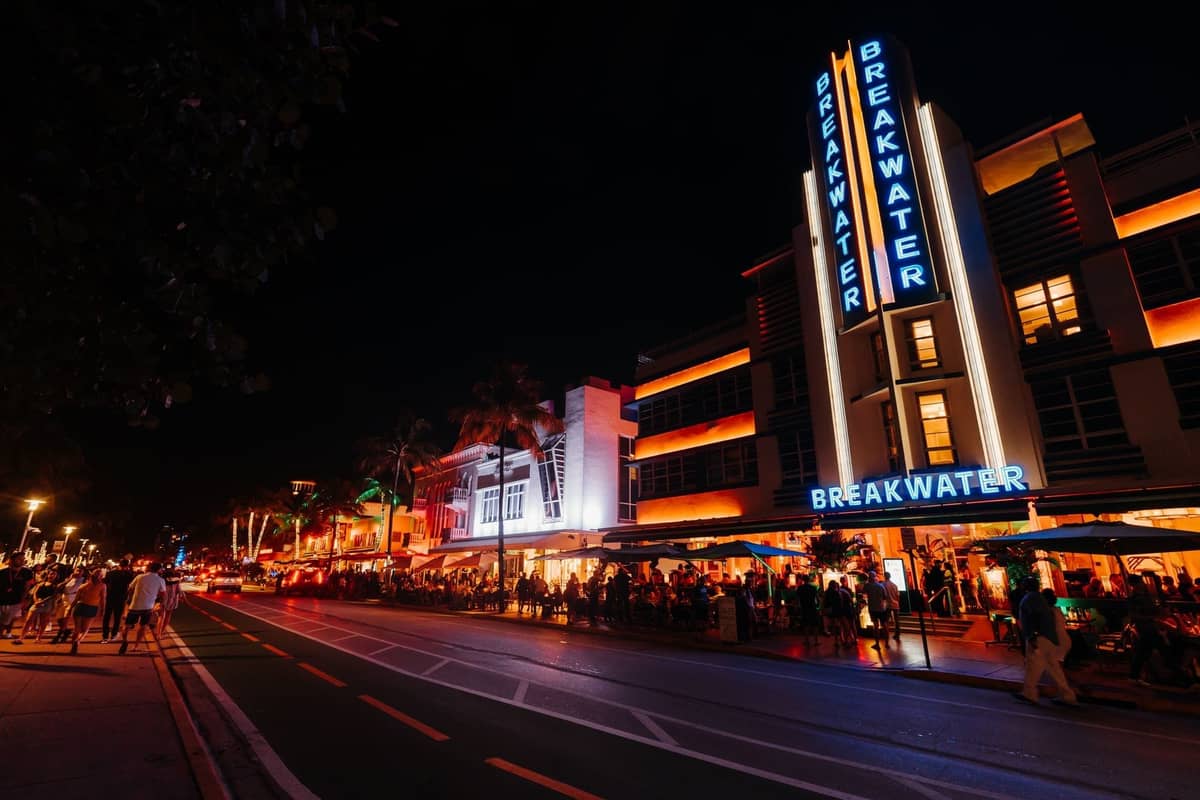
South Beach, centered on Ocean Drive and the surrounding blocks, is where Miami's nightlife reputation was built. It delivers: serious clubs, rooftop bars, and a 24-hour energy that few cities can match. It also comes with the highest prices, the most aggressive touts, and the most tourist-heavy crowds. If you want the full Miami spectacle once, come here. If you want a more local experience, use South Beach strategically rather than exclusively.
Downtown Miami and Brickell have become the city's second major nightlife corridor. Brickell City Centre and the streets around it are packed with cocktail bars and after-work happy hours that transition into proper late nights. This area skews slightly older and more professionally dressed than South Beach, which suits some crowds far better.
Wynwood is the most interesting neighborhood for people who find megaclubs exhausting. The area built its reputation on art and street murals, anchored by the Wynwood Walls, but it has developed a genuine bar and brewery scene. Expect craft beer spots, Latin-influenced cocktail bars, and live music venues, mostly outdoors or in converted warehouse spaces. Wynwood gets genuinely crowded on weekends, and the Wynwood Marketplace is a good starting point for the night.
Little Havana is underrated for nightlife. Calle Ocho has live salsa, domino bars, and Cuban rum cocktails at prices well below what you'll pay in South Beach. The vibe is authentic rather than performative, and the crowds are mostly locals. Check the Little Havana neighborhood guide for bar and restaurant specifics.
Top Clubs and Bars Worth Your Night
- E11EVEN Miami (Downtown) The most talked-about ultraclub in Miami, open 24 hours, 7 days a week at 29 NE 11th St. Programming includes international DJs, live performers, and aerial acts. Cover and table minimums vary significantly by night and artist. Book directly through their official site and expect a proper dress code. This is not a casual drop-in spot.
- LIV at Fontainebleau (Mid-Beach) One of the most famous club brands in the country, located at 4441 Collins Ave inside the Fontainebleau hotel. Typically open Thursday through Sunday, roughly 11 p.m. to 5 a.m. Hosts major DJ names regularly. Table reservations are strongly advised, and walk-in entry is competitive. Dress code is enforced.
- Club Space (Downtown) The after-hours institution for serious electronic music. Many Club Space nights start when other venues close, running until well past sunrise. The terrace is one of the best outdoor dance spaces in the city. This is where local music fans go when they want a genuine late-night experience rather than a celebrity DJ spectacle.
- Gramps (Wynwood) A cornerstone of the Wynwood bar scene with a backyard patio, strong cocktail list, and rotating live music and DJ nights. Far more relaxed than South Beach, with a loyal local following. Good option for earlier in the evening before moving on.
- Twist (South Beach) Miami's longest-running LGBTQ+ bar, operating for over 25 years on South Beach. Multiple floors and rooms, open late, no cover most nights. A genuine institution rather than a trend.
- Cerveceria La Tropical (Wynwood) A large, Cuban-heritage craft brewery with an outdoor biergarten atmosphere. Better for early evening drinks than a late-night club crawl, but worth knowing for groups who prefer beer to vodka bottles.
✨ Pro tip
For major clubs like LIV and E11EVEN, the difference between getting in smoothly and standing in line for an hour comes down to one thing: a confirmed table reservation or guest list entry booked in advance. Walk-up entry works sometimes, but don't build your night around it during peak season or on weekends.
Late-Night Dining: Where to Eat After Midnight
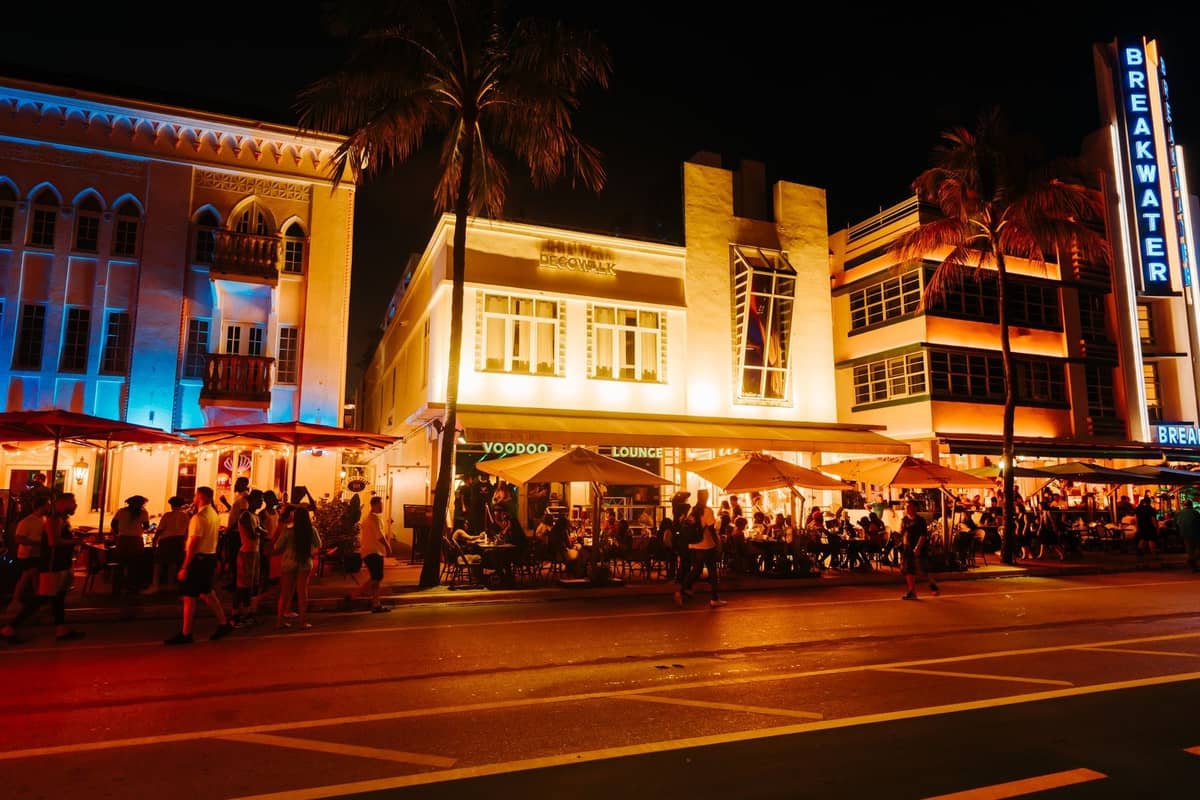
One of Miami's genuine strengths is late-night food. The city has enough post-club dining to fuel a second wind or a proper meal at 2 a.m. without resorting to fast food. Peak late-night dining in the city runs roughly from 10 p.m. to 1 a.m., with many kitchens staying open until last call.
Big Pink in South Beach is a well-known option, a diner-style restaurant that has historically kept very late hours with a large menu of American comfort food. It fills with clubgoers in the early morning hours and handles the volume well. La Sandwicherie, a small French sandwich counter on South Beach, is a local favorite for a quick, cheap post-bar snack. Sweet Liberty, a James Beard Award-winning bar in Mid-Beach, serves cocktails and food late and is genuinely worth visiting as a destination rather than just a fallback.
💡 Local tip
If you're in Wynwood or Brickell late, check whether the venue itself has a kitchen running. Many Brickell bars serve food until 1 or 2 a.m., which saves the logistics of moving to a separate restaurant between rounds.
Seasonal Patterns and When Nightlife Peaks
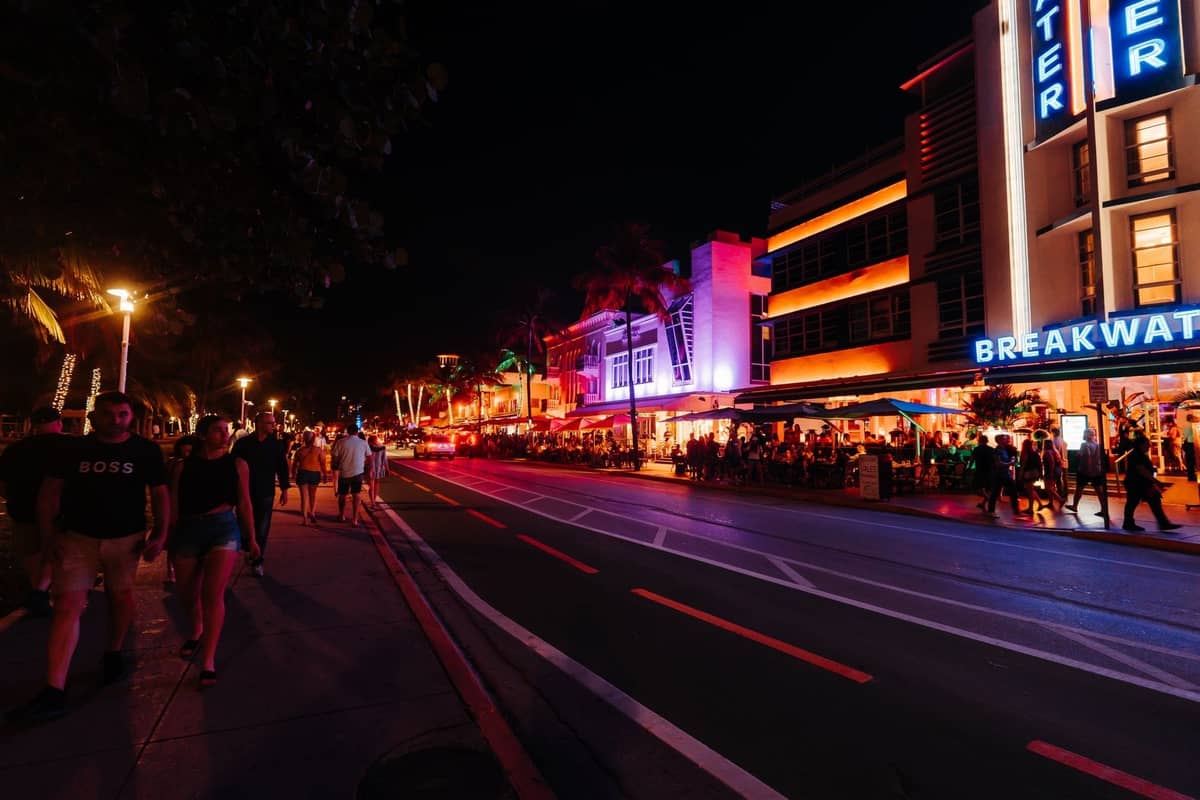
Miami's dry season, roughly November through April, is when nightlife operates at full intensity. Winter in Miami typically brings evening temperatures in roughly the low 70s Fahrenheit, which is ideal for rooftop bars and outdoor spaces. The crowds are also at their largest during this window. For context on how the seasons shape the entire city experience, the best time to visit Miami guide goes deeper on tradeoffs.
Two periods stand out as the most intense nightlife events of the year. Art Basel Miami Beach, held in early December, transforms the city's bar and club scene into something closer to a global arts party, with private events, gallery openings, and after-parties stacked every night for a week. The Miami Art Basel guide explains what to expect. Miami Music Week, held in March around the Ultra Music Festival, draws electronic music fans from around the world and puts serious pressure on club capacity and pricing. The Miami Music Week guide has specifics on navigating that stretch.
Summer nightlife, from June through September, is a different proposition. The heat and humidity make outdoor bars and rooftops less pleasant, humidity can push feels-like temperatures into the 90s Fahrenheit at night, and afternoon thunderstorms can disrupt early evening plans. That said, summer also brings lower hotel prices, shorter club lines, and a more local crowd. Clubs are air-conditioned and still very much open.
- Art Basel (early December): Highest prices, exclusive events, advance planning essential
- Miami Music Week and Ultra (March): Electronic music focus, sold-out venues, international crowds
- Spring Break (March): South Beach specifically gets very crowded and rowdy
- Summer (June to September): Smaller crowds, lower costs, humidity as the main tradeoff
- Thanksgiving and New Year's Eve: Cover charges spike significantly at major venues
Practical Logistics: Getting Around at Night
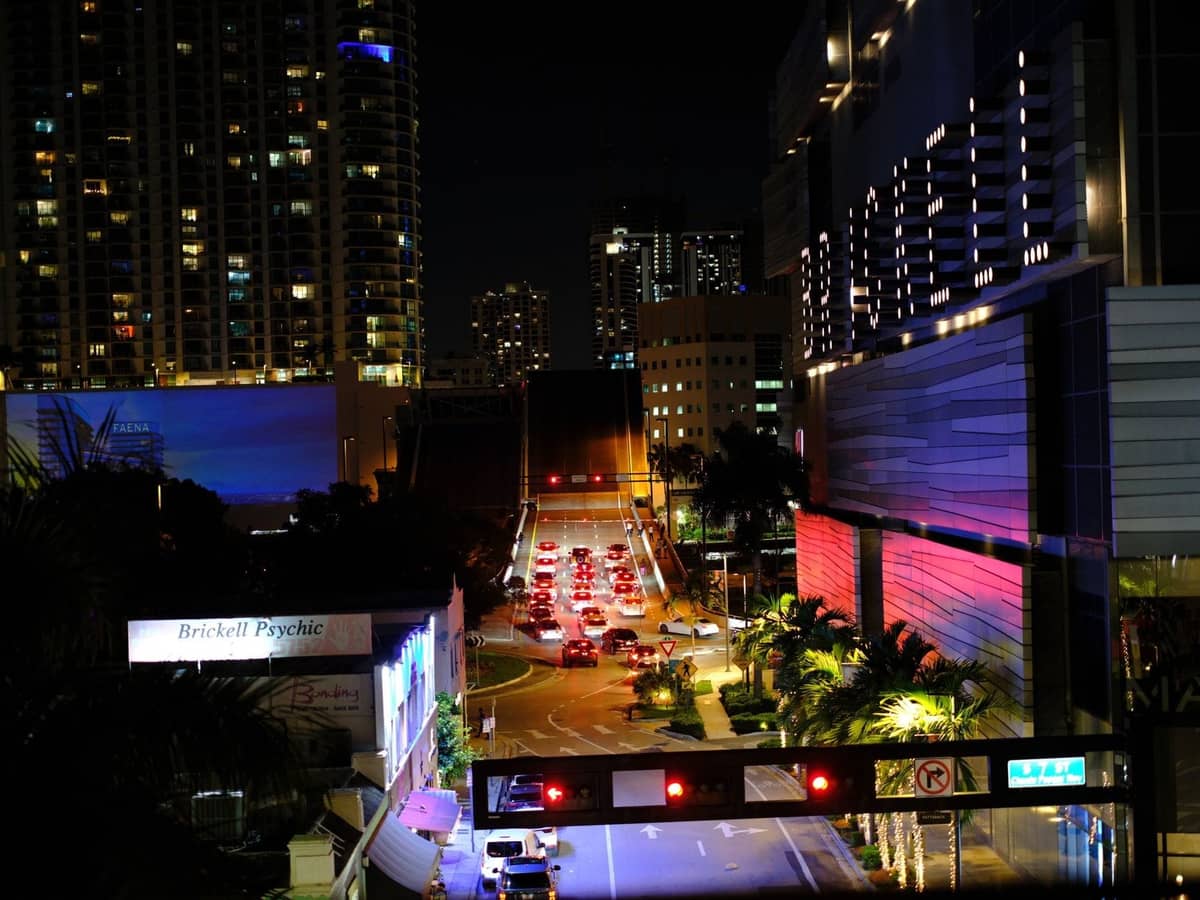
Uber and Lyft are the default transport for Miami nightlife, and both operate reliably across South Beach, Downtown, Brickell, and Wynwood. Surge pricing after 2 a.m. when clubs empty can push fares significantly higher than the base rate, so either budget for it or be prepared to wait 20 to 30 minutes for prices to normalize. For more detail on transport options across the city, the getting around Miami guide covers Metrorail, Metromover, and rideshare logistics.
Miami-Dade Transit's Metromover is free and connects Downtown and Brickell, which makes it useful for moving between venues early in the evening. It does not run 24 hours, so confirm last departure times before relying on it for a late-night return. If you're staying in South Beach, the South Beach Local (Route 123) runs a loop with limited late-night hours and a small fare.
Driving yourself is not recommended. Parking in South Beach is expensive and frustrating, DUI enforcement is active across Miami-Dade County, and Uber or Lyft will cost less than parking in most scenarios. If you're staying in a hotel within walking distance of your target neighborhood, that setup removes the transport problem entirely.
ℹ️ Good to know
Miami's dress code culture is real. Many clubs in South Beach and Downtown will turn away guests for athletic wear, shorts, or open-toed shoes on men. Check the specific venue's dress code before going, especially for LIV, E11EVEN, and newer upscale venues. Wynwood and Little Havana bars are generally more relaxed.
FAQ
What time do clubs open and close in Miami?
Most Miami bars close around 2 a.m. under local ordinances. Major clubs like E11EVEN operate 24 hours, and Club Space runs well past sunrise on many nights. Clubs typically don't get busy until midnight to 1 a.m., so arriving before then puts you in an empty room.
Is Miami nightlife only in South Beach?
No. South Beach has the most famous clubs, but Downtown Miami (E11EVEN, Club Space), Brickell (cocktail bars and lounges), Wynwood (craft bars, live music), and Little Havana (salsa venues, Cuban bars) all have active late-night scenes with different vibes and price points.
How much does a night out in Miami cost?
It varies widely. A night at a major club like LIV with a table can cost several hundred dollars per person including minimum spend. Wynwood bars or Little Havana venues can be a full evening for under $50. Cover charges at major clubs range from around $20 to $50 or more depending on the DJ and night. Always verify current pricing on official venue sites.
Do I need to book Miami clubs in advance?
For major venues like LIV, E11EVEN, and Club Space during peak season or special events, yes, advance booking is strongly advised. Walk-up entry is possible on slower weeknights, but on weekends or during Art Basel or Miami Music Week, door entry without a reservation or guest list spot is unreliable.
Is Miami nightlife safe?
The main nightlife districts are generally well-patrolled, but standard precautions apply: don't leave drinks unattended, use rideshares rather than accepting rides from strangers, stay aware of your surroundings when leaving clubs late, and keep valuables secured. For neighborhood-specific safety context, consult the Miami safety tips guide and check current local guidance.