Institute of Contemporary Art Miami (ICA): What to Know Before You Visit
The Institute of Contemporary Art, Miami is a major art museum in the United States that charges nothing at the door. Located in the Miami Design District, it presents rotating exhibitions of contemporary work alongside a permanent collection that is unusually strong for a museum this size.
Quick Facts
- Location
- 61 NE 41st Street, Miami Design District, Miami, FL 33137
- Getting There
- No direct Metrorail stop; best reached by car, rideshare, or Metrobus. Nearby parking at Museum Garage and Palm Court Parking Garage.
- Time Needed
- 1 to 2 hours for a thorough visit; shorter if you focus on one exhibition
- Cost
- Free admission. Advance timed tickets recommended; walk-ins subject to capacity.
- Best for
- Contemporary art enthusiasts, design district explorers, budget-conscious travelers, and curious first-timers to Miami's art scene
- Official website
- icamiami.org/visit
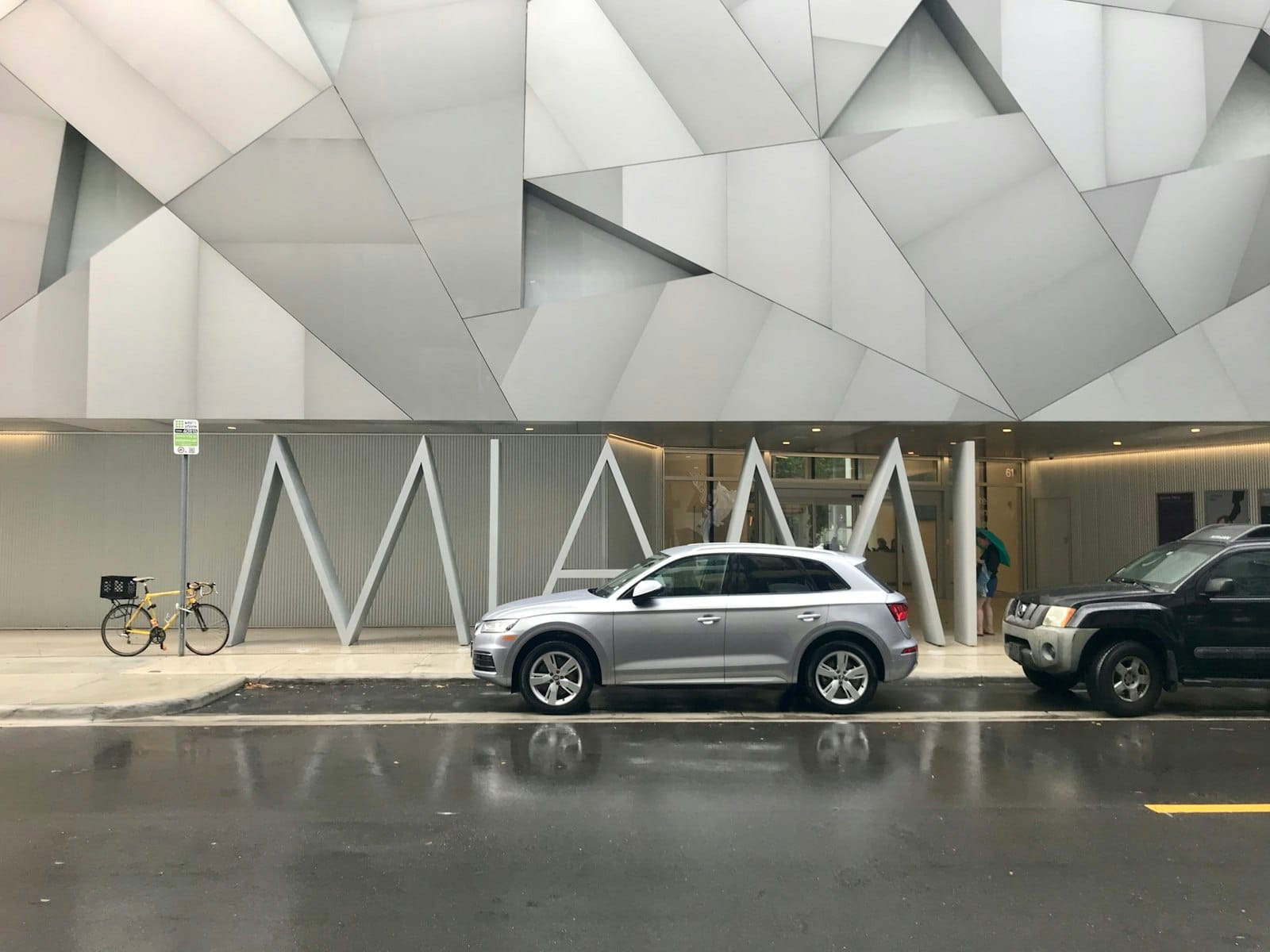
What Is ICA Miami?
The Institute of Contemporary Art, Miami, known widely as ICA Miami, is a contemporary art museum that opened its current Design District home in 2017. The institution traces its origins to 1996, when a predecessor museum, the Museum of Contemporary Art (MOCA), opened in a building designed by architect Charles Gwathmey. Following a split in 2014 between the museum’s board and the City of North Miami, the ICA was established as a separate entity and later relocated to the Design District, where it now sits at the center of one of the most architecturally dense retail and cultural corridors in South Florida.
What makes ICA Miami unusual among American art institutions is its commitment to free admission. There is no mandatory admission charge, and tickets are free to reserve online. You reserve a timed ticket online, or you walk in subject to building capacity. Either way, the art costs you nothing. In a neighborhood where a single espresso at a designer cafe can cost more than a museum admission elsewhere, this matters.
💡 Local tip
Timed tickets are free and easy to reserve on the ICA Miami website. Walk-ins are usually possible during quieter weekday mornings, but on weekends and during Art Basel week, the building can reach capacity quickly. Book ahead to avoid disappointment.
Inside the Museum: Galleries, Scale, and Atmosphere
ICA Miami is not a sprawling institution. The building is purposefully intimate, which works in its favor. Galleries are sized to let a single major exhibition breathe without feeling cramped, and the curation tends toward depth rather than breadth. On a given visit, you might encounter large-scale video installations that require darkness and silence, or rooms lined with paintings that reward slow looking. The scale means most visitors can see everything thoroughly in 90 minutes.
The interior lighting is gallery-standard: controlled, warm where needed, clinical where the work demands it. The floors are polished concrete. Sound bleeds between some spaces, which can be a minor issue when a video piece with a heavy soundtrack is running adjacent to quieter rooms. The building itself is clean and modern, with enough architectural restraint to let the art dominate rather than compete with its container.
The museum gift shop is open daily from 11:00, while the galleries are open Wednesday through Sunday from 11:00 to 18:00, and carries a well-edited selection of art books, prints, and design objects that skew toward the exhibitions on view. It is one of the better small museum shops in Miami, with less tourist merchandise and more thoughtfully selected inventory.
Tickets & tours
Hand-picked options from our booking partner. Prices are indicative; availability and final rates are confirmed when you complete your booking.
Miami night party boat cruise
From 26 €Instant confirmationMiami boat party with free open bar and live Dj
From 151 €Instant confirmationFree cancellationDouble Decker sightseeing bus tour of Miami
From 34 €Instant confirmationFree cancellationWynwood graffiti golf cart tour
From 38 €Instant confirmationFree cancellation
Free Daily Guided Tours: Use Them
Every day the museum is open, ICA Miami offers a free guided tour at 12:00. These tours are included with your free ticket; duration may vary depending on the docent and program. For contemporary art, where context is often the difference between confusion and connection, a guided tour repays the time investment significantly. The docents tend to be knowledgeable about the artists and commissioning process, and they field questions without the condescension that sometimes accompanies fine art settings.
If you are not a regular contemporary art visitor, plan your arrival around the noon tour. If you arrive early enough to walk the galleries first and then join the tour, you will leave with a substantially richer understanding of what you saw.
When to Visit: Time of Day and Season
Weekday mornings, particularly Wednesday through Friday between 11:00 and 13:00, are the quietest windows. At this time the galleries are often nearly empty, the staff are unhurried, and you can spend as long as you want in front of a single piece without feeling the social pressure of other visitors waiting behind you. Weekend afternoons draw more visitors, particularly families and couples doing a Design District circuit.
The museum is climate-controlled to a consistent cool temperature, which makes it an excellent refuge during Miami's summer months, when outdoor humidity and heat from June through September can make prolonged walking uncomfortable. Winter visits, roughly November through April, coincide with Miami's dry season and peak tourism, which means slightly higher weekend attendance. Art Basel Miami Beach, typically held in December, brings a significant surge of serious art visitors to the entire Design District corridor, and ICA Miami is a natural stop on that circuit.
If you are planning your trip around Miami's cultural calendar, see our overview of the Art Basel Miami Beach experience for what to expect across the Design District during that week.
⚠️ What to skip
ICA Miami’s galleries are closed on Mondays, Tuesdays, and major U.S. federal holidays including Thanksgiving, Christmas Day, and New Year's Day. Always check the museum website before making a special trip.
The Miami Design District Context: What Surrounds ICA
ICA Miami sits within the Miami Design District, a neighborhood that has been transformed over the past two decades from a wholesale furniture trade area into a high-density concentration of luxury flagships, architecture showrooms, galleries, and restaurants. The immediate blocks around the museum contain the kind of retail density more common to Paris or Milan than to most American cities.
The Palm Court is a short walk away and worth a look for its outdoor sculptural installations and architectural detailing, even if you have no interest in the stores it surrounds. The Design District as a whole rewards slow walking and looking up: murals, installation art, and commissioned architectural elements are embedded throughout the streetscape.
The neighborhood borders Wynwood, Miami's open-air street art district, which is easily walkable to the south. Combining an ICA visit with a walk through Wynwood gives you a comprehensive cross-section of Miami's contemporary art identity: institutional and curated on one end, outdoor and democratic on the other.
Getting There and Parking
ICA Miami does not have a Metrorail station within easy walking distance. The most practical public transit option is a Miami-Dade Metrobus route, though connections are less direct than in denser transit cities. Rideshare via Uber or Lyft is the most common approach for visitors staying in South Beach, Downtown, or Brickell, and the drop-off zone on NE 41st Street is straightforward.
If you are driving, the Design District has several parking structures nearby. Museum Garage, Paradise Plaza Parking Garage, Palm Court Parking Garage, and City View Garage all serve the area, as does valet parking at various Design District entrances. Parking rates vary; check the Miami Design District website for current options. Street parking exists but is limited during peak hours on weekends.
For broader guidance on navigating Miami without a car, the getting around Miami guide covers transit options, rideshare logistics, and how different neighborhoods compare for walkability.
Photography and Practical Notes
Photography policies at ICA Miami vary by exhibition and are set by individual artists and rights holders. In most cases, personal non-commercial photography without flash is permitted in the permanent collection areas, but specific temporary exhibitions may prohibit it entirely. Signage at gallery entrances indicates the policy for each space. When in doubt, ask a gallery attendant rather than assume.
The museum is a single building with a compact footprint, so photography of the exterior and streetscape around it is unrestricted. The building facade and the immediate Design District streetscape, particularly along NE 41st Street, are photographically interesting in their own right, with architectural contrasts between the museum and the surrounding commercial structures.
The museum does not have an on-site cafe, which is worth knowing if you are planning a longer visit. The Design District has no shortage of coffee options and restaurants within a two-block radius, covering everything from quick espresso to full sit-down meals.
Who Should Reconsider This Visit
ICA Miami is not for everyone, and it is worth being direct about that. The museum presents ambitious, sometimes challenging contemporary work. Visitors expecting a survey of art history, impressionist paintings, or accessible crowd-pleasers will likely leave frustrated. The programming deliberately favors the experimental and the contemporary over the familiar.
Families with very young children may find the environment less engaging than nearby alternatives. The museum has no dedicated children's programming on a daily basis, and interactive elements are rare. Very young children may also find it difficult to navigate the quieter gallery atmosphere.
If you are traveling with kids and want an art or science institution designed with younger visitors in mind, the Phillip and Patricia Frost Museum of Science in Downtown Miami or the Bass Museum of Art in Miami Beach, which runs family-focused programming, may be better fits.
Insider Tips
- A free noon guided tour runs every day the museum is open. Even if you have already walked the galleries once, the tour layers in context that changes how you read the work. It is the single best free thing you can do inside ICA Miami.
- Wednesday is reliably the quietest day of the week. If your schedule allows a midweek morning visit, you will often have entire gallery rooms to yourself, which is a genuinely different experience from a Saturday afternoon.
- The Design District's public art installations are worth treating as an extension of your ICA visit. Several major commissioned sculptures and murals are installed throughout the district's streets and within its covered walkways, at no cost to view.
- ICA Miami's programming calendar includes special events, artist talks, and late openings beyond standard hours. Check the events section of the museum website before your trip, particularly if you are visiting during Art Basel week or Miami Art Week in December.
- If you are driving from Miami Beach, the museum's website provides specific driving directions from I-195. This approach is more straightforward than attempting surface street navigation through Midtown, particularly during evening rush hour.
Who Is Institute of Contemporary Art Miami (ICA) For?
- Contemporary art enthusiasts who want serious institutional programming without paying admission
- Design District explorers combining gallery visits with architecture, retail, and dining
- Budget-conscious travelers and students looking for quality cultural experiences at no cost
- Visitors during Art Basel Miami Beach week who want curated institutional work alongside the fair
- Anyone with 90 minutes between appointments in the Design District who wants more than shopping
Nearby Attractions
Other things to see while in Miami Design District:
- Palm Court & Museum Garage
In Miami's Design District, even parking garages are worth looking at. Palm Court Garage and Museum Garage are two distinctly designed structures that double as public art landmarks, anchoring one of the most architecturally ambitious retail and cultural neighborhoods in South Florida.