Museum of Miami (formerly HistoryMiami Museum): The Full Story of South Florida
Founded in 1940 and recently rebranded from HistoryMiami Museum to Museum of Miami, this Smithsonian Affiliate in downtown Miami is dedicated to telling roughly 10,000 years of South Florida's layered past. From Tequesta settlements to Caribbean immigration waves, it's one of the major history institutions in the region.
Quick Facts
- Location
- 101 W Flagler St, Miami, FL 33130 — Miami-Dade Cultural Center, Downtown Miami
- Getting There
- Government Center Metromover & Metrorail station (free Metromover loop), steps from the entrance
- Time Needed
- 1.5 to 2.5 hours for a thorough visit; 45 minutes if you focus on one exhibition
- Cost
- General admission is typically charged; verify current pricing at museumofmiami.org before visiting
- Best for
- History and culture seekers, Cuban heritage enthusiasts, rainy-day visits, repeat Miami travelers
- Official website
- museumofmiami.org
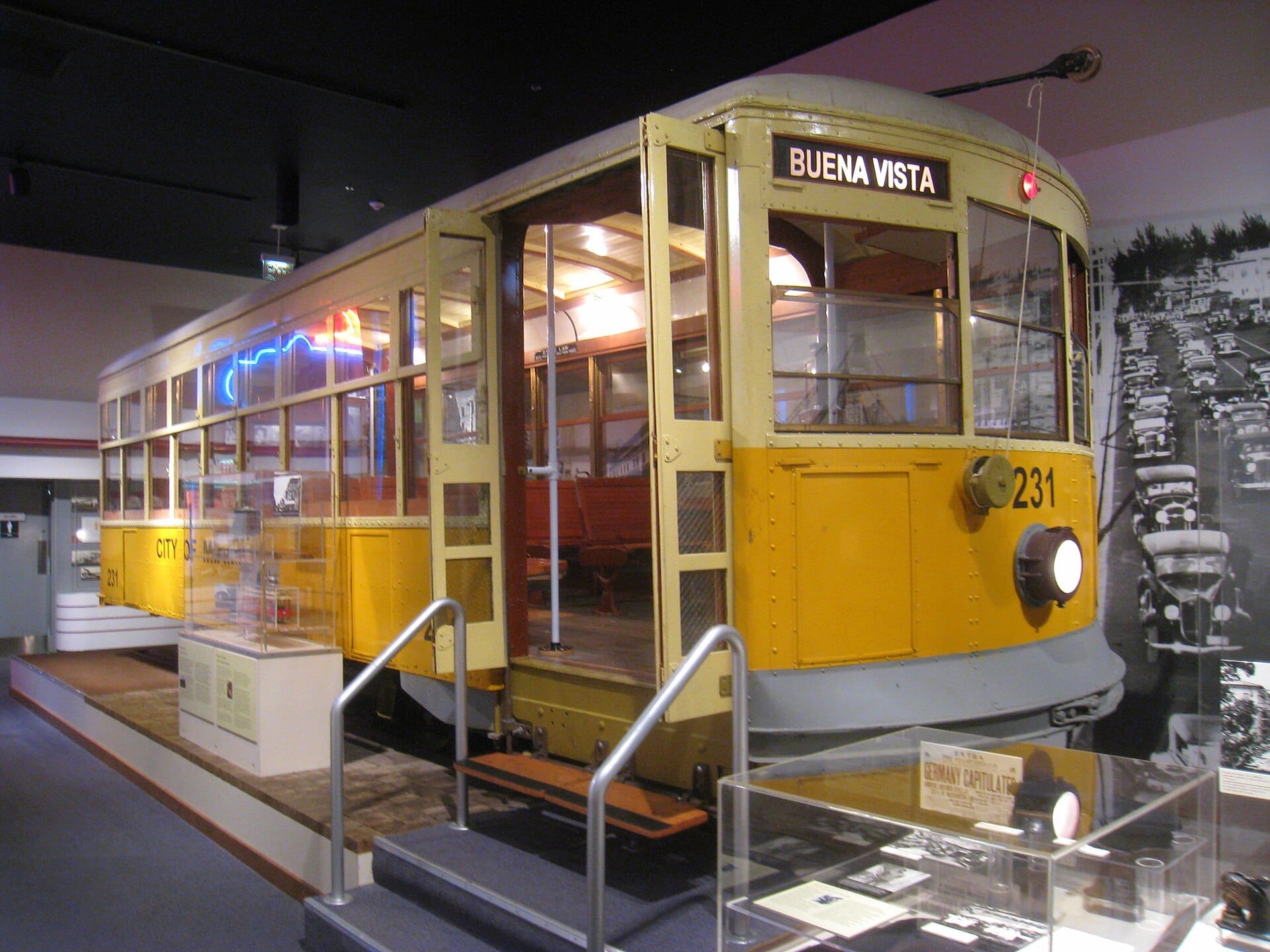
What the Museum of Miami Actually Is
The Museum of Miami, known until 2026 as HistoryMiami Museum, is the oldest and most comprehensive history institution dedicated to South Florida. Founded in 1940 as the Historical Association of Southern Florida, it is now a Smithsonian Affiliate and is described as one of the oldest continuously operating cultural institutions in the region. Its address, 101 W Flagler Street, places it inside the Miami-Dade Cultural Center complex in the heart of downtown, flanked by the main public library and the Miami-Dade College building on the same civic plaza.
The 2026 rebrand from HistoryMiami Museum to Museum of Miami is more than cosmetic. It signals an institutional shift toward broader storytelling, reaching beyond Florida history toward Miami's role as a global crossroads. If you have visited under the old name, expect a refreshed curatorial identity, though the core permanent collection, spanning roughly 10,000 years from pre-Columbian Tequesta culture to 20th-century immigration waves, remains the backbone of the experience.
ℹ️ Good to know
Name change note: As of 2026, the museum is known as Museum of Miami. Older maps, guidebooks, and review sites may still list it as HistoryMiami Museum. Both names refer to the same institution at 101 W Flagler St.
The Collection: What You Actually See Inside
The permanent galleries trace a narrative arc that few visitors expect from a Florida museum. It begins with the Tequesta, the indigenous people who inhabited the Miami River mouth for thousands of years before Spanish contact, and moves through the Spanish colonial era, the Seminole Wars, the railroad-driven boom of the late 19th century, and the real estate frenzy of the 1920s. Photographs, maps, artifacts, and oral history recordings pull these eras out of textbooks and into something tangible.
The 20th-century sections are where the museum distinguishes itself most sharply from comparable institutions. Miami's Cuban exile community, the waves of Haitian, Caribbean, and Central American migration, the transformation of the city's waterfront, and the rise and collapse of the Art Deco building boom are all given serious treatment. For visitors who have already walked Ocean Drive or spent time in Little Havana, the museum provides the explanatory layer that street-level tourism rarely offers.
Traveling exhibitions rotate regularly and have covered topics from Everglades ecology to Miami's postwar design culture. Check the museum's website before your visit to see what's currently showing alongside the permanent collection. If you plan to combine this with other downtown cultural stops, the Freedom Tower on Biscayne Boulevard, sometimes called the Ellis Island of Miami for its role in processing Cuban refugees, makes a natural companion visit about ten minutes on foot.
Tickets & tours
Hand-picked options from our booking partner. Prices are indicative; availability and final rates are confirmed when you complete your booking.
Miami besides South Beach walking tour of history & architecture
From 11 €Instant confirmationDouble Decker sightseeing bus tour of Miami
From 34 €Instant confirmationFree cancellationMiami private sunset airplane tour with champagne
From 127 €Instant confirmationFree cancellationBest of Miami tour with airboat ride at the Everglades
From 170 €Instant confirmationFree cancellation
The Building and Its Setting
The Miami-Dade Cultural Center was designed by the American architect Philip Johnson and opened in 1983. Johnson's postmodern take on Mediterranean Revival architecture, all arched loggias, terra-cotta tones, and a raised central plaza, was deliberately designed to evoke a Mediterranean town square transplanted into downtown Miami. The effect is slightly theatrical, but it creates a clear civic anchor in a part of downtown where glass towers otherwise dominate.
The plaza itself is worth a few minutes of your time. At midday on weekdays, it fills with downtown workers cutting through between Metromover stops. On weekend afternoons during the museum's Thursday through Sunday open hours, the pace is slower and more relaxed. The elevated position of the plaza above street level gives you a vantage point over Flagler Street, one of Miami's original commercial corridors.
Downtown Miami has changed significantly in the past decade, and the Cultural Center plaza is a useful orientation point. The Miami Riverwalk is about a five-minute walk south, and Bayside Marketplace and Biscayne Bay are within ten minutes. If you're building a full downtown itinerary, the museum pairs well with an afternoon walking this corridor.
When to Visit and What to Expect at Different Times
The museum is currently open Thursday through Sunday, 12:00 pm to 5:00 pm, and closed Monday through Wednesday. This is a scheduling change from the previous daily schedule often listed as Monday through Saturday in tourism materials, so plan accordingly. Arriving at opening, around noon, means smaller crowds and cooler air conditioning before afternoon thunderstorms roll through during Miami's wet season from May to October.
Weekend afternoons, particularly Saturdays, draw the largest mix of visitors: families, domestic tourists, and the occasional school group during academic-year programming. If you prefer a quieter experience with more space in the galleries, Thursday and Friday are noticeably calmer. Sunday afternoons can pick up as visitors look for indoor alternatives to the midday heat or rain.
⚠️ What to skip
Hours have recently changed. As of May 2026, the museum is open Thursday through Sunday, 12:00 pm to 5:00 pm, and closed Monday through Wednesday. Older sources listing Monday through Saturday hours are outdated. Confirm at museumofmiami.org before making it the anchor of your day.
Miami's climate matters for museum visits in a practical way. During summer and early fall, the city receives frequent afternoon thunderstorms, sometimes starting as early as 2:00 pm. The museum makes an excellent refuge if you're caught by rain on a walking tour of downtown. Conversely, during the dry season from November through April, when the weather is most reliable and tourist numbers are at their peak, you may find the galleries more occupied around midday on weekends.
Getting There: Transit and Practical Access
The museum's location at 101 W Flagler Street makes it one of the most transit-accessible cultural institutions in Miami. Government Center station serves both the free Metromover and the Metrorail, placing the museum within a short walk of the county's primary rapid transit interchange. From downtown hotels, the Metromover costs nothing and runs frequently. From Miami Beach, the easiest option is a bus or rideshare across the causeway, since there is no direct rail link between Miami Beach and downtown.
Driving is possible but parking in downtown Miami requires planning and adds cost. Street parking on Flagler is metered and fills quickly. The cultural center has nearby garage options, but rates vary. For most visitors, using the Metromover from a Brickell or downtown hotel is faster and cheaper. For a full orientation to getting around the city without a car, the getting around Miami guide covers all transit options in detail.
Accessibility details for visitors with mobility needs are not fully itemized in current public documentation. The building is a public cultural institution within a modern complex, so standard urban-museum facilities are expected, but visitors with specific access requirements should contact the museum directly before visiting to confirm elevator access, assisted listening availability, and other accommodations.
Honest Assessment: Is It Worth Your Time?
For first-time visitors to Miami whose main interest is beaches, nightlife, or contemporary art, the Museum of Miami may not compete with more visually spectacular options. The galleries prioritize intellectual depth over spectacle, and the building's postmodern exterior is not going to dazzle anyone who arrives expecting something like the Pérez Art Museum Miami's waterfront setting.
That said, for travelers who want to understand Miami as something more than a resort backdrop, this museum is irreplaceable. The context it provides for Little Havana, the Art Deco district, and the city's ongoing relationship with immigration and urban change is not available anywhere else in concentrated form. Repeat visitors to Miami, history and culture enthusiasts, and anyone spending more than four or five days in the city will find genuine value here.
Families with children over roughly age eight can engage meaningfully with the exhibits, particularly the pre-Columbian and early Florida sections. Younger children may find the museum text-heavy, and parents with toddlers would be better served by the Miami Children's Museum nearby. For adults who enjoy context-rich travel rather than passive sightseeing, this is one of the better uses of an afternoon in downtown Miami.
Insider Tips
- The museum's gift shop stocks academic and popular histories of Miami and South Florida that are hard to find in general bookstores. If you're a serious reader, budget time to browse it before you leave.
- The Philip Johnson-designed Cultural Center plaza is largely uncovered. On sunny afternoons it becomes very hot. Arriving at noon when doors open lets you enjoy the exterior architecture before the heat peaks.
- Combine your visit with a walk along Flagler Street to get a ground-level read on how Downtown Miami's commercial history plays out in its building stock. The contrast between 1920s-era storefronts and modern towers directly illustrates what the museum explains inside.
- Admission prices are not prominently listed on the museum's homepage and appear to vary by exhibition or event. Check the official site and the specific ticketing page before arriving to avoid surprises at the entrance.
- The free Metromover stops directly at Government Center, making this one of the rare downtown Miami attractions where leaving your car at the hotel is the genuinely easier option, not just the eco-friendly suggestion.
Who Is HistoryMiami Museum For?
- Repeat Miami visitors who want depth beyond beaches and nightlife
- History, architecture, and culture enthusiasts
- Travelers exploring the Cuban-American and Caribbean heritage of South Florida
- Rainy afternoon or midday heat refuge during summer visits
- Anyone building a serious downtown Miami walking itinerary
Nearby Attractions
Other things to see while in Downtown Miami:
- Bayfront Park
Bayfront Park is a free, 32-acre public park on the edge of Biscayne Bay in Downtown Miami, with roots going back to 1896. It offers open lawns, shaded waterfront paths, and sweeping bay views within steps of the Metromover — making it one of the most accessible green spaces in the city.
- Bayside Marketplace
Bayside Marketplace is an open-air shopping and entertainment complex on the edge of Biscayne Bay in Downtown Miami. Free to enter and easy to reach by public transit, it draws a mix of tourists, locals catching live music, and visitors boarding bay cruises. The setting does most of the work.
- Freedom Tower
Standing at 600 Biscayne Boulevard, Freedom Tower at Miami Dade College is one of downtown Miami's most architecturally striking and historically significant buildings. Built in 1925 as the Miami News headquarters, it later served as the federal Cuban Refugee Center, processing hundreds of thousands of Cuban exiles after 1962. Today it functions as a museum, gallery, and cultural institution — a rare place where architecture, immigration history, and civic identity converge in a single tower.
- Miami Riverwalk
The Miami Riverwalk traces the north bank of the Miami River through the heart of Downtown, offering skyline views, working tugboats, and a rare ground-level connection to the water. It costs nothing, fits into any itinerary, and looks entirely different depending on when you go.