Zoo Miami: What to Know Before You Go
The Miami-Dade Zoological Park and Gardens, known as Zoo Miami, is the largest zoo in Florida and among the larger zoos in the United States by land area and the only tropical zoo in the continental United States. Covering 750 acres in South Miami-Dade, it offers an immersive open-air experience unlike anything you'll find in a temperate-climate zoo.
Quick Facts
- Location
- 12400 S.W. 152nd St., Miami, FL 33177 (South Miami-Dade)
- Getting There
- By car: Florida's Turnpike to Exit 18. Public transit directions available on the zoo's 'Find Your Way' page at zoomiami.org
- Time Needed
- 3 to 5 hours minimum; a full day if visiting with young children
- Cost
- Paid admission; verify current prices at zoomiami.org before visiting
- Best for
- Families, wildlife enthusiasts, and anyone wanting a full-day outdoor experience
- Official website
- www.zoomiami.org
What Zoo Miami Actually Is
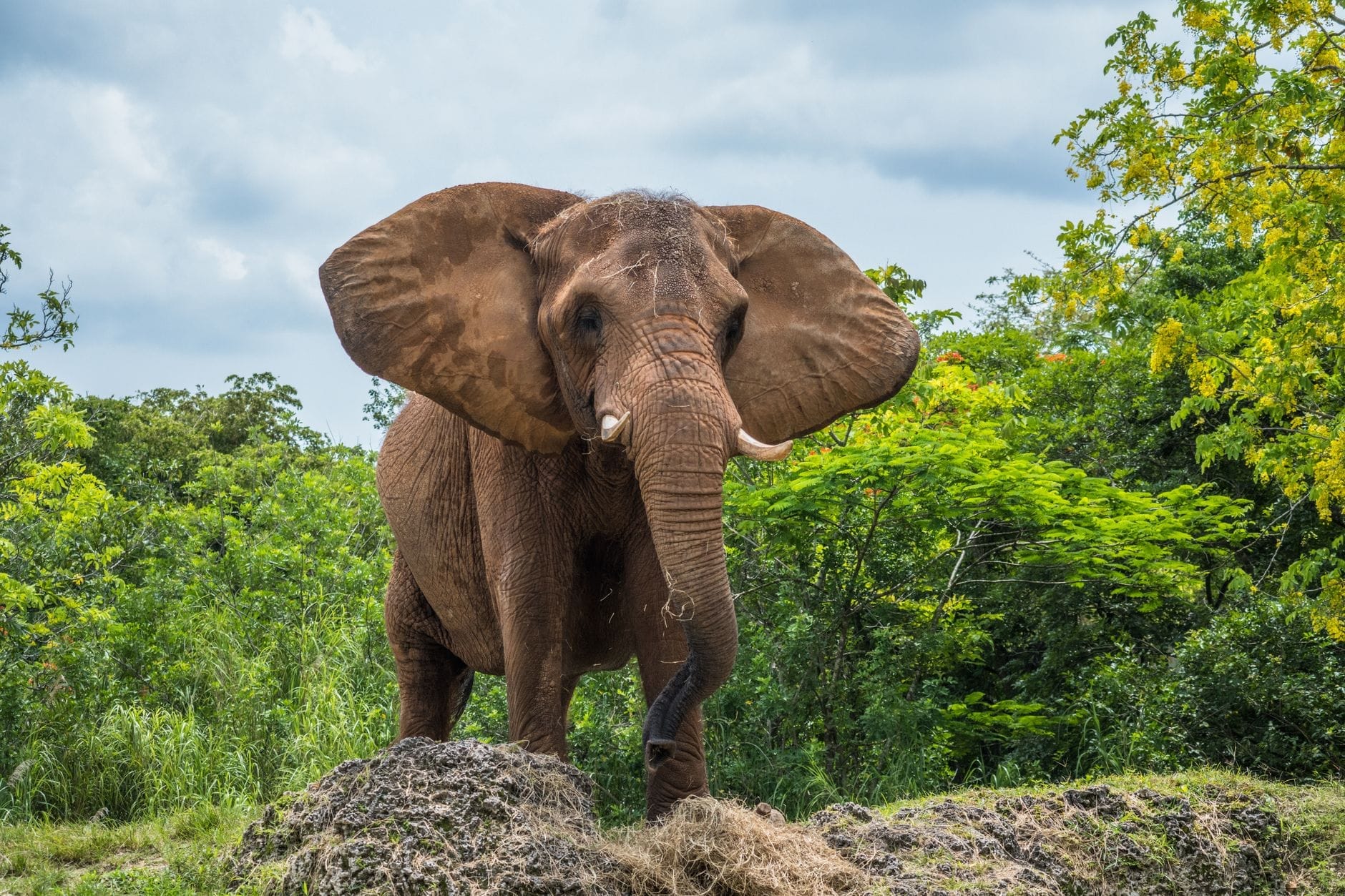
The Miami-Dade Zoological Park and Gardens, universally called Zoo Miami, holds a distinction that no other zoo in the continental United States can claim: it operates within a tropical climate zone. That single fact shapes everything about the experience. Animals that would spend their winters in heated indoor enclosures elsewhere in the country live outside here year-round, and the landscape itself, flat, humid, shaded by palms and native figs, feels less like a landscaped park and more like a genuine subtropical environment.
The zoo covers almost 750 acres in total, of which about 324 acres are developed for public use. That scale matters. This is not a compact urban attraction you can walk end-to-end in ninety minutes. Exhibits are organized into large geographic zones representing Africa, Asia, and the Americas, with animals in moated, open-concept habitats rather than traditional cages. The lack of obvious barriers between visitor and animal is one of the zoo's genuine strengths, and it translates into viewing encounters that feel more honest than the glass-and-steel enclosures common at many newer facilities.
💡 Local tip
Arrive when the zoo opens. Animals are most active in the first two hours of the morning before the heat peaks. By early afternoon, many large mammals seek shade and become difficult to spot.
A Brief History: From Crandon Park to South Dade
Zoo Miami traces its origins to 1948, when Miami's first public zoo opened at Crandon Park on Key Biscayne. That original facility was modest and conventional by modern standards, but it served Miami-Dade residents until closing in 1980. A new zoo opened at the current South Dade site in 1980–81. In 1992, Hurricane Andrew devastated that facility, destroying infrastructure and killing several animals, and forcing a rebuilding effort that lasted years. The disaster ultimately accelerated the zoo's transformation into a more naturalistic, regionally appropriate facility.
The current South Dade location opened to the public in 1980–81, before Andrew struck, and has been rebuilt and expanded substantially since. The renaming to Zoo Miami in 2010 reflected both a rebranding effort and the institution's growth into one of the largest zoos in the country by land area. Today it is managed by Miami-Dade County and supplemented by the Zoological Society of Florida, which funds conservation programs across the region and internationally.
Tickets & tours
Hand-picked options from our booking partner. Prices are indicative; availability and final rates are confirmed when you complete your booking.
Go City | Miami Explorer Pass
From 67 €Instant confirmationFree cancellationMiami Zoo tickets with transportation
From 153 €Instant confirmationFree cancellationZoo Miami general admission tickets or food package
From 23 €Instant confirmationFree cancellationDouble Decker sightseeing bus tour of Miami
From 34 €Instant confirmationFree cancellation
How the Experience Changes by Time of Day
The single most important variable at Zoo Miami is time of day, and it matters more here than at almost any other major American zoo. South Florida's heat is not abstract. From late spring through early fall, afternoon temperatures regularly exceed 90°F (32°C) with high humidity, and the zoo's asphalt pathways amplify radiant heat considerably. Animals respond predictably: they retreat, they go still, they find shade. Guests who arrive at noon in July and wonder why they can't find the lions are missing the point.
Morning visits, roughly from opening until around 11:00 AM, offer the best animal activity by a wide margin. Giraffes browse, flamingos move in formation, and big cats are alert rather than horizontal. The light is softer for photography. The pathways haven't yet been scorched by midday sun, and the crowds are thinner. If you're visiting with young children who have limited stamina for heat, a morning-only visit covering the Africa section and the Amazon exhibit is a realistic and satisfying half-day.
Late afternoon, after about 3:30 PM, is the secondary sweet spot. Temperatures begin to drop, animals become active again, and the low-angle light creates excellent photography conditions. The drawback is that crowds tend to build as day-trippers from Miami Beach and the urban core arrive for a late visit, and popular areas like the Wings of Asia aviary can feel congested.
⚠️ What to skip
Summer afternoon thunderstorms are frequent in South Florida, typically between 2:00 PM and 5:00 PM. The zoo may briefly close outdoor areas during lightning warnings. Bring a compact rain jacket from June through September.
The Geographic Zones: What to Prioritize
The Africa section is the zoo's anchor exhibit and the logical starting point. It is the largest zone, anchored by open savanna habitats where white rhinos, giraffes, and various antelope species share space in multi-species groupings. The moated design means viewing angles vary considerably: some areas bring you genuinely close to animals, while others require patience. The rhino habitat in particular rewards visitors who slow down, as the animals are large enough to observe in detail even at a distance.
Asia is the zone most visitors reach mid-morning, and it houses some of the zoo's most significant animals from a conservation standpoint, including Malayan tigers and orangutans. The Wings of Asia aviary is one of the better free-flight bird exhibits in the American South: a large, walk-through mesh structure where hornbills, starlings, and various Asian species fly at close range overhead. The footing is uneven inside, which matters if you're visiting with strollers or guests with mobility limitations.
The Amazon and Beyond section covers South American species and connects naturally to Florida-native wildlife exhibits, where local species like Florida panthers, American flamingos, and various reptiles are displayed. This section resonates differently for Miami-area residents who recognize these animals from their ecological context in the Everglades and surrounding wetlands.
The zoo also operates PAWS, a children's zoo area with animal interactions and rides that functions as a separate add-on experience popular with families visiting with very young children. If you're planning a family trip to Miami more broadly, the Miami with kids guide covers how to combine Zoo Miami with other family-friendly attractions across the city.
Practical Logistics: Getting There and Getting Around
Zoo Miami is located in the far southwest corner of Miami-Dade County, well outside the urban core. The most practical way to reach it is by car. The standard route is Florida's Turnpike southbound to Exit 18, from which the zoo is clearly signposted. Parking is available on-site; verify current parking fees before your visit. The drive from Downtown Miami takes approximately 30 to 40 minutes depending on traffic, longer on weekday afternoon rush hours.
Public transit options exist but require planning. Miami-Dade Transit operates bus routes into the area, and the zoo's official website maintains a 'Find Your Way' page with current transit directions. Rideshare services like Uber and Lyft cover this location reliably, though surge pricing during peak weekend hours can make the return trip from this distance meaningfully expensive.
Inside the zoo, distances are significant. A tram service operates on a loop route covering the major zones, which is worth the additional cost for visitors with young children, elderly guests, or anyone whose primary interest is reaching specific exhibits rather than the full walk. Comfortable, closed-toe shoes are essential: the pathways are long, partly shaded, and partly exposed. A refillable water bottle is not optional in summer months; it is a medical necessity.
ℹ️ Good to know
The zoo covers enough ground that most guests only see a portion of the exhibits in a single visit. Decide on two or three priority zones before you arrive rather than attempting everything.
Photography at Zoo Miami
The open-moat design that defines Zoo Miami's habitats creates real photographic opportunities, particularly in the Africa section where backgrounds are naturalistic and animals are often positioned at natural viewing distances rather than pressed against glass. The Wings of Asia aviary is outstanding for bird photography if you arrive early when light penetrates the mesh canopy at low angles.
The primary challenge is heat haze and flat midday light in summer, both of which flatten images and reduce clarity on distant subjects. A telephoto lens of at least 200mm is useful for the savanna exhibits. Early morning in winter months, when the light is warm and animals are active, is the single best scenario for photography here.
If wildlife photography is a genuine priority on your Miami trip, it's worth combining a zoo visit with time at natural habitats nearby. The Everglades National Park and Biscayne National Park offer encounters with Florida's native wildlife in genuinely wild settings that complement the controlled environment of the zoo.
Honest Assessment: Who This Attraction Suits and Who It Doesn't
Zoo Miami is genuinely well-suited to families with children across a wide age range, wildlife enthusiasts with interest in tropical species, and visitors who want a full-day outdoor experience away from Miami's more urban attractions. The tropical setting is authentic rather than manufactured, and the scale of the facility means it doesn't feel artificially compressed.
It is not the right choice for visitors with limited time in Miami. If you have two or three days in the city and have not yet seen South Beach, the Design District, or Little Havana, the zoo's remote location and full-day time commitment represent a significant trade-off. It's also a poor choice for anyone with serious mobility limitations who cannot use the tram, as the distances involved make a full visit on foot physically demanding.
Visitors who find the zoo's scale overwhelming but want a nature-focused day trip might prefer the Fairchild Tropical Botanic Garden in Coral Gables, which offers a more contained experience centered on South Florida's extraordinary plant diversity. For families weighing options, the Frost Museum of Science in Downtown Miami provides indoor, climate-controlled exhibits that pair well with the zoo across two days.
Insider Tips
- Buy tickets online in advance. Walk-up pricing at the gate is typically higher, and online purchase lets you skip the ticket line entirely on busy weekend mornings.
- The zoo's size means your feet will feel it by early afternoon. Identify the tram boarding areas on the map when you enter, not after you're already exhausted.
- Winter weekdays, particularly Tuesday through Thursday from December to March, offer the best combination of cool temperatures, active animals, and thin crowds. This is the single best visiting window.
- Food options inside the zoo are limited and priced accordingly. Bringing snacks and a full water bottle in a backpack is practical and permitted; confirm the current bag policy on the official site before your visit.
- The flamingo viewing area near the entrance provides a reliable, photogenic encounter even on days when other animals are inactive. It's a good fallback if you arrive mid-afternoon in summer and find the savanna exhibits quiet.
Who Is Zoo Miami For?
- Families with children of all ages looking for a full-day outdoor experience
- Wildlife enthusiasts interested in tropical and endangered species up close
- Visitors spending multiple days in Miami who want a break from urban attractions
- Bird photographers seeking free-flight aviary access in a tropical setting
- Travelers combining Zoo Miami with an Everglades day trip through South Miami-Dade
Nearby Attractions
Combine your visit with:
- Aventura Mall
Aventura Mall is Florida's largest enclosed shopping center, spanning roughly 2.7 million square feet with more than 300 stores, dozens of restaurants, and a growing collection of public art. Positioned between Miami and Fort Lauderdale, it draws shoppers from across South Florida and beyond. Whether you are hunting flagship luxury brands or simply escaping the afternoon heat, the mall delivers a surprisingly complete half-day experience.
- Biscayne National Park
Biscayne National Park protects one of the largest coral reef ecosystems in North America, about 35 miles south of downtown Miami. With 95% of its 172,971 acres underwater, this is not a typical roadside park — it rewards those who come prepared to snorkel, dive, kayak, or sail.
- Deering Estate
The Deering Estate is a 444-acre historic preserve in South Miami-Dade that combines 1920s-era architecture, fossil-rich limestone terrain, coastal mangroves, and a surprisingly ambitious arts program. It rewards slow exploration and offers a side of Miami most visitors never see.
- Everglades National Park
Everglades National Park protects the largest subtropical wilderness in the United States, just an hour from Miami. From alligator-lined boardwalks to silent sawgrass prairies stretching to the horizon, it rewards visitors who prepare — and humbles those who don't.