Most Photogenic Places in Doha: 20 Stunning Spots for Your Camera
Doha rewards photographers at every turn, from I.M. Pei's waterfront masterpiece to golden-tiled mosques and shipping-container stadiums. This guide covers the city's 20 most photogenic locations, with advice on the best times to shoot and what to look for at each spot.
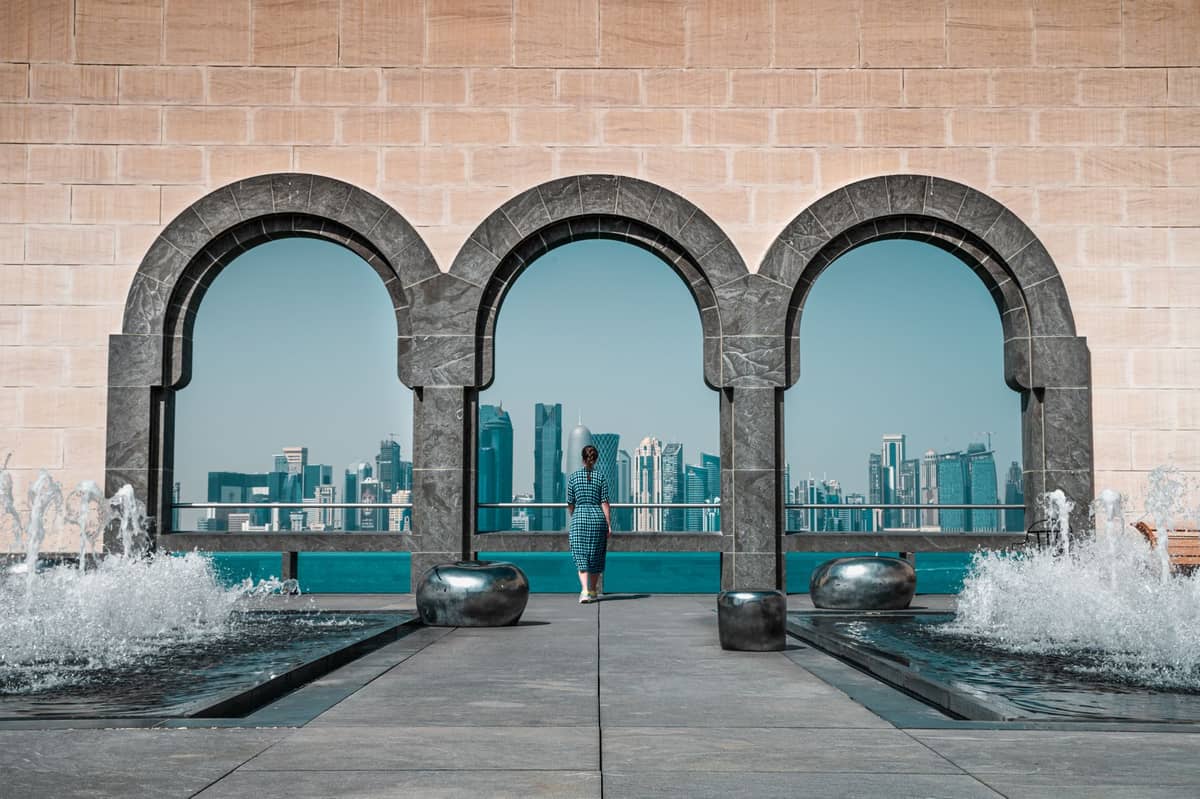
Doha is one of the Middle East's most visually dramatic cities, where 19th-century mud-brick souqs sit minutes from futurist stadiums and Venetian-style canals. Whether you're shooting architecture, street life, or landscapes, the city offers an unusually varied palette. For first-time visitors planning a tight itinerary, the 2-day Doha itinerary covers the essential stops. If skyline views are your priority, the best viewpoints in Doha guide narrows things down further. One practical note before you start: tripods and commercial shoots often require prior permission at museums and government sites, and drone use is tightly restricted across the city. For outdoor locations, plan your shoots for early morning or after 5pm from May through September, when midday heat and haze make shooting uncomfortable and images flat.
Waterfront & Skyline
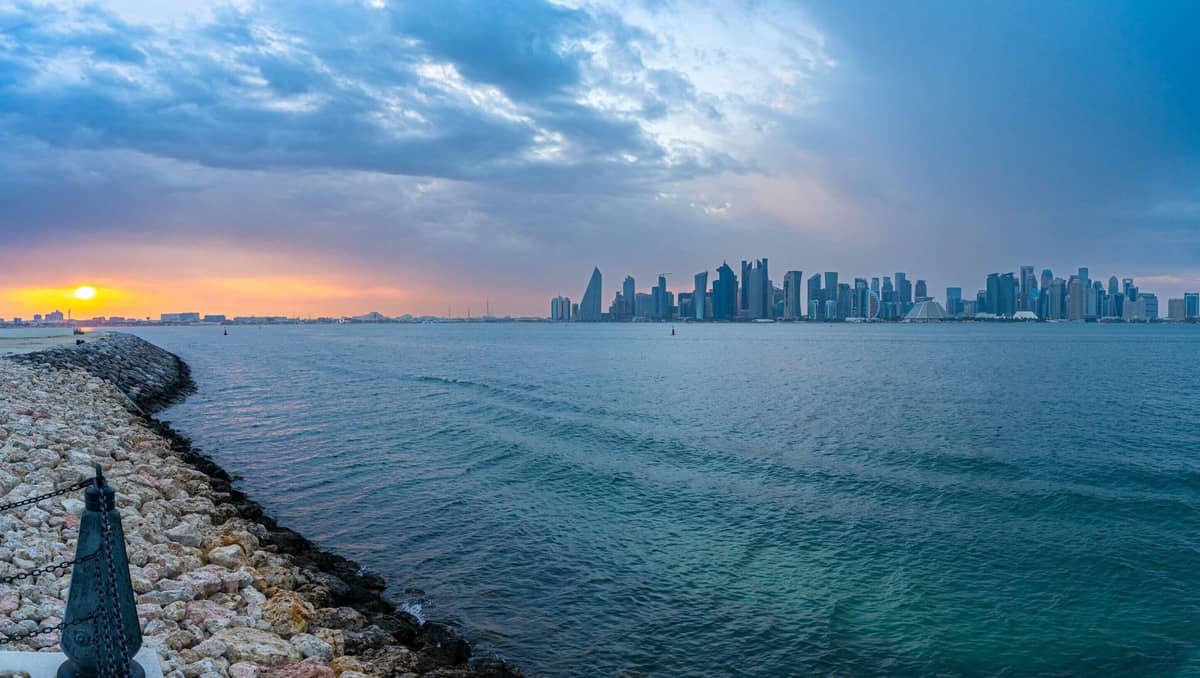
Doha's waterfront is its most recognisable backdrop. The crescent of Doha Corniche and the buildings framing it offer some of the most iconic compositions in the Gulf. Access to the public waterfront, including the Corniche promenade and MIA Park, is free and effectively open around the clock, which makes pre-dawn shoots entirely practical.
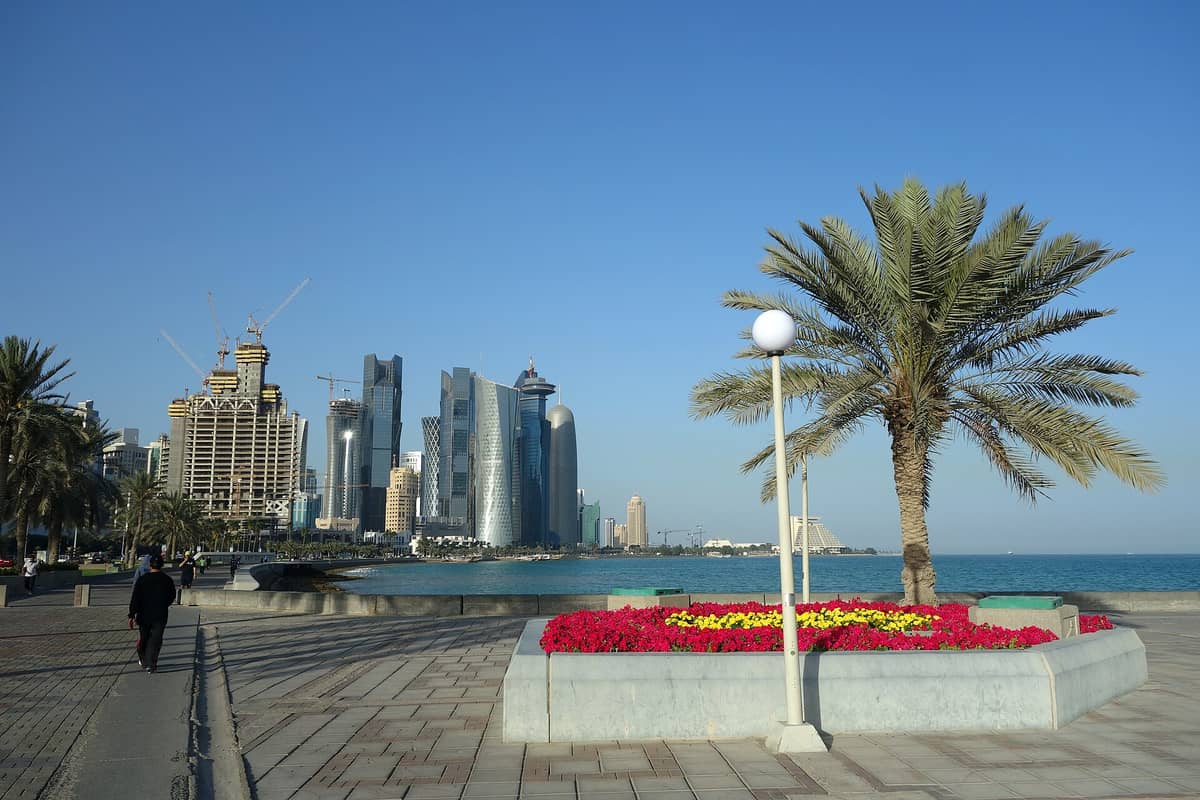
1. Capture the West Bay Skyline from the Corniche
The 7-kilometre promenade is free, open 24 hours, and offers the city's definitive skyline view. Shoot facing north toward West Bay at blue hour for the best balance of ambient sky and tower lights. Allow 45-60 minutes to walk the prime stretch.
Explore1. Capture the West Bay Skyline from the Corniche
The 7-kilometre promenade is free, open 24 hours, and offers the city's definitive skyline view. Shoot facing north toward West Bay at blue hour for the best balance of ambient sky and tower lights. Allow 45-60 minutes to walk the prime stretch.
Explore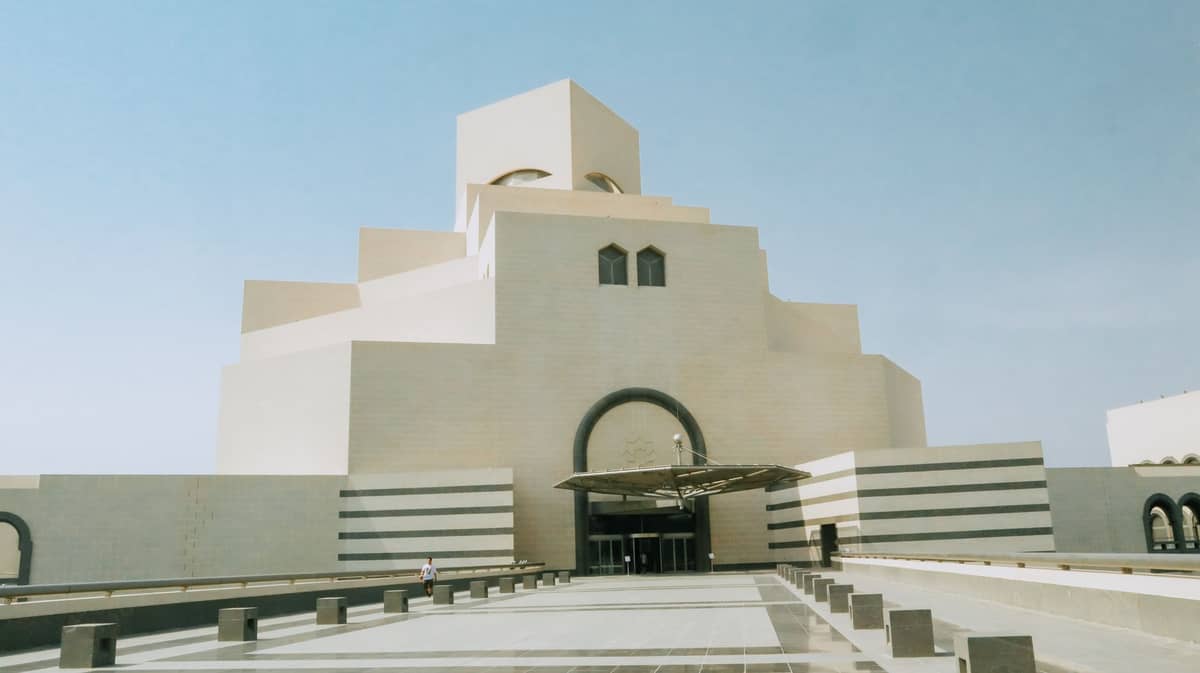
2. Shoot I.M. Pei's Architectural Masterpiece at MIA
The MIA building, set on its own promontory in Doha Bay, is one of the world's great contemporary buildings. The geometric stone facade photographs brilliantly at sunrise. Check official hours before visiting; the museum is closed on Wednesdays and opens at 13:30 on Fridays.
Explore2. Shoot I.M. Pei's Architectural Masterpiece at MIA
The MIA building, set on its own promontory in Doha Bay, is one of the world's great contemporary buildings. The geometric stone facade photographs brilliantly at sunrise. Check official hours before visiting; the museum is closed on Wednesdays and opens at 13:30 on Fridays.
Explore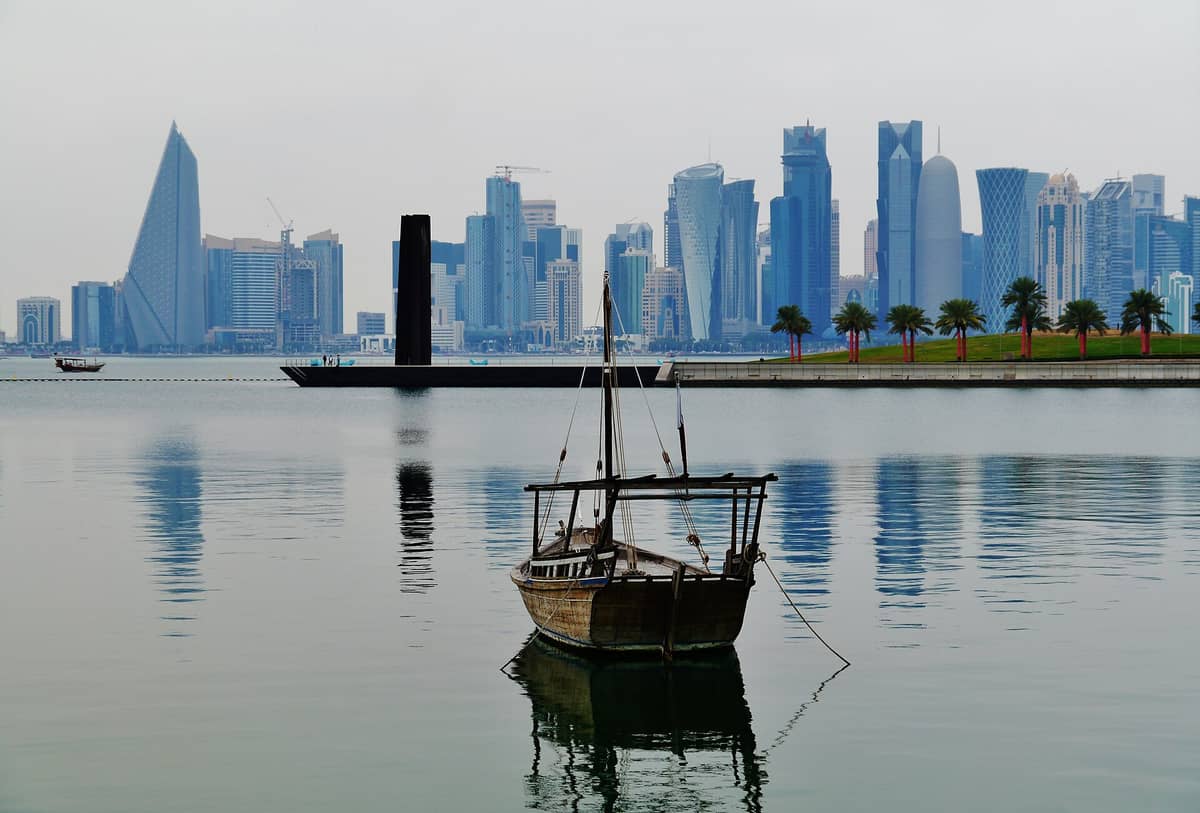
3. Frame the Skyline from MIA Park at Sunset
MIA Park is open 24 hours and offers one of Doha's best unobstructed skyline views from its waterfront benches and lawn. Sunset and blue hour here are exceptional. The park cafe makes it easy to arrive early and wait for the light without rushing.
Explore3. Frame the Skyline from MIA Park at Sunset
MIA Park is open 24 hours and offers one of Doha's best unobstructed skyline views from its waterfront benches and lawn. Sunset and blue hour here are exceptional. The park cafe makes it easy to arrive early and wait for the light without rushing.
Explore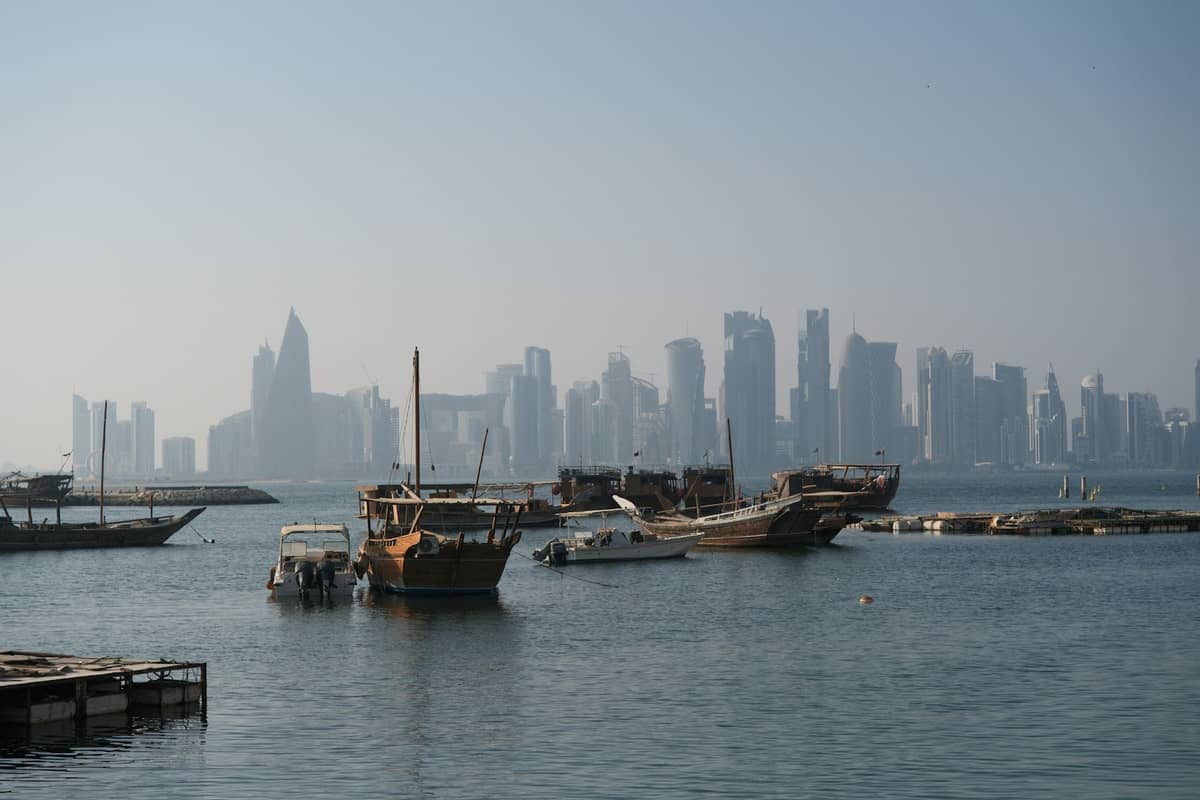
4. Photograph Traditional Dhows Against a Modern Skyline
The Dhow Harbour near Souq Waqif is where wooden boats are still moored and repaired by hand. The contrast between the traditional craft and the glass towers behind them is genuinely striking. Sunrise produces warm light on the hulls and calm water for reflections.
Explore4. Photograph Traditional Dhows Against a Modern Skyline
The Dhow Harbour near Souq Waqif is where wooden boats are still moored and repaired by hand. The contrast between the traditional craft and the glass towers behind them is genuinely striking. Sunrise produces warm light on the hulls and calm water for reflections.
Explore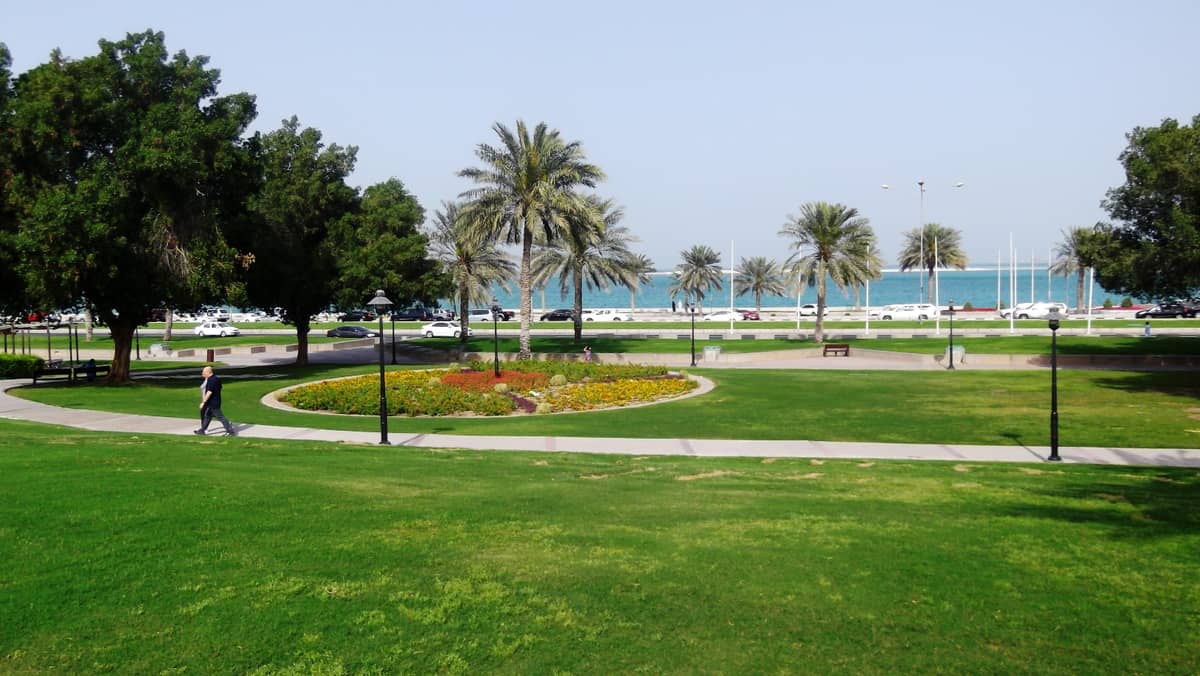
5. Shoot the Corniche from Al Bidda Park's Waterfront Edge
Al Bidda Park stretches along the Corniche with unobstructed bay views and palm-lined paths. The park's proximity to Souq Waqif makes it easy to combine with a morning shoot of the dhow harbour. The waterfront edge is especially clean and open for wide compositions.
Explore5. Shoot the Corniche from Al Bidda Park's Waterfront Edge
Al Bidda Park stretches along the Corniche with unobstructed bay views and palm-lined paths. The park's proximity to Souq Waqif makes it easy to combine with a morning shoot of the dhow harbour. The waterfront edge is especially clean and open for wide compositions.
ExploreArchitecture & Design
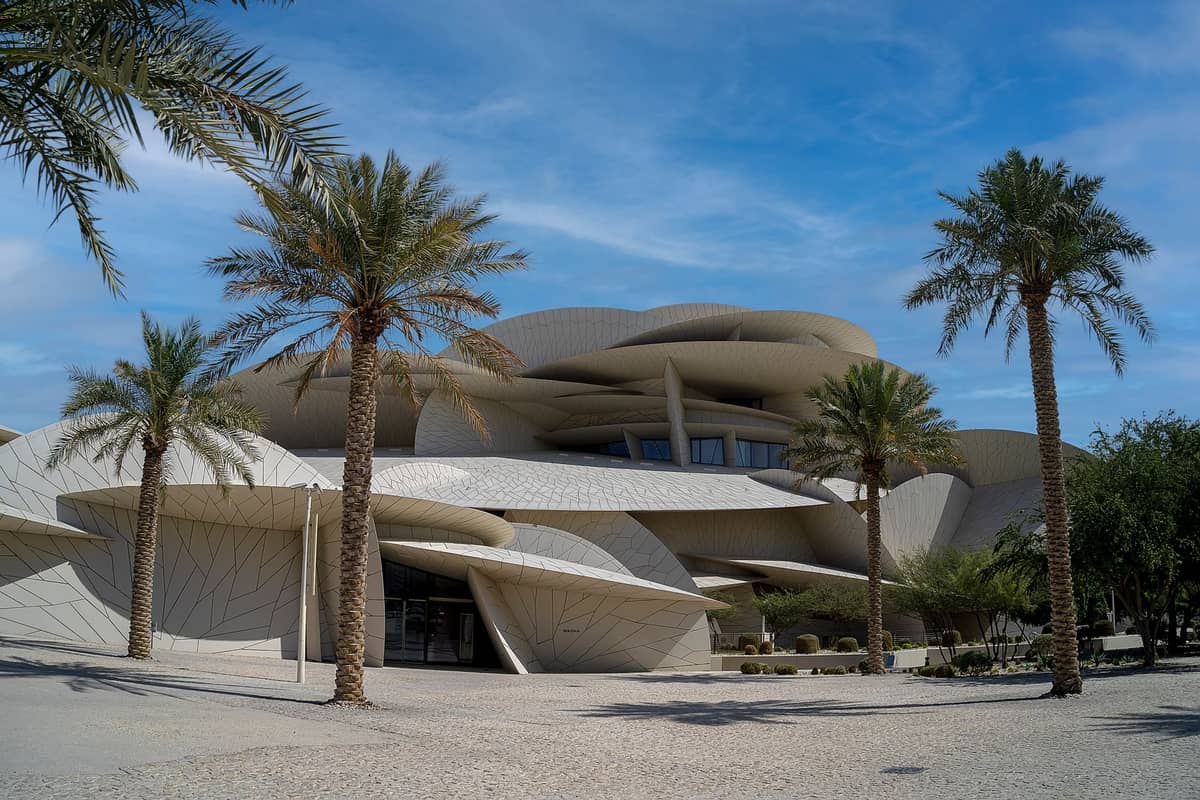
Doha's architectural ambition spans centuries and continents. From the desert-rose geometry of the National Museum of Qatar to World Cup stadiums that read as abstract sculptures, the city has invested heavily in buildings designed to be looked at. Many of these landmarks are clustered around Lusail City and the Aspire Zone in the south.
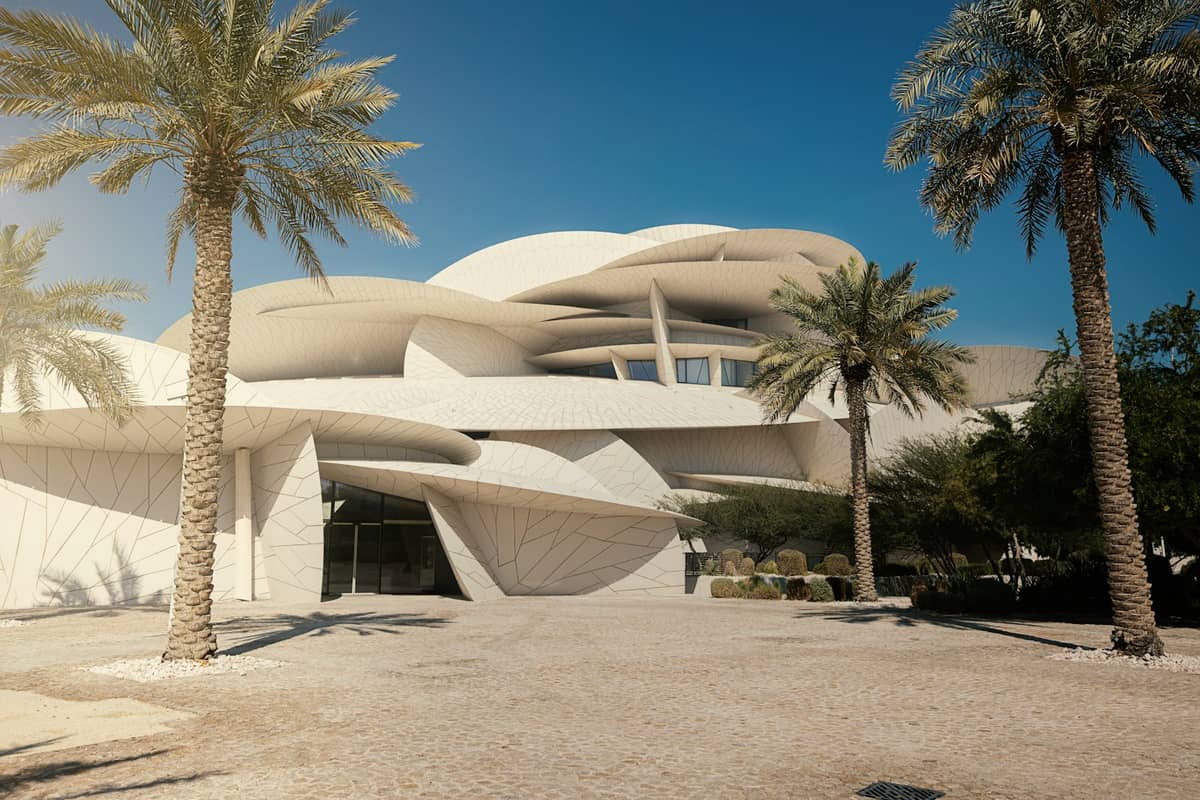
6. Photograph Jean Nouvel's Desert Rose Building
The National Museum of Qatar's interlocking disc structure, inspired by the desert rose crystal, is unlike any building in the world. Walk the full exterior perimeter to find the best angles. Late afternoon light catches the sandy concrete beautifully. Verify entry fees before visiting.
Explore6. Photograph Jean Nouvel's Desert Rose Building
The National Museum of Qatar's interlocking disc structure, inspired by the desert rose crystal, is unlike any building in the world. Walk the full exterior perimeter to find the best angles. Late afternoon light catches the sandy concrete beautifully. Verify entry fees before visiting.
Explore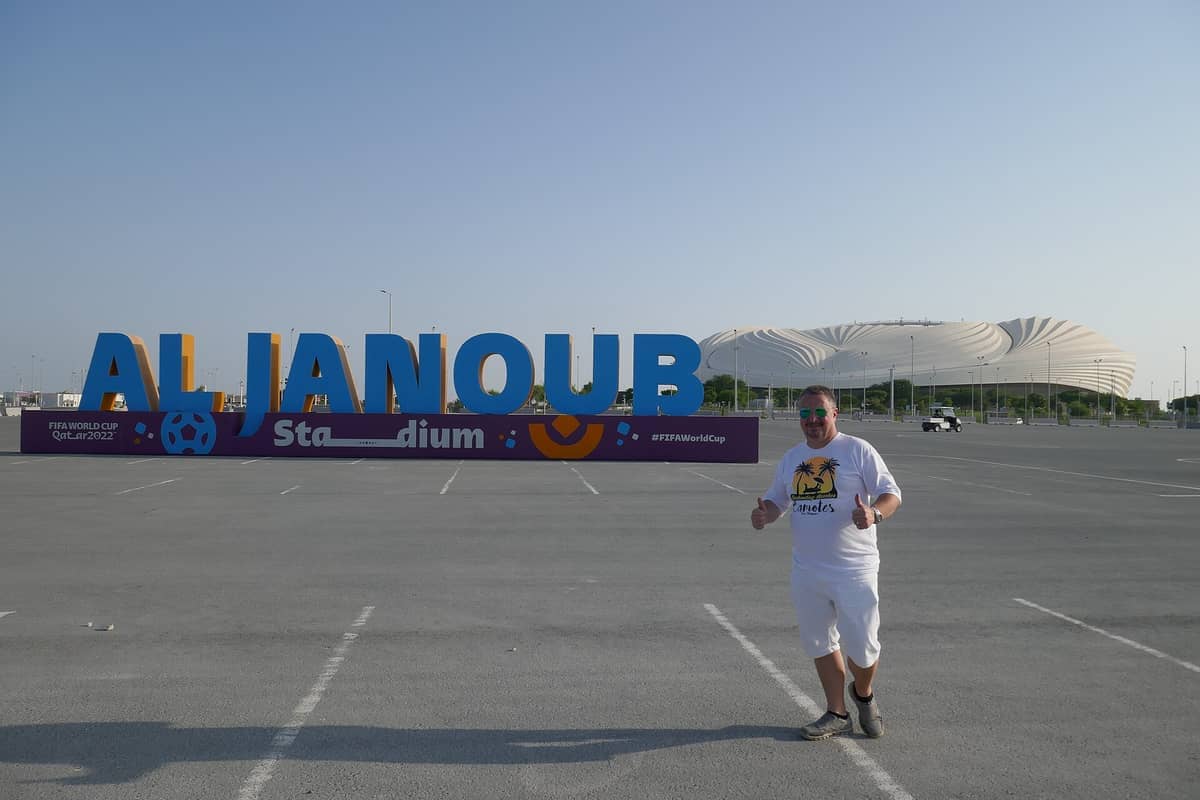
7. Shoot Zaha Hadid's Dhow-Inspired Stadium in Al Wakra
Designed to echo the hull of a traditional dhow, Al Janoub Stadium has a sweeping undulating roof that rewards wide-angle shooting. The exterior is accessible without a match ticket. Evening light accentuates the curves dramatically. It's about 20km south of central Doha.
Explore7. Shoot Zaha Hadid's Dhow-Inspired Stadium in Al Wakra
Designed to echo the hull of a traditional dhow, Al Janoub Stadium has a sweeping undulating roof that rewards wide-angle shooting. The exterior is accessible without a match ticket. Evening light accentuates the curves dramatically. It's about 20km south of central Doha.
Explore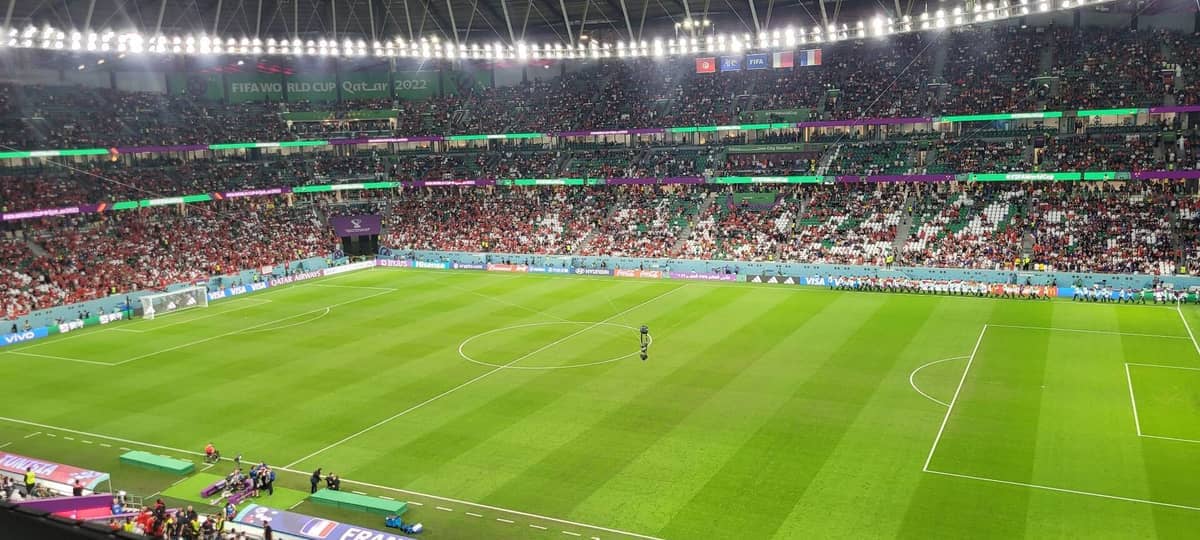
8. Capture the Diamond-Cut Facade of Education City Stadium at Night
This World Cup stadium features a geometric diamond facade that glows with shifting colours after dark. Night photography here is genuinely spectacular. The stadium sits on the Education City campus, which also contains other architecturally interesting university buildings worth exploring.
Explore8. Capture the Diamond-Cut Facade of Education City Stadium at Night
This World Cup stadium features a geometric diamond facade that glows with shifting colours after dark. Night photography here is genuinely spectacular. The stadium sits on the Education City campus, which also contains other architecturally interesting university buildings worth exploring.
Explore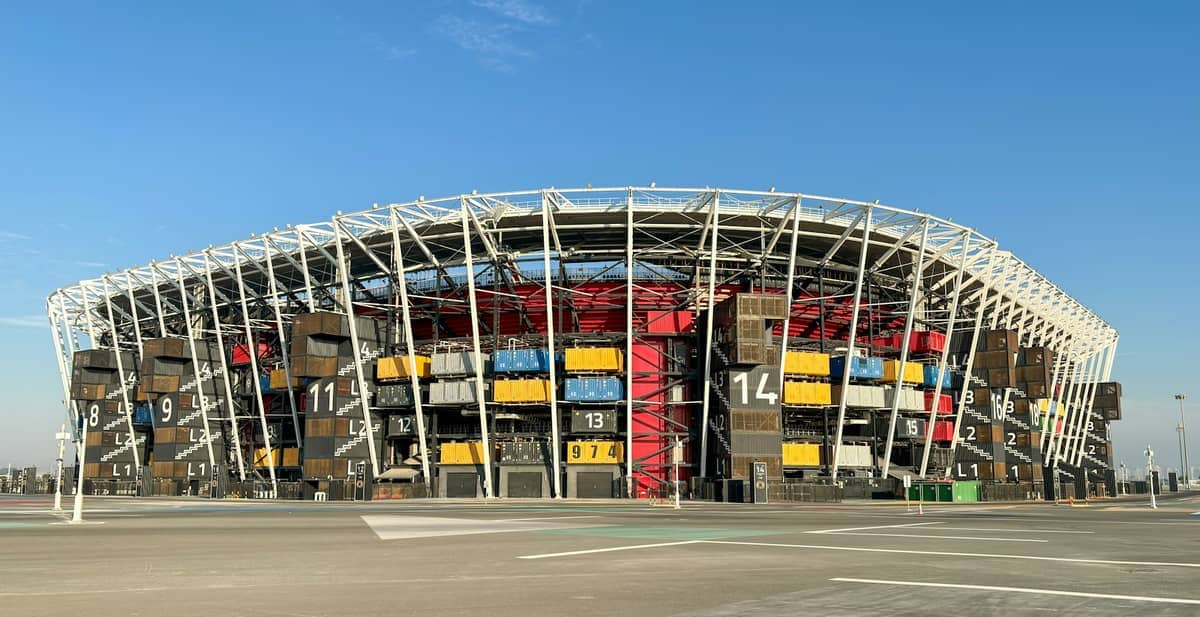
9. Frame the World's First Shipping Container Stadium
Built from exactly 974 shipping containers on Doha's waterfront, Stadium 974 is one of the most conceptually striking structures in the city. The corrugated steel texture and industrial scale photograph well from across the bay. Its Corniche-adjacent location makes it easy to combine with other waterfront spots.
Explore9. Frame the World's First Shipping Container Stadium
Built from exactly 974 shipping containers on Doha's waterfront, Stadium 974 is one of the most conceptually striking structures in the city. The corrugated steel texture and industrial scale photograph well from across the bay. Its Corniche-adjacent location makes it easy to combine with other waterfront spots.
Explore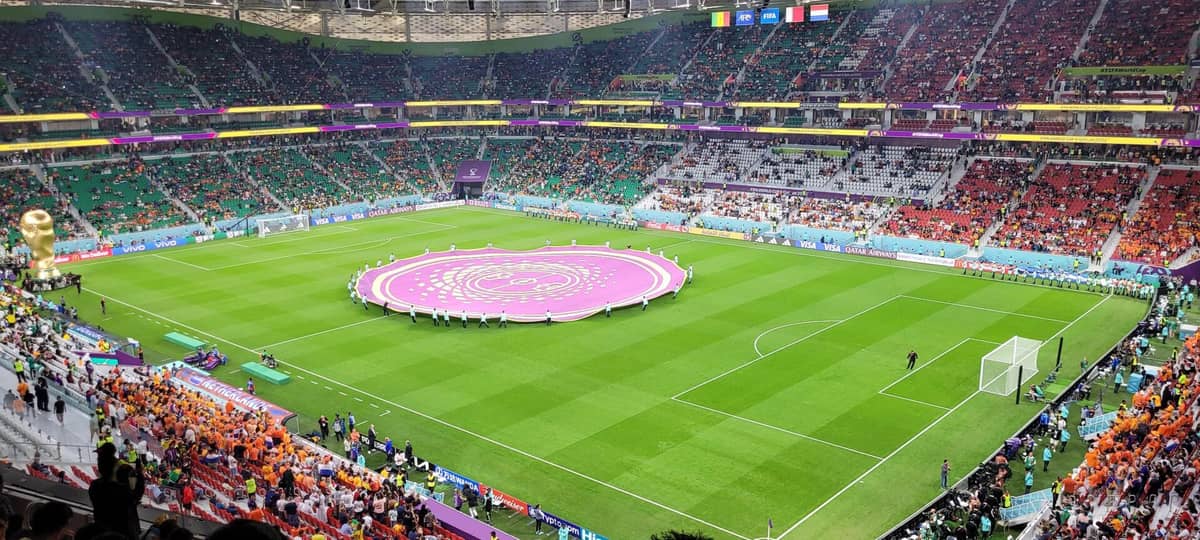
10. Shoot the Gahfiya-Inspired Stadium at Al Thumama
Modelled on the traditional woven cap worn across the Arab world, Al Thumama Stadium's circular geometry and latticed exterior make for distinctive wide-angle shots. The cultural reference embedded in the design gives photographs here an additional layer of meaning and context.
Explore10. Shoot the Gahfiya-Inspired Stadium at Al Thumama
Modelled on the traditional woven cap worn across the Arab world, Al Thumama Stadium's circular geometry and latticed exterior make for distinctive wide-angle shots. The cultural reference embedded in the design gives photographs here an additional layer of meaning and context.
Explore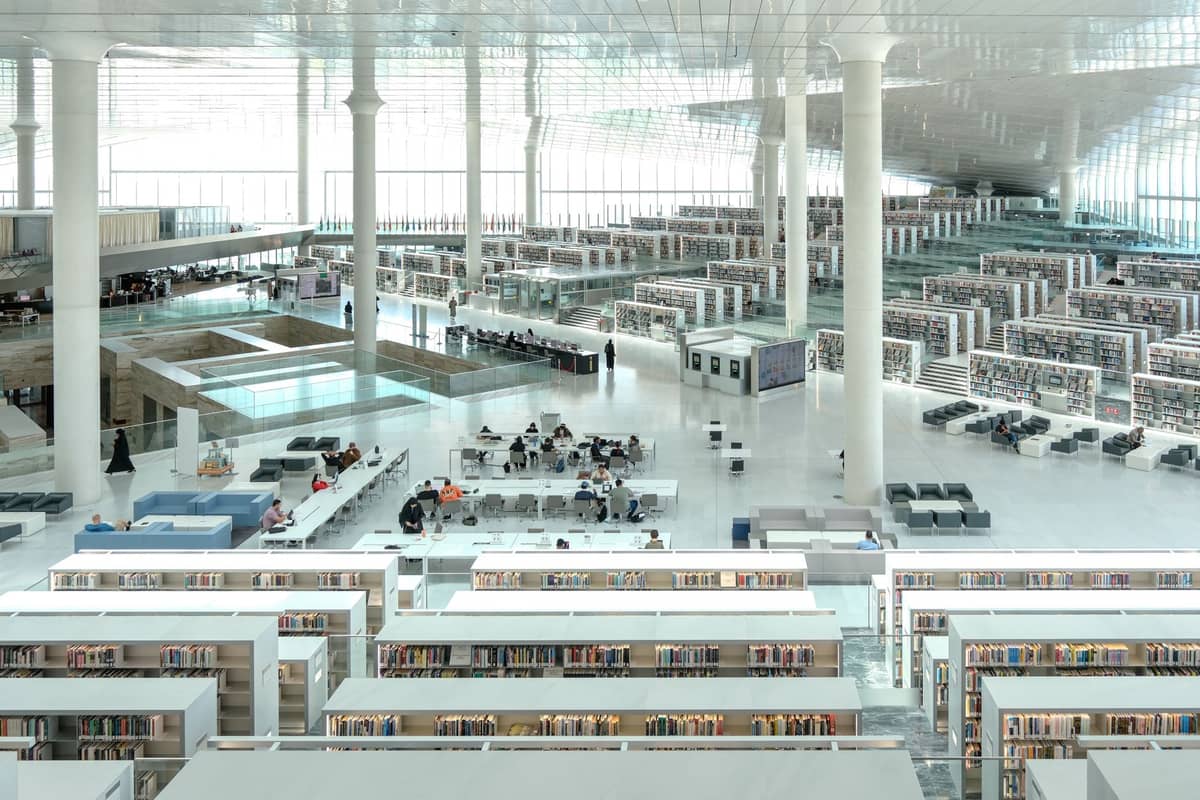
11. Explore the Interior Architecture of Rem Koolhaas's National Library
Designed by OMA, the Qatar National Library is a vast diamond-shaped space with a sunken heritage section housing rare manuscripts. The interior volumes and dramatic angles reward architectural photography. Verify photography guidelines with staff on arrival, as rules may apply near manuscript displays.
Explore11. Explore the Interior Architecture of Rem Koolhaas's National Library
Designed by OMA, the Qatar National Library is a vast diamond-shaped space with a sunken heritage section housing rare manuscripts. The interior volumes and dramatic angles reward architectural photography. Verify photography guidelines with staff on arrival, as rules may apply near manuscript displays.
Explore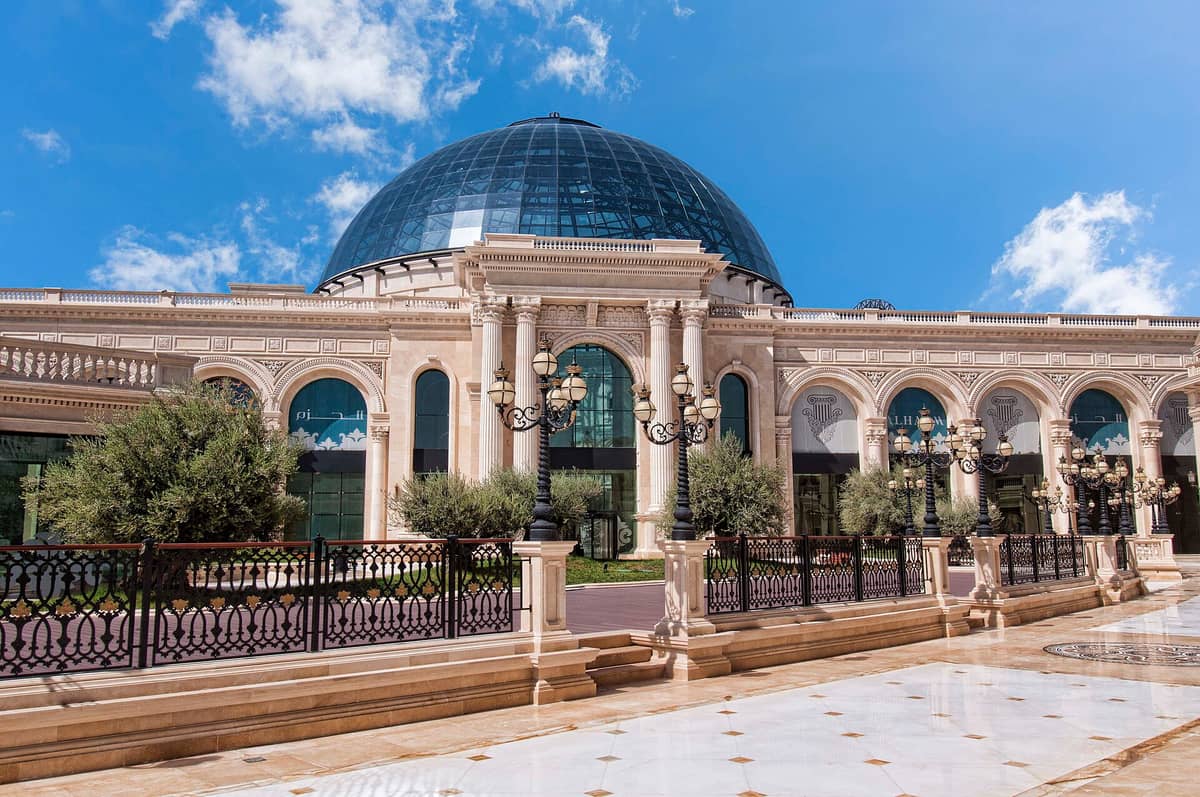
12. Photograph the Vaulted Interiors of Al Hazm Mall
Al Hazm is Doha's most architecturally ambitious mall, modelled on a European baroque palace with vaulted painted ceilings, marble colonnades, and ornate arched corridors. It photographs like a museum rather than a retail space. Less crowded on weekday mornings, giving cleaner interior shots.
Explore12. Photograph the Vaulted Interiors of Al Hazm Mall
Al Hazm is Doha's most architecturally ambitious mall, modelled on a European baroque palace with vaulted painted ceilings, marble colonnades, and ornate arched corridors. It photographs like a museum rather than a retail space. Less crowded on weekday mornings, giving cleaner interior shots.
ExploreCultural Villages & Historic Sites
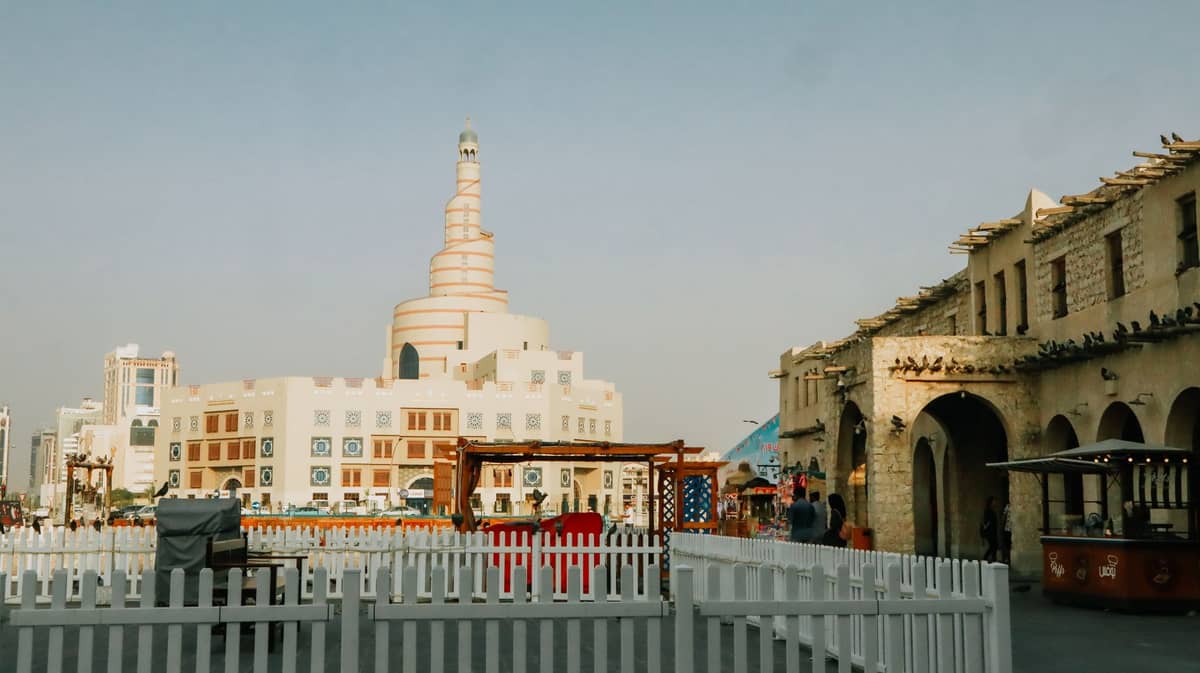
Doha's cultural identity is embedded in places like Souq Waqif and Katara Cultural Village, where restored architecture, public art, and daily life overlap. These are among the city's most rewarding locations for street and detail photography.
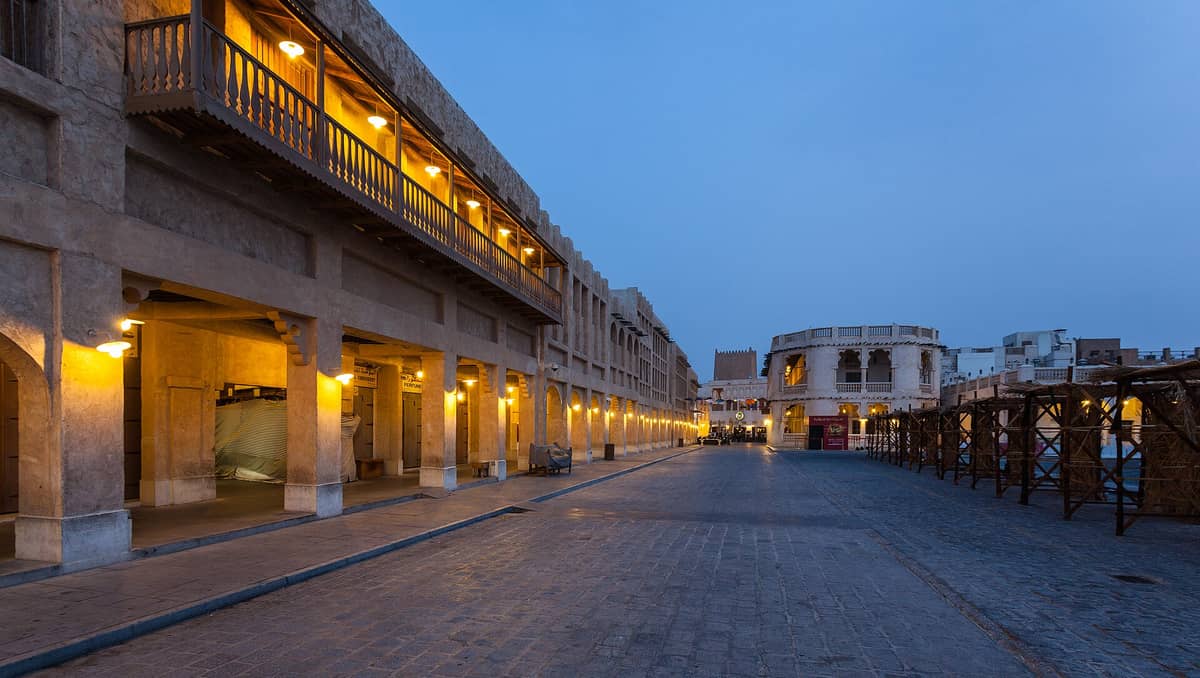
13. Shoot the Labyrinthine Alleyways of Souq Waqif After Dark
Souq Waqif's mud-brick alleyways, spice stalls, and glowing lanterns are at their most atmospheric from around 8pm. The restored architecture photographs beautifully with warm ambient light. Mornings offer quieter scenes with vendors setting up; evenings give you crowds, colour, and energy.
Explore13. Shoot the Labyrinthine Alleyways of Souq Waqif After Dark
Souq Waqif's mud-brick alleyways, spice stalls, and glowing lanterns are at their most atmospheric from around 8pm. The restored architecture photographs beautifully with warm ambient light. Mornings offer quieter scenes with vendors setting up; evenings give you crowds, colour, and energy.
Explore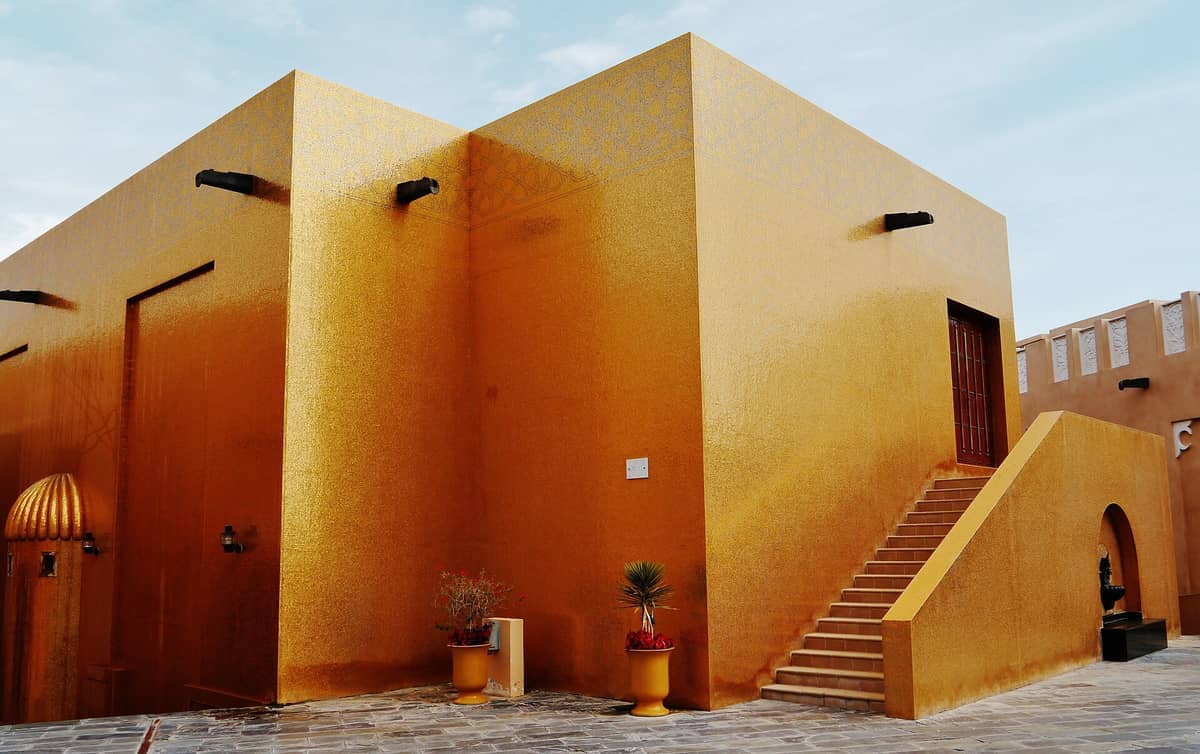
14. Frame Katara's Gold-Tiled Mosque Against the Gulf
The Katara mosque's exterior is covered in gleaming gold tiles and intricate blue-and-white mosaic work. It's one of Doha's most photographed religious buildings. The waterfront setting within Katara Cultural Village provides a strong compositional backdrop. Respect dress codes and prayer times.
Explore14. Frame Katara's Gold-Tiled Mosque Against the Gulf
The Katara mosque's exterior is covered in gleaming gold tiles and intricate blue-and-white mosaic work. It's one of Doha's most photographed religious buildings. The waterfront setting within Katara Cultural Village provides a strong compositional backdrop. Respect dress codes and prayer times.
Explore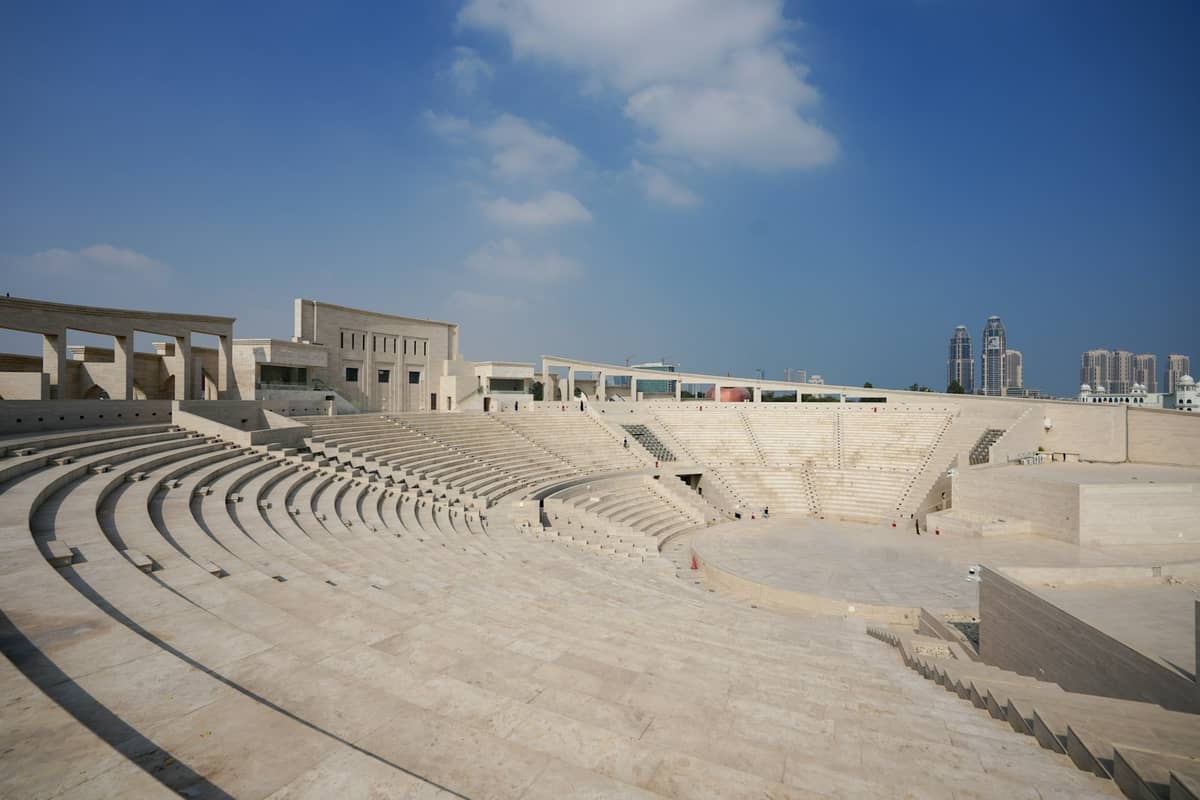
15. Shoot the Classical Amphitheatre with Gulf Views at Katara
Katara's open-air amphitheatre is modelled on a Greek design with tiered stone seating facing the Arabian Gulf. The symmetry and scale photograph well from above or from the stage level. Event nights add atmosphere; daytime visits allow cleaner compositions without crowds in the frame.
Explore15. Shoot the Classical Amphitheatre with Gulf Views at Katara
Katara's open-air amphitheatre is modelled on a Greek design with tiered stone seating facing the Arabian Gulf. The symmetry and scale photograph well from above or from the stage level. Event nights add atmosphere; daytime visits allow cleaner compositions without crowds in the frame.
Explore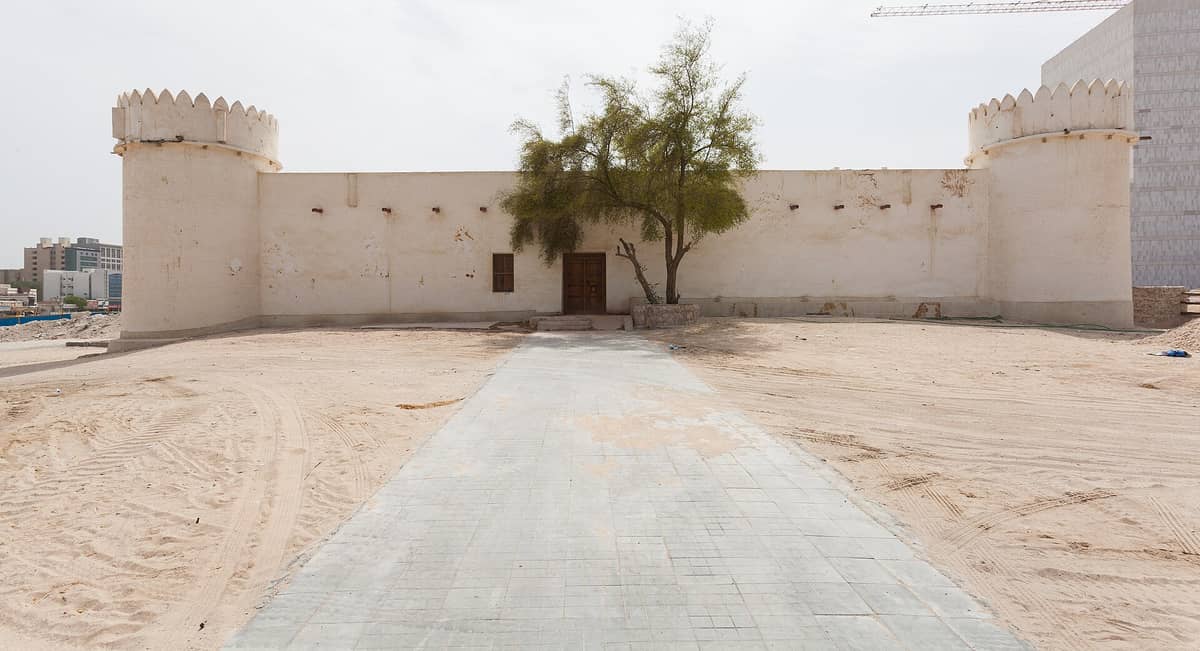
16. Find Doha's Pre-Oil Heritage at Al Koot Fort
This compact 19th-century fort at the edge of Souq Waqif offers a textured, historically grounded photo subject. The whitewashed walls and crenellated roofline contrast sharply with the souq behind it. Best photographed in the softer morning light before the area gets busy.
Explore16. Find Doha's Pre-Oil Heritage at Al Koot Fort
This compact 19th-century fort at the edge of Souq Waqif offers a textured, historically grounded photo subject. The whitewashed walls and crenellated roofline contrast sharply with the souq behind it. Best photographed in the softer morning light before the area gets busy.
Explore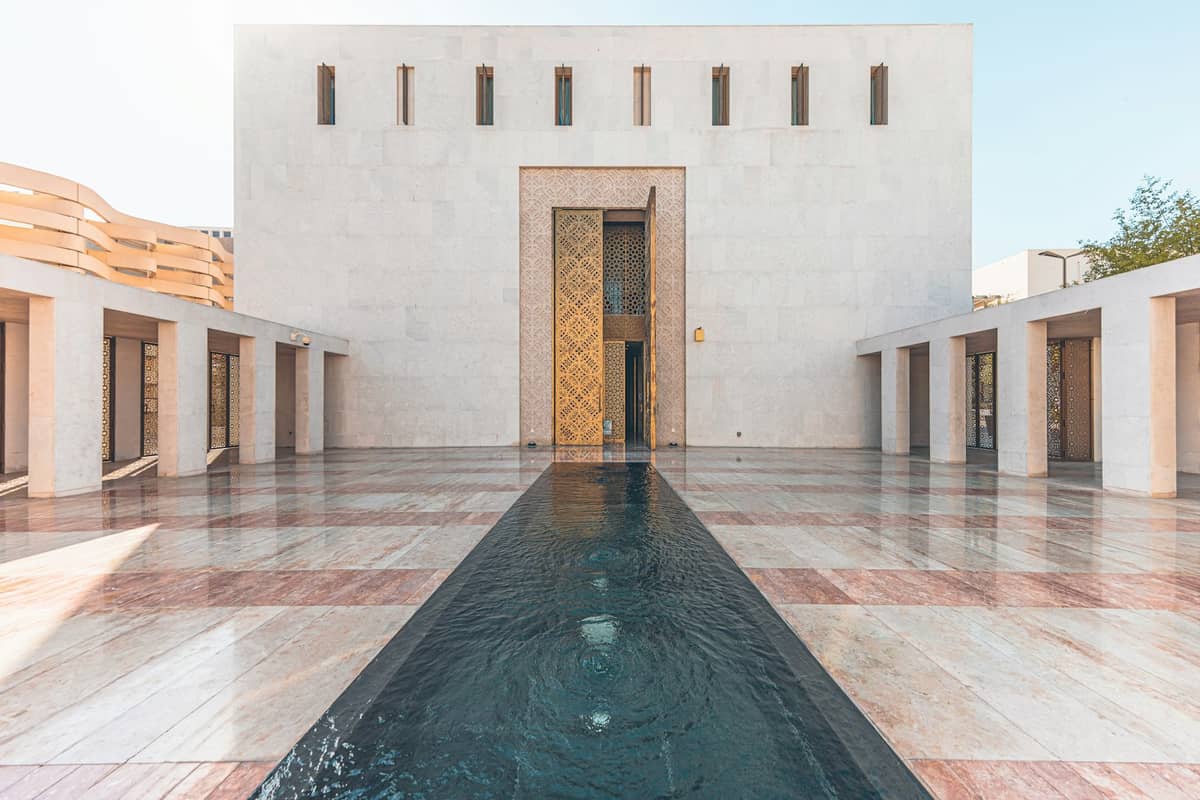
17. Photograph Restored Heritage Architecture in Msheireb
Four carefully restored historic houses in Msheireb Downtown blend traditional Qatari courtyard architecture with elegant contemporary detailing. The buildings themselves are as photogenic as the exhibitions inside. The surrounding downtown development adds strong urban context to wider shots.
Explore17. Photograph Restored Heritage Architecture in Msheireb
Four carefully restored historic houses in Msheireb Downtown blend traditional Qatari courtyard architecture with elegant contemporary detailing. The buildings themselves are as photogenic as the exhibitions inside. The surrounding downtown development adds strong urban context to wider shots.
Explore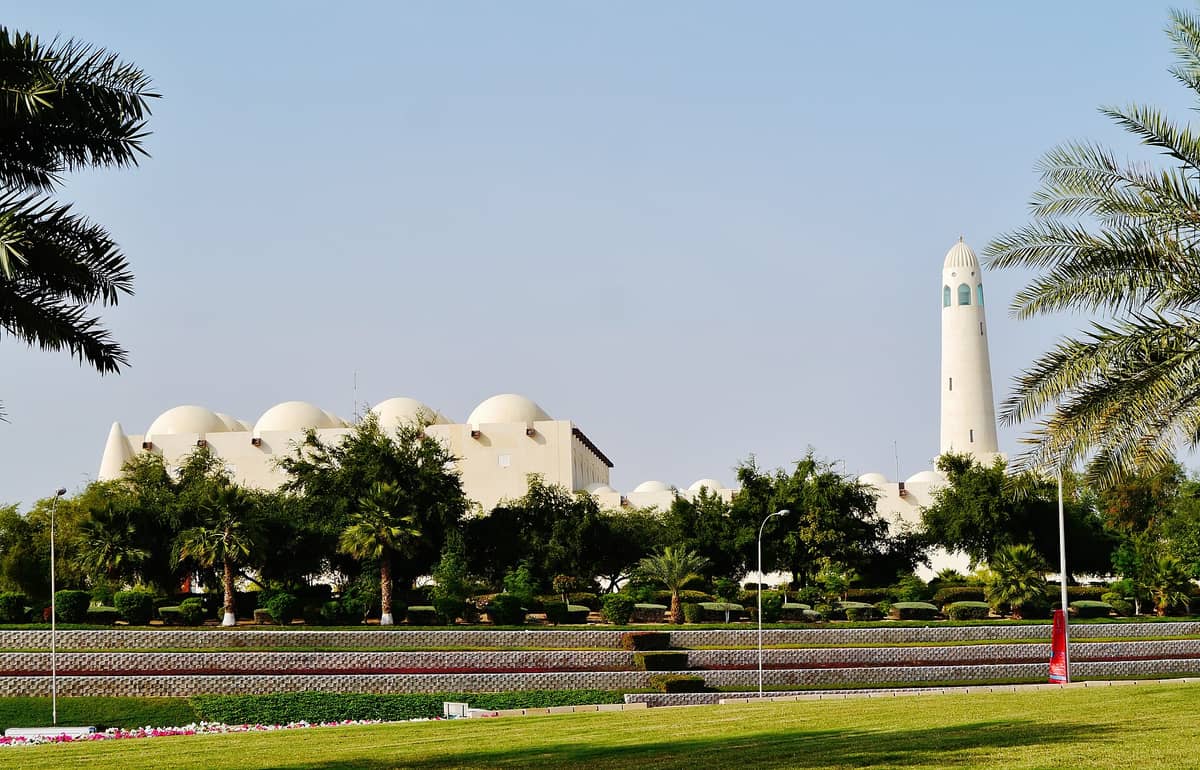
18. Photograph Qatar's Grand Mosque and Its Vast Marble Courtyard
Qatar's largest mosque features white marble facades, ornate calligraphic detail, and a sweeping open courtyard that creates strong geometric compositions. Non-Muslim visitors are welcome outside prayer times; verify current access policy before visiting. Modest dress is required.
Explore18. Photograph Qatar's Grand Mosque and Its Vast Marble Courtyard
Qatar's largest mosque features white marble facades, ornate calligraphic detail, and a sweeping open courtyard that creates strong geometric compositions. Non-Muslim visitors are welcome outside prayer times; verify current access policy before visiting. Modest dress is required.
ExploreInstagrammable Districts & Marina Views
For colour, reflections, and composed architectural streetscapes, The Pearl-Qatar and the surrounding marina areas deliver some of Doha's most consistently photogenic urban scenes.
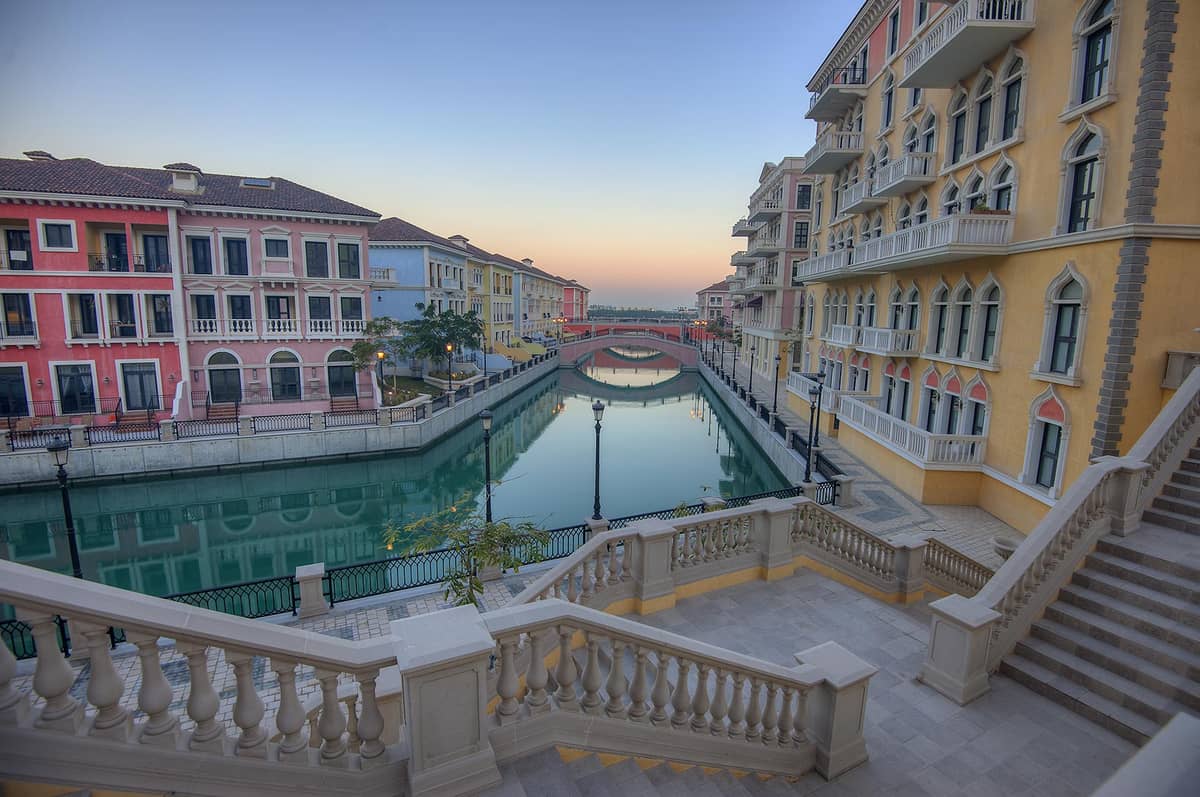
19. Shoot the Venetian Canal District at The Pearl
Qanat Quartier's pastel-coloured Mediterranean facades, narrow waterways, and arched bridges are designed for photography. Early mornings and golden hour produce the best reflections in the still canal water. The entire walkable loop takes about 30 minutes and offers dozens of distinct compositions.
Explore19. Shoot the Venetian Canal District at The Pearl
Qanat Quartier's pastel-coloured Mediterranean facades, narrow waterways, and arched bridges are designed for photography. Early mornings and golden hour produce the best reflections in the still canal water. The entire walkable loop takes about 30 minutes and offers dozens of distinct compositions.
Explore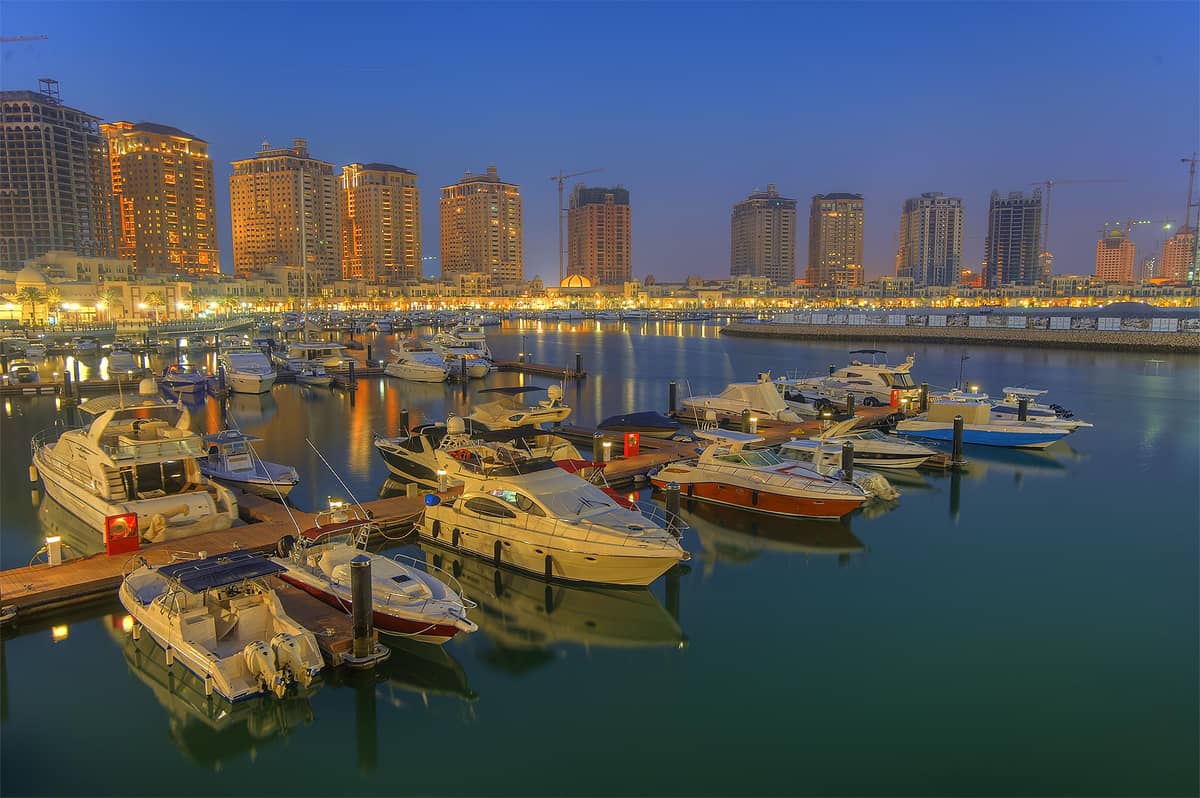
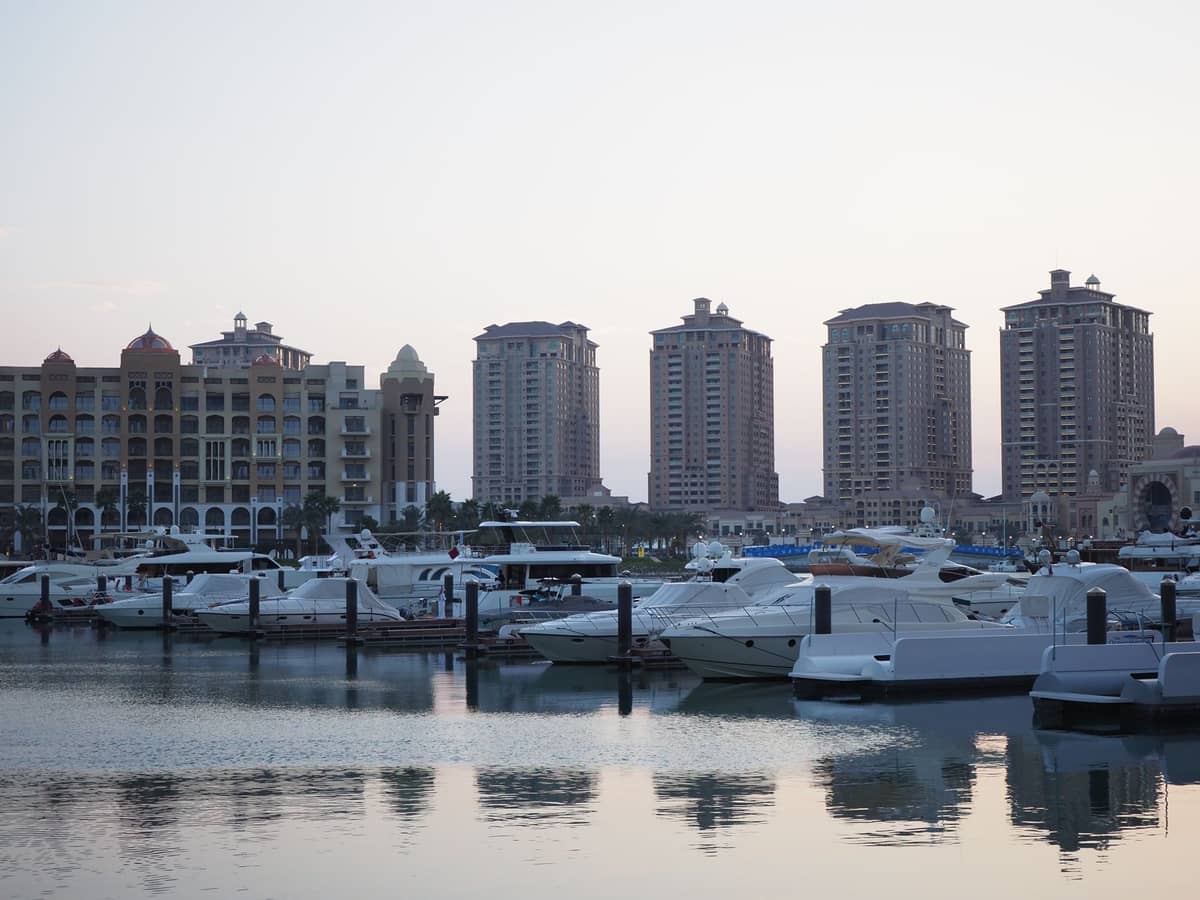
20. Capture the Marina Promenade and Boat Reflections at Porto Arabia
Porto Arabia's circular marina is lined with restaurants, moored yachts, and modern apartment towers. Blue hour photography here captures both warm restaurant lighting and cool sky reflections on the water simultaneously. It's a 10-minute drive from central Doha via the West Bay tunnel.
Explore20. Capture the Marina Promenade and Boat Reflections at Porto Arabia
Porto Arabia's circular marina is lined with restaurants, moored yachts, and modern apartment towers. Blue hour photography here captures both warm restaurant lighting and cool sky reflections on the water simultaneously. It's a 10-minute drive from central Doha via the West Bay tunnel.
Explore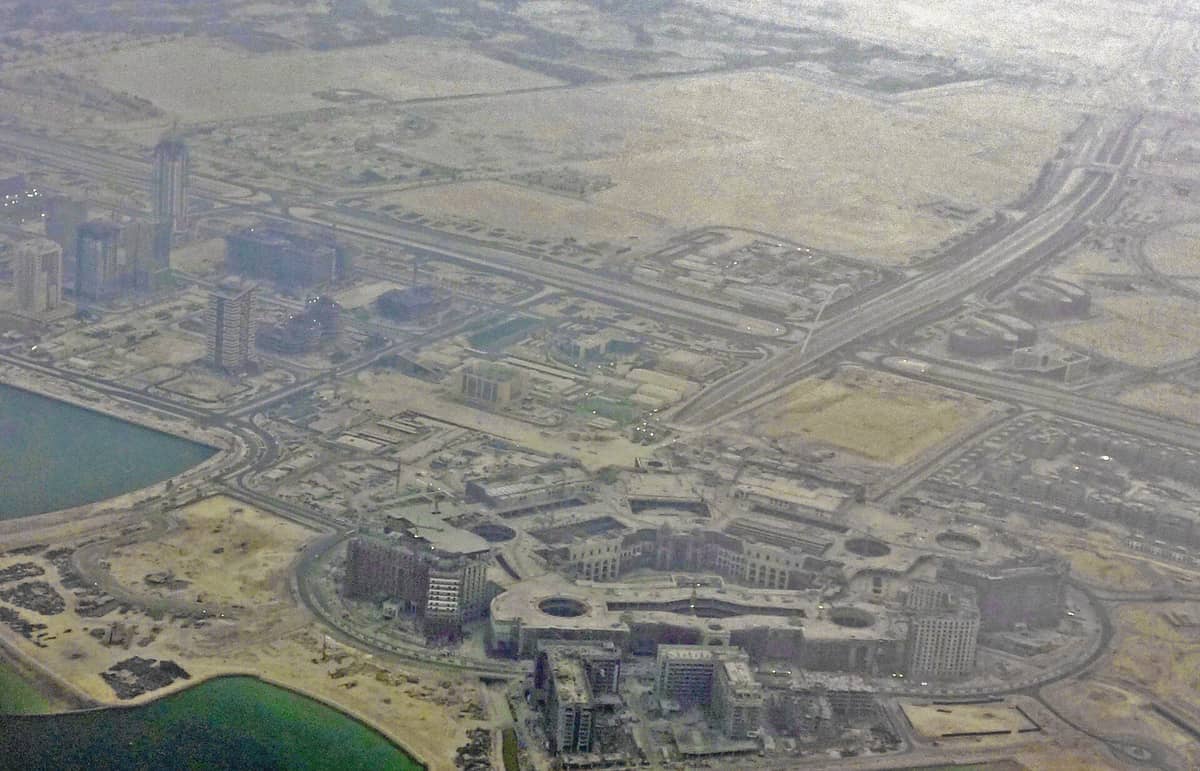
21. Photograph the Parisian-Inspired Interior of Place Vendôme Lusail
Place Vendôme in Lusail City features an indoor canal, painted barrel-vault ceilings, and grand arcaded corridors inspired by Parisian architecture. The interior scale is enormous and rewards wide-angle shooting. Less crowded on weekday mornings, making for cleaner architectural images.
Explore21. Photograph the Parisian-Inspired Interior of Place Vendôme Lusail
Place Vendôme in Lusail City features an indoor canal, painted barrel-vault ceilings, and grand arcaded corridors inspired by Parisian architecture. The interior scale is enormous and rewards wide-angle shooting. Less crowded on weekday mornings, making for cleaner architectural images.
ExploreDesert, Nature & Beyond the City
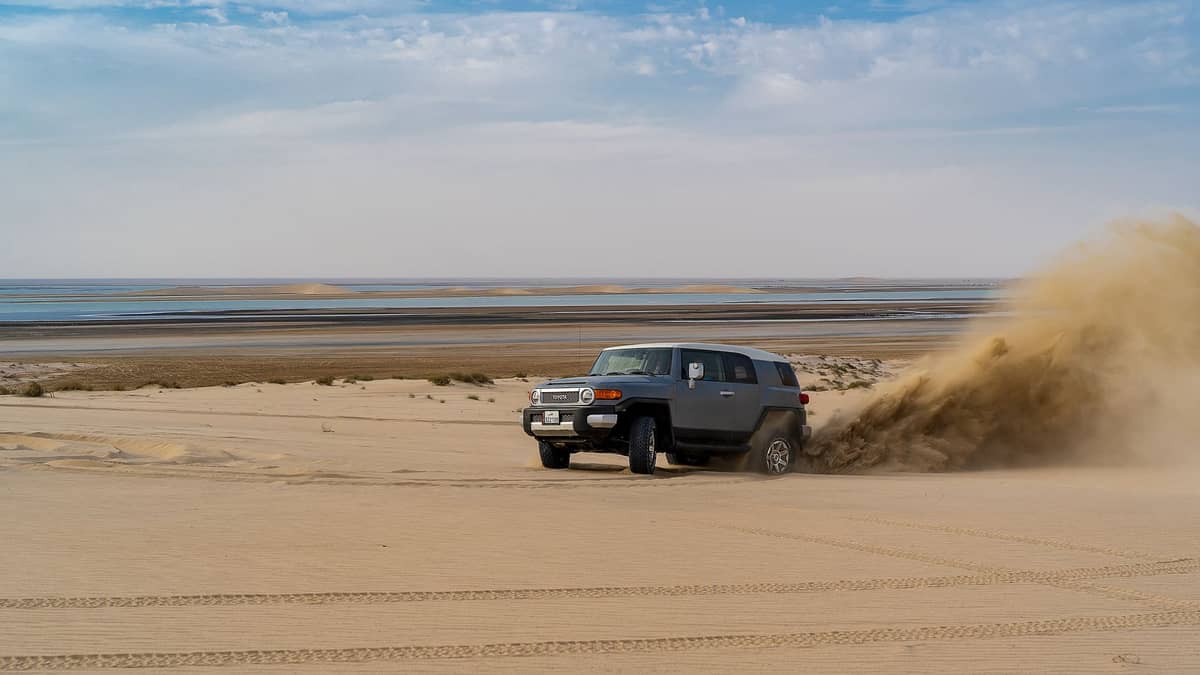
Doha's surroundings offer dramatic natural photography that contrasts completely with the urban core. The desert safari guide covers practical logistics for reaching the dunes, while the day trips from Doha guide covers Al Zubarah and Al Thakira. All require advance planning and, for the Inland Sea, a 4WD vehicle.
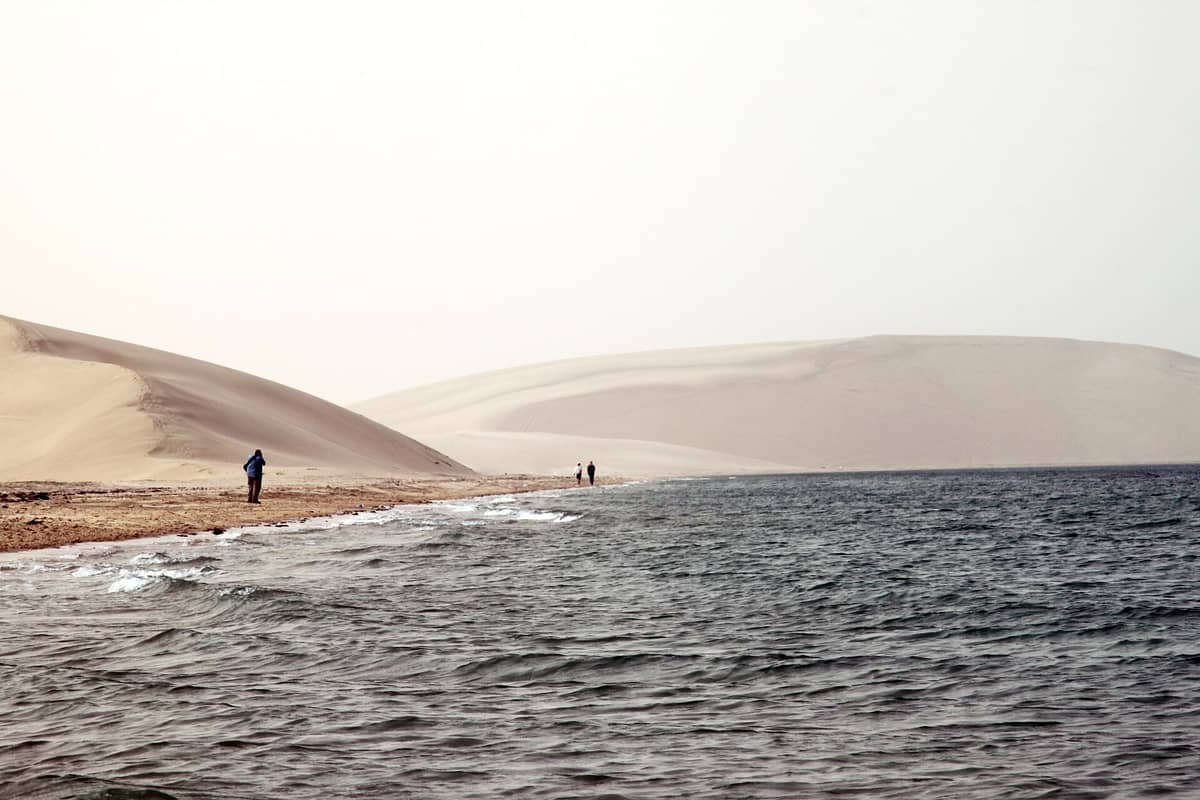
22. Photograph the Inland Sea Where Dunes Meet Turquoise Water
Khor Al Adaid is Qatar's most spectacular natural location: towering sand dunes descend directly into a tidal inlet of vivid turquoise water. Sunrise and sunset light here is exceptional. Access requires a 4WD and is typically done as part of an organised desert safari from Doha.
Explore22. Photograph the Inland Sea Where Dunes Meet Turquoise Water
Khor Al Adaid is Qatar's most spectacular natural location: towering sand dunes descend directly into a tidal inlet of vivid turquoise water. Sunrise and sunset light here is exceptional. Access requires a 4WD and is typically done as part of an organised desert safari from Doha.
Explore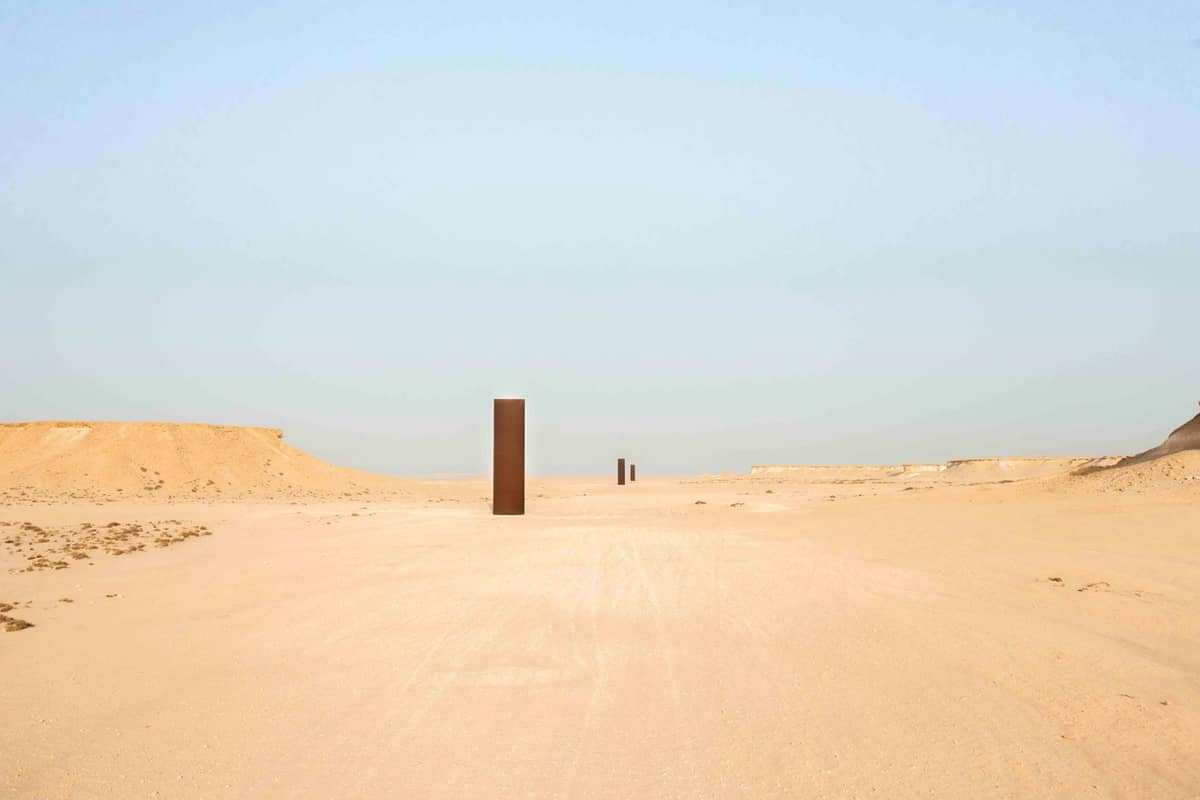
23. Find Richard Serra's Monumental Desert Sculpture
Four towering steel plates rise from the flat Qatari desert floor in this site-specific installation by American sculptor Richard Serra. The scale, isolation, and interaction between the industrial steel and desert landscape make for extraordinary images. Verify current public access before making the trip.
Explore23. Find Richard Serra's Monumental Desert Sculpture
Four towering steel plates rise from the flat Qatari desert floor in this site-specific installation by American sculptor Richard Serra. The scale, isolation, and interaction between the industrial steel and desert landscape make for extraordinary images. Verify current public access before making the trip.
Explore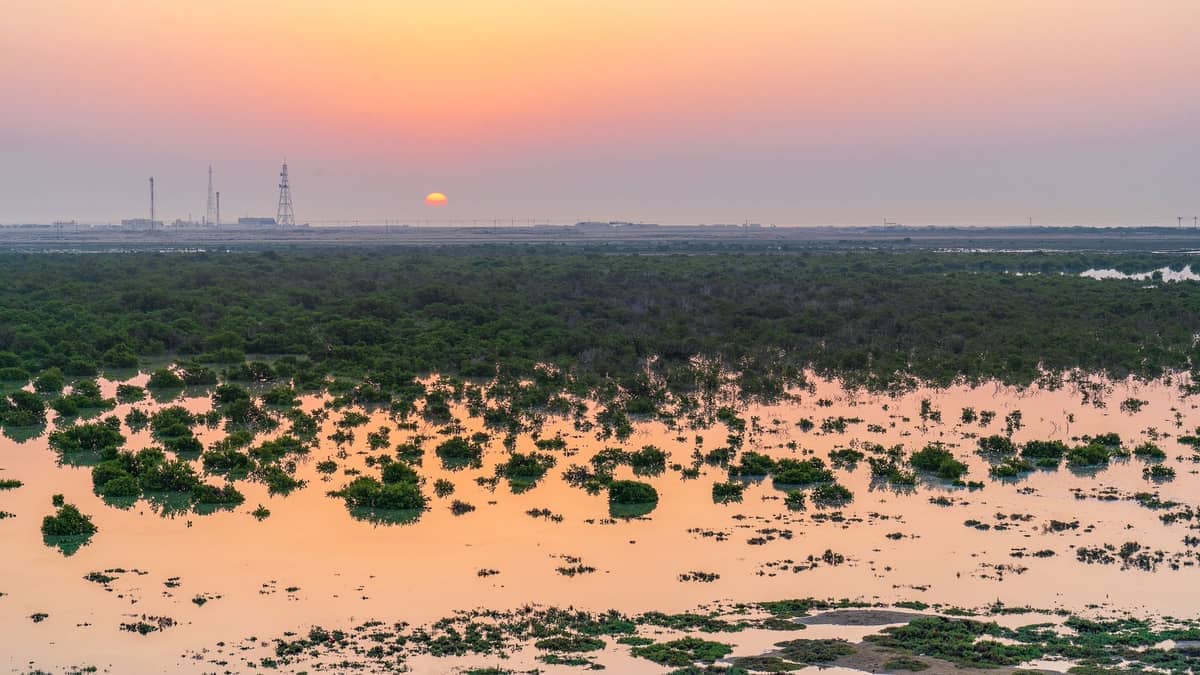
24. Kayak Through Mangrove Channels for Rare Nature Shots
Al Thakira's dense mangrove network near Al Khor creates enclosed green tunnels of light and reflection that are unlike anything else near Doha. Kayak tours operate early morning when light filters through the canopy. The channels also attract herons and other wading birds worth capturing.
Explore24. Kayak Through Mangrove Channels for Rare Nature Shots
Al Thakira's dense mangrove network near Al Khor creates enclosed green tunnels of light and reflection that are unlike anything else near Doha. Kayak tours operate early morning when light filters through the canopy. The channels also attract herons and other wading birds worth capturing.
Explore✨ Pro tip
For the best light across Doha's outdoor spots, aim for the hour after sunrise or the 90 minutes before sunset. From May to September, midday heat and haze significantly degrade image quality. MIA Park, the Corniche, and Qanat Quartier all work well for blue-hour and night photography year-round.
FAQ
Where is the best place to photograph the Doha skyline?
MIA Park and the Doha Corniche promenade are the two best locations. MIA Park is open 24 hours a day and places you close to the water with a clear sightline to the West Bay towers. The Corniche offers a longer sweep of the bay and is ideal for wide compositions at blue hour or dawn.
Can I use a tripod or drone for photography in Doha?
Tripods often require permission at museums and cultural sites in Doha, including the Museum of Islamic Art and Katara Cultural Village. Drone use is heavily restricted across Qatar and generally requires permits from the Civil Aviation Authority. Check with each site and the relevant authorities before visiting and never fly a drone without confirmed official approval.
What is the best time of year to visit Doha for photography?
November through March offers the most comfortable conditions for outdoor photography, with daytime temperatures in the low-to-mid 20s°C and clear light. The summer months (May to September) are intensely hot and humid, making early morning or sunset shoots the only practical option for outdoor work.
Is photography allowed inside Souq Waqif and Katara?
General photography of the architecture and streetscapes at both Souq Waqif and Katara Cultural Village is widely practised and accepted. Always ask permission before photographing individuals. Inside specific venues, galleries, or performance spaces, restrictions may apply. Avoid photographing in ways that could be seen as intrusive toward people or prayer spaces.
How do I get to Qanat Quartier and The Pearl for photography?
The Pearl is connected to central Doha by the Doha Metro Red Line, with Legtaifiya station the closest stop to The Pearl and its gateway. From there, Qanat Quartier is a short taxi ride or roughly a 15-minute walk. Alternatively, taxis and ride-hailing apps from central Doha take around 15–20 minutes depending on traffic.