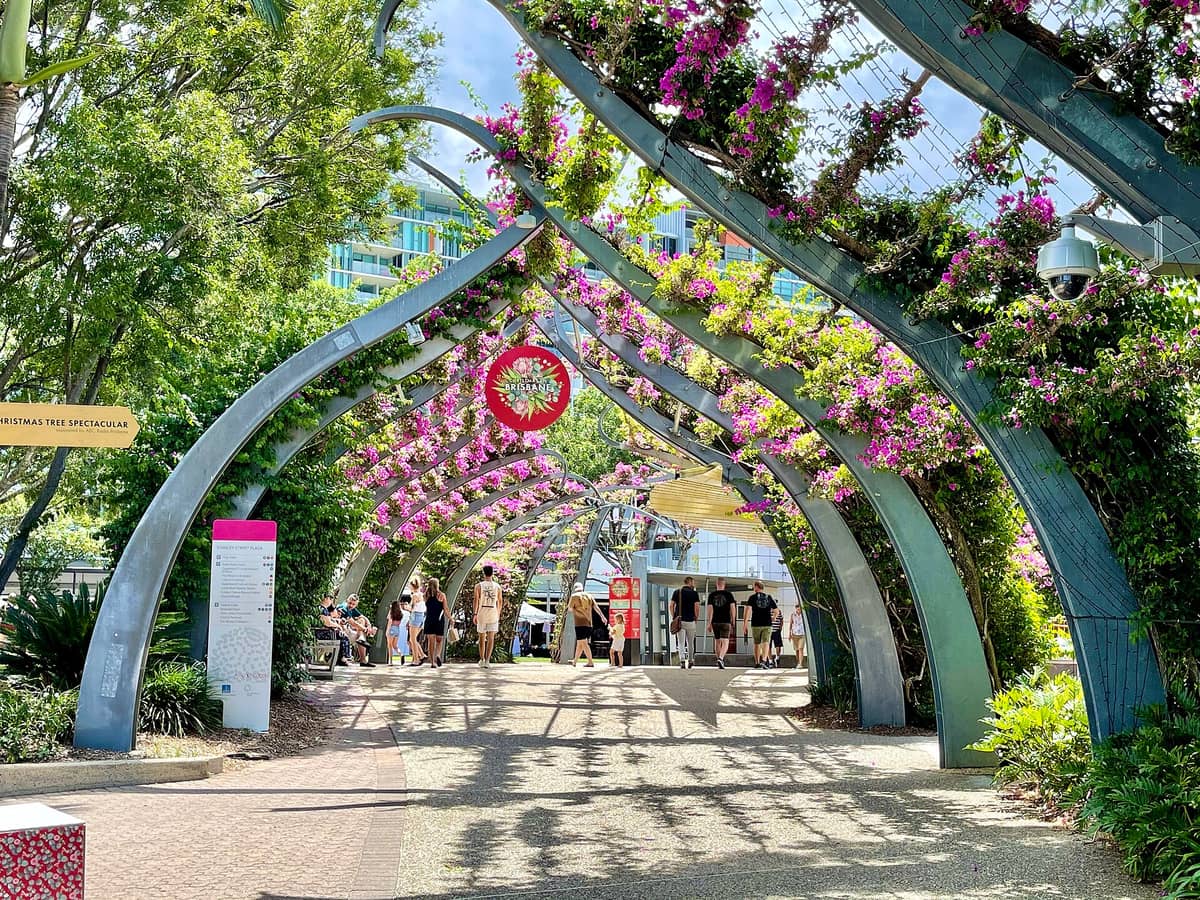
South Bank is Brisbane's most polished riverside precinct, combining a free inner-city beach, major cultural institutions, and a continuous promenade along the southern bank of the Brisbane River. It sits directly across from the CBD and draws locals and visitors alike from early morning to late evening.
South Bank is the riverfront precinct that Brisbane built its modern identity around: a continuous stretch of parkland, public art, cultural institutions, and outdoor dining that runs along the southern bank of the Brisbane River. Unlike many city waterfronts that feel designed primarily for photos, South Bank is genuinely used by locals every single day, from sunrise joggers on the promenade to families crowding the free swimming beach on a Sunday afternoon.
Orientation
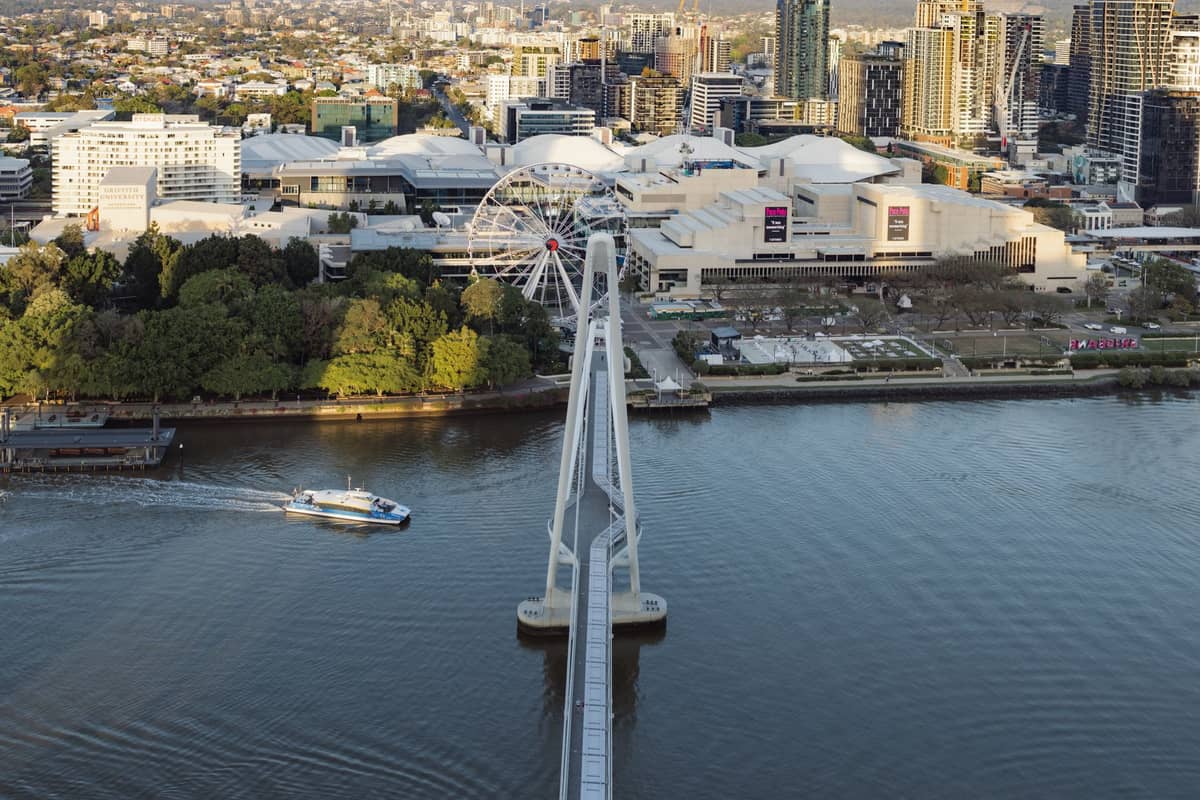
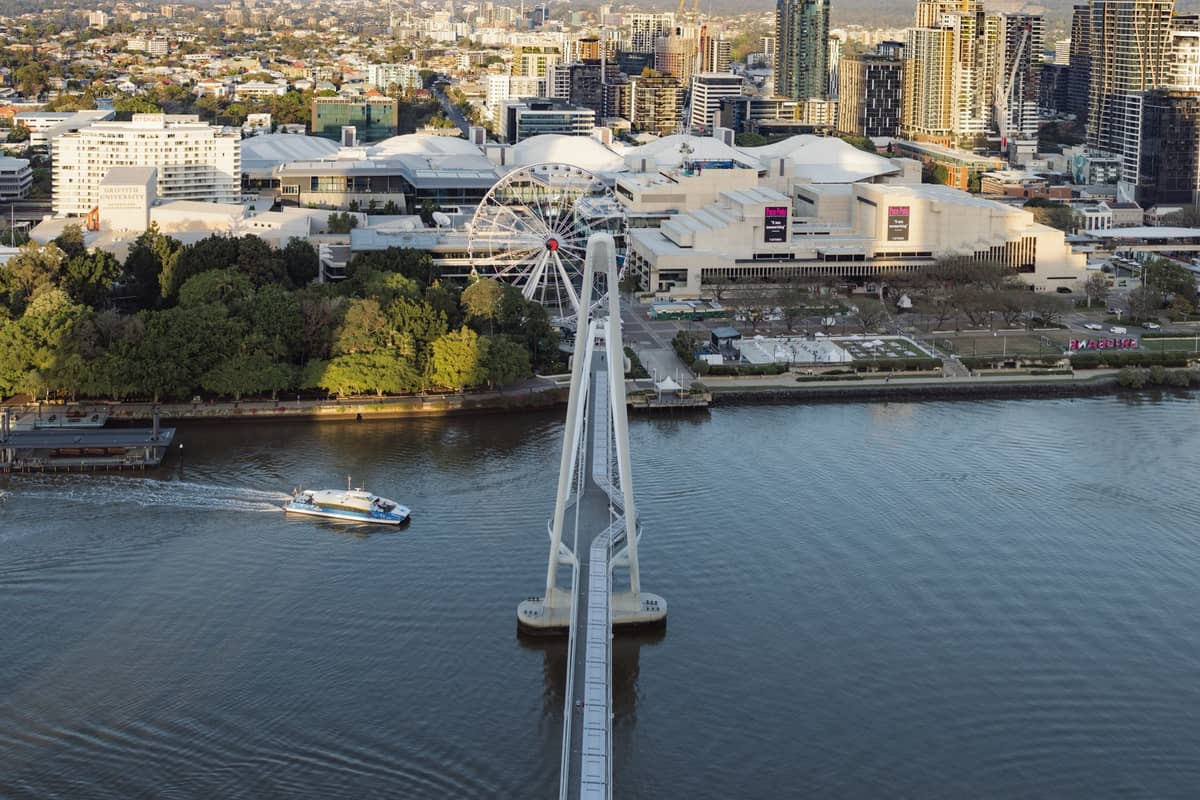
South Bank sits directly south of the Brisbane River, facing the CBD across a narrow stretch of water. The precinct runs roughly from the Kurilpa Bridge at its western end to the Goodwill Bridge near the eastern edge, with the Brisbane Convention and Exhibition Centre anchoring the western boundary and Grey Street forming the inland spine. This is not a traditional suburb with residential streets; it is a purpose-built public precinct that has been progressively expanded and refined since it was first developed for the 1988 World Expo.
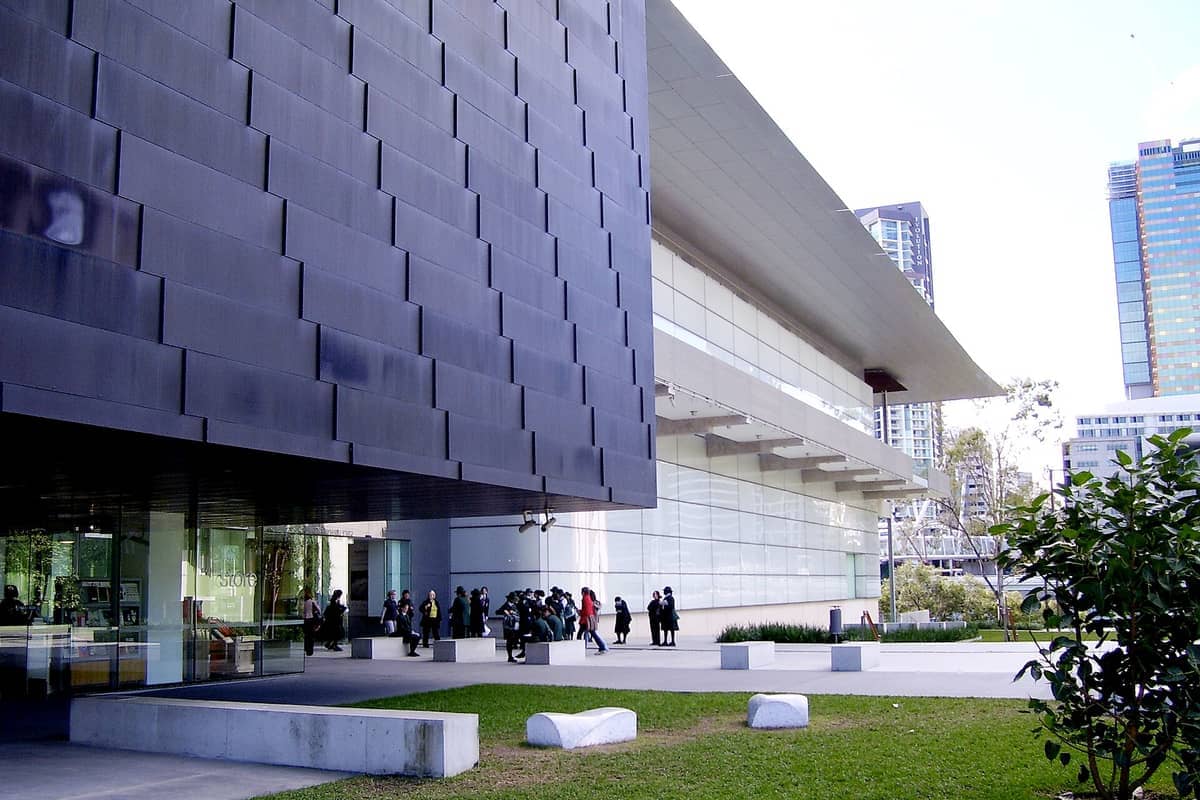
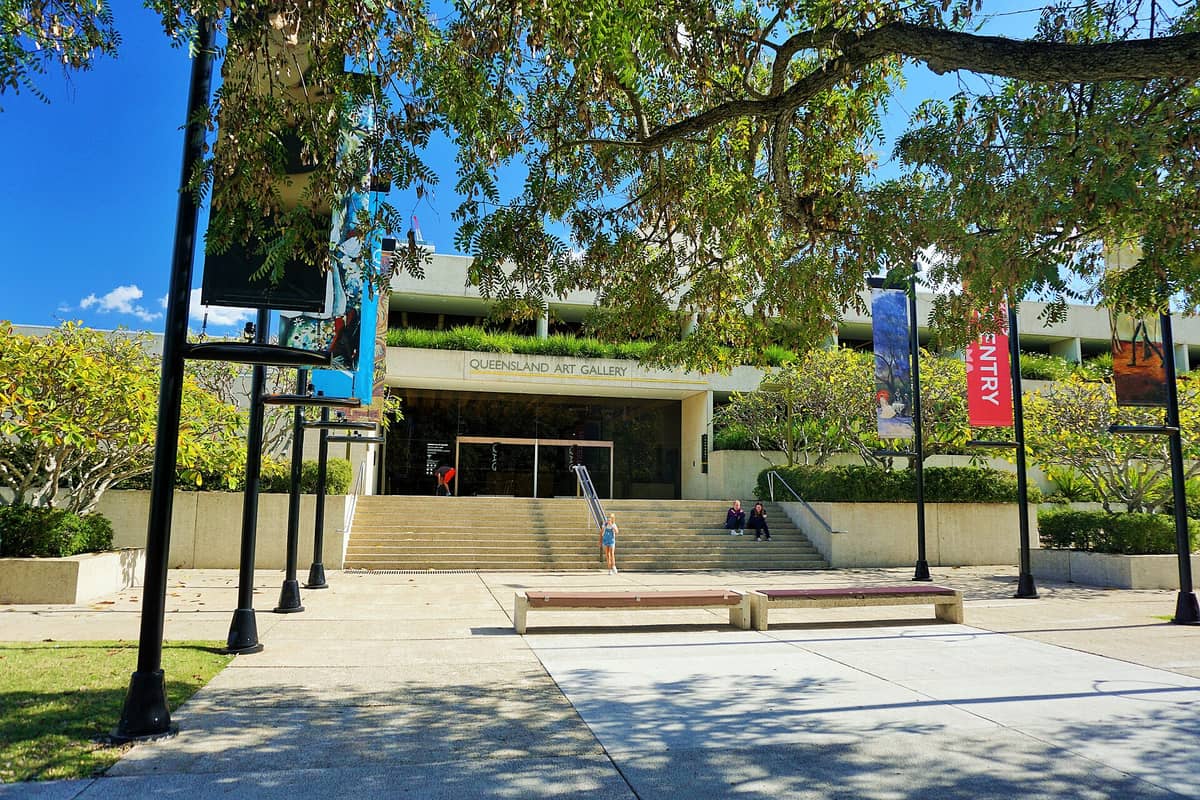
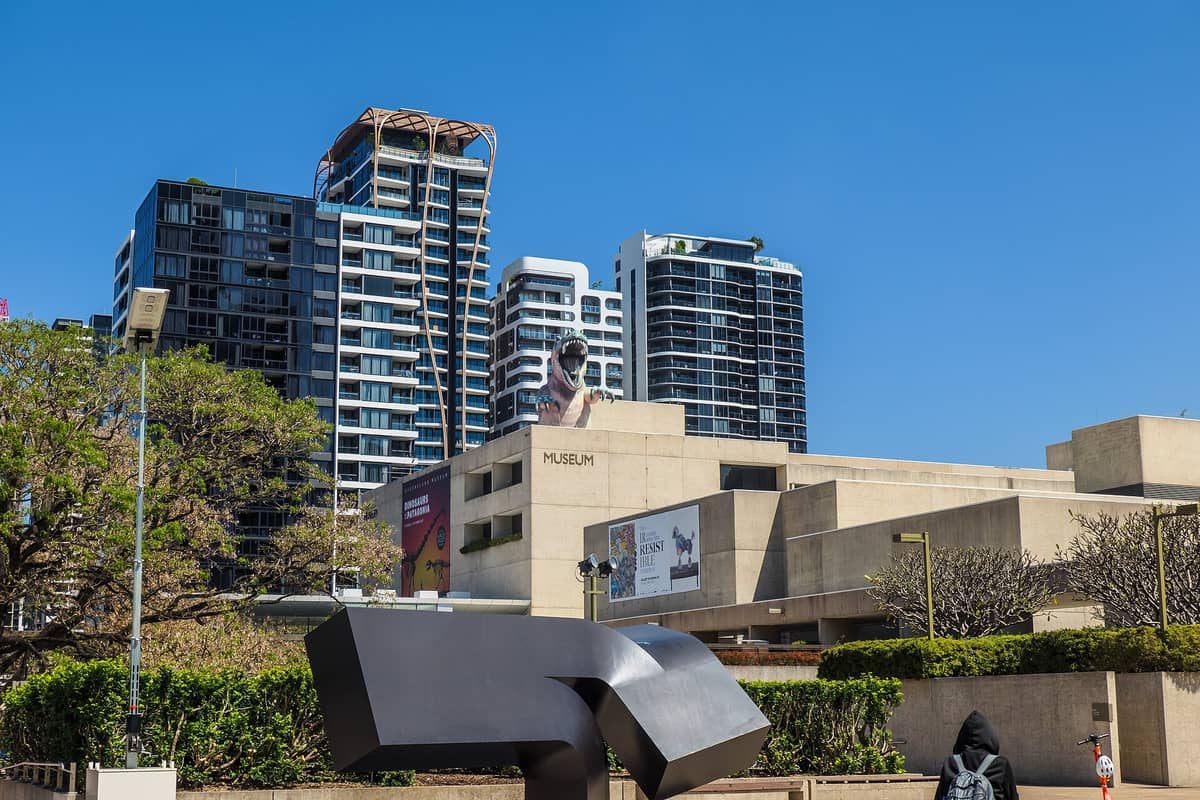
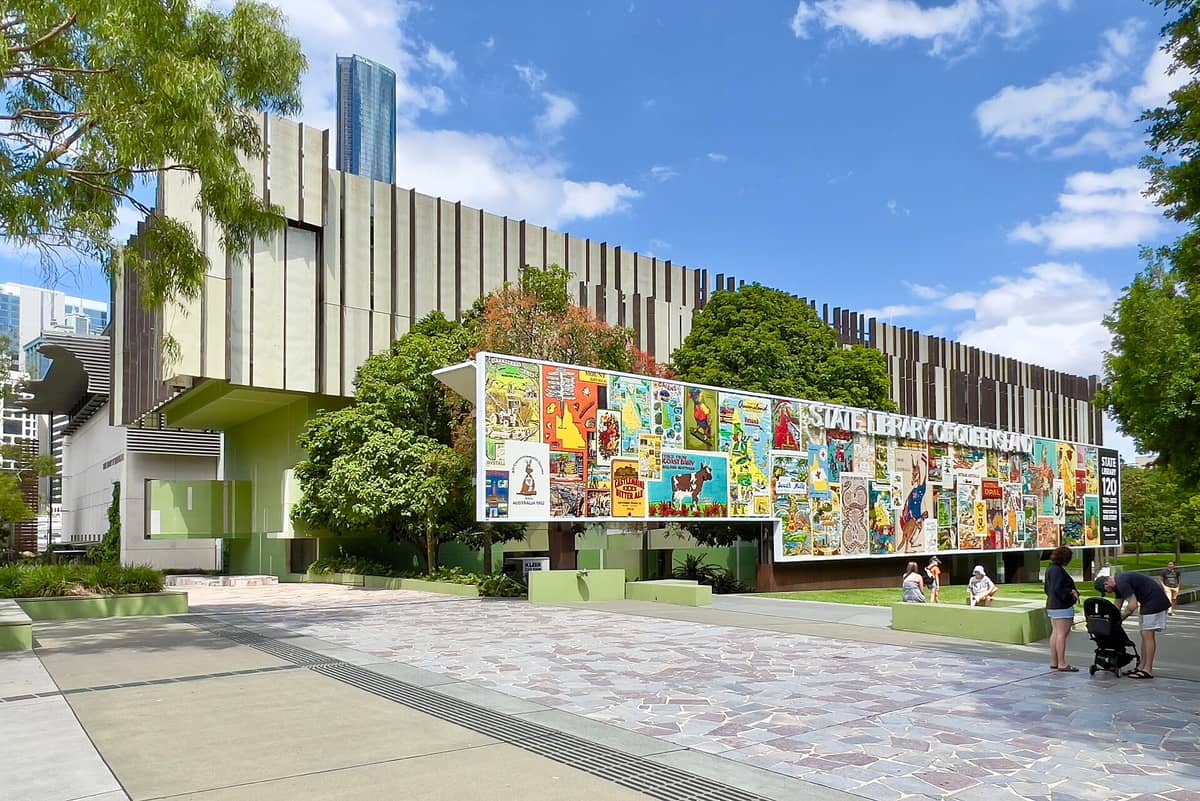
The Cultural Precinct clusters tightly along Melbourne Street and Stanley Place, where the Queensland Art Gallery, the Gallery of Modern Art, the State Library of Queensland, and the Queensland Museum all share a single city block. Queensland Performing Arts Centre sits nearby on Grey Street. This density of major institutions within walking distance of each other is unusual for a city of Brisbane's size and makes South Bank genuinely easy to navigate on foot.
To the north, the Story Bridge and Howard Smith Wharves occupy the Kangaroo Point bend further upstream, while West End begins just south of the rail lines. South Bank is bounded loosely by the river to the north, the South East Freeway corridor to the south, and residential Highgate Hill further west. For travelers building a mental map: you can walk from South Bank's ferry terminal to Queen Street Mall in the CBD in under 15 minutes via the Victoria Bridge.
Character & Atmosphere
South Bank operates on a clear daily rhythm. Early mornings belong to joggers and cyclists moving along the Clem Jones Promenade, which stretches the full length of the parklands with the CBD skyline reflected in the river to the north. The light here at 7am in winter, low and golden, is some of the best in the city: the Story Bridge catches it from the east and the office towers of the CBD cast long shadows that don't quite reach the water.
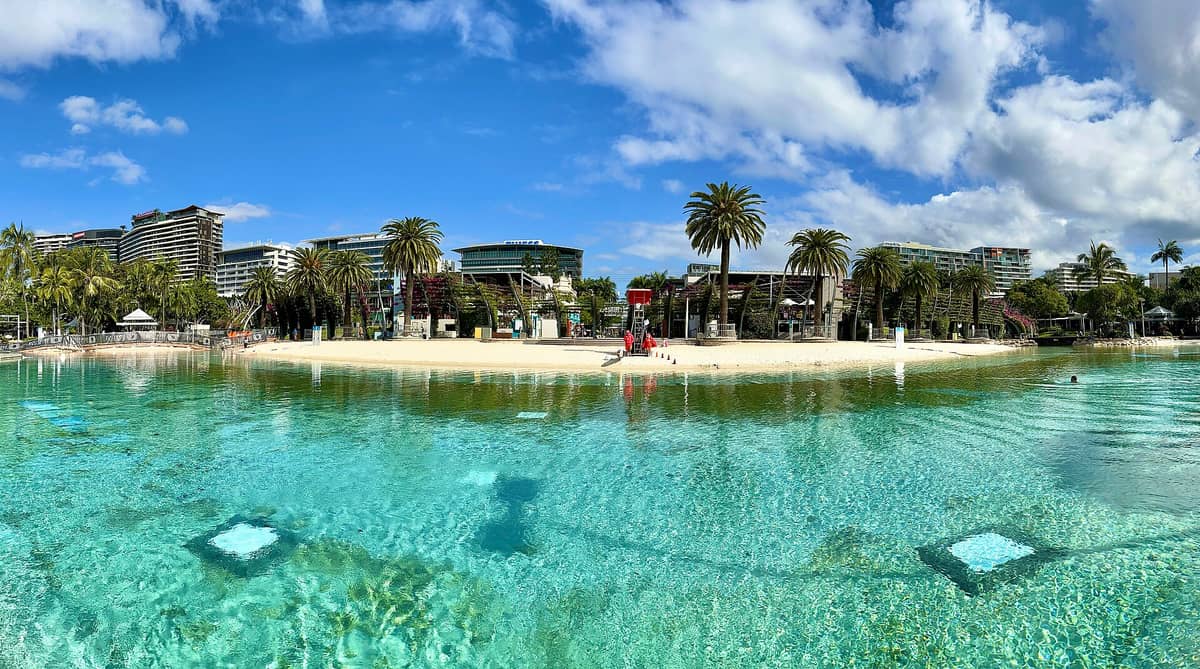
By mid-morning the parklands begin to fill with families, school groups heading to the Queensland Museum, and office workers cutting through from the train stations. Streets Beach, the free man-made lagoon at the heart of the parklands, has seasonal opening hours — check current times before visiting — and draws swimmers year-round; on a summer weekend it can feel genuinely crowded by 10am, with queues for the shaded deck chairs. The water is clean, lifeguarded, and patrolled, and the sandy beach is raked daily.
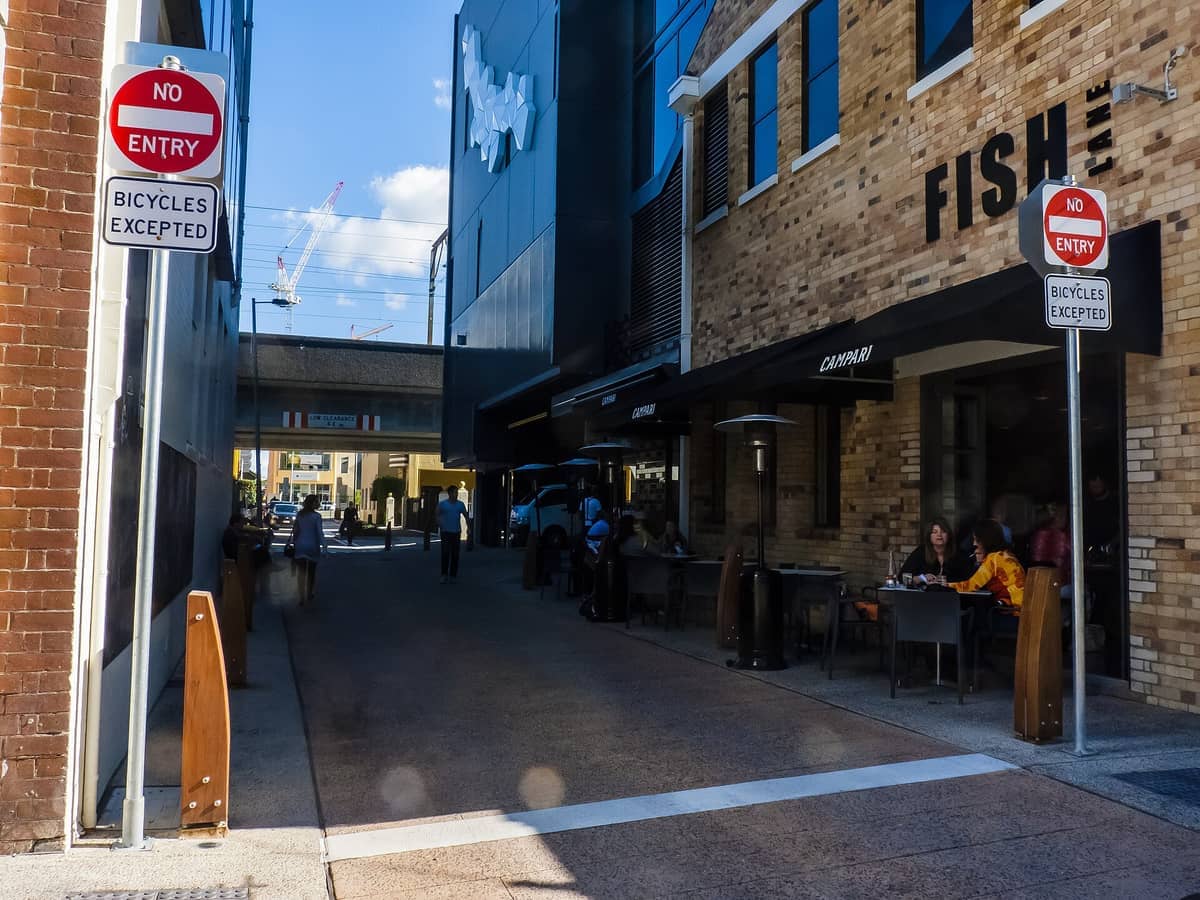
Afternoons shift the energy toward the outdoor dining strips, particularly along South Bank's Stanley Street Plaza and the restaurants lining Little Stanley Street just east of Grey Street. This stretch is unambiguously tourist-facing: restaurants with outdoor umbrellas, gelato stalls, and cocktail bars with river views. The food quality varies widely and prices lean toward the higher end, but the atmosphere on a warm afternoon with the river visible between the trees is genuinely pleasant rather than merely commercial.
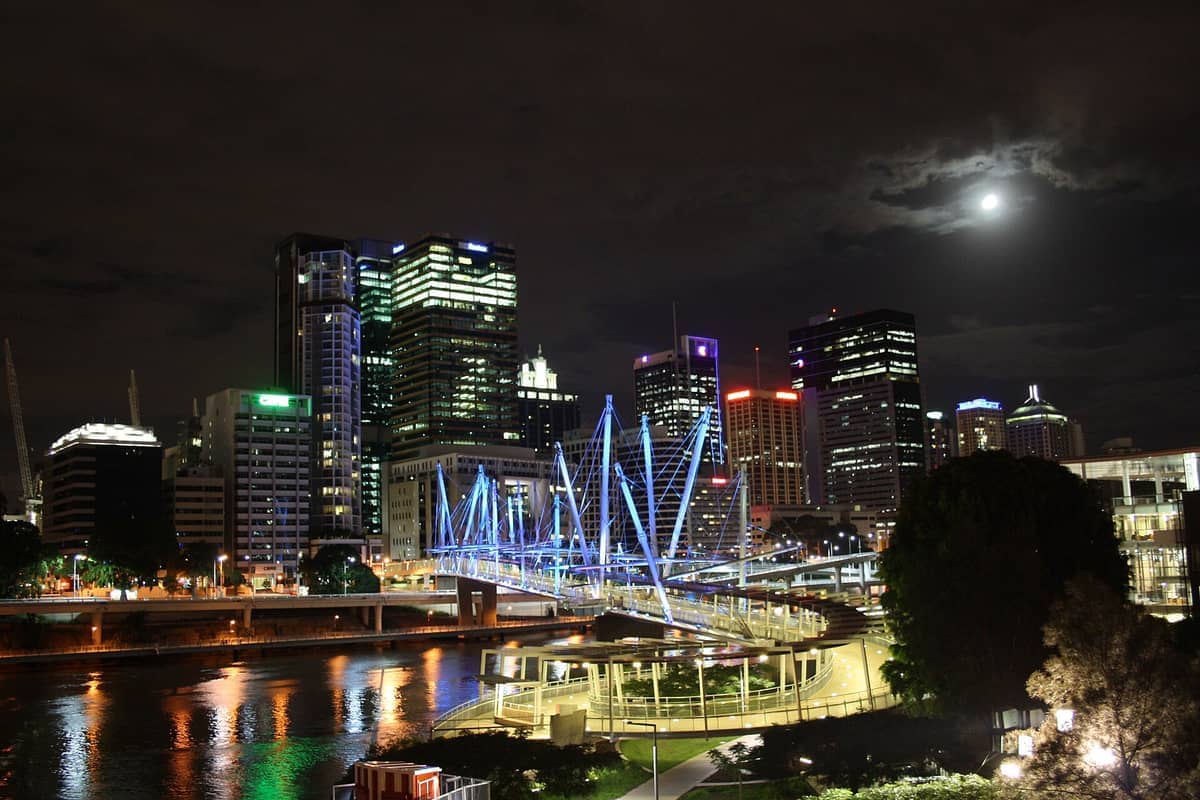
After dark, South Bank takes on a quieter, more contemplative character outside of event nights. The parklands stay open and are well-lit, the promenade remains popular with evening walkers, and the Cultural Precinct hosts ticketed performances at QPAC. On weekends with events at the nearby Brisbane Convention Centre, the precinct can fill quickly and the restaurant strips get loud. On quieter weekday evenings, it is one of the most pleasant places in Brisbane to walk along the river.
⚠️ What to skip
South Bank's shared paths can feel chaotic during peak periods. E-scooters, cyclists, pedestrians, and the occasional Segway tour all share the same promenade. Keep to the left when walking and watch for fast-moving cyclists, especially on the stretch nearest the Cultural Centre.
What to See & Do
South Bank's cultural institutions are the main reason to come, and they are genuinely world-class. The Queensland Art Gallery and its companion building, the Gallery of Modern Art, together form one of Australia's most significant art museum complexes. GOMA in particular draws major international touring exhibitions and has a strong permanent collection focused on Asia-Pacific contemporary art. Entry to the permanent collections at both galleries is free.
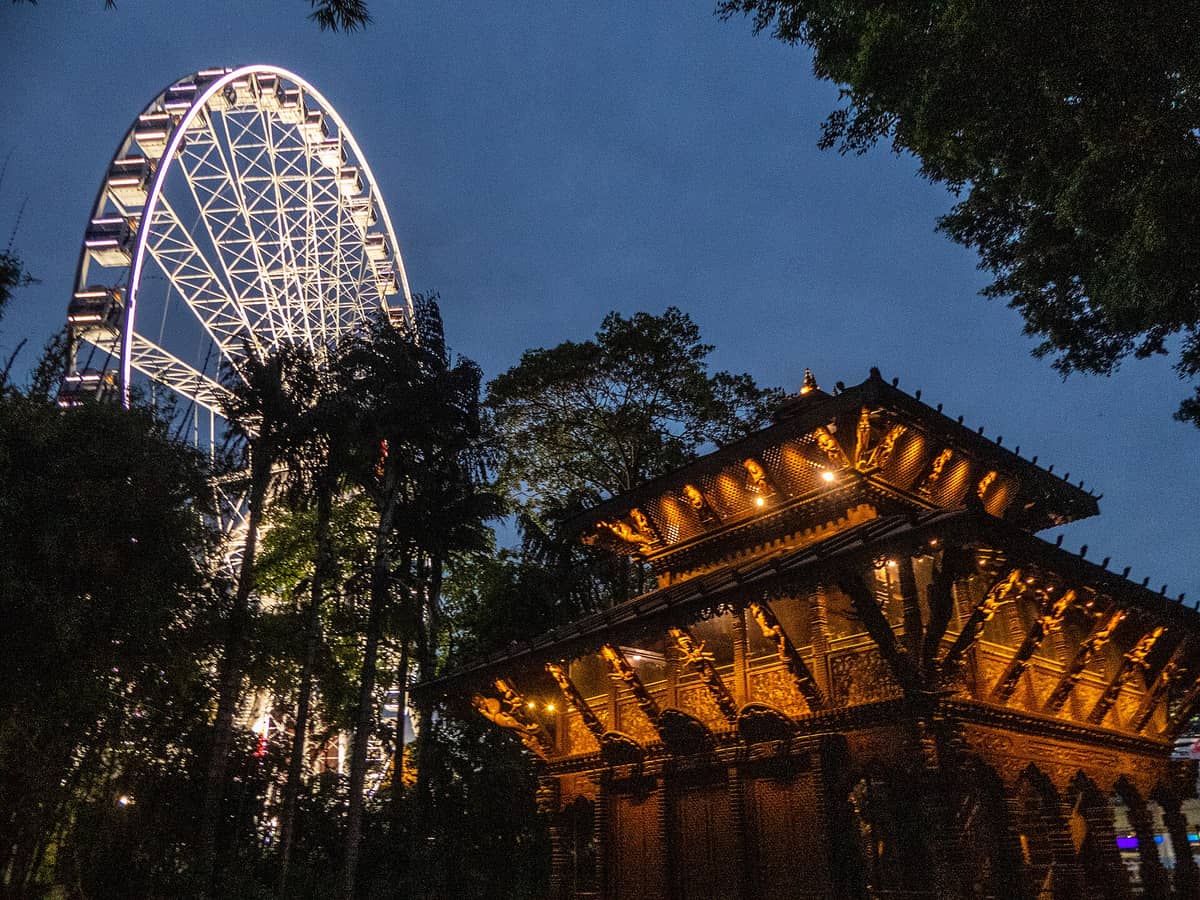
The South Bank Parklands themselves are worth more than a quick walk-through. The parklands cover around 17 hectares and include rainforest boardwalks, event lawns, public barbecue areas, and Streets Beach. The Nepalese Peace Pagoda, a gift from the Brisbane Nepalese community, sits amid the parkland gardens and offers an unexpectedly serene pause from the surrounding activity.
Streets Beach: free, lifeguarded during operating hours; opening hours vary by season. Arrive early on summer weekends for a spot near the water.
Gallery of Modern Art (GOMA): free permanent collection, paid touring exhibitions. Allow at least two hours.
Queensland Museum: natural history and science focus, with a good children's section. Free general entry.
State Library of Queensland: public library with reading rooms, free exhibitions, and views toward the river. Underrated as a quiet stop.
Clem Jones Promenade: the main riverside walkway, 1.8km from the Kurilpa Bridge to the Goodwill Bridge. Best at golden hour.
Wheel of Brisbane: observation wheel near the Stanley Street Plaza end of the parklands. Views are good, not exceptional.
Walking south across the Goodwill Bridge connects South Bank to the riverside paths of Gardens Point and the City Botanic Gardens in under ten minutes. In the opposite direction, the Kurilpa Bridge pedestrian crossing leads directly into the CBD near Roma Street, making it easy to move between precincts without needing public transport.
💡 Local tip
The State Library of Queensland's rooftop reading room is one of the most comfortable free spots in Brisbane to sit with a book and watch river traffic. It is quieter than the galleries and rarely crowded on weekday afternoons.
Eating & Drinking
South Bank's food scene splits sharply between the tourist-facing restaurant strips and a handful of genuinely good dining options that happen to be located nearby. Little Stanley Street and Stanley Street Plaza are the main dining corridors, with a mix of cuisines ranging from Italian and Japanese to modern Australian. Many of these restaurants are competent rather than exceptional, and most charge a premium for the riverside-adjacent location. Budget around AUD 35-60 per person for a sit-down dinner before drinks.
For breakfast and coffee, the precinct's cafes tend to be busy on weekends and quieter during the week. The cafe attached to the Gallery of Modern Art is worth knowing about: it is properly good, with a menu that changes with seasonal produce and one of the better coffee programs in the area. The State Library also has a cafe on the ground floor that is far less crowded than the options along the restaurant strip.
Drinking options lean toward rooftop bars and craft beer venues in the precinct and its immediate surrounds. The bar scene here is not as inventive or affordable as what you'll find in Fortitude Valley or West End, but several venues have outdoor terraces with river views that justify the higher prices on a warm evening. Cocktail bars and wine bars cluster near Grey Street and the northern end of the parklands closest to the Victoria Bridge.
For a broader picture of where to eat across Brisbane, the what to eat in Brisbane guide covers the city's food scene by neighborhood and cuisine type, including better-value options in nearby West End and the Fortitude Valley dining strip.
ℹ️ Good to know
A 10-15% weekend surcharge applies at most South Bank restaurants, as it does across Queensland. This is standard practice and should be listed on menus, but it can catch visitors off guard. Tipping is not expected but is discretionary.
Getting There & Around
South Bank is among the most accessible precincts in Brisbane. Two train stations serve the area: South Bank station on Glenelg Street and South Brisbane station closer to the Cultural Precinct end. Both are served by Brisbane’s rail network and are around 5 minutes by train from the CBD's Central or Roma Street stations. Journey Planner and Go Card are the standard tools for navigating the Translink network; verify current fares and timetables with Translink directly before travel.
Bus and Brisbane Metro services stop at Cultural Centre station on Melbourne Street, which is the most useful stop for the galleries and museum. This is a high-frequency busway station with services from across the city's south and southeast. From the CBD, bus routes serve Cultural Centre station, directly beside the Cultural Precinct.
The South Bank River Terminal on Clem Jones Promenade is a CityCat and ferry stop, making it possible to arrive by water from New Farm, Newstead, or West End. The Brisbane Riverwalk connects the northern bank from New Farm Park into the CBD, and combined with the Goodwill Bridge crossing, it is possible to walk a full river loop that takes in both sides of the water.
Walking is the most practical way to move within South Bank itself. The precinct is compact and flat, and the promenade is wide enough to navigate comfortably even when busy. The getting around Brisbane guide has detailed information on Go Card, CityCat routes, and the best ways to move between precincts.
Where to Stay
South Bank has a solid selection of hotels, ranging from large convention-adjacent properties near the exhibition centre to smaller boutique options along Grey Street. Staying here puts you within walking distance of the Cultural Precinct and the river path, but further from the CBD's shopping and the nightlife of Fortitude Valley, both of which require a 15-25 minute walk or a short train ride.
The area suits travelers who prioritize cultural visits, families who want easy access to the parklands and museums, and couples who want riverside evening walks without needing a car. It is less suited to travelers who want to be in the middle of Brisbane's bar and restaurant scene, where Fortitude Valley or the CBD itself offer better proximity. Noise from events at the Parklands or the Convention Centre can carry to nearby hotels on weekend nights.
For a full overview of accommodation options across Brisbane by neighborhood and budget, the where to stay in Brisbane guide breaks down the tradeoffs between South Bank, the CBD, New Farm, and other inner-city areas.
Practical Tips and Honest Drawbacks
South Bank is one of Brisbane's most-visited precincts for good reason: it is clean, well-maintained, free to enter, and genuinely enjoyable for a broad range of travelers. But it is also one of the city's most overtly visitor-facing areas, and that comes with tradeoffs. The restaurant strip can feel more like an airport terminal than a neighborhood dining scene. Streets Beach gets very crowded on summer weekends. The parklands during major events can be genuinely difficult to navigate.
Safety in South Bank is generally good throughout the day and evening. The precinct is well-lit, heavily foot-trafficked, and has a visible security presence during peak hours. As with any busy urban public space, exercise standard caution with valuables, particularly in crowded areas near the beach and along the promenade. Dogs are permitted in the parklands but must be leashed and kept away from the beach, pool areas, and dining zones.
South Bank is also one of Brisbane's main event venues, hosting major festivals, outdoor cinema series, markets, and cultural events throughout the year. The Brisbane festivals and events guide lists what is coming up across the calendar, including events based at South Bank. Checking the schedule before visiting can help you plan around or deliberately into a major event.
TL;DR
South Bank is Brisbane's most complete single-destination precinct: free beaches, world-class galleries, riverside walks, and dining all within 1.8km of river frontage.
Best for: families, culture-focused visitors, first-time visitors to Brisbane wanting an overview of the city's public life.
The restaurant strip along Little Stanley Street and Stanley Street Plaza is tourist-facing and priced accordingly; better value eating is in nearby West End or the CBD.
Extremely well-connected: two train stations, a busway stop, and a CityCat terminal all serve the precinct within a short walk.
Drawbacks: can feel overwhelmed by visitors on summer weekends, event nights raise noise levels, and the dining scene lacks the depth of other inner-city neighborhoods.
Three days is enough time to get a genuine feel for Brisbane, from its riverside precincts and cultural institutions to its inner-city neighbourhoods and wildlife encounters. This itinerary is structured for first-time visitors but specific enough to be useful for repeat travellers who want to go deeper.
Brisbane is not a beach city in the way Sydney or the Gold Coast are, but the ocean is closer than most visitors expect. This guide covers the best beaches near Brisbane, from the patrolled surf beaches of North Stradbroke Island to the pristine sands of Moreton Island, plus practical advice on getting there, staying safe, and timing your visit.
Brisbane delivers more than its size suggests for museums, with major institutions offering free general admission alongside world-class rotating exhibitions. This guide covers the city's best museums across art, natural history, maritime heritage, civic history, and science.
Brisbane's subtropical climate means it's worth visiting year-round, but the best time to go depends on your priorities. This guide breaks down every season by weather, crowds, costs, and events so you can plan smarter.
Brisbane rewards those who look up, out, and across. From the sweeping 180-degree panorama at Mount Coot-tha to the cliff-edge views at Kangaroo Point, this guide covers the city's finest vantage points for sunrise, sunset, and everything in between.
Brisbane is the city that inspired Bluey, and you can experience it two ways: the official Bluey's World immersive attraction at Hamilton, and the real parks, beaches and streets that appear throughout the show. This guide covers both, with practical booking advice, neighbourhood-by-neighbourhood locations, and practical tips for making the most of a Bluey-themed Brisbane day.
Everything you need to navigate Brisbane Airport (BNE) from landing to your hotel. This guide covers terminal layouts, all transport options to the CBD, inter-terminal transfers, parking, and practical tips that save time and money.
Brisbane runs a packed events calendar year-round, from the flagship Brisbane Festival in September to free outdoor markets, sports finals, and cultural celebrations. This guide breaks down the key events by season, what they actually involve, and how to plan around them.
Brisbane rewards couples with a surprisingly rich mix of romantic settings: dramatic river views, heritage precincts, lush gardens, and waterfront bars. Whether you're planning a weekend away or looking for a special evening out, this guide covers the best the city has to offer.
Brisbane's history stretches from Indigenous Country to colonial settlement, two World Wars, and a postwar boom that shaped the city you see today. This guide covers the heritage buildings, war memorials, colonial-era homes, and cultural institutions that tell that story best.
Brisbane delivers more than its size suggests for outdoor walking. Whether you want a quick riverside stroll through the CBD, a serious bushland hike, or a dramatic coastal walk on a nearby island, the city and its surrounds deliver. This guide covers the best hikes and walks near Brisbane, organised by type and difficulty.
Brisbane's live music scene delivers more than its size suggests, from intimate indie rooms in Fortitude Valley to outdoor amphitheatres on the river. This guide covers the best venues by genre and neighbourhood, how to get tickets, what to budget, and how to get home safely after the show.
Brisbane's market scene is more varied than most visitors expect, with options spread across the week, not just weekends. This guide covers the best markets in Brisbane, including what to buy, when to go, and what to skip.
Brisbane's nightlife has matured considerably over the past decade. From the bar-packed streets of Fortitude Valley to riverside cocktail spots and indie live music rooms, this guide covers the best precincts, practical logistics, and practical advice for a great night out in Brisbane.
Brisbane is one of Australia's more affordable capital cities, and with a few smart moves, you can stretch your dollar significantly. This guide covers free attractions, cheap transport, budget-friendly food, and practical advice on where not to waste your money.
The Brisbane River is the city's spine, and knowing how to use it makes a trip here dramatically better. This guide covers the best walks, viewpoints, precincts, and experiences along the river, from the CBD to New Farm and beyond.
Brisbane's shopping scene spans a central mall, design-focused precincts, riverside markets, and neighbourhood strips worth exploring on foot. This guide breaks down where to go, what to expect, and how to avoid wasting time on the wrong options.
Brisbane delivers more than its size suggests as a sports city. From NRL and A-League to cricket and basketball, this guide covers every major team, venue, and match-day logistics you need to plan a great live sports experience in Brisbane.
The Gold Coast is 80 kilometres south of Brisbane and one of the most popular day trips in Queensland. This guide covers every realistic way to get there, what to do once you arrive, how much to budget, and the practical trade-offs between driving, taking the train, and joining a tour.
Brisbane rewards walkers with a compact city centre, riverside paths, and 24 official heritage trails maintained by Brisbane City Council. This guide covers the best self-guided walking routes, how long each takes, what you'll actually see, and when to go.
Brisbane sits at the edge of some of Australia's most accessible wildlife habitat, and you don't need to travel far to encounter koalas, kangaroos, dolphins, and migratory shorebirds. This guide covers the best sanctuaries, nature reserves, wetlands, and island escapes for seeing native animals in and around the city.
Brisbane is one of Australia's most family-friendly cities, with free beaches, world-class wildlife sanctuaries, hands-on museums, and outdoor adventures within easy reach of the CBD. This guide covers the best activities for families visiting Brisbane, from toddler-friendly parks to day trips that will captivate older kids.
Brisbane sits at the centre of one of Australia's most diverse regions for day tripping. Within two hours you can be snorkelling around shipwrecks, watching humpback whales from a headland, or wandering a rainforest. This guide breaks down the top day trips from Brisbane with realistic transport options, costs, and the practical trade-offs most guides skip.
Brisbane rewards budget-conscious travellers more than most Australian cities. From a free inner-city beach and world-class art galleries to riverside walks, koala encounters, and sweeping city lookouts, there's an enormous amount to do here without opening your wallet.
Brisbane has one of Australia's most practical urban transport networks, covering trains, buses, ferries, and the CityCat river service. This guide breaks down fares, payment methods, routes, and practical advice on when to ditch public transit and grab a rideshare instead.
Brisbane divides opinion. Some travelers find it a sunny, walkable city with genuine character and easy access to outstanding day trips. Others pass through and wonder what the fuss is about. This guide cuts through both the hype and the skepticism to give you a clear picture of what Brisbane actually offers, who it suits, and when to go.
Moreton Island sits just 40 kilometres off the Brisbane coast, but it feels worlds away. This guide covers how to get there, what to do with your time, realistic costs, and the practical details that most guides leave out.
North Stradbroke Island (Minjerribah) sits just 30 km from Brisbane but feels like a different world. This guide covers how to get there, how to get around, what to do, and what the glossy tourism brochures leave out.
Brisbane delivers more than its size suggests for a city of its size. This guide covers the best things to do in Brisbane across every budget and interest, from South Bank's cultural precinct and the river's CityCat ferries to day trips, wildlife encounters, and the city's underrated food scene.
Brisbane's food scene delivers more than its size suggests. This guide covers the regional specialties, best neighbourhoods for dining, market food experiences, and practical tips to help you eat well across every budget in Queensland's capital.
Choosing where to stay in Brisbane shapes your entire trip. This guide breaks down every major neighbourhood by budget, vibe, and proximity to attractions, so you can book with confidence rather than guesswork.