3 Days in Brisbane: The Perfect Itinerary
Three days is enough time to get a genuine feel for Brisbane, from its riverside precincts and cultural institutions to its inner-city neighbourhoods and wildlife encounters. This itinerary is structured for first-time visitors but specific enough to be useful for repeat travellers who want to go deeper.
Tickets & tours
Live prices and dates from our booking partner. If you book, we may earn a commission at no extra cost to you.
TL;DR
- Day 1 covers the South Bank and CBD: cultural institutions, riverfront walks, and the city's best viewpoints.
- Day 2 heads into the inner suburbs: New Farm, Fortitude Valley, and a CityCat ride along the Brisbane River.
- Day 3 is best used for a half-day wildlife experience at Lone Pine Koala Sanctuary or a day trip to the islands.
- June to September is the best window for this itinerary: mild temperatures, low rainfall, and manageable crowds.
- Get a go card or use contactless payment for the CityCat and trains. See getting around Brisbane for the full transport breakdown.
Before You Arrive: Timing and Logistics
Brisbane sits at 27°S, which gives it a humid subtropical climate with genuinely hot, wet summers and mild, dry winters. If you can choose your travel window, May through September offers the most comfortable conditions for walking-heavy itineraries: mean daily maximums around 22–25°C, low humidity, and Brisbane's lowest average rainfall months falling in September and July. Summer (December to February) averages 30°C with regular afternoon storms, which doesn't make it impossible but does add friction to outdoor plans.
Brisbane Airport (IATA: BNE) sits about 15 km from the CBD. The Airtrain connects the airport to central Brisbane stations in roughly 20 minutes for around A$23.30 per adult. A taxi or rideshare to the city typically costs A$67–A$82 depending on traffic and any applicable fees. Verify current fares directly with the airport or Translink before travelling, as these change. Most international visitors need a visa or electronic travel authority arranged before departure — check the Australian Department of Home Affairs visa finder for your passport.
💡 Local tip
Load a go card before you start Day 1 or use a contactless Visa or Mastercard on CityCats, trains, and buses. You cannot buy paper tickets onboard CityCats or cross-river ferries. Stations have go card machines, and the Translink app shows real-time timetables.
Day 1: South Bank, the CBD, and the River
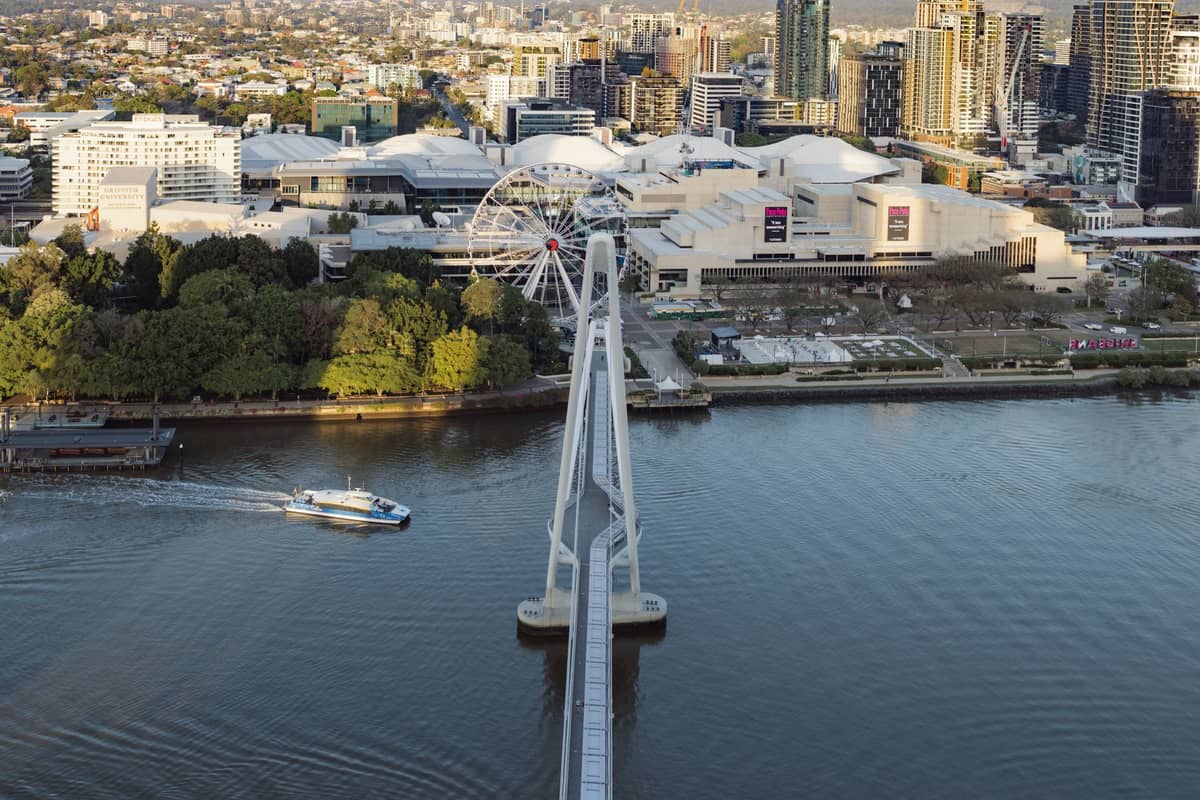
Start at South Bank, Brisbane's most concentrated stretch of public space and cultural institutions. The South Bank Parklands run for about 17 hectares along the river's south bank, and the free Streets Beach is the only inner-city artificial beach in Australia — a genuinely useful place to cool down in summer. In the mornings, especially on weekdays, crowds are light and the parklands are worth a slow walk before the cultural quarter opens.
The cultural institutions in this precinct deserve at least three hours. The Queensland Museum and the Gallery of Modern Art (GOMA) sit within a five-minute walk of each other. Both have free general entry, which is rare for institutions of this calibre. GOMA's permanent collection is strong on contemporary Australian and Pacific art; the Queensland Museum covers natural history and science. The Queensland Art Gallery is directly adjacent if you want to continue.
After lunch on South Bank, cross the river on foot via the Kurilpa Bridge — a tensegrity structure that makes for decent photos — and walk into the CBD. The Queen Street Mall is Brisbane's main retail spine and worth a walk-through, though it's primarily a shopping precinct rather than a sightseeing one. The Museum of Brisbane, inside Brisbane City Hall, is free and open daily from 10am to 5pm (confirm hours with the museum directly, as public holiday exceptions apply). It gives useful context on the city's history and sits on the traditional lands of the Turrbal and Jagera peoples.
End the afternoon at Howard Smith Wharves, a riverfront precinct developed under the Story Bridge. It's one of Brisbane's genuinely well-executed redevelopments: bars, restaurants, and event spaces built into heritage wharf buildings. The setting at dusk, with the Story Bridge lit above and the river below, is as good as Brisbane gets for an evening drink.
⚠️ What to skip
The Wheel of Brisbane and several South Bank attractions have entry fees and queue times that vary with season. If you're on a tight budget, the parklands, GOMA, and the Queensland Museum deliver more value per hour than most paid attractions in this precinct.
Day 2: The Inner Suburbs and the CityCat
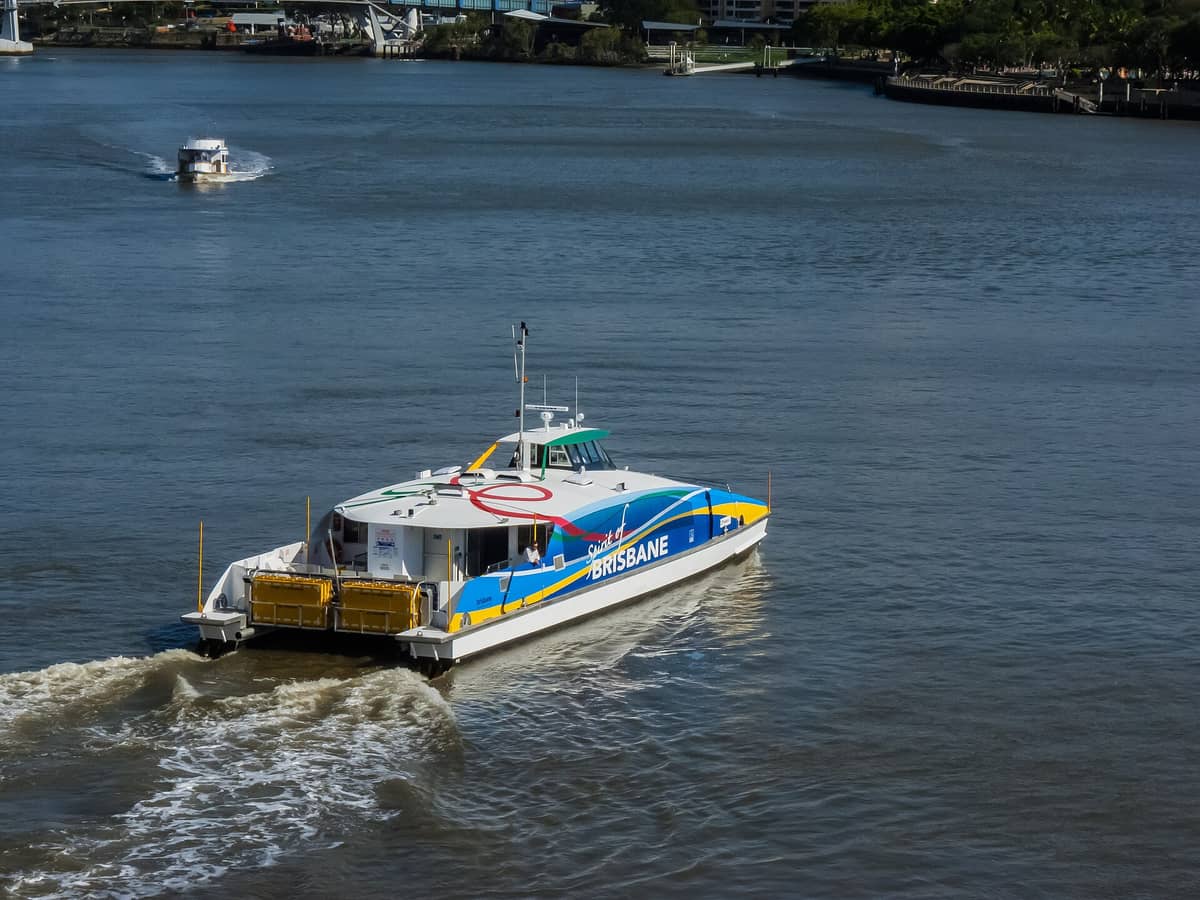
Day 2 is structured around Brisbane's inner suburbs and the CityCat ferry, which is the most pleasant way to move between them. The CityCat service runs between UQ St Lucia and Northshore Hamilton, stopping at 22 terminals. It is paid public transport, not a free cruise — fares are the same as other Translink services. Check the Brisbane River guide for terminal locations and timing advice.
Start the morning in New Farm. New Farm Park is one of Brisbane's best urban parks, particularly in spring (August to October) when the rose garden is at its peak. The Brisbane Powerhouse — a converted 1920s power station on the riverbank — is worth checking for programming, though it's primarily a performance venue rather than a daytime attraction. The café and riverside deck are open most days.
Walk or take a short bus to Fortitude Valley for late morning. The Valley, as locals call it, is Brisbane's most mixed precinct: Chinese heritage streetscape along Chinatown, independent fashion on Winn Street, and a cafe and restaurant scene that runs from breakfast through to 3am on weekends. James Street connects the Valley to Newstead and is worth a walk for independent design shops and some of Brisbane's better restaurants.
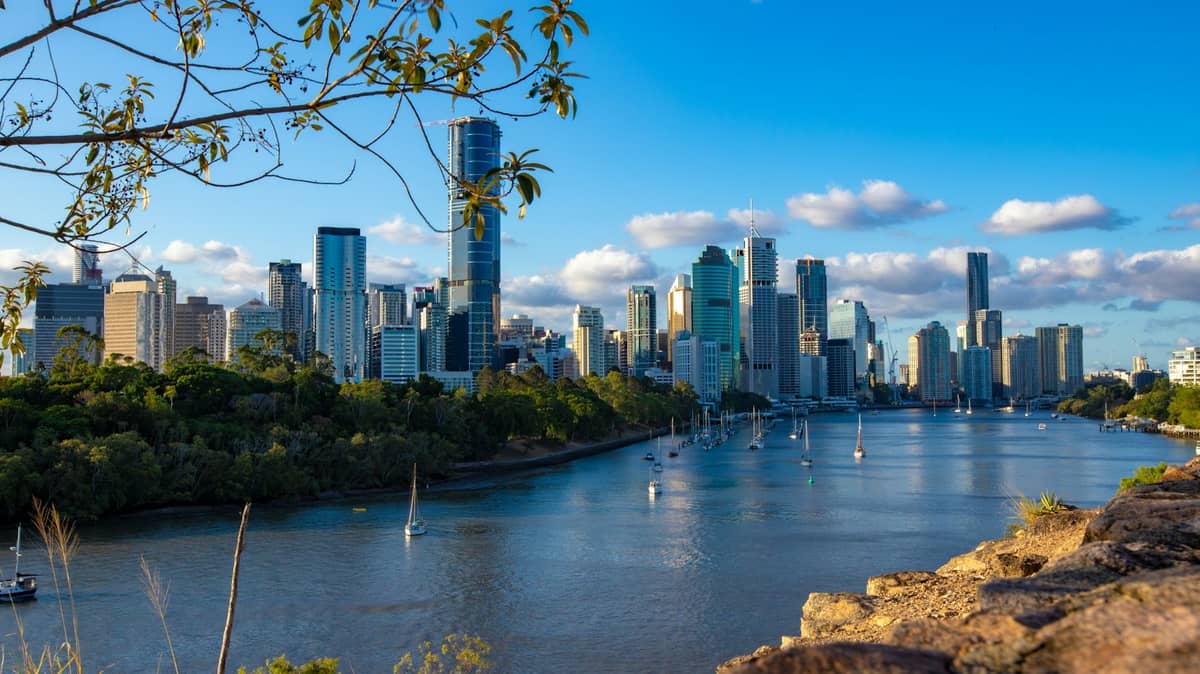
Take the CityCat from the Teneriffe terminal in the afternoon. The ride toward South Bank or South Brisbane gives you the river perspective that the city's bridges partially block from ground level. For a late afternoon stop, Kangaroo Point Cliffs are accessible from the Kangaroo Point ferry terminal. The clifftop has some of the best unobstructed views of the CBD skyline, and the park below is where Brisbane locals go for evening runs and weekend picnics. It is not particularly dramatic by international standards, but it's authentic Brisbane.
- New Farm Park Best in the morning before heat builds. The rose gardens peak in spring. Free entry.
- Fortitude Valley / James Street Late morning to lunch. Independent cafes, bookshops, and the Chinatown mall precinct. Weekdays are quieter.
- CityCat River Ride Standard Translink fare. Board at Teneriffe terminal and ride to South Bank or the CBD. Around 25 minutes.
- Kangaroo Point Cliffs Late afternoon. Best light for CBD photos is from mid-afternoon facing west. The park has public barbecues and is popular with locals at sunset.
Day 3: Wildlife, Islands, or Going Deeper
Day 3 is where the itinerary branches depending on your priorities. Three realistic options exist: a half-day at Lone Pine Koala Sanctuary, a full-day trip to North Stradbroke Island (Minjerribah), or using the day to explore neighbourhoods you haven't reached yet.
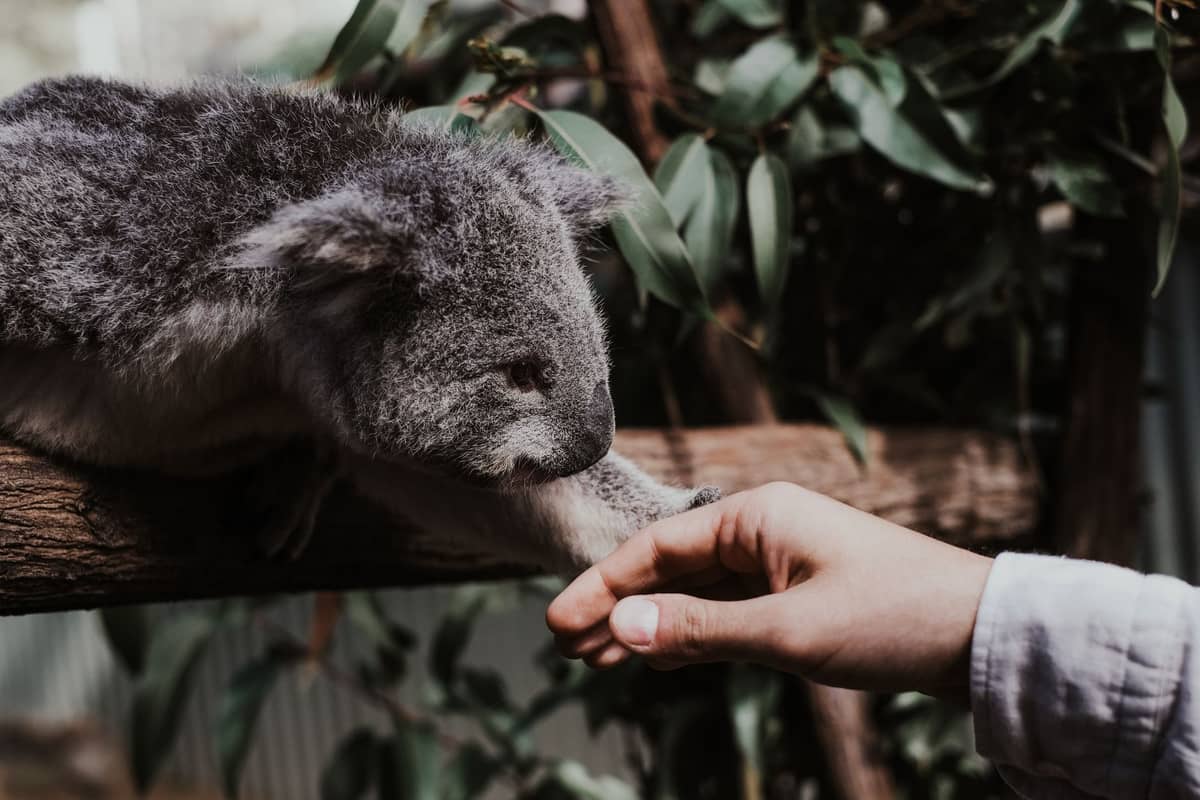
Lone Pine Koala Sanctuary, about 12 km southwest of the CBD, is Australia's largest koala sanctuary. It's a legitimate wildlife experience rather than a tourist trap, with 100+ koalas and significant native fauna beyond them. Opening hours and fees change periodically, so check the sanctuary's official website before visiting. It typically opens around 9am and closes in the afternoon. You can reach it by bus from the CBD or by cruise from South Bank (the cruise takes about 75 minutes one-way and is a pleasant journey). For more context on native wildlife around Brisbane, see the Brisbane wildlife guide.
The full-day alternative is North Stradbroke Island (Minjerribah), a 30-minute ferry from Cleveland (about 45 minutes by train from Brisbane's CBD). The island has excellent beaches — Cylinder Beach is the most sheltered — and the North Gorge Walk gives genuinely good whale-watching vantage points between June and November. The North Stradbroke Island guide covers ferry times, beach options, and what to know before you go.
If you'd rather stay in the city, use Day 3 to reach areas the first two days didn't cover. Paddington has the city's best strip of independent bookshops, vintage clothing, and cafes along Given Terrace. West End has a Saturday morning market and a more diverse, less polished food scene than the CBD. Mount Coot-tha, 8 km from the city centre, has the botanic gardens and a lookout with arguably the best 360-degree view of Brisbane. Allow at least half a day if you combine the gardens with the summit.
✨ Pro tip
If you're visiting between June and November and prioritise one day trip, North Stradbroke Island beats Moreton Island for a three-day itinerary: shorter transit time, more accessible beaches, and the whale-watching from North Gorge is free and requires no tour booking. Moreton Island rewards a longer stay.
Where to Eat Across Three Days
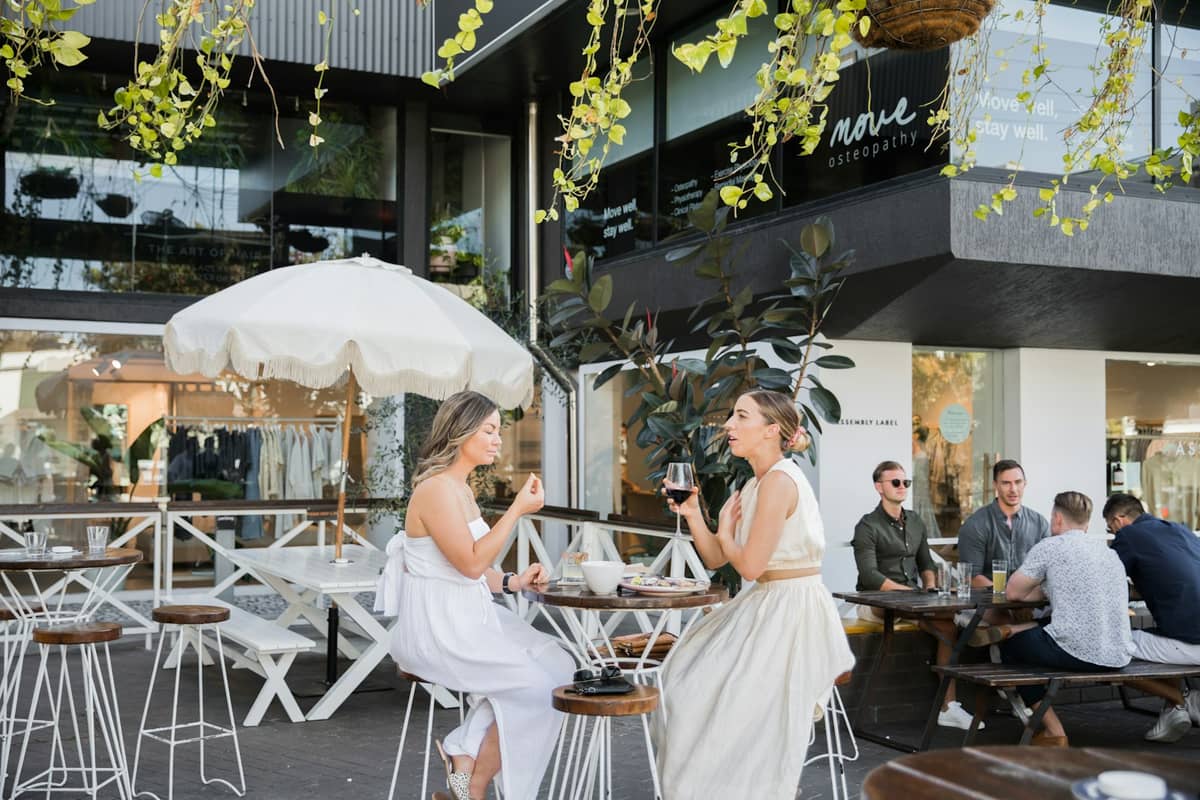
Brisbane's food scene improved dramatically during the 2010s and continues to do so. The concentration of good restaurants is highest in Fortitude Valley, West End, and South Bank, with strong independent cafes across New Farm and Paddington. For a structured overview of what and where to eat, the Brisbane food guide covers cuisines, precincts, and price ranges in detail.
- South Bank: Reliable options from casual to mid-range along the Parklands and Stanley Street. Avoid anything directly on the tourist strip if price-to-quality ratio matters to you.
- Fortitude Valley / James Street: The best concentration of chef-driven restaurants in Brisbane. Dinner reservations advisable Thursday through Saturday.
- West End: More affordable, more diverse. Good for breakfast and lunch. The Saturday markets on Boundary Street are a practical food stop if you're there that day.
- Fish Lane (South Brisbane): A laneway off Fish Lane Street with a cluster of bars and small restaurants that tend to be less tourist-facing than South Bank proper.
- Eat Street Northshore: A weekend-only container market in Hamilton, about 8 km from the CBD. Worth it if you're already heading that way on the CityCat — not worth a dedicated trip.
Practical Notes for the Three Days
Brisbane runs on Australian Eastern Standard Time (AEST, UTC+10). Queensland does not observe daylight saving time, which matters if you're coordinating with states that do. The currency is the Australian dollar. Tipping is discretionary in Australia — not expected, not unusual for good service. Tap water is treated to Australian drinking standards and is safe to drink from the tap across Brisbane. For a full picture of costs across accommodation, transport, and activities, see Brisbane on a budget.
Accommodation options range from CBD hotels to inner-suburb guesthouses and apartments. South Bank and the CBD put you within walking distance of Day 1. New Farm and Fortitude Valley are well-positioned for Day 2 and have a stronger independent accommodation scene. For neighbourhood-by-neighbourhood breakdowns and price ranges, the where to stay in Brisbane guide is the most useful reference.
- Transport Go card or contactless payment works across all Translink services including CityCat, trains, and buses. Paper tickets cannot be purchased onboard ferries.
- Sun protection UV index in Brisbane is high year-round, including in winter. Sunscreen, a hat, and water are non-negotiable for outdoor activities regardless of temperature.
- Emergency number 000 for police, fire, or ambulance. Country dialing code for Australia is +61.
- Electricity Australia uses Type I plugs at 230V/50Hz. Most international visitors need an adapter.
- Visas Australia does not offer visa-on-arrival for most passport holders. Check the Department of Home Affairs visa finder before booking travel.
FAQ
Is 3 days enough time to see Brisbane?
Three days covers the core of Brisbane comfortably: the South Bank cultural precinct, the CBD and river, at least two inner suburbs, and one day trip or wildlife experience. You won't exhaust the city — Moreton Island, the D'Aguilar Range, and deeper neighbourhood exploration reward longer stays — but three days gives a genuine and non-rushed introduction.
What is the best way to get around Brisbane on a 3-day itinerary?
A combination of walking, the CityCat ferry, and the train network covers most of this itinerary without needing a car. Load a go card or use a contactless Visa or Mastercard — it works on all Translink services including ferries, trains, and buses. Taxis and rideshare are useful for late nights or trips to Lone Pine. Check the Translink app for real-time timetables.
When is the best time of year to do this Brisbane itinerary?
June to September is the most practical window: mean daily maximums of around 22–25°C, low humidity, and the lowest average rainfall of the year. This is also whale-watching season for the North Stradbroke Island day trip option. Summer (December to February) is hot and wet, with afternoon storms common, which adds unpredictability to outdoor plans but doesn't make them impossible.
Is the CityCat free for tourists?
No. The CityCat is paid public transport operated by Translink — it is not a free sightseeing cruise. Fares are the same as other Translink services and are paid via go card, contactless bank card, or prepaid paper ticket. Paper tickets cannot be purchased onboard. Check current fares on the Translink website before travelling.
Can I do a day trip from Brisbane within a 3-day itinerary?
Yes, and Day 3 of this itinerary is specifically structured for it. North Stradbroke Island is the most accessible full-day option: 45 minutes by train to Cleveland, then a 30-minute ferry. Moreton Island and the Gold Coast are also achievable but are better suited to a dedicated day when you're not trying to see anything else. Lone Pine Koala Sanctuary works as a half-day and leaves the afternoon free.
Tickets & tours
Live prices and dates from our booking partner. If you book, we may earn a commission at no extra cost to you.
Planning a trip? Discover personalized activities with the Nomado app.