Paddington & Red Hill
Paddington and Red Hill occupy Brisbane's inner-west ridge, where pre-war Queenslander cottages line steep streets and the commercial strips along Given Terrace and Latrobe Terrace hum with independent cafés, boutiques, and restaurants. These are residential neighbourhoods that reward slow exploration rather than checklist sightseeing.
Located in Brisbane
Overview
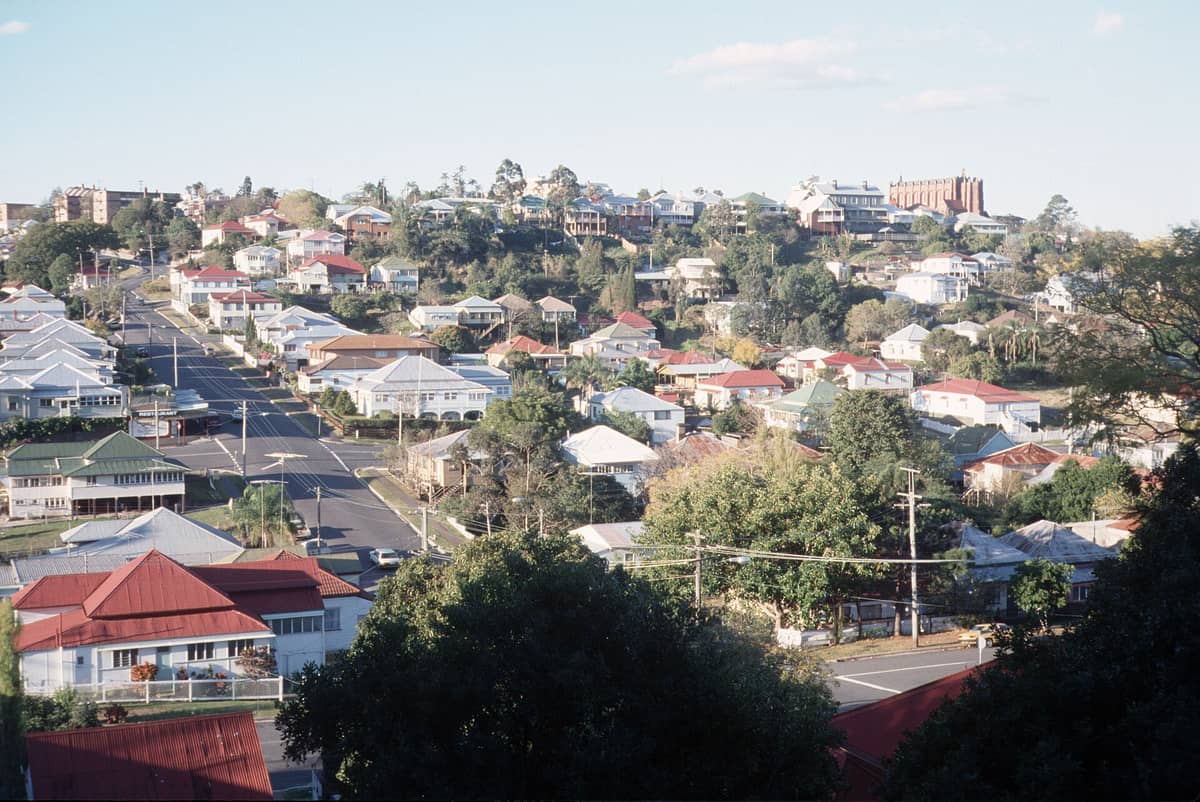
Paddington and Red Hill sit on the hilly inner-west edge of Brisbane, about two kilometres from the CBD, where timber Queenslander homes climb the ridges and the terrace strips serve as the kind of neighbourhood high street that locals actually use. This is one of Brisbane's most architecturally consistent inner suburbs, and its appeal is largely about atmosphere over attractions.
Orientation
Paddington sits roughly two kilometres west of the Brisbane CBD, perched on a ridge that runs parallel to the river. Its boundaries are broadly defined by Milton to the south-east, Petrie Terrace to the east, Bardon to the west, and Red Hill to the north. Red Hill occupies the slope above, between Paddington and Kelvin Grove, with Musgrave Road and Arthur Terrace forming its commercial anchor.
The main commercial spine through Paddington runs along Given Terrace and Latrobe Terrace, which essentially form one continuous street as you move west. The Rosalie precinct, centred around Baroona Road and Nash Street, functions as a quieter secondary village within the suburb, slightly removed from the main terrace strip. These distinctions matter when you're deciding where to base yourself or where to eat: the Rosalie pocket has a noticeably different pace from the main Given Terrace stretch.
Suncorp Stadium sits just to the south in Milton, and while it's often cited alongside Paddington, it is not within the suburb. The Brisbane CBD is a 10–15 minute drive or a 25–30 minute walk downhill via Petrie Terrace. For a broader picture of Brisbane's inner-west neighbourhoods and how they connect, the where to stay in Brisbane guide gives useful context.
Character & Atmosphere
The defining visual quality of Paddington is the housing stock. Pre-war Queenslander cottages, with their louvred windows, wide verandahs, and high-set timber frames, line nearly every residential street. Many have been carefully restored; others are still mid-renovation. Walking up a street like Latrobe Terrace or turning onto one of the quieter cross streets feels like stepping through a relatively intact slice of early 20th-century Brisbane, which is increasingly rare this close to the city.
In the mornings, the terrace strips belong to locals. Cafés open early, and the foot traffic is almost entirely residents: parents after the school run, people working from laptops, tradespeople grabbing coffee before heading out. The light falls sharp and clear along the ridge in the early hours, catching the painted timber facades in a way that makes even casual street photography rewarding. By mid-morning on weekends, browsers from other suburbs start arriving, drawn by the boutique shops and brunch spots.
The streets are genuinely hilly. If you're coming from the CBD direction, you'll notice the gradient as soon as you leave Petrie Terrace. The ridge levels off somewhat along Given Terrace itself, but the cross streets drop away steeply on both sides. This topography is part of what gives the neighbourhood its character: it's never entirely flat, and views open up unexpectedly between houses and from the crests of side streets.
Red Hill has a slightly more mixed character. Musgrave Road around the Red Hill Shops has a neighbourhood-convenience feel, with less of the boutique polish of Given Terrace. Arthur Terrace near Dean Street is quieter still. Neither feels unsafe, but Red Hill is more residential and less curated than Paddington proper. That's not a criticism — it means fewer tourist-adjacent businesses and more of an authentic suburb feel.
ℹ️ Good to know
Paddington and Red Hill are genuinely residential neighbourhoods. They don't have major tourist attractions or a nightlife precinct. What they offer is architecture, a well-developed café and restaurant scene, and independent retail — best appreciated at a slow pace over a few hours.
What to See & Do
The primary experience in Paddington and Red Hill is the streets themselves. Walking the length of Given Terrace and Latrobe Terrace from east to west takes about 20–25 minutes without stopping, but the point is to stop often: to look into shopfronts, pause at the viewpoints where the ridge drops away, and notice the architectural details on individual cottages — the fretwork on verandah railings, the corrugated iron rooflines, the painted timber in Federation-era colour schemes.
Fernberg, the Queensland Governor's official residence, sits within Paddington on Fernberg Road. The grounds are not generally open for casual public access, but Government House regularly hosts free guided tours of Fernberg House and its gardens, but the building is visible from the street and is one of the most significant heritage structures in the inner-west. St Brigid's Church in Red Hill is another architectural landmark worth noting as you move through the area. Ithaca Pool on Caxton Street at the Petrie Terrace end provides a community recreational facility used by residents.
The Rosalie precinct around Baroona Road rewards a deliberate detour. It's compact and walkable, and the mix of small grocers, independent cafés, and long-established local businesses gives it a neighbourhood character that feels distinct from the more shopfront-polished Given Terrace strip.
If you're using Paddington as a base for wider exploration, the inner-west connects easily to West End to the south and to the CBD and South Bank via Petrie Terrace. For those interested in Brisbane's built heritage, the Brisbane heritage and history guide covers the broader context of Queenslander architecture and the city's colonial-era development.
- Walk the full length of Given Terrace and Latrobe Terrace from Petrie Terrace to the Bardon border
- Detour into the Rosalie pocket via Baroona Road for a quieter village atmosphere
- Look for viewpoints on the cross streets where the ridge drops — brief but rewarding glimpses across the inner suburbs
- Note the architecture on Fernberg Road around the Governor's residence
- Check whether any markets or events are running at local venues on weekends
💡 Local tip
The steepest and most scenic residential streets in Paddington are the ones running perpendicular to the terrace strips. Take any cross street heading north or south from Given Terrace for a proper look at the Queenslander streetscape without the foot traffic.
Eating & Drinking
The café and restaurant scene in Paddington is the neighbourhood's most obvious drawcard for visitors. Given Terrace and Latrobe Terrace have a high density of independent cafés, with the emphasis firmly on coffee quality and locally sourced ingredients. Brunch here is a serious weekend activity: expect queues at popular spots between 9am and noon on Saturdays and Sundays.
The dining options lean toward casual to mid-range: neighbourhood restaurants, wine bars, pizzerias, and a spread of Asian-influenced casual dining sit alongside old-school pie shops and bakeries that have been on the strip for decades. The overall price point is reasonable by Brisbane standards — noticeably more affordable than dining in South Bank or the CBD at comparable quality levels.
The Normanby Hotel in Red Hill is one of the area's well-known pub venues, with a beer garden and live music at various points through the week. It caters to a mixed crowd ranging from post-work locals to weekend visitors, and represents more of a traditional Queensland pub experience than the café-and-wine-bar tone of the Paddington terrace strip.
The Rosalie precinct has its own small cluster of cafés and restaurants that are less busy than the main strip and often preferred by residents who want a seat without waiting. The overall food culture in this part of Brisbane rewards exploring both areas rather than sticking to the most visible Given Terrace frontages.
For context on the wider Brisbane food scene, including what's distinct about Queensland cuisine, the what to eat in Brisbane guide is a useful companion.
⚠️ What to skip
Paddington and Red Hill have limited late-night options. Most cafés and casual restaurants close by 9pm or 10pm on weeknights. If you want a full night out, you'll need to head to Fortitude Valley, the CBD, or Milton — all accessible by bus or rideshare.
Getting There & Around
Paddington and Red Hill have no railway stations. The closest train stop is Milton Station, roughly a 10–15 minute walk downhill from the eastern end of Given Terrace. For most visitors, buses are the practical option. TransLink services connect the neighbourhood to the CBD and surrounding inner suburbs, including stops along Baroona Road. Red Hill is served by stops on Musgrave Road and Arthur Terrace near Dean Street.
From the CBD, several bus routes travel through Petrie Terrace and up into Paddington. The journey from the Queen Street Bus Station or King George Square area to Given Terrace takes approximately 10–15 minutes depending on traffic. TransLink's journey planner at translink.com.au is the most reliable way to identify the correct route and current timetables, as services can vary.
On foot from the CBD, the walk up through Petrie Terrace to the start of Given Terrace takes around 20–25 minutes and involves a steady incline. It's manageable in cooler weather but can be uncomfortable in Brisbane's summer heat and humidity. Walking back toward the city is downhill and noticeably easier. Uber and rideshare services operate throughout the area and are typically reliable for the short trip to the CBD or South Bank.
For comprehensive transit advice covering Brisbane's bus, train, ferry, and CityCat network, see the getting around Brisbane guide.
- Bus: multiple TransLink routes along Given Terrace and Latrobe Terrace to the CBD
- Train: Milton Station (10-15 min walk from eastern Paddington)
- On foot from CBD: ~25 minutes via Petrie Terrace, uphill
- Rideshare: reliable and quick for trips under 15 minutes to the city centre
- Parking: street parking available but limited during peak shopping hours on weekends
Where to Stay
Paddington and Red Hill are not hotel-dense neighbourhoods. Accommodation is limited primarily to guesthouses, boutique bed-and-breakfasts, and short-stay apartment rentals rather than large hotels. Most travellers who want to be in Paddington specifically are either looking for a quieter residential base or are visiting the suburb during a longer Brisbane stay.
The neighbourhood suits independent travellers, couples, and anyone who prefers a suburban feel over the CBD intensity. It works particularly well if you're in Brisbane for more than three or four nights and want to experience the city beyond the South Bank and city-centre precincts. The trade-off is less immediate walkability to major tourist attractions: the cultural institutions at South Bank, for example, require a bus or car.
If you're weighing up whether Paddington is the right base for your trip, the where to stay in Brisbane guide compares all the main inner-city neighbourhoods by traveller type, budget, and proximity to attractions.
Practical Notes
The best time to visit Paddington as a day out from elsewhere in Brisbane is a weekend morning between 8am and noon, when the cafés are at their liveliest and the boutique shops are open. Weekday afternoons are quieter and more relaxed if you prefer to browse without competition for café seats.
Brisbane's climate means summer visits to Paddington (December through February) come with significant heat and humidity, particularly uncomfortable on the exposed ridge. The streets offer limited shade beyond the shop awnings. The cooler months from May through September are more comfortable for extended street walking, and the light in winter afternoons is notably better for photography along the terrace strips.
For climate planning, the best time to visit Brisbane guide covers seasonal conditions in detail. Brisbane does not observe daylight saving time, so summer evenings get dark earlier than interstate visitors sometimes expect.
ℹ️ Good to know
Paddington and Red Hill are on the traditional lands of the Turrbal and Jagera peoples. Brisbane City Council acknowledges traditional owners on its official platforms, and many local venues and institutions reflect this acknowledgement., and many local venues and institutions reflect this acknowledgement.
TL;DR
- Paddington and Red Hill are best for travellers who want an authentic inner-Brisbane residential experience rather than major tourist attractions
- The main draw is the streetscape: pre-war Queenslander cottages, a well-developed café and restaurant strip along Given Terrace and Latrobe Terrace, and independent boutique retail
- No railway station; buses along Given Terrace connect to the CBD in 10–15 minutes, and the walk downhill to Milton Station is manageable
- Limited accommodation options, mostly boutique guesthouses and short-stay rentals; suits independent travellers on multi-night Brisbane stays
- Not ideal for nightlife or major sightseeing; evening options are limited and the area quietens early on weeknights
Related Travel Guides
- 3 Days in Brisbane: The Perfect Itinerary
Three days is enough time to get a genuine feel for Brisbane, from its riverside precincts and cultural institutions to its inner-city neighbourhoods and wildlife encounters. This itinerary is structured for first-time visitors but specific enough to be useful for repeat travellers who want to go deeper.
- Best Beaches Near Brisbane: A Complete Guide to Sand, Surf, and Islands
Brisbane is not a beach city in the way Sydney or the Gold Coast are, but the ocean is closer than most visitors expect. This guide covers the best beaches near Brisbane, from the patrolled surf beaches of North Stradbroke Island to the pristine sands of Moreton Island, plus practical advice on getting there, staying safe, and timing your visit.
- The Best Museums in Brisbane: Art, History, Science & More
Brisbane delivers more than its size suggests for museums, with major institutions offering free general admission alongside world-class rotating exhibitions. This guide covers the city's best museums across art, natural history, maritime heritage, civic history, and science.
- Best Time to Visit Brisbane: A Season-by-Season Guide
Brisbane's subtropical climate means it's worth visiting year-round, but the best time to go depends on your priorities. This guide breaks down every season by weather, crowds, costs, and events so you can plan smarter.
- Best Views & Viewpoints in Brisbane: Skylines, Cliffs, and Coastal Panoramas
Brisbane rewards those who look up, out, and across. From the sweeping 180-degree panorama at Mount Coot-tha to the cliff-edge views at Kangaroo Point, this guide covers the city's finest vantage points for sunrise, sunset, and everything in between.
- Bluey in Brisbane: Where to Find Bluey's World and Real-Life Locations
Brisbane is the city that inspired Bluey, and you can experience it two ways: the official Bluey's World immersive attraction at Hamilton, and the real parks, beaches and streets that appear throughout the show. This guide covers both, with practical booking advice, neighbourhood-by-neighbourhood locations, and practical tips for making the most of a Bluey-themed Brisbane day.
- Brisbane Airport: Arrivals, Transfers, and Getting Into the City
Everything you need to navigate Brisbane Airport (BNE) from landing to your hotel. This guide covers terminal layouts, all transport options to the CBD, inter-terminal transfers, parking, and practical tips that save time and money.
- Brisbane Festivals & Events Guide: What's On, When to Go, and What's Worth It
Brisbane runs a packed events calendar year-round, from the flagship Brisbane Festival in September to free outdoor markets, sports finals, and cultural celebrations. This guide breaks down the key events by season, what they actually involve, and how to plan around them.
- Romantic Brisbane: Best Things to Do for Couples
Brisbane rewards couples with a surprisingly rich mix of romantic settings: dramatic river views, heritage precincts, lush gardens, and waterfront bars. Whether you're planning a weekend away or looking for a special evening out, this guide covers the best the city has to offer.
- Brisbane Heritage & History Guide: The City's Most Significant Historic Sites
Brisbane's history stretches from Indigenous Country to colonial settlement, two World Wars, and a postwar boom that shaped the city you see today. This guide covers the heritage buildings, war memorials, colonial-era homes, and cultural institutions that tell that story best.
- Best Hikes & Walks Near Brisbane: Trails, Coastal Paths & City Strolls
Brisbane delivers more than its size suggests for outdoor walking. Whether you want a quick riverside stroll through the CBD, a serious bushland hike, or a dramatic coastal walk on a nearby island, the city and its surrounds deliver. This guide covers the best hikes and walks near Brisbane, organised by type and difficulty.
- Brisbane Live Music Guide: Venues, Neighbourhoods & Practical Tips
Brisbane's live music scene delivers more than its size suggests, from intimate indie rooms in Fortitude Valley to outdoor amphitheatres on the river. This guide covers the best venues by genre and neighbourhood, how to get tickets, what to budget, and how to get home safely after the show.
- Best Markets in Brisbane: Where to Shop, Eat, and Explore
Brisbane's market scene is more varied than most visitors expect, with options spread across the week, not just weekends. This guide covers the best markets in Brisbane, including what to buy, when to go, and what to skip.
- Brisbane Nightlife Guide: Where to Go, What to Expect, and How to Get Home
Brisbane's nightlife has matured considerably over the past decade. From the bar-packed streets of Fortitude Valley to riverside cocktail spots and indie live music rooms, this guide covers the best precincts, practical logistics, and practical advice for a great night out in Brisbane.
- Brisbane on a Budget: How to Explore the City Without Overspending
Brisbane is one of Australia's more affordable capital cities, and with a few smart moves, you can stretch your dollar significantly. This guide covers free attractions, cheap transport, budget-friendly food, and practical advice on where not to waste your money.
- Brisbane River: The Best Ways to Experience It
The Brisbane River is the city's spine, and knowing how to use it makes a trip here dramatically better. This guide covers the best walks, viewpoints, precincts, and experiences along the river, from the CBD to New Farm and beyond.
- Shopping in Brisbane: Best Areas, Markets & Local Finds
Brisbane's shopping scene spans a central mall, design-focused precincts, riverside markets, and neighbourhood strips worth exploring on foot. This guide breaks down where to go, what to expect, and how to avoid wasting time on the wrong options.
- Brisbane Sports Guide: Teams, Stadiums, and How to Catch a Game
Brisbane delivers more than its size suggests as a sports city. From NRL and A-League to cricket and basketball, this guide covers every major team, venue, and match-day logistics you need to plan a great live sports experience in Brisbane.
- Brisbane to Gold Coast: The Complete Day Trip and Travel Guide
The Gold Coast is 80 kilometres south of Brisbane and one of the most popular day trips in Queensland. This guide covers every realistic way to get there, what to do once you arrive, how much to budget, and the practical trade-offs between driving, taking the train, and joining a tour.
- Brisbane Self-Guided Walking Tours: The Complete Practical Guide
Brisbane rewards walkers with a compact city centre, riverside paths, and 24 official heritage trails maintained by Brisbane City Council. This guide covers the best self-guided walking routes, how long each takes, what you'll actually see, and when to go.
- Brisbane Wildlife Guide: Where to See Australian Animals
Brisbane sits at the edge of some of Australia's most accessible wildlife habitat, and you don't need to travel far to encounter koalas, kangaroos, dolphins, and migratory shorebirds. This guide covers the best sanctuaries, nature reserves, wetlands, and island escapes for seeing native animals in and around the city.
- Brisbane with Kids: Best Family Activities for All Ages
Brisbane is one of Australia's most family-friendly cities, with free beaches, world-class wildlife sanctuaries, hands-on museums, and outdoor adventures within easy reach of the CBD. This guide covers the best activities for families visiting Brisbane, from toddler-friendly parks to day trips that will captivate older kids.
- Best Day Trips from Brisbane: Islands, Beaches, and Beyond
Brisbane sits at the centre of one of Australia's most diverse regions for day tripping. Within two hours you can be snorkelling around shipwrecks, watching humpback whales from a headland, or wandering a rainforest. This guide breaks down the top day trips from Brisbane with realistic transport options, costs, and the practical trade-offs most guides skip.
- Free Things to Do in Brisbane: 22 Ways to Explore Without Spending a Dollar
Brisbane rewards budget-conscious travellers more than most Australian cities. From a free inner-city beach and world-class art galleries to riverside walks, koala encounters, and sweeping city lookouts, there's an enormous amount to do here without opening your wallet.
- Getting Around Brisbane: The Complete Transport Guide
Brisbane has one of Australia's most practical urban transport networks, covering trains, buses, ferries, and the CityCat river service. This guide breaks down fares, payment methods, routes, and practical advice on when to ditch public transit and grab a rideshare instead.
- Is Brisbane Worth Visiting? Here's the Honest Answer
Brisbane divides opinion. Some travelers find it a sunny, walkable city with genuine character and easy access to outstanding day trips. Others pass through and wonder what the fuss is about. This guide cuts through both the hype and the skepticism to give you a clear picture of what Brisbane actually offers, who it suits, and when to go.
- Moreton Island Day Trip from Brisbane: The Complete Planning Guide
Moreton Island sits just 40 kilometres off the Brisbane coast, but it feels worlds away. This guide covers how to get there, what to do with your time, realistic costs, and the practical details that most guides leave out.
- North Stradbroke Island: Complete Day Trip & Visitor Guide
North Stradbroke Island (Minjerribah) sits just 30 km from Brisbane but feels like a different world. This guide covers how to get there, how to get around, what to do, and what the glossy tourism brochures leave out.
- Things to Do in Brisbane: The Complete Local Guide
Brisbane delivers more than its size suggests for a city of its size. This guide covers the best things to do in Brisbane across every budget and interest, from South Bank's cultural precinct and the river's CityCat ferries to day trips, wildlife encounters, and the city's underrated food scene.
- What to Eat in Brisbane: A Food Lover's Guide
Brisbane's food scene delivers more than its size suggests. This guide covers the regional specialties, best neighbourhoods for dining, market food experiences, and practical tips to help you eat well across every budget in Queensland's capital.
- Where to Stay in Brisbane: The Complete Neighbourhood Guide
Choosing where to stay in Brisbane shapes your entire trip. This guide breaks down every major neighbourhood by budget, vibe, and proximity to attractions, so you can book with confidence rather than guesswork.