Best Beaches Near Brisbane: A Complete Guide to Sand, Surf, and Islands
Brisbane is not a beach city in the way Sydney or the Gold Coast are, but the ocean is closer than most visitors expect. This guide covers the best beaches near Brisbane, from the patrolled surf beaches of North Stradbroke Island to the pristine sands of Moreton Island, plus practical advice on getting there, staying safe, and timing your visit.
Tickets & tours
Live prices and dates from our booking partner. If you book, we may earn a commission at no extra cost to you.
TL;DR
- Brisbane does not have ocean beaches within city limits — Streets Beach at South Bank is a freshwater lagoon, not a surf beach.
- The closest genuine ocean beaches are on North Stradbroke Island (about 1.5 hours door-to-door) and Moreton Island (around 2 hours).
- Swim between the flags at patrolled beaches — marine stingers are a real risk from November to May in Queensland waters.
- For a beach day without a ferry, the Gold Coast beaches are roughly 1 hour south by car or train.
- Plan for weekday visits in summer — island ferries and popular beaches get crowded on weekends and Queensland school holidays.
The Reality of Beaches Near Brisbane
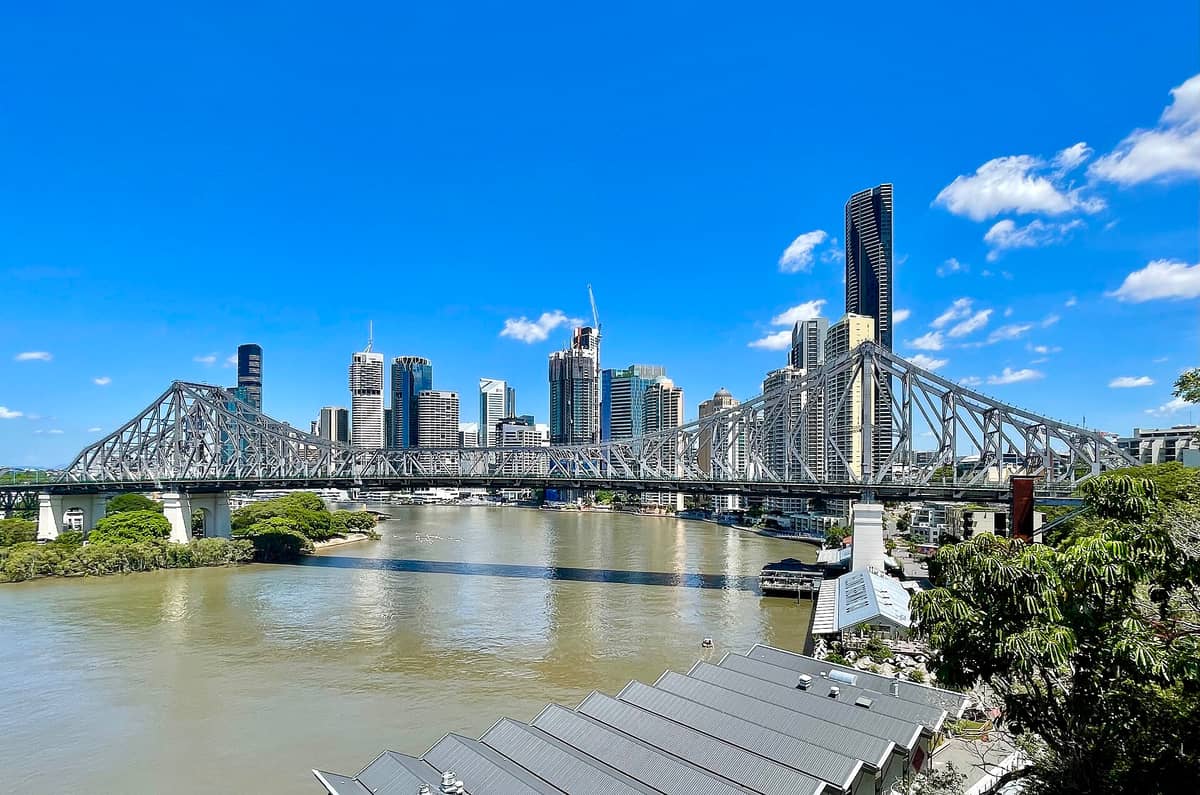
Brisbane sits on the Brisbane River, not directly on the coast. The city's CBD is roughly 15 kilometres from Moreton Bay, a large, sheltered waterway that lies between the mainland and the offshore islands. Those islands, particularly Moreton Island and North Stradbroke Island, are where you find the best ocean beaches near Brisbane. It takes effort to get there, but for most visitors, that effort is worth it.
For anyone who does not want to deal with a ferry, the Gold Coast is the most accessible alternative. The drive via the M1 motorway takes around 60 to 80 minutes depending on traffic, and the Surfside Bus service or Queensland Rail's Beenleigh line can get you there by public transport. Caloundra and the Sunshine Coast beaches to the north are a similar distance, roughly 90 minutes by car.
ℹ️ Good to know
Streets Beach at South Bank Parklands is a free, man-made swimming lagoon in central Brisbane — great for families, but it is not an ocean beach. There are no waves and no surf. If you are looking for real sand dunes, ocean swells, or open-water swimming, you need to travel out of the city.
North Stradbroke Island: The Best Beach Day Trip from Brisbane
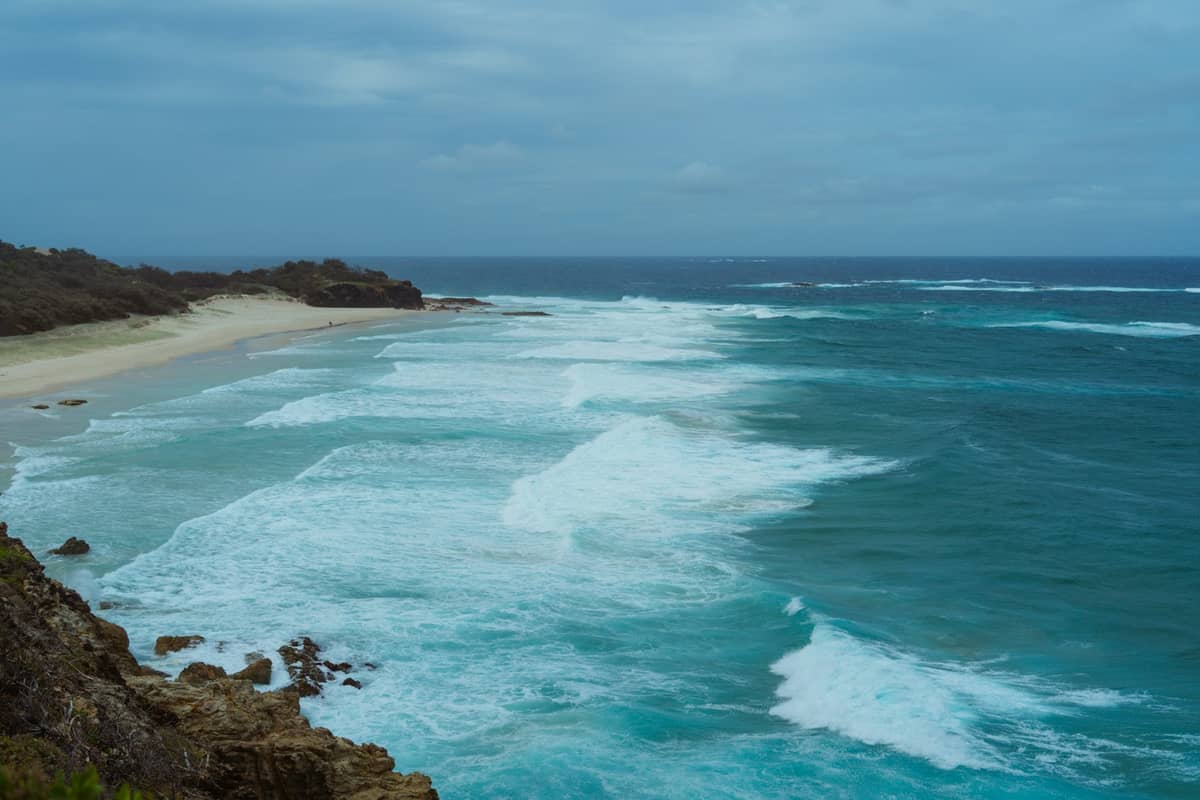
North Stradbroke Island — known locally as 'Straddie' — is widely considered the best beach destination within reasonable reach of Brisbane. The island is the world's second-largest sand island and offers dramatically different beach options within a short distance of each other. Cylinder Beach is the most popular choice for families: it has calm, patrolled water and a relatively gentle break. Point Lookout, at the island's eastern tip, has a more exposed ocean beach with a solid surf break that attracts both swimmers and boarders.
Getting to Straddie involves a drive to Cleveland (about 40 minutes from Brisbane CBD), then a car or passenger ferry from Cleveland Jetty across Moreton Bay to Dunwich. The crossing takes around 45 minutes. Stradbroke Flyer also runs a faster passenger-only service that takes about 25 minutes. Once on the island, you will want a car or bicycle to reach the eastern beaches, as they are several kilometres from the ferry terminal. The North Stradbroke Island guide covers logistics and accommodation in detail.
- Cylinder Beach Patrolled, calm water, good for families and less confident swimmers. Café and facilities on site.
- Main Beach (Point Lookout) Ocean-facing, with stronger surf. Popular with bodyboarders. Lifeguard patrols on weekends and school holidays.
- Frenchman's Beach Smaller, more sheltered cove near Point Lookout. Less crowded, rockier at the edges — good for snorkelling.
- Home Beach The closest patrolled beach to the township of Point Lookout. Best for a quick swim combined with a meal at the local pub.
⚠️ What to skip
Marine stingers, including bluebottles and box jellyfish, are a genuine risk in Queensland coastal waters from approximately November to May. Stinger enclosures are available at some beaches, but they do not cover the full swimming area. Always swim between the flags at patrolled beaches and check signage on arrival. Lifesavers can advise on current conditions.
Moreton Island: Remote Beaches and Tangalooma Wrecks
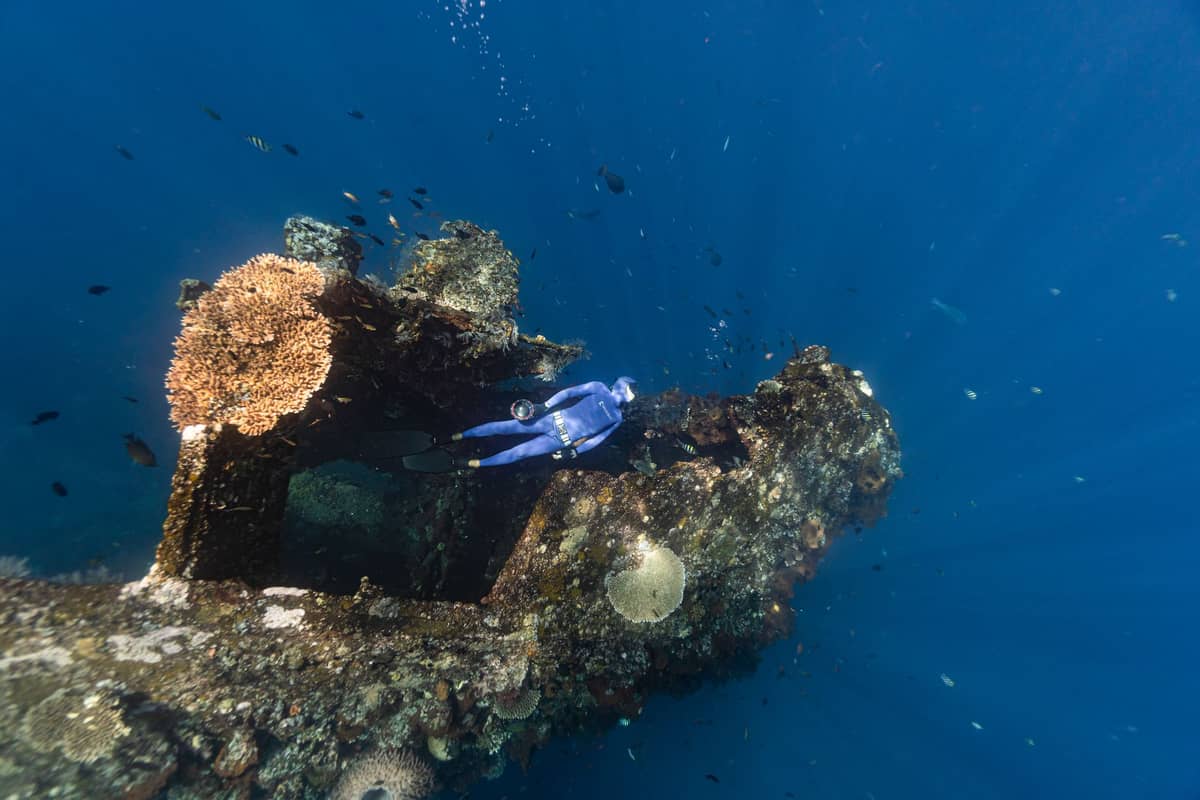
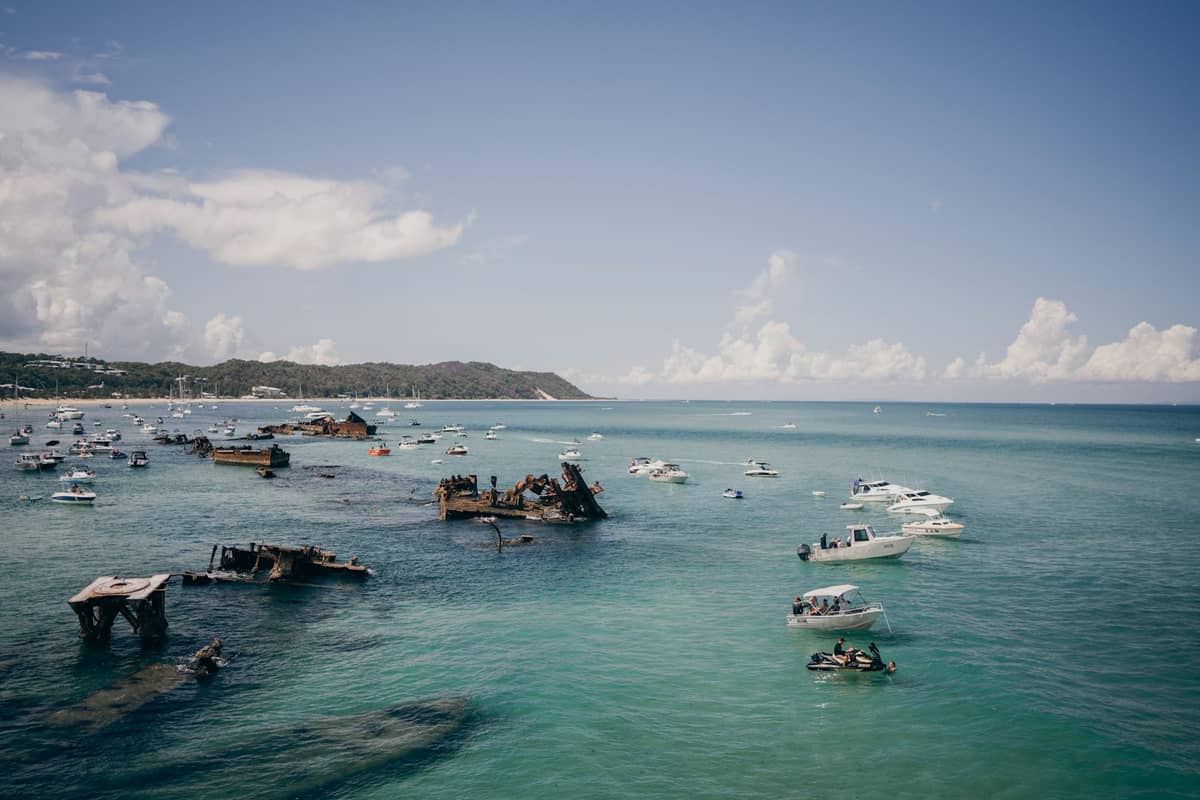
Moreton Island sits further out in Moreton Bay and offers a more remote experience than Straddie. Almost the entire island is national park, with no sealed roads. The ferry departs from the Port of Brisbane (Pinkenba) and takes about 75 minutes to reach Tangalooma Island Resort, the island's main facility. Day-trippers can access the beach, do the famous sandboarding on the island's inland dunes, and snorkel around the deliberately sunk Tangalooma Wrecks just offshore.
The western side of the island, facing the bay, has calm water and is good for snorkelling. The eastern beaches face the open Pacific and have a much rougher, more exposed character — mostly suitable for walking rather than swimming. The Tangalooma Wrecks snorkel trail is a genuine highlight: 15 decommissioned vessels form an artificial reef teeming with fish, rays, and occasional turtles. Conditions for snorkelling are generally best in the morning before afternoon winds pick up. Check the Moreton Island day trip guide for ferry booking details and what to pack.
✨ Pro tip
Book the Tangalooma Island Resort ferry well in advance for weekend or school-holiday visits — it sells out regularly. If you are doing a day trip without a resort booking, check the independent ferry options departing from Holt Street Wharf in Pinkenba, which may allow greater flexibility.
Mainland Beaches: Caloundra, Redcliffe, and the Gold Coast
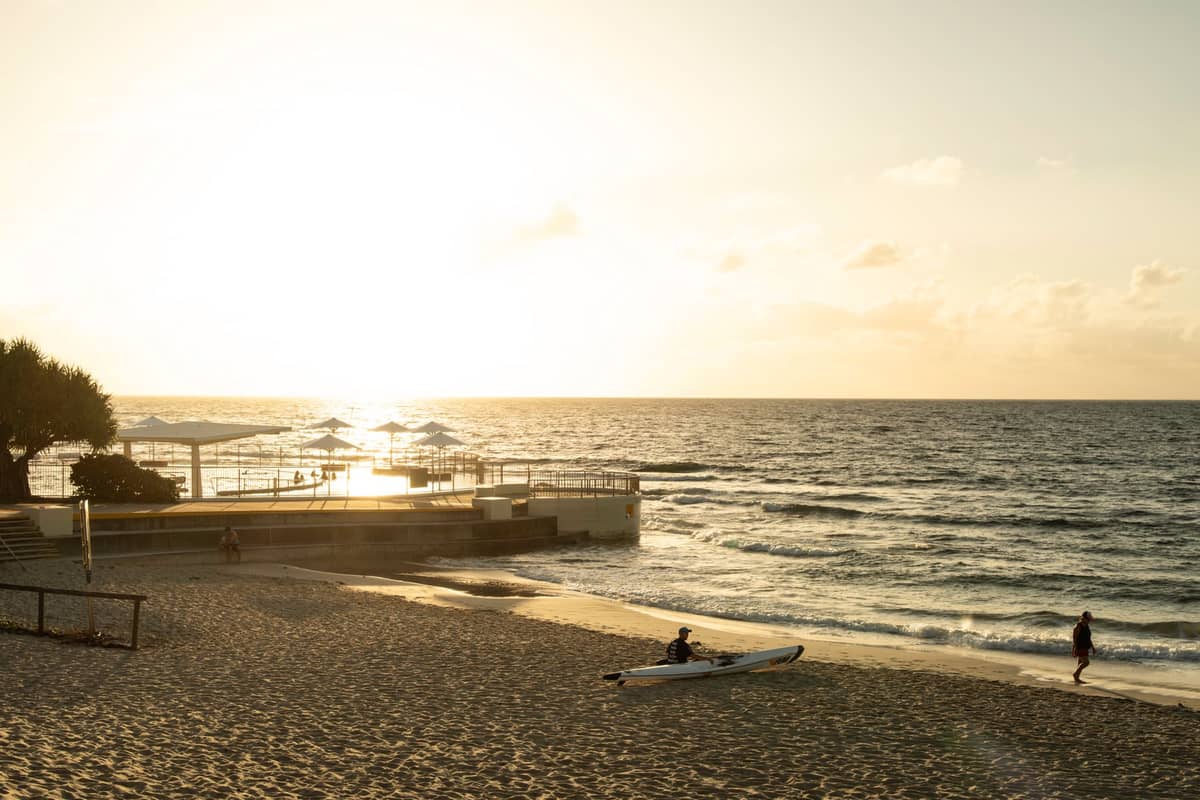
For travellers who want ocean water without a ferry crossing, the mainland options around Brisbane are worth knowing about. They are generally less spectacular than the island beaches, but they are easier to reach and some have consistent lifeguard patrols.
Redcliffe Peninsula, about 35 kilometres north of Brisbane CBD, is the closest coastal suburb to the city. The bay-facing beaches here are calm, sheltered, and good for children, but the water is turbid compared to the open-ocean beaches further afield. Suttons Beach is the most popular local option and has a gentle, protected shoreline. It is not a surf beach, but it is a legitimate coastal swimming spot within an hour of the city centre by public transport via Kippa-Ring station.
Caloundra, at the southern end of the Sunshine Coast, is around 90 minutes north of Brisbane by car. Kings Beach in Caloundra is a proper surf beach with consistent patrolling during the season. It is a more relaxed, less commercialised alternative to the busier Gold Coast strips. Coolum, Noosa, and Mooloolaba are further up the Sunshine Coast and worth considering if you are spending multiple days rather than doing a quick day trip.
- Gold Coast (Surfers Paradise, Burleigh Heads, Coolangatta): 60-80 minutes south by car; daily trains from Roma Street; best surf beaches with year-round lifeguard patrols
- Caloundra (Kings Beach): 90 minutes north by car; genuine surf beach; quieter than the Gold Coast
- Redcliffe (Suttons Beach): 35 km north; calm bay water; accessible by train; not a surf beach
- Sunshine Coast (Mooloolaba, Coolum, Noosa): 90-120 minutes north; excellent for multi-day trips
Water Safety and Seasonal Conditions
Queensland's beach safety environment is different from what many international visitors expect. Rip currents are present at most exposed ocean beaches, and they are not always visually obvious. The standard advice across Queensland is to swim only at beaches patrolled by surf lifesavers or lifeguards, and always swim between the red and yellow flags. Flags are positioned to avoid known rips and other hazards. Ignoring this is how most drownings occur.
Beyond rips, the marine stinger season runs roughly from November through to May across South East Queensland. Irukandji jellyfish, which are extremely dangerous and nearly invisible in the water, have been recorded in Moreton Bay and surrounding areas during this period. At many patrolled beaches you will find stinger enclosures during peak season — these are mesh nets that reduce (but do not eliminate) exposure risk. The best time to visit Brisbane from a beach safety perspective is between June and October, when stinger risk drops significantly, water temperatures remain comfortable (around 19-22°C), and surf conditions at island beaches are often at their clearest.
Unpatrolled beaches present the highest risk. Many beaches on Moreton Island's eastern shore, parts of North Stradbroke Island beyond the main swimming zones, and most bay beaches around the peninsula have no lifeguard supervision at all. Queensland Parks and Wildlife Service advises treating these as natural waterways, not pools, and checking on-site signage before entering the water. Shark-control nets and drumlines exist at some Queensland beaches but do not form a complete barrier — the Queensland Government is clear that they are not a guarantee of safety.
Planning Your Beach Trip: Timing, Transport, and Costs
Timing matters more for Brisbane beach trips than for most city sightseeing. Ferries to both Moreton Island and North Stradbroke Island operate on fixed schedules, and most day-trip options require an early start. If you miss the morning ferry, your day trip effectively becomes an afternoon trip. Booking ahead, especially for vehicle spaces on the North Stradbroke ferries, is strongly recommended in summer and school holidays.
Costs vary significantly depending on whether you are taking a vehicle. Passenger-only ferry crossings are considerably cheaper than vehicle ferry tickets. Once on North Stradbroke Island, without a car you are limited to what the local bus service covers or what is walkable from the ferry terminal at Dunwich — which means the eastern beaches require either a taxi, a hire bicycle, or a tour. For a complete breakdown of what to expect once you arrive, the getting around Brisbane guide has transport context that applies to planning day trips from the city.
- Weekday visits are significantly less crowded — North Stradbroke Island in particular is a very different experience on a Tuesday versus a Sunday in January
- Arrive at the ferry terminal at least 30 minutes before departure, especially with a vehicle — late arrivals are turned away
- Pack sun protection: UV Index readings in South East Queensland regularly hit 'Extreme' levels (11+) between October and March
- Bring cash for smaller island cafes and kiosks — card facilities exist but are not universal on the islands
- Check surf lifesaving patrol times: most beaches are only patrolled between 8am and 5pm, sometimes shorter on weekdays
💡 Local tip
If you are visiting Brisbane primarily for beaches, consider basing yourself on North Stradbroke Island for at least one night rather than doing a day trip. Staying overnight means you get the beaches almost entirely to yourself in the early morning and evening — the island has a completely different character outside of day-tripper hours.
For visitors who want beach vibes without leaving the city, Streets Beach at South Bank is a free, well-maintained swimming lagoon surrounded by parkland. It is open daily (hours vary seasonally), is patrolled by lifeguards, and has sandy edges that make it feel more like a beach than a pool. It does not have waves or salt water, but for children or travellers without much time, it is a genuinely good option. Combine it with a walk through South Bank Parklands and the cultural precinct nearby for a full day.
FAQ
Does Brisbane have any beaches?
Brisbane does not have ocean beaches within the city. Streets Beach at South Bank is a free freshwater lagoon in the city centre — it has sand, lifeguards, and is good for swimming, but it is not an ocean beach. The nearest genuine ocean beaches are on North Stradbroke Island or Moreton Island, both roughly 1.5 to 2 hours door-to-door from the CBD.
What is the closest beach to Brisbane city?
Suttons Beach in Redcliffe is the closest bay beach to Brisbane CBD, about 35 kilometres north and reachable by train. For ocean beaches with surf, Cylinder Beach on North Stradbroke Island is the most popular option closest to the city, accessed via a short drive to Cleveland and a 25-45 minute ferry crossing.
Is it safe to swim at beaches near Brisbane?
Safety varies by location and season. Swim at patrolled beaches between the red and yellow flags whenever possible. Marine stingers including bluebottles and, in warmer months, irukandji jellyfish pose a real risk from November to May. Rip currents are present at most ocean beaches. Unpatrolled beaches exist throughout the region and should be approached with caution — always check on-site safety signage.
How do I get to North Stradbroke Island from Brisbane?
Drive or take a train to Cleveland (about 40 minutes from Brisbane CBD by car), then board a vehicle or passenger ferry to Dunwich on North Stradbroke Island. The Stradbroke Flyer passenger ferry takes about 25 minutes; the vehicle ferry takes around 45 minutes. From Dunwich, a local bus service or taxi takes you to the eastern beaches at Point Lookout, around 20 kilometres away.
When is the best time to visit beaches near Brisbane?
June through October is generally the best period for beach trips near Brisbane. Water temperatures remain comfortable (around 19-22°C), marine stinger risk drops significantly, and visibility for snorkelling at places like the Tangalooma Wrecks is often at its best. Summer (December to February) is warm but has higher stinger risk, more crowded ferries, and higher UV levels — plan accordingly if you visit then.
Tickets & tours
Live prices and dates from our booking partner. If you book, we may earn a commission at no extra cost to you.
Planning a trip? Discover personalized activities with the Nomado app.