Tangalooma Wrecks: Moreton Island's Sunken Reef Worth the Ferry Ride
Fifteen vessels deliberately sunk by the Queensland Government between 1963 and 1984 now form an artificial reef teeming with marine life off the shores of Moreton Island. Accessible by snorkel or glass-bottom boat, the Tangalooma Wrecks are the centrepiece of a day trip that combines island beauty with underwater discovery.
Quick Facts
- Location
- Moreton Island, just north of Tangalooma Island Resort; 15–20 min walk up the beach from the resort
- Getting There
- Ferry from Brisbane to Tangalooma Island Resort (operated by the resort); Passenger ferry from Brisbane to Tangalooma Island Resort (operated by the resort); the MiCat vehicle barge also serves the island
- Time Needed
- 2–4 hours at the wrecks; most visitors combine with a full day trip to Moreton Island
- Cost
- Beach access is free; sightseeing and fish-feeding cruise A$49 adult / A$39 child / A$159 family (prices as of Oct 2026, verify before travel)
- Best for
- Snorkellers, families, underwater photographers, marine-life enthusiasts
- Official website
- www.tangalooma.com/moreton-island/tangalooma-wrecks
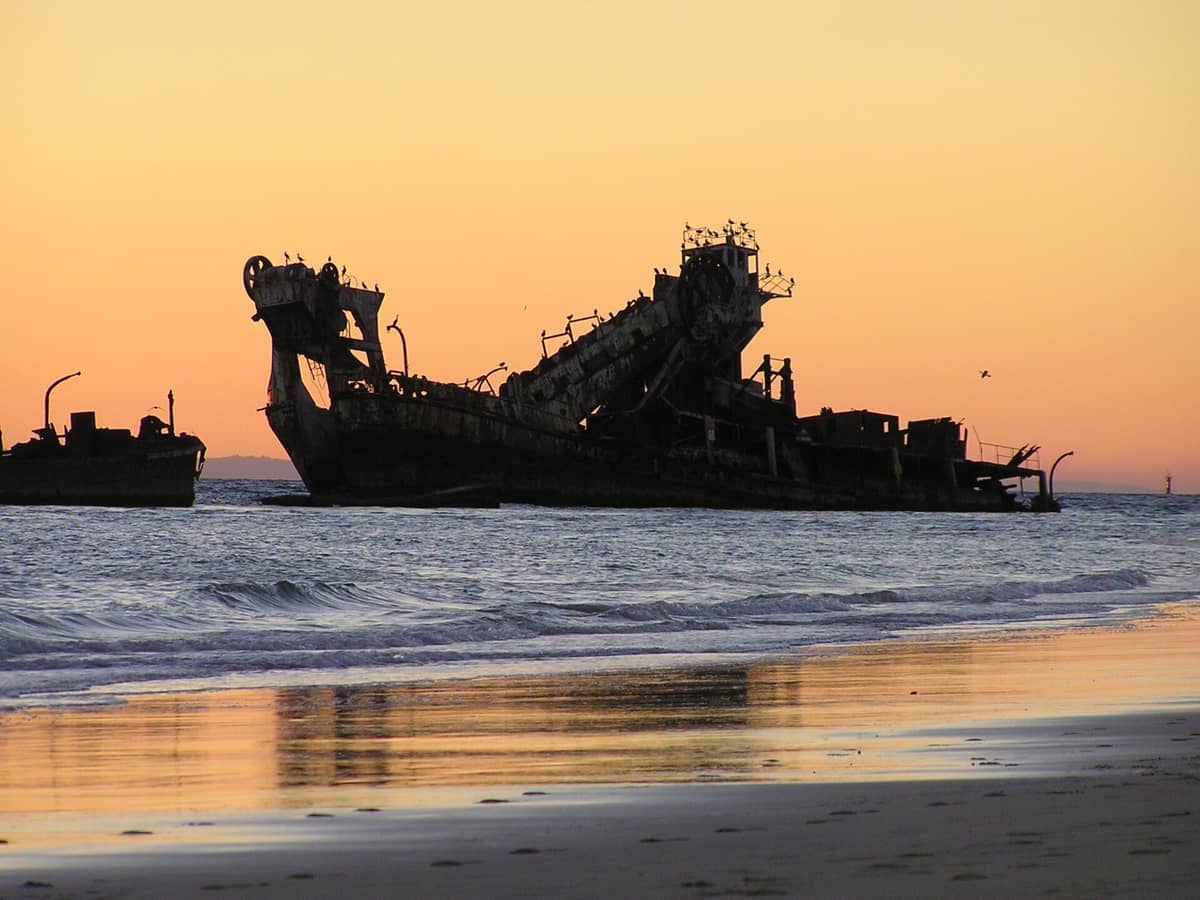
What the Tangalooma Wrecks Actually Are
The Tangalooma Wrecks are 15 vessels that the Queensland Government deliberately scuttled in the waters off Moreton Island between 1963 and 1984. The original purpose was entirely practical: create a protected anchorage for recreational boats in a stretch of open coastline that offered no natural shelter. What nobody fully anticipated was how quickly the hulls would transform into artificial reefs, drawing in fish, corals, sponges, and eventually snorkellers by the thousands.
The ships vary in size and origin, from smaller harbour craft to larger coastal vessels. After decades of submersion, they sit in relatively shallow water, making them genuinely accessible without scuba certification. Most of the wrecks are fully visible to anyone floating on the surface with a mask and snorkel, and the coral and fish life encrusting the steel has developed over sixty years into something that feels properly wild rather than artificially staged.
ℹ️ Good to know
The wrecks are located in the waters just north of Tangalooma Island Resort and require a 15–20 minute walk along the beach to reach from the resort. There are no locked gates or entry booths; the beach approach is free and open. Equipment hire is available through the resort for those who need it.
Getting to Moreton Island: The Ferry Logistics
Moreton Island is not reachable by public transport. The primary option for most visitors is the resort-operated ferry from Brisbane, run by Tangalooma Island Resort. The crossing takes roughly 75 minutes and departs from the Holt Street Wharf in Pinkenba, Brisbane. Timetables and booking are managed directly through the resort, and seats sell out during school holidays and weekends, so booking ahead is strongly advisable.
Day-trip packages that include the ferry crossing and access to resort facilities are available through Tangalooma Island Resort. If you are travelling independently and plan to bring a 4WD vehicle, the MiCat vehicle barge also operates to the island, though this requires advance booking and a different planning approach. More detail on reaching the island is covered in the Moreton Island day trip guide.
Once you arrive at the resort, the walk to the wrecks follows the beach heading north. It is an easy, flat walk on firm sand, taking around 15–20 minutes at a comfortable pace. Wear footwear you are happy to get wet, because the transition from sand to water is gradual and there is no jetty or platform at the wrecks themselves.
Tickets & tours
Live prices and dates from our booking partner. If you book, we may earn a commission at no extra cost to you.
Luggage Storage in Brisbane
From 5 €Instant confirmationFree cancellationBrisbane's dark stories true crime tour
From 21 €Instant confirmationFree cancellationFull-day Mount Tamborine winery tour from Brisbane with lunch
From 140 €Instant confirmationFree cancellationNorth Stradbroke Island small groups day tour
From 79 €Instant confirmationFree cancellation
The Experience: What You See Below the Surface
Standing on the beach looking out, the wrecks announce themselves as dark angular shapes just below the waterline, visible even before you enter the water. In the morning light, the scene is striking in an industrial-meets-natural way: rusting hull sections catch the sun, while schools of yellowtail and trevally move in formation around the superstructures.
Once you are in the water with a mask, the scale becomes clear. The hulls stretch beneath you in formations that create corridors, overhangs, and open chambers where fish congregate in large numbers. Surge is generally mild in calm weather, but the wrecks create interesting water movement around their edges, and you will feel it if conditions have been rough in the preceding days. Visibility on a clear day is excellent, often extending well beyond the individual wrecks, so you can take in several structures during a single swim.
The marine life is the real draw. Turtles are frequently spotted resting on the hulls or grazing nearby, and rays are common on calm days, gliding across the sandy patches between wrecks. Colourful reef fish cluster around coral-covered sections, and larger species including wobbegong sharks occasionally shelter in the darker recesses. Nothing about the experience feels like a controlled aquarium: the fish are there because the reef supports them, not because staff put them there.
💡 Local tip
Arrive at the wrecks early in the morning, ideally by 8–9am if the ferry timing allows. Snorkelling conditions are typically better before the afternoon wind picks up, and crowds are significantly lighter in the first hours after opening. Midday can bring tour groups and day-trippers in volume.
Options for Non-Swimmers and Families
The wrecks are genuinely family-friendly, but this depends on the age and confidence of the children. For young swimmers who are comfortable in open water, snorkelling the wrecks is an unforgettable experience. For those who are not ready to snorkel, Tangalooma Island Resort operates a sightseeing and fish-feeding cruise that passes over the wrecks For those who are not ready to snorkel, Tangalooma Island Resort operates a sightseeing and fish-feeding cruise that passes over the wrecks. This cruise is priced at A$49 per adult, A$39 per child, and A$159 for a family of two adults and two children (prices current as of October 2026; verify before travel). It operates daily according to the resort's booking page. This cruise is priced at A$49 per adult, A$39 per child, and A$159 for a family of two adults and two children (prices current as of October 2026; verify before travel). It operates daily according to the resort's booking page.
The fish-feeding element of the cruise adds a theatrical dimension that younger children tend to enjoy. The resort also offers guided snorkel tours with instructors for those who want more support in the water. For context on how this fits into a broader family day out on Moreton Island, the Brisbane with kids guide covers the full range of family-friendly options in and around the city.
Accessibility information for visitors with mobility requirements is not specified on the official attraction page. The beach approach involves soft sand in sections, and entry to the water is unassisted. Visitors with mobility concerns should contact the resort directly before booking to discuss what accommodations are possible.
Photography: How to Make the Most of the Light
Above water, the most photogenic moment comes in the early morning when low-angle light hits the visible hull sections and the sea colour shifts through green and blue. A standard smartphone in a waterproof case captures more than you might expect, particularly in the shallower sections near the hulls' upper edges. For underwater shots, a wide-angle lens gets more of the wreck architecture into frame, and the fish are generally unintimidated by cameras, staying close enough for detailed shots.
Overcast days actually produce softer, more even underwater light and tend to improve colour saturation in snorkel footage, making cloudy mornings less disappointing than they look from the ferry. The worst conditions for photography are strong wind and chop, which stir up sediment and reduce visibility noticeably. If you arrive on a choppy day, wait 20 minutes to see if conditions settle before committing to a swim.
How the Wrecks Fit Into a Moreton Island Day
The Tangalooma Wrecks work best as one component of a full day on Moreton Island rather than the sole reason to make the crossing. The island itself is part of Moreton Island National Park, one of the largest sand islands in the world, and its interior and coastline offer considerable variety. Sandboarding on the interior dunes is a popular afternoon activity after a morning at the wrecks, and the Moreton Island sandboarding experience is well-suited to families and groups.
The resort's grounds include additional activities, dining, and facilities that allow you to pace the day without rushing. For a broader overview of what the island offers, including accommodation options and wildlife encounters, the North Stradbroke Island guide is a useful comparison if you are weighing up island day trips from Brisbane. The Tangalooma resort itself is detailed in the Tangalooma Island Resort attraction page.
Who Should Think Twice
If your main interest is diving rather than snorkelling, the wrecks are accessible by scuba but most of the experience is genuinely in the snorkel range. Experienced divers will find the depth and complexity modest compared to offshore reef diving, and the marine life, while excellent for snorkelling, does not represent a particularly challenging dive site.
The trip also requires a significant time investment: the ferry crossing alone is 75 minutes each way, and the full day out including travel will take eight or more hours. Visitors who are prone to seasickness, or who find ferry crossings uncomfortable, should factor this in. The crossing can be rough in windy conditions, particularly during summer storm season.
⚠️ What to skip
Do not touch the wrecks or any marine life while snorkelling. The hulls and their encrusting organisms are protected within Moreton Bay Marine Park. Physical contact also risks cuts on barnacle-encrusted metal edges.
Insider Tips
- Book the resort ferry well in advance if travelling on a weekend or during Queensland school holidays. Places fill quickly and there is no same-day alternative if the ferry is sold out.
- Bring your own snorkel gear if you have it. Equipment hire at the resort is convenient but adds cost, and having your own mask means a better fit and more comfortable extended snorkelling.
- The beach walk to the wrecks passes through sections of softer sand. Water shoes or old sneakers that can get wet are more practical than thongs, which can fill with sand and slip.
- Check the tide chart before your visit. Visibility and wave action at the wrecks are noticeably affected by tidal state; incoming and high tide tends to produce calmer, clearer conditions than outgoing or low tide.
- The afternoon dolphin feeding at Tangalooma Island Resort is a separate experience that happens at dusk, and timing your departure ferry around it adds a memorable ending to the day without extra cost.
Who Is Tangalooma Wrecks For?
- Families with children aged 7 and above who are confident in the water
- Snorkellers looking for an accessible, species-rich artificial reef without needing dive certification
- Underwater photographers wanting a distinctive Queensland subject
- Day-trippers from Brisbane wanting a full island experience with minimal planning
- Wildlife enthusiasts hoping for turtle, ray, and fish encounters in a natural setting
Nearby Attractions
Other things to see while in Moreton Island:
- Cape Moreton Lighthouse
Standing on the northernmost tip of Moreton Island, Cape Moreton Lighthouse has guided ships since 1857, making it Queensland's oldest lighthouse. Reaching it requires a ferry crossing, a 4WD track, and a short uphill walk — which is exactly why the views feel earned.
- Moreton Island Desert & Sandboarding
The Tangalooma Desert on Moreton Island is one of Queensland's most unexpected landscapes: a field of pale sand dunes rising sharply from coastal scrub, roughly 40 km from Brisbane. Sandboarding, or sand tobogganing as the operators call it, is the main draw. It is physical, sun-drenched, and genuinely exhilarating in a way that photographs don't fully capture.
- Tangalooma Island Resort
Tangalooma Island Resort sits on the western shore of Moreton Island, about 40 km from Brisbane. It combines wild dolphin feeding, snorkelling over a deliberate shipwreck reef, desert-style sandboarding, and calm bay swimming in one accessible package. Day trippers and overnight guests share the same stretch of sand, though the rhythm of each experience is very different.
Planning a trip? Discover personalized activities with the Nomado app.