Best Time to Visit Brisbane: A Season-by-Season Guide
Brisbane's subtropical climate means it's worth visiting year-round, but the best time to go depends on your priorities. This guide breaks down every season by weather, crowds, costs, and events so you can plan smarter.
Tickets & tours
Live prices and dates from our booking partner. If you book, we may earn a commission at no extra cost to you.
TL;DR
- June to August (winter) offers the most reliably comfortable weather: average highs around 22°C, low humidity, and minimal rain.
- March to May (autumn) is the underrated sweet spot: warm temperatures, fewer tourists, and the tail end of the summer events calendar.
- December to February (summer) is hot, humid, and wet. Great for beaches and outdoor festivals, but be prepared for afternoon storms.
- School holidays and major events spike accommodation prices significantly. Check dates before booking, especially for July and September–October.
- For the full picture on activities across every season, see things to do in Brisbane.
Brisbane's Climate at a Glance
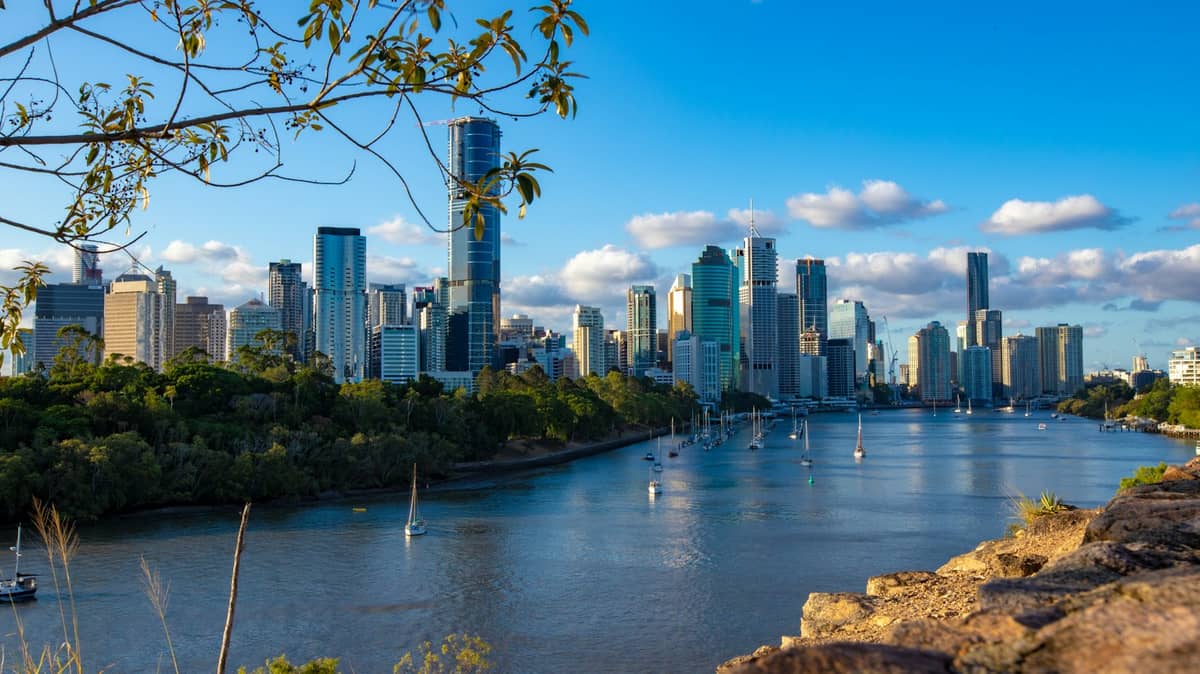
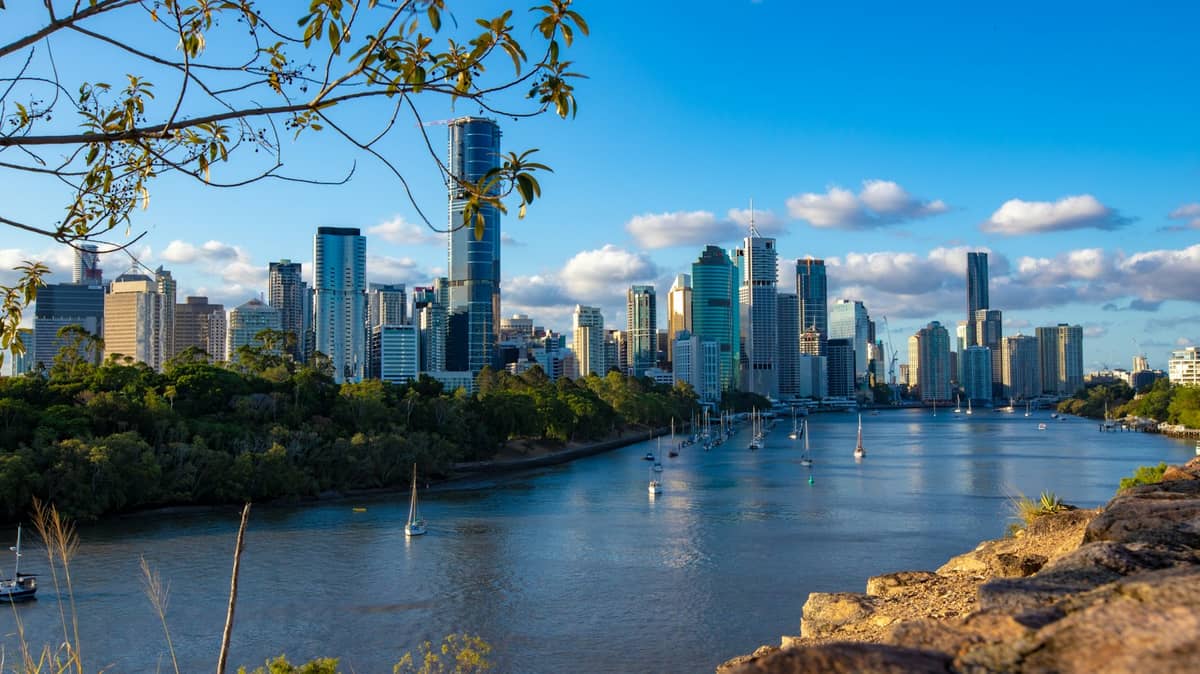
Brisbane sits at roughly 27°S latitude on Australia's east coast, giving it a humid subtropical climate. In practical terms, that means warm-to-hot summers with high humidity and regular afternoon storms, and winters that are genuinely mild by global standards. There's no snow, no extreme cold, and no monsoon season in the strict sense, but summer rainfall is real and can disrupt outdoor plans.
According to the Bureau of Meteorology, Brisbane's mean daily maximum in summer (December to February) sits around 29–30°C, with overnight lows around 21–22°C. Winter (June to August) averages a maximum of 22°C and a minimum closer to 11–12°C. That winter figure is important context: Brisbane's 'cold' is what many European and North American visitors would call a perfect spring day.
ℹ️ Good to know
Queensland does not observe daylight saving time, so Brisbane stays on AEST (UTC+10) year-round. This means summer sunsets fall around 6:30–7pm rather than the 8pm+ you might expect in Sydney or Melbourne. Plan outdoor evenings accordingly.
Winter (June to August): The Most Comfortable Season
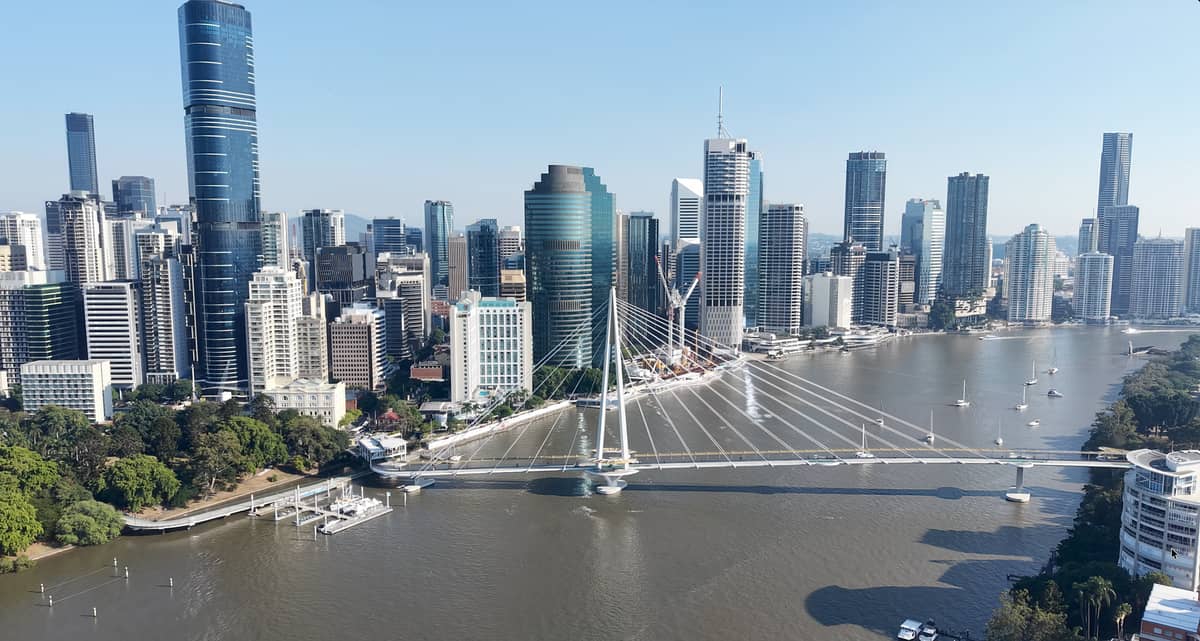
Winter is widely considered the best time to visit Brisbane for good reason. Days are warm and sunny, humidity drops significantly compared to summer, and rainfall is at its lowest across the year. The Bureau of Meteorology's long-term data shows July through September as the driest months, with September typically below 50mm. That said, 'dry' doesn't mean zero rain: winter showers still occur, so pack a light layer and don't write off an umbrella entirely.
This is also when outdoor Brisbane is at its best. The South Bank Parklands and Streets Beach are busy but not oppressively so. Morning walks up Mount Coot-tha are genuinely pleasant, and river dining at places like Howard Smith Wharves is comfortable well into the evening without summer's sticky heat.
⚠️ What to skip
Queensland school holidays fall across most of July, which pushes accommodation demand up noticeably. If you're visiting in mid-July, book accommodation at least 6–8 weeks ahead, particularly for South Bank and CBD hotels. Prices can be 20–40% higher than off-peak periods.
- Average temps Max 22°C, min 11–12°C. Evenings can feel cool, so bring a light jacket.
- Rainfall Lowest of the year, typically under 50mm per month in July and August.
- Crowds Moderate, with a spike during July school holidays.
- Events Brisbane International tennis (January bleeds into late season planning), various arts and cultural programs. Check the Brisbane City Council events calendar closer to travel.
Autumn (March to May): The Underrated Season
Autumn is arguably the most underrated time to visit Brisbane, and that's partly what makes it good value. The summer crowds and humidity are winding down by March, temperatures sit comfortably in the mid-to-high 20s, and the city's events calendar is still active. March and April can still see some rainfall as the wet season tapers off, but by May conditions are genuinely excellent.
Autumn is also a strong season for exploring Brisbane's inner suburbs and cultural precincts. West End and New Farm are at their most enjoyable when you're not sweating through a walk to a café. The Brisbane Riverwalk from New Farm through to the Valley is a genuinely pleasant way to spend a morning without the heat punishing you.
✨ Pro tip
If you want the best combination of good weather, thinner crowds, and reasonable prices, target the second half of May. The school holidays are finished, winter hasn't officially started, and Brisbane is running at a more relaxed pace. It's consistently one of the best windows in the calendar.
Summer (December to February): Hot, Humid, and Eventful
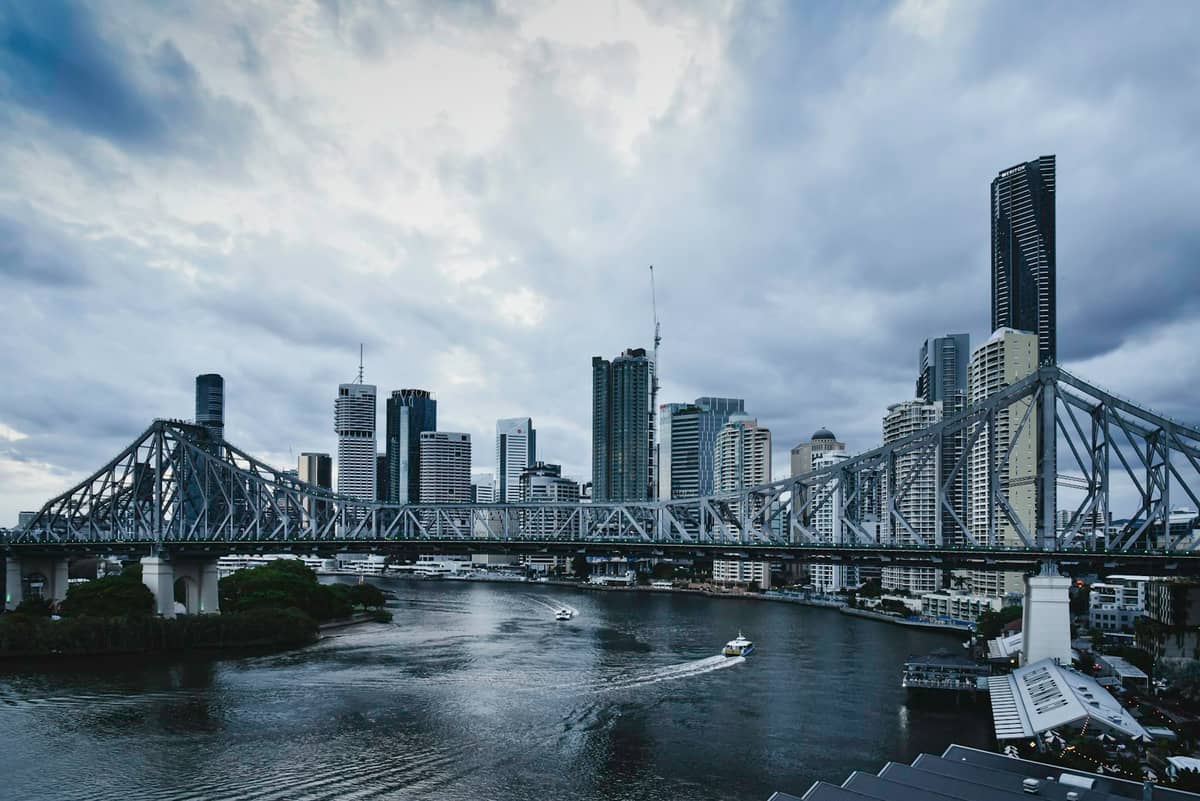
Summer in Brisbane is not for everyone. Temperatures regularly hit 30°C or higher, humidity makes it feel warmer, and afternoon thunderstorms are a near-daily occurrence in January and February. The Brisbane River has flooded historically during summer wet seasons, and while the city has improved its flood mitigation significantly, heavy rain events still disrupt transport and outdoor activities.
That said, summer has genuine appeal if you go in with the right mindset. Brisbane is at its most energetic from late November through January. New Year's Eve fireworks over the river are spectacular. The beach culture around South Bank is in full swing. And for visitors heading out to Moreton Island or North Stradbroke Island, summer water temperatures are ideal for swimming and snorkelling.
One honest caveat: if you're planning to do serious outdoor sightseeing, like hiking at D'Aguilar National Park or climbing the Story Bridge, summer heat and humidity can make those experiences exhausting by mid-morning. Start before 8am or plan outdoor activities around the afternoon storm window (typically 2–5pm) and resume afterwards.
Spring (September to November): Warm and Increasingly Busy
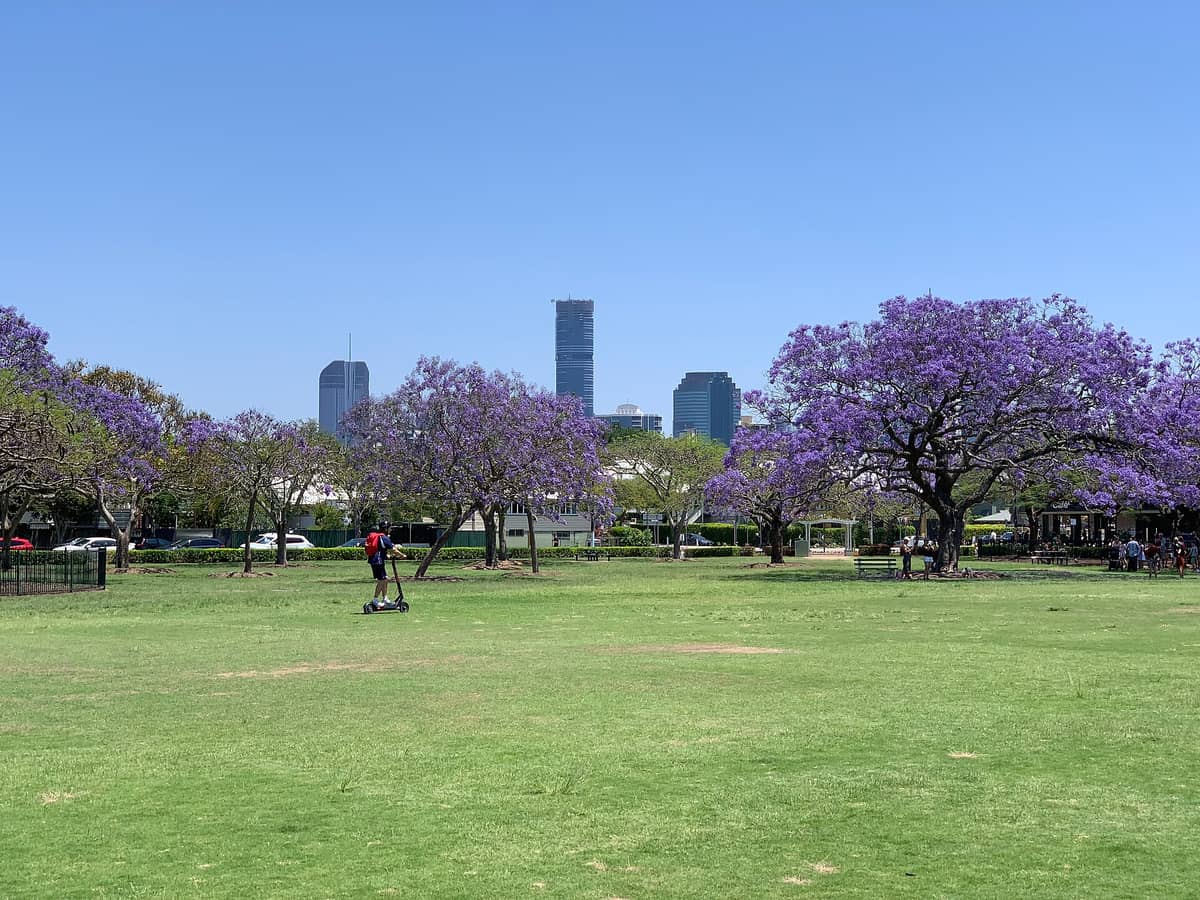
Spring is a solid choice, though it comes with some caveats. September and October are comfortable, with temperatures climbing from the low 20s back toward the high 20s. Humidity starts building again in November, and the chance of storms increases toward the end of the season. October is often cited as a shoulder-season sweet spot, and that reputation is largely earned.
Spring is also when Brisbane's events calendar picks up pace. The Brisbane festivals and events scene runs through spring with outdoor markets, cultural programs, and sporting events. The The Gabba hosts AFL finals in September, which brings interstate visitors and squeezes accommodation near Woolloongabba.
💡 Local tip
The September–October school holiday period (usually around two weeks in late September to early October) significantly affects accommodation availability across Brisbane. If your dates overlap with Queensland school holidays, search accommodation at least 6 weeks out and compare suburbs like Fortitude Valley or Paddington, which often have better availability than South Bank.
Practical Planning: Crowds, Costs, and What to Book Ahead
Knowing the best time to visit Brisbane climatically is only part of the equation. Costs and crowds are equally important. For a full breakdown of budget strategies, the Brisbane on a budget guide covers accommodation tiers, free attractions, and how to avoid the expensive tourist traps across different seasons.
- Peak pricing periods Late December to January (summer holidays), Queensland school holidays in April, July, and September–October. Expect CBD hotel rates to climb 30–50% above off-peak.
- Best value windows May, late August, and early November sit between school holiday blocks and typically offer the most competitive accommodation pricing.
- Book ahead for Story Bridge Adventure Climb (popular year-round), Lone Pine Koala Sanctuary (limited capacity slots), and any river cruise or dining experience during peak season.
- No advance booking needed Most parks, walks, and free attractions like South Bank Parklands, the Riverwalk, and Kangaroo Point Cliffs don't require booking regardless of season.
Getting around doesn't change dramatically by season, but summer storm disruptions occasionally affect CityCat ferry services and outdoor transport hubs. For a full rundown on transport options year-round, the getting around Brisbane guide covers trains, ferries, buses, and the Airtrain from Brisbane Airport, which connects to the CBD in around 20 minutes (verify current fares before travel).
If you're planning a day trip to the islands, season matters considerably. Moreton Island and North Stradbroke Island are accessible year-round but summer rough weather can cancel ferry services without much warning. Winter and autumn crossings are generally more reliable.
FAQ
What is the best time of year to visit Brisbane?
June to August offers the most comfortable conditions overall: warm days around 22°C, low humidity, and minimal rainfall. Autumn (March to May) is a close second, particularly May, which avoids school holidays and still delivers pleasant weather. The choice depends on whether you prioritise ideal climate (winter) or fewer crowds with slightly warmer temperatures (autumn).
Does Brisbane have a rainy season?
Yes, broadly December through March sees the highest rainfall, with January and February being the wettest months on average. Afternoon thunderstorms are common during this period. That said, 'rainy season' doesn't mean constant rain: storms are often intense but short, and many summer days are sunny. Winter is the driest period, though some rainfall still occurs.
Is Brisbane too hot to visit in summer?
It depends on your heat tolerance. Temperatures in January regularly exceed 30°C with high humidity, which makes sustained outdoor sightseeing genuinely uncomfortable in the middle of the day. Early mornings and evenings are manageable. If you're coming from a tropical climate, Brisbane's summer won't feel extreme. For visitors from cooler climates, it can be fatiguing.
When is Brisbane cheapest to visit?
Outside Queensland school holiday periods, the most affordable windows are typically May, late August, and early November. These periods sit between the holiday blocks that drive accommodation demand and don't coincide with major events that fill hotel inventory. Midweek stays are consistently cheaper than weekends regardless of season.
What's the weather like in Brisbane in winter?
Brisbane winters are mild by most standards. Average daytime highs sit around 22°C in June and July, with overnight lows around 11–12°C. Evenings can feel cool, so a light jacket is useful. Humidity is low, skies are often clear, and it's genuinely pleasant weather for walking and outdoor dining. It is not cold in any serious sense, but locals treat temperatures below 15°C with considerable alarm.
Tickets & tours
Live prices and dates from our booking partner. If you book, we may earn a commission at no extra cost to you.
Planning a trip? Discover personalized activities with the Nomado app.