New Farm is an inner-city riverside neighborhood in Brisbane that wraps around a broad bend in the Brisbane River. It's known for New Farm Park, the Brisbane Powerhouse arts venue, and the café-dense stretch of Brunswick Street that gives the suburb much of its daily rhythm.
New Farm sits on a peninsula formed by one of the Brisbane River's most dramatic bends, giving it a quietly privileged geography: water on three sides and the inner city a short bus or ferry ride away. It combines heritage parkland, a converted power station turned arts hub, and a main street where independent cafés outnumber chain stores by a significant margin.
Orientation
New Farm occupies a peninsula roughly 2 kilometres east of the Brisbane CBD. The Brisbane River loops around the suburb on its southern, eastern, and northeastern edges, making the area feel more self-contained than most inner-city neighborhoods. The western edge blends into Fortitude Valley, and the northern boundary meets Teneriffe, the former woolstore district that has been transformed into apartments and galleries over the past two decades.
The suburb's spine is Brunswick Street, which runs from the Valley's entertainment precinct eastward through the residential heart of New Farm before reaching New Farm Park at the river's edge. Merthyr Road and Heal Street branch off toward the quieter, more residential pockets to the south and east. For a wider picture of how New Farm sits within Brisbane's inner suburbs, the where to stay in Brisbane guide compares it with alternatives like South Bank and Paddington.
The peninsula geography matters practically: you cannot pass through New Farm to get somewhere else. People who are here are here deliberately, which shapes the local atmosphere. There are no major arterial roads cutting through, and the street grid tightens as you move closer to the riverfront, with narrower residential lanes lined by workers' cottages and Queenslander houses that have been updated without losing their form.
Character and Atmosphere
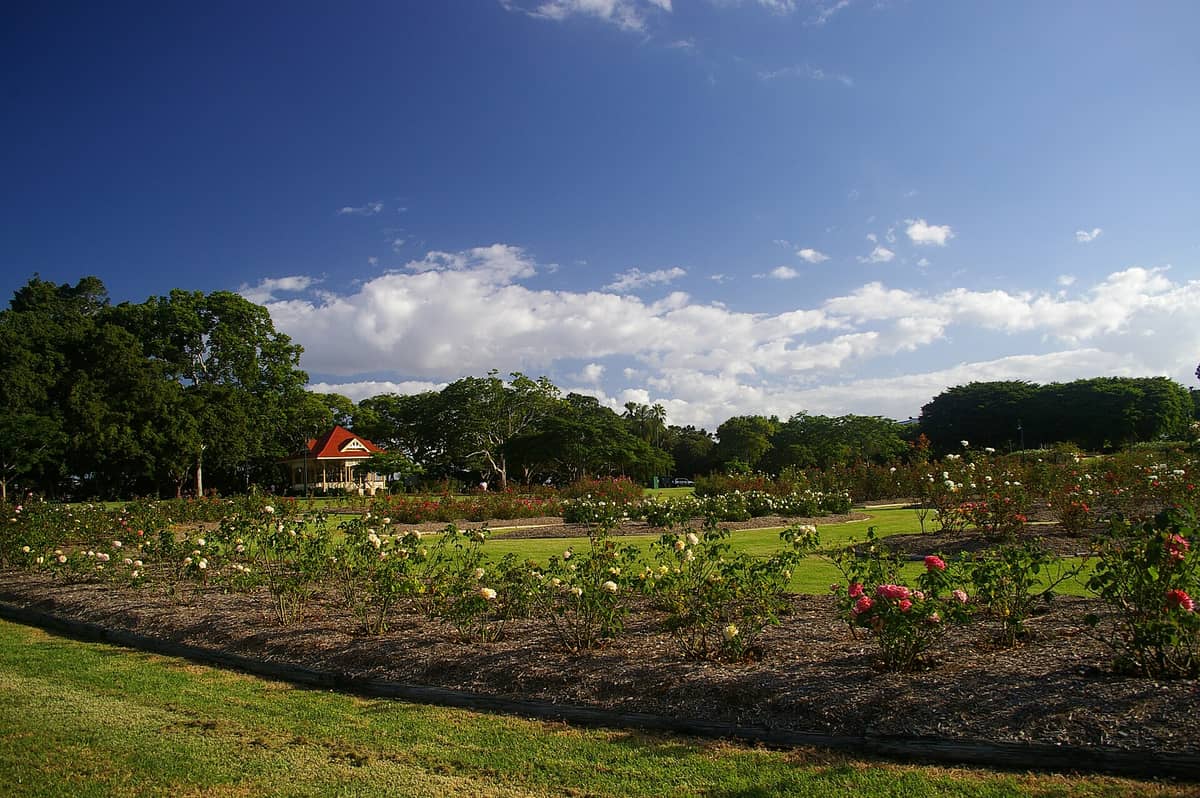
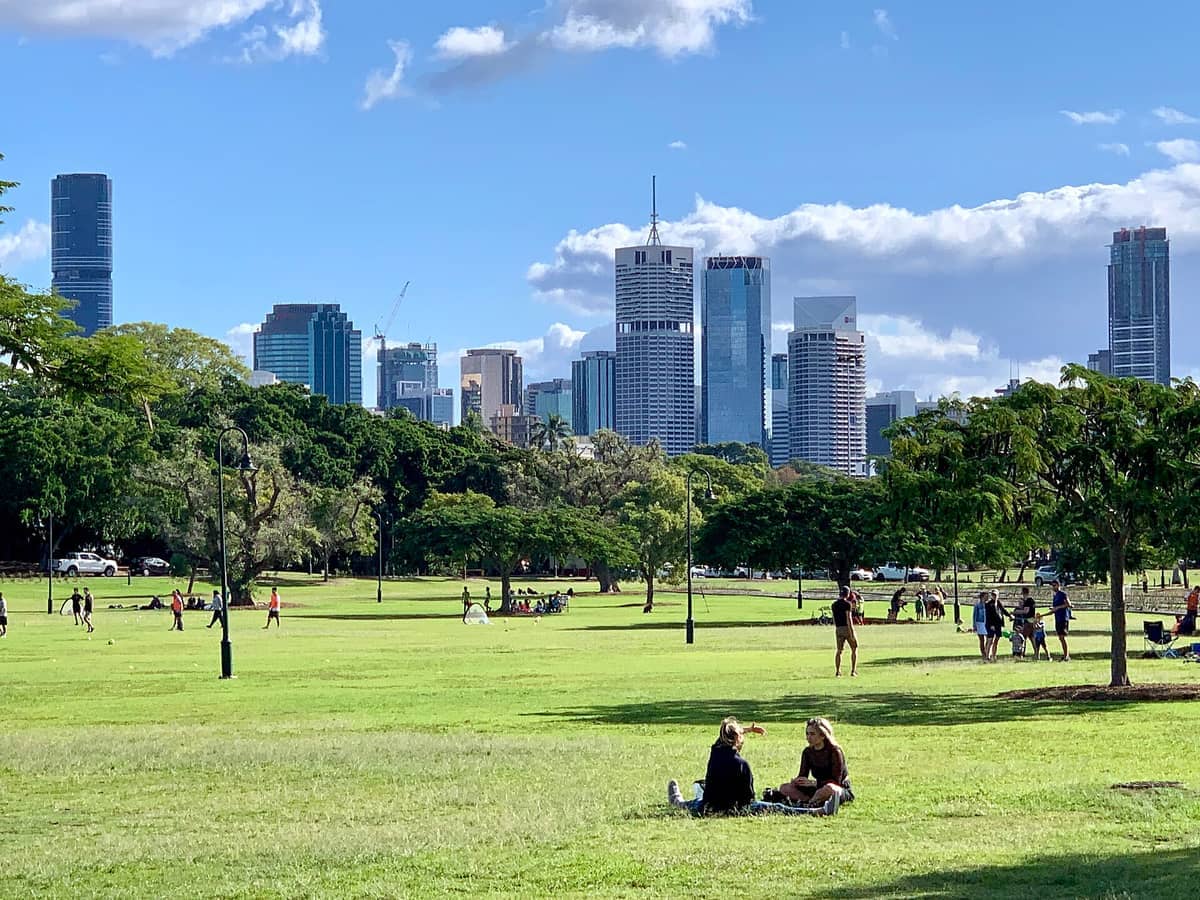
The rhythm of New Farm changes noticeably across the hours of the day. Early mornings belong to dog walkers and joggers who make circuits of the riverside paths and New Farm Park. The park itself, a 15-hectare heritage-listed reserve established in 1914, fills with rose-garden visitors and picnic groups as the morning progresses, its broad lawns shaded by mature fig and jacaranda trees. In November the jacarandas colour the park in purple, and the park becomes genuinely crowded on weekends.
Brunswick Street hits its stride between 8am and noon, when independent cafés fill with a mix of local residents, remote workers, and visitors who have made the short trip from the CBD. The light at this time of day falls across the western-facing café frontages in a way that makes the street feel warmer and more relaxed than it does at midday, when the Queensland sun flattens everything into shade-seeking and air-conditioning.
In the evenings, New Farm splits into two moods. Around the Brisbane Powerhouse on Lamington Street, there is activity tied to whatever is on at the venue: theatre-goers gathering before shows, people having early dinners at the riverside terraces. The rest of the suburb is quieter, more residential. Unlike neighboring Fortitude Valley, New Farm does not have a late-night bar scene. The streets feel safe and calm after 10pm, which is either a selling point or a drawback depending on what you are looking for.
ℹ️ Good to know
New Farm is not a nightlife destination. If you want live music venues and late bars, Fortitude Valley is a 10-minute walk west along Brunswick Street. New Farm's evenings are better suited to a good dinner, a show at the Powerhouse, or a walk along the river.
What to See and Do
The New Farm Park is the neighborhood's anchor. The park runs along the riverfront at the eastern tip of the peninsula and has been a public space since 1914, making it one of Brisbane's oldest formal parks. The rose garden is the headline feature, with thousands of roses at their peak from September to November. The park also has the CityCat ferry terminal, which makes it a natural starting or ending point for a riverside walk.
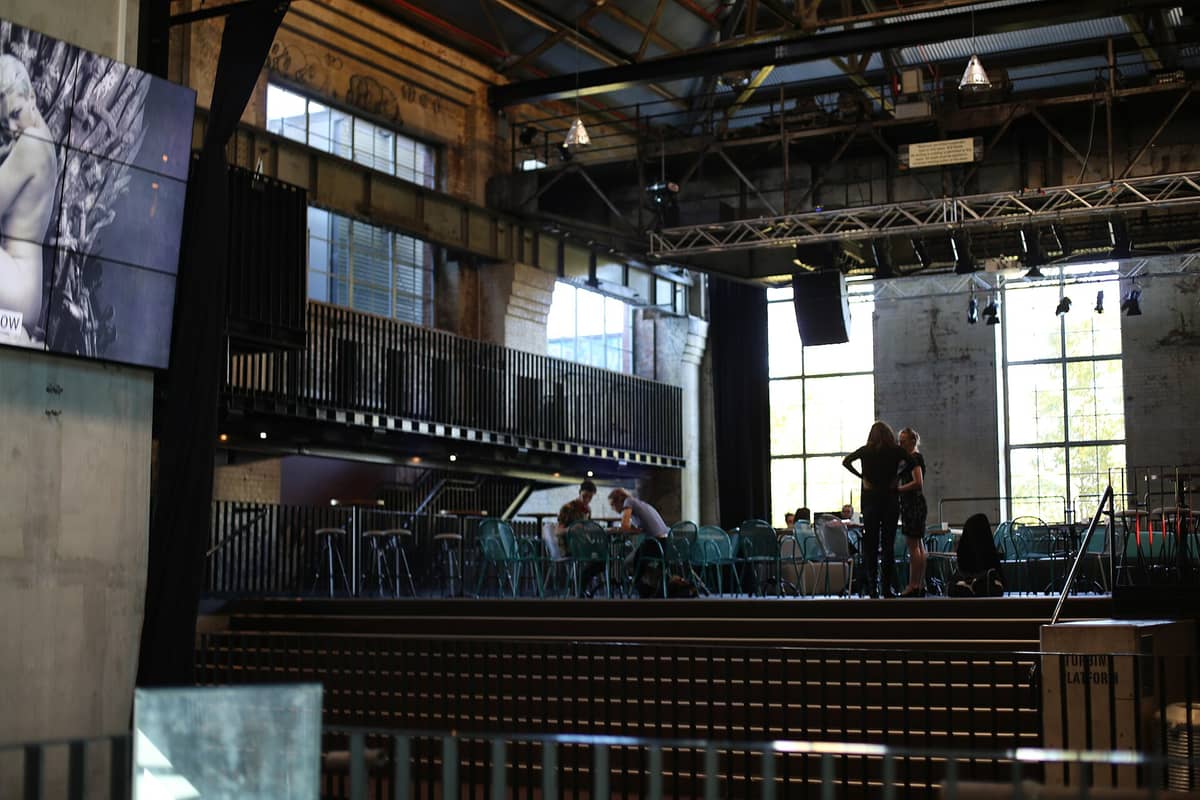
A few hundred metres from the park, the Brisbane Powerhouse occupies a converted 1920s electricity generating station on the riverbank. The industrial bones of the building have been preserved deliberately: exposed brick, rusted ironwork, and high ceilings. The venue runs theatre, comedy, contemporary circus, and music programs year-round, and the riverside bar and restaurant terraces are worth visiting even if you have no interest in whatever is on inside.
For those interested in the wider context of Brisbane's river, the Brisbane Riverwalk connects New Farm's northern shore to Howard Smith Wharves and the CBD. The path is flat and paved, though lighting and access may vary by section and time. The views across to Kangaroo Point and the Story Bridge are among the best from river level anywhere in the city.
New Farm Park: heritage rose gardens, riverside picnic lawns, CityCat ferry terminal
Brisbane Powerhouse: theatre, comedy, music, and contemporary arts in a converted power station
Brisbane Riverwalk: flat riverside walking and cycling path connecting to the CBD
Merthyr Village: small cluster of independent shops and cafés at the junction of Merthyr Road and Brunswick Street
Brunswick Street gallery strip: several commercial art galleries between the Valley end and Merthyr Road
💡 Local tip
The Brisbane Powerhouse publishes its program seasonally. If you are planning a visit around a specific show, book tickets well in advance — popular comedy and theatre seasons sell out weeks ahead, especially during the Brisbane Festival in September.
Eating and Drinking
Brunswick Street has one of the higher concentrations of independent cafés per block of any inner-Brisbane suburb. The standard is generally high, because the clientele is local and returning rather than tourist-driven. You will find specialty coffee roasters, brunch menus that go well beyond avocado toast, and a general assumption that people know what they want and want it done well. Prices are in line with inner-city Brisbane: expect to pay around AU$5-6 for a flat white and AU$18-28 for a substantial brunch.
The dining scene extends beyond cafés. New Farm has a range of sit-down restaurants catering to the neighborhood's relatively affluent residential base, with options spanning Italian, modern Australian, Japanese, and Mediterranean influences. Merthyr Road and the streets around Merthyr Village have a slightly more neighbourhood-local feel compared to the main Brunswick Street strip, where there is more foot traffic and more variety.
Drinking options are relatively limited compared to neighboring suburbs. The Brisbane Powerhouse's riverside bar is the most scenic option, with outdoor terraces overlooking the river that work particularly well in the late afternoon. A handful of wine bars and relaxed bottle-shop-with-tasting-room setups operate along Brunswick Street, but nothing that would class as a destination bar scene.
For a broader picture of what Brisbane's neighborhoods offer at the table, the what to eat in Brisbane guide covers local specialties and food precincts across the city. New Farm sits at the higher end of the casual-dining spectrum: it's less experimental than West End, more polished than the Valley's late-night food options.
Getting There and Around
New Farm has no train station. The closest train access is at Fortitude Valley station, roughly a 15-minute walk from the western end of Brunswick Street. From there, the walk into New Farm is straightforward and flat, passing through the Valley's commercial strip before the street character shifts to New Farm's quieter residential blocks.
Bus services run frequently along Brunswick Street and Merthyr Road, connecting New Farm to the CBD in under 15 minutes under normal conditions. Bus stops at Merthyr Road near Hawthorne Street serve routes heading toward the city. Translink's go card or contactless payment works on all services. Check the Translink journey planner for current route numbers, as services are adjusted periodically.
The CityCat ferry is the most enjoyable way to arrive. The New Farm Park terminal sits right at the riverfront end of the suburb, and The ferry connects to other stops along the Brisbane River; check the current Translink timetable for routes and journey times. For an overview of the full ferry network, the Brisbane River guide covers all the CityCat and CityFerry routes.
Within the suburb itself, New Farm is very walkable. The distance from the Fortitude Valley end of Brunswick Street to New Farm Park at the river is about 1.7 kilometres, which takes around 20 minutes at an easy pace. The terrain is essentially flat. Cycling is practical on the Riverwalk path, and bike share docks operate in the suburb. Rideshare services work reliably here, and pickup is generally quick during daytime hours.
💡 Local tip
If you are combining New Farm with a visit to Howard Smith Wharves or the Story Bridge, the Riverwalk path along the northern shore is the most direct and pleasant route. It avoids roads entirely and takes about 15-20 minutes on foot from the Powerhouse to Howard Smith Wharves.
Where to Stay
New Farm is not a hotel-dense neighborhood. The accommodation stock is weighted toward apartments, serviced apartments, and short-term rentals rather than hotels, which reflects the suburb's residential character. For travelers who want a quiet base with good café access and easy ferry connections to the city and South Bank, this works well. For those who need a wide range of hotel options or want to be closer to the CBD's conference and business facilities, the CBD or South Bank will serve better.
The best location within New Farm for accommodation depends on what you prioritize. Staying closer to Brunswick Street gives you easy access to cafés and the bus routes into the city. Staying closer to the park and Powerhouse end gives you better river access and a quieter setting, with the trade-off being that you are further from the Valley connection and its transit links.
New Farm suits couples, solo travelers, and small families who want to experience a residential Brisbane neighborhood rather than a tourist precinct. For a broader comparison of accommodation options across Brisbane's inner suburbs, the where to stay in Brisbane guide weighs New Farm against alternatives including South Bank and Fortitude Valley.
Nearby Neighborhoods Worth Combining
New Farm sits between Fortitude Valley to the west and Teneriffe to the north, both of which are worth including in any visit. Teneriffe and Newstead have the converted woolstore buildings, weekend markets, and the Eat Street Northshore food market about 2 kilometres further up the river. Fortitude Valley is a sharper contrast: denser, louder, and more commercial, but home to the James Street precinct with its design shops and upscale restaurants.
Across the river, Kangaroo Point is visible from the New Farm riverbank and accessible by ferry. The cliffs and riverside parkland there make for a good half-day combination with a morning in New Farm Park. The Story Bridge connects the two banks just west of New Farm's northern tip, and the walk across takes about 10 minutes.
TL;DR
New Farm is a residential riverside neighborhood on a peninsula east of the Brisbane CBD, best reached by CityCat ferry, bus along Brunswick Street, or a 20-minute walk from Fortitude Valley station.
The Brisbane Powerhouse arts venue and New Farm Park are the main draws for visitors; the suburb's strength is its café scene and calm residential character rather than tourist attractions.
It suits couples, solo travelers, and families who want a quieter base with genuine neighborhood feel, good food options, and easy river connections to South Bank and the CBD.
New Farm is not a nightlife destination: evenings are quiet outside of Powerhouse show nights, and late-night dining and bar options are limited compared to Fortitude Valley or the CBD.
The best time to visit is morning through late afternoon; the jacaranda and rose garden season in October and November turns New Farm Park into one of Brisbane's most photogenic public spaces.
Three days is enough time to get a genuine feel for Brisbane, from its riverside precincts and cultural institutions to its inner-city neighbourhoods and wildlife encounters. This itinerary is structured for first-time visitors but specific enough to be useful for repeat travellers who want to go deeper.
Brisbane is not a beach city in the way Sydney or the Gold Coast are, but the ocean is closer than most visitors expect. This guide covers the best beaches near Brisbane, from the patrolled surf beaches of North Stradbroke Island to the pristine sands of Moreton Island, plus practical advice on getting there, staying safe, and timing your visit.
Brisbane delivers more than its size suggests for museums, with major institutions offering free general admission alongside world-class rotating exhibitions. This guide covers the city's best museums across art, natural history, maritime heritage, civic history, and science.
Brisbane's subtropical climate means it's worth visiting year-round, but the best time to go depends on your priorities. This guide breaks down every season by weather, crowds, costs, and events so you can plan smarter.
Brisbane rewards those who look up, out, and across. From the sweeping 180-degree panorama at Mount Coot-tha to the cliff-edge views at Kangaroo Point, this guide covers the city's finest vantage points for sunrise, sunset, and everything in between.
Brisbane is the city that inspired Bluey, and you can experience it two ways: the official Bluey's World immersive attraction at Hamilton, and the real parks, beaches and streets that appear throughout the show. This guide covers both, with practical booking advice, neighbourhood-by-neighbourhood locations, and practical tips for making the most of a Bluey-themed Brisbane day.
Everything you need to navigate Brisbane Airport (BNE) from landing to your hotel. This guide covers terminal layouts, all transport options to the CBD, inter-terminal transfers, parking, and practical tips that save time and money.
Brisbane runs a packed events calendar year-round, from the flagship Brisbane Festival in September to free outdoor markets, sports finals, and cultural celebrations. This guide breaks down the key events by season, what they actually involve, and how to plan around them.
Brisbane rewards couples with a surprisingly rich mix of romantic settings: dramatic river views, heritage precincts, lush gardens, and waterfront bars. Whether you're planning a weekend away or looking for a special evening out, this guide covers the best the city has to offer.
Brisbane's history stretches from Indigenous Country to colonial settlement, two World Wars, and a postwar boom that shaped the city you see today. This guide covers the heritage buildings, war memorials, colonial-era homes, and cultural institutions that tell that story best.
Brisbane delivers more than its size suggests for outdoor walking. Whether you want a quick riverside stroll through the CBD, a serious bushland hike, or a dramatic coastal walk on a nearby island, the city and its surrounds deliver. This guide covers the best hikes and walks near Brisbane, organised by type and difficulty.
Brisbane's live music scene delivers more than its size suggests, from intimate indie rooms in Fortitude Valley to outdoor amphitheatres on the river. This guide covers the best venues by genre and neighbourhood, how to get tickets, what to budget, and how to get home safely after the show.
Brisbane's market scene is more varied than most visitors expect, with options spread across the week, not just weekends. This guide covers the best markets in Brisbane, including what to buy, when to go, and what to skip.
Brisbane's nightlife has matured considerably over the past decade. From the bar-packed streets of Fortitude Valley to riverside cocktail spots and indie live music rooms, this guide covers the best precincts, practical logistics, and practical advice for a great night out in Brisbane.
Brisbane is one of Australia's more affordable capital cities, and with a few smart moves, you can stretch your dollar significantly. This guide covers free attractions, cheap transport, budget-friendly food, and practical advice on where not to waste your money.
The Brisbane River is the city's spine, and knowing how to use it makes a trip here dramatically better. This guide covers the best walks, viewpoints, precincts, and experiences along the river, from the CBD to New Farm and beyond.
Brisbane's shopping scene spans a central mall, design-focused precincts, riverside markets, and neighbourhood strips worth exploring on foot. This guide breaks down where to go, what to expect, and how to avoid wasting time on the wrong options.
Brisbane delivers more than its size suggests as a sports city. From NRL and A-League to cricket and basketball, this guide covers every major team, venue, and match-day logistics you need to plan a great live sports experience in Brisbane.
The Gold Coast is 80 kilometres south of Brisbane and one of the most popular day trips in Queensland. This guide covers every realistic way to get there, what to do once you arrive, how much to budget, and the practical trade-offs between driving, taking the train, and joining a tour.
Brisbane rewards walkers with a compact city centre, riverside paths, and 24 official heritage trails maintained by Brisbane City Council. This guide covers the best self-guided walking routes, how long each takes, what you'll actually see, and when to go.
Brisbane sits at the edge of some of Australia's most accessible wildlife habitat, and you don't need to travel far to encounter koalas, kangaroos, dolphins, and migratory shorebirds. This guide covers the best sanctuaries, nature reserves, wetlands, and island escapes for seeing native animals in and around the city.
Brisbane is one of Australia's most family-friendly cities, with free beaches, world-class wildlife sanctuaries, hands-on museums, and outdoor adventures within easy reach of the CBD. This guide covers the best activities for families visiting Brisbane, from toddler-friendly parks to day trips that will captivate older kids.
Brisbane sits at the centre of one of Australia's most diverse regions for day tripping. Within two hours you can be snorkelling around shipwrecks, watching humpback whales from a headland, or wandering a rainforest. This guide breaks down the top day trips from Brisbane with realistic transport options, costs, and the practical trade-offs most guides skip.
Brisbane rewards budget-conscious travellers more than most Australian cities. From a free inner-city beach and world-class art galleries to riverside walks, koala encounters, and sweeping city lookouts, there's an enormous amount to do here without opening your wallet.
Brisbane has one of Australia's most practical urban transport networks, covering trains, buses, ferries, and the CityCat river service. This guide breaks down fares, payment methods, routes, and practical advice on when to ditch public transit and grab a rideshare instead.
Brisbane divides opinion. Some travelers find it a sunny, walkable city with genuine character and easy access to outstanding day trips. Others pass through and wonder what the fuss is about. This guide cuts through both the hype and the skepticism to give you a clear picture of what Brisbane actually offers, who it suits, and when to go.
Moreton Island sits just 40 kilometres off the Brisbane coast, but it feels worlds away. This guide covers how to get there, what to do with your time, realistic costs, and the practical details that most guides leave out.
North Stradbroke Island (Minjerribah) sits just 30 km from Brisbane but feels like a different world. This guide covers how to get there, how to get around, what to do, and what the glossy tourism brochures leave out.
Brisbane delivers more than its size suggests for a city of its size. This guide covers the best things to do in Brisbane across every budget and interest, from South Bank's cultural precinct and the river's CityCat ferries to day trips, wildlife encounters, and the city's underrated food scene.
Brisbane's food scene delivers more than its size suggests. This guide covers the regional specialties, best neighbourhoods for dining, market food experiences, and practical tips to help you eat well across every budget in Queensland's capital.
Choosing where to stay in Brisbane shapes your entire trip. This guide breaks down every major neighbourhood by budget, vibe, and proximity to attractions, so you can book with confidence rather than guesswork.