Brisbane Heritage & History Guide: The City's Most Significant Historic Sites
Brisbane's history stretches from Indigenous Country to colonial settlement, two World Wars, and a postwar boom that shaped the city you see today. This guide covers the heritage buildings, war memorials, colonial-era homes, and cultural institutions that tell that story best.
Tickets & tours
Live prices and dates from our booking partner. If you book, we may earn a commission at no extra cost to you.
Brisbane sits on the traditional lands of the Turrbal and Jagera peoples, and its built heritage layers colonial ambition, civic pride, and wartime memory across a compact, walkable city. The good news for history lovers: many of Brisbane's finest heritage sites are free, concentrated in the CBD and inner suburbs, and easy to combine into a single day. For a broader itinerary, our 3-day Brisbane guide shows how to weave history into a full visit. This guide focuses on the sites that matter most, from Queensland's oldest homestead to a Gothic cathedral 108 years in the making.
Colonial Architecture & Civic Buildings
Brisbane's colonial and early Federation-era buildings are concentrated in the CBD and inner suburbs, and several are among the finest examples of their style in Australia. The Brisbane CBD alone contains a remarkable collection of 19th and early 20th century civic architecture, much of it still in active use. Book Clock Tower tours in advance as capacity is limited and they fill quickly, especially on weekends.
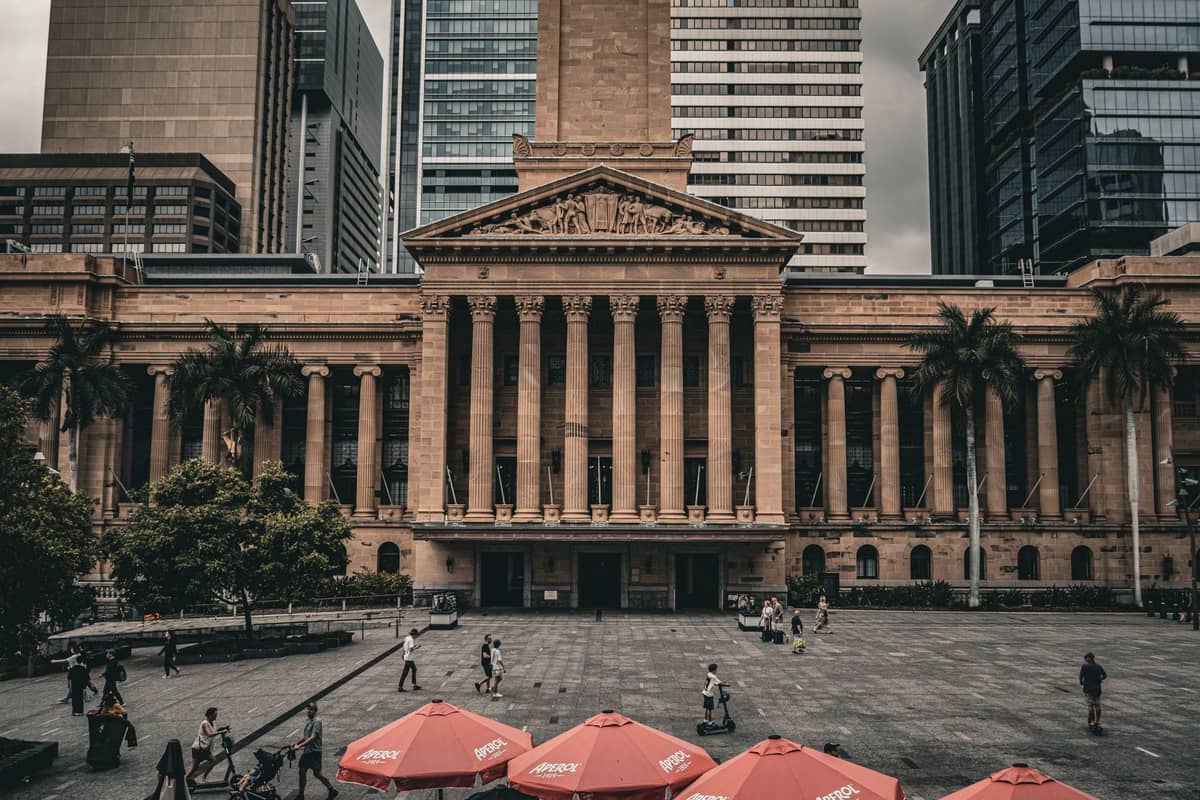
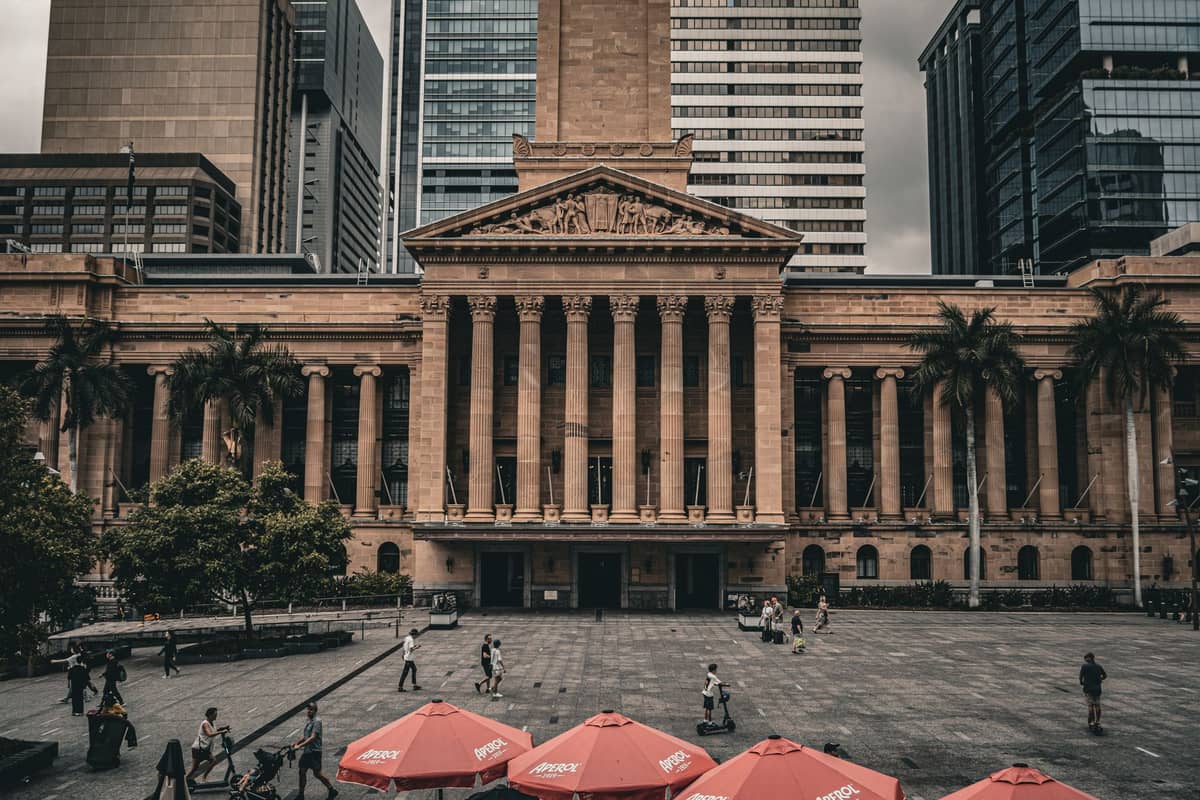
1. Ride the Cage Lift at Brisbane City Hall's Clock Tower
Built between 1920 and 1930, City Hall is Brisbane's finest civic landmark. The free Clock Tower tour includes a historic cage lift and an observation platform. Book ahead: tours run every 15 minutes and capacity is strictly limited.
Explore1. Ride the Cage Lift at Brisbane City Hall's Clock Tower
Built between 1920 and 1930, City Hall is Brisbane's finest civic landmark. The free Clock Tower tour includes a historic cage lift and an observation platform. Book ahead: tours run every 15 minutes and capacity is strictly limited.
Explore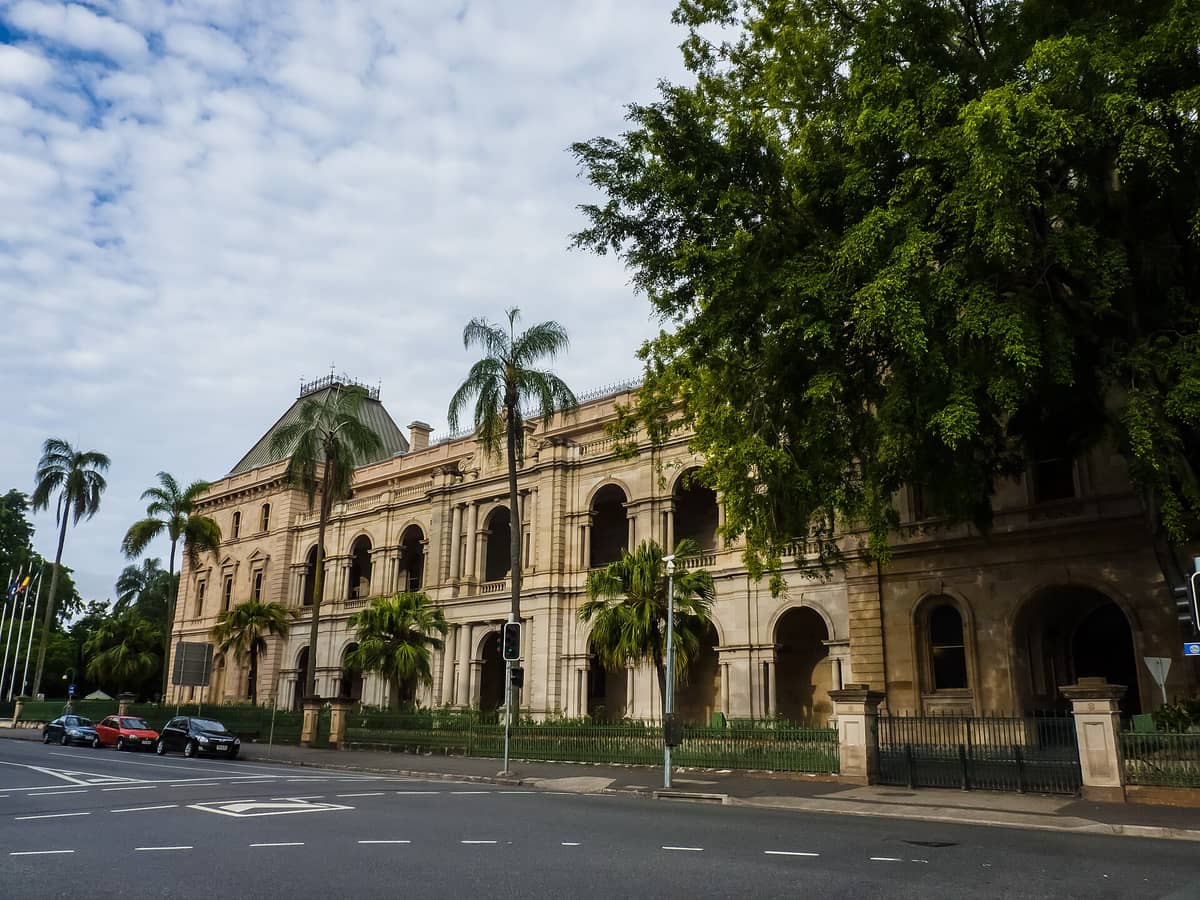
2. Tour Queensland's French Renaissance Parliament House
Completed in 1868, this is one of Australia's most handsome colonial buildings. Free guided tours take you through the historic chambers and grounds. The ornate French Renaissance facade is best appreciated from the Alice Street gardens.
Explore2. Tour Queensland's French Renaissance Parliament House
Completed in 1868, this is one of Australia's most handsome colonial buildings. Free guided tours take you through the historic chambers and grounds. The ornate French Renaissance facade is best appreciated from the Alice Street gardens.
Explore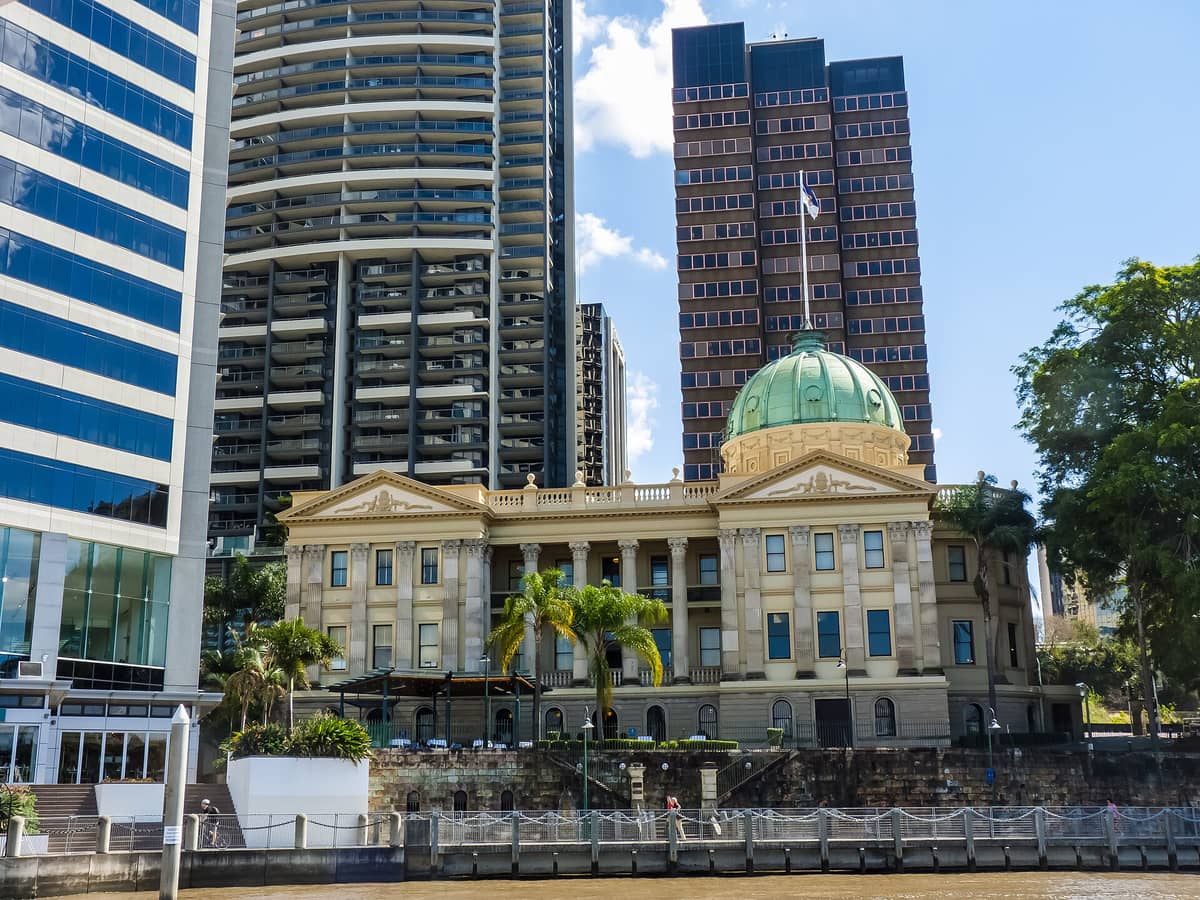
3. Admire the Copper Dome of Brisbane Customs House
This 1889 riverfront building is one of Brisbane's most photographed heritage landmarks. Its copper dome, ornate sandstone exterior, and richly restored interiors reflect the city's 19th-century commercial ambitions. Entry to the building is free.
Explore3. Admire the Copper Dome of Brisbane Customs House
This 1889 riverfront building is one of Brisbane's most photographed heritage landmarks. Its copper dome, ornate sandstone exterior, and richly restored interiors reflect the city's 19th-century commercial ambitions. Entry to the building is free.
Explore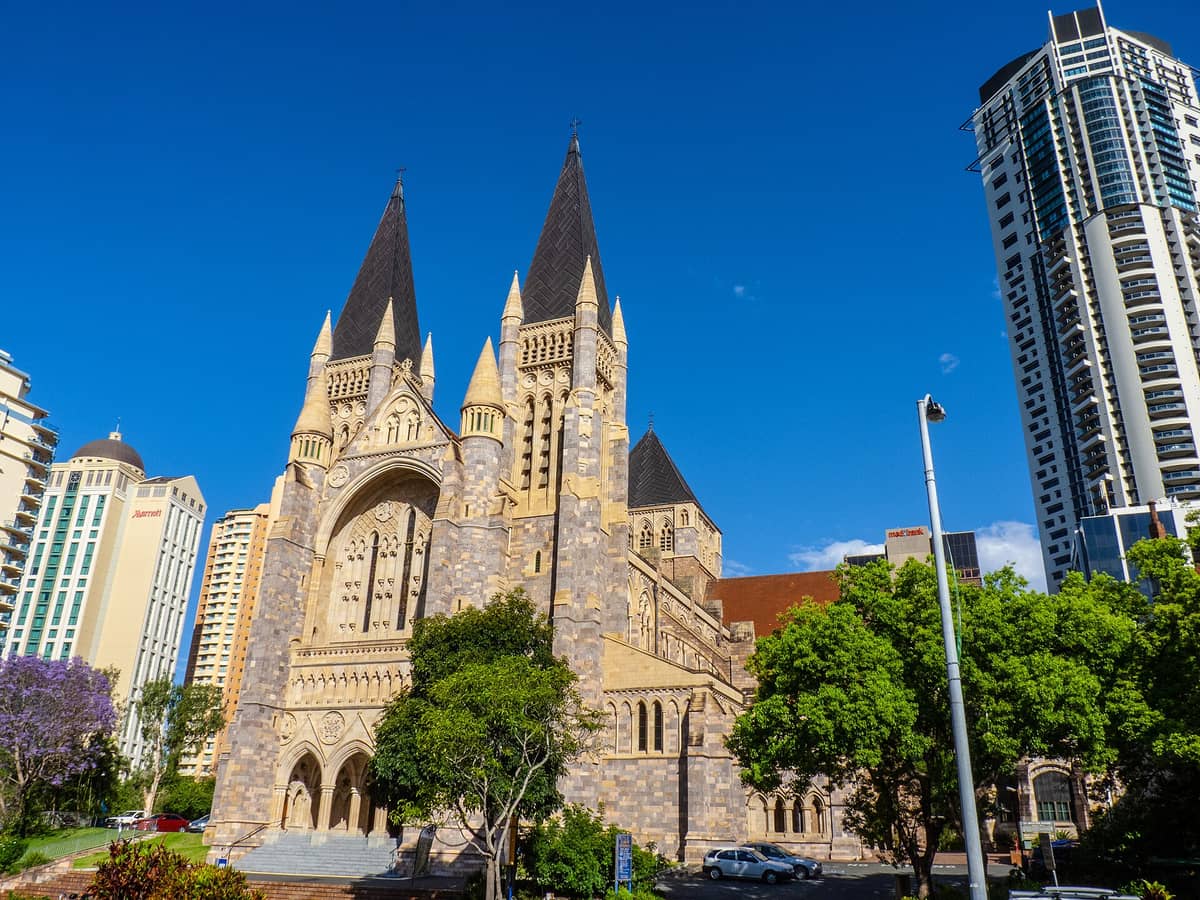
4. Visit the Gothic Cathedral 108 Years in the Making
Construction of St John's Anglican Cathedral began in 1901 and was completed in 2009, making it one of the most remarkable building stories in Australian history. The interior is genuinely soaring, with detailed stonework worth examining closely.
Explore4. Visit the Gothic Cathedral 108 Years in the Making
Construction of St John's Anglican Cathedral began in 1901 and was completed in 2009, making it one of the most remarkable building stories in Australian history. The interior is genuinely soaring, with detailed stonework worth examining closely.
Explore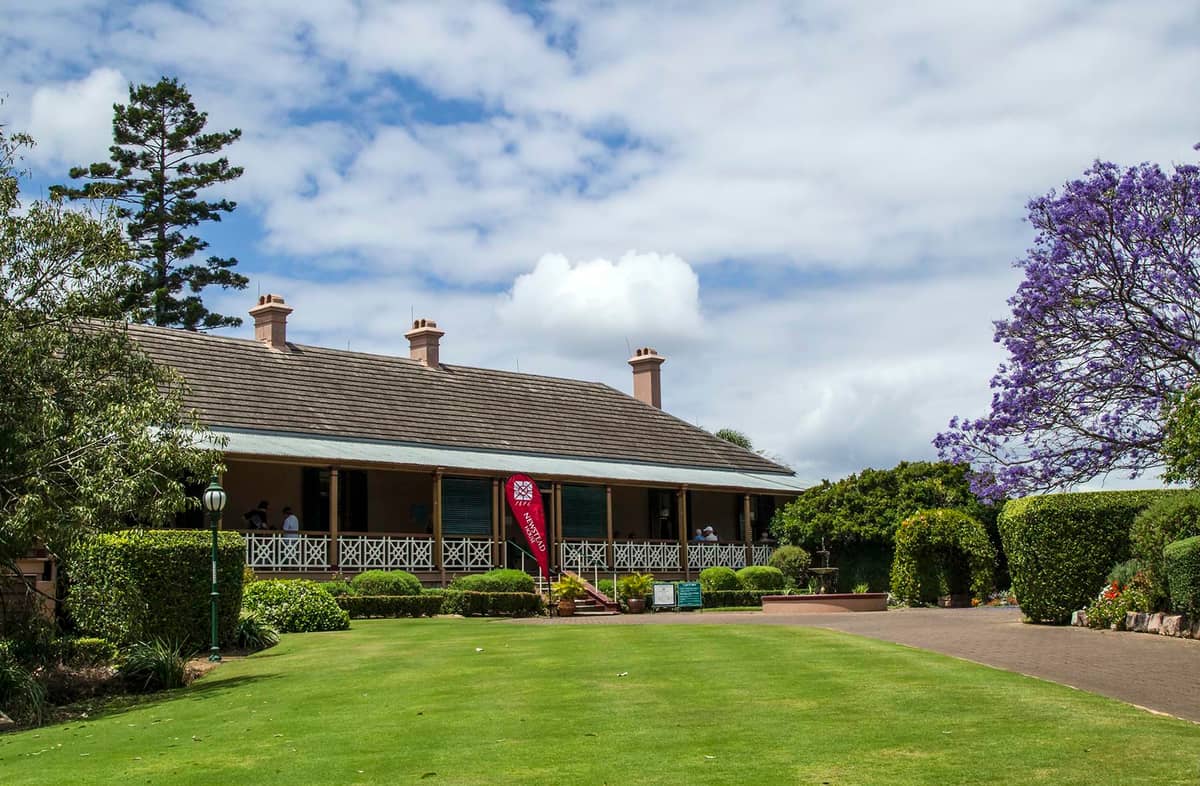
5. Step Inside Brisbane's Oldest Surviving Homestead
Built in 1846, Newstead House is the oldest surviving residence in Brisbane. The riverside museum is furnished in period style and gives a vivid sense of early colonial Queensland life. The heritage gardens overlooking the river are worth lingering in.
Explore5. Step Inside Brisbane's Oldest Surviving Homestead
Built in 1846, Newstead House is the oldest surviving residence in Brisbane. The riverside museum is furnished in period style and gives a vivid sense of early colonial Queensland life. The heritage gardens overlooking the river are worth lingering in.
Explore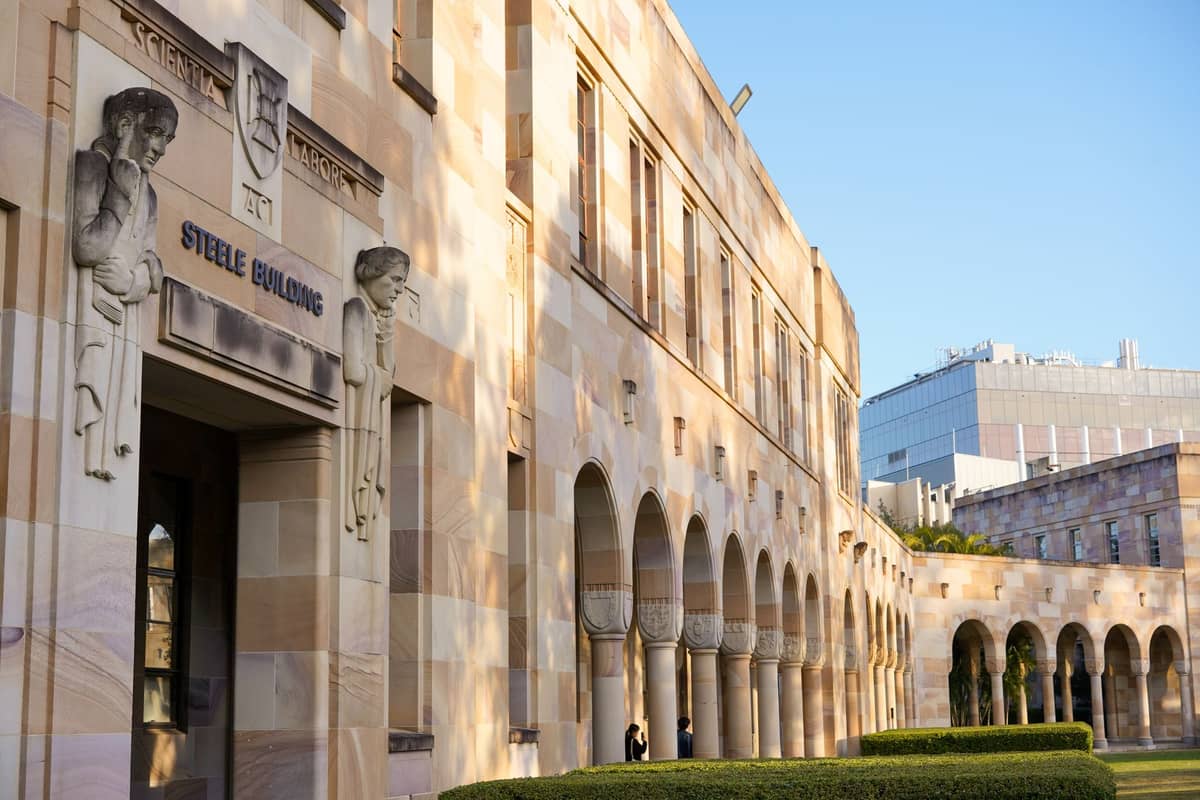
6. Walk the Sandstone Quadrangles of UQ's St Lucia Campus
UQ's Great Court is one of Australia's most beautiful academic settings, ringed by honey-coloured sandstone cloisters. The campus is open to visitors, and the UQ Museum of Natural History on-site adds a worthwhile extra stop.
Explore6. Walk the Sandstone Quadrangles of UQ's St Lucia Campus
UQ's Great Court is one of Australia's most beautiful academic settings, ringed by honey-coloured sandstone cloisters. The campus is open to visitors, and the UQ Museum of Natural History on-site adds a worthwhile extra stop.
ExploreMemorials, Museums & Cultural Institutions
Brisbane's museums punch well above their weight, and several are completely free. The best museums in Brisbane range from Queensland's natural history collection to the Gallery of Modern Art, but for heritage specifically, the Museum of Brisbane inside City Hall and the Queensland Maritime Museum offer the most direct connection to the city's past.
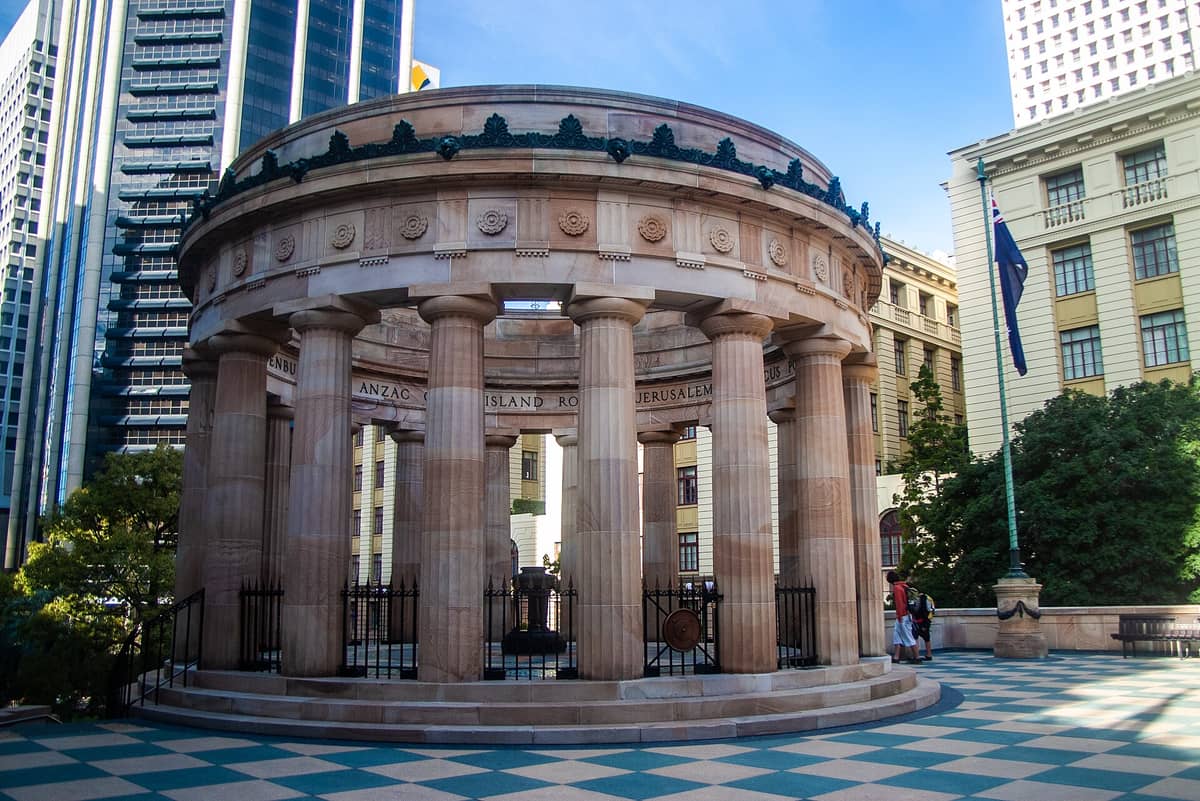
7. Pay Respects at ANZAC Square & the Eternal Flame
The formal gardens of ANZAC Square, anchored by the Shrine of Remembrance and an eternal flame, sit at the heart of the CBD. The underground Shrine of Memories houses stained-glass tributes to each military campaign. Quiet and often uncrowded on weekday mornings.
Explore7. Pay Respects at ANZAC Square & the Eternal Flame
The formal gardens of ANZAC Square, anchored by the Shrine of Remembrance and an eternal flame, sit at the heart of the CBD. The underground Shrine of Memories houses stained-glass tributes to each military campaign. Quiet and often uncrowded on weekday mornings.
Explore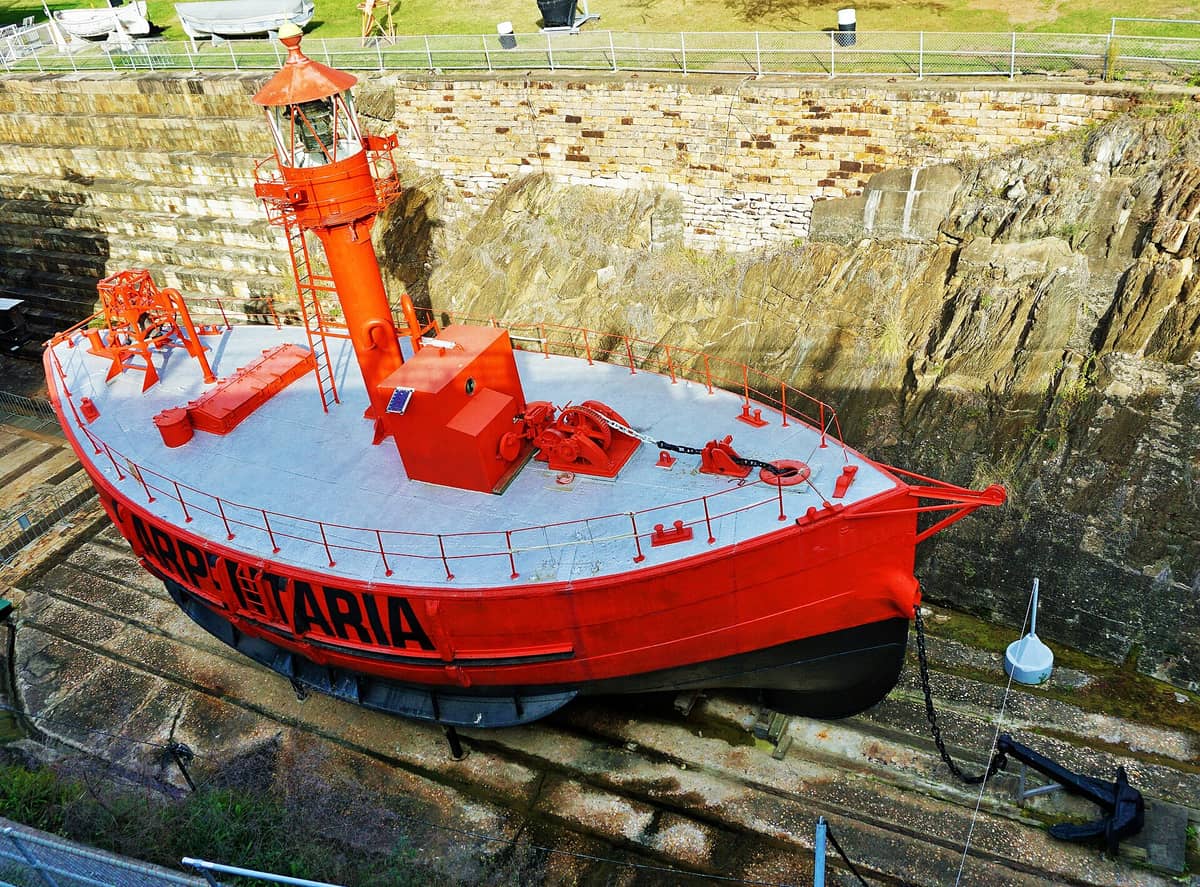
8. Board a WWII Frigate at the Queensland Maritime Museum
At the southern end of South Bank, this waterfront museum lets you walk the decks of HMAS Diamantina, a World War II frigate, alongside a steam tug and historic dry dock. It is the most hands-on history experience in the city.
Explore8. Board a WWII Frigate at the Queensland Maritime Museum
At the southern end of South Bank, this waterfront museum lets you walk the decks of HMAS Diamantina, a World War II frigate, alongside a steam tug and historic dry dock. It is the most hands-on history experience in the city.
Explore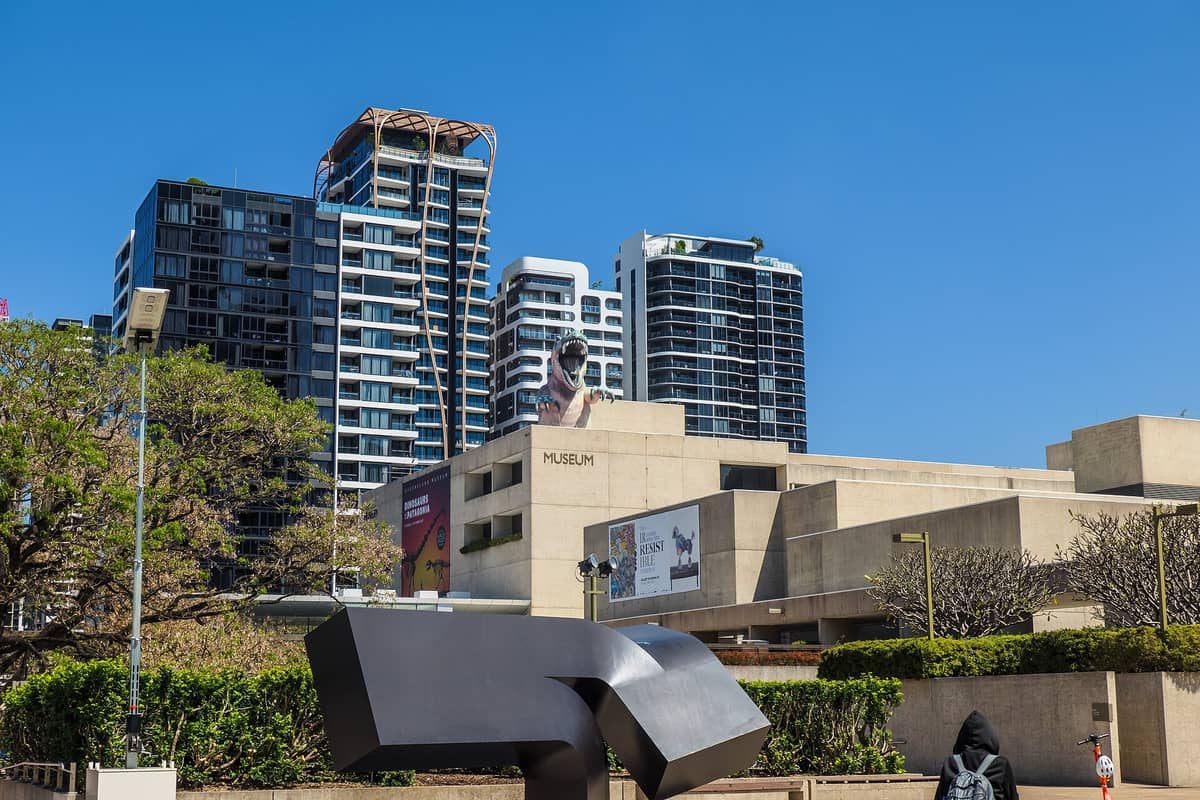
9. Explore Queensland's Story at the State Museum
The Queensland Museum on South Bank houses dinosaur skeletons, a whale skeleton, and Indigenous cultural collections under one roof, with free entry to the permanent galleries. The Anzac Legacy Gallery covers Queensland's military history in depth.
Explore9. Explore Queensland's Story at the State Museum
The Queensland Museum on South Bank houses dinosaur skeletons, a whale skeleton, and Indigenous cultural collections under one roof, with free entry to the permanent galleries. The Anzac Legacy Gallery covers Queensland's military history in depth.
Explore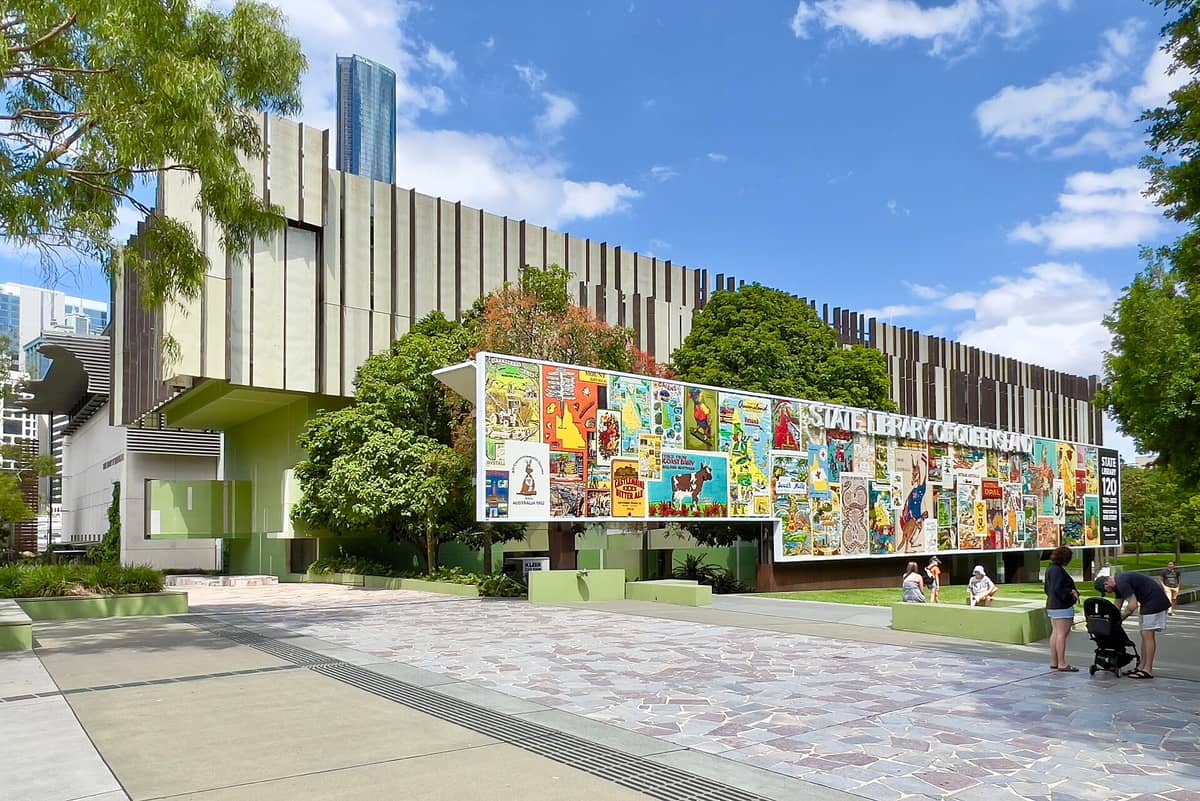
10. Discover Queensland History at the State Library
The State Library holds one of Australia's most significant collections of Queensland historical records, photographs, and maps. Free exhibitions change regularly, and the rooftop reading room with river views is a genuinely pleasant place to sit with archival material.
Explore10. Discover Queensland History at the State Library
The State Library holds one of Australia's most significant collections of Queensland historical records, photographs, and maps. Free exhibitions change regularly, and the rooftop reading room with river views is a genuinely pleasant place to sit with archival material.
Explore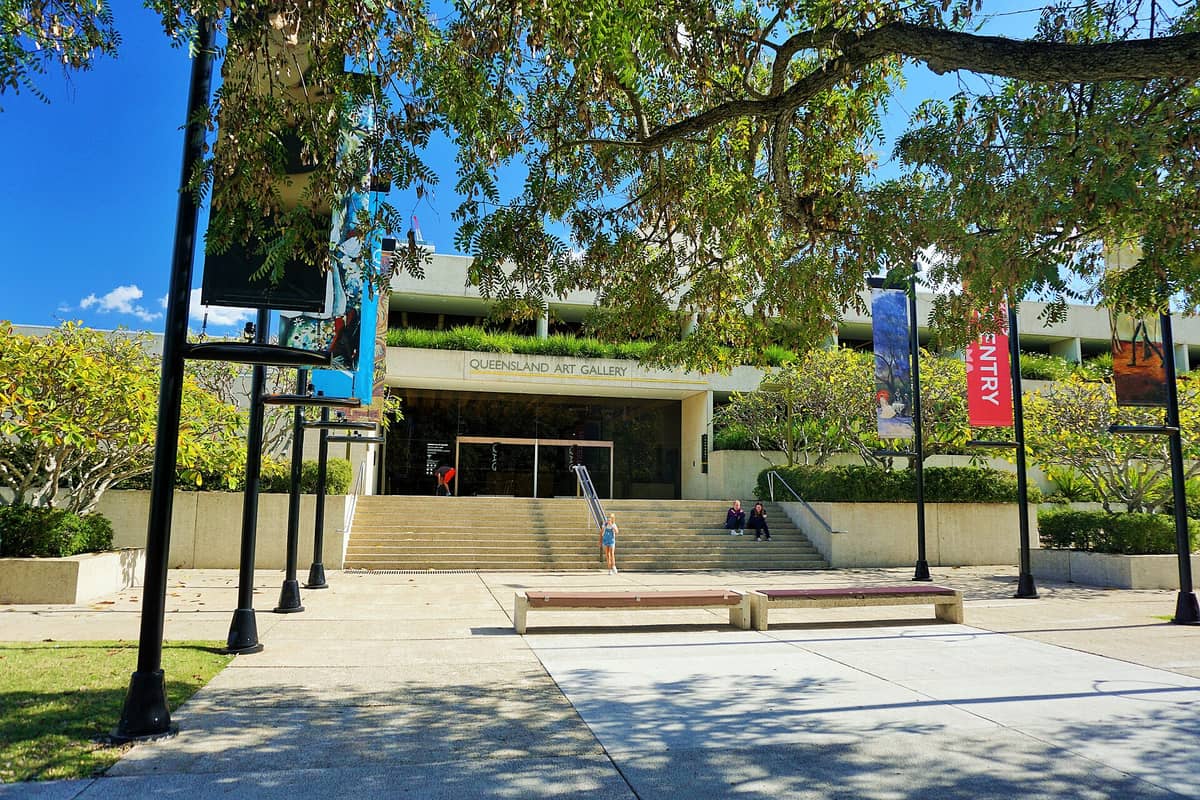
11. See Queensland's Cultural History Through Its Art Collection
The Queensland Art Gallery holds extensive collections of Australian colonial painting and Indigenous art that document the state's history visually. The permanent Australian collection is free and spans from the 1800s to the present day.
Explore11. See Queensland's Cultural History Through Its Art Collection
The Queensland Art Gallery holds extensive collections of Australian colonial painting and Indigenous art that document the state's history visually. The permanent Australian collection is free and spans from the 1800s to the present day.
ExploreHeritage Precincts & Riverside Walks
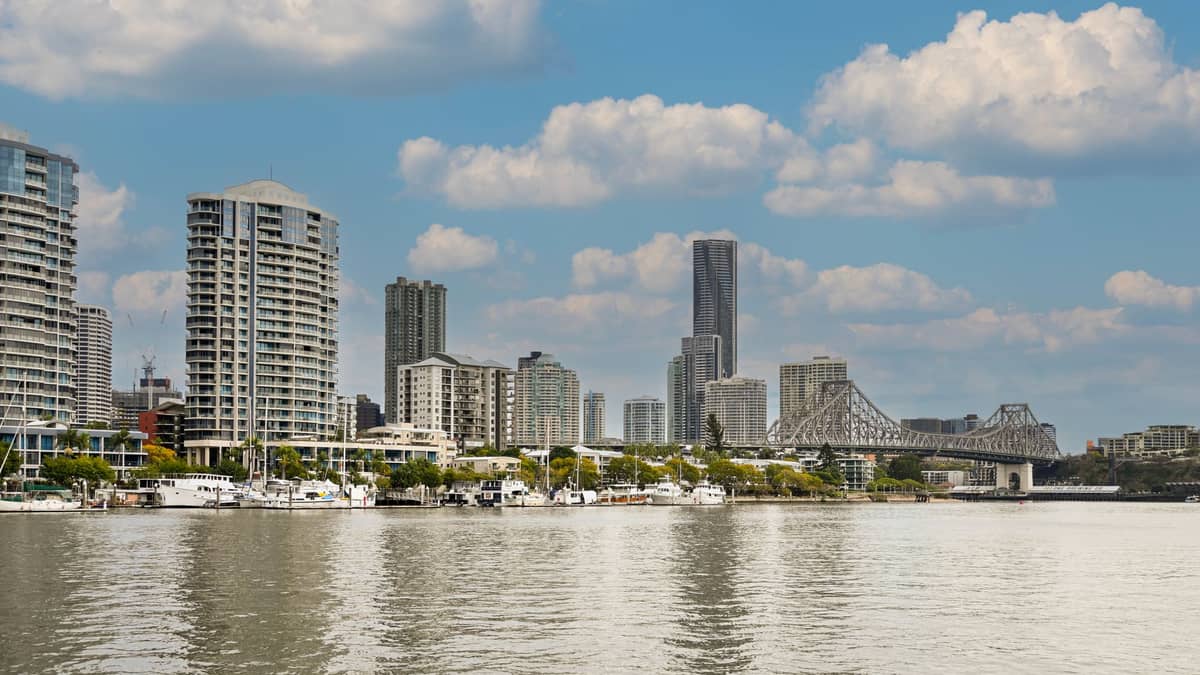
Some of Brisbane's most rewarding heritage experiences are found by simply walking the right streets and riverbanks. The Newstead and Teneriffe waterfront is particularly rich: a stretch of converted 19th-century wool stores that gives a genuine sense of the industrial river economy that built early Brisbane. Combine it with Howard Smith Wharves for a half-day heritage walk along the river.
12. Walk Along the Converted 19th-Century Wool Stores at Teneriffe
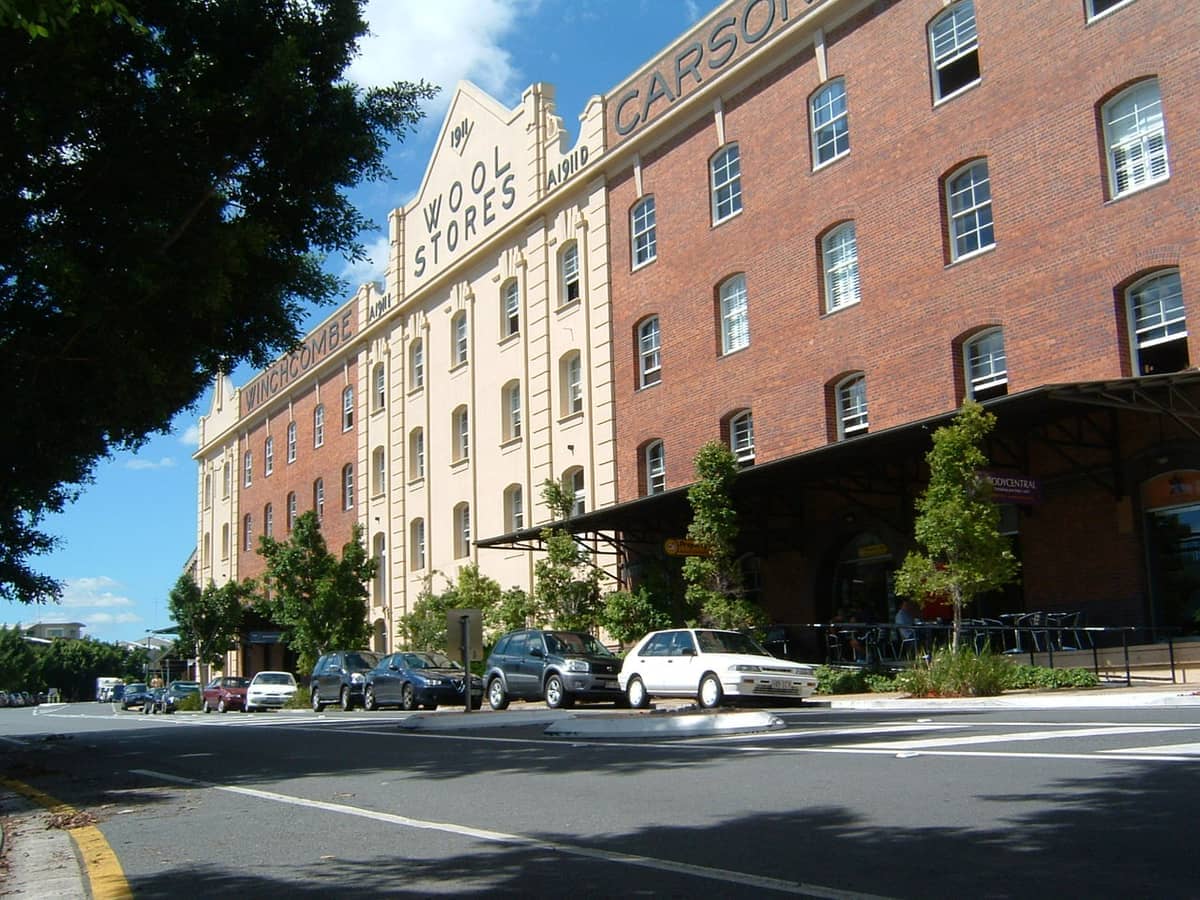
These massive heritage brick wool stores along the Teneriffe riverfront were the engine room of Queensland's wool trade. Now converted to apartments, boutiques, and cafes, they remain the most intact industrial heritage streetscape in Brisbane.
Explore12. Walk Along the Converted 19th-Century Wool Stores at Teneriffe
These massive heritage brick wool stores along the Teneriffe riverfront were the engine room of Queensland's wool trade. Now converted to apartments, boutiques, and cafes, they remain the most intact industrial heritage streetscape in Brisbane.
Explore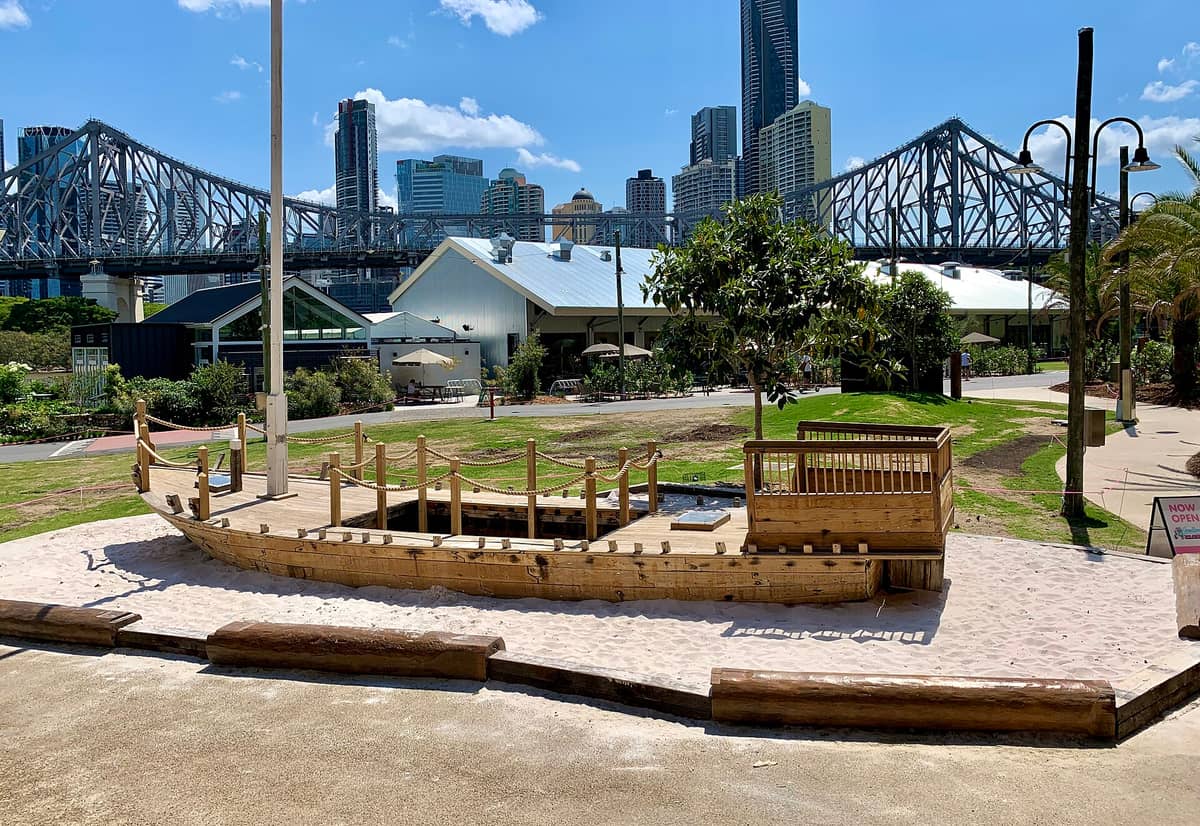
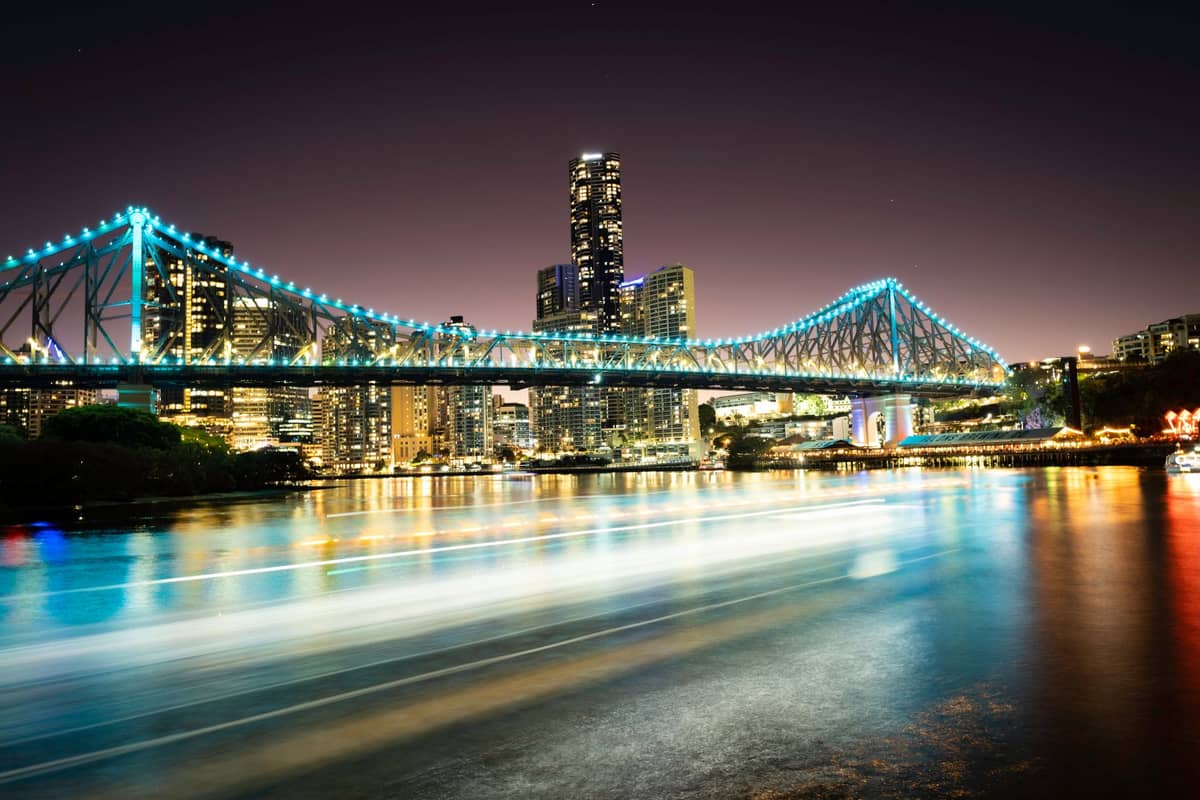
13. Eat and Drink Beneath the Story Bridge at Howard Smith Wharves
This revitalized heritage wharf precinct beneath the Story Bridge has retained its original infrastructure, including warehouses and seawall, while adding restaurants and bars. The dramatic setting under cliff faces makes history feel immediate rather than museum-bound.
Explore13. Eat and Drink Beneath the Story Bridge at Howard Smith Wharves
This revitalized heritage wharf precinct beneath the Story Bridge has retained its original infrastructure, including warehouses and seawall, while adding restaurants and bars. The dramatic setting under cliff faces makes history feel immediate rather than museum-bound.
Explore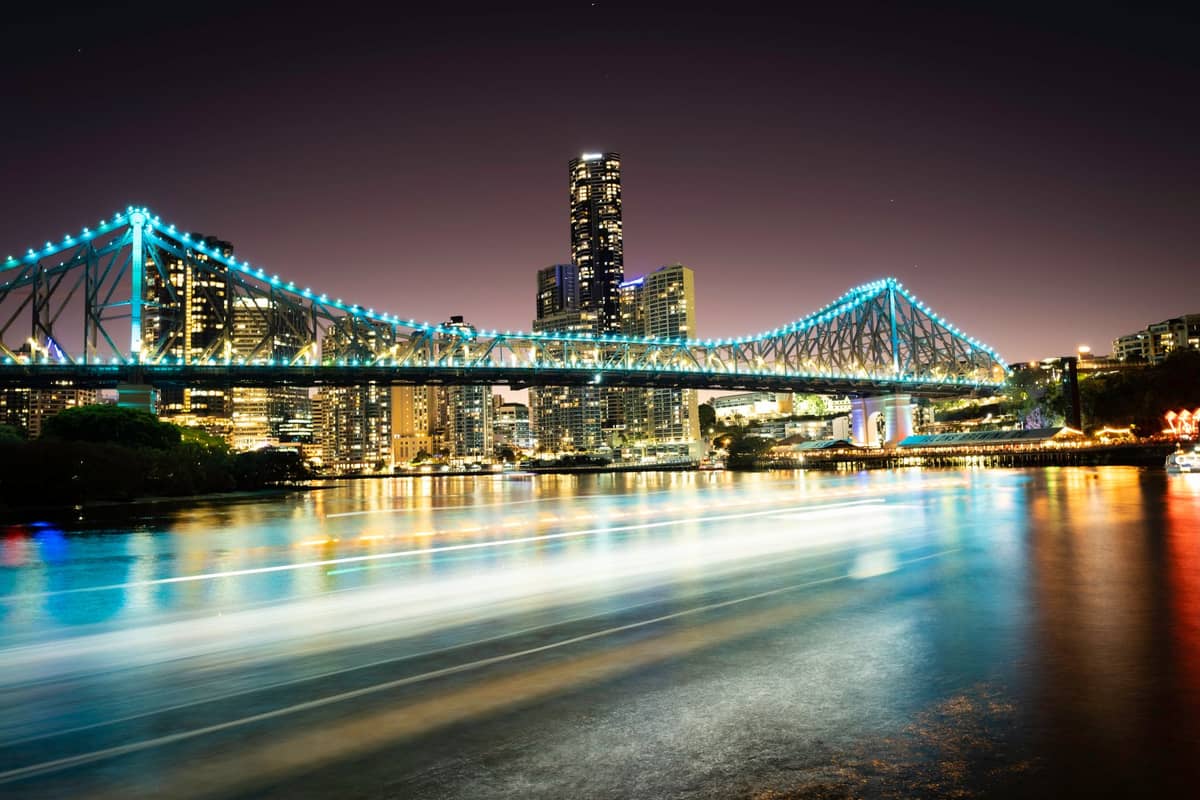
14. Climb Brisbane's Iconic 1940 Cantilever Bridge
Completed in 1940, the Story Bridge is Brisbane's most recognizable piece of engineering heritage. You can walk across it free of charge, or book a guided climb to the summit for panoramic views and a detailed history of its construction and wartime significance.
Explore14. Climb Brisbane's Iconic 1940 Cantilever Bridge
Completed in 1940, the Story Bridge is Brisbane's most recognizable piece of engineering heritage. You can walk across it free of charge, or book a guided climb to the summit for panoramic views and a detailed history of its construction and wartime significance.
Explore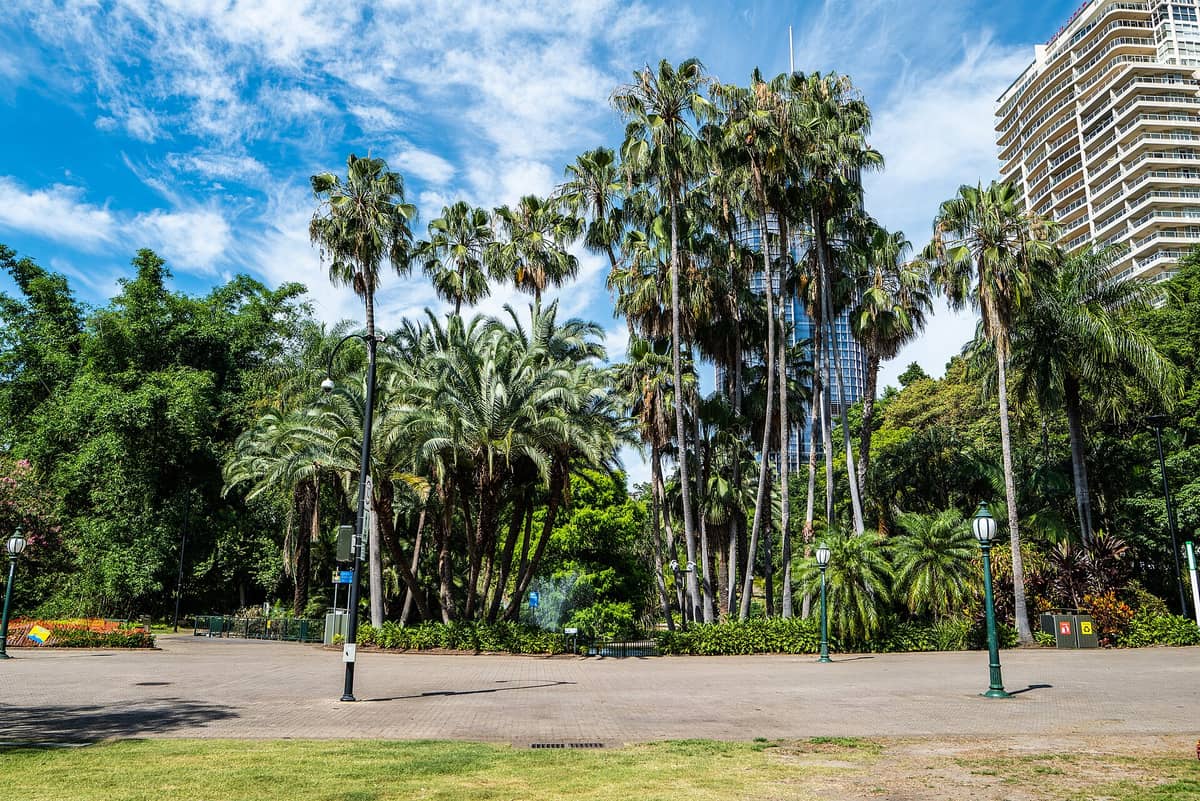
15. Stroll Brisbane's Oldest Park on the River Bend
Established in 1855, the City Botanic Gardens occupy the original convict-era farm that fed early colonial Brisbane. The heritage fig trees, some planted in the 19th century, are remarkable specimens. The riverside walk here is one of the best in the CBD.
Explore15. Stroll Brisbane's Oldest Park on the River Bend
Established in 1855, the City Botanic Gardens occupy the original convict-era farm that fed early colonial Brisbane. The heritage fig trees, some planted in the 19th century, are remarkable specimens. The riverside walk here is one of the best in the CBD.
Explore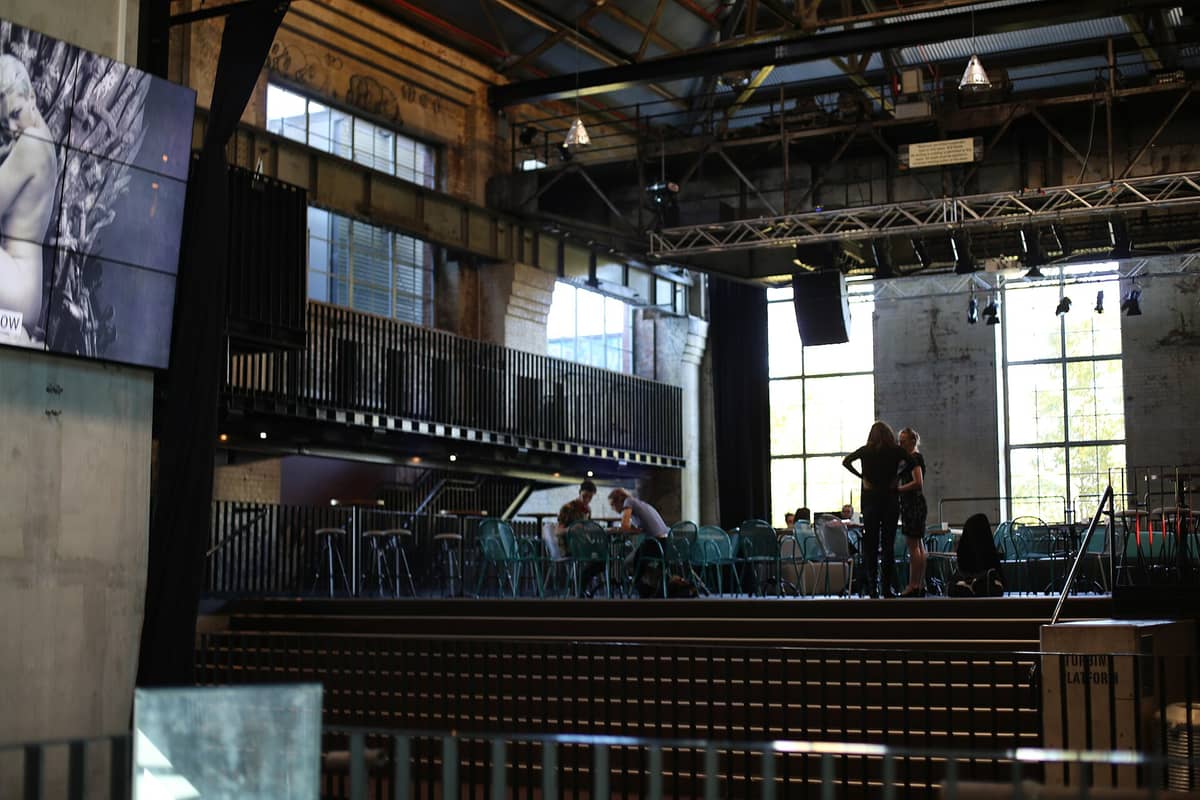
16. Experience Arts in a Converted 1920s Power Station
The Brisbane Powerhouse in New Farm is a striking example of adaptive reuse: a 1920s electrical power station now hosting theatre, comedy, and festivals. The raw industrial bones have been deliberately preserved, and the riverside location adds to the atmosphere.
Explore16. Experience Arts in a Converted 1920s Power Station
The Brisbane Powerhouse in New Farm is a striking example of adaptive reuse: a 1920s electrical power station now hosting theatre, comedy, and festivals. The raw industrial bones have been deliberately preserved, and the riverside location adds to the atmosphere.
Explore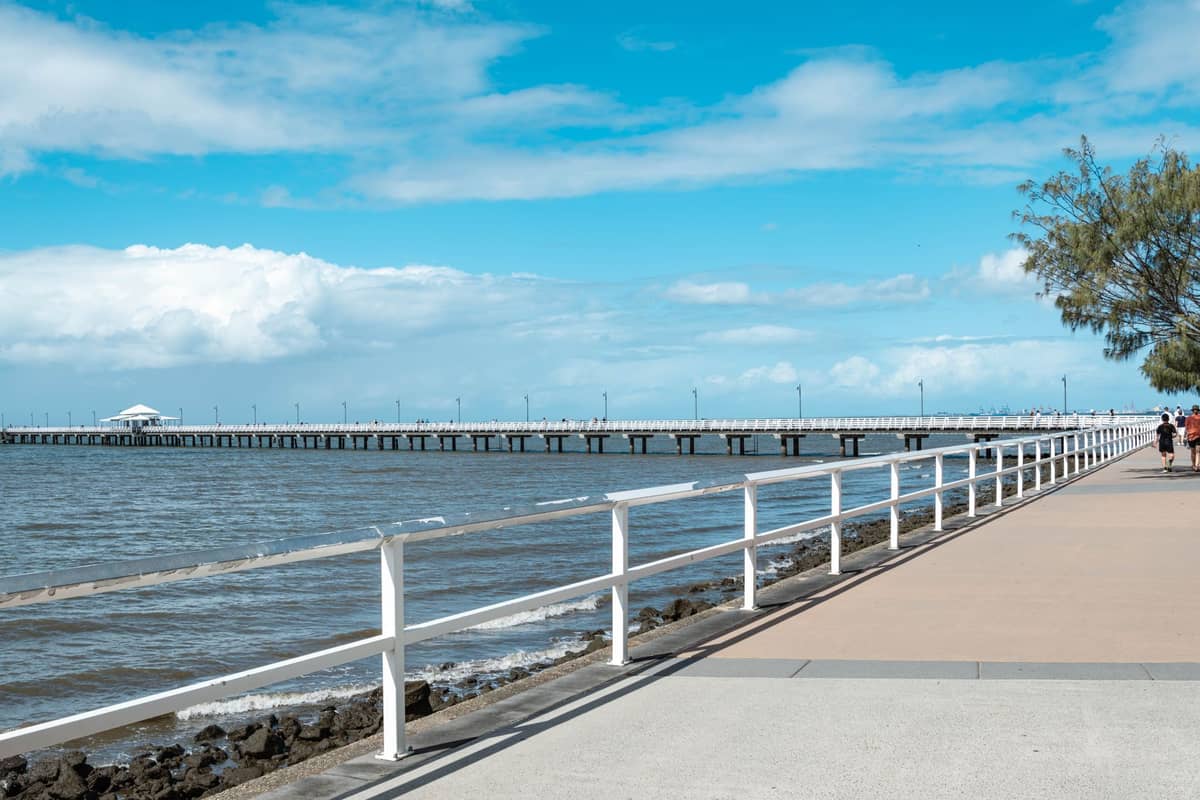
17. Walk Queensland's Historic Timber Pier at Shorncliffe
One of Queensland's oldest surviving timber piers, stretching into Moreton Bay at Shorncliffe, dates to the late 19th century bayside resort era. The surrounding heritage streetscape and esplanade make this an undervisited but genuinely rewarding half-day excursion.
Explore17. Walk Queensland's Historic Timber Pier at Shorncliffe
One of Queensland's oldest surviving timber piers, stretching into Moreton Bay at Shorncliffe, dates to the late 19th century bayside resort era. The surrounding heritage streetscape and esplanade make this an undervisited but genuinely rewarding half-day excursion.
ExploreLandmark Architecture & Significant Structures
Beyond individual buildings, Brisbane's architectural heritage includes bridges, pagodas, and civic structures that each carry a specific story. The Brisbane walking tours guide covers routes that connect many of these in a single outing, which is far more efficient than visiting them individually by transport.
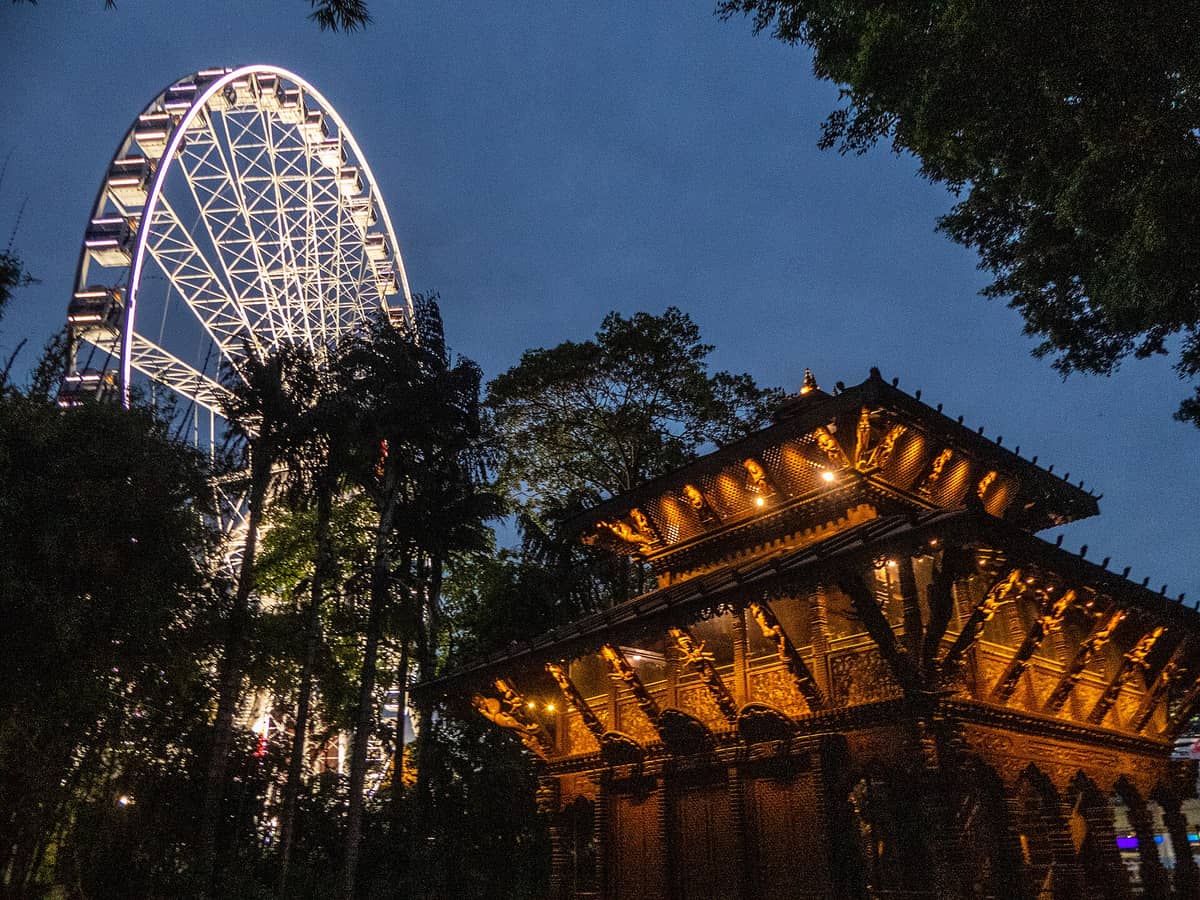
18. Find the Nepalese Pagoda Built for World Expo 88
This ornate pagoda in South Bank Parklands was built by Nepalese craftsmen for the 1988 World Expo and gifted to Brisbane on its conclusion. It is a direct, physical reminder of the Expo that transformed South Bank from an industrial wasteland into public parkland.
Explore18. Find the Nepalese Pagoda Built for World Expo 88
This ornate pagoda in South Bank Parklands was built by Nepalese craftsmen for the 1988 World Expo and gifted to Brisbane on its conclusion. It is a direct, physical reminder of the Expo that transformed South Bank from an industrial wasteland into public parkland.
Explore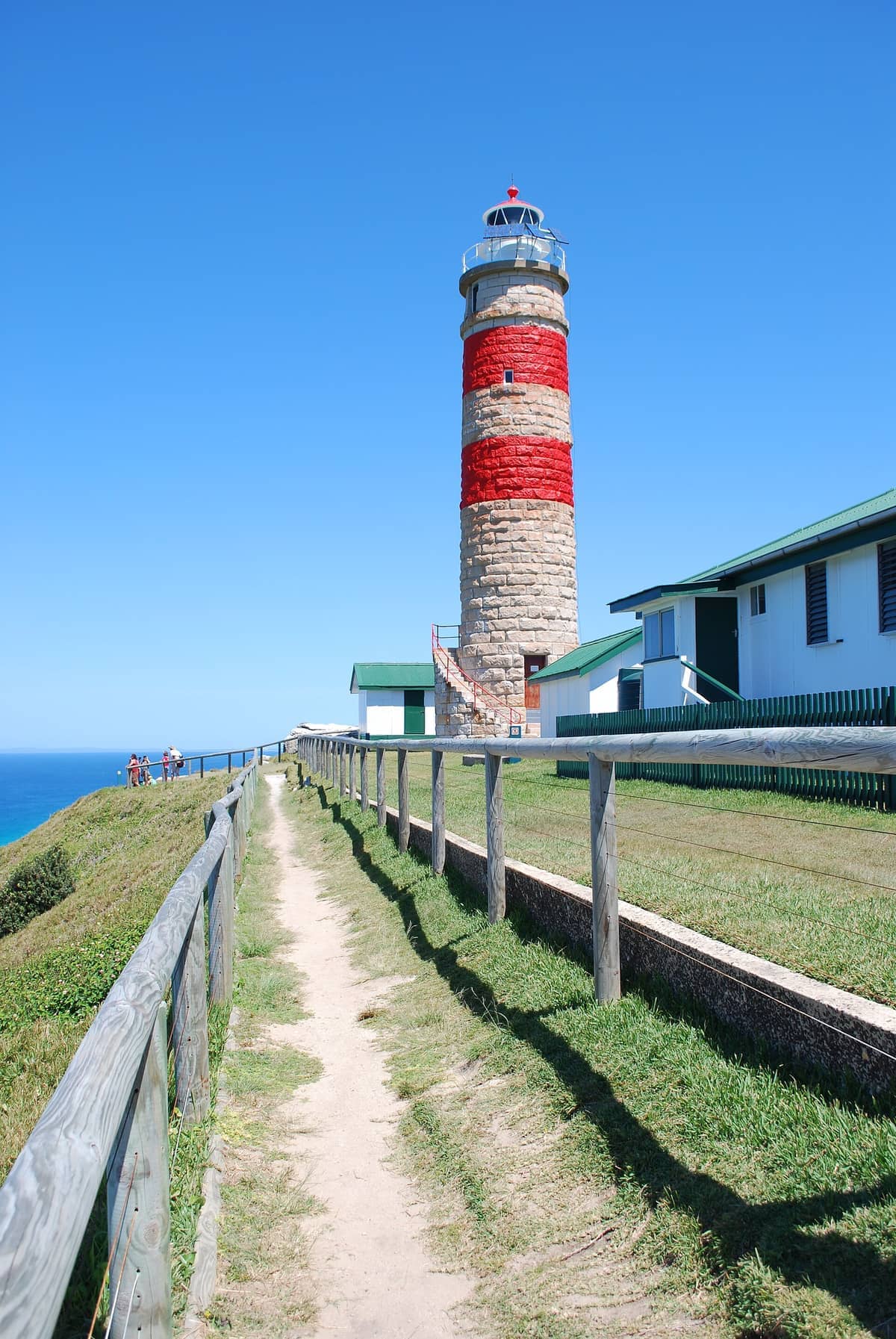
19. Visit Queensland's Oldest Lighthouse on Moreton Island
Built in 1857, Cape Moreton Lighthouse is Queensland's oldest, perched on the northern tip of Moreton Island. Reaching it requires a 4WD or ferry trip, but the lighthouse itself and the surrounding headland views reward the effort considerably.
Explore19. Visit Queensland's Oldest Lighthouse on Moreton Island
Built in 1857, Cape Moreton Lighthouse is Queensland's oldest, perched on the northern tip of Moreton Island. Reaching it requires a 4WD or ferry trip, but the lighthouse itself and the surrounding headland views reward the effort considerably.
Explore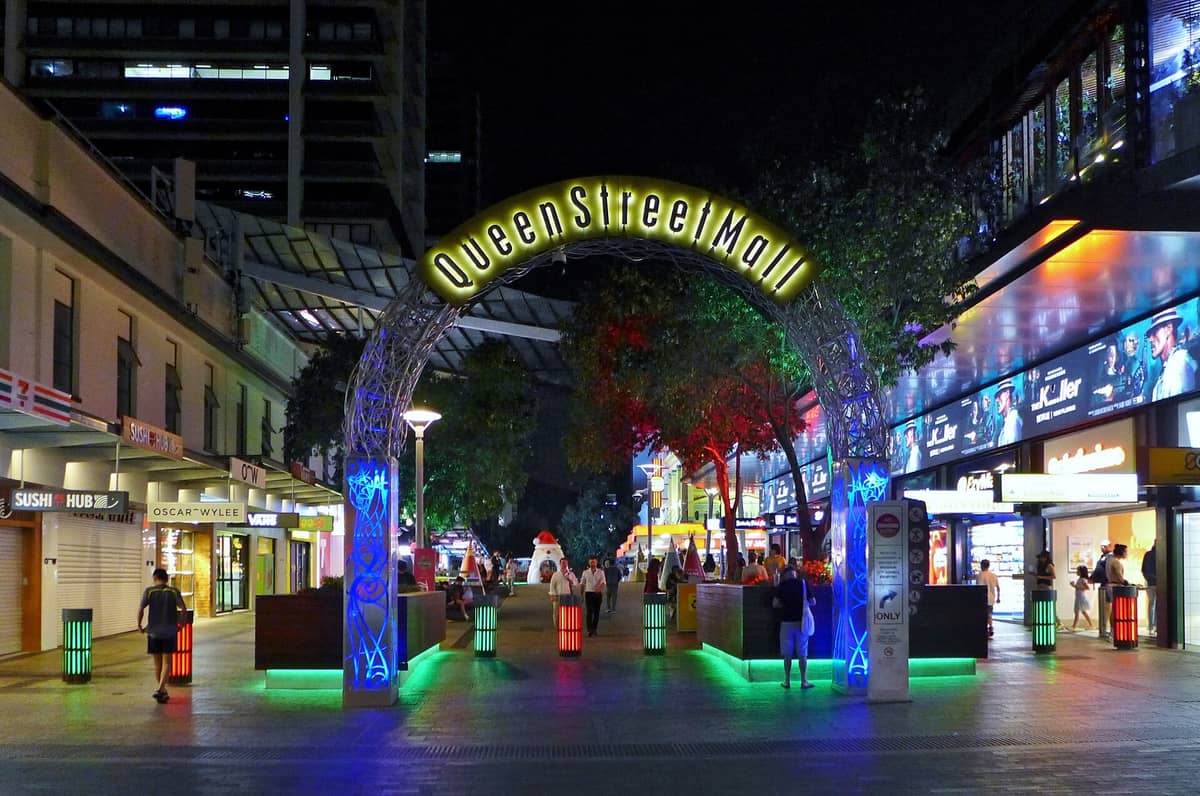
20. Spot Colonial-Era Arcades Inside Brisbane's Main Shopping Mall
Queen Street Mall connects several heritage shopping arcades including the 1923 Brisbane Arcade, one of Australia's finest examples of Edwardian retail architecture. Look up inside the arcade: the ornate ironwork and tiling are largely intact and consistently overlooked.
Explore20. Spot Colonial-Era Arcades Inside Brisbane's Main Shopping Mall
Queen Street Mall connects several heritage shopping arcades including the 1923 Brisbane Arcade, one of Australia's finest examples of Edwardian retail architecture. Look up inside the arcade: the ornate ironwork and tiling are largely intact and consistently overlooked.
Explore✨ Pro tip
The Museum of Brisbane inside City Hall is free and open daily 10am–5pm, but closes on Christmas Day, Boxing Day, New Year's Day, and Good Friday, with reduced hours on Anzac Day. The City Hall building tour and the Clock Tower tour are separate bookings: the building tour does not include the tower. Book the Clock Tower tour in advance at the museum's website.
Context & Character: Neighbourhoods With a Past
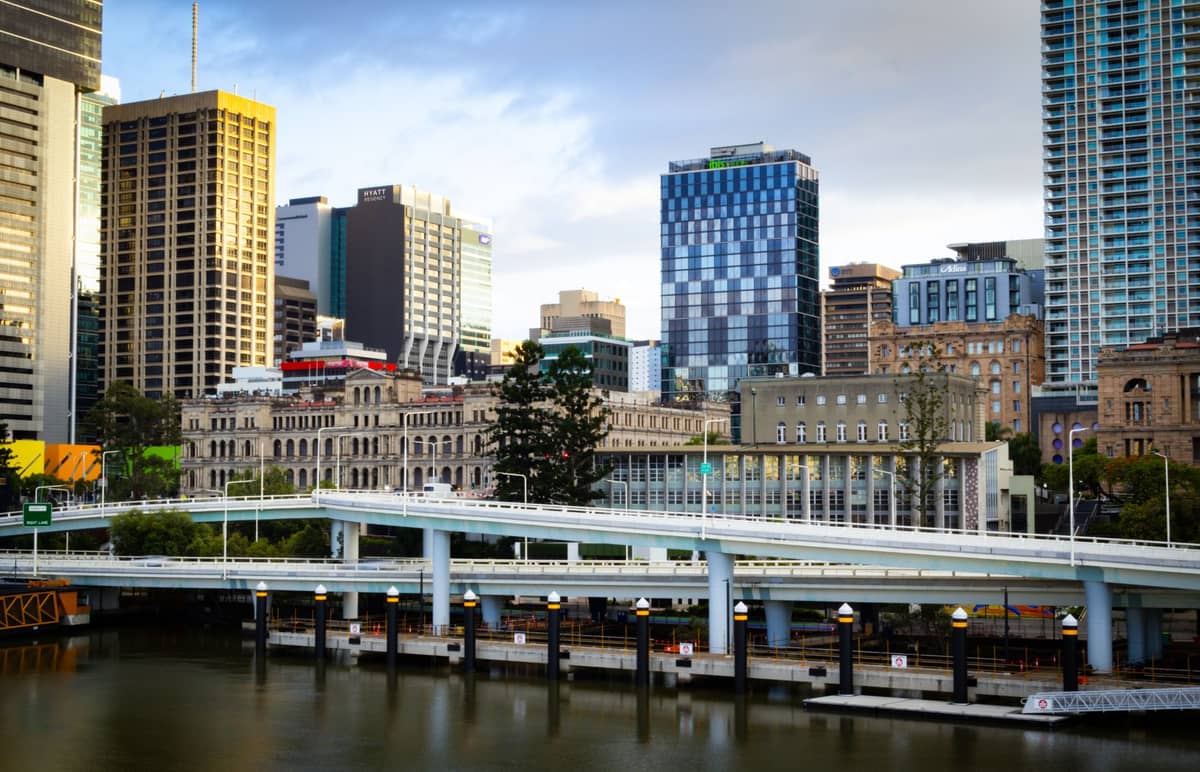
History in Brisbane is not only found in formal institutions. Entire neighbourhoods carry the texture of earlier eras, from the multicultural layers of Fortitude Valley to the colonial streetscapes of Paddington. Walking these areas with some historical context makes them significantly more interesting.
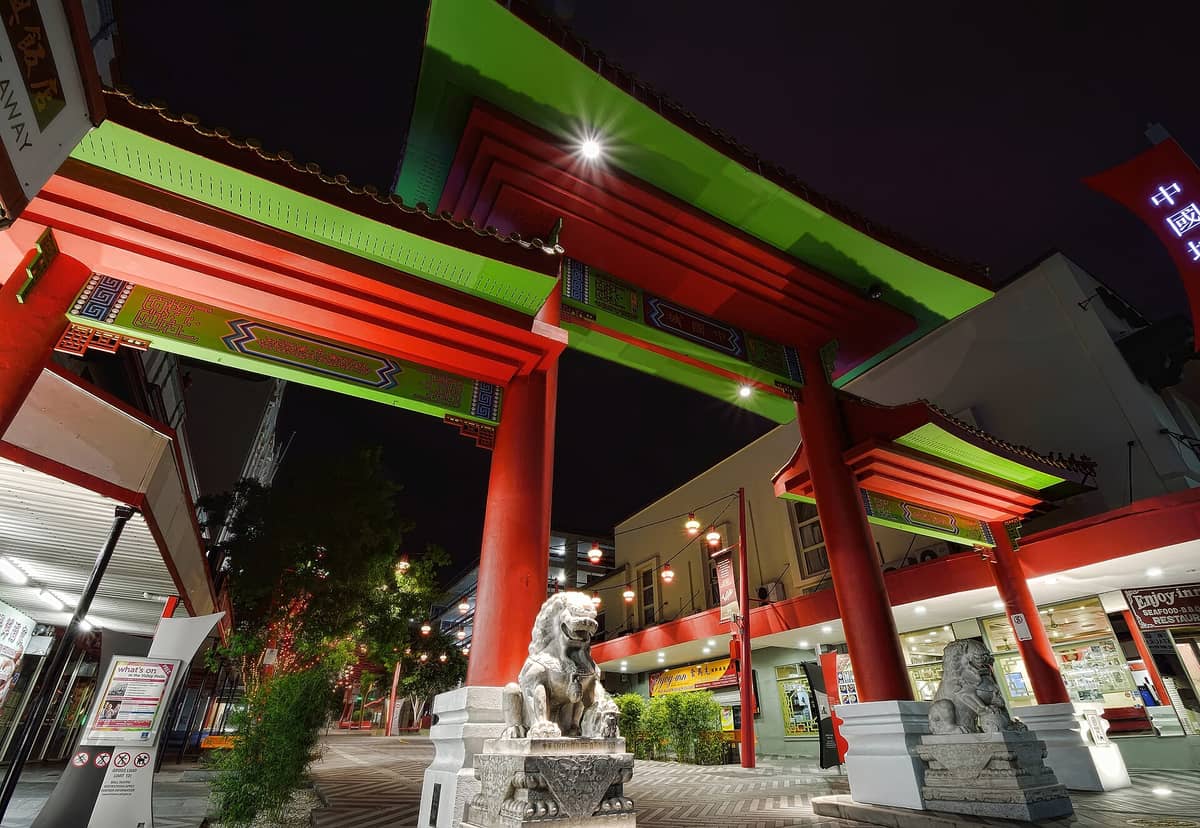
21. Explore the History of Chinese Settlement in Fortitude Valley
Brisbane's compact Chinatown on Duncan Street reflects a Chinese community presence in Fortitude Valley dating to the gold rush era. The decorative gateway and traditional shopfronts are best explored on weekday mornings before the lunchtime crowd arrives.
Explore21. Explore the History of Chinese Settlement in Fortitude Valley
Brisbane's compact Chinatown on Duncan Street reflects a Chinese community presence in Fortitude Valley dating to the gold rush era. The decorative gateway and traditional shopfronts are best explored on weekday mornings before the lunchtime crowd arrives.
Explore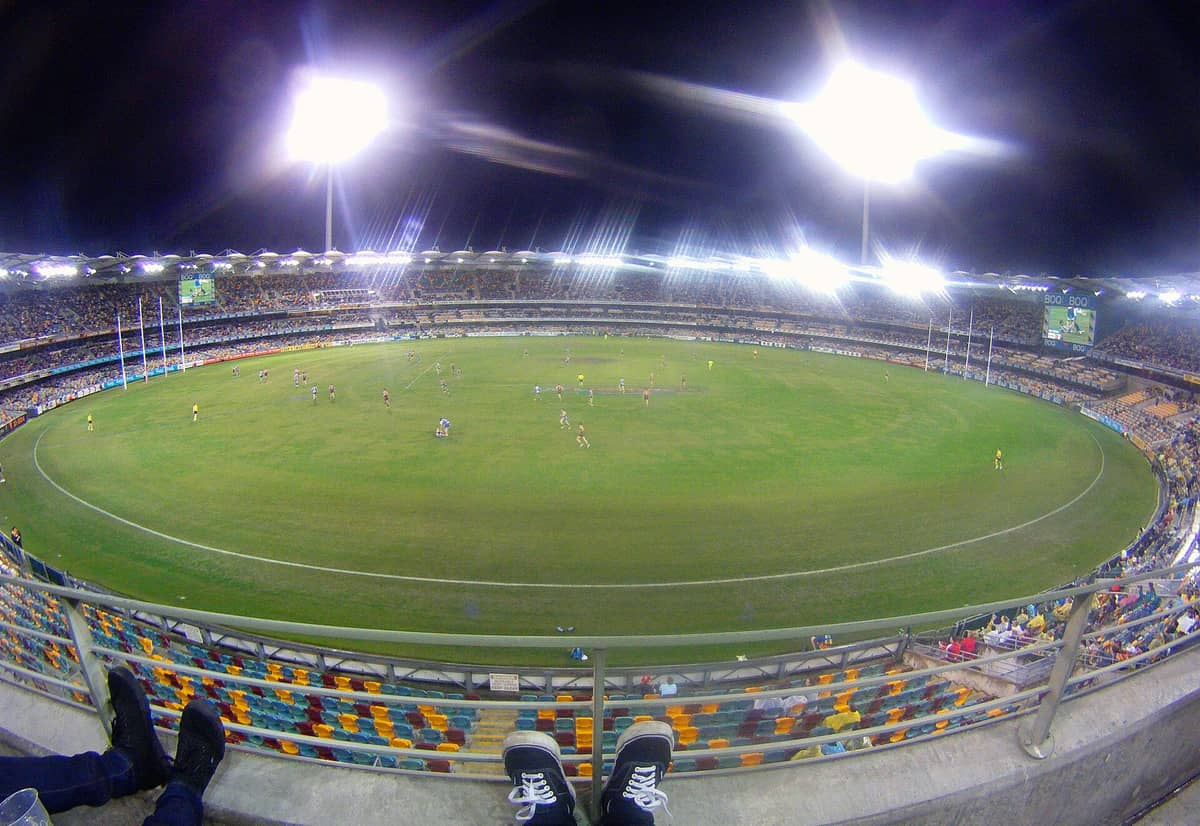
22. See the Gabba Before Its Olympic Transformation
The Gabba has hosted Test cricket since 1931 and is one of Australia's most storied sporting grounds. With major redevelopment planned for the 2032 Brisbane Olympics, visiting now means seeing it in its current historic form before the site changes permanently.
Explore22. See the Gabba Before Its Olympic Transformation
The Gabba has hosted Test cricket since 1931 and is one of Australia's most storied sporting grounds. With major redevelopment planned for the 2032 Brisbane Olympics, visiting now means seeing it in its current historic form before the site changes permanently.
ExploreFAQ
Is Brisbane City Hall free to visit?
Yes. The Museum of Brisbane inside City Hall is free and open daily 10am–5pm (with closures on Christmas Day, Boxing Day, New Year's Day, and Good Friday). The building tour and Clock Tower tour are both free but require separate advance bookings through the museum's website. Clock Tower tours run every 15 minutes and fill quickly, so book ahead.
What is Brisbane's oldest building?
Newstead House, built in 1846, is Brisbane's oldest surviving residential building. It sits in riverside parkland in Newstead and operates as a museum with period furnishings and heritage gardens. It is open to the public and is a short drive or ferry ride from the CBD.
Where can I learn about Brisbane's Aboriginal and Torres Strait Islander history?
The Queensland Museum on South Bank includes Indigenous cultural collections in its free permanent galleries. The State Library of Queensland also holds significant archival material on Queensland's First Nations history. Brisbane City Council's website has information about the Turrbal and Jagera peoples on whose Country central Brisbane stands.
How do I see Brisbane's heritage buildings without a car?
Most of Brisbane's central heritage sites, including City Hall, Parliament House, the Customs House, ANZAC Square, St John's Cathedral, and Howard Smith Wharves, are within walking distance of each other in the CBD. The Teneriffe Woolstores and Newstead House can be reached by CityCat ferry from the city centre.
What is the significance of South Bank to Brisbane's history?
South Bank was the site of World Expo 88, which transformed an industrial wasteland into the public parkland that exists today. The Nepalese Peace Pagoda is a direct legacy of that Expo. The Queensland Museum, State Library, and Queensland Art Gallery on the South Bank Cultural Precinct were also established progressively from the 1950s onwards as part of a deliberate civic vision for the riverside.
Tickets & tours
Live prices and dates from our booking partner. If you book, we may earn a commission at no extra cost to you.
Planning a trip? Discover personalized activities with the Nomado app.