Brisbane Self-Guided Walking Tours: The Complete Practical Guide
Brisbane rewards walkers with a compact city centre, riverside paths, and 24 official heritage trails maintained by Brisbane City Council. This guide covers the best self-guided walking routes, how long each takes, what you'll actually see, and when to go.
Tickets & tours
Live prices and dates from our booking partner. If you book, we may earn a commission at no extra cost to you.
TL;DR
- Brisbane City Council maintains 24 self-guided heritage trails, all free to download and explore on foot.
- The Reflections on the River Trail (3.8 km) is the best single walk for first-timers, linking Customs House to the Kangaroo Point boardwalk with 29 points of interest.
- May to September is the best season for walking: temperatures average around 22°C, rainfall is low, and humidity is manageable.
- The Brisbane River Heritage Trail is not a continuous footpath — parts of it use CityCat ferries, so factor in standard Translink fares.
- For a free guided alternative, the City Botanic Gardens offers walks at 11am and 1pm Monday to Saturday (except public holidays).
Why Brisbane Works So Well for Walking
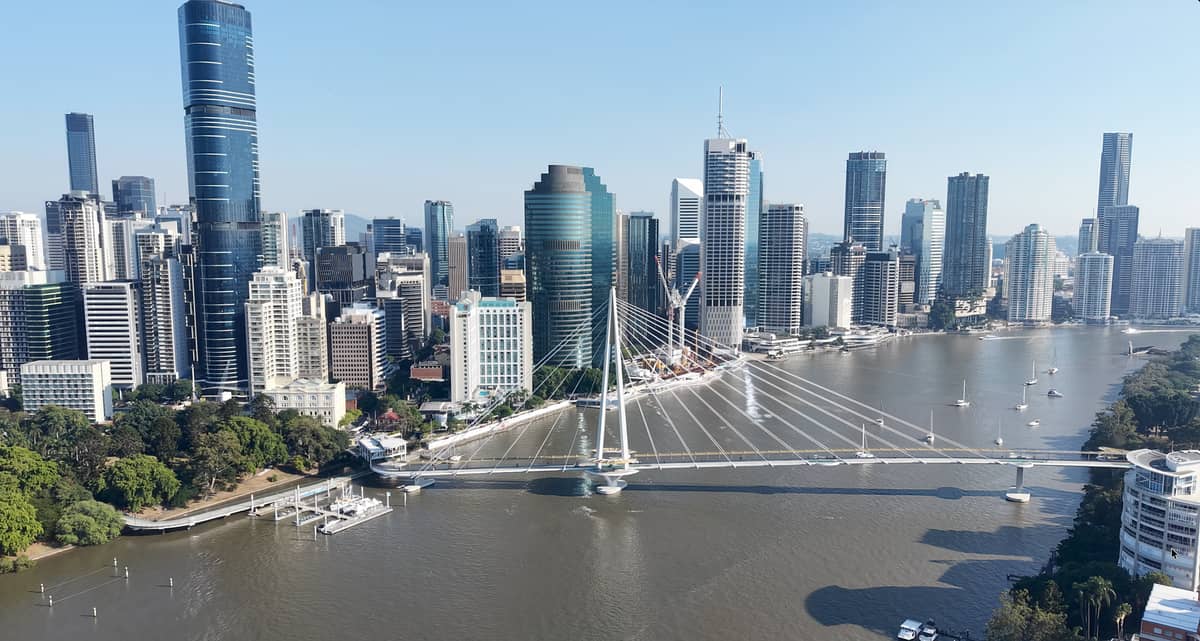
Brisbane is built around a river that bends sharply through the centre of the city, and that geography shapes everything. The CBD sits on a peninsula, which means most of the significant sights are within a 2–3 km radius of each other. Streets in the city centre follow a logical grid, and the South Bank precinct directly across the river is connected by multiple bridges and the paid Inner City Ferry (standard 50-cent Translink fare).
Brisbane is also flat where it counts. The CBD and riverside areas involve minimal elevation change, making them accessible for most fitness levels. The more interesting terrain — Kangaroo Point Cliffs, Mount Coot-tha, and the inner suburbs — requires more effort, but even those routes are manageable for anyone reasonably fit. The city's subtropical climate does add one real complication: summer walks (December to February) in 30°C heat and high humidity can be genuinely unpleasant, especially on exposed riverside paths with no shade.
💡 Local tip
Start early in summer — aim to be on the trail by 7:30am and wrapped up by 10am before the heat peaks. In winter and spring, afternoon starts work well and the light is better for photography along the river.
The Official Heritage Trails: What You're Actually Getting
Brisbane City Council's 24 heritage trails are the backbone of self-guided walking in the city. These aren't tourist brochure fluff — each trail comes with a downloadable PDF guide, numbered stops with historical notes, and a route map. The quality of interpretation is genuinely good, covering colonial history, Indigenous connections to Country (Brisbane is on the traditional lands of the Turrbal and Jagera peoples), architectural detail, and social history that goes beyond the usual 'established in 1865' summaries.
The trails divide roughly into three categories: city centre routes, inner-suburb routes, and the longer Brisbane River Heritage Trail. The city centre trails are the most useful for visitors on a short trip. The inner-suburb routes — covering areas like Petrie Terrace, Fortitude Valley, and New Farm — suit people staying multiple days who want to push beyond the standard tourist circuit. More on Brisbane's heritage and history is worth reading alongside any of these routes.
The Best Individual Routes, Ranked by Practicality
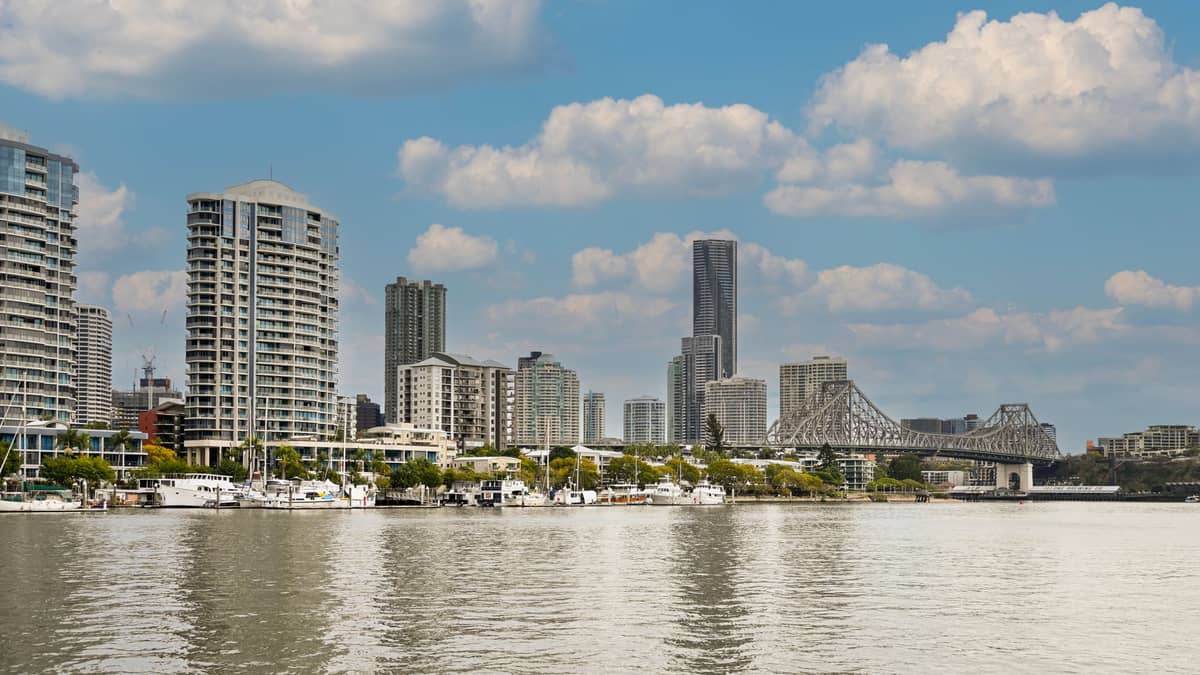
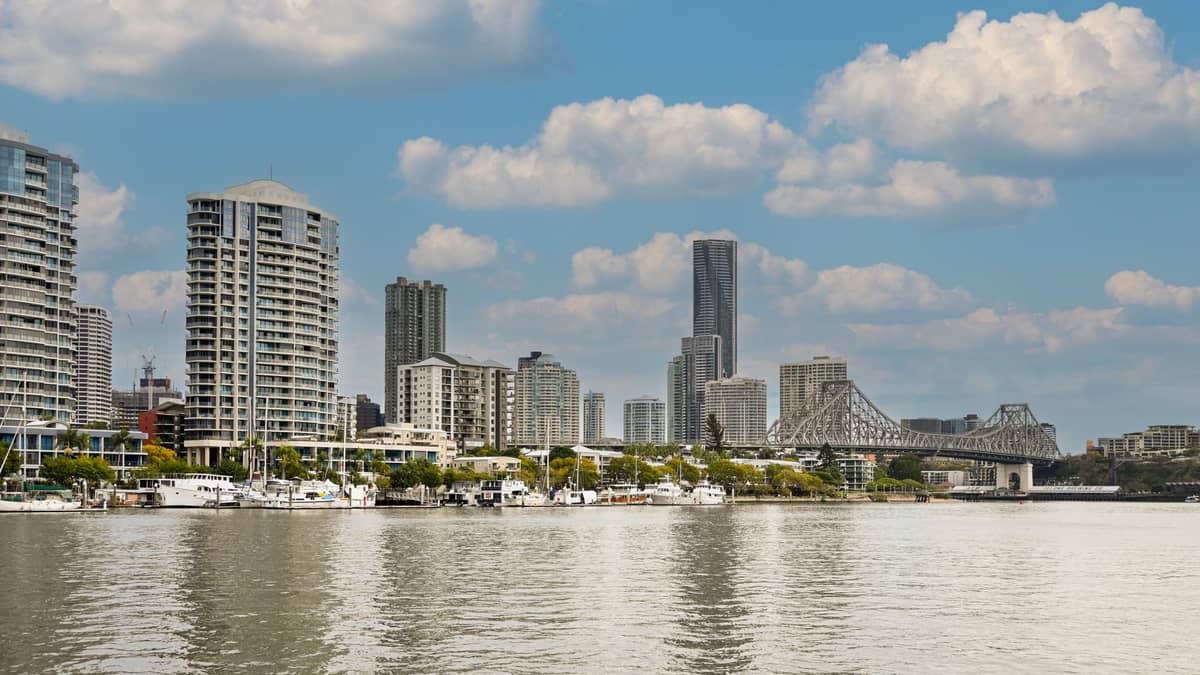
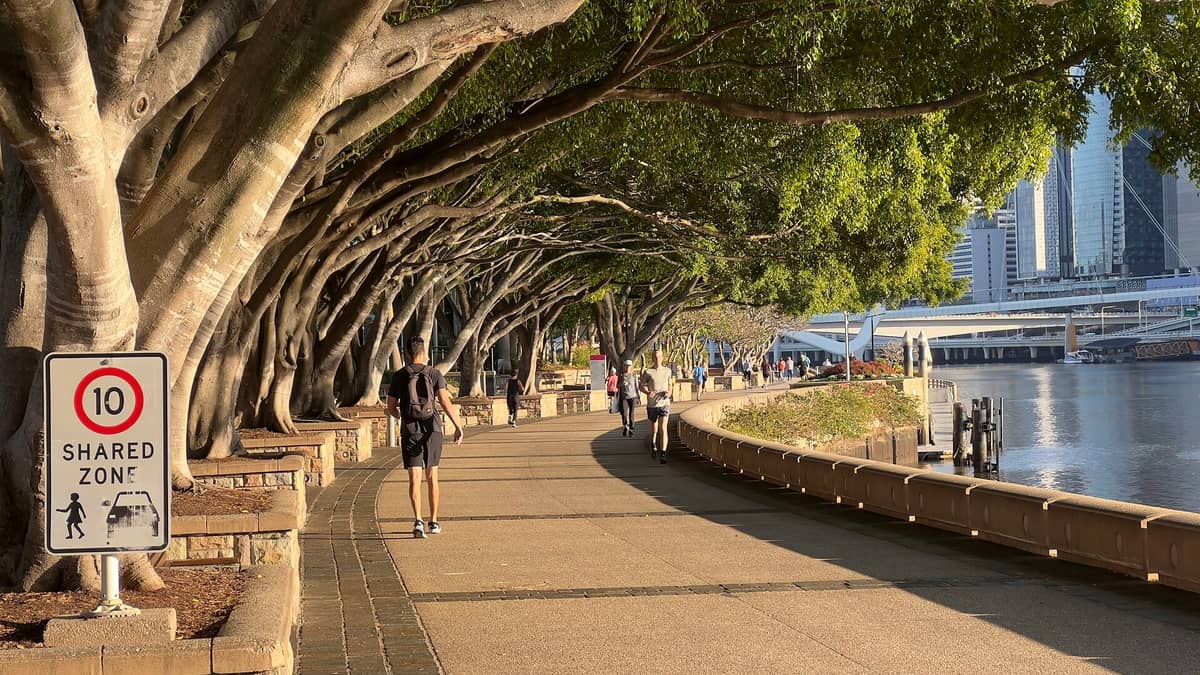
- Reflections on the River Trail (3.8 km) The pick for most visitors. Runs from Customs House to the Kangaroo Point boardwalk with 29 stops. Flat, well-shaded in sections, and passes Howard Smith Wharves, the Story Bridge, and the riverside parkland. Allow 2–3 hours at a relaxed pace. No ferry needed — this is a continuous footpath route.
- Brisbane River Heritage Trail (Full Route) Covers Northshore Hamilton to the University of Queensland at St Lucia, with 32 places of interest. Council estimates 1.5 hours one way or 3 hours return. Critically: sections of this trail are accessed from CityCat terminals, so you'll need a go card or single-trip fare for the ferry segments. Don't plan this as a pure walking route.
- Petrie Terrace Heritage Trail (2.7 km) 18 points of interest from Suncorp Stadium to the Petrie Terrace Police Barracks. Overlooked by most visitors but genuinely interesting — this neighbourhood has a more layered story than the polished riverfront. Good choice if you want to see the city beyond the postcard version.
- City Botanic Gardens Self-Guided Walk Collect a free Treasures brochure at the Visitor Information Kiosk and explore at your own pace. The gardens cover 20 hectares on the river bend and include Moreton Bay fig trees, bamboo groves, and historic plantings dating to the 1850s. If you'd prefer company, free guided walks depart at 11am and 1pm Monday to Saturday (not public holidays).
- Kangaroo Point Cliffs Loop Not an official heritage trail, but one of the best riverside walks in the city. The cliffs are 20–30 metres high and run along the river opposite the CBD. Walk the cliff-top path, descend the stairs to the lower riverside walkway, and loop back. Best at dusk when the CBD lights up across the water. Allow 45–90 minutes depending on pace.
⚠️ What to skip
The Brisbane River Heritage Trail is frequently described as a 'walking trail', which is misleading. Parts of it are designed to be explored via CityCat stops, not as a continuous footpath. If you're expecting an unbroken riverside path from Northshore Hamilton to St Lucia, you'll be disappointed. Download the Council's trail guide before you go and check which segments require the ferry.
Neighbourhood Walks Worth Adding to Your Itinerary
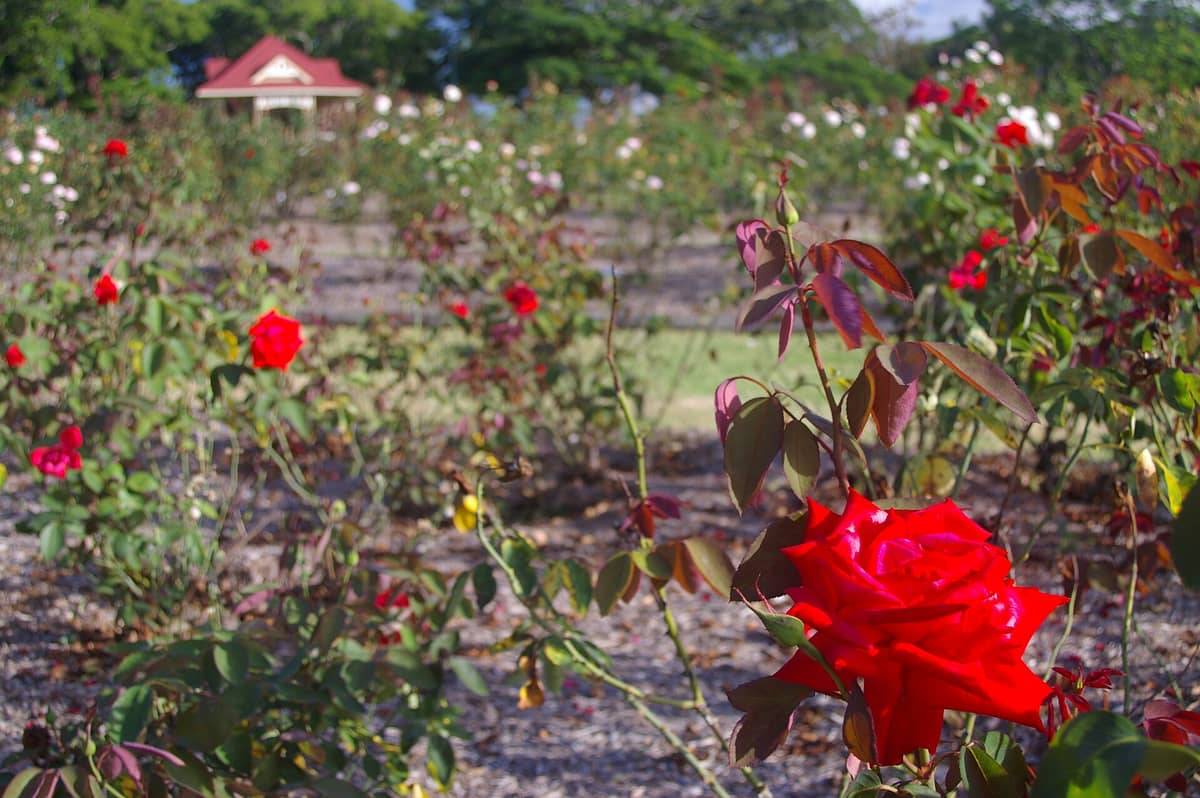
Beyond the official heritage trails, several of Brisbane's inner neighbourhoods reward aimless walking — though a bit of direction helps. New Farm is the most walkable inner suburb: a flat grid of streets with a high concentration of cafes, the Brisbane Powerhouse arts venue, and New Farm Park's 15 hectares of Jacaranda trees (spectacular in October–November). The walk from the Valley end of Brunswick Street through to the park and back along the river path takes about an hour and a half without rushing.
West End is a different kind of walk: smaller streets, independent bookshops, Vietnamese and Ethiopian restaurants, and a Saturday market scene that fills Davies Park from around 6am. It's the city's most eclectic neighbourhood and genuinely different in character from the CBD or South Bank. Combine it with a walk across the Kurilpa Bridge back to the city for a satisfying loop.
Newstead and Teneriffe reward anyone interested in industrial heritage. The old wool stores along the river at Teneriffe have been converted into apartments, restaurants, and boutiques, but the bones of the buildings remain visible. Walk the Newstead Riverwalk section for the best views back to the city skyline, and detour through the Teneriffe Woolstores precinct for the architecture.
Practical Logistics: What to Carry, When to Go, and How to Navigate
Navigation is genuinely easy in Brisbane's central areas. The Council's downloadable heritage trail PDFs include numbered stops and route maps — print one or screenshot the pages before you head out, since phone signal can be unreliable in some underground sections near the river. The trail numbers match signage on the ground, so you won't constantly need to check your phone.
- Water: carry at least 750ml in summer, 500ml in cooler months. Drinking fountains exist in South Bank Parklands and City Botanic Gardens but are spaced out elsewhere.
- Footwear: the city centre and riverside trails are paved — any comfortable walking shoe works. For Kangaroo Point Cliffs stairs and bush settings like D'Aguilar National Park, proper grip is worth having.
- Sun protection: bring sunscreen and a hat for any route with significant open sections. Brisbane's UV index regularly hits 'extreme' levels, even in winter.
- Go card: if any part of your walk involves the CityCat or Inner City Ferry, having a Translink go card loaded with credit saves time and gives you the cheaper fare versus single-trip tickets.
- Timing: city centre trails are pleasant any day of the week. South Bank and river trails are busiest on weekend mornings — weekday late-afternoons offer the most space and the best light.
✨ Pro tip
Brisbane's inner-city ferries, including CityCat (F1) and cross-river KittyCat services, are paid Translink services at the standard 50-cent fare. They are still one of the best ways to cross the river mid-walk without backtracking.
Combining Walking with Brisbane's Bigger Picture
Self-guided walks work best when they're part of a broader plan for the city rather than standalone activities. If you're building a multi-day itinerary, the 3 days in Brisbane guide is a sensible starting point — it maps walking routes against gallery visits, dining stops, and river transport in a way that avoids unnecessary backtracking.
Walking tours and cultural attractions overlap naturally at South Bank, where the Gallery of Modern Art, Queensland Museum, State Library of Queensland, and Streets Beach are all within a 500-metre radius. The riverside walk connecting South Bank to Howard Smith Wharves via the Goodwill Bridge and Story Bridge area is one of the most rewarding in the city — the route passes under the Story Bridge, loops around the wharf precinct, and returns across the Kangaroo Point Bridge or through the Botanic Gardens.
For walkers who want more distance and elevation, Brisbane's hiking and walk trails covers routes at D'Aguilar National Park, Toohey Forest, and Mount Coot-tha that go beyond what the city centre can offer. Those trails are a separate category from heritage walking — more fitness-focused, less historically curated.
FAQ
Are Brisbane's self-guided heritage trails free?
Yes, the trail guides are free to download from Brisbane City Council's website. Walking the trails costs nothing beyond what you'd spend on food, drink, or transport. The exception is the Brisbane River Heritage Trail, which includes segments best accessed via CityCat — standard Translink fares apply for those ferry connections.
How long does the Reflections on the River Trail take?
The trail is 3.8 kilometres with 29 stops. Most walkers complete it in 2 to 3 hours depending on how long they spend at each point of interest. It runs from Customs House in the CBD to the Kangaroo Point boardwalk and is entirely on footpaths — no ferry required.
What is the best time of year to do a walking tour of Brisbane?
May to September is the most comfortable window. Temperatures average around 22°C during the day with low humidity and minimal rain. Summer (December to February) is the hardest time for outdoor walking — expect 29–30°C with high humidity and frequent afternoon storms. If you're visiting in summer, plan walks for early morning before 10am.
Can I do a Brisbane walking tour without a guide?
Easily. Brisbane City Council's 24 downloadable heritage trail guides are detailed enough for independent exploration, with numbered stops and historical notes at each point. The trails are also sign-posted on the ground. You don't need a guided tour to get meaningful context from these routes.
Are Brisbane's walking trails suitable for families with young children?
The city centre and riverside trails — particularly the Reflections on the River Trail and the City Botanic Gardens walk — are pram-friendly and manageable for older children. The Petrie Terrace trail has some uphill sections. The Kangaroo Point Cliffs loop involves staircases that aren't suitable for prams but works well for kids aged 5 and up who can manage steps.
Tickets & tours
Live prices and dates from our booking partner. If you book, we may earn a commission at no extra cost to you.
Planning a trip? Discover personalized activities with the Nomado app.