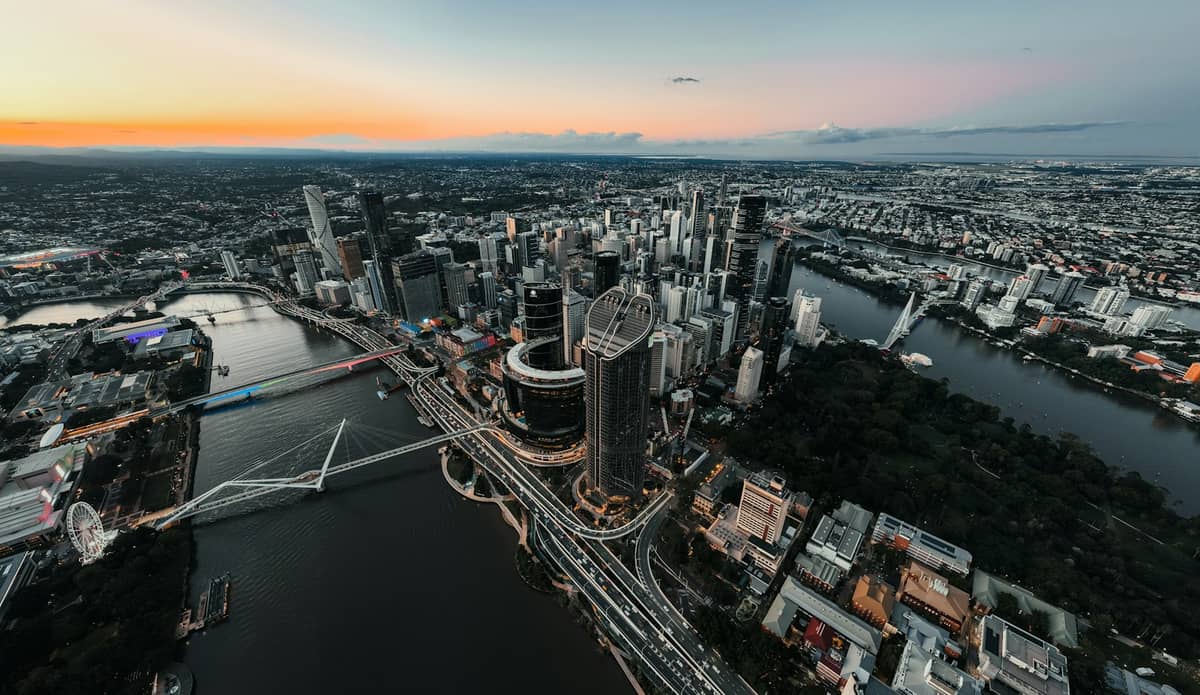
Brisbane's CBD occupies a compact river peninsula at the city's geographic and commercial heart. It combines heritage architecture, major cultural institutions, riverfront parklands, and a walkable street grid that makes it the most practical base for first-time visitors.
Brisbane's central business district sits on a peninsula almost entirely wrapped by the Brisbane River, giving it an unusually contained footprint for a capital city. The CBD is where old batong buhangin ng Queensland meets glass office towers, where the Queen Street Mall draws crowds at lunchtime and the City Botanic Gardens go almost quiet by mid-morning. It is the city's practical core, and understanding it well makes the rest of Brisbane much easier to navigate.
Orientation
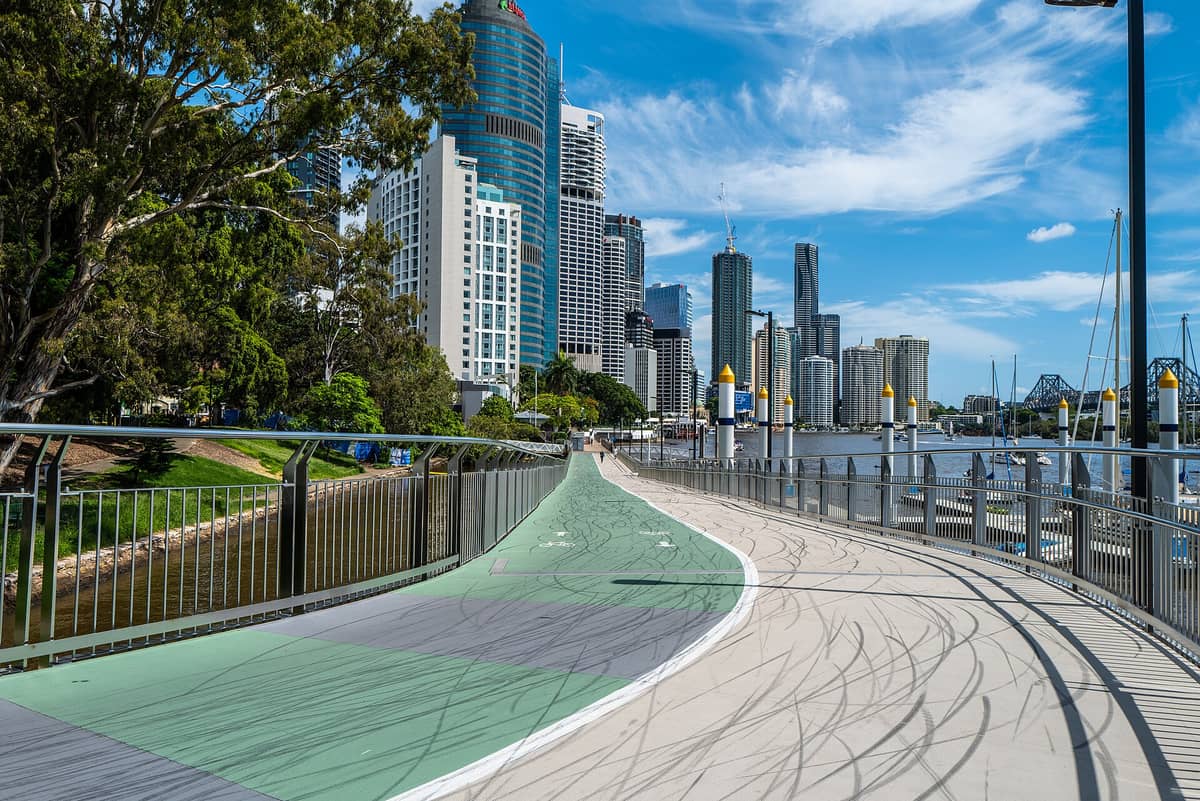
The Brisbane CBD occupies a river peninsula bounded by the Brisbane River on its eastern, southern, and western flanks, with Spring Hill marking the northern edge where the ground rises away from the grid. This geography gives the CBD a natural logic: the river is rarely more than a 15-minute walk from much of the centre, and the street grid is tight enough that most landmarks are within walking distance of each other.
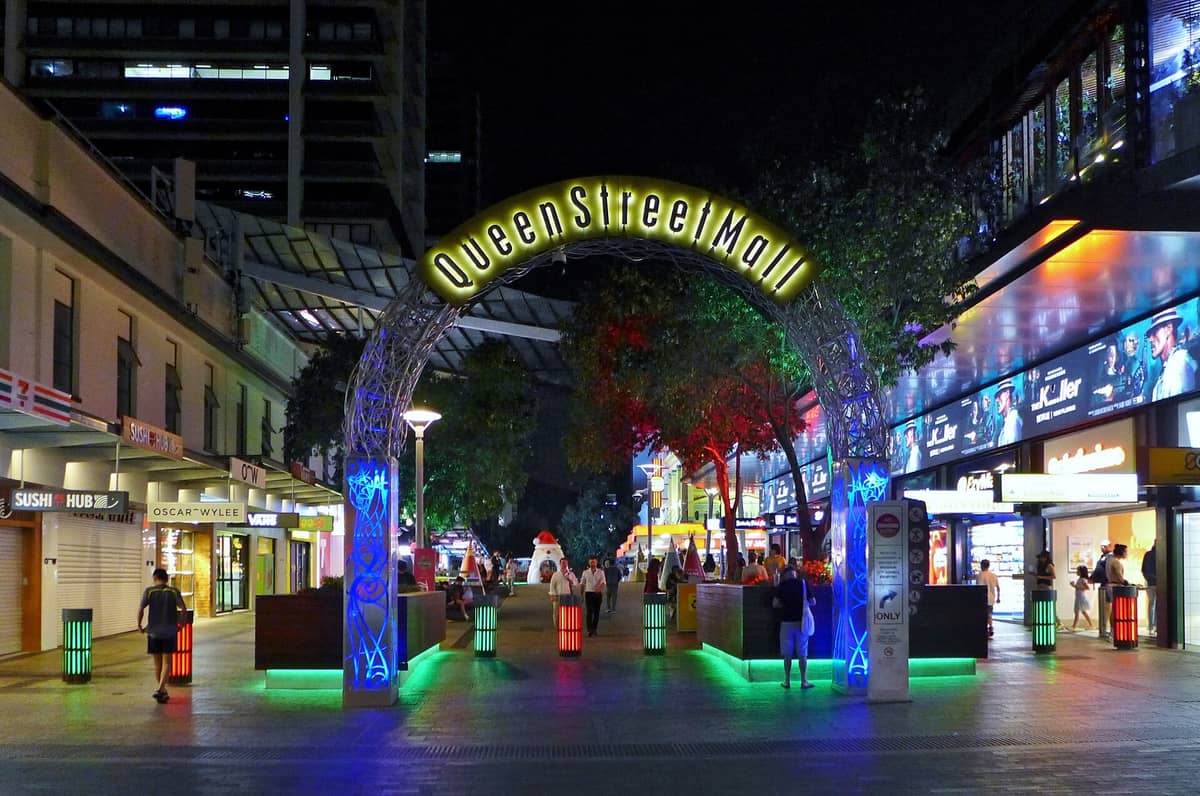
The main commercial spine runs along Queen Street and George Street, anchored at the retail end by Queen Street Mall and at the civic end by King George Square and Brisbane City Hall. Moving south down George Street brings you toward Parliament House and the northern gateway of the City Botanic Gardens. The eastern edge of the CBD faces the river directly, with Customs House and the approach to the Story Bridge marking the boundary with the inner suburb of Fortitude Valley.
The CBD's neighbours matter almost as much as the CBD itself. Directly across the river to the south sits South Bank, reached on foot via the Kurilpa Bridge or the Victoria Bridge. Fortitude Valley begins just beyond the Wickham Street boundary to the northeast, and Kangaroo Point sits directly across the river to the east. Together these four areas form the core of inner-city Brisbane, and the CBD is the natural hub connecting them.
Character & Atmosphere
Brisbane's CBD operates on a rhythm that is notably different from Sydney or Melbourne. The weekday pace is brisk and purposeful from around 7am, with office workers moving through Central Station, grabbing coffee on Edward Street, and filling the outdoor tables along Eagle Street Pier before the heat builds. By 10am the foot traffic has settled into the commercial lanes, and the Mall fills with a mix of shoppers, school groups, and tourists.
Midday is the CBD's most social hour. The open plazas around King George Square and the shaded arcades connecting Adelaide Street to the Mall fill with lunch crowds. The sandstone facades of the heritage buildings along the lower end of George Street cast useful shadow in summer, when temperatures regularly sit above 30 degrees Celsius from December through February. The city knows this, and the network of air-conditioned arcades, including the Brisbane Arcade on Queen Street and MacArthur Central on Edward Street, effectively forms an alternate pedestrian network for hot days.
After dark, the CBD's character shifts unevenly. The Eagle Street and Riverside precincts hold a decent concentration of rooftop bars and restaurants that stay active on weeknights, drawing an after-work crowd that largely disperses by 10pm. Weekends in the CBD proper are quieter than the surrounding inner suburbs: most of the city's late-night energy sits in Fortitude Valley rather than the CBD. If you want to understand Brisbane at night, you need to leave the grid.
ℹ️ Good to know
Brisbane's CBD is built on the traditional lands of the Turrbal and Jagera peoples. The City Botanic Gardens occupies one of the oldest settled sites in Queensland, and acknowledgements of Country are standard at public events and cultural institutions throughout the area.
What to See & Do
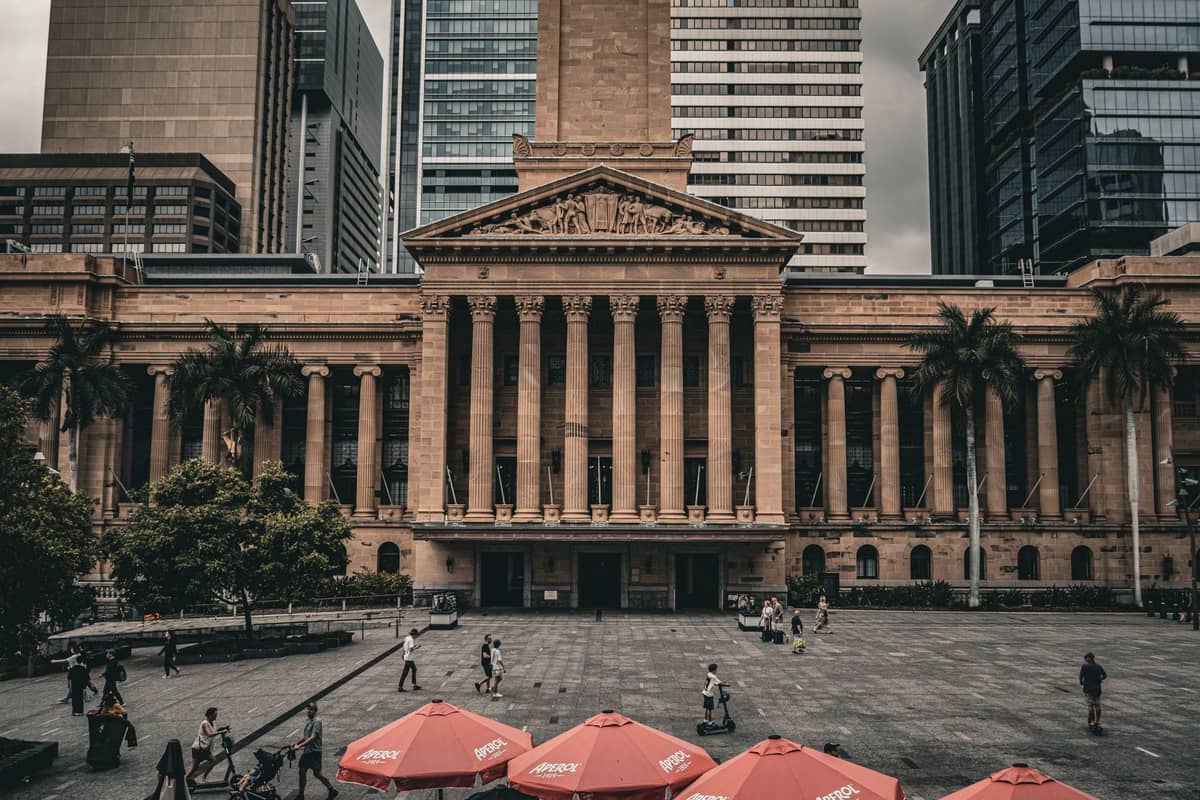
The CBD's most underrated attraction is free: Brisbane City Hall on King George Square is a substantial sandstone building completed in 1930, and the Museum of Brisbane inside is open to the public at no cost. The clock tower offers lift access and a high view across the city grid and river bends that repays the short queue. It is a better introduction to the city's layout than most paid lookouts.
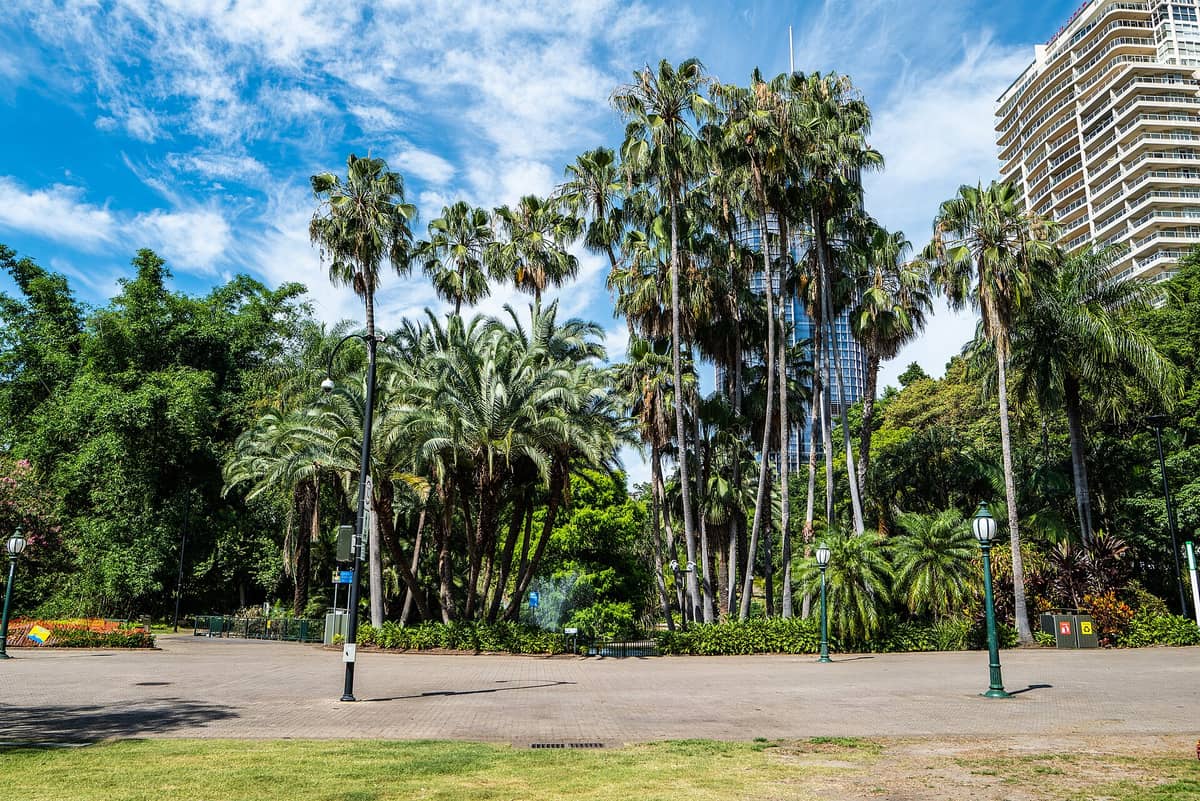
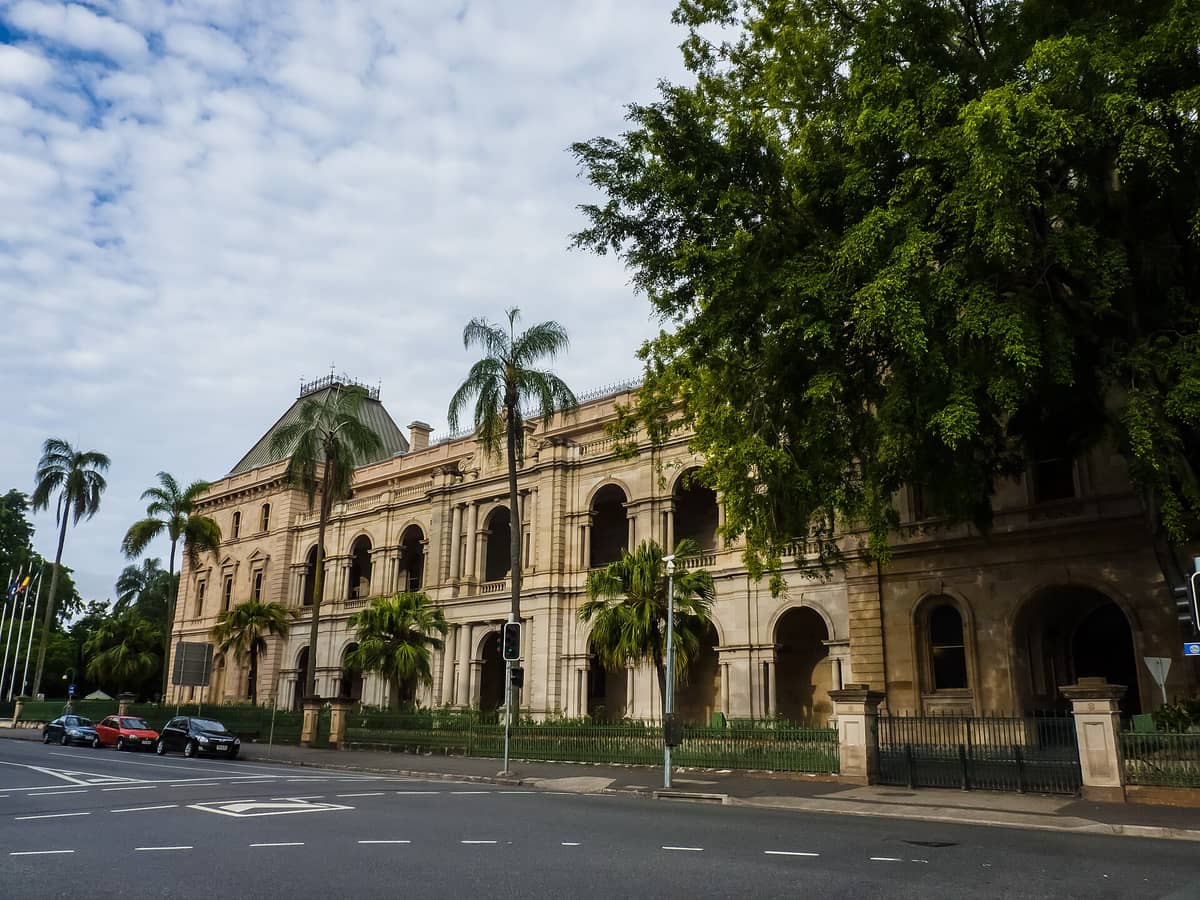
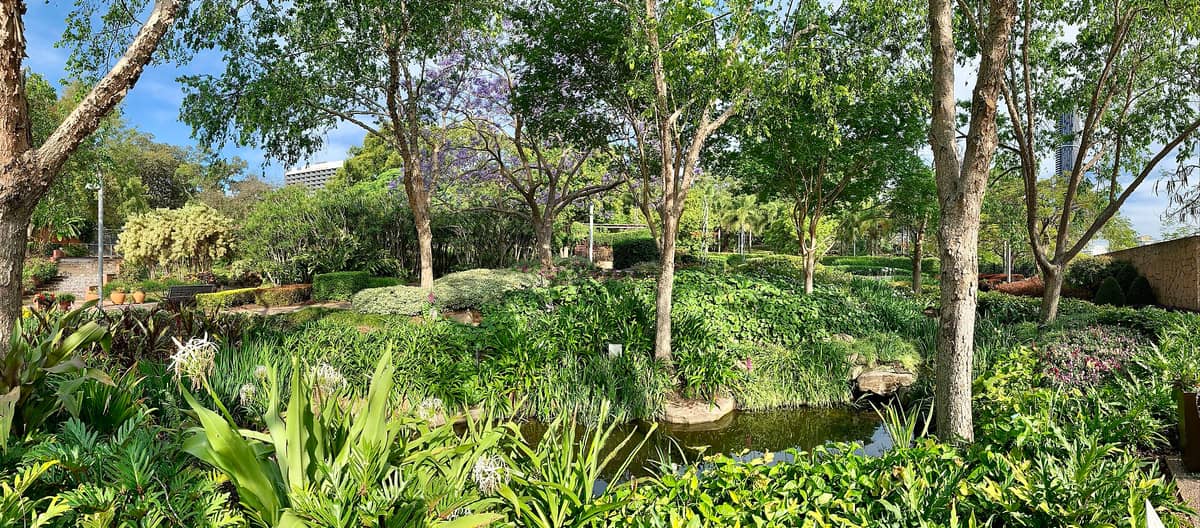
Walking south from the Mall along George Street leads past Parliament House, a French Renaissance building from 1868 whose copper-clad dome has turned the particular green-grey that Brisbane sun produces over decades. Free tours run on weekdays when parliament is not sitting. Continuing downhill brings you to the northern gates of the City Botanic Gardens, 20 hectares of riverside parkland that functions as the CBD's main green lung. The gardens are at their best in the morning, when the light comes in low from the east across the river and the Moreton Bay figs cast long shadows over the lawns.
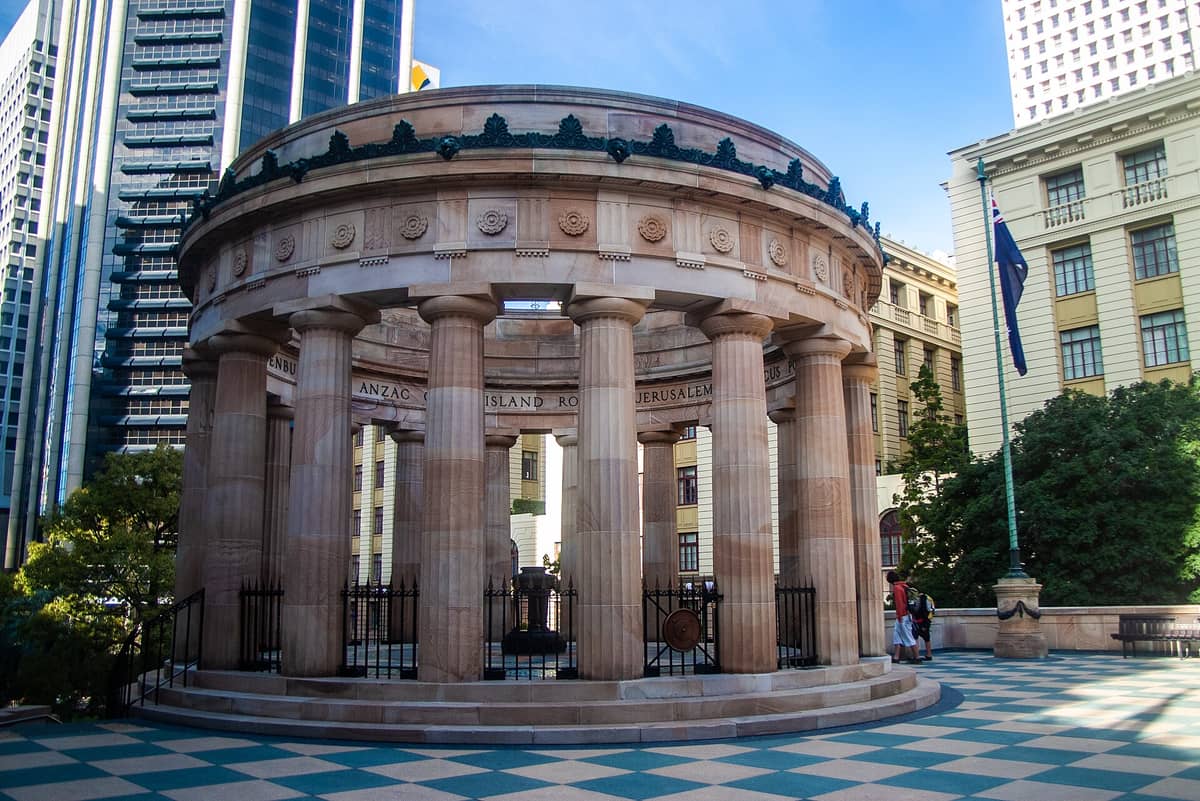
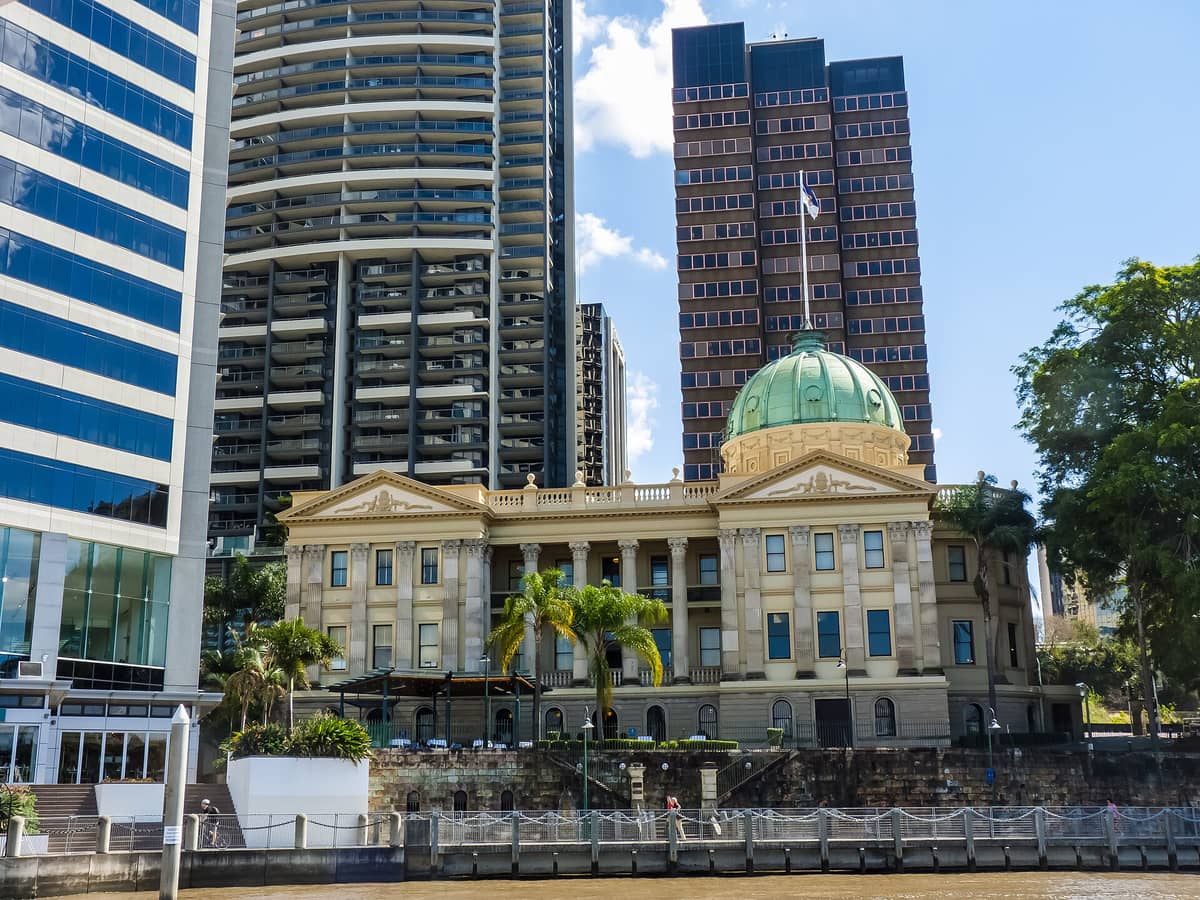
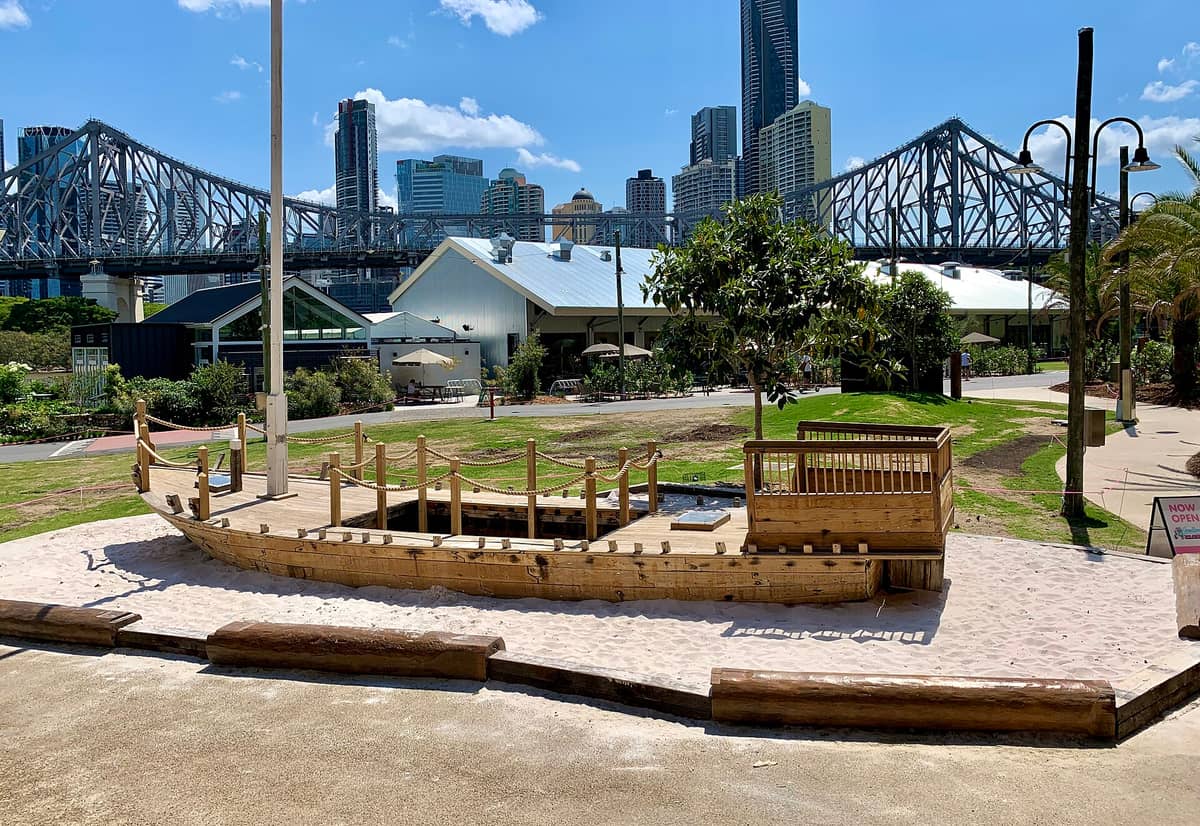
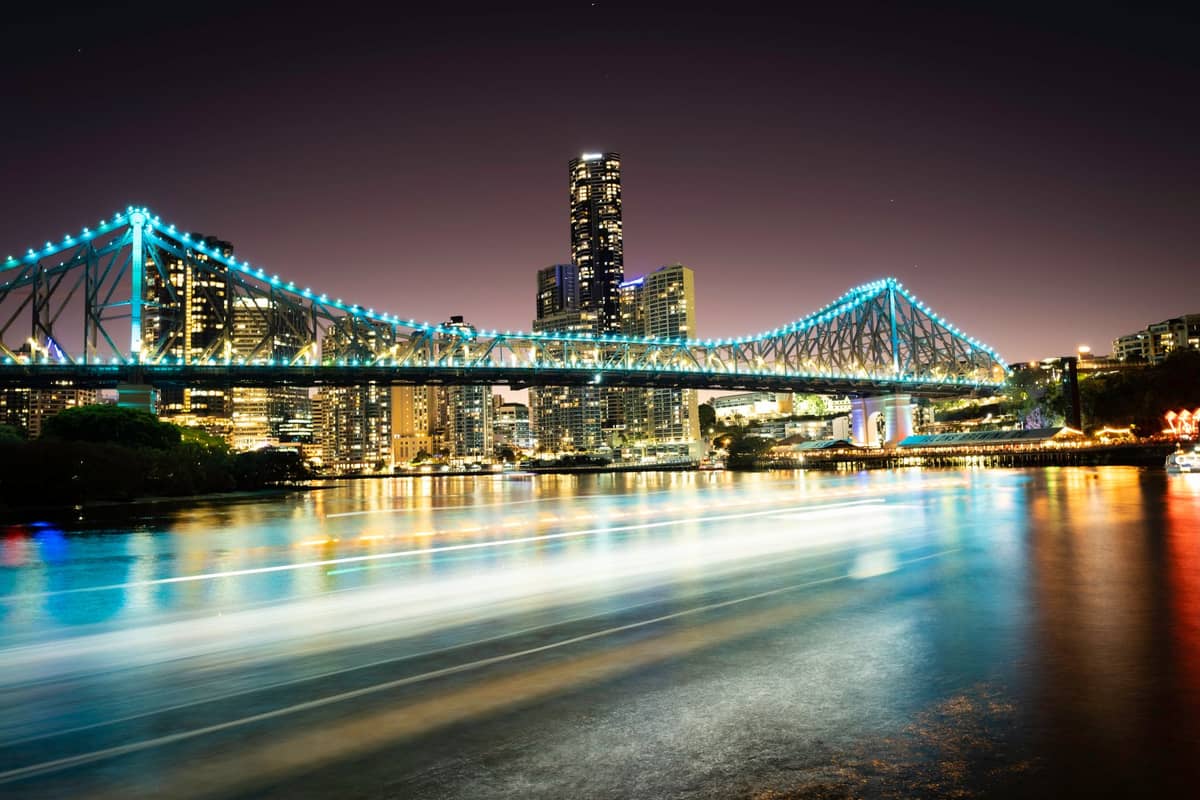
At the northern end of the CBD, ANZAC Square sits on a raised terrace above Ann Street, its eternal flame and colonnaded Shrine of Remembrance providing a formal pause between the commercial streets and Central Station. The square is worth crossing slowly rather than rushing through. A short walk east along Ann Street leads to Brisbane Customs House, an 1889 sandstone rotunda building that now operates as a University of Queensland function centre but remains open to visitors. Its position on the river bend, with the Story Bridge visible upstream, is one of the more photogenic corners of the CBD.
Brisbane City Hall clock tower: free lift access, views across the CBD grid
City Botanic Gardens: 18 hectares of riverside parkland, free entry, best before 10am of riverside parkland, free entry, best before 10am
ANZAC Square: formal memorial precinct between Ann and Adelaide streets
Brisbane Customs House: heritage riverfront building, open to visitors
Parliament House: free guided tours on weekdays outside sitting periods
Roma Street Parkland: subtropical garden 10 minutes walk northwest of the Mall
Queen Street Mall: pedestrianised retail core, also good for people-watching
For a broader picture of Brisbane's cultural offer, Brisbane's best museums are spread across the CBD and South Bank, and several are free. The CBD itself is also a useful starting point for Brisbane walking tours that cover the heritage buildings, river edges, and civic spaces in detail.
Eating & Drinking
The CBD's food scene is primarily oriented around weekday lunch, which means quality is generally higher than the prices suggest, but evening options thin out significantly on Sundays and Mondays. The Eagle Street Pier precinct along the riverfront holds a cluster of restaurants with outdoor terraces facing the river and Kangaroo Point Cliffs, and these fill quickly on warm weekday evenings. The food quality ranges from solid casual dining to a handful of more serious kitchens.
The arcade network between Queen Street and Adelaide Street contains a significant amount of the CBD's everyday eating: Japanese, Vietnamese, Chinese, Thai, and Korean options in covered food courts that are fast, cheap, and reliable at lunch. MacArthur Central and the basement of Wintergarden are particularly well stocked. These spaces are almost entirely ignored by visitors and are worth knowing about on a hot day.
For coffee, the CBD has a strong cafe culture spread across the laneway network east of the Mall. Elizabeth Street and Charlotte Street have consistent options. If you're looking for a broader read on the Brisbane food scene, the what to eat in Brisbane guide covers cuisines and neighbourhoods across the city. For nightlife and bar culture, the CBD's after-dark offer is limited: most serious drinking and late-night eating is a short walk or ride into Fortitude Valley.
💡 Local tip
The CBD's best value eating is in the covered arcades between Queen Street and Adelaide Street, especially at lunch on weekdays. These food courts are fast, air-conditioned, and span multiple cuisines at prices well below street-level restaurants.
Getting There & Around
Brisbane's CBD is served by two major train stations: Central Station on Ann Street at the northern end of the CBD, and Roma Street Station at the western edge near Roma Street Parkland. Most suburban and regional rail services pass through both. From Brisbane Airport, the Airtrain connects to Central Station in approximately 20 minutes; adult fares start at A$23.30, though these should be verified with the operator before travel. Taxi and rideshare from the airport runs higher, typically A$67 to A$82 depending on traffic and demand.
Within the CBD, the free City Loop bus service (Routes 40 and 50) makes a circuit of the major landmarks including Queen Street Mall, City Hall, the Botanic Gardens, and QUT. The Brisbane Metro operates as a high-capacity bus rapid transit service with stops at King George Square, and the wider Translink network of buses and CityCat ferries connects the CBD to surrounding neighbourhoods. The CityCat stop at North Quay is the most useful CBD ferry terminal, linking downriver to South Bank and the inner suburbs.
On foot, the CBD is genuinely walkable. From Central Station to the City Botanic Gardens is around 10 minutes at a comfortable pace. The Kurilpa Bridge and Victoria Bridge both provide pedestrian access south to South Bank. For getting around the wider city, the getting around Brisbane guide covers the full Translink network, Go Card setup, and cycling options in detail. The default speed limit throughout the CBD is 40 km/h, with some exceptions on Turbot Street and parts of Ann Street, so pedestrian crossings are generally manageable but still require attention at busy intersections.
💡 Local tip
The free City Loop buses (Routes 40 and 50) run in opposite directions around the CBD and stop at all major landmarks. They are genuinely free, require no ticket, and run regularly on weekdays during daytime hours — useful on hot days when walking the full grid is not appealing.
Where to Stay
The CBD holds the highest concentration of hotels in Brisbane, from large international chains near Central Station to boutique options in the heritage buildings along George and Elizabeth streets. For first-time visitors to Brisbane who want to be within walking distance of the main attractions and have straightforward transit access, the CBD is the practical choice. It is also the most sensible base if you are attending events at multiple venues across the city. For a wider comparison of where to stay across Brisbane, the where to stay in Brisbane guide breaks down all the major neighbourhoods by traveller type.
The area between Queen Street Mall and the river, roughly Edward Street down to Eagle Street, has the highest density of hotels and is the best location for walkability combined with river access. The northern end of the CBD near Roma Street Station is slightly quieter and marginally better for families or travellers who want easy access to the suburban train network. Mid-range hotels are well represented, and budget travellers will find better value in hostels in Fortitude Valley, South Bank, or West End.
⚠️ What to skip
Weekend nights in the CBD can be noisier than expected near the Queen Street Mall end. Hotels on the higher floors of buildings facing the pedestrian zone or Eagle Street Pier are generally quieter, but check room positions before booking if noise is a concern.
Practical Notes
The CBD is safe to walk at most hours, including after dark in the main commercial precincts. The area around the Transit Centre at Roma Street and parts of the northern end of the grid near Central Station can feel less settled late at night on weekends, though they are not particularly dangerous. As with any city centre, standard awareness applies. Emergency services are reached by dialling 000 in Australia.
Brisbane does not observe daylight saving time. Queensland stays on Australian Eastern Standard Time year-round, which means that for visitors arriving from Sydney or Melbourne during summer, Brisbane will be one hour behind. Tap water throughout the CBD meets Australian drinking water standards. Tipping is not customary in Australia, though it is accepted and discretionary. Most venues add a weekend or public holiday surcharge of around 10 to 15 percent, which should be noted on the menu.
The CBD is an efficient launchpad for day trips: the day trips from Brisbane guide covers Moreton Island, the Gold Coast, and the Sunshine Coast, all reachable from Roma Street or Central Station. For a structured introduction to the whole city across a short stay, three days in Brisbane uses the CBD as its base and works outward from there.
TL;DR
Brisbane's CBD is the city's walkable, transit-connected core: best suited to first-time visitors, business travellers, and anyone who wants access to multiple neighbourhoods without committing to one.
Key attractions including City Hall, the City Botanic Gardens, ANZAC Square, Customs House, and Parliament House are all within a 25-minute walk of each other and largely free to enter.
The food scene is strong at lunch on weekdays but thins out on evenings and weekends; the covered arcade food courts are the best-value option the CBD has.
After dark, the CBD is quieter than surrounding neighbourhoods: Fortitude Valley, South Bank, and West End are better for nightlife and late dining.
Not ideal for travellers seeking neighbourhood character or local atmosphere: the CBD is functional and historically rich, but its streets are defined by commerce and transit rather than the kind of daily residential life found in New Farm, Paddington, or West End.
Three days is enough time to get a genuine feel for Brisbane, from its riverside precincts and cultural institutions to its inner-city neighbourhoods and wildlife encounters. This itinerary is structured for first-time visitors but specific enough to be useful for repeat travellers who want to go deeper.
Brisbane is not a beach city in the way Sydney or the Gold Coast are, but the ocean is closer than most visitors expect. This guide covers the best beaches near Brisbane, from the patrolled surf beaches of North Stradbroke Island to the pristine sands of Moreton Island, plus practical advice on getting there, staying safe, and timing your visit.
Brisbane delivers more than its size suggests for museums, with major institutions offering free general admission alongside world-class rotating exhibitions. This guide covers the city's best museums across art, natural history, maritime heritage, civic history, and science.
Brisbane's subtropical climate means it's worth visiting year-round, but the best time to go depends on your priorities. This guide breaks down every season by weather, crowds, costs, and events so you can plan smarter.
Brisbane rewards those who look up, out, and across. From the sweeping 180-degree panorama at Mount Coot-tha to the cliff-edge views at Kangaroo Point, this guide covers the city's finest vantage points for sunrise, sunset, and everything in between.
Brisbane is the city that inspired Bluey, and you can experience it two ways: the official Bluey's World immersive attraction at Hamilton, and the real parks, beaches and streets that appear throughout the show. This guide covers both, with practical booking advice, neighbourhood-by-neighbourhood locations, and practical tips for making the most of a Bluey-themed Brisbane day.
Everything you need to navigate Brisbane Airport (BNE) from landing to your hotel. This guide covers terminal layouts, all transport options to the CBD, inter-terminal transfers, parking, and practical tips that save time and money.
Brisbane runs a packed events calendar year-round, from the flagship Brisbane Festival in September to free outdoor markets, sports finals, and cultural celebrations. This guide breaks down the key events by season, what they actually involve, and how to plan around them.
Brisbane rewards couples with a surprisingly rich mix of romantic settings: dramatic river views, heritage precincts, lush gardens, and waterfront bars. Whether you're planning a weekend away or looking for a special evening out, this guide covers the best the city has to offer.
Brisbane's history stretches from Indigenous Country to colonial settlement, two World Wars, and a postwar boom that shaped the city you see today. This guide covers the heritage buildings, war memorials, colonial-era homes, and cultural institutions that tell that story best.
Brisbane delivers more than its size suggests for outdoor walking. Whether you want a quick riverside stroll through the CBD, a serious bushland hike, or a dramatic coastal walk on a nearby island, the city and its surrounds deliver. This guide covers the best hikes and walks near Brisbane, organised by type and difficulty.
Brisbane's live music scene delivers more than its size suggests, from intimate indie rooms in Fortitude Valley to outdoor amphitheatres on the river. This guide covers the best venues by genre and neighbourhood, how to get tickets, what to budget, and how to get home safely after the show.
Brisbane's market scene is more varied than most visitors expect, with options spread across the week, not just weekends. This guide covers the best markets in Brisbane, including what to buy, when to go, and what to skip.
Brisbane's nightlife has matured considerably over the past decade. From the bar-packed streets of Fortitude Valley to riverside cocktail spots and indie live music rooms, this guide covers the best precincts, practical logistics, and practical advice for a great night out in Brisbane.
Brisbane is one of Australia's more affordable capital cities, and with a few smart moves, you can stretch your dollar significantly. This guide covers free attractions, cheap transport, budget-friendly food, and practical advice on where not to waste your money.
The Brisbane River is the city's spine, and knowing how to use it makes a trip here dramatically better. This guide covers the best walks, viewpoints, precincts, and experiences along the river, from the CBD to New Farm and beyond.
Brisbane's shopping scene spans a central mall, design-focused precincts, riverside markets, and neighbourhood strips worth exploring on foot. This guide breaks down where to go, what to expect, and how to avoid wasting time on the wrong options.
Brisbane delivers more than its size suggests as a sports city. From NRL and A-League to cricket and basketball, this guide covers every major team, venue, and match-day logistics you need to plan a great live sports experience in Brisbane.
The Gold Coast is 80 kilometres south of Brisbane and one of the most popular day trips in Queensland. This guide covers every realistic way to get there, what to do once you arrive, how much to budget, and the practical trade-offs between driving, taking the train, and joining a tour.
Brisbane rewards walkers with a compact city centre, riverside paths, and 24 official heritage trails maintained by Brisbane City Council. This guide covers the best self-guided walking routes, how long each takes, what you'll actually see, and when to go.
Brisbane sits at the edge of some of Australia's most accessible wildlife habitat, and you don't need to travel far to encounter koalas, kangaroos, dolphins, and migratory shorebirds. This guide covers the best sanctuaries, nature reserves, wetlands, and island escapes for seeing native animals in and around the city.
Brisbane is one of Australia's most family-friendly cities, with free beaches, world-class wildlife sanctuaries, hands-on museums, and outdoor adventures within easy reach of the CBD. This guide covers the best activities for families visiting Brisbane, from toddler-friendly parks to day trips that will captivate older kids.
Brisbane sits at the centre of one of Australia's most diverse regions for day tripping. Within two hours you can be snorkelling around shipwrecks, watching humpback whales from a headland, or wandering a rainforest. This guide breaks down the top day trips from Brisbane with realistic transport options, costs, and the practical trade-offs most guides skip.
Brisbane rewards budget-conscious travellers more than most Australian cities. From a free inner-city beach and world-class art galleries to riverside walks, koala encounters, and sweeping city lookouts, there's an enormous amount to do here without opening your wallet.
Brisbane has one of Australia's most practical urban transport networks, covering trains, buses, ferries, and the CityCat river service. This guide breaks down fares, payment methods, routes, and practical advice on when to ditch public transit and grab a rideshare instead.
Brisbane divides opinion. Some travelers find it a sunny, walkable city with genuine character and easy access to outstanding day trips. Others pass through and wonder what the fuss is about. This guide cuts through both the hype and the skepticism to give you a clear picture of what Brisbane actually offers, who it suits, and when to go.
Moreton Island sits just 40 kilometres off the Brisbane coast, but it feels worlds away. This guide covers how to get there, what to do with your time, realistic costs, and the practical details that most guides leave out.
North Stradbroke Island (Minjerribah) sits just 30 km from Brisbane but feels like a different world. This guide covers how to get there, how to get around, what to do, and what the glossy tourism brochures leave out.
Brisbane delivers more than its size suggests for a city of its size. This guide covers the best things to do in Brisbane across every budget and interest, from South Bank's cultural precinct and the river's CityCat ferries to day trips, wildlife encounters, and the city's underrated food scene.
Brisbane's food scene delivers more than its size suggests. This guide covers the regional specialties, best neighbourhoods for dining, market food experiences, and practical tips to help you eat well across every budget in Queensland's capital.
Choosing where to stay in Brisbane shapes your entire trip. This guide breaks down every major neighbourhood by budget, vibe, and proximity to attractions, so you can book with confidence rather than guesswork.