Shopping in Brisbane: Best Areas, Markets & Local Finds
Brisbane's shopping scene spans a central mall, design-focused precincts, riverside markets, and neighbourhood strips worth exploring on foot. This guide breaks down where to go, what to expect, and how to avoid wasting time on the wrong options.
Tickets & tours
Live prices and dates from our booking partner. If you book, we may earn a commission at no extra cost to you.
TL;DR
- Queen Street Mall is the city's main shopping mall, anchored by David Jones and Myer, with most stores open 9am–5pm Monday–Thursday and until 9pm Friday.
- For independent boutiques and design labels, James Street in Fortitude Valley is Brisbane's most polished retail strip.
- Weekend markets are a genuine highlight: The Collective Markets at South Bank (Friday–Sunday) and the Jan Powers Farmers Markets at Brisbane Powerhouse every Saturday morning are both worth planning around.
- Paddington's Latrobe Terrace and West End offer slower, neighbourhood-paced shopping with cafes built into the rhythm.
- Always verify market hours before visiting. Schedules change seasonally, and individual stores within malls set their own hours.
Queen Street Mall: The CBD's Retail Core
The Queen Street Mall is a pedestrianised strip in the heart of the Brisbane CBD, running between Edward and George Streets. It's the city's primary shopping mall zone, housing two major department stores, David Jones and Myer, plus hundreds of retail tenants across connected centres including QueensPlaza, Wintergarden, and Myer Centre.
General trading hours are 9am–5pm Monday to Thursday, 9am–9pm Friday, 9am–5pm Saturday, and 10am–4pm Sunday. Friday evenings are the best time to shop if you want crowds thinned out post-work rush. Avoid Saturday afternoons in school holidays, when foot traffic peaks noticeably.
The Mall covers mainstream retail solidly: global fashion chains, electronics, pharmacies, beauty, and sportswear. If you're hunting for Australian-designed clothing or locally made goods, Queen Street is not really where you'll find them. It functions best as a practical, weather-proof option or a lunch stop between other destinations. The food courts inside Myer Centre and Wintergarden offer solid cheap eat options if you need a mid-shop break without leaving the precinct.
💡 Local tip
Individual stores within Queen Street Mall set their own hours independently of the mall's published guidelines. A store listed as open until 9pm on Fridays may close earlier. Check directly with specific retailers before making a special trip.
James Street Precinct: Brisbane's Best Boutique Strip
If you only have time for one neighbourhood shopping strip, make it James Street in Fortitude Valley. The precinct runs along James Street and its surrounding laneways and is home to Australian and international designers, concept stores, homewares, and independent bookshops. Labels like Camilla, Bec + Bridge, Zimmermann, and Country Road sit alongside smaller independent boutiques.
James Street also has a strong food culture woven through it, which makes it easy to turn a shopping trip into a half-day itinerary. The mix of fashion, interiors, beauty, and dining is genuinely cohesive in a way that few Australian retail precincts manage. Parking is available in the James Street car park but fills quickly on weekends. Public transport via train to Fortitude Valley station (about 500m walk) is the more reliable option.
✨ Pro tip
James Street is busiest on Saturday afternoons. If you want to browse without the crowd pressure, arrive before noon or come on a Thursday evening when some retailers extend their hours and the strip has a more relaxed atmosphere.
Brisbane's Weekend Markets: What's Actually Worth Your Time
Brisbane has a well-developed market culture, and the best options are concentrated around South Bank and New Farm. For a full overview of the city's market landscape, the Brisbane markets guide covers timing, format, and what each market does best.
- The Collective Markets, South Bank Located on Little Stanley Street, this is Brisbane's most popular weekend market. Hours: Friday 5pm–9pm, Saturday 10am–9pm, Sunday 9am–4pm. The mix of food, fashion, art, and craft is consistent, and the South Bank Parklands location adds to the overall experience. Special Christmas market dates apply in December with different hours.
- Jan Powers Farmers Markets, Brisbane Powerhouse Held every Saturday from 6am to noon in New Farm, this is the city's best farmers market for fresh produce, artisan food, and specialty goods. Arrive before 8am for the best selection. A second location runs at Manly on the first and third Saturday of the month, same hours.
- Brisbane City Markets Two midweek options for CBD workers: Reddacliff Place on Wednesdays (8am–6pm) and Cathedral Square on Thursdays (8am–2pm). Focused on food and small goods rather than fashion or crafts.
- West End Markets Held at Davies Park on Saturday mornings, this is a neighbourhood-scale farmers and craft market with a loyal local following. Lower volume than the Collective Markets but more personal in atmosphere.
⚠️ What to skip
Market schedules in Brisbane are not fixed year-round. The Collective Markets, Jan Powers, and others adjust for public holidays, weather events, and seasonal programs. Always check the official market website before making it a firm plan.
Neighbourhood Shopping: Where Locals Actually Go
Beyond the CBD and Valley, Brisbane's best neighbourhood shopping is spread across several distinct strips. Paddington's Latrobe Terrace is a strong option for independent fashion, homewares, and gift shops in a leafy, Queenslander-lined setting. The strip is walkable, café-dense, and largely free of the chains that dominate Queen Street.
West End, particularly Boundary Street and Vulture Street, has a different character: more eclectic, politically conscious, and price-accessible. You'll find second-hand clothing stores, independent record shops, and international grocery stores alongside specialty coffee roasters. The area pairs well with the Saturday morning West End Markets at Davies Park.
Further north, the Newstead and Teneriffe precinct is emerging as a design-forward retail zone, particularly around Gasworks Plaza. It's less destination-shopping than James Street but increasingly worth the detour for interiors, lifestyle brands, and specialty food.
- Paddington: Latrobe Terrace, best for independent fashion and gifts, most stores open Tuesday–Sunday
- West End: Boundary and Vulture Streets, best for vintage, books, and international groceries
- Newstead/Teneriffe: Gasworks Plaza and surrounds, best for homewares and lifestyle brands
- Eat Street Northshore: A weekly market format at Hamilton, primarily food but worth noting for visitors staying north of the CBD
What to Buy in Brisbane: Local Products Worth Seeking Out
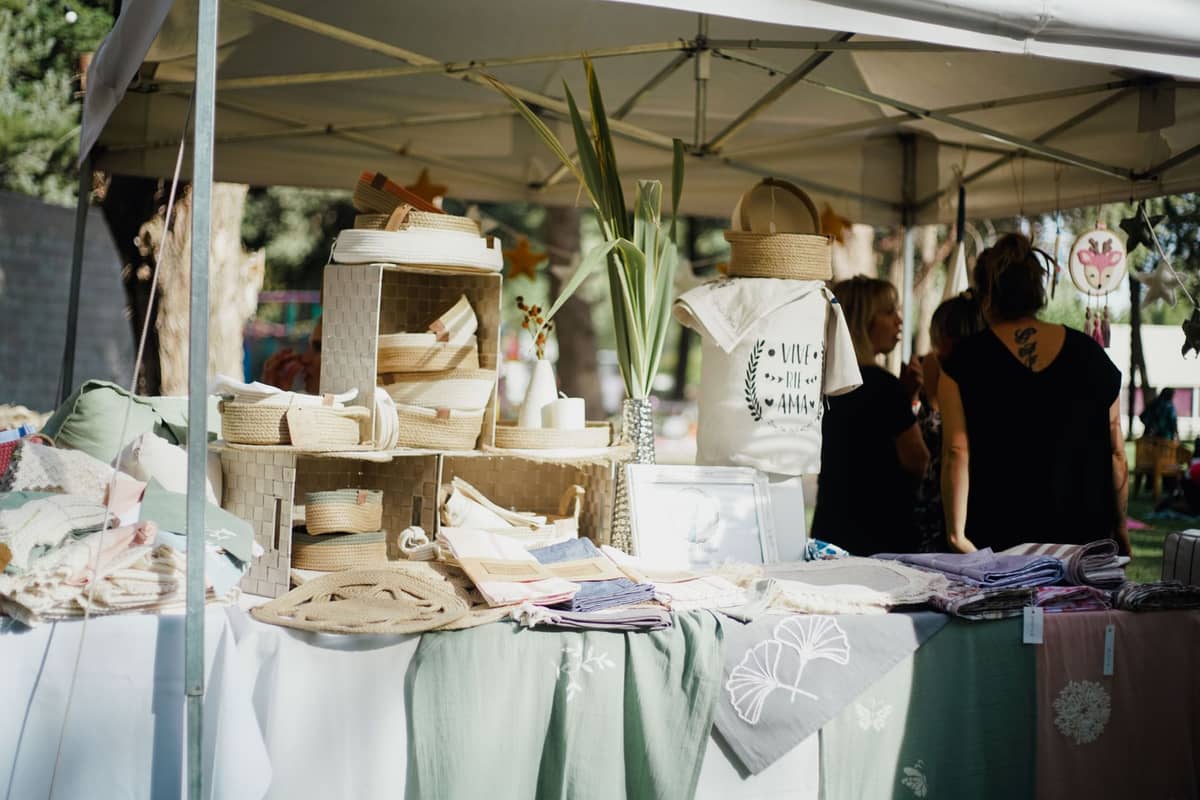
Shopping in Brisbane is most rewarding when you focus on what's genuinely local rather than replicating what you'd find at home. Australian fashion labels that design and, in some cases, produce locally are well represented across James Street and Paddington. Look for brands with strong Queensland roots at the Collective Markets and Jan Powers.
For food, Jan Powers Farmers Markets are the most reliable source for Queensland-grown produce, tropical fruits not easily found elsewhere, and specialty items like macadamia products, native bush foods, and local honey. South Bank's Collective Markets also carries a range of artisan food stalls on Saturdays. Queensland-made pottery, textiles, and art prints appear regularly at both markets and in the independent shops along Paddington's strip.
If you're after Indigenous art and crafts, look for stores and market stalls with clear provenance information and authentic sourcing. Brisbane has several reputable galleries and outlets for Indigenous Australian art, and spending time verifying the background of what you're buying is worthwhile. The broader Brisbane travel guide covers cultural context that shapes these purchasing decisions.
Practical Tips: Timing, Payments, and Getting Around
All prices in Brisbane are in Australian dollars (AUD). Card payments are universally accepted across retail stores and most market stalls, though some smaller market vendors prefer cash or apply small card surcharges on low-value transactions. Tipping is not standard practice in retail or markets.
Getting between shopping areas is straightforward using Brisbane's public transport network. Trains connect the CBD to Fortitude Valley in under five minutes. The 50-cent CityCat and cross-river ferries are useful for moving between South Bank and the CBD riverside. For Paddington and West End, buses are the main option, with multiple routes running from the CBD. Full transport details are in the guide to getting around Brisbane.
Brisbane's climate affects how you approach shopping days. Summer months (December–February) bring heat and humidity, with mean daily maximums around 29–30°C. On these days, starting your market visit by 7am and transitioning to air-conditioned mall or precinct shopping by mid-morning is a practical rhythm. Winter days (June–August) are consistently mild, with maximums around 22°C, making them the most comfortable for extended outdoor market visits.
For visitors trying to manage costs, several shopping areas overlap with free activities. South Bank's Collective Markets sit directly beside the South Bank Parklands, making it easy to combine a market browse with a free afternoon. For a broader look at cost-effective Brisbane itineraries, the Brisbane on a budget guide has specific recommendations.
FAQ
What is the main shopping mall in Brisbane?
Queen Street Mall is Brisbane's primary shopping mall precinct, located in the CBD and incorporating major centres including QueensPlaza, Wintergarden, and Myer Centre. It houses David Jones, Myer, and hundreds of specialty retailers. General hours are 9am–5pm Monday–Thursday, 9am–9pm Friday, 9am–5pm Saturday, and 10am–4pm Sunday, though individual stores vary.
Are there good markets in Brisbane on weekends?
Yes. The Collective Markets at South Bank run Friday evening, Saturday, and Sunday, and are the most accessible for visitors. Jan Powers Farmers Markets at Brisbane Powerhouse every Saturday morning (6am–noon) are the best for fresh produce and artisan food. Always check official market websites before visiting, as hours and dates can change.
What is the best area in Brisbane for boutique and independent shopping?
James Street in Fortitude Valley is widely regarded as Brisbane's top boutique retail precinct. It combines Australian and international fashion labels with homewares, beauty, and independent retailers in a walkable strip. Paddington's Latrobe Terrace is a strong second option with a more neighbourhood feel.
Do Brisbane markets accept card payments?
Many market stalls in Brisbane now accept card payments, but not universally. Smaller vendors and food stalls sometimes prefer cash or add a small surcharge for card transactions under a certain amount. It's practical to carry some cash when visiting any Brisbane market.
When is the best time to visit Brisbane for shopping?
The cooler months between May and September offer the most comfortable conditions for outdoor market visits and neighbourhood strip walking. Friday evenings work well for Queen Street Mall and South Bank's Collective Markets. Avoid Saturday afternoons during school holidays if you want to sidestep peak crowds at the mall.
Tickets & tours
Live prices and dates from our booking partner. If you book, we may earn a commission at no extra cost to you.
Planning a trip? Discover personalized activities with the Nomado app.