Things to Do in Brisbane: The Complete Local Guide
Brisbane delivers more than its size suggests for a city of its size. This guide covers the best things to do in Brisbane across every budget and interest, from South Bank's cultural precinct and the river's CityCat ferries to day trips, wildlife encounters, and the city's underrated food scene.
Tickets & tours
Live prices and dates from our booking partner. If you book, we may earn a commission at no extra cost to you.
TL;DR
- Brisbane's best free attractions include the City Botanic Gardens, South Bank Parklands, and the Gallery of Modern Art (GOMA) — genuinely world-class and no admission required.
- May to September is the sweet spot for visiting: mild temperatures (averaging 21°C max in winter), low rainfall, and smaller crowds than the summer holiday rush.
- The CityCat ferry is a paid service (use a go card or contactless payment) — but it remains one of the most enjoyable ways to move along the river. See getting around Brisbane for full transport options.
- Don't overlook the inner suburbs: Fortitude Valley, West End, and New Farm have distinct personalities and are far more rewarding than the CBD alone.
- For day trips, North Stradbroke Island and Moreton Island offer some of Australia's best accessible island scenery within two hours of the city.
South Bank and the Cultural Precinct: Brisbane's Civic Heart
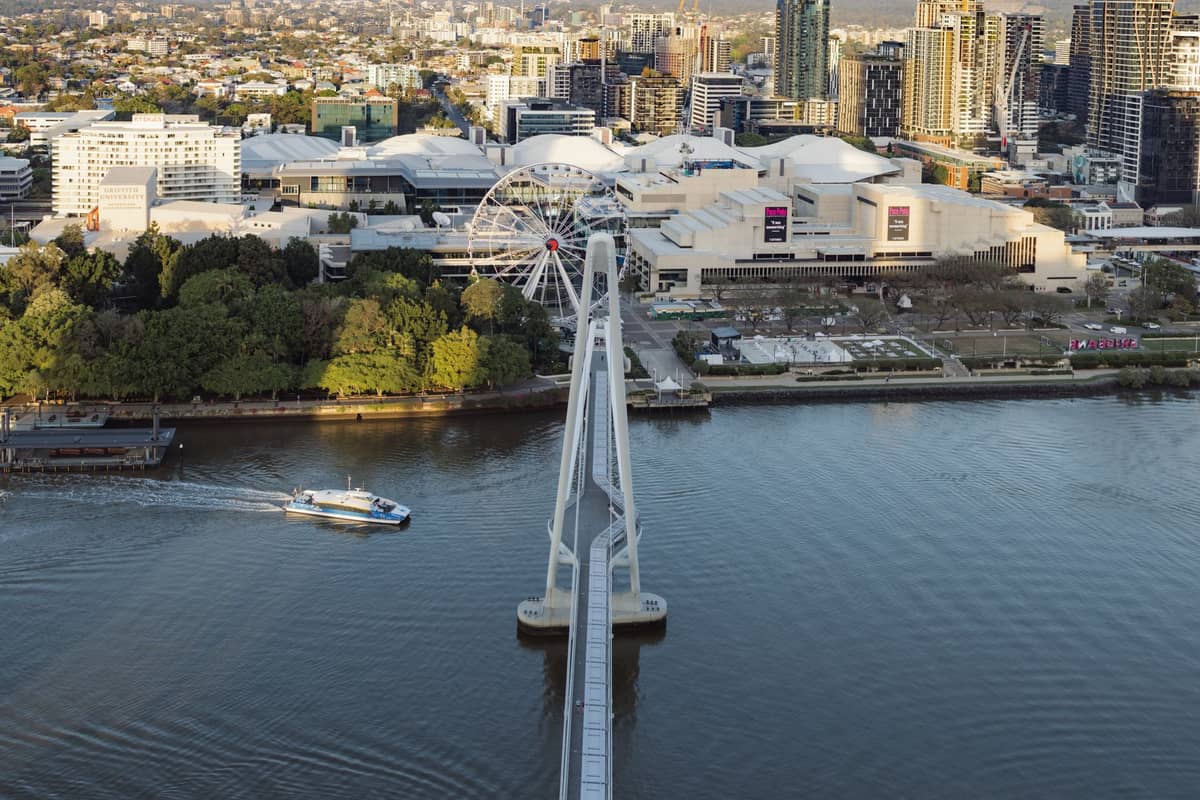
The South Bank precinct is where Brisbane does culture at scale. On a single strip along the western bank of the Brisbane River, you'll find GOMA, the Queensland Art Gallery, the Queensland Museum, the State Library of Queensland, and the Queensland Performing Arts Centre. The galleries in particular justify a half-day on their own — GOMA regularly hosts major international touring exhibitions alongside a strong permanent collection of Australian and Asia-Pacific art. Entry to the permanent collection is free.
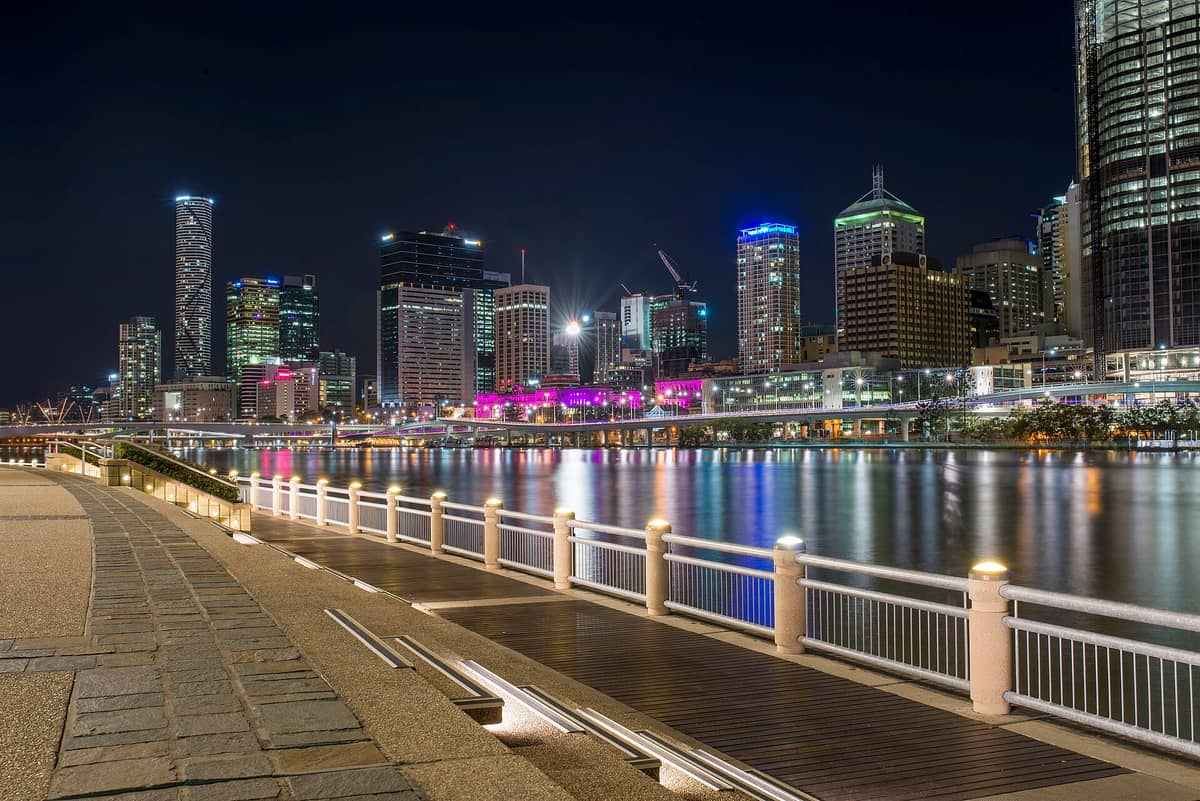
Just outside the cultural buildings, South Bank Parklands stretch for about 17 hectares along the river. Streets Beach — a free, lagoon-style swimming area with real sand — operates year-round and is one of the few inner-city beach swimming spots in Australia. It gets crowded on summer weekends by mid-morning, so arrive before 9am if you want a spot in reasonable shade. The precinct is well lit and active until late, making it equally useful for an evening walk.
💡 Local tip
The Queensland Museum and State Library of Queensland are both free to enter. The State Library also hosts free temporary exhibitions and has a dedicated children's area — worth knowing if you're travelling with kids.
For elevated river views, the Wheel of Brisbane sits at the southern end of the parklands. It's ticketed (around $18-22 for adults) and takes about 12 minutes per ride. Honest assessment: the views are fine but not exceptional compared to free alternatives like Mount Coot-tha Lookout. It's best treated as an experience rather than a viewing platform.
Free and Outdoor Things to Do in Brisbane
Brisbane is genuinely good for free outdoor experiences, and this isn't just parks-and-benches territory. The City Botanic Gardens are open 24 hours daily — 20 hectares of riverfront gardens dating back to 1855, right at the edge of the CBD. Early mornings here, when the light hits the river and the fruit bats are still overhead, are one of Brisbane's quieter pleasures.
The Brisbane Botanic Gardens at Mount Coot-tha are a separate and larger site (52 hectares) about 7km from the CBD. Entry is free. Opening hours change seasonally: 8am to 6pm from September to March, and 8am to 5pm from April to August. The Japanese Garden and Tropical Dome are highlights. A free shuttle bus connects the gardens to the summit lookout on weekends — check current schedules with Brisbane City Council before visiting.
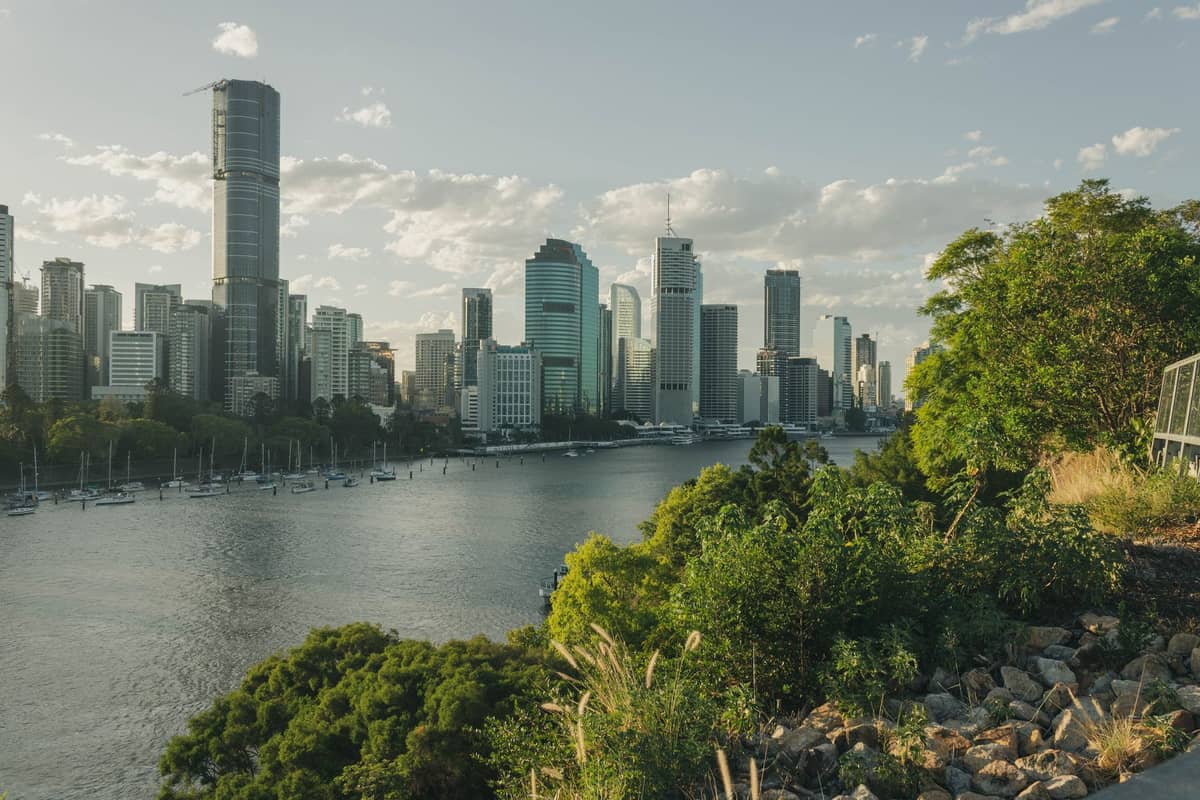
- Kangaroo Point Cliffs Free parkland across the river from the CBD. The cliffs themselves attract rock climbers; the grassy terraces above are ideal for watching the city skyline at sunset. The new Kangaroo Point Bridge (pedestrian/cycle) now connects directly to the CBD.
- Brisbane Riverwalk A 5.4km path from the CBD to New Farm, largely flat and river-facing. Free, open all hours, and popular with cyclists and joggers from about 5:30am.
- New Farm Park A large, rose-garden park near the Brisbane Powerhouse. The jacaranda and fig trees are particularly striking in October-November. Free to enter, open daily.
- Roma Street Parkland A 16-hectare subtropical garden directly above Roma Street Station. Free, and underused by visitors relative to its size and quality.
- Mount Coot-tha Lookout Free car park, free entry. The 360-degree view across the city and Moreton Bay is among the best in Southeast Queensland. Busy at sunrise and sunset on weekends.
⚠️ What to skip
The CityCat and inner-city ferry services are NOT free. The CityCat and inner-city ferry services cost 50 cents per journey. You can pay with a go card or contactless Visa/Mastercard. Check Translink for current fares before you travel — pricing and zone structures can change.
Wildlife, Nature, and Active Experiences
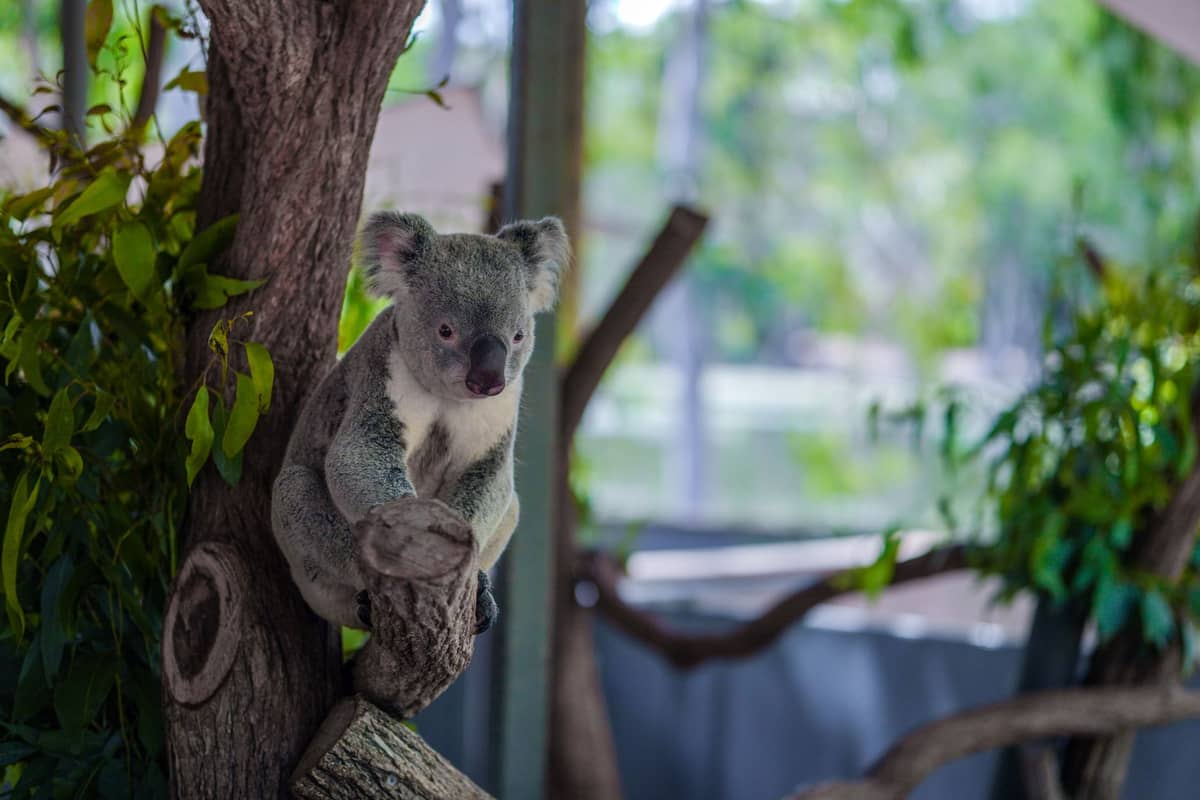
For wildlife, Lone Pine Koala Sanctuary is about 12km southwest of the CBD and claims to be the world's largest koala sanctuary. It's ticketed (A$63 for adults), and yes, you can hold a koala. It's commercial and clearly set up for visitors, but the animal welfare standards are monitored, and the platypus viewing enclosure is genuinely impressive. Not for every traveller, but if you're visiting Brisbane with children or family, it delivers.
For hikers, the D'Aguilar National Park starts less than 10km from the CBD boundary and covers over 36,000 hectares. The Walkabout Creek Discovery Centre near The Gap serves as a useful entry point, with wildlife displays and access to several marked trails. The park has serious hike options: Southfork Circuit (13.5km) and Mount Glorious trails suit those wanting a proper day out. Carry water; facilities are limited beyond the main visitor areas.
The Brisbane River itself rewards exploration. A CityCat ride from North Quay to Northshore Hamilton (end-to-end) takes about 70 minutes and passes under the Story Bridge, past the New Farm reaches, and through the working port — better scenery than most dedicated tourist cruises. For a deeper look at the river's role in the city's history, the Brisbane River guide covers access points, ferries, and flood history.
Inner Suburbs Worth Your Time
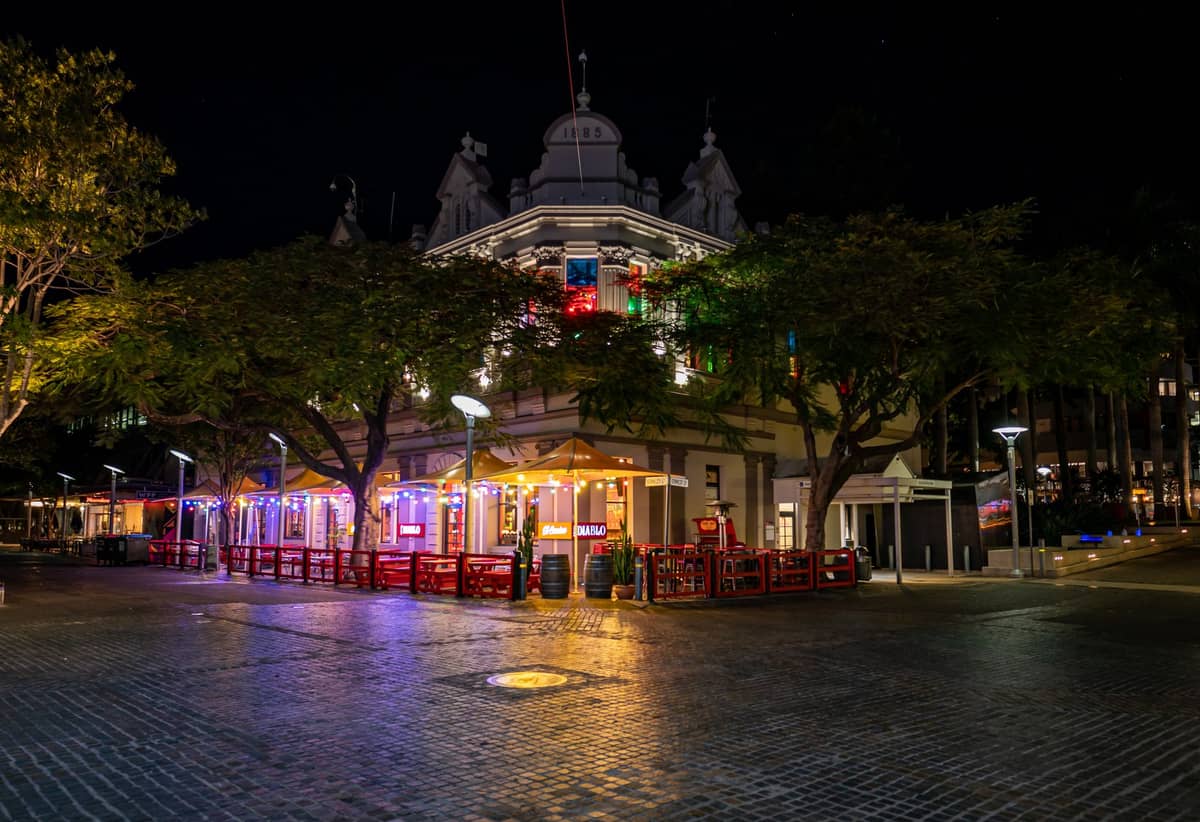
Brisbane's inner suburbs are where the city's real personality shows. Fortitude Valley has Chinatown, independent record stores, and the city's main live music venues concentrated within a few blocks. It's also where you'll find the James Street precinct, which leans upscale with design stores and quality restaurants. The contrast between the two ends of the suburb — late-night clubs on Brunswick Street versus the boutiques on James Street — is genuinely interesting.
West End has Brisbane's most multicultural food strip on Boundary Street, a Saturday morning farmers market at Davies Park, and an independent bookshop-and-cafe culture that rewards slower walking. It's less polished than James Street but more interesting for it. The Saturday West End Markets run from around 6am to 2pm and are worth timing your visit around.
New Farm sits east of the Valley and has a strong café culture along Merthyr Road, plus the Brisbane Powerhouse — a converted power station that now operates as an arts venue with a riverside bar and restaurant. Evening events here range from comedy to theatre to outdoor cinema. Check the Powerhouse program before your visit as it changes monthly.
✨ Pro tip
Howard Smith Wharves, directly below the Story Bridge on the CBD's northern riverbank, is Brisbane's best riverside dining and bar precinct. It's not cheap, but the setting — under the bridge, right on the water — is hard to beat for a Friday evening. Arrive before 6pm if you want a spot without a long wait.
Day Trips and Island Escapes
Brisbane's proximity to outstanding natural areas is one of its most underrated assets. North Stradbroke Island (Minjerribah) is accessible by ferry from Cleveland, about 45 minutes by train from Brisbane city. The island has wild beaches, whale-watching from North Gorge headland (June to November), and a population of around 3,000. It's a proper place, not a resort strip, and Cylinder Beach is one of the better swimming beaches in the region without the Gold Coast crowds.
Moreton Island is further out (about 75 minutes by ferry) and requires more planning, but the reward is one of the world's largest sand islands — over 95% national park. The Tangalooma wrecks are a popular snorkelling site just offshore from the resort. Sandboarding on the inland dunes costs around $20-30 to hire equipment. Accommodation is limited to the Tangalooma Island Resort or camping, so book well in advance for weekend trips.
- Gold Coast (80km south) About 1 hour by train from Roma Street to Robina. Surfers Paradise is the obvious draw, but Burleigh Heads and Coolangatta are considerably better for beach quality and atmosphere.
- Sunshine Coast (100km north) Noosa Heads is the standout destination — 2.5 hours by bus/train combination. The National Park walk to Hells Gates is excellent.
- Scenic Rim (1-2 hours west) Tamborine Mountain and Lamington National Park suit those after rainforest, waterfalls, and serious walking. Best avoided on Queensland school holidays when car parks fill early.
Practical Essentials: Timing, Transport, and Budget
Brisbane's climate makes timing matter more than in some cities. Summer (December to February) averages 30°C maximum with high humidity and frequent afternoon thunderstorms. Outdoor activities are doable but require early starts. Winter (June to August) averages around 21°C maximum and 10°C minimum — genuinely pleasant for walking and cycling, with very low rainfall. The best time to visit Brisbane in terms of weather and crowd balance is May through September.
Getting between attractions is straightforward. The Translink network covers trains, buses, and ferries under a single fare system. The 50-cent Translink flat fare applies whether you pay with a go card, contactless card, or paper ticket. From Brisbane Airport (BNE), the Airtrain takes roughly 20 minutes to central stations From Brisbane Airport (BNE), the Airtrain takes roughly 20 minutes to central stations at fares starting at A$23.30 for adults (verify current fares directly with Brisbane Airport). Taxis and rideshare from the airport to the CBD typically run A$67-82 depending on traffic. For full details, see the Brisbane Airport guide.
Budget travellers can genuinely have a full itinerary in Brisbane without significant spend. The major galleries, botanic gardens, South Bank Parklands, and most parkland and river walks are free. A mid-range restaurant meal costs around A$25-40 per person; a café lunch can be done for A$15-20. For a comprehensive approach to spending less, the Brisbane on a budget guide covers free attractions, cheap eats, and discount transport in detail.
ℹ️ Good to know
Brisbane is on the traditional lands of the Turrbal and Jagera peoples. Many cultural institutions and public spaces acknowledge this through signage and Welcome to Country ceremonies at events. Brisbane City Council's official acknowledgement provides the appropriate language and context.
FAQ
What are the best free things to do in Brisbane?
The City Botanic Gardens (open 24 hours), GOMA and the Queensland Art Gallery (permanent collections free), South Bank Parklands, Streets Beach, the Brisbane Riverwalk, Roma Street Parkland, and the Botanic Gardens at Mount Coot-tha are all free. The State Library and Queensland Museum also have free entry. Most of Brisbane's best outdoor experiences cost nothing.
How many days do you need in Brisbane?
Three full days covers the main central attractions comfortably: one day for South Bank and the Cultural Precinct, one day for the inner suburbs and river, and one day for a day trip or wildlife experience. Five days allows you to add an island visit (North Stradbroke or Moreton) and explore further into the hills or outer suburbs without rushing.
Is Brisbane worth visiting compared to Sydney or Melbourne?
Brisbane is a genuinely different proposition rather than a lesser version of the southern capitals. It has better winter weather than either, faster access to natural environments, lower average costs, and less crowding. The cultural scene is smaller but has genuine quality, particularly in contemporary art. For travellers who want outdoor activity and subtropical warmth alongside a functioning city, Brisbane often outperforms expectations.
What is the best way to get around Brisbane as a tourist?
A combination of walking and the Translink network covers most tourist itineraries. Load a go card for discounted fares on trains, buses, and ferries. The CityCat ferries are one of the best ways to see the river and connect South Bank, the CBD, New Farm, and Newstead. Cycling is practical in the inner suburbs — Brisbane has an extensive bikeway network and hire bikes are available. Taxis and rideshare are straightforward for late-night returns or trips to outer areas.
When should I avoid visiting Brisbane?
January and February combine peak humidity, high rainfall risk, and school holiday crowds. If you dislike heat and humidity, these months make outdoor sightseeing uncomfortable. The Christmas-New Year period also sees accommodation prices spike and popular spots fill quickly. The other time to plan around is Queensland school holiday periods in April and September-October, when family attractions like Lone Pine and island ferries book out.
Tickets & tours
Live prices and dates from our booking partner. If you book, we may earn a commission at no extra cost to you.
Planning a trip? Discover personalized activities with the Nomado app.