Brisbane Wildlife Guide: Where to See Australian Animals
Brisbane sits at the edge of some of Australia's most accessible wildlife habitat, and you don't need to travel far to encounter koalas, kangaroos, dolphins, and migratory shorebirds. This guide covers the best sanctuaries, nature reserves, wetlands, and island escapes for seeing native animals in and around the city.
Tickets & tours
Live prices and dates from our booking partner. If you book, we may earn a commission at no extra cost to you.
Brisbane is one of the few major Australian cities where you can hold a koala in the morning, spot wild dolphins at dusk, and walk coastal headlands scanning for whales, all within a single day trip. Whether you're after a guaranteed wildlife encounter at a sanctuary or a quieter bushland search in a city reserve, the options here are genuinely impressive. For first-time visitors planning their itinerary, the 3-day Brisbane itinerary is a useful starting point, and our guide to Brisbane with kids covers which wildlife experiences work best for families. This guide focuses specifically on where the animals are, what you'll realistically see, and how to make the most of each spot.
Sanctuaries & Wildlife Centres
If a guaranteed close-up encounter is your priority, Brisbane's wildlife sanctuaries deliver. These are curated, staffed facilities where you can see Australian animals reliably, regardless of season or time of day. They range from world-famous paid attractions to free community centres worth going out of your way for. Check the Brisbane on a budget guide if you're watching costs, as several options here are completely free.
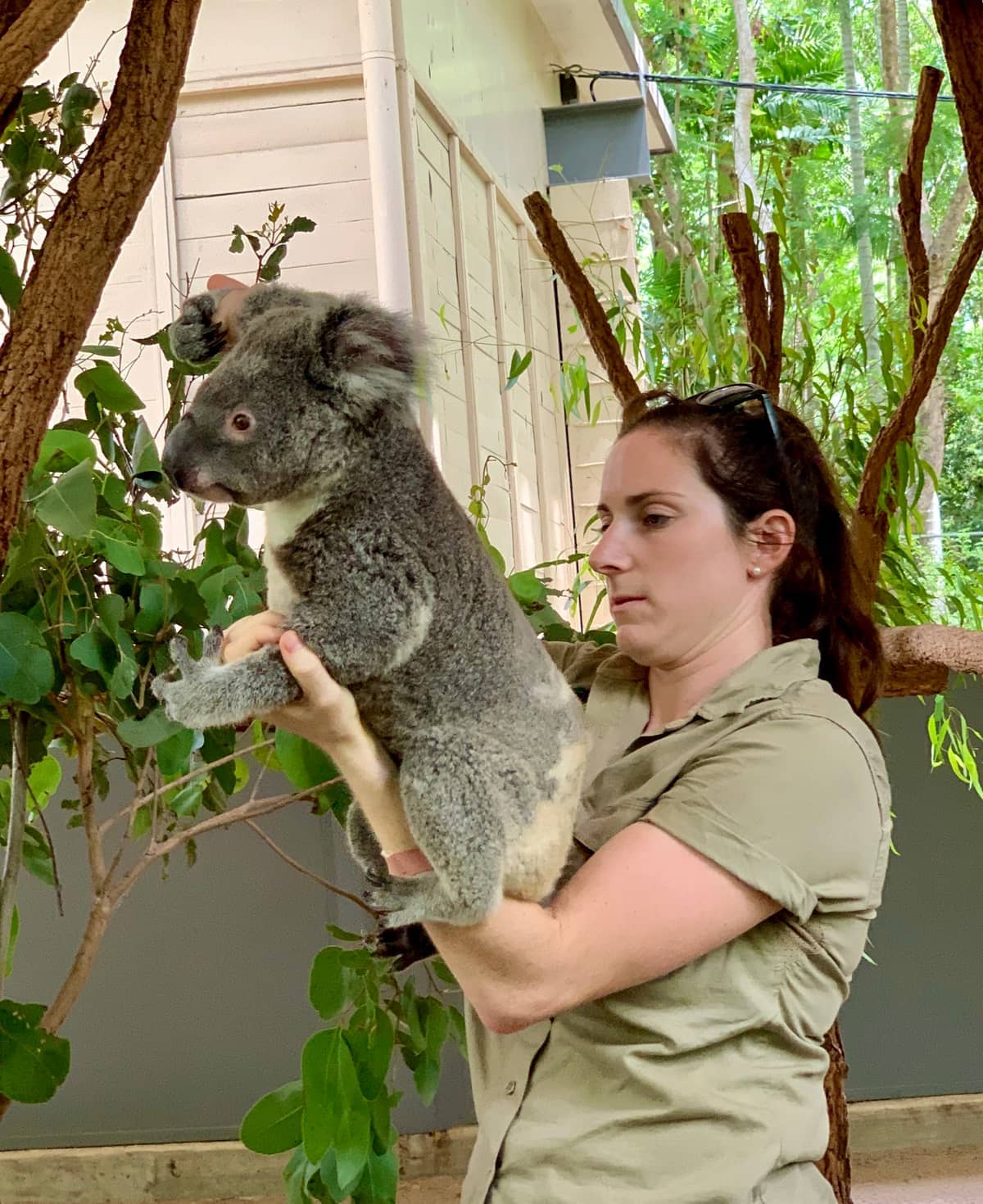
1. Hold a Koala at Lone Pine Koala Sanctuary
The world's first koala sanctuary, 12 km from the CBD, is the benchmark for wildlife encounters in Brisbane. You can hold a koala, hand-feed kangaroos, and see platypus, wombats, and Tasmanian devils. Book the koala hold in advance as slots fill fast.
Explore1. Hold a Koala at Lone Pine Koala Sanctuary
The world's first koala sanctuary, 12 km from the CBD, is the benchmark for wildlife encounters in Brisbane. You can hold a koala, hand-feed kangaroos, and see platypus, wombats, and Tasmanian devils. Book the koala hold in advance as slots fill fast.
Explore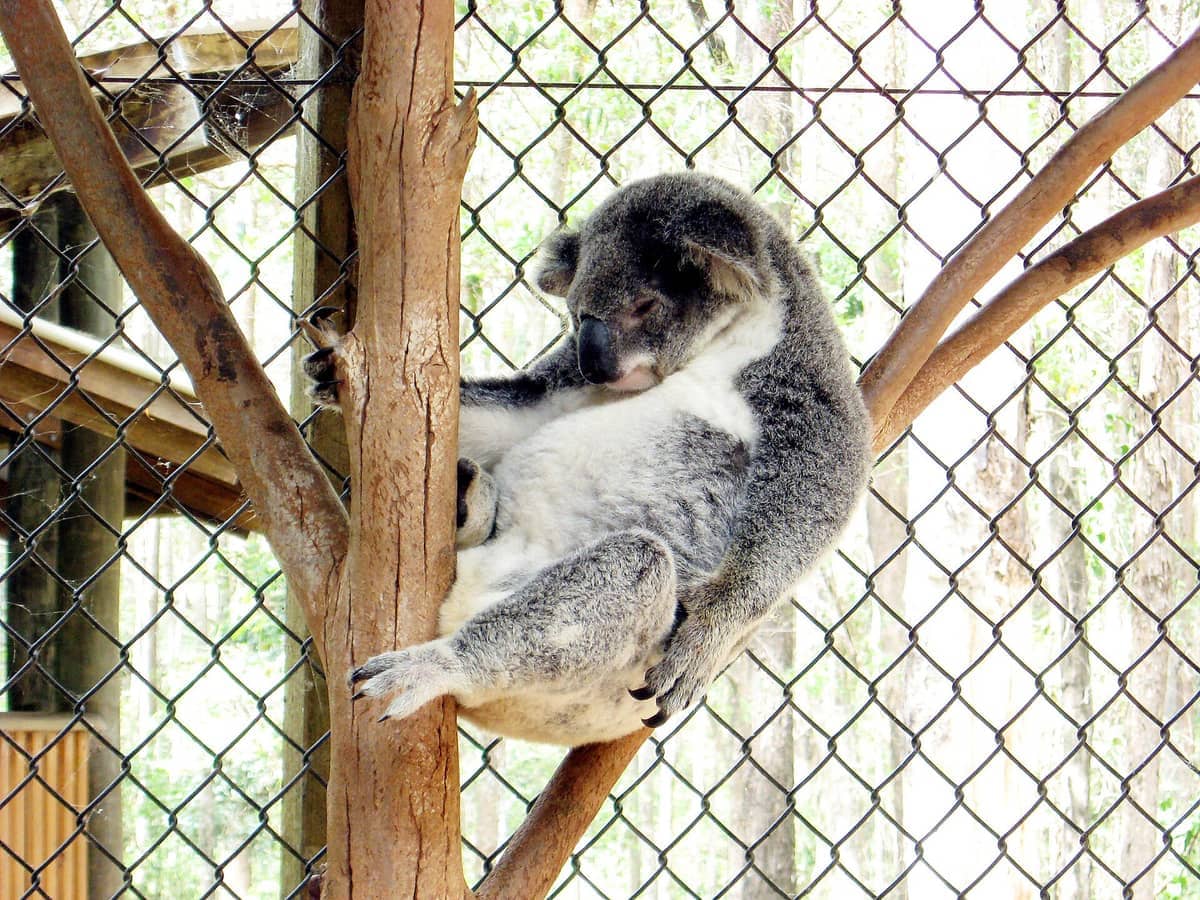
2. See Wild Koalas for Free at Daisy Hill Koala Centre
A free koala rehabilitation and education centre in Daisy Hill Conservation Park, with koalas viewable in a natural bushland setting. Far quieter than Lone Pine, this is the best free wildlife experience in Brisbane and a genuine alternative for budget-conscious visitors.
Explore2. See Wild Koalas for Free at Daisy Hill Koala Centre
A free koala rehabilitation and education centre in Daisy Hill Conservation Park, with koalas viewable in a natural bushland setting. Far quieter than Lone Pine, this is the best free wildlife experience in Brisbane and a genuine alternative for budget-conscious visitors.
Explore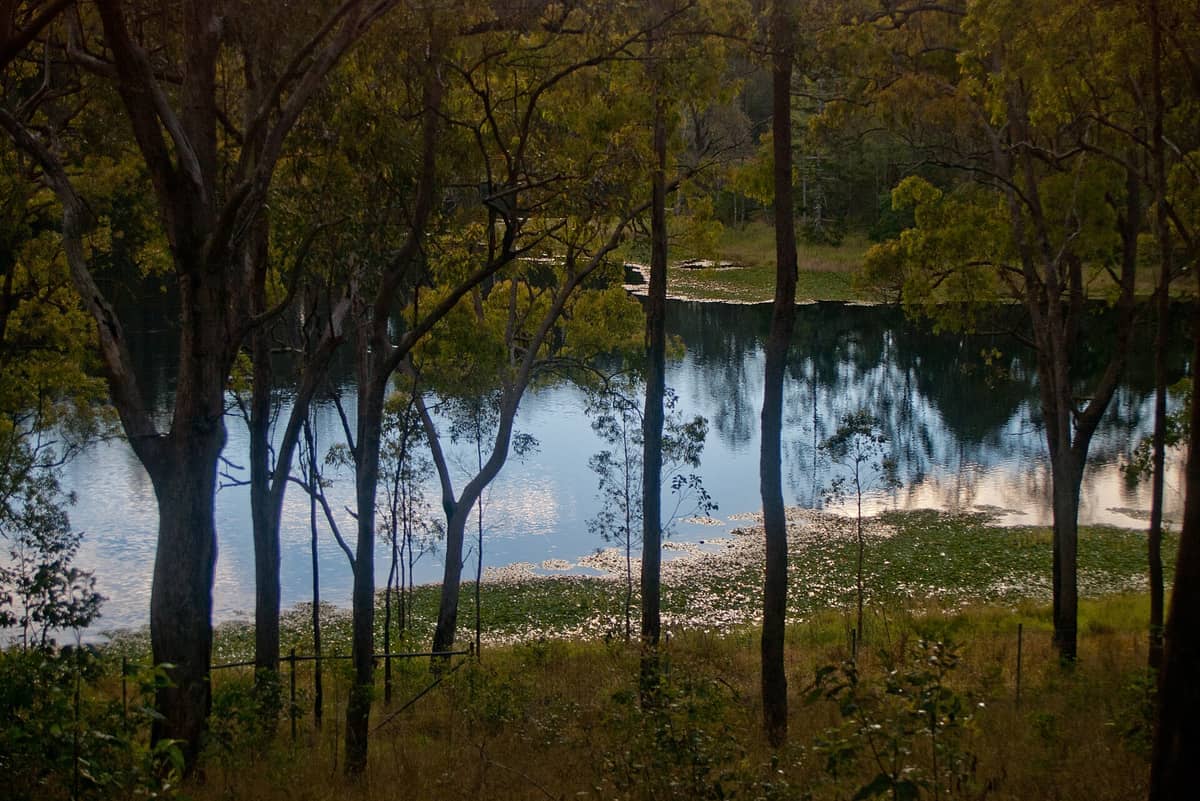
3. Meet Freshwater Wildlife at Walkabout Creek Discovery Centre
Located in The Gap, this discovery centre focuses on Queensland's freshwater and terrestrial ecosystems. Naturalistic habitats house platypus, barramundi, freshwater crocodiles, and native reptiles. More educational in tone than Lone Pine and notably less crowded on weekends.
Explore3. Meet Freshwater Wildlife at Walkabout Creek Discovery Centre
Located in The Gap, this discovery centre focuses on Queensland's freshwater and terrestrial ecosystems. Naturalistic habitats house platypus, barramundi, freshwater crocodiles, and native reptiles. More educational in tone than Lone Pine and notably less crowded on weekends.
ExploreUrban Bushland & City Nature Reserves
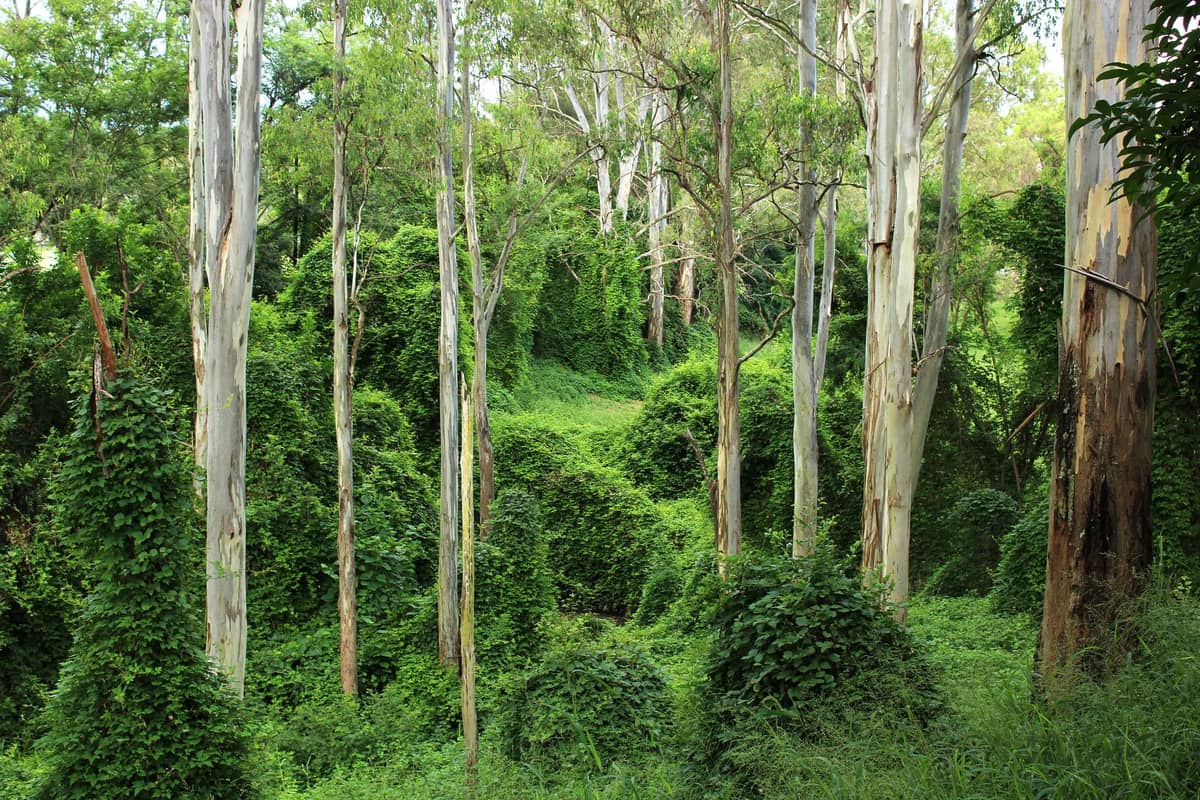
Brisbane's bushland reserves sit remarkably close to the urban core, and several are genuine wildlife hotspots for those willing to slow down and look. Koala sightings in the wild are never guaranteed, but the Brisbane City Council identifies reserves including Toohey Forest and Whites Hill as locations where koalas are known to live. Early morning is consistently the best time to search. Our Brisbane hikes and walks guide covers the trail details for many of these reserves.
4. Search for Wild Koalas in Toohey Forest Park
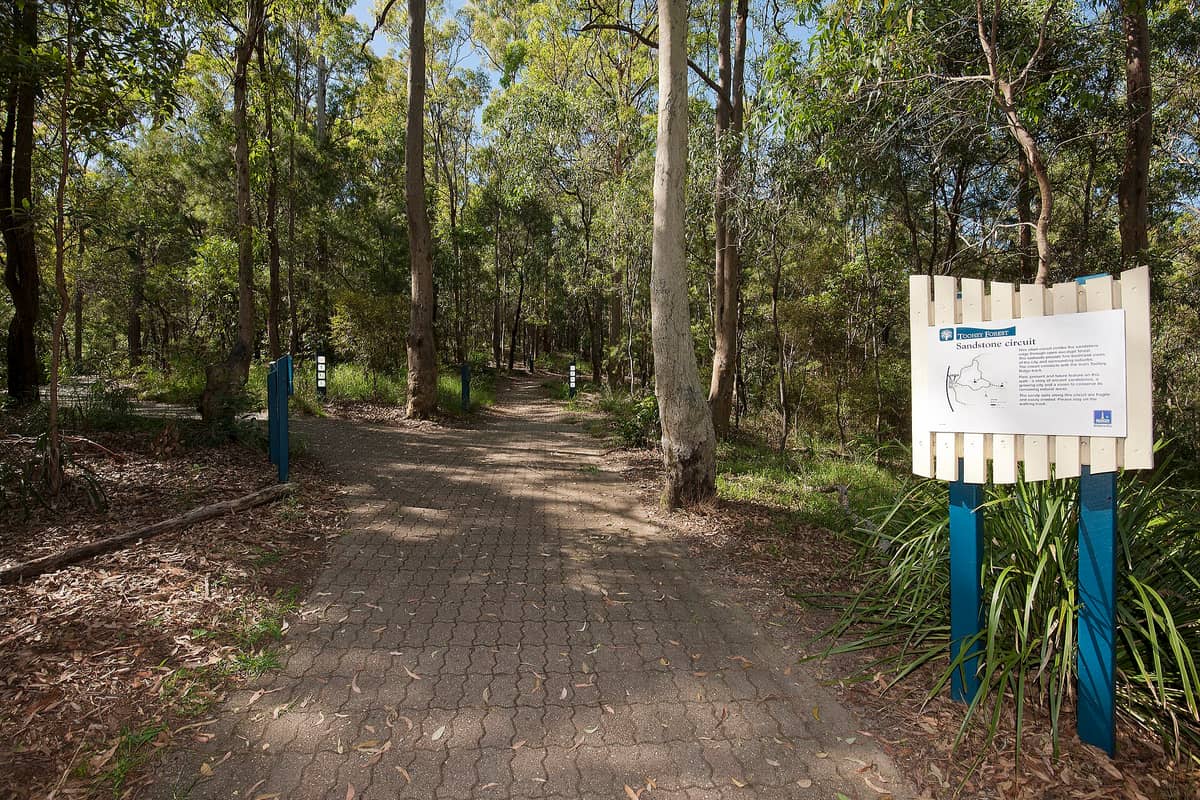
A 650-hectare dry eucalypt forest in Brisbane's southern suburbs, identified by Brisbane City Council as known koala habitat. Walk the trails early morning and scan the forks and upper branches of scribbly gums. Echidnas, lizards, and kookaburras are also regularly spotted here.
Explore4. Search for Wild Koalas in Toohey Forest Park
A 650-hectare dry eucalypt forest in Brisbane's southern suburbs, identified by Brisbane City Council as known koala habitat. Walk the trails early morning and scan the forks and upper branches of scribbly gums. Echidnas, lizards, and kookaburras are also regularly spotted here.
Explore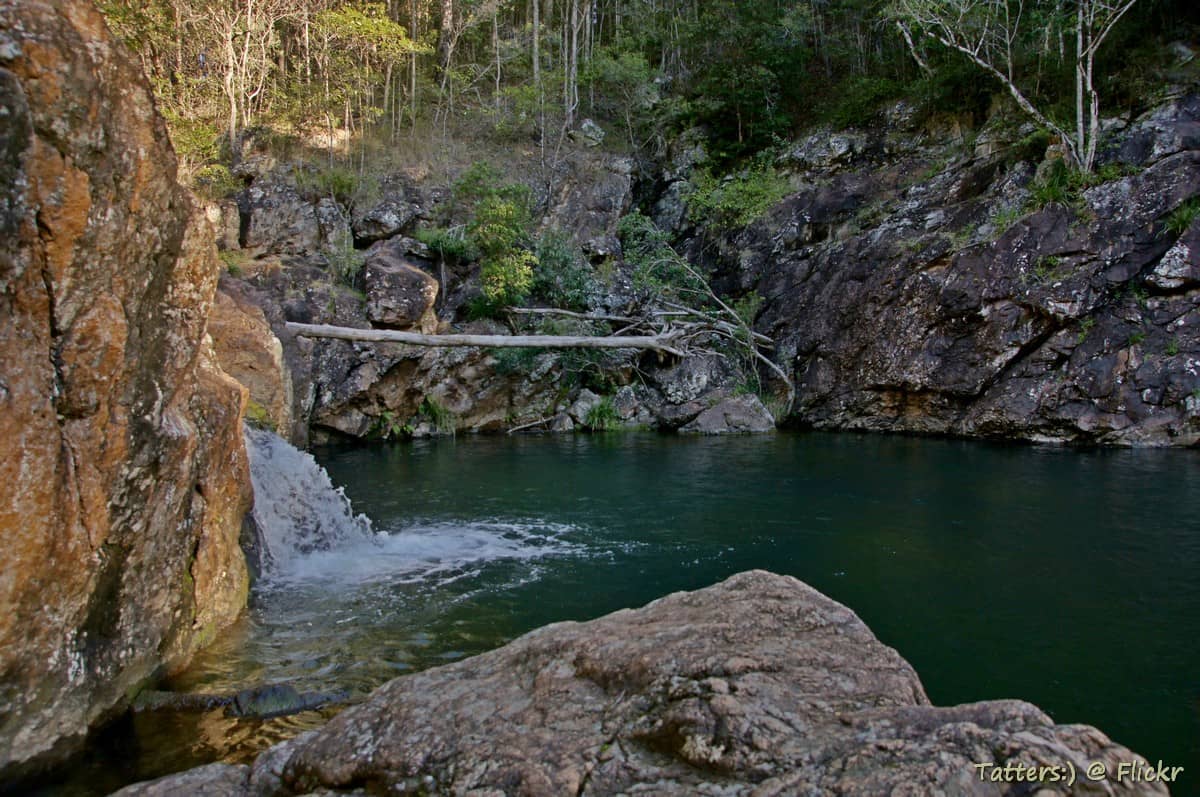
5. Spot Forest Wildlife in D'Aguilar National Park
Over 36,000 hectares of eucalypt forest and rainforest gullies on Brisbane's western edge, accessible for day visits. The park shelters eastern grey kangaroos, wallabies, possums, and over 130 bird species. The Walkabout Creek section is closest to the city for quick wildlife access.
Explore5. Spot Forest Wildlife in D'Aguilar National Park
Over 36,000 hectares of eucalypt forest and rainforest gullies on Brisbane's western edge, accessible for day visits. The park shelters eastern grey kangaroos, wallabies, possums, and over 130 bird species. The Walkabout Creek section is closest to the city for quick wildlife access.
Explore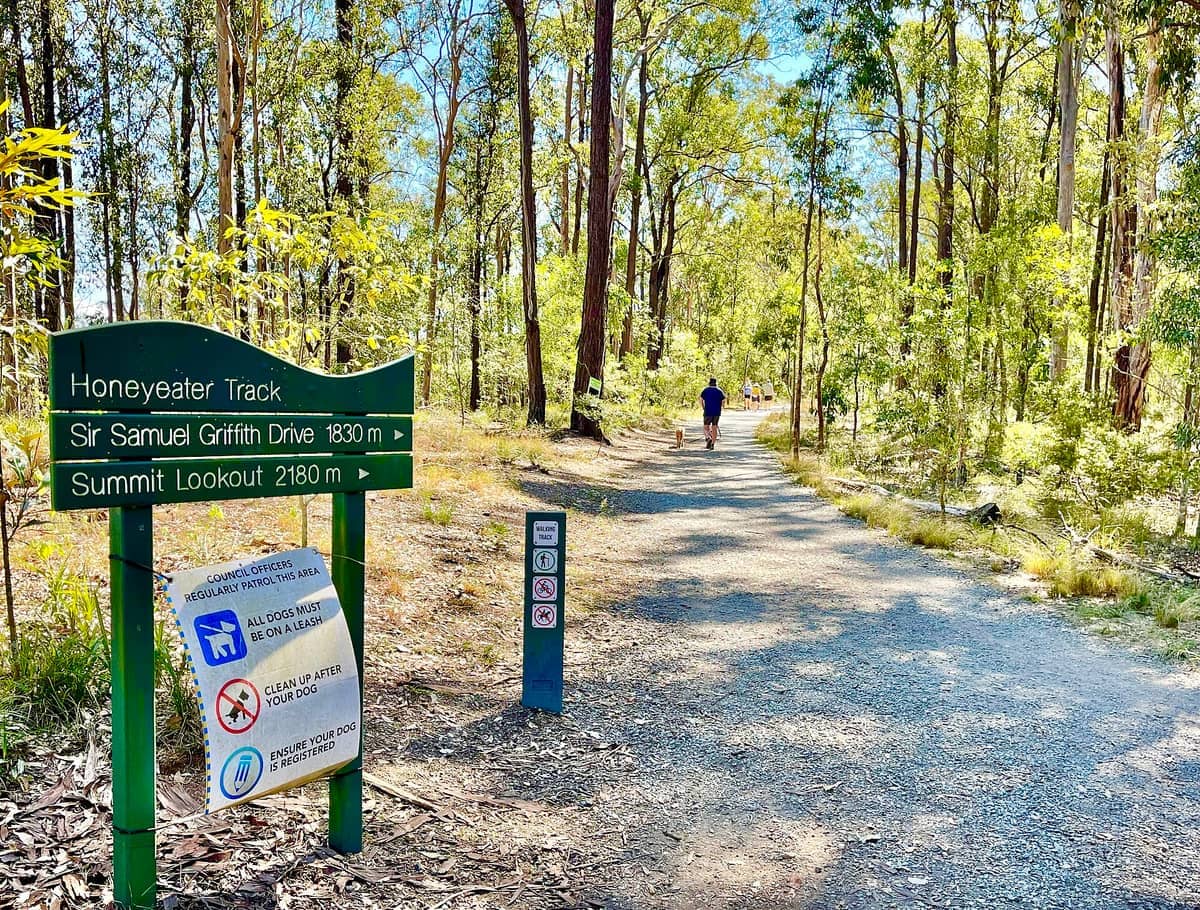
6. Walk the Trails at Mount Coot-tha for Birds and Reptiles
The trail network through Mount Coot-tha Forest Reserve is excellent for birdwatching, with rainbow lorikeets, kookaburras, and the occasional lace monitor lizard encountered along quieter paths. Go early on weekdays to avoid mountain bikers and have the forest mostly to yourself.
Explore6. Walk the Trails at Mount Coot-tha for Birds and Reptiles
The trail network through Mount Coot-tha Forest Reserve is excellent for birdwatching, with rainbow lorikeets, kookaburras, and the occasional lace monitor lizard encountered along quieter paths. Go early on weekdays to avoid mountain bikers and have the forest mostly to yourself.
Explore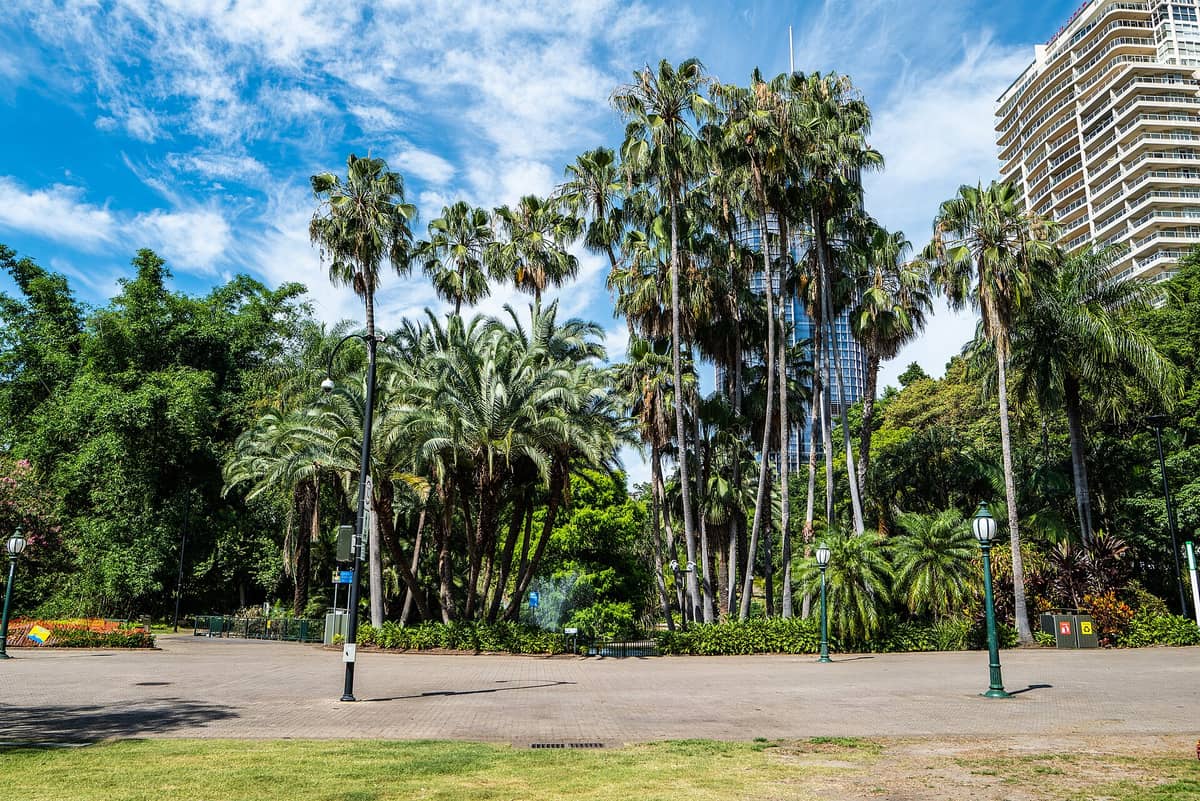
7. Watch Native Birds in the City Botanic Gardens
Brisbane's oldest park, right in the CBD, draws an impressive array of native birds to its heritage fig trees and tropical plantings. Ibis, lorikeets, and cormorants are resident, and the riverside walk at dawn is surprisingly peaceful for a city-centre location.
Explore7. Watch Native Birds in the City Botanic Gardens
Brisbane's oldest park, right in the CBD, draws an impressive array of native birds to its heritage fig trees and tropical plantings. Ibis, lorikeets, and cormorants are resident, and the riverside walk at dawn is surprisingly peaceful for a city-centre location.
Explore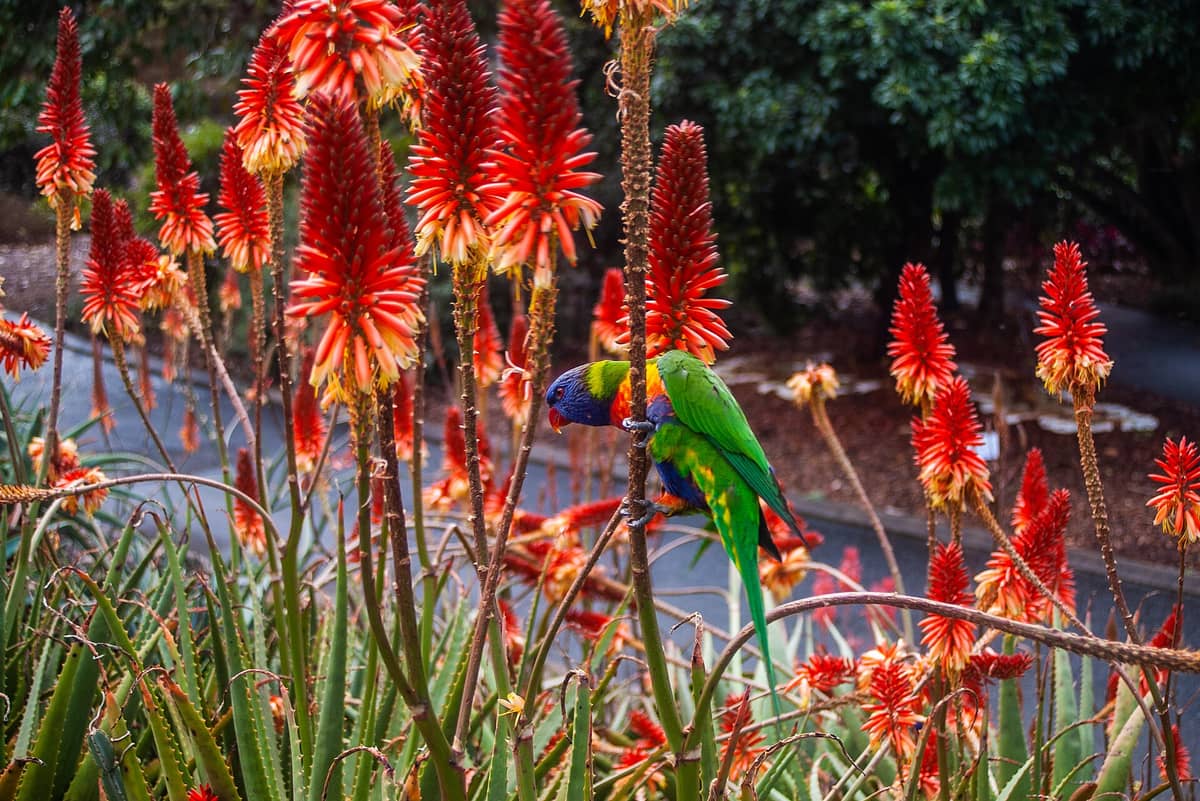
8. Find Butterflies and Lorikeets at Mount Coot-tha Botanic Gardens
The 52-hectare botanic gardens at the foot of Mount Coot-tha attract colourful wildlife to their themed plantings. The tropical dome shelters exotic butterflies, while the outer gardens draw lorikeets, fig birds, and water dragons. Entry is free and the grounds are largely uncrowded midweek.
Explore8. Find Butterflies and Lorikeets at Mount Coot-tha Botanic Gardens
The 52-hectare botanic gardens at the foot of Mount Coot-tha attract colourful wildlife to their themed plantings. The tropical dome shelters exotic butterflies, while the outer gardens draw lorikeets, fig birds, and water dragons. Entry is free and the grounds are largely uncrowded midweek.
ExploreWetlands & Shorebird Watching
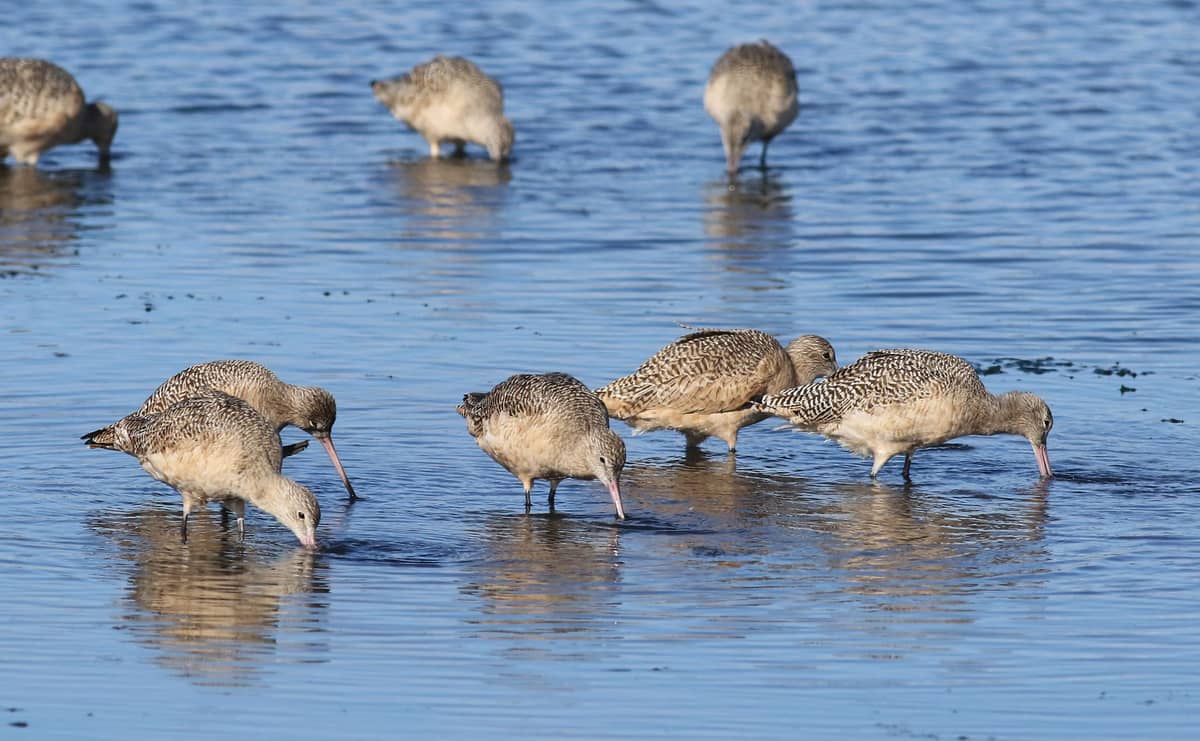
Brisbane's bayside fringe is one of the most underrated wildlife destinations in southeast Queensland. The wetlands, mangroves, and tidal flats along Moreton Bay form part of a globally significant migratory shorebird network, with species arriving from as far as Siberia each year between September and April. The South Bank area also offers accessible wildlife spotting for visitors who don't want to venture far from the city centre.
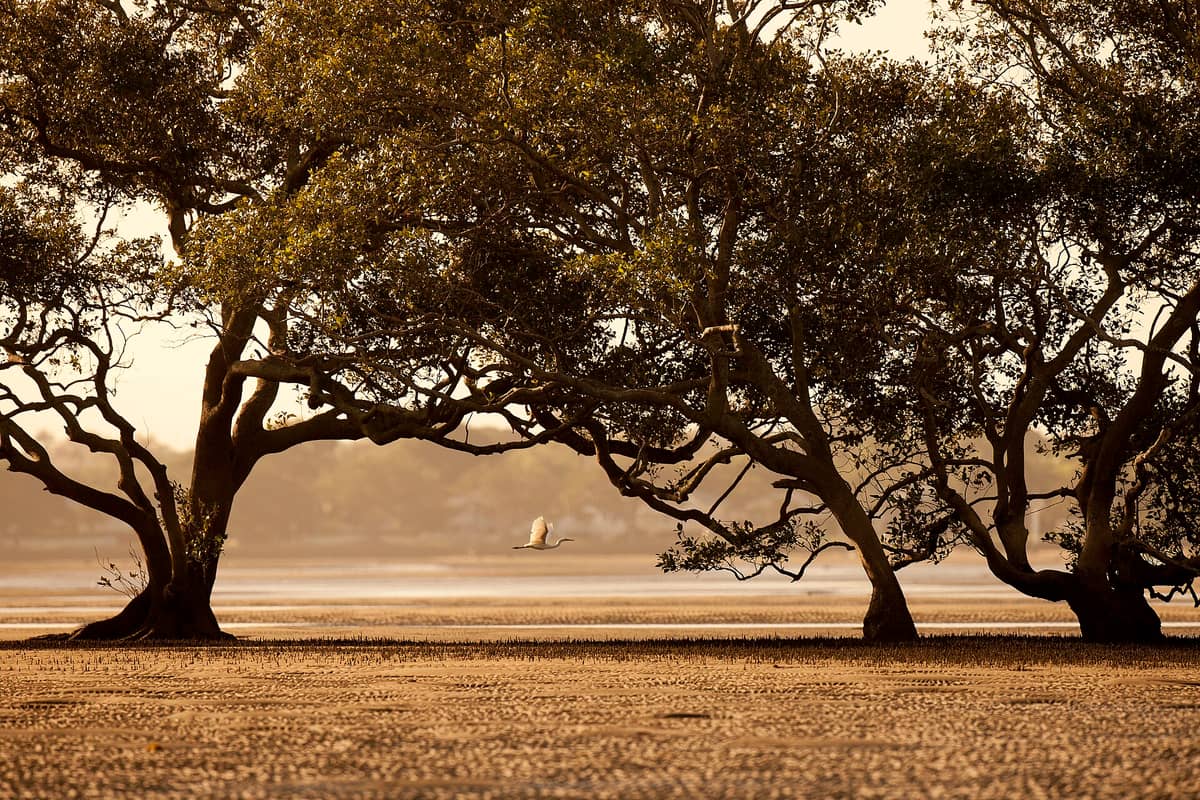
9. Watch Migratory Shorebirds at Boondall Wetlands
One of Brisbane's most important wildlife reserves, this coastal wetland on the northern bayside protects mangroves, mudflats, and grass plains that host thousands of migratory shorebirds. The wetland is a Ramsar-listed site. Visit September to April for peak migratory species, including godwits and sandpipers.
Explore9. Watch Migratory Shorebirds at Boondall Wetlands
One of Brisbane's most important wildlife reserves, this coastal wetland on the northern bayside protects mangroves, mudflats, and grass plains that host thousands of migratory shorebirds. The wetland is a Ramsar-listed site. Visit September to April for peak migratory species, including godwits and sandpipers.
Explore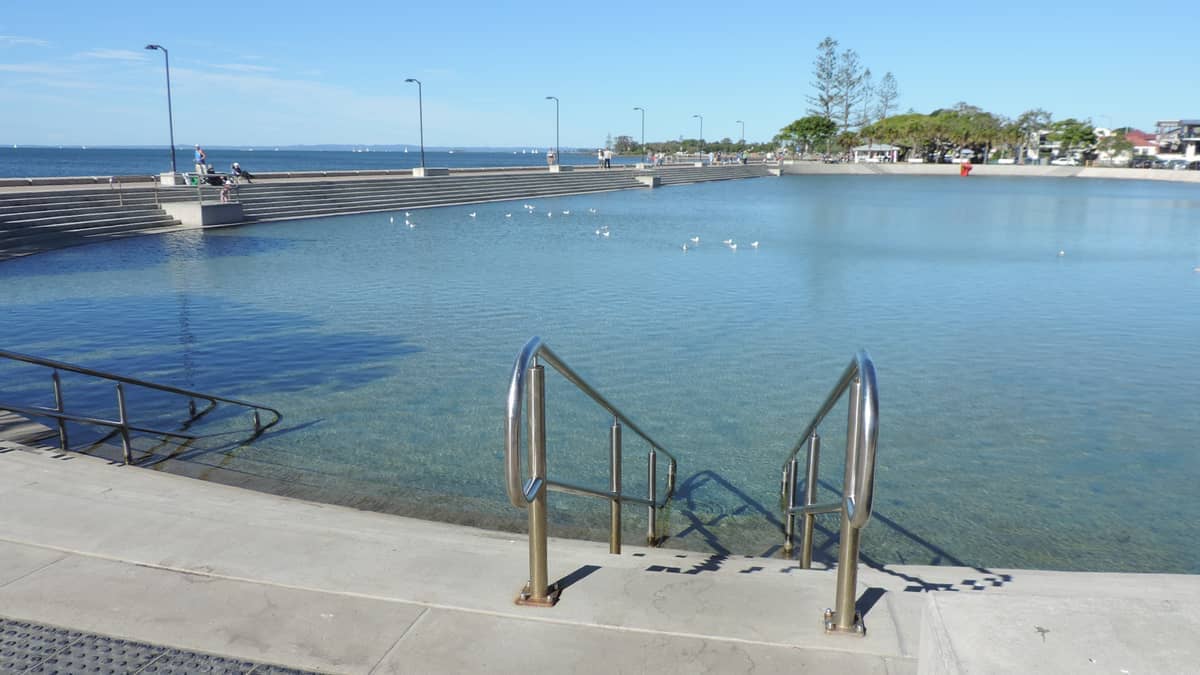
10. Spot Moreton Bay Wildlife at Wynnum Esplanade
The bayside foreshore at Wynnum includes a mangrove boardwalk where you can observe mud skippers, fiddler crabs, and shorebirds in the tidal zones up close. The esplanade at low tide is a surprisingly rewarding stop for anyone interested in intertidal wildlife without leaving Brisbane.
Explore10. Spot Moreton Bay Wildlife at Wynnum Esplanade
The bayside foreshore at Wynnum includes a mangrove boardwalk where you can observe mud skippers, fiddler crabs, and shorebirds in the tidal zones up close. The esplanade at low tide is a surprisingly rewarding stop for anyone interested in intertidal wildlife without leaving Brisbane.
Explore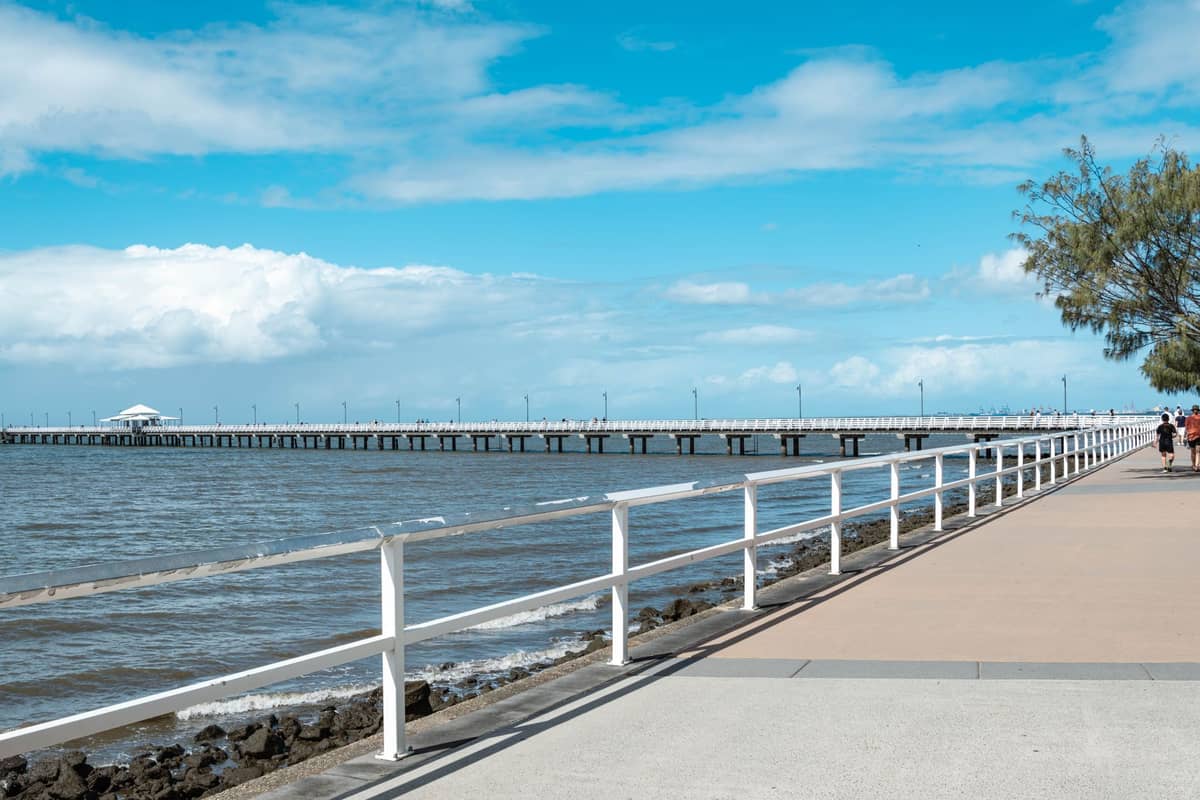
11. Watch Pelicans and Bay Birds from Shorncliffe Pier
One of Queensland's oldest timber piers stretches into Moreton Bay at Shorncliffe, with pelicans, cormorants, and terns regularly gathering around the pylons. The calm bay water also makes it a good spot to see dolphins passing through, particularly in the early morning.
Explore11. Watch Pelicans and Bay Birds from Shorncliffe Pier
One of Queensland's oldest timber piers stretches into Moreton Bay at Shorncliffe, with pelicans, cormorants, and terns regularly gathering around the pylons. The calm bay water also makes it a good spot to see dolphins passing through, particularly in the early morning.
ExploreIsland Wildlife: Moreton Bay Escapes
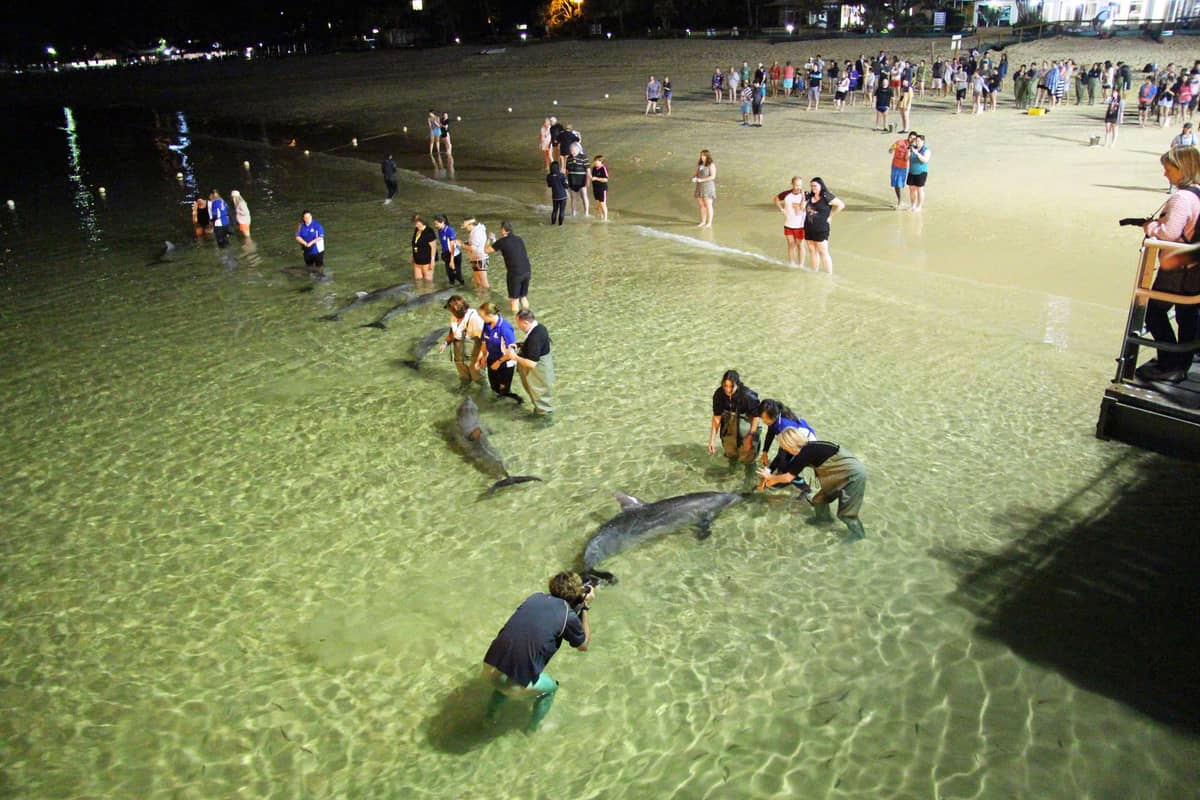
The islands of Moreton Bay offer some of the most extraordinary wildlife encounters accessible from Brisbane, including wild dolphin feeding, humpback whale watching, and turtle sightings. Both Moreton Island and North Stradbroke Island are reachable as day trips, though staying overnight lets you experience wildlife at the quieter ends of the day. Our detailed Moreton Island day trip guide and North Stradbroke Island guide cover logistics thoroughly.
12. Hand-Feed Wild Dolphins at Tangalooma at Dusk
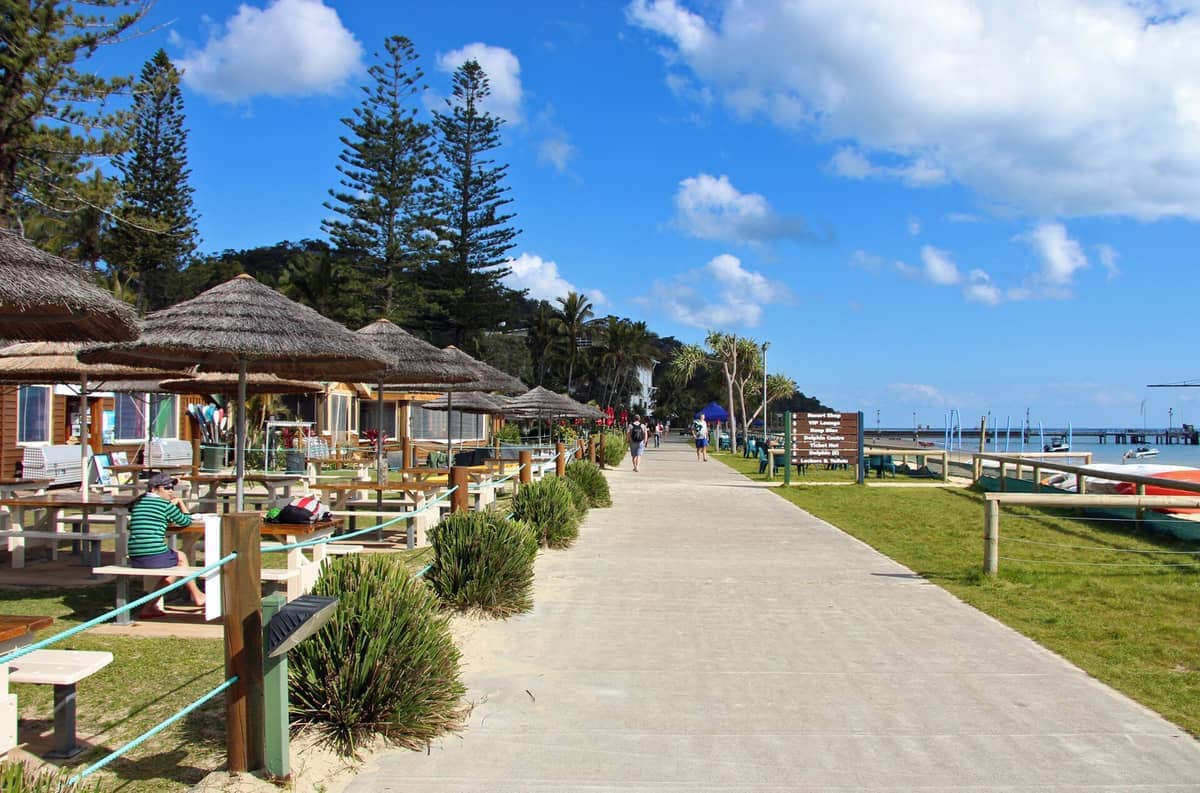
Each evening, a small pod of wild bottlenose dolphins approaches the shore at Tangalooma for a hand-feeding session managed by resort rangers. Numbers and conditions vary, but this is one of the most reliably magical wildlife encounters near Brisbane. Day-trip packages from Brisbane include the dolphin feeding.
Explore12. Hand-Feed Wild Dolphins at Tangalooma at Dusk
Each evening, a small pod of wild bottlenose dolphins approaches the shore at Tangalooma for a hand-feeding session managed by resort rangers. Numbers and conditions vary, but this is one of the most reliably magical wildlife encounters near Brisbane. Day-trip packages from Brisbane include the dolphin feeding.
Explore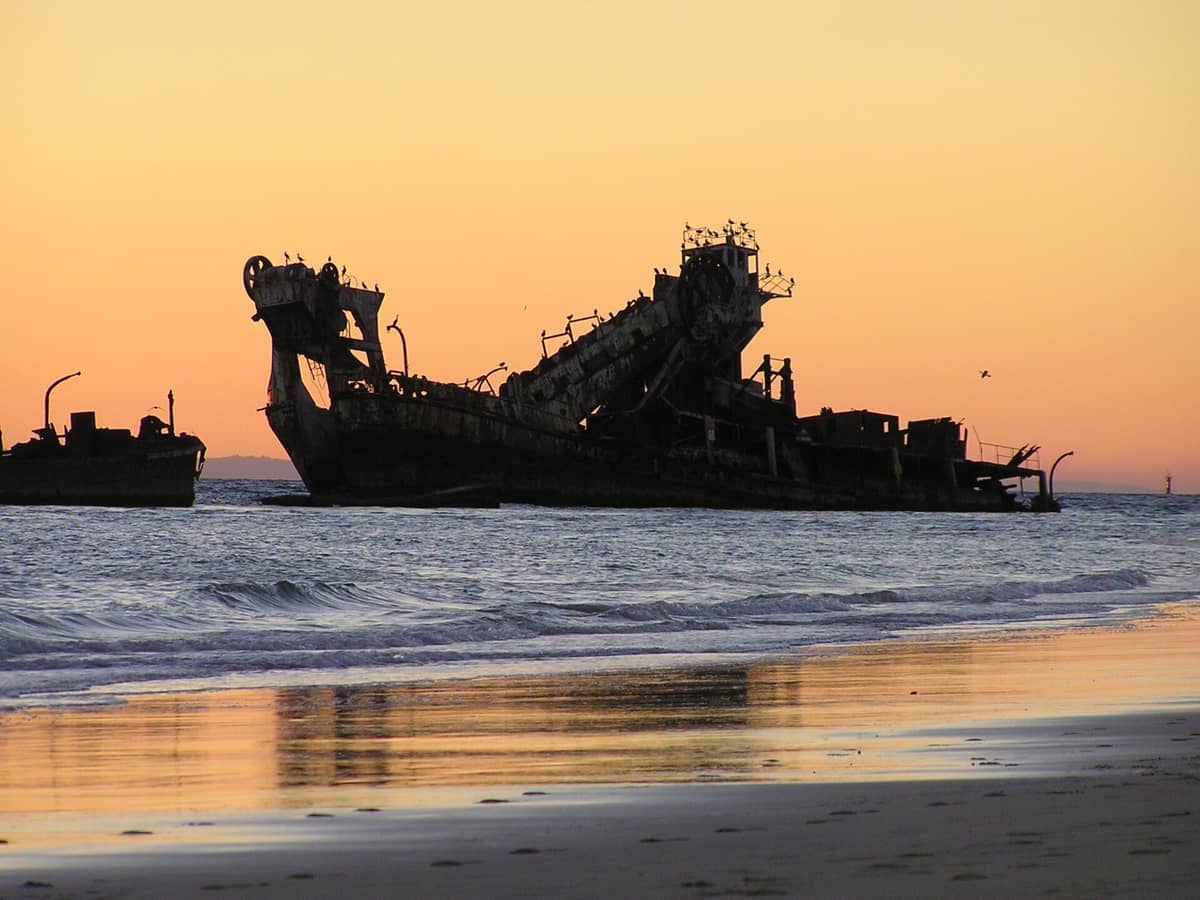
13. Snorkel the Tangalooma Wrecks for Marine Wildlife
Fifteen deliberately sunk ships off Moreton Island's western shore have become a thriving artificial reef. Snorkellers encounter turtles, reef fish, rays, and occasional dugongs in the clear, shallow water above the wrecks. The site is accessible directly from Tangalooma and suitable for beginners.
Explore13. Snorkel the Tangalooma Wrecks for Marine Wildlife
Fifteen deliberately sunk ships off Moreton Island's western shore have become a thriving artificial reef. Snorkellers encounter turtles, reef fish, rays, and occasional dugongs in the clear, shallow water above the wrecks. The site is accessible directly from Tangalooma and suitable for beginners.
Explore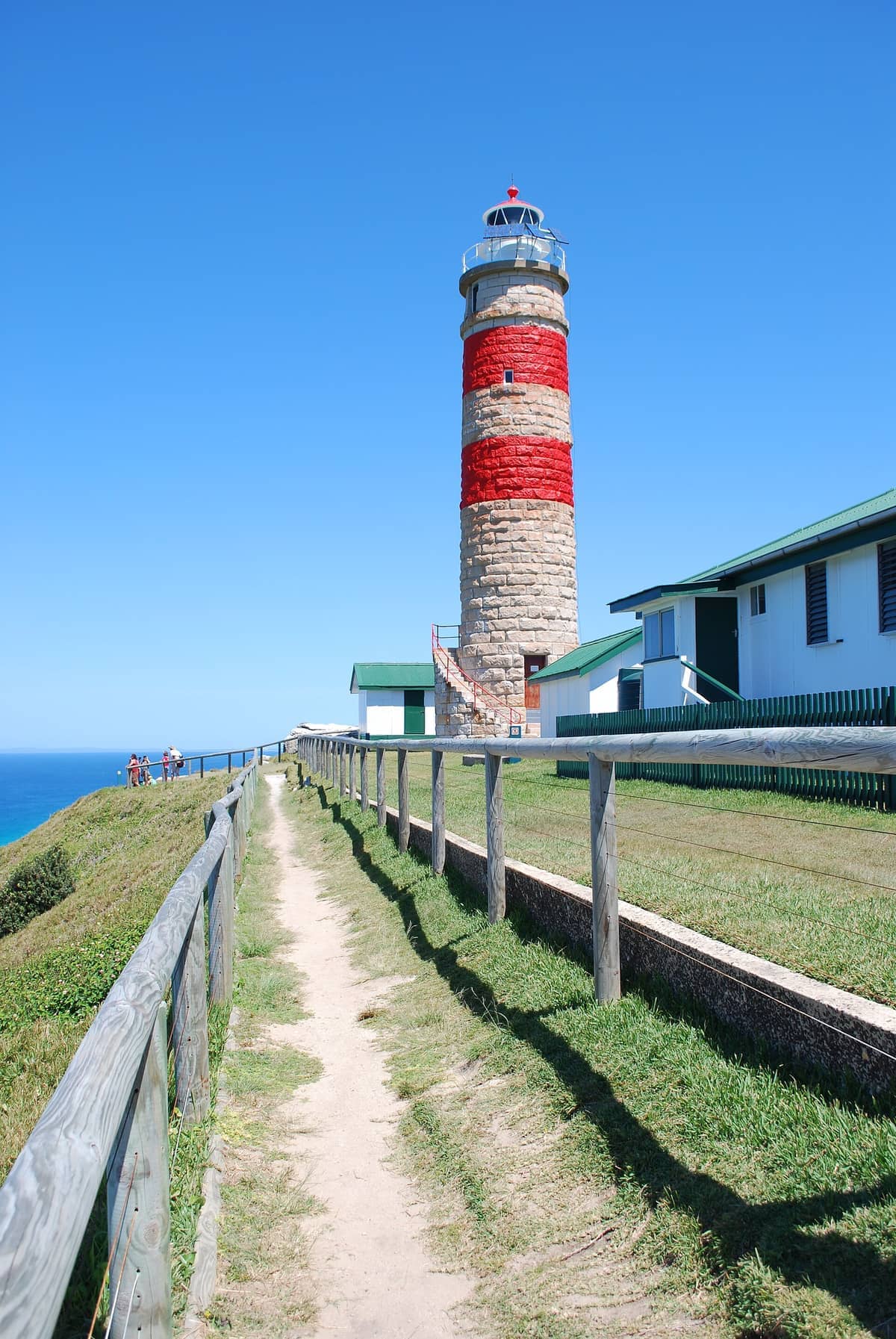
14. Watch Humpback Whales from Cape Moreton Headland
The northern tip of Moreton Island, crowned by Queensland's oldest lighthouse, is one of the best land-based whale-watching spots in southeast Queensland. Humpbacks pass close to the headland during their annual migration from June to November. Binoculars are strongly recommended for the best views.
Explore14. Watch Humpback Whales from Cape Moreton Headland
The northern tip of Moreton Island, crowned by Queensland's oldest lighthouse, is one of the best land-based whale-watching spots in southeast Queensland. Humpbacks pass close to the headland during their annual migration from June to November. Binoculars are strongly recommended for the best views.
Explore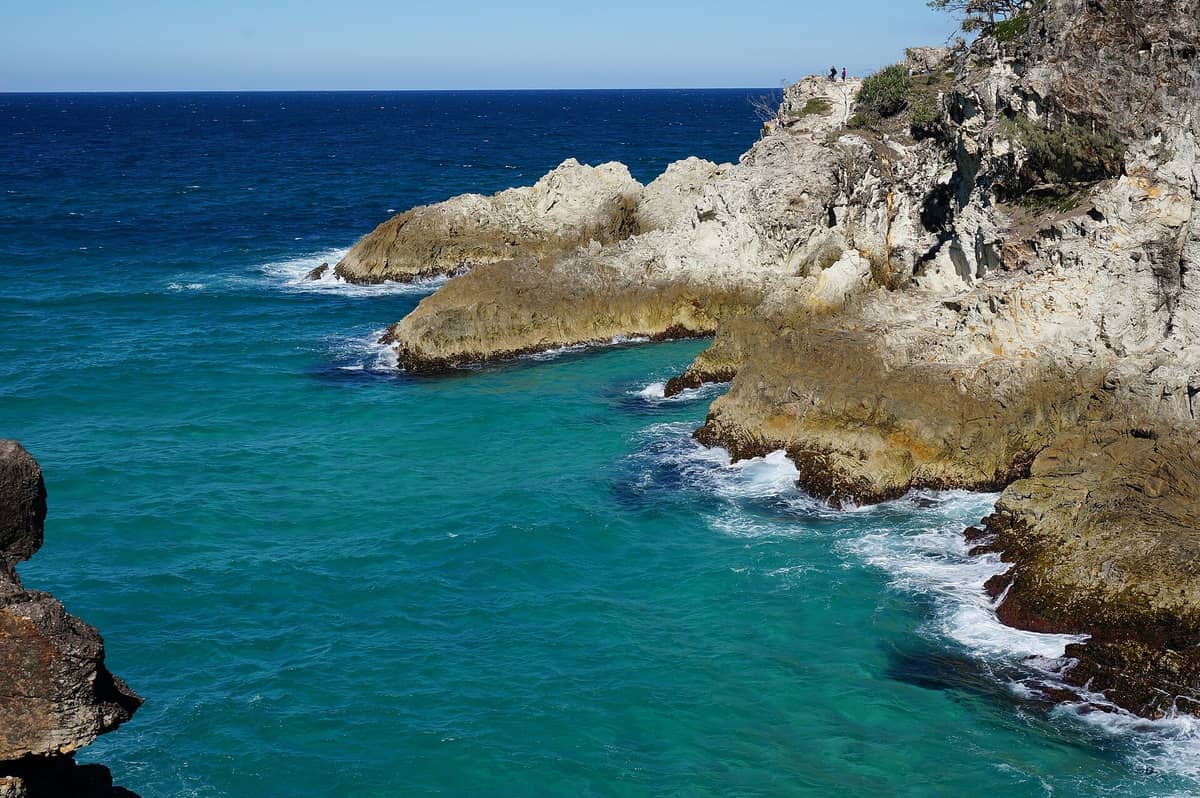
15. Spot Dolphins and Whales on the North Gorge Walk
This 2.5 km coastal walk at Point Lookout on North Stradbroke Island passes directly above sea caves and rock pools where turtles surface regularly. The headland is also a reliable whale-watching point from June to November. Manta rays and dolphins are spotted year-round from the higher sections of the track.
Explore15. Spot Dolphins and Whales on the North Gorge Walk
This 2.5 km coastal walk at Point Lookout on North Stradbroke Island passes directly above sea caves and rock pools where turtles surface regularly. The headland is also a reliable whale-watching point from June to November. Manta rays and dolphins are spotted year-round from the higher sections of the track.
Explore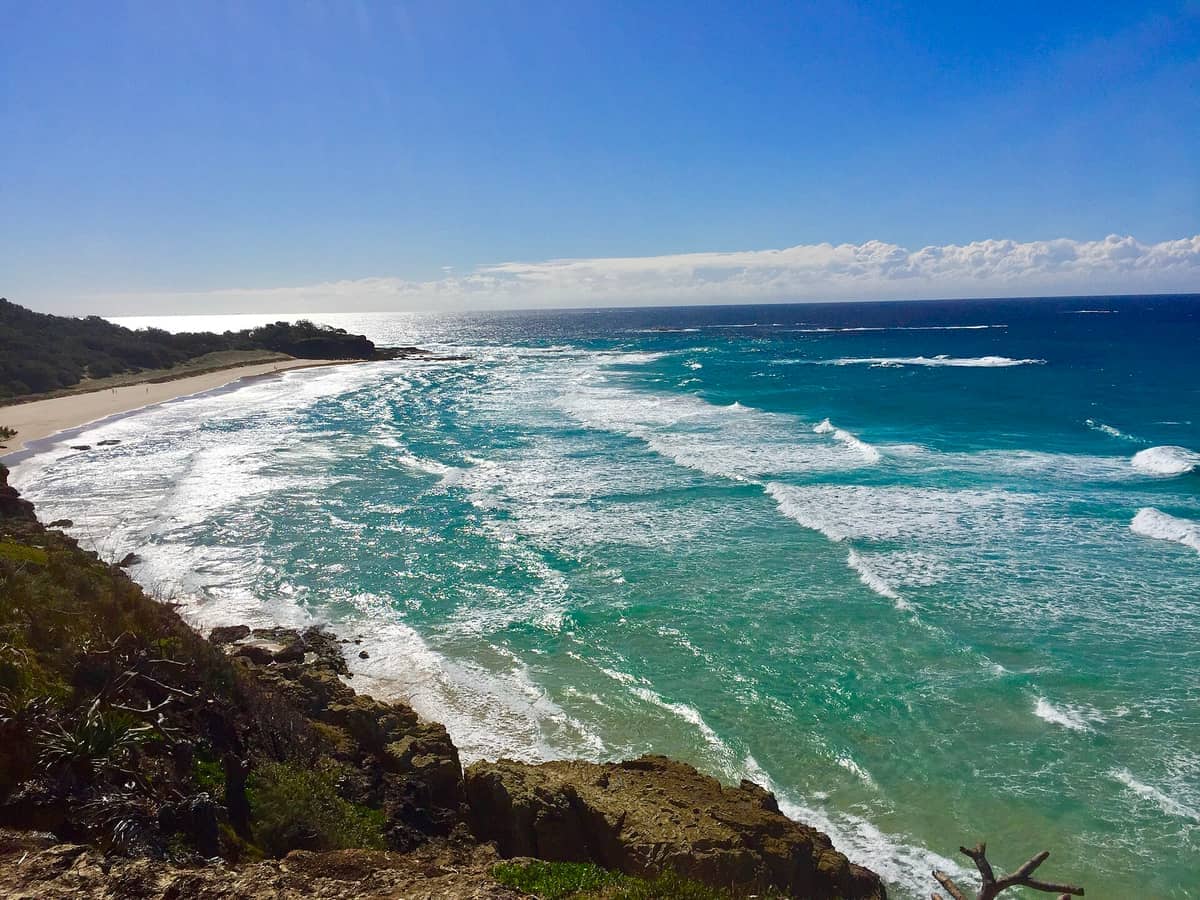
16. Look for Turtles and Rays at Cylinder Beach
The calm, patrolled waters at Cylinder Beach on North Stradbroke Island are regularly visited by loggerhead turtles and eagle rays, especially in the early morning before crowds arrive. Whale watching from the adjacent headland is productive between June and November. Bring a snorkel for the best turtle sightings.
Explore16. Look for Turtles and Rays at Cylinder Beach
The calm, patrolled waters at Cylinder Beach on North Stradbroke Island are regularly visited by loggerhead turtles and eagle rays, especially in the early morning before crowds arrive. Whale watching from the adjacent headland is productive between June and November. Bring a snorkel for the best turtle sightings.
Explore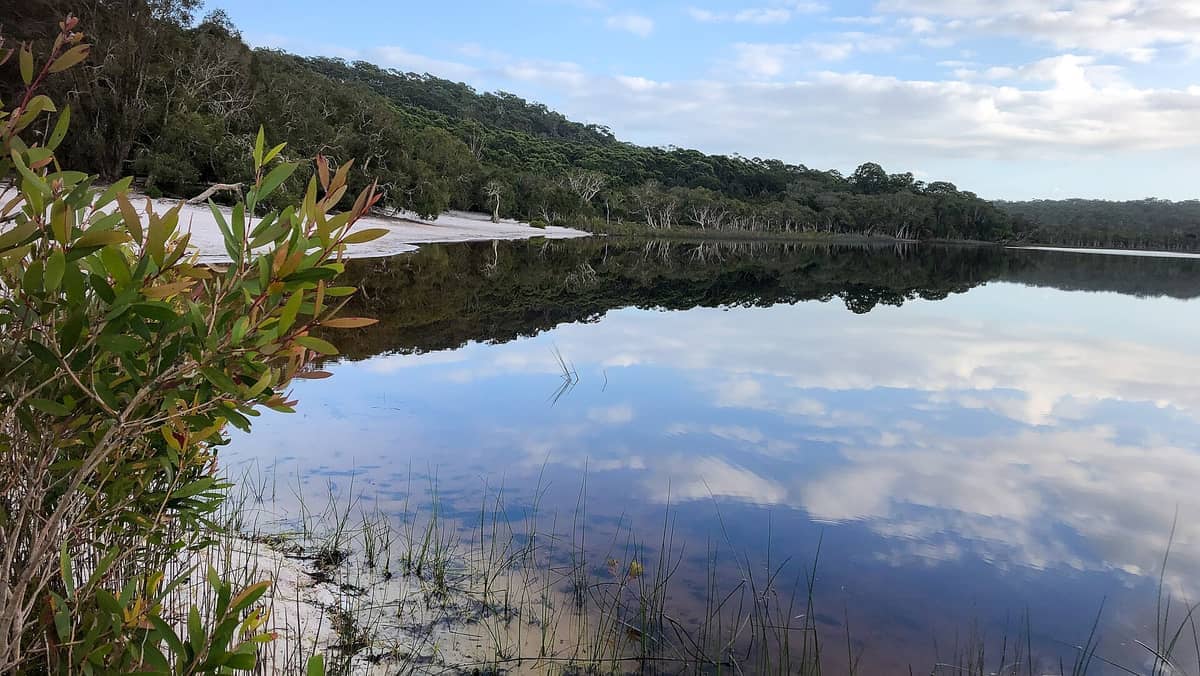
17. Swim with Fish in Brown Lake's Tannin-Stained Waters
This naturally tea-coloured freshwater lake on North Stradbroke Island is tinted by organic tannins from surrounding paperbarks. Small freshwater fish are visible in the shallows, and the lake edges attract native water birds. The still, warm water makes for peaceful wildlife observation alongside swimming.
Explore17. Swim with Fish in Brown Lake's Tannin-Stained Waters
This naturally tea-coloured freshwater lake on North Stradbroke Island is tinted by organic tannins from surrounding paperbarks. Small freshwater fish are visible in the shallows, and the lake edges attract native water birds. The still, warm water makes for peaceful wildlife observation alongside swimming.
ExploreWildlife from the River & Parks
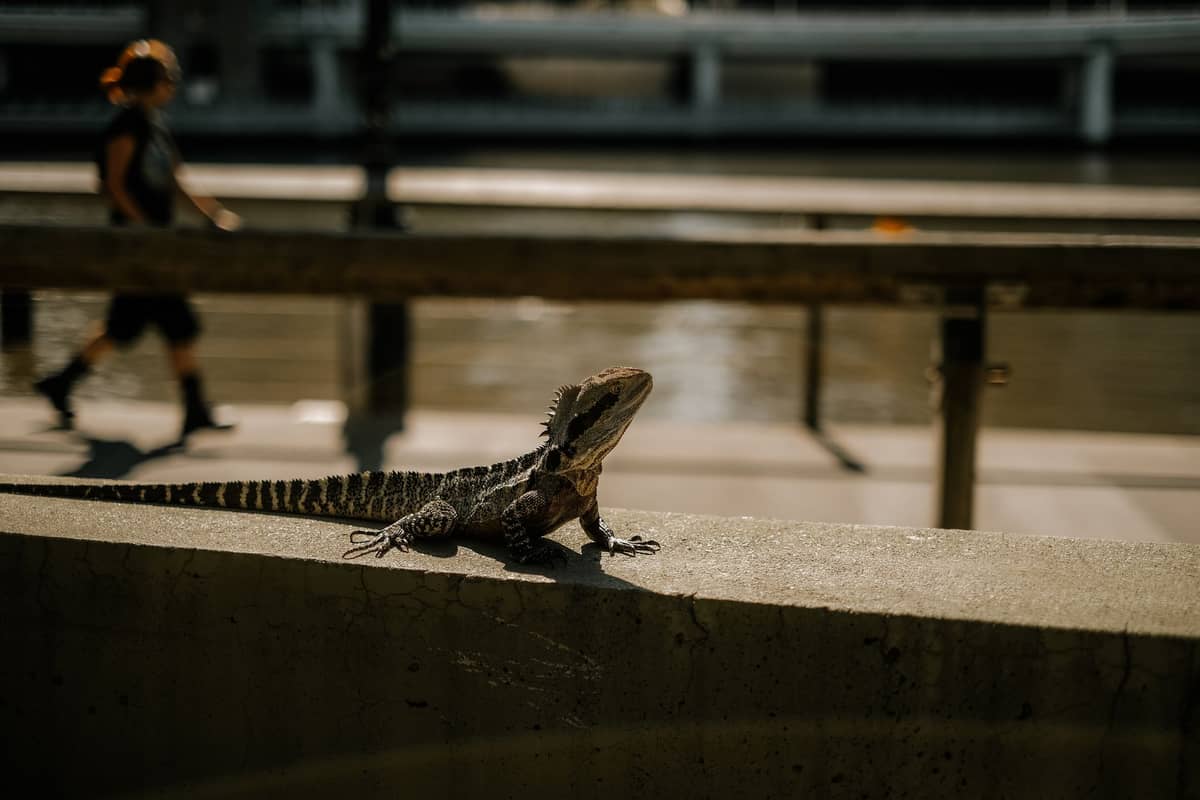
You don't always need to leave the inner city to encounter native Australian wildlife. Brisbane's river corridor and inner parks support a surprising range of species, from water dragons sunning on rocks to flying foxes roosting in city trees. These spots work well as wildlife additions to broader sightseeing days in the city.
18. Watch Water Dragons and Raptors at Kangaroo Point Cliffs
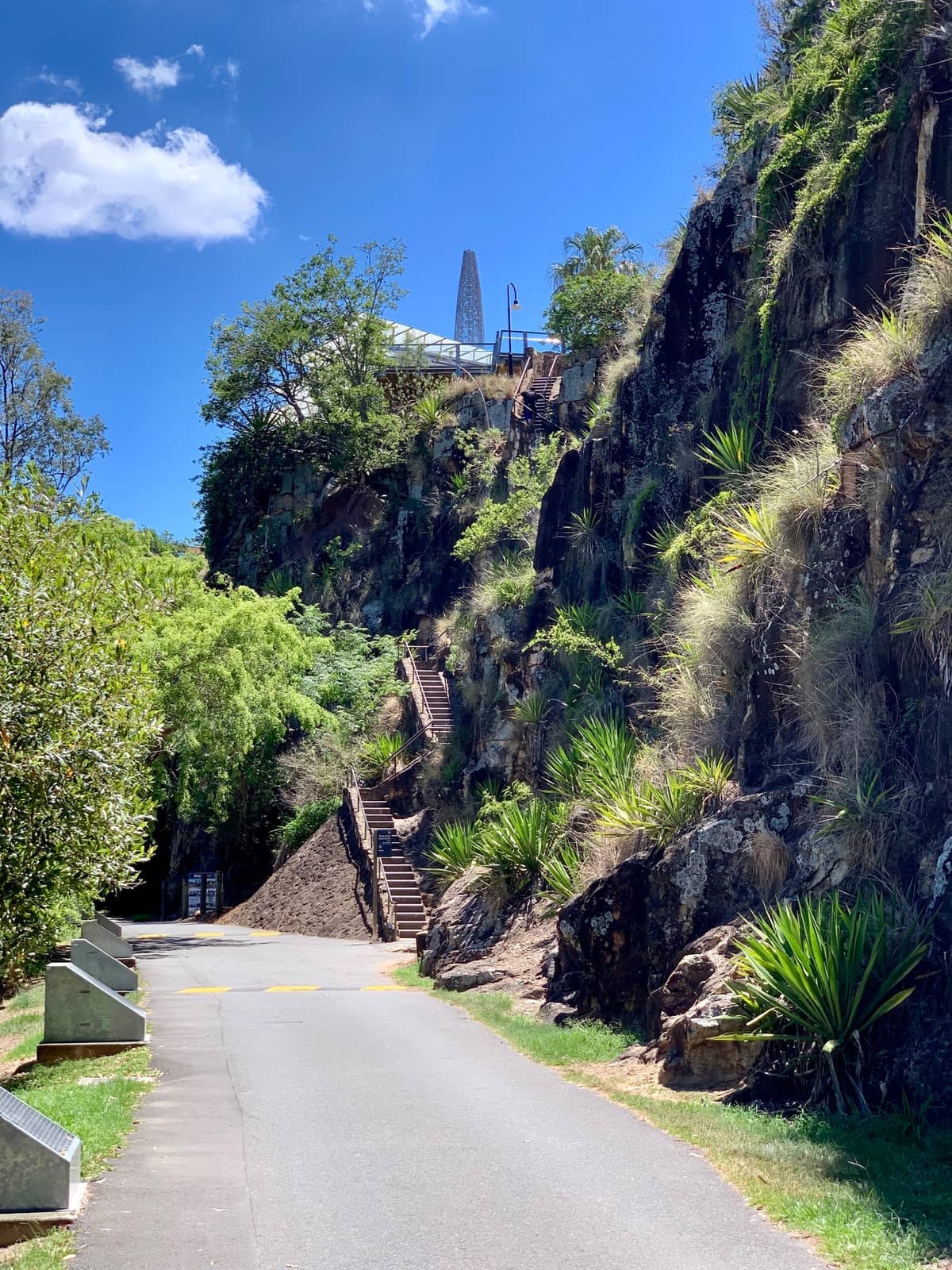
The Brisbane tuff cliffs above the Brisbane River are a reliable place to spot eastern water dragons basking on the rocks below the lookouts. Peregrine falcons have nested in the cliff face for years, and the open skies above the river attract ospreys and sea eagles most mornings.
Explore18. Watch Water Dragons and Raptors at Kangaroo Point Cliffs
The Brisbane tuff cliffs above the Brisbane River are a reliable place to spot eastern water dragons basking on the rocks below the lookouts. Peregrine falcons have nested in the cliff face for years, and the open skies above the river attract ospreys and sea eagles most mornings.
Explore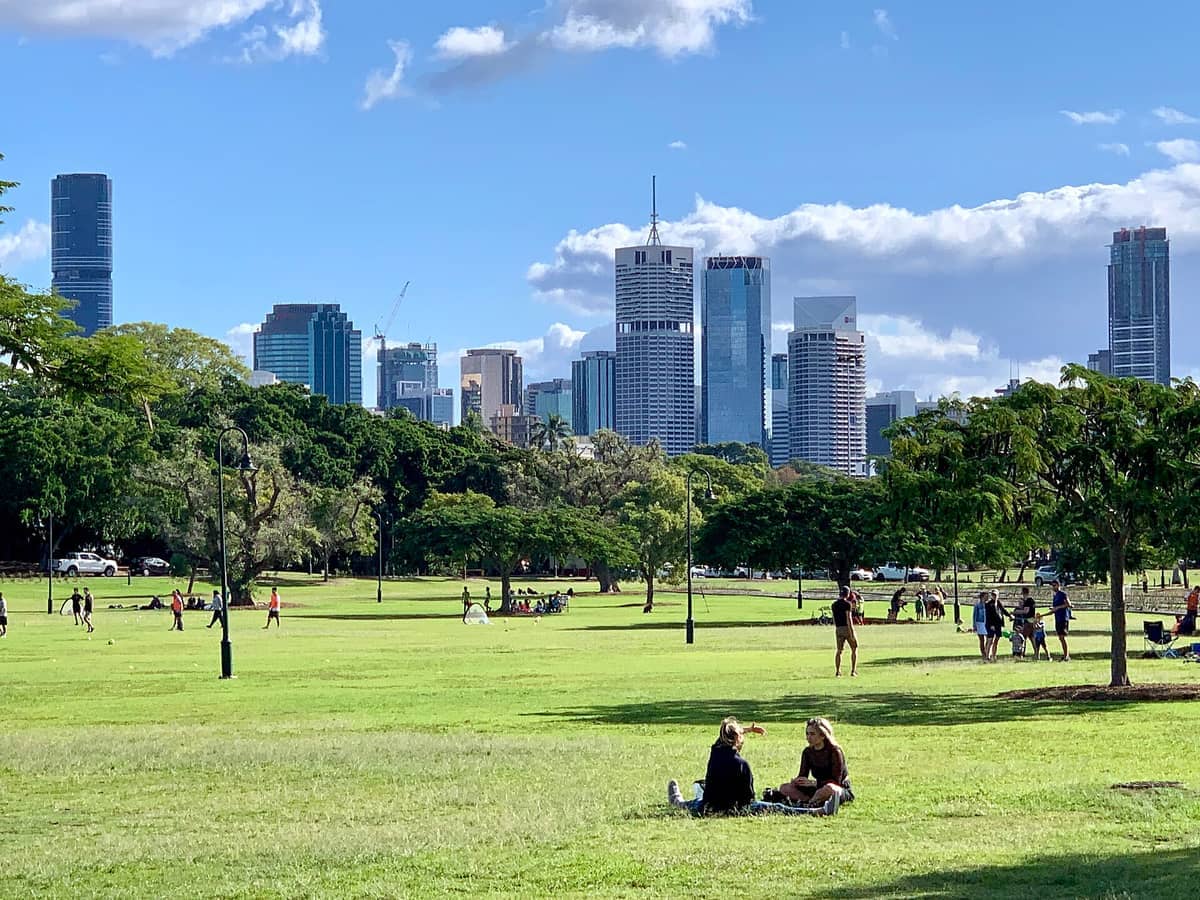
19. Find Flying Foxes and River Birds at New Farm Park
New Farm Park's large fig trees along the riverfront host a resident colony of grey-headed flying foxes, most visible at dusk when they leave to forage. The riverside walk also reliably turns up cormorants, herons, and the occasional pelican. Early morning is quieter and better for bird activity.
Explore19. Find Flying Foxes and River Birds at New Farm Park
New Farm Park's large fig trees along the riverfront host a resident colony of grey-headed flying foxes, most visible at dusk when they leave to forage. The riverside walk also reliably turns up cormorants, herons, and the occasional pelican. Early morning is quieter and better for bird activity.
Explore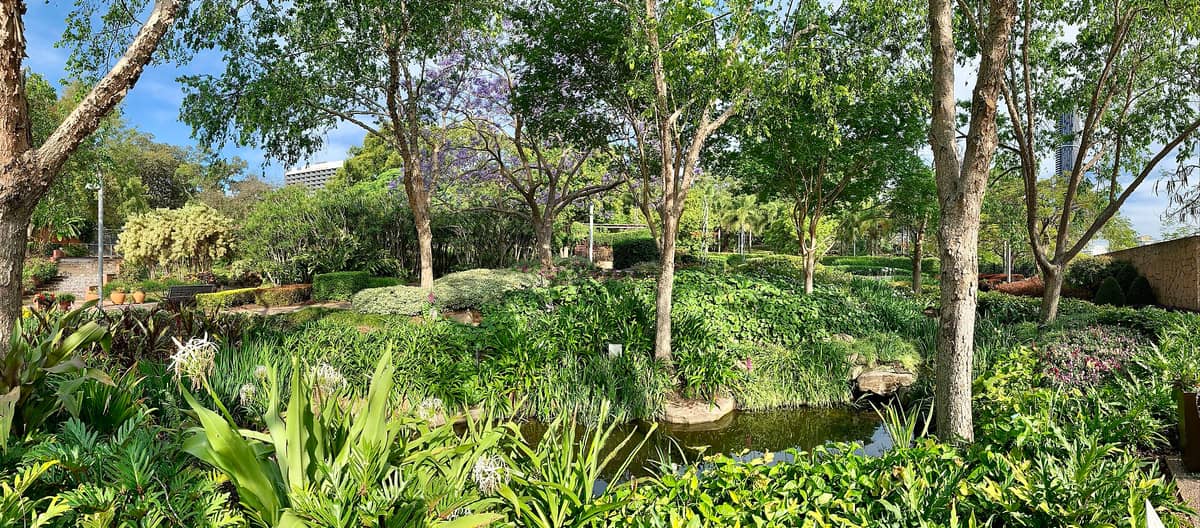
20. Spot Lorikeets and Possums in Roma Street Parkland
This 16-hectare subtropical garden in the city centre is planted to attract native wildlife. Rainbow lorikeets and scaly-breasted lorikeets are resident year-round, and brush-tailed possums emerge after dark. The fernery and rainforest sections are the quietest and most productive spots for wildlife observation.
Explore20. Spot Lorikeets and Possums in Roma Street Parkland
This 16-hectare subtropical garden in the city centre is planted to attract native wildlife. Rainbow lorikeets and scaly-breasted lorikeets are resident year-round, and brush-tailed possums emerge after dark. The fernery and rainforest sections are the quietest and most productive spots for wildlife observation.
Explore💡 Local tip
For wild koala searches in city reserves like Toohey Forest, go early (before 8 am) and look in tree forks and upper branches of scribbly gums and grey gums. Sightings are genuine but not guaranteed. A sanctuary visit is your reliable fallback.
FAQ
Where is the best place to hold a koala near Brisbane?
Lone Pine Koala Sanctuary at Fig Tree Pocket, about 12 km from the CBD, is the most established option. It opens daily 9 am to 5 pm (last entry 4 pm). Koala experiences book out quickly, especially on weekends, so reserve in advance through the Lone Pine website. The Daisy Hill Koala Centre offers free close-up views of koalas but does not offer holding experiences.
Can you see wild koalas in Brisbane?
Yes, though sightings are never guaranteed. Brisbane City Council identifies Toohey Forest Park, Whites Hill Reserve, and Karawatha Forest as areas with known koala populations. Search early in the morning and look in the upper forks and branches of eucalyptus trees. Follow reserve signs and stay on authorised tracks. Search early in the morning and look in the upper forks and branches of eucalyptus trees. Follow reserve signs and stay on authorised tracks.
When is the best time to see whales near Brisbane?
Humpback whales migrate along the Queensland coast between June and November, with peak numbers typically from July to October. The best land-based viewing spots near Brisbane are the North Gorge Walk on North Stradbroke Island and Cape Moreton headland on Moreton Island. Whale-watching boat tours also operate from Brisbane during this period.
Is Lone Pine Koala Sanctuary worth the entry fee?
For first-time visitors to Australia, yes. The sanctuary is the world's first and largest koala sanctuary, and the koala-holding experience is hard to replicate elsewhere. Beyond koalas, you can hand-feed kangaroos and see platypus, wombats, and native raptors. If budget is a concern, the Daisy Hill Koala Centre offers free koala viewing and Walkabout Creek Discovery Centre is a lower-cost alternative.
What is the best wildlife experience on a day trip from Brisbane?
The Tangalooma dolphin feeding on Moreton Island is consistently the most memorable option for a single-day trip. Wild bottlenose dolphins approach the shore at dusk for a ranger-managed feeding session. Day-trip packages from Brisbane's city terminal include return ferry and access to the dolphin feeding event. Book well ahead in school holidays.
Tickets & tours
Live prices and dates from our booking partner. If you book, we may earn a commission at no extra cost to you.
Planning a trip? Discover personalized activities with the Nomado app.