Cylinder Beach: North Stradbroke Island's Most Rewarding Swim Spot
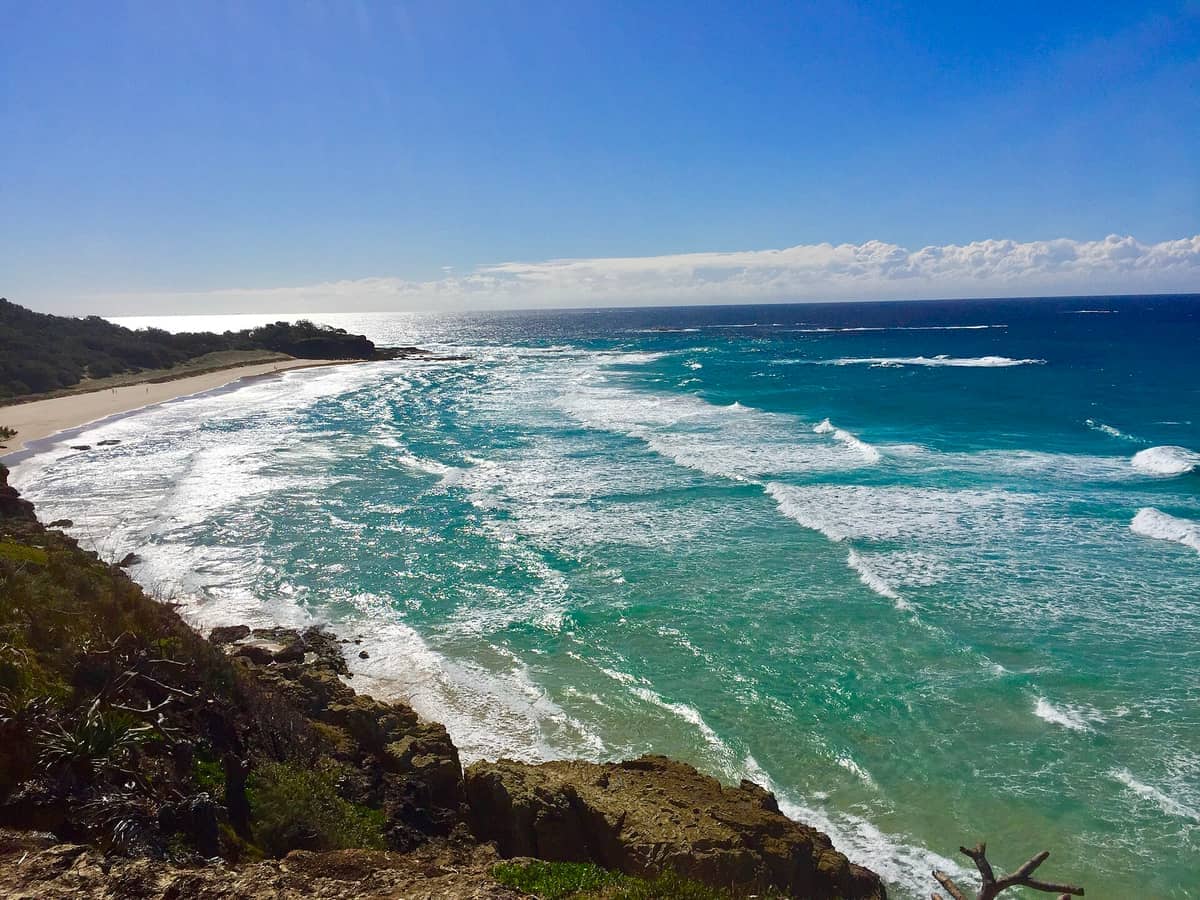
Cylinder Beach is a 500-metre north-facing bay on North Stradbroke Island (Minjerribah), roughly 30 kilometres from Brisbane. Protected from the predominant southerly swell, it offers calmer water than the island's ocean-facing beaches, reliable lifeguard patrols in season, and a strong track record of dolphin and turtle sightings just beyond the break.
Quick Facts
- Location
- Point Lookout, North Stradbroke Island (Minjerribah), Redlands Coast QLD 4183
- Getting There
- Ferry from Cleveland to Dunwich, then local bus or car to Point Lookout. Car parking available at the beach.
- Time Needed
- 2–4 hours at the beach; allow a full day including ferry travel from Brisbane
- Cost
- Free entry. Ferry fares and transport costs apply — check current timetables before travel.
- Best for
- Families with young children, snorkellers, wildlife watchers, and anyone wanting a proper beach day close to Brisbane
- Official website
- www.visitredlandscoast.com.au
What Cylinder Beach Actually Is
Cylinder Beach sits on the northern tip of North Stradbroke Island, the large sand island in Moreton Bay that Quandamooka people know as Minjerribah. At around 500 metres from end to end, it is not a grand sweeping beach. What it offers instead is consistency: a north-facing orientation that shields it from the southerly swells battering the island's ocean side, water that tends to be calmer and warmer than comparable Brisbane-area beaches, and a compact foreshore that makes it easy to keep an eye on children.
The beach takes its name, according to local history accounts, from the iron cylinders used in constructing the Point Lookout Lighthouse in 1932. Those cylinders were landed near this bay, and the name stuck long after the lighthouse was built. It is a small detail, but it connects the beach to the broader story of the island's development in the early twentieth century.
Cylinder Beach is the most visited beach on the island, and it earns that status through reliability rather than spectacle. If you want dramatic surf and ocean cliffs, head to the North Gorge Walk nearby. If you want a beach where the logistics actually work and the swimming is safe, Cylinder Beach is the right call.
The Experience at Different Times of Day
Arrive before 9am and you will have the beach almost entirely to yourself. The morning light comes in low and flat across the bay, the water is glassy, and the only sounds are the occasional gull and the rhythmic wash of small waves on firm sand. This is the best window for snorkelling: visibility is typically clearest before the afternoon sea breeze picks up and stirs the shallows. The water at the southern end of the beach, near the rocks, rewards patient snorkellers with reef fish, the odd sea turtle, and, on lucky mornings, a passing dolphin pod working the bay.
By mid-morning on weekends and during school holidays, the car park fills up and the foreshore takes on a more social character. Families set up under the Norfolk Island pines at the back of the beach, groups of teenagers congregate near the break, and the lifeguard tower is staffed. On busy days the sand itself can feel a little crowded towards the centre, though the southern end near the rocks tends to stay quieter throughout the day.
Late afternoon is worth staying for. The day-trippers thin out after about 3pm as visitors catch earlier ferries, and the light softens into a warm amber that makes the water look almost green. Dolphins are frequently spotted in the bay during this period, and the relative quiet makes it easier to notice them working along the break.
💡 Local tip
Lifeguard patrol times vary by season and public holidays. Always check current patrol flags and hours at Beachsafe (beachsafe.org.au) before swimming, especially outside summer peak season. Only swim between the flags.
Tickets & tours
Live prices and dates from our booking partner. If you book, we may earn a commission at no extra cost to you.
Luggage Storage in Brisbane
From 5 €Instant confirmationFree cancellationBrisbane's dark stories true crime tour
From 21 €Instant confirmationFree cancellationFull-day Mount Tamborine winery tour from Brisbane with lunch
From 140 €Instant confirmationFree cancellationNorth Stradbroke Island small groups day tour
From 79 €Instant confirmationFree cancellation
Getting There from Brisbane
The standard route from Brisbane to Cylinder Beach involves a train or drive to Cleveland, then a vehicle or passenger ferry to Dunwich on North Stradbroke Island. From Dunwich, local buses connect to Point Lookout, the village at the island's northern tip where Cylinder Beach is located. The ferry crossing takes roughly 50 minutes on the vehicle ferry. If you are not bringing a car, the passenger ferry is faster and cheaper, and a local bus or taxi can cover the remaining distance on the island.
Driving your own vehicle to the island is convenient for carrying beach gear and gives you flexibility to visit other parts of Minjerribah during the day. If you are not driving, pack light: the bus service is functional but not frequent, and you do not want to be managing heavy bags between connections.
For more detail on planning the crossing and organising a day out on the island, the North Stradbroke Island travel guide covers ferry operators, timetables, and what else to do while you are there. Checking timetables directly with the ferry operator before travel is strongly recommended, as schedules change seasonally.
Wildlife: What to Realistically Expect
Cylinder Beach has a genuine reputation for wildlife encounters, and it largely delivers. Dolphin sightings are common, particularly in the early morning and late afternoon. They are wild animals following their own patterns, so sightings are never guaranteed, but the bay's calm water makes the dorsal fins easy to spot when the pods do come in. Manta rays and loggerhead sea turtles are also documented visitors, though these sightings are less predictable.
Snorkellers who work their way south towards the rocky headland will find a modest but rewarding reef habitat. The fish life is not as diverse as a dedicated reef dive, but it is accessible without any equipment beyond a mask and fins. Bring your own gear if you can; there is no dedicated hire on the beach itself.
The ocean around North Stradbroke Island is also home to migrating humpback whales, visible from shore during the winter migration season, roughly June to October. Cylinder Beach and the nearby headlands are reasonable vantage points, though the North Gorge headland is more elevated and often considered the better whale-watching spot on the island.
⚠️ What to skip
North Stradbroke Island has marine stingers present at certain times of year. Check local conditions before swimming, and do not touch unfamiliar marine life in the water or on the sand.
Practical Walkthrough: What to Bring and Expect On-Site
Cylinder Beach has a car park, public toilets, and picnic facilities. There is no dedicated beach cafe directly on the sand, but the Point Lookout township is a short walk away and has cafes, a general store, and takeaway options. Plan to eat before or after your beach session, or bring your own food.
Sun protection is not optional. North Stradbroke Island sits at a latitude where the UV index climbs high by mid-morning for much of the year. Bring SPF 50+ sunscreen, a hat, and a rashguard or sun shirt if you plan to be in the water for extended periods. The sand can get uncomfortably hot to walk on barefoot between roughly 11am and 3pm in summer.
- Sunscreen, hat, and protective swimwear — UV levels are high even on overcast days
- Snorkel mask and fins if you plan to explore the southern rock shelf
- Cash or card: Point Lookout has limited services, so stock up in Cleveland or Dunwich
- Drinking water: stay hydrated, especially if you walk to the beach from the bus stop
- A bag for your own rubbish: bins exist but fill quickly on busy days
Accessibility: the Queensland tourism listing notes parking and public toilets are available and that the beach welcomes visitors with access needs. However, the specific provision of beach wheelchairs or sand matting to the waterline is not confirmed in official sources — if this matters to you, contact the Redlands Coast visitor centre before travelling.
Photography and the Best Conditions
The north-facing orientation means the beach itself is in good light throughout most of the day. Early morning produces the cleanest conditions for water photography: calm surface, soft light, and no crowds to work around. The rocky southern end of the beach provides foreground texture for wider landscape shots, and the Norfolk Island pines framing the northern end give the beach a distinctive, slightly old-fashioned character that photographs well.
For dolphin and wildlife photography, patience and a telephoto lens or camera with good optical zoom will serve you better than getting close. The animals are not habituated to humans, and keeping your distance makes for a less disturbing encounter and, often, a better photograph.
If you are building a longer itinerary around coastal views and natural landscapes on and near Brisbane, the guide to the best beaches near Brisbane provides useful context for comparing Cylinder Beach with other options within reach of the city.
Is Cylinder Beach Worth the Trip?
The honest answer depends on what you are comparing it to. As a standalone beach, Cylinder Beach is very good: calm, patrolled in season, free, and set in a genuinely beautiful island environment with real wildlife. As a day trip from Brisbane, it involves a meaningful amount of travel — allow at least two hours each way when you factor in the drive or train to Cleveland and the ferry crossing. That investment makes sense if you treat the island as a full day destination rather than a quick beach stop.
People expecting a short, easy beach excursion from the Brisbane CBD may find the logistics tiring relative to other options closer to the city. But for those willing to commit to the journey, North Stradbroke Island and Cylinder Beach offer something genuinely different from the mainland: a quieter pace, cleaner water, and the distinct pleasure of arriving somewhere that still feels a little removed from the everyday.
If you are weighing up island day trips from Brisbane more broadly, it is worth comparing North Stradbroke Island with Moreton Island. Both are accessible by ferry, both have good beaches, but they suit quite different styles of travel. The Moreton Island day trip guide is a useful starting point for that comparison.
Insider Tips
- The southern end of the beach, near the rock shelf, is consistently quieter than the centre even on busy days and is the better spot for snorkelling. If you arrive late, head straight there.
- The passenger ferry is faster and cheaper than the vehicle ferry if you are not bringing a car. Combine it with the local bus service for a car-free day that is surprisingly manageable.
- Weekday visits in the shoulder season (April to May, September to October) are dramatically quieter than school holiday periods. The beach is at its best with fewer people on it.
- Check the Beachsafe app before swimming — it shows real-time patrol status and hazard flags for Cylinder Beach specifically, not just the island generally.
- Point Lookout village is a short walk uphill from the beach. The cafes there see a rush around midday; arrive before 11:30am or after 1:30pm to avoid waiting for food.
Who Is Cylinder Beach For?
- Families with young children who need calm, patrolled water and easy beach logistics
- Snorkellers wanting accessible reef habitat without needing dive certification
- Wildlife watchers hoping for dolphin, turtle, or whale sightings close to shore
- Brisbane visitors wanting a full-day island experience rather than just a beach dip
- Photographers looking for clear water and natural foreshore scenery without developed resort infrastructure
Nearby Attractions
Other things to see while in North Stradbroke Island:
- Brown Lake (Bummiera)
Brown Lake, known by its Quandamooka name Bummiera, is a serene freshwater lake on North Stradbroke Island whose distinctive amber water is stained by surrounding tea trees. Free to visit and a short drive from Dunwich, it offers calm swimming, birdwatching, and a rare moment of stillness on an island better known for its ocean beaches.
- North Gorge Walk
The North Gorge Walk at Point Lookout on Minjerribah (North Stradbroke Island) packs extraordinary coastal scenery into just 1.2 kilometres. Expect sheer rocky headlands, crashing surf, and a genuine chance of spotting turtles, dolphins, and migrating humpback whales from the cliff-edge platforms.
Planning a trip? Discover personalized activities with the Nomado app.