What to Eat in Brisbane: A Food Lover's Guide
Brisbane's food scene delivers more than its size suggests. This guide covers the regional specialties, best neighbourhoods for dining, market food experiences, and practical tips to help you eat well across every budget in Queensland's capital.
Tickets & tours
Live prices and dates from our booking partner. If you book, we may earn a commission at no extra cost to you.
TL;DR
- Moreton Bay bugs are Brisbane's signature regional seafood, best eaten grilled with butter at a riverfront spot or sourced fresh at the Eat Street Northshore market.
- West End and Fortitude Valley are the best neighbourhoods for multicultural dining, from Vietnamese and Korean to Ethiopian and Middle Eastern.
- Brisbane City Markets run Brisbane City Markets run Wednesday and Thursday mornings in the CBD — ideal for a cheap, quality lunch of fresh produce, seafood and prepared food.
- Seasonal eating matters here: mangoes and lychees dominate summer menus, while strawberries appear across cafes and markets in winter and spring. See the Brisbane markets guide for the full rundown.
- Tipping is discretionary in Australia, not expected — but weekend surcharges of 10–15% are common at Brisbane restaurants, so check the menu.
Brisbane's Regional Specialties: What to Order First
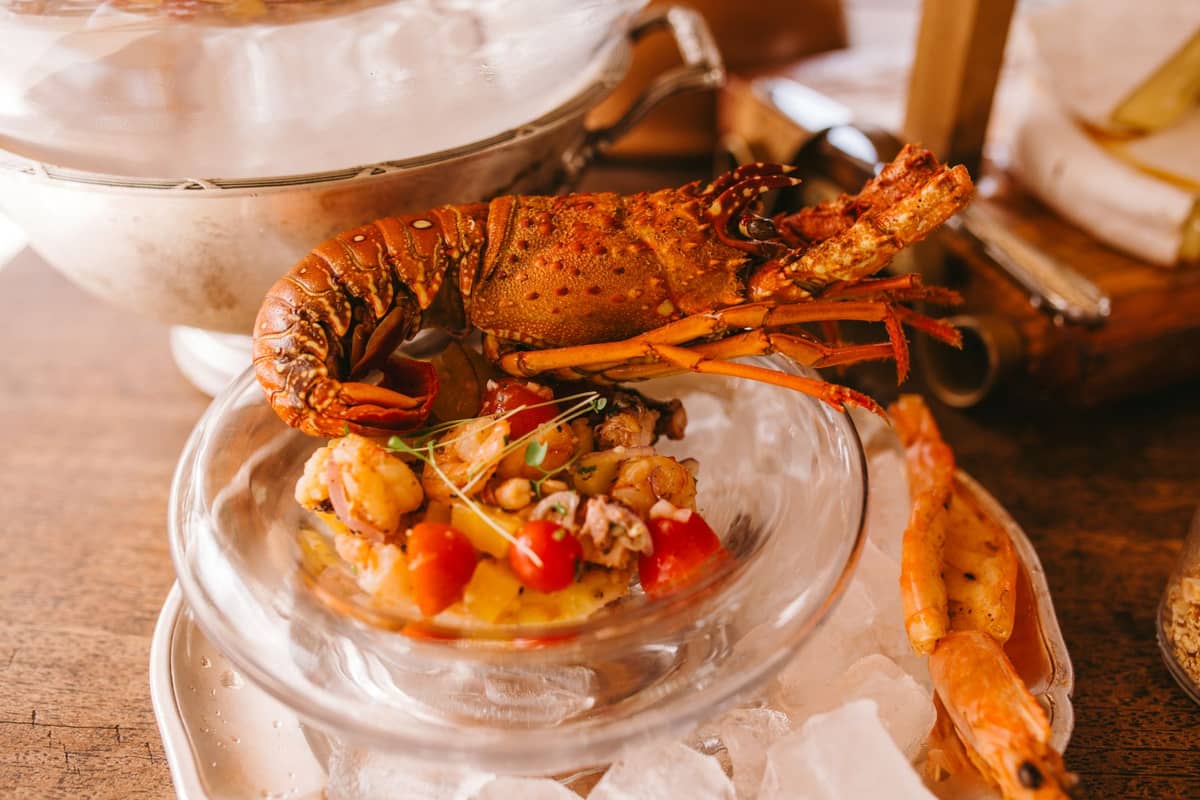
If you eat one thing in Brisbane that you cannot easily find elsewhere in Australia, make it a Moreton Bay bug. Despite the name, this is a flathead lobster, a crustacean with sweet, firm flesh, associated with the waters of Moreton Bay north of the city. You will find them on the menus of quality seafood restaurants across Brisbane, typically grilled with garlic butter or served in a bisque. Note that the name refers to the species, not a guaranteed local catch, so provenance varies by restaurant. If you care about sourcing, ask.
Beyond bugs, Queensland's subtropical climate produces exceptional fresh fruit and vegetables year-round, and Brisbane's menus reflect this. Mangoes flood the market stalls from around November through February, appearing in everything from breakfast smoothie bowls to dessert tarts. Summer also brings lychees, often sold by the bag at weekend markets. In winter and spring, Queensland strawberries appear at good prices and are reliably sweet compared to cold-climate varieties. Brisbane chefs tend to cook with the seasons, so the best restaurants will reflect whatever is peaking at that moment.
💡 Local tip
Brisbane restaurants commonly add a 10% surcharge on Sundays and 15% on public holidays. This is a legal practice under Australian fair work rules, not a scam. Check the menu footer before you sit down, especially over long weekends.
Neighbourhood by Neighbourhood: Where to Eat in Brisbane
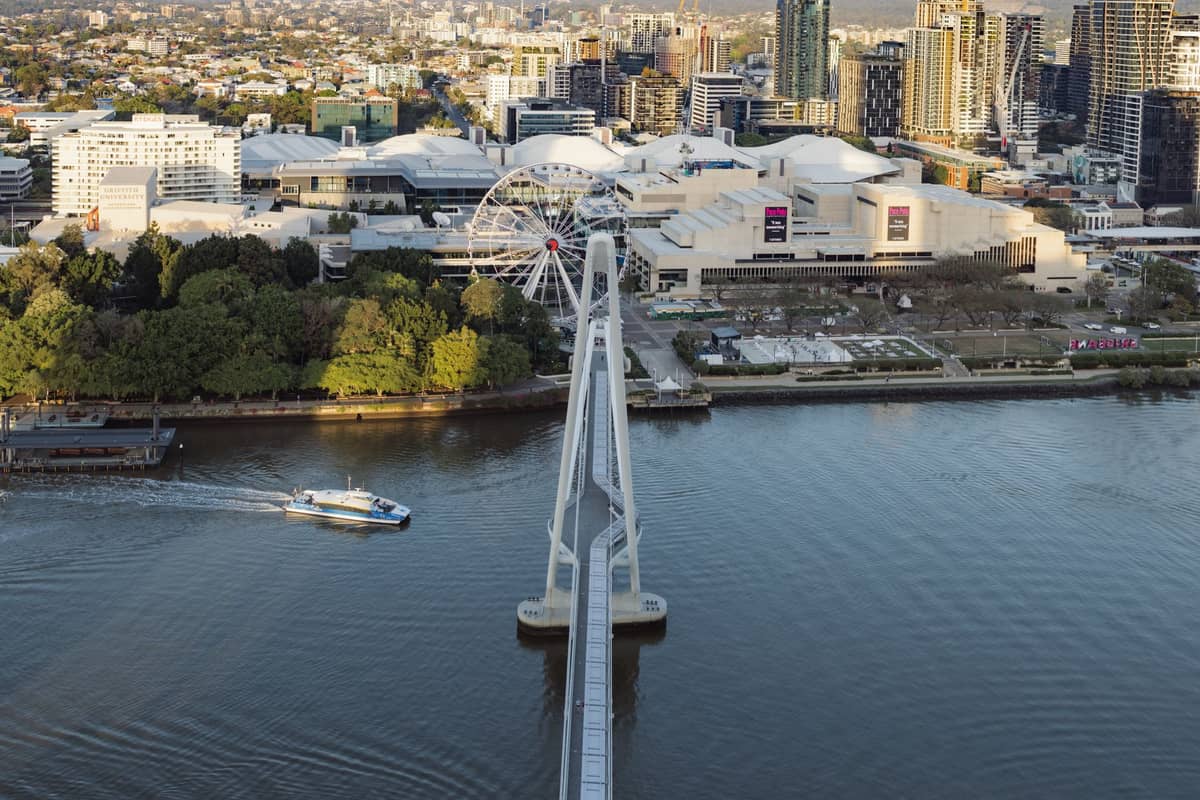
Brisbane's dining scene is genuinely spread across the city, and choosing where to eat is often a question of choosing where to be. South Bank has the most tourist-facing restaurants, concentrated along Grey Street and Stanley Street Plaza. The quality varies considerably. The stronger options sit at the northern end near the cultural precinct, where competition is fiercer and local clientele keeps standards higher. Avoid anywhere with a laminated A-frame menu on the footpath and photographs of the dishes — these signals reliably indicate mediocre food at inflated prices.
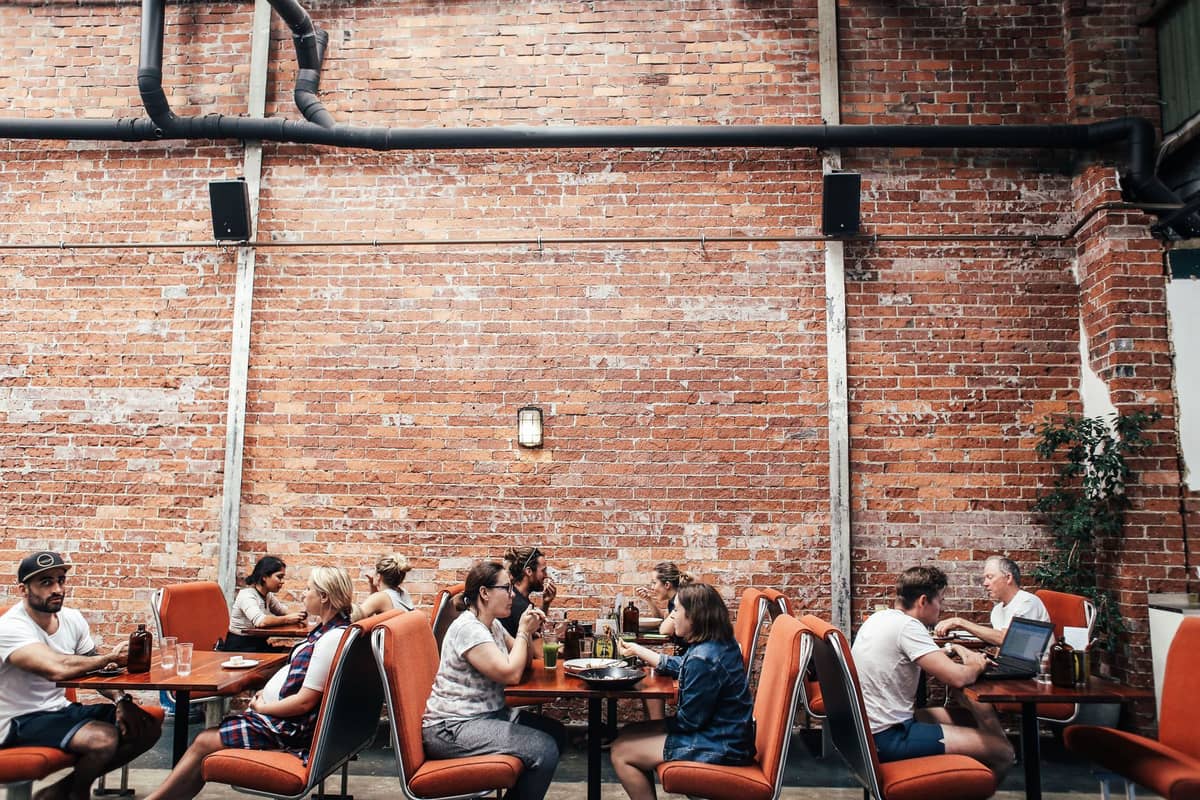
West End is where Brisbane does its most interesting multicultural eating. Boundary Street and its surrounding blocks host Vietnamese pho shops, Turkish bakeries, Ethiopian injera restaurants, and some of the city's best independent cafes. Prices here are noticeably lower than South Bank for comparable or better food, and the crowd is mostly locals. Weekend mornings bring the West End Markets at Davies Park, where the food stall section is worth building a brunch around.
Fortitude Valley is more uneven but rewards selective choices. Ann Street and the surrounding laneways have a genuine mix of Korean fried chicken shops, late-night ramen, quality Japanese izakayas, and upscale modern Australian dining. Brunswick Street Mall has declined as a food destination — most of the better options have moved into the surrounding streets. James Street, just north of the Valley core, leans toward higher-end dining and specialty coffee, with a noticeably different atmosphere.
New Farm is one of Brisbane's better suburbs for a relaxed dinner. Merthyr Road and Brunswick Street (the New Farm end, not the Valley end) have independent restaurants and cafes with loyal local followings. The area around Newstead and Teneriffe has developed quickly in recent years, with a cluster of quality dining options in converted industrial buildings. It is slightly harder to reach without a car but worthwhile if you are staying nearby.
- South Bank Best for: waterfront dining, pre-theatre meals near QPAC and GOMA. Watch for: tourist-trap pricing on Grey Street's busier blocks.
- West End Best for: multicultural cuisines, budget eating, independent cafes. Watch for: parking on weekends during markets.
- Fortitude Valley Best for: Korean, Japanese, late-night eating, modern Australian. Watch for: uneven quality in the Brunswick Street Mall area.
- New Farm / Teneriffe Best for: neighbourhood restaurants, weekend brunch, wine bars. Watch for: limited public transport options late at night.
- CBD Best for: weekday lunches, food markets, quick eats. Watch for: many venues close early on weekends when office workers are absent.
Markets and Street Food: Brisbane's Best Casual Eating
Brisbane's food markets are genuinely worth factoring into your itinerary, not just as something to browse but as a primary eating strategy. The Brisbane City Markets run on Wednesdays at Reddacliff Place from 8am to 6pm and on Thursdays at Cathedral Square and Queen's Wharf from 8am to 2pm. Stalls sell prepared meals alongside fresh produce and seafood, and the prices are competitive for the CBD. These are working-market operations serving office workers, not tourist markets, which keeps both the quality and the value proposition strong. Stalls sell prepared meals alongside fresh produce and seafood, and the prices are competitive for the CBD. These are working-market operations serving office workers, not tourist markets, which keeps both the quality and the value proposition strong.
For an evening food market experience, Eat Street Northshore at Hamilton is the main event. It runs Fridays and Saturdays from 4pm to 10pm and Sundays from 4pm to 9pm, with entry from A$6. The format involves converted shipping containers housing individual food vendors selling everything from wood-fired pizza to Singaporean laksa. It is lively and visually distinctive, but go early on Friday evenings if you want to avoid queues. The Sunday session is generally quieter and the food stalls more accessible.
⚠️ What to skip
Eat Street Northshore's entry fee and operating hours can change. Always check the official listing before visiting, particularly around public holidays when schedules often differ from the standard week.
The West End Markets on Boundary Street run on Saturday mornings and are a reliable option for breakfast or brunch. The food section covers a wide range, from fresh juice and acai bowls to dumplings and Spanish churros. Arrive before 9am to get first pick of the prepared food stalls before the crowd builds. This market has a strong community feel and a loyal Brisbane following.
Brisbane's Multicultural Food Scene
Brisbane is significantly more multicultural than many visitors expect. The 2021 census recorded Mandarin, Vietnamese, Punjabi, Cantonese and Spanish among the city's commonly spoken languages alongside English, and the food scene reflects this diversity directly. Vietnamese cuisine in particular is deeply embedded across the city, with pho and banh mi shops operating in suburbs well beyond the obvious tourist zones. West End has the most concentrated cluster, but Inala, roughly 15 km southwest of the CBD, is the city's main Vietnamese commercial hub and worth the trip for anyone interested in eating where the community actually eats.
Chinese and broader East Asian dining is well covered across the inner suburbs. Chinatown Brisbane in Fortitude Valley is the traditional centre, though it has evolved considerably and now sits alongside Korean, Japanese and pan-Asian options. Duncan Street and the surrounding blocks are still worth walking for yum cha, roast duck, and Hong Kong-style cafes. The quality of the best venues here is higher than the precinct's slightly worn appearance suggests.
- Vietnamese: West End (Boundary Street), Inala, Sunnybank
- Korean: Fortitude Valley (Ann Street, nearby laneways), Sunnybank Hills
- Japanese: Fortitude Valley, Brisbane CBD (lunch trade)
- Chinese (Cantonese, Sichuan, Shanghainese): Fortitude Valley Chinatown, Sunnybank
- Indian and Sri Lankan: Toowong, West End, selected CBD restaurants
- Middle Eastern and Turkish: West End, Nundah
- Ethiopian and African: West End (several independent spots)
✨ Pro tip
Sunnybank, about 12 km south of the CBD, is Brisbane's most concentrated Asian food suburb and largely off the tourist radar. The Sunnybank Hills Shoppingtown food court alone has more variety than most inner-city precincts. Take the train from Roma Street to Altandi and explore from there.
Eating on a Budget vs. Splurging: How to Calibrate
Brisbane is not a cheap city by global standards, but it is possible to eat extremely well without spending much if you know where to look. A bowl of pho or a banh mi in West End or Sunnybank will cost around A$12-18. A market lunch from the Brisbane City Markets can come in under A$15. At the other end, a serious seafood dinner in a riverfront restaurant, or a degustation at one of Brisbane's better modern Australian venues, will cost A$120-200 per person with wine. The Brisbane on a budget guide has a broader breakdown of where to save across the city.
For a mid-range meal, expect to pay A$25-45 per main course at a solid independent restaurant, with drinks extra. Brisbane's coffee culture is serious, and specialty coffee is widely available at A$5-6 for a flat white. This is not the place to order drip coffee and expect quality. Order an espresso-based drink or a cold brew, and you will find the standard genuinely high across most inner-city suburbs.
Practical Tips for Eating Well in Brisbane
Brisbane's restaurant scene is strongly seasonal, both in terms of produce and in terms of trade patterns. The cooler months from May through September are generally the best time to dine outdoors, with the city's subtropical climate at its most comfortable. Summer dining (December through February) is possible but hot, and you will want either air-conditioned venues or evening-only bookings. For context on timing your visit more broadly, the best time to visit Brisbane guide covers seasonal trade-offs in detail.
Reservations matter more than many visitors expect. Brisbane's better restaurants, even at the mid-range level, fill up on Friday and Saturday evenings from around 7pm. Book at least a few days in advance for weekend dinners at anywhere you specifically want to try. Walk-ins are generally easier Tuesday through Thursday and at lunch across the week. Many venues accept bookings through their own websites or through third-party platforms — whichever you use, confirm the reservation the day before.
- Book weekend dinners at least 3-4 days ahead for popular venues
- Factor in Sunday surcharges (typically 10%) and public holiday surcharges (typically 15%) when budgeting
- Ask about daily specials — Brisbane kitchens frequently run seasonal dishes not listed on the main menu
- BYO (bring your own wine) is permitted at some Brisbane restaurants, often with a small corkage fee; check before arrival
- Outdoor dining is excellent in winter (June-August) and best avoided at lunch in summer unless there is shade
One practical note: tipping in Australia is entirely discretionary. No one will expect it, and leaving nothing after a meal is not considered rude. If service has been exceptional, rounding up or leaving A$5-10 on the table is a generous gesture that will be appreciated. This is a meaningful difference from dining in the United States and worth knowing if you are travelling from there. For more on planning your time in Brisbane overall, the things to do in Brisbane guide gives broader context on how to structure your days.
FAQ
What food is Brisbane known for?
Brisbane is most closely associated with Moreton Bay bugs, a regional flathead lobster with sweet flesh, typically grilled with butter. More broadly, Queensland's subtropical climate means Brisbane restaurants have access to excellent tropical fruit and seafood year-round. The city's multicultural population also makes it a strong destination for Vietnamese, Korean, Japanese and Chinese food.
Where should I eat in Brisbane as a first-time visitor?
For a first visit, West End gives you the best value and variety — Boundary Street has Vietnamese, Turkish, Ethiopian and independent cafes all within walking distance. South Bank is convenient if you are staying in that area, but skip the obvious tourist traps on Grey Street. For a special dinner, look at the restaurant clusters in Fortitude Valley or New Farm.
Are there good food markets in Brisbane?
Yes. The Brisbane City Markets run on Wednesday and Thursday mornings in the CBD at Reddacliff Place, Cathedral Square and Queen's Wharf, with fresh produce, seafood and prepared meals. Eat Street Northshore at Hamilton is the main evening food market, open Fridays to Sundays. West End Markets on Boundary Street run Saturday mornings and are popular for breakfast and brunch.
What is the best area in Brisbane for cheap eats?
West End is consistently the best area for affordable, quality food. A bowl of pho, a falafel wrap or a good cafe breakfast here will cost noticeably less than the same meal in South Bank or the CBD. Sunnybank, further south, is even cheaper and has a huge concentration of Asian restaurants, though it requires a train ride from the city centre.
Do I need to tip at Brisbane restaurants?
Tipping is not expected or required at Brisbane restaurants. Service staff in Australia are paid a regulated minimum wage, and the tipping culture common in the United States does not apply here. If you want to tip after an excellent meal, rounding up or leaving a few dollars is appreciated but entirely optional. Note that many Brisbane restaurants add a 10% Sunday surcharge and 15% on public holidays — this is separate from tipping and is standard practice.
Tickets & tours
Live prices and dates from our booking partner. If you book, we may earn a commission at no extra cost to you.
Planning a trip? Discover personalized activities with the Nomado app.