Is Brisbane Worth Visiting? Here's the Honest Answer
Brisbane divides opinion. Some travelers find it a sunny, walkable city with genuine character and easy access to outstanding day trips. Others pass through and wonder what the fuss is about. This guide cuts through both the hype and the skepticism to give you a clear picture of what Brisbane actually offers, who it suits, and when to go.
Tickets & tours
Live prices and dates from our booking partner. If you book, we may earn a commission at no extra cost to you.
TL;DR
- Brisbane is genuinely worth visiting, especially between May and September when the weather is mild and dry.
- The city delivers more than visitors often expect for outdoor activities, food, and proximity to great day trips: beaches, islands, and rainforest are all within 90 minutes. See the full Brisbane things to do guide for specifics.
- Public transport is genuinely cheap: buses, trains, ferries, and trams on the Translink network cost 50 cents per journey across South East Queensland (Airtrain to the airport is separate and costs around A$23.30).
- Summer (December to February) is hot, humid, and wet. If you hate heat and humidity, that period can feel oppressive. Brisbane is not a reliably dry, sunny destination year-round.
- It lacks the iconic single draw of Sydney Harbour or the cafe-culture density of Melbourne, but that's part of its appeal: it's a city you explore rather than tick off.
What Kind of City is Brisbane, Really?
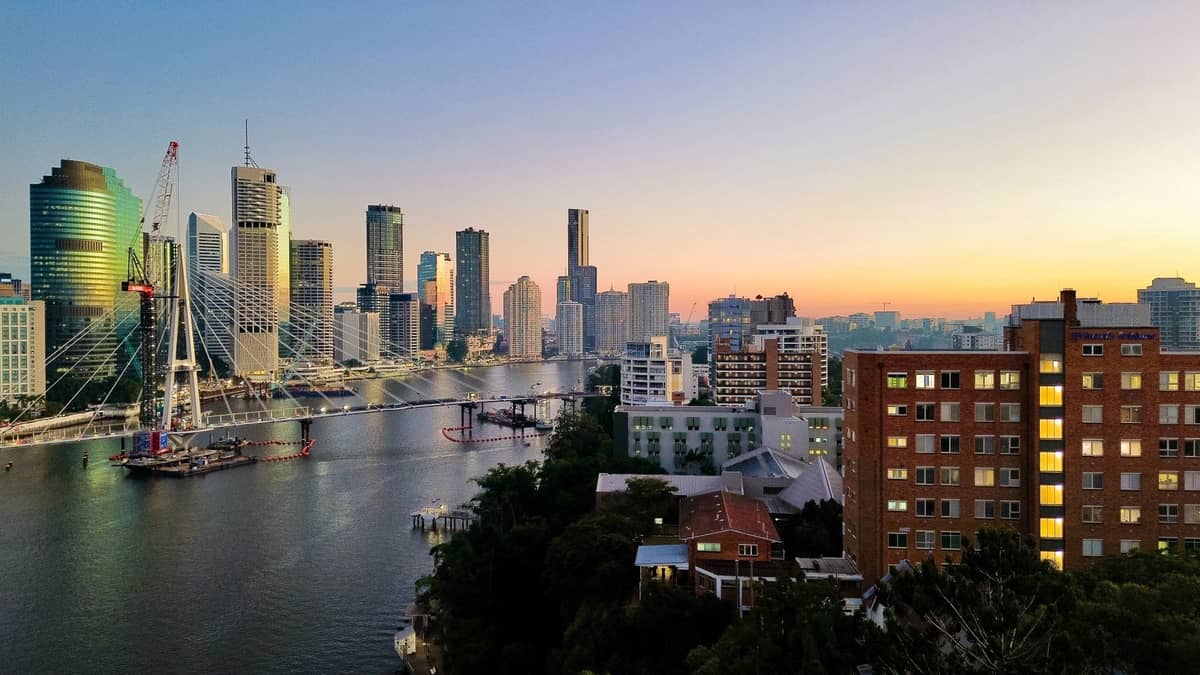
Brisbane is the capital of Queensland and sits on the traditional lands of the Turrbal and Jagera peoples. With a local government area population of around 1.28 million at the 2021 census, it's Australia's third-largest city by population but still operates at a pace that feels considerably more relaxed than Sydney or Melbourne. The Brisbane River curves through the centre, connecting most of the places worth visiting into a loose loop you can cover on foot, by CityCat ferry, or by bike.
The city has changed significantly since hosting the 1988 World Expo, which transformed South Bank from an industrial site into the cultural and leisure precinct it is today. That transformation has continued: Howard Smith Wharves, Fish Lane, and the inner suburbs of New Farm and Teneriffe have reshaped what Brisbane offers. It's no longer the large country town Australians used to joke about.
ℹ️ Good to know
Brisbane operates on Australian Eastern Standard Time (AEST, UTC+10). Unlike New South Wales and Victoria, Queensland does not observe daylight saving time. This matters if you're crossing state lines or coordinating with contacts in Sydney during Australian summer.
The Weather: Not What Most People Expect
Brisbane has a humid subtropical climate, and the distinction between seasons is real and practical for planning. The common assumption that Queensland means reliably sunny and dry is wrong, at least for Brisbane specifically. Summer temperatures (December through February) regularly reach 29 to 30 degrees Celsius, with high humidity and frequent afternoon thunderstorms. Flooding has affected the city in the past, and heavy summer rain can disrupt outdoor plans at short notice.
Winter, by contrast, is Brisbane at its best for most travelers. June through August delivers mean daily maximums around 22 degrees Celsius, very low rainfall, low humidity, and consistently clear skies. The city's outdoor lifestyle makes most sense in this season. Spring and autumn sit in between: pleasant without being perfect, and worth considering if you're flexible. For a full breakdown of seasonal trade-offs, the best time to visit Brisbane guide covers month-by-month conditions in detail.
⚠️ What to skip
If you're visiting in summer specifically for outdoor sightseeing, budget extra time indoors during midday heat, and check the Bureau of Meteorology forecast daily. Afternoon storm cells can build quickly and dump heavy rain within 30 minutes of clear skies.
What Brisbane Does Genuinely Well
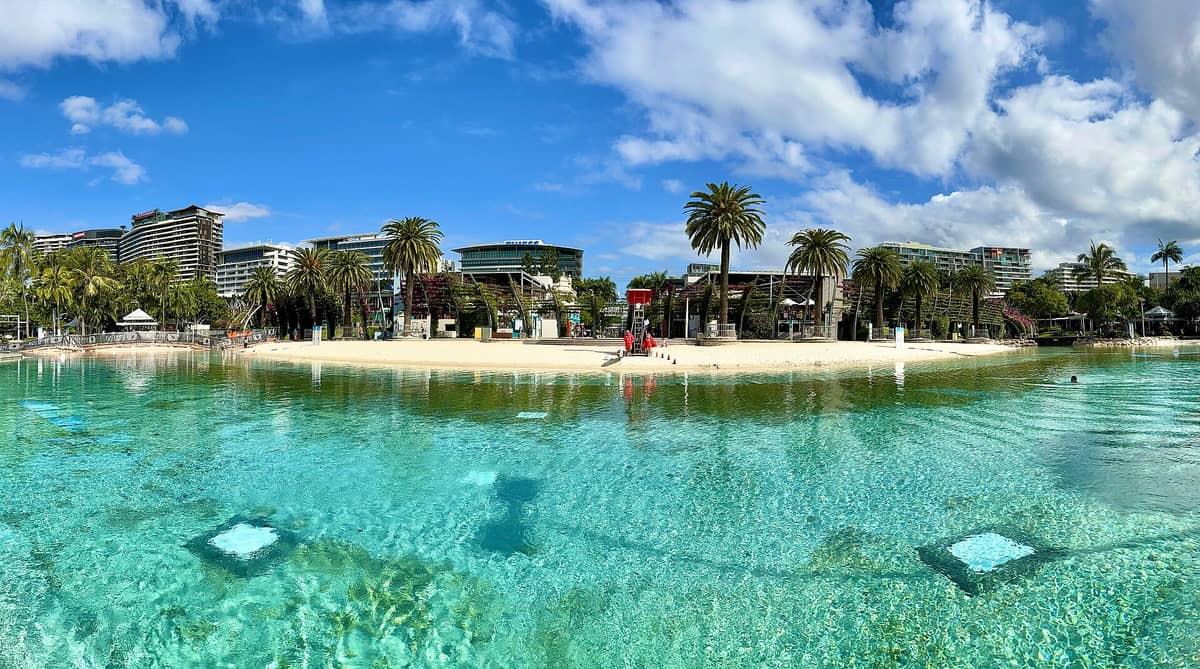
The South Bank Parklands remain one of the best free urban spaces in Australia. Streets Beach is a man-made lagoon right on the river, open daily, with no entry fee, and well-maintained. Nearby, the Queensland Museum, Queensland Art Gallery, and Gallery of Modern Art are all free to enter for their permanent collections. That cluster of institutions within a 10-minute walk makes South Bank one of the most efficient places in the country for a full day of culture without spending much.
- Outdoor access at low cost Kangaroo Point Cliffs, the Riverwalk, New Farm Park, Roma Street Parkland, and Mount Coot-tha Lookout are all free and well-connected by public transport. Brisbane has invested seriously in riverside and parkland infrastructure.
- Food and coffee culture West End, Fortitude Valley, and James Street in Newstead have a high density of quality independent cafes and restaurants. Prices are generally lower than Sydney equivalents for comparable quality.
- Day trip access North Stradbroke Island and Moreton Island are both accessible from Brisbane by ferry. The Gold Coast is under an hour by train. Lamington National Park and the Scenic Rim are within 90 minutes by car. Few Australian cities offer this range from the city centre.
- Wildlife proximity Lone Pine Koala Sanctuary is the world's largest koala sanctuary, located about 12 km from the CBD. Daisy Hill Koala Centre is a free alternative closer to the southern suburbs.
- Affordability relative to Sydney Accommodation, dining, and activities generally cost less in Brisbane than in Sydney or Melbourne, and the 50-cent flat Translink fare for buses, trains, ferries, and trams across South East Queensland is genuinely remarkable value.
The Howard Smith Wharves precinct under the Story Bridge is worth calling out specifically. The conversion of heritage wharf buildings into bars, restaurants, and event spaces was done well. It's not a tourist trap: locals use it, the views of the bridge and river are among the best in the city, and it connects directly to the Riverwalk heading toward New Farm.
Where Brisbane Falls Short
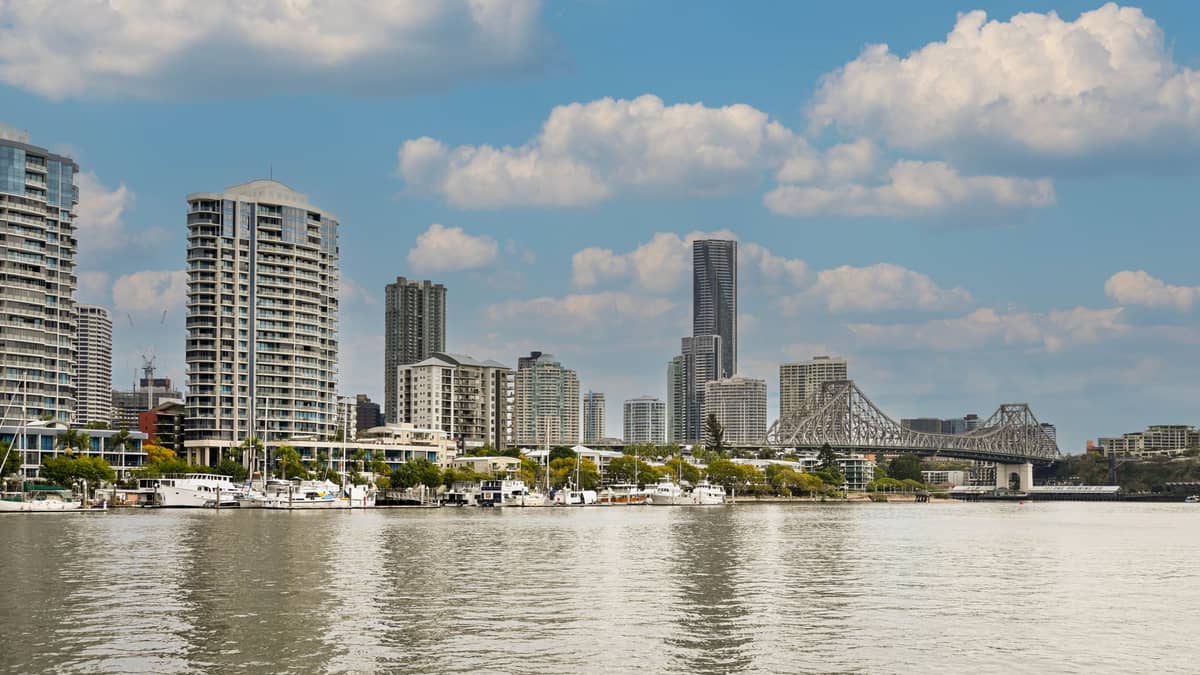
Brisbane does not have a single landmark that anchors a visit the way Sydney Harbour or the Great Barrier Reef does. The Story Bridge is handsome but not iconic at a global scale. The CBD, while improving, still empties out after business hours on weekdays. If you need a city to feel electric around the clock, Brisbane's lower density and earlier closing times will frustrate you.
The public transport network covers the inner city well but thins out quickly in the outer suburbs. Without a car, certain areas and day trip destinations are difficult to reach. The Airtrain connects the airport to the city in about 20 minutes at a current adult fare of around A$23.30, which is reasonable. But the airport is about 15 km from the CBD, and if you're arriving late at night with luggage, a taxi or rideshare to the city can run A$67 to A$82 depending on traffic.
✨ Pro tip
The 50-cent Translink fare applies to buses, trains, ferries, and trams on the South East Queensland network but does NOT include the Airtrain. Verify current fares on the Translink website before travel, as pricing can change.
Brisbane also lacks the multicultural density of Sydney's inner west or Melbourne's north. That's changing: West End and Fortitude Valley have genuine diversity in food and culture. But don't arrive expecting the culinary range of a larger global city.
Getting Around and Practical Logistics
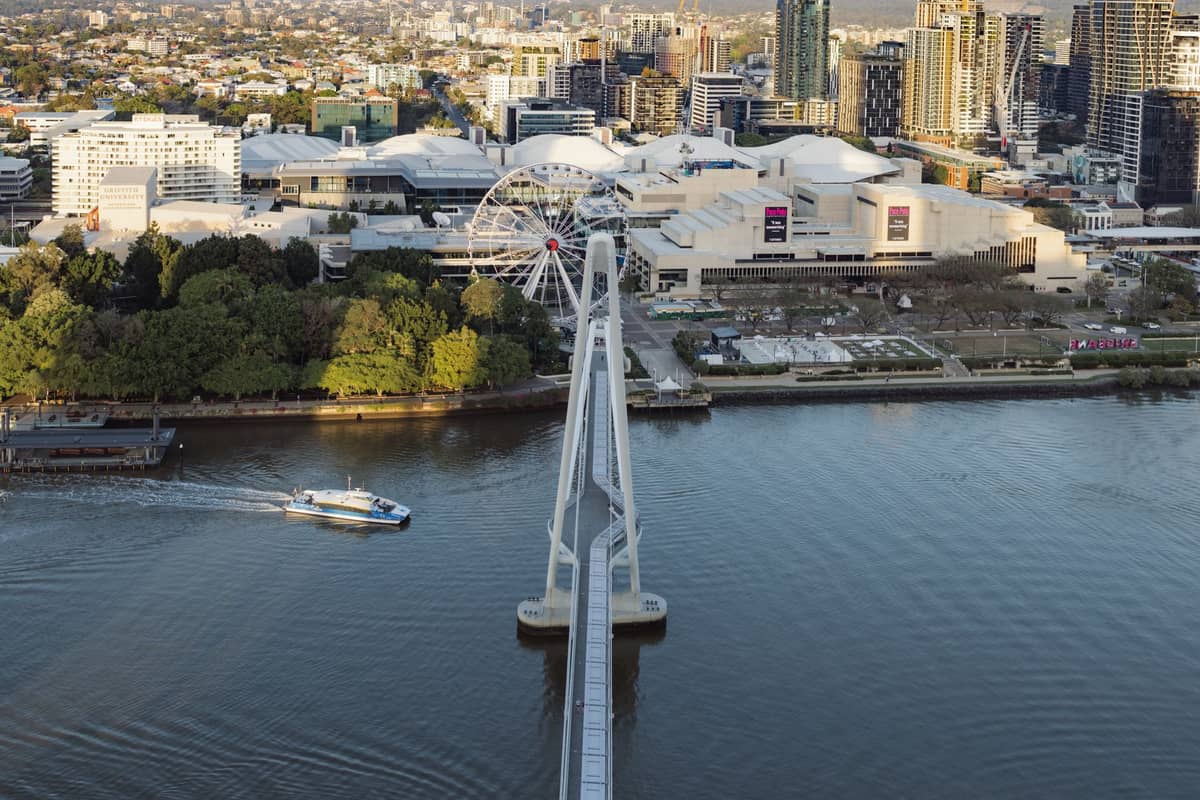
Brisbane's layout is more walkable than it first appears on a map. The CBD, South Bank, Kangaroo Point, and South Brisbane can all be connected on foot or by CityCat ferry in under 30 minutes. The CityCat catamaran service on the Brisbane River is both practical transport and a pleasant way to see the city from the water. Combined with the Riverwalk path, it creates an accessible inner-city loop that suits most visitors.
For anything beyond the inner suburbs, the Translink network of buses, trains, and ferries covers most of what travelers need at the flat 50-cent fare. A go card (reloadable transit card) is more convenient than buying single tickets. If you're planning to visit multiple neighborhoods across several days, check the getting around Brisbane guide for route-specific advice. Uber is available city-wide, though surge pricing during peak periods can make it surprisingly expensive for short trips.
- Brisbane Airport (BNE) is around 15 km from the CBD. Airtrain takes approximately 20 minutes and runs every 15 minutes during peak hours, every 30 minutes off-peak.
- Tap water is safe to drink throughout Brisbane. Australia uses Type I plugs at 230V/50Hz.
- Tipping is not expected but is appreciated for exceptional service. Most venues do not add automatic service charges, though weekend and public holiday surcharges of 10-15% are common.
- Emergency services: dial 000 for police, fire, or ambulance. Country dialing code: +61.
- Most international visitors need a visa or electronic travel authority (ETA) arranged before departure. There is no visa-on-arrival scheme in Australia. Check the Australian Department of Home Affairs visa finder for current eligibility.
Who Should Actually Visit Brisbane?
Brisbane works best as a base rather than a destination with a fixed checklist. Travelers who want to combine urban culture with outdoor access, beach time, and wildlife encounters will find it hard to beat at the price point. Families, in particular, get strong value: free museums, affordable transport, Lone Pine, South Bank's beach, and accessible national parks cover a wide range of ages without stretching a budget.
Couples wanting a compact romantic city break will find the waterfront precincts and inner-suburb dining satisfying for two to three nights, though it won't rival Paris. The Brisbane for couples guide covers the best options for that kind of trip. Solo travelers on a budget benefit most from the 50-cent transit fare and the high concentration of free attractions along the river corridor.
If you only have two or three days, a focused itinerary helps a lot. The 3 days in Brisbane itinerary is structured around this exact constraint and avoids the common mistake of spreading too thin across the metropolitan area.
💡 Local tip
If you're deciding between Brisbane and the Gold Coast for a short trip, Brisbane gives you more cultural depth and better day trip variety. The Gold Coast wins on beaches and theme parks. The two are only 80 km apart, so a combined trip is entirely feasible with a day or two in each.
FAQ
Is Brisbane worth visiting compared to Sydney or Melbourne?
Brisbane is worth visiting, but for different reasons than Sydney or Melbourne. It doesn't have a single iconic landmark or the cultural density of those cities, but it's more affordable, less crowded, and gives you better access to natural environments: islands, beaches, and rainforest within 90 minutes. If you've already done Sydney and Melbourne, Brisbane adds genuine variety rather than repetition.
How many days do you need in Brisbane?
Two to three days covers the main city highlights: South Bank, the Riverwalk, a neighborhood or two, and one major attraction like Lone Pine or GOMA. Add a fourth or fifth day if you want to do a day trip to North Stradbroke Island, the Gold Coast, or the Scenic Rim. Beyond five days, you'll need to push further out or go deeper into specific interests like live music or wildlife.
What is the best time of year to visit Brisbane?
May through September is the strongest window for most visitors. June to August in particular offers mild temperatures around 22 degrees Celsius, very low rainfall, and low humidity. Summer (December to February) is hot and wet with afternoon storms that can be disruptive. Spring and autumn are pleasant but less consistent.
Is Brisbane cheap or expensive to visit?
Brisbane is noticeably more affordable than Sydney for accommodation and dining. The flat 50-cent Translink fare for buses, trains, ferries, and trams across South East Queensland is one of the cheapest urban transit deals in Australia. Many major attractions, including GOMA, the Queensland Museum, and South Bank Parklands, are free. Budget travelers can spend very little per day on transport and activities. The main costs are accommodation and eating out, both of which trend lower than Sydney or Melbourne equivalents.
Is Brisbane safe for tourists?
Brisbane is generally considered a safe city for visitors. Standard urban precautions apply: be aware of your surroundings, particularly at night in the Fortitude Valley entertainment district, and keep an eye on belongings in crowded areas. The emergency number in Australia is 000.
Tickets & tours
Live prices and dates from our booking partner. If you book, we may earn a commission at no extra cost to you.
Planning a trip? Discover personalized activities with the Nomado app.