Mount Coot-tha is Brisbane's most accessible natural escape, a 1,600-hectare forest reserve sitting just 7 kilometres west of the city centre. From the summit lookout to the botanic gardens and creek-side walking tracks, it offers a genuine change of pace without requiring a car or a full day away from the city.
Mount Coot-tha sits close enough to Brisbane's CBD that you can see the city skyline from its summit, yet the moment you step onto its forested trails, the urban noise drops away entirely. It is where Brisbane residents come to get perspective, literally and figuratively, whether that means watching the city lights spread across the valley at dusk or losing themselves in 1,600 hectares of eucalypt bushland on a quiet Tuesday morning.
Orientation
Mount Coot-tha sits roughly 7 kilometres west of the Brisbane CBD, occupying a forested ridge that forms a natural western boundary to the inner suburbs. It is not a suburb in the conventional sense but rather a designated forest reserve and precinct, managed by Brisbane City Council. The suburbs that press against its edges tell you a lot about how it connects to the city: Toowong and Taringa lie to the south-east, Bardon to the north-east, Chapel Hill to the north, and The Gap to the north-west. These are largely residential areas, meaning the reserve functions as a shared backyard for several well-established inner-west communities.
The main entry points for visitors arriving without a car are along Mount Coot-tha Road, which climbs from the Toowong and Taringa side and delivers you to the botanic gardens entrance and, further up, the summit lookout. If you are driving from the CBD, the route through Toowong is the most direct. If you are orienting yourself from South Bank or West End, Mount Coot-tha is due west, visible on clear days as the forested ridge that closes off the western skyline.
Understanding where Mount Coot-tha fits helps you plan it alongside other western Brisbane experiences. It pairs naturally with a morning in Paddington and Red Hill or an afternoon exploring the riverside precinct at Newstead and Teneriffe before or after. It is also a logical stop if you are following the best hikes and walks in Brisbane as part of a wider itinerary.
Character and Atmosphere
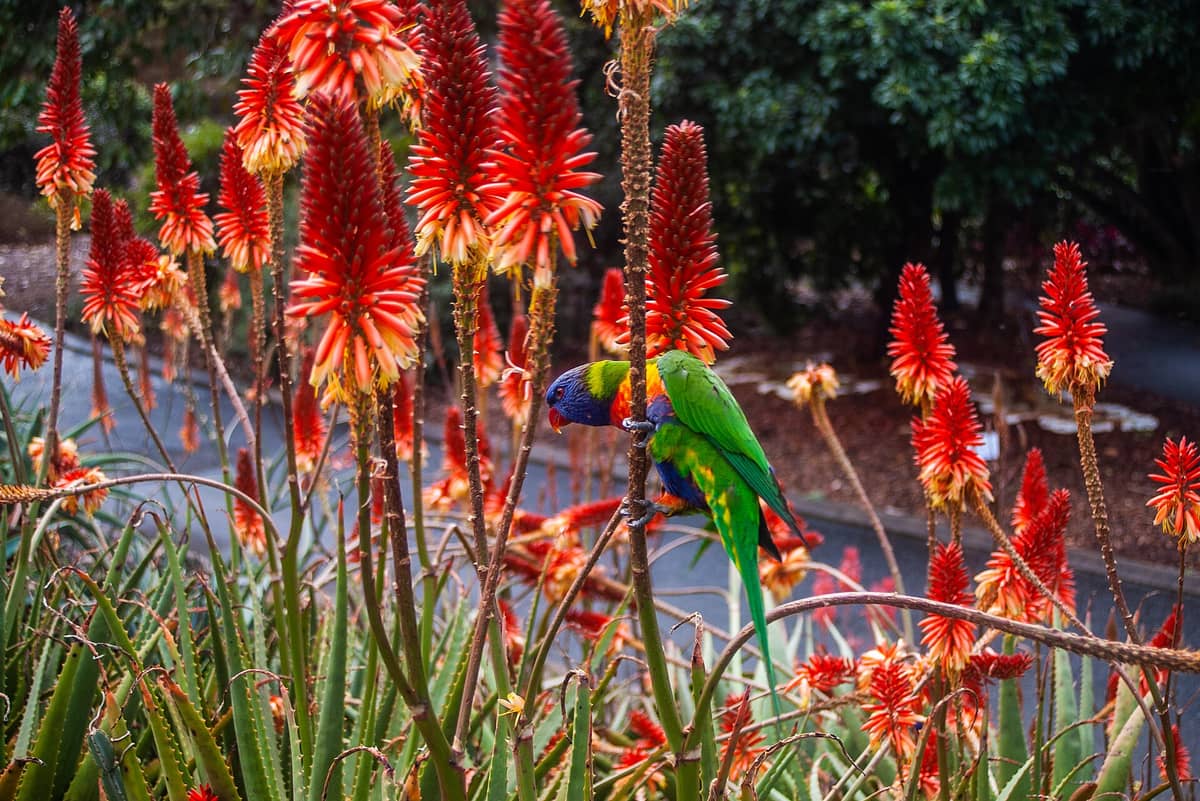
The rhythm at Mount Coot-tha changes dramatically depending on the hour. Before 8am on a weekday, the carpark at the botanic gardens is already filling with locals who have driven over for their morning exercise. Trail runners move through the eucalypt shade with focused efficiency, while older residents walk the flatter paths near the gardens at their own pace. The air is cooler under the tree canopy than it is in the city, and the dominant sounds shift from traffic to birdsong: rainbow lorikeets, kookaburras, and occasionally the mechanical-sounding call of a channel-billed cuckoo moving through the upper forest.
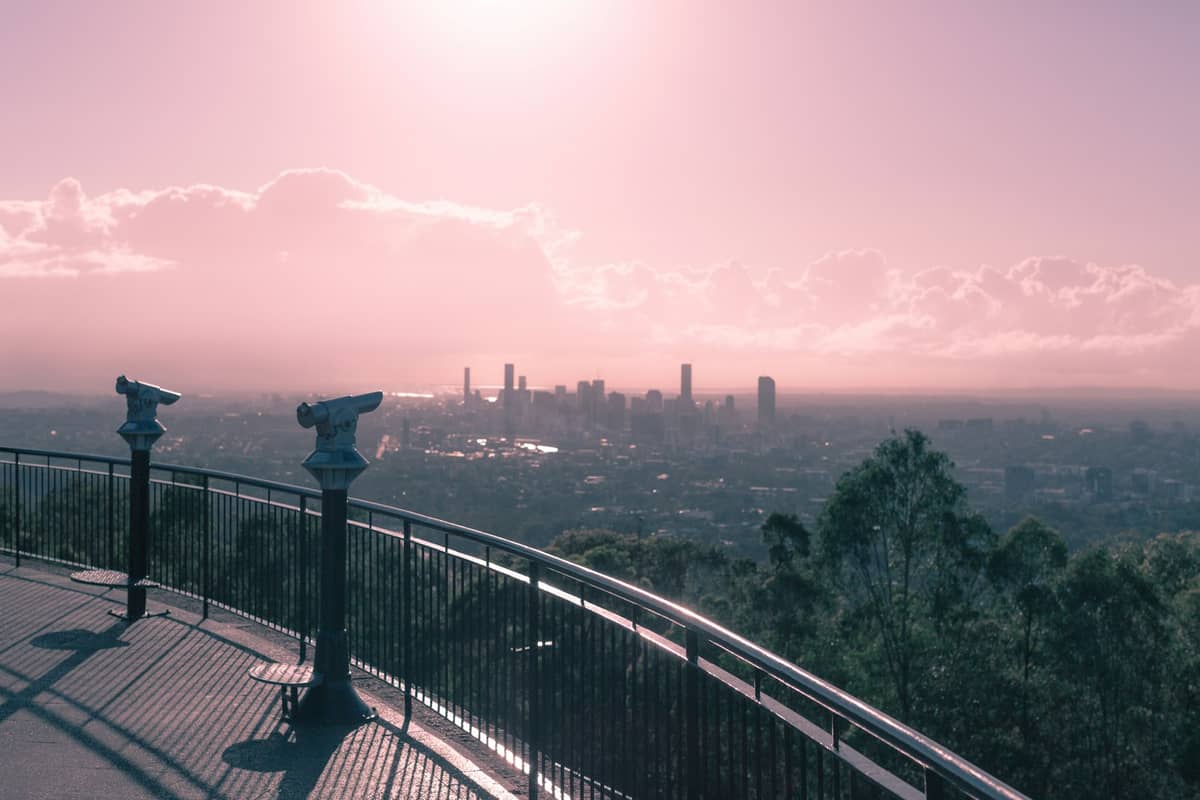
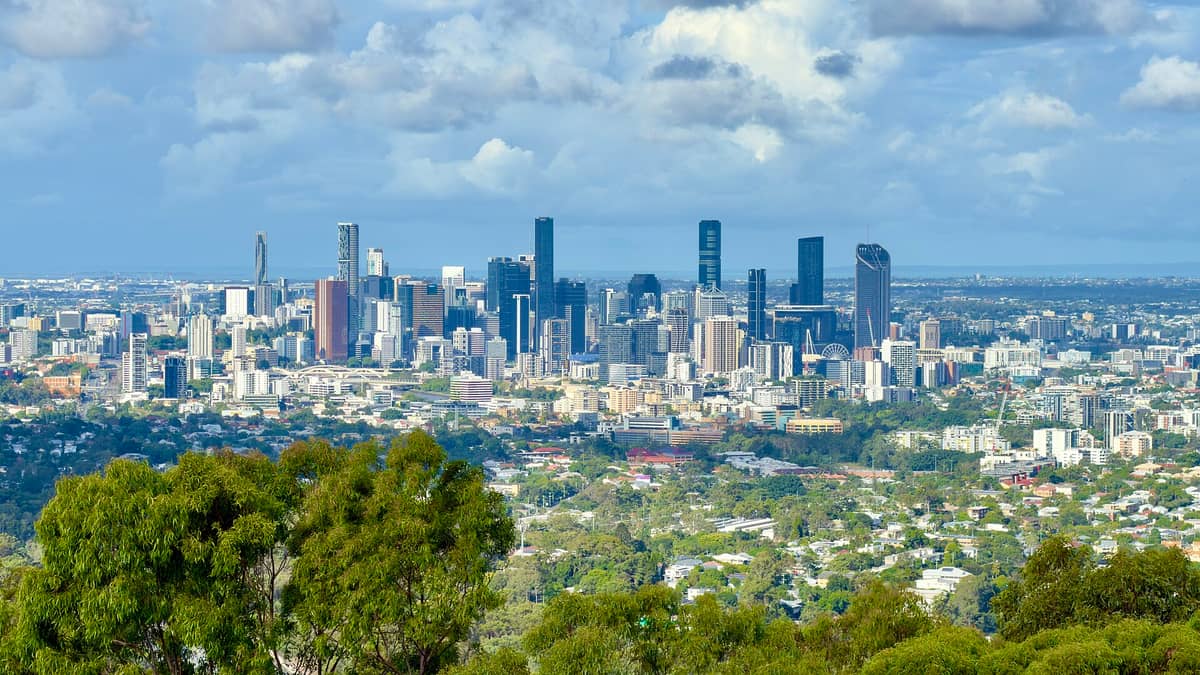
By mid-morning on weekends, the lookout becomes the busiest point in the precinct. Tour groups, families, and visitors from the CBD arrive steadily, and the viewing platform fills quickly. The views are genuinely arresting: the entire Brisbane basin spreads below, with the river snaking in from the west and the CBD towers catching the light in the middle distance. On exceptionally clear days, Moreton Bay and its islands are visible to the east. This is not a secret spot, and it does not pretend to be. The lookout café is busy, the carpark fills by 10am on weekends, and the summit has an undeniably popular feel. None of that diminishes the view.
Step away from the lookout and the atmosphere shifts completely. The walking tracks that drop into the gullies and creek lines feel genuinely remote, particularly on J.C. Slaughter Falls Trail, where you move through denser understorey and the city noise vanishes within minutes. Late afternoon light filters through the scribbly gums at a low angle in winter, casting long shadows across the trail. After heavy summer rain, the creeks run quickly and the air smells of wet earth and eucalyptus in equal measure. At dusk, the lookout draws a completely different crowd: couples, photographers, and anyone who wants to watch the city lights spread across the valley. It is one of Brisbane's best free evening experiences.
ℹ️ Good to know
Mount Coot-tha is on the traditional lands of the Turrbal and Jagera peoples. The reserve's name derives from an Aboriginal word meaning 'place of honey' or 'wild honey'. Brisbane City Council acknowledges this heritage across its precinct signage.
What to See and Do
The Mount Coot-tha Lookout is the obvious starting point, and it earns its reputation. The viewing platform sits at around 226 metres above sea level, and the panorama takes in the CBD, the river corridor, the inner suburbs, and the Glasshouse Mountains on a clear day to the north. There is a café at the summit that serves coffee and meals from early morning through to the evening, which makes the lookout genuinely usable at different times of day without needing to bring your own supplies.
Immediately below the summit, the Brisbane Botanic Gardens Mount Coot-tha covers 56 hectares at the base of the reserve and is one of the most substantial public gardens in Queensland. The collections include a Japanese Garden, a tropical display dome, a cactus and succulent garden, and extensive plantings of native Queensland flora. Entry to the gardens is free. The gardens are large enough that they reward a slow two-hour walk rather than a quick pass-through, and the internal layout means you can follow shaded paths through most of the circuit even in summer.
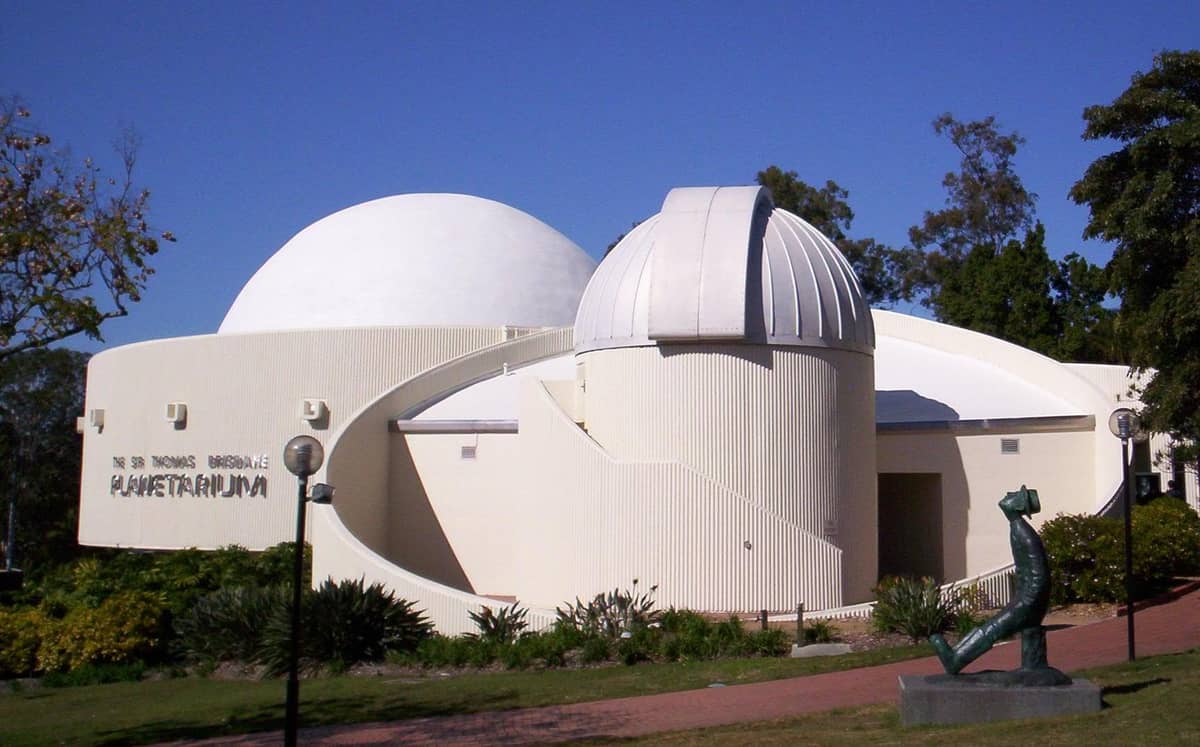
Within the gardens, the Sir Thomas Brisbane Planetarium runs regular star shows and astronomical displays. It operates on a ticketed schedule, so checking session times before you visit is worth doing, particularly on weekends when popular sessions can book out. The planetarium is a genuine point of interest rather than a token attraction, with a working telescope that is occasionally opened for public viewing nights.
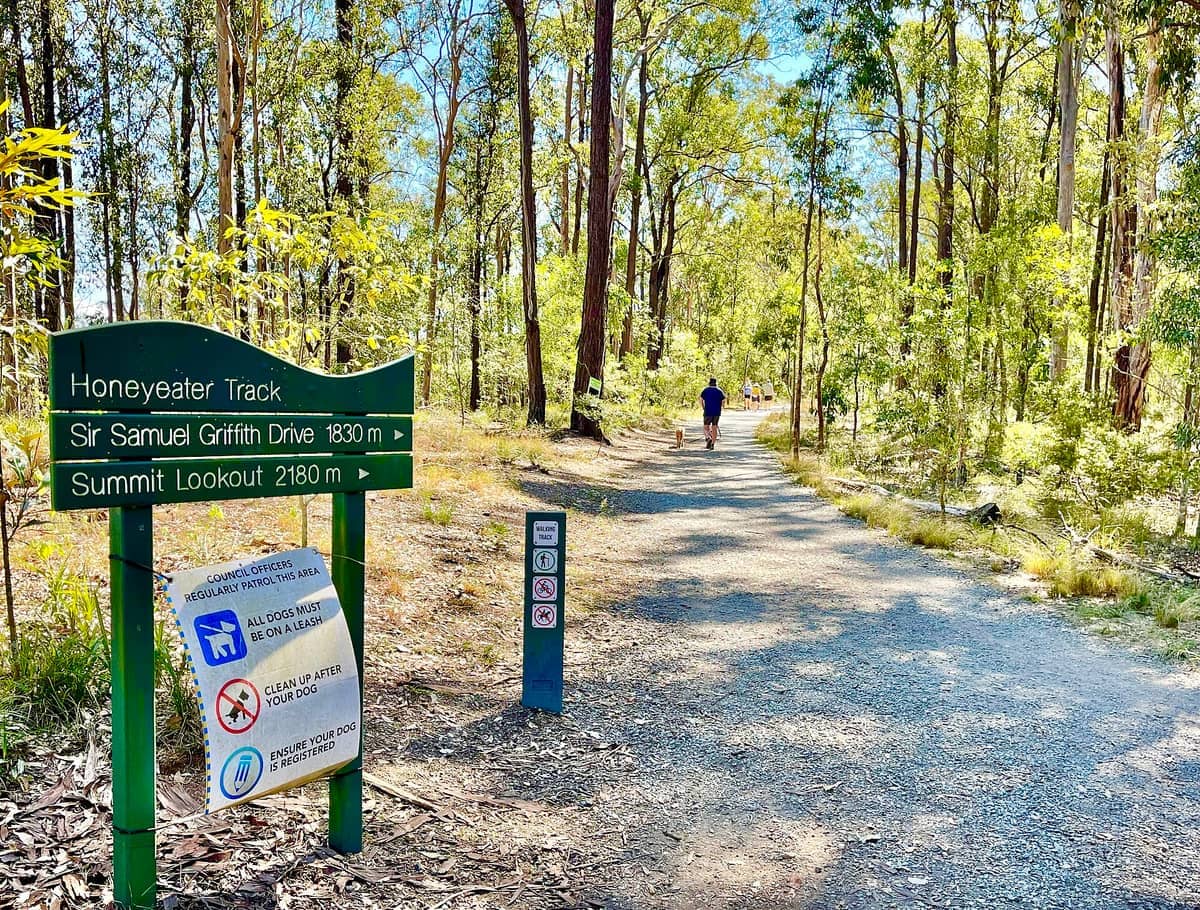
For walkers, the reserve offers a network of tracks at different difficulty levels. The Mount Coot-tha walking tracks range from easy, paved paths within the botanic gardens to more demanding bush trails that cross creek gullies and climb through denser forest. J.C. Slaughter Falls is a popular destination within the reserve, a seasonal waterfall reached via a relatively short trail from the main picnic area. Simpson Falls is another option on the northern side of the reserve. Both are at their best in the weeks following significant rainfall.
Mount Coot-tha Lookout: panoramic views of Brisbane and beyond, café on site, best at sunrise and dusk
Brisbane Botanic Gardens: 56 hectares of free public gardens, tropical dome, Japanese Garden, native collections
Sir Thomas Brisbane Planetarium: ticketed star shows and astronomy displays within the gardens
J.C. Slaughter Falls Trail: short bush walk to a seasonal waterfall, good for families
Simpsons Falls Circuit: a longer option on the northern reserve boundary, quieter than the main lookout area
Mountain bike trails: a network of dedicated trails for experienced riders, separate from the walking tracks
Picnic areas: several designated spots near the gardens and falls, with facilities including barbecues
💡 Local tip
If you want the lookout to yourself, arrive before 7:30am on a weekday. The view is identical to midday but without the tour buses, and the morning light on the CBD is clearer than in the midday haze.
Eating and Drinking
The dining options at Mount Coot-tha itself are limited to the summit café and restaurant complex, but they cover the main bases reasonably well. The café at the lookout serves breakfast from early morning and is a reliable stop for coffee, light meals, and pastries before or after a walk. The restaurant at the summit is more formal and focuses primarily on the view, which it delivers: floor-to-ceiling windows face the Brisbane skyline, making it a popular choice for dinner or a long weekend lunch. Bookings are recommended for the restaurant, particularly in the evenings and on Sundays.
Within the botanic gardens, the kiosk near the main entrance provides a simpler selection of drinks and snacks, which is practical if you are spending time in the gardens and do not want to drive up to the summit for refreshments. There are also several well-maintained picnic areas throughout the precinct where you can bring your own food. Picking up supplies from the Toowong Village shopping centre, approximately 3 kilometres east on Benson Street, before heading to the reserve is a practical approach if you are planning a long stay.
For a broader meal before or after your visit, the nearby Toowong and Bardon areas have cafés and restaurants worth considering. Toowong in particular has a solid café strip along Sherwood Road that handles breakfast and brunch well, and is close enough to the reserve that it works as a logical pairing. West End, slightly further south-east, has a more diverse food scene if you want more variety after your visit.
Getting There and Around
Brisbane City Council's bus route 471 connects the city with the Mount Coot-tha precinct, stopping at the botanic gardens entrance (Stop 19 on Mount Coot-tha Road) and continuing up to the lookout. Services run from city stops including King George Square in the CBD. The journey from the city centre takes roughly 20 to 25 minutes. Check Translink's journey planner for current timetables before you travel, as frequency varies by time of day and weekend services differ from weekday schedules.
Driving is the most convenient option if you are visiting with a group or want to move between the lookout and the botanic gardens without retracing your steps on foot. Parking is available at both the lookout and the botanic gardens, and is free. The gardens carpark in particular is large, though it fills early on weekend mornings. From the CBD, the route via Milton Road and Mount Coot-tha Road is the most direct, taking around 15 to 20 minutes outside peak hours.
Rideshare services including Uber operate in Brisbane and can drop you at the lookout or the gardens entrance. This is a practical option for visitors who want to take a one-way journey: take a rideshare up to the summit for the view, walk down through the reserve and gardens, then catch the 471 bus back into the city. For more general transport advice across the city, the getting around Brisbane guide covers all the major options in detail.
⚠️ What to skip
Mobile phone coverage is limited in several parts of the reserve, particularly in the creek gullies and on less-used trails. Council advises downloading trail maps before you leave phone range, walking with at least one other person, and telling someone your planned route and expected return time. Creek crossings can become unsafe after heavy rain: check conditions before heading out on trails that cross watercourses.
What to Know Before You Go
Mount Coot-tha is a working natural reserve, not a manicured theme park, and it behaves accordingly. In summer, temperatures at the summit can exceed 35°C with little shade on the exposed lookout platform. Carry water regardless of how short your planned visit is. Sunscreen and a hat are essential between October and March, even on overcast days. The botanic gardens offer substantially more shade than the summit, making them a better choice for a long outdoor visit in peak summer heat.
The reserve's wildlife is worth noting. Carpet pythons and eastern brown snakes are both present in the area, as they are throughout most of Brisbane's bushland. Staying on marked tracks significantly reduces the likelihood of an encounter. Koalas have been recorded in parts of the reserve, though sightings are infrequent and not guaranteed. The gardens, by contrast, attract a reliable array of birdlife including lorikeets, fig birds, and various honeyeaters that are easy to observe from the paths.
If wildlife is a primary interest, the dedicated Lone Pine Koala Sanctuary is located approximately 11 kilometres south-west of Mount Coot-tha and provides guaranteed koala encounters alongside a broader wildlife collection. It is a separate destination and is not directly adjacent to the reserve, but the proximity makes it feasible to combine both in a single day if you are driving. More broadly, the Brisbane wildlife guide covers all the options across the city.
Where to Stay
There is no accommodation within the Mount Coot-tha reserve itself, and the surrounding residential suburbs of Bardon, Chapel Hill, and Toowong have limited tourist accommodation options. Most visitors stay in the CBD or inner suburbs and make Mount Coot-tha a half-day or day trip. For a detailed look at where to base yourself across Brisbane, the city has distinct accommodation precincts that suit different styles of travel.
The CBD and South Bank are the most practical bases for visiting Mount Coot-tha because the 471 bus runs directly from both areas. Toowong itself, at the foot of the mountain, has some apartment and hotel options that put you very close to the reserve's lower entrance and within walking distance of the botanic gardens gate, which is useful if you plan an early start. The where to stay in Brisbane guide breaks down the different options across neighborhoods in more detail.
Quick Verdict
TL;DR
Mount Coot-tha is Brisbane's most accessible green escape: 1,600 hectares of forest reserve just 7 kilometres from the CBD, reachable by public bus on route 471.
The summit lookout delivers a genuine panorama of Brisbane and is best visited at sunrise on a weekday or at dusk on any day to avoid the tour-group crowds.
The Brisbane Botanic Gardens at the base are free, extensive, and worth two hours minimum. They work well in combination with the lookout in a single half-day visit.
The reserve has real bush conditions: carry water, download maps before you lose mobile coverage, and check creek trail safety after heavy rain.
Best suited to travellers who want nature, views, or a physical challenge close to the city. Less relevant if your interests are entirely urban, cultural, or nightlife-focused.
Three days is enough time to get a genuine feel for Brisbane, from its riverside precincts and cultural institutions to its inner-city neighbourhoods and wildlife encounters. This itinerary is structured for first-time visitors but specific enough to be useful for repeat travellers who want to go deeper.
Brisbane is not a beach city in the way Sydney or the Gold Coast are, but the ocean is closer than most visitors expect. This guide covers the best beaches near Brisbane, from the patrolled surf beaches of North Stradbroke Island to the pristine sands of Moreton Island, plus practical advice on getting there, staying safe, and timing your visit.
Brisbane delivers more than its size suggests for museums, with major institutions offering free general admission alongside world-class rotating exhibitions. This guide covers the city's best museums across art, natural history, maritime heritage, civic history, and science.
Brisbane's subtropical climate means it's worth visiting year-round, but the best time to go depends on your priorities. This guide breaks down every season by weather, crowds, costs, and events so you can plan smarter.
Brisbane rewards those who look up, out, and across. From the sweeping 180-degree panorama at Mount Coot-tha to the cliff-edge views at Kangaroo Point, this guide covers the city's finest vantage points for sunrise, sunset, and everything in between.
Brisbane is the city that inspired Bluey, and you can experience it two ways: the official Bluey's World immersive attraction at Hamilton, and the real parks, beaches and streets that appear throughout the show. This guide covers both, with practical booking advice, neighbourhood-by-neighbourhood locations, and practical tips for making the most of a Bluey-themed Brisbane day.
Everything you need to navigate Brisbane Airport (BNE) from landing to your hotel. This guide covers terminal layouts, all transport options to the CBD, inter-terminal transfers, parking, and practical tips that save time and money.
Brisbane runs a packed events calendar year-round, from the flagship Brisbane Festival in September to free outdoor markets, sports finals, and cultural celebrations. This guide breaks down the key events by season, what they actually involve, and how to plan around them.
Brisbane rewards couples with a surprisingly rich mix of romantic settings: dramatic river views, heritage precincts, lush gardens, and waterfront bars. Whether you're planning a weekend away or looking for a special evening out, this guide covers the best the city has to offer.
Brisbane's history stretches from Indigenous Country to colonial settlement, two World Wars, and a postwar boom that shaped the city you see today. This guide covers the heritage buildings, war memorials, colonial-era homes, and cultural institutions that tell that story best.
Brisbane delivers more than its size suggests for outdoor walking. Whether you want a quick riverside stroll through the CBD, a serious bushland hike, or a dramatic coastal walk on a nearby island, the city and its surrounds deliver. This guide covers the best hikes and walks near Brisbane, organised by type and difficulty.
Brisbane's live music scene delivers more than its size suggests, from intimate indie rooms in Fortitude Valley to outdoor amphitheatres on the river. This guide covers the best venues by genre and neighbourhood, how to get tickets, what to budget, and how to get home safely after the show.
Brisbane's market scene is more varied than most visitors expect, with options spread across the week, not just weekends. This guide covers the best markets in Brisbane, including what to buy, when to go, and what to skip.
Brisbane's nightlife has matured considerably over the past decade. From the bar-packed streets of Fortitude Valley to riverside cocktail spots and indie live music rooms, this guide covers the best precincts, practical logistics, and practical advice for a great night out in Brisbane.
Brisbane is one of Australia's more affordable capital cities, and with a few smart moves, you can stretch your dollar significantly. This guide covers free attractions, cheap transport, budget-friendly food, and practical advice on where not to waste your money.
The Brisbane River is the city's spine, and knowing how to use it makes a trip here dramatically better. This guide covers the best walks, viewpoints, precincts, and experiences along the river, from the CBD to New Farm and beyond.
Brisbane's shopping scene spans a central mall, design-focused precincts, riverside markets, and neighbourhood strips worth exploring on foot. This guide breaks down where to go, what to expect, and how to avoid wasting time on the wrong options.
Brisbane delivers more than its size suggests as a sports city. From NRL and A-League to cricket and basketball, this guide covers every major team, venue, and match-day logistics you need to plan a great live sports experience in Brisbane.
The Gold Coast is 80 kilometres south of Brisbane and one of the most popular day trips in Queensland. This guide covers every realistic way to get there, what to do once you arrive, how much to budget, and the practical trade-offs between driving, taking the train, and joining a tour.
Brisbane rewards walkers with a compact city centre, riverside paths, and 24 official heritage trails maintained by Brisbane City Council. This guide covers the best self-guided walking routes, how long each takes, what you'll actually see, and when to go.
Brisbane sits at the edge of some of Australia's most accessible wildlife habitat, and you don't need to travel far to encounter koalas, kangaroos, dolphins, and migratory shorebirds. This guide covers the best sanctuaries, nature reserves, wetlands, and island escapes for seeing native animals in and around the city.
Brisbane is one of Australia's most family-friendly cities, with free beaches, world-class wildlife sanctuaries, hands-on museums, and outdoor adventures within easy reach of the CBD. This guide covers the best activities for families visiting Brisbane, from toddler-friendly parks to day trips that will captivate older kids.
Brisbane sits at the centre of one of Australia's most diverse regions for day tripping. Within two hours you can be snorkelling around shipwrecks, watching humpback whales from a headland, or wandering a rainforest. This guide breaks down the top day trips from Brisbane with realistic transport options, costs, and the practical trade-offs most guides skip.
Brisbane rewards budget-conscious travellers more than most Australian cities. From a free inner-city beach and world-class art galleries to riverside walks, koala encounters, and sweeping city lookouts, there's an enormous amount to do here without opening your wallet.
Brisbane has one of Australia's most practical urban transport networks, covering trains, buses, ferries, and the CityCat river service. This guide breaks down fares, payment methods, routes, and practical advice on when to ditch public transit and grab a rideshare instead.
Brisbane divides opinion. Some travelers find it a sunny, walkable city with genuine character and easy access to outstanding day trips. Others pass through and wonder what the fuss is about. This guide cuts through both the hype and the skepticism to give you a clear picture of what Brisbane actually offers, who it suits, and when to go.
Moreton Island sits just 40 kilometres off the Brisbane coast, but it feels worlds away. This guide covers how to get there, what to do with your time, realistic costs, and the practical details that most guides leave out.
North Stradbroke Island (Minjerribah) sits just 30 km from Brisbane but feels like a different world. This guide covers how to get there, how to get around, what to do, and what the glossy tourism brochures leave out.
Brisbane delivers more than its size suggests for a city of its size. This guide covers the best things to do in Brisbane across every budget and interest, from South Bank's cultural precinct and the river's CityCat ferries to day trips, wildlife encounters, and the city's underrated food scene.
Brisbane's food scene delivers more than its size suggests. This guide covers the regional specialties, best neighbourhoods for dining, market food experiences, and practical tips to help you eat well across every budget in Queensland's capital.
Choosing where to stay in Brisbane shapes your entire trip. This guide breaks down every major neighbourhood by budget, vibe, and proximity to attractions, so you can book with confidence rather than guesswork.