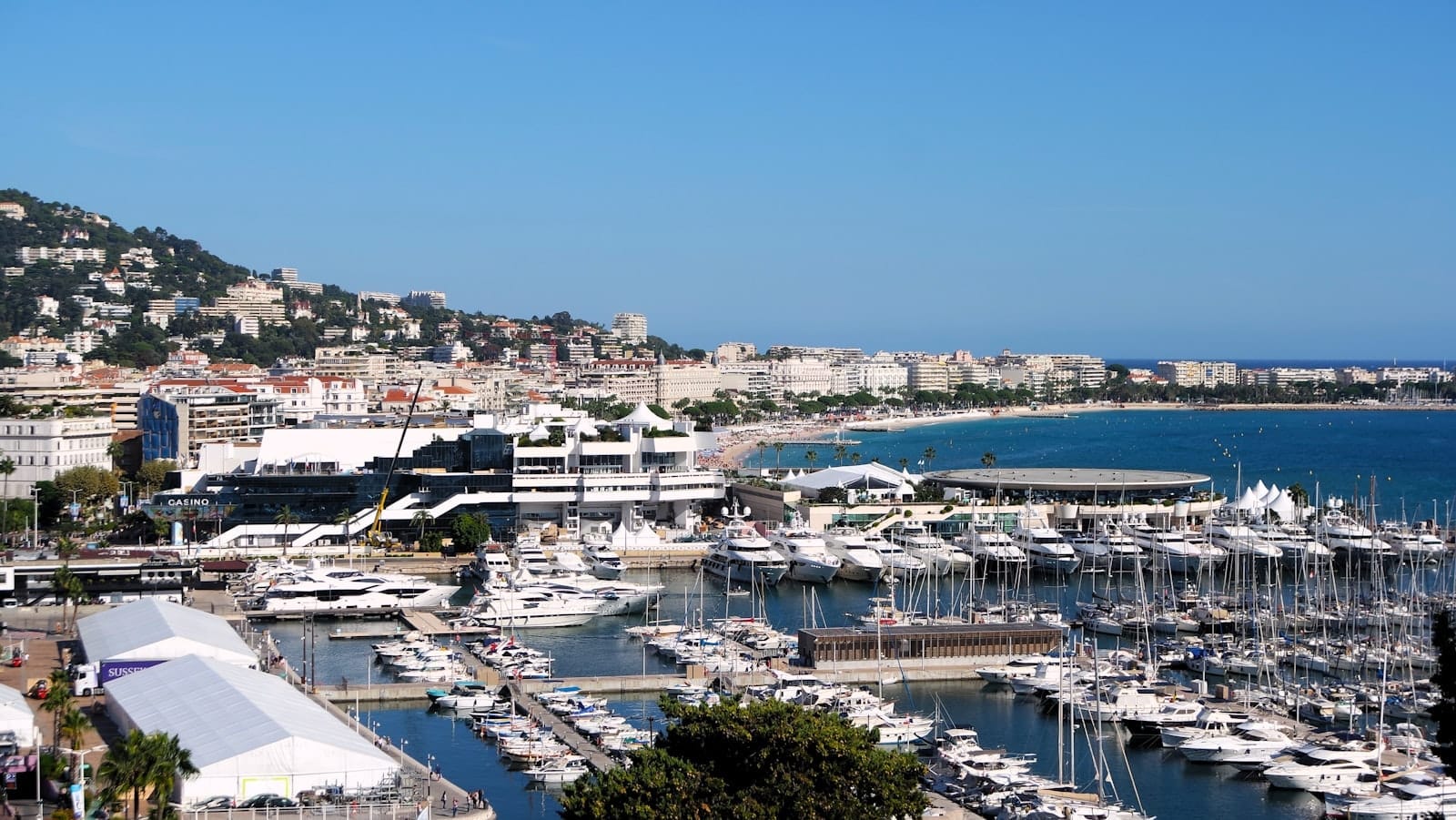
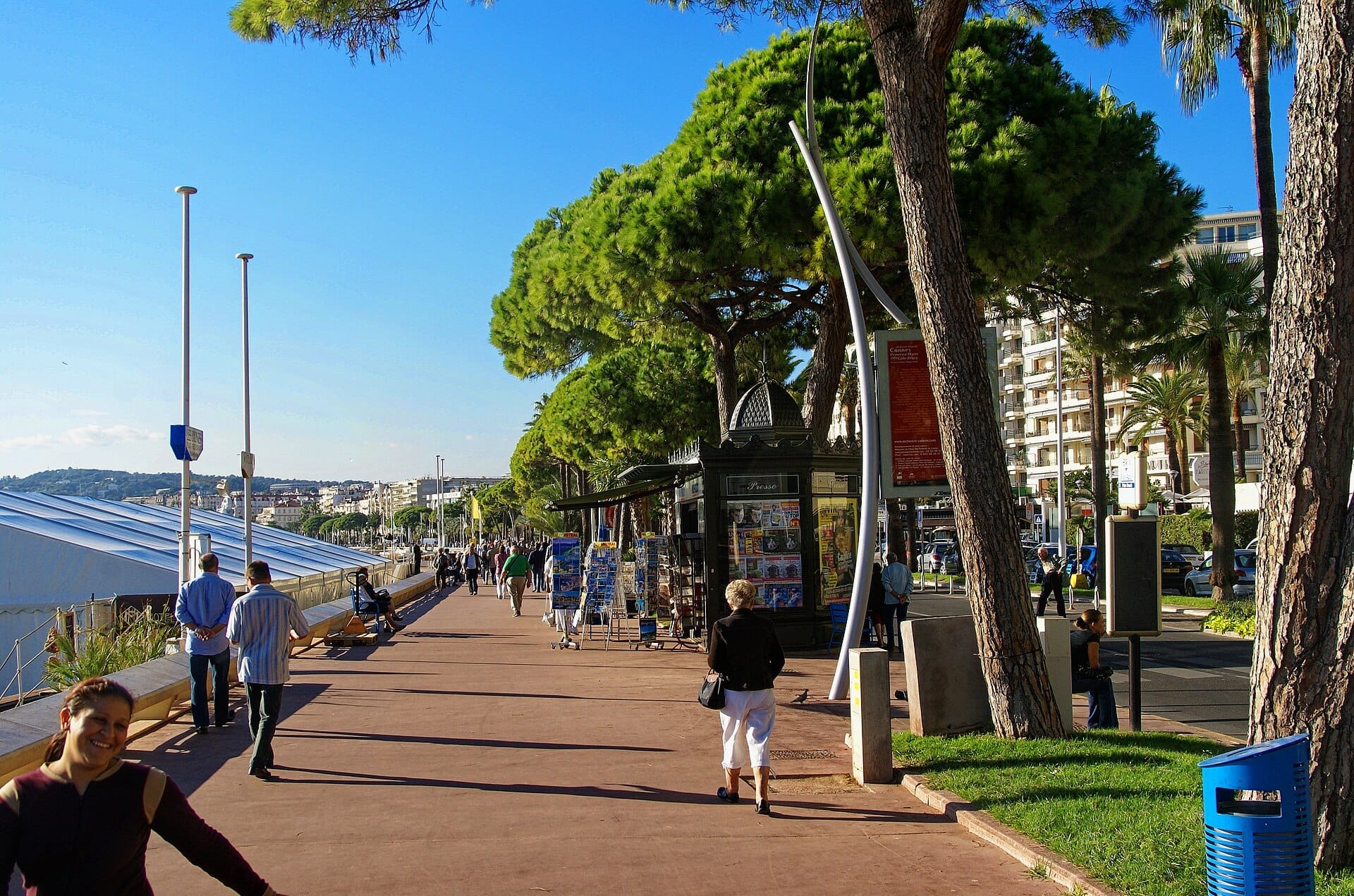
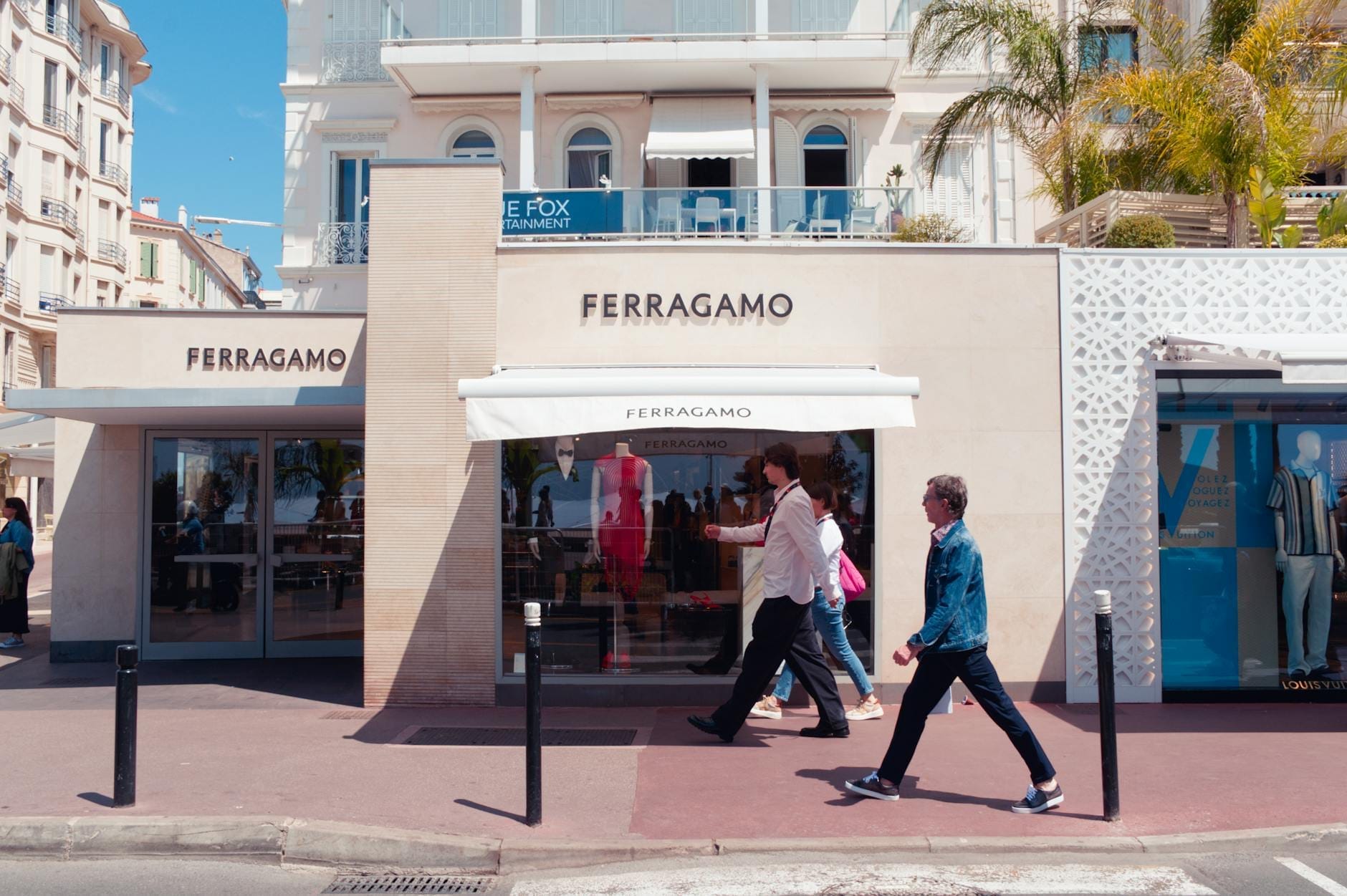
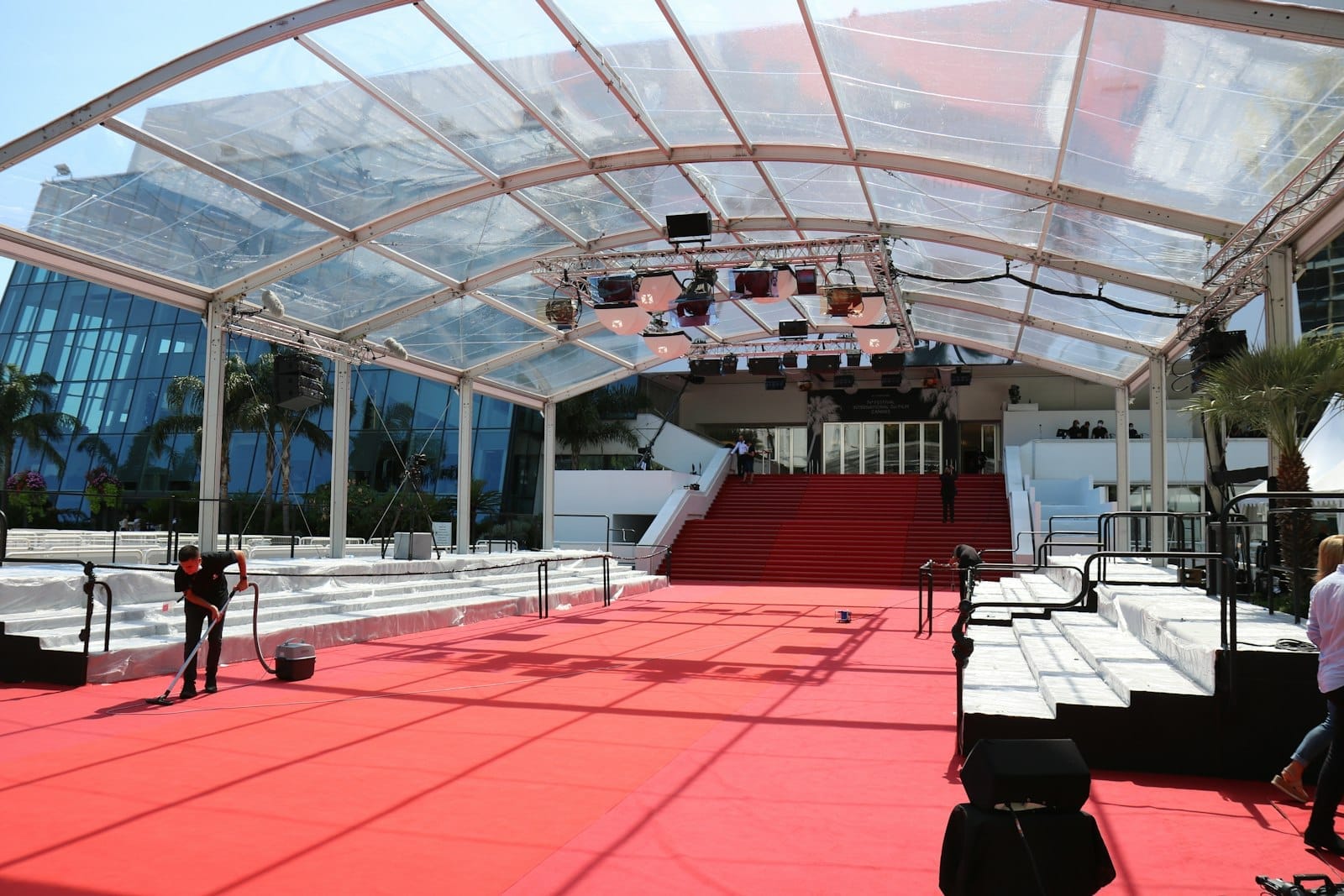
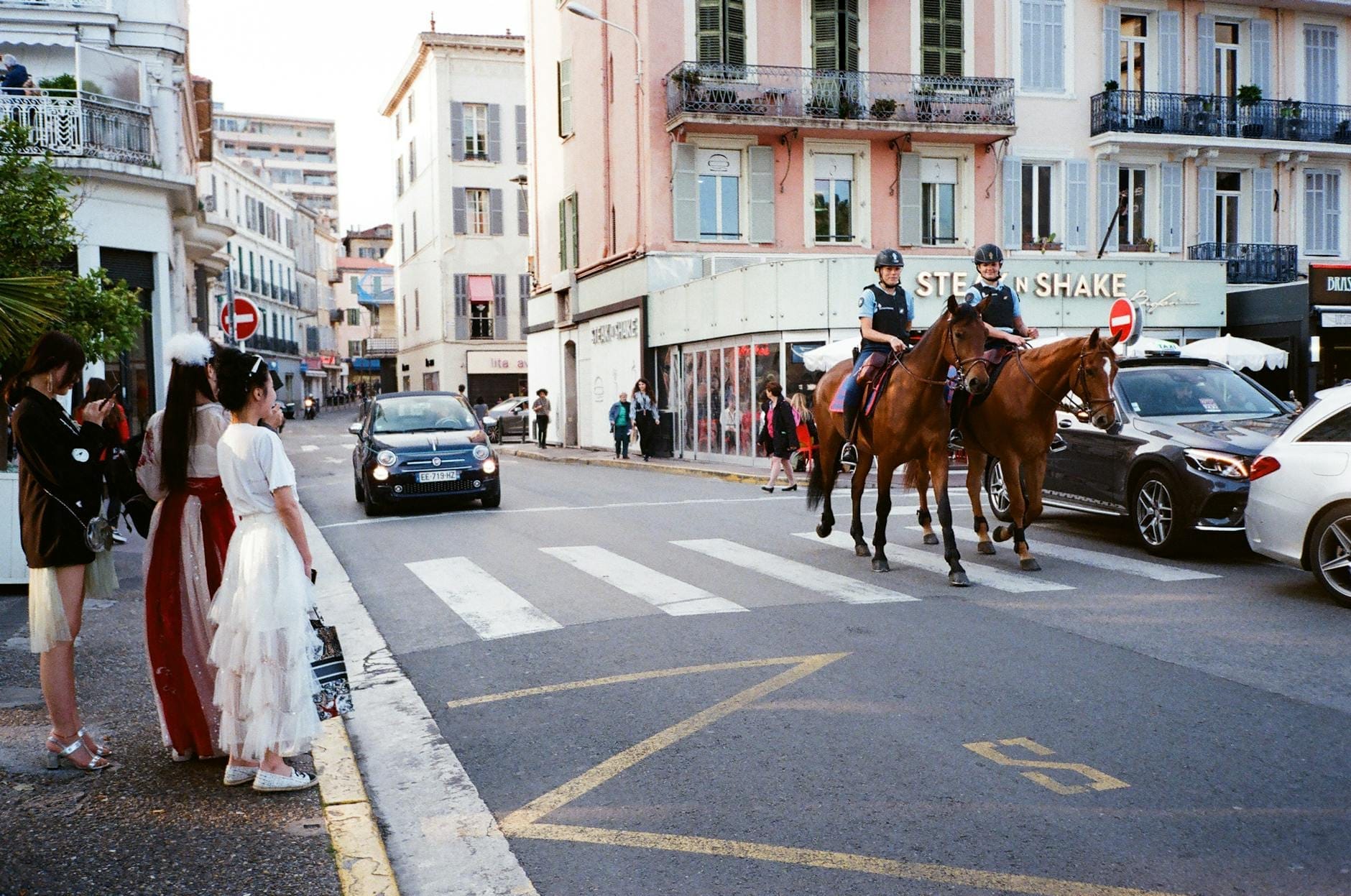
La Croisette is the defining address of Cannes: an approximately 2-kilometer promenade stretching from the Palais des Festivals to Port Canto, lined with palace hotels, designer boutiques, and private beach clubs. It is where the city performs its most glamorous version of itself, and where the Mediterranean sets the backdrop for everything from morning joggers to red-carpet ceremonies.
La Croisette is the boulevard that put Cannes on the world map. Running for about two kilometers along the Baie de Cannes, it is the city's most theatrical address: a place where film stars, luxury hotels, and the open sea share the same stretch of coastline. Nothing in Cannes quite prepares you for walking it the first time.
Orientation
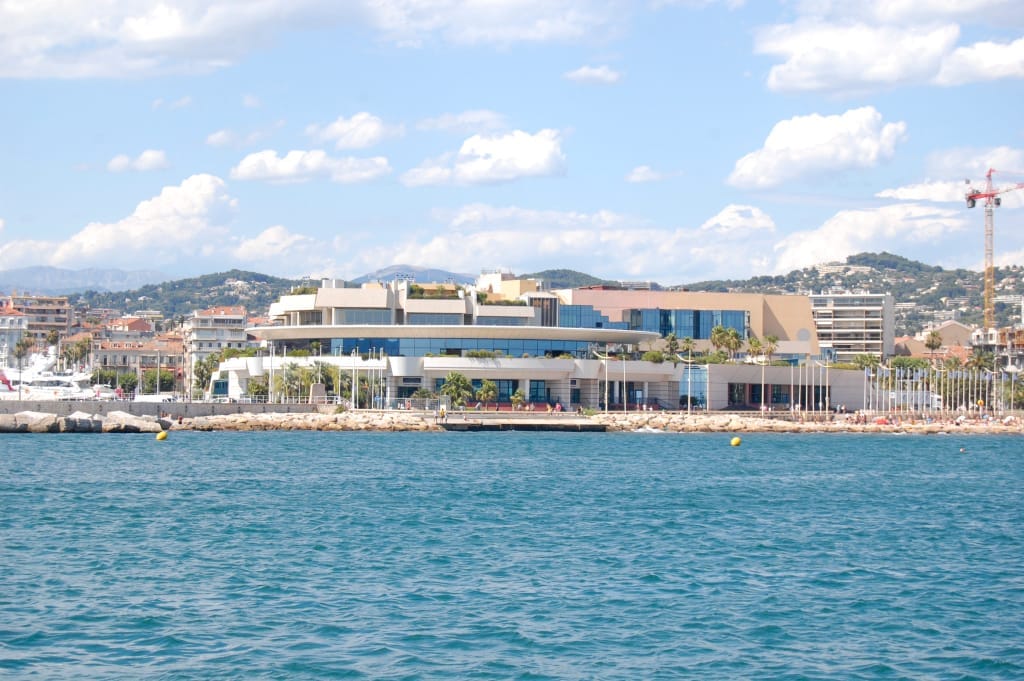
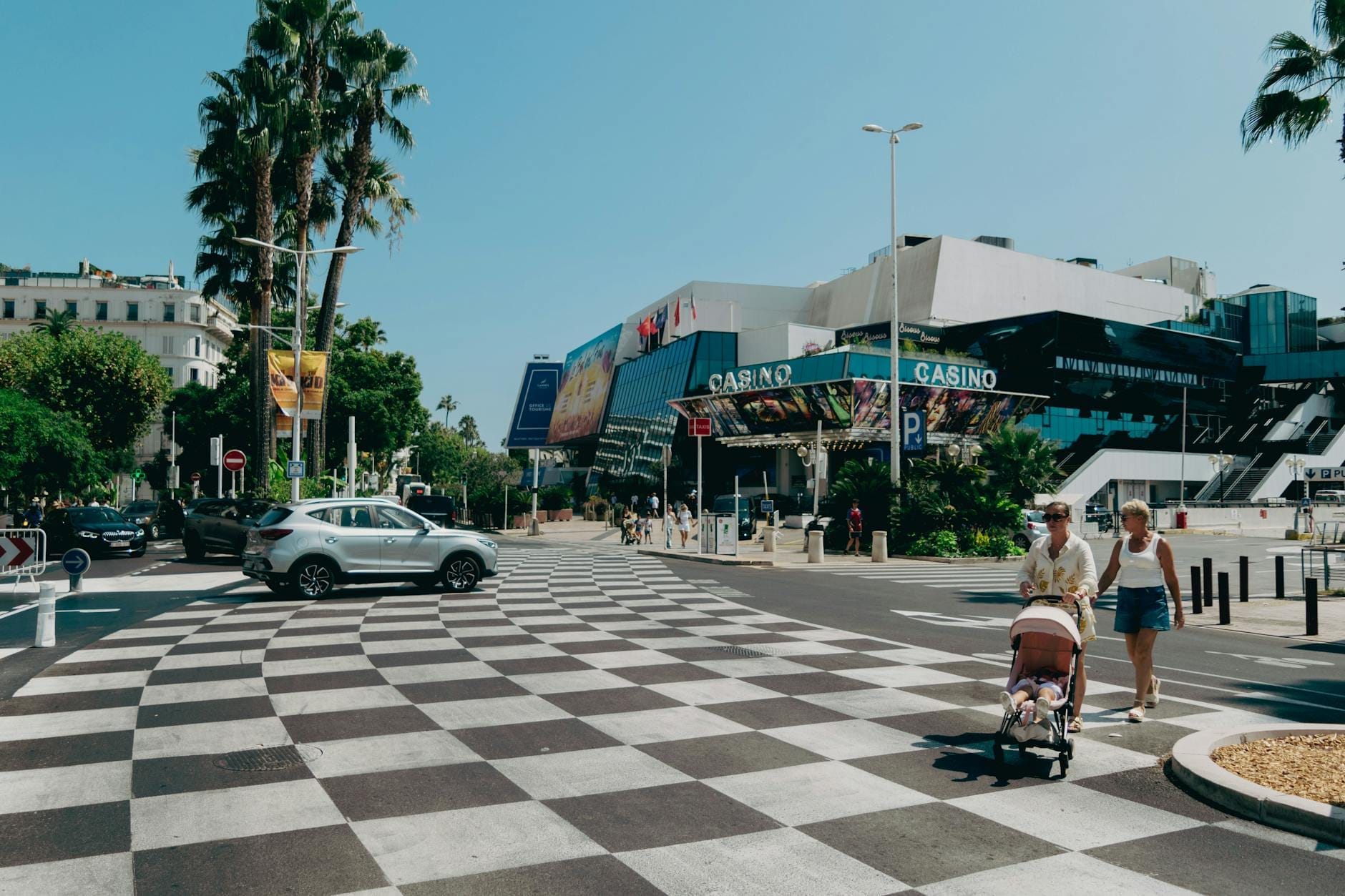
La Croisette begins at the western end beside the Palais des Festivals et des Congrès — the concrete congress hall that anchors the city's cultural identity — and runs east for approximately 2 kilometers until it reaches Port Canto, a yacht anchorage at the far end of the bay. The boulevard forms the southern edge of the city center, with the Mediterranean Sea and a series of beach clubs on one side and a continuous line of hotels, boutiques, and residences on the other.
To the west, La Croisette blurs into the Vieux-Port area and Le Suquet, Cannes' old hilltop quarter. The port itself — Quai Saint-Pierre — sits just behind the Palais des Festivals, making the transition between the historic quarter and the modern promenade seamless on foot. To the north, roughly parallel to the boulevard and one block inland, runs Rue d'Antibes, the city's main commercial shopping street. Most of central Cannes is reachable from anywhere on La Croisette within a 10 to 15 minute walk.
The boulevard itself is long and linear, which makes orientation simple: you are always either heading toward the Palais des Festivals (west) or toward Port Canto (east). The postcode is 06400, and the full postal address reads Boulevard de la Croisette, Cannes. Street numbers run from the western end, so lower numbers are near the Palais and higher numbers are toward Port Canto.
ℹ️ Good to know
The wide pedestrian promenade runs between the road and the beach, separated from vehicle traffic by palm trees and flowerbeds. It is free to walk at all hours and accessible to wheelchairs and strollers along most of its length.
Character & Atmosphere
La Croisette shifts register several times throughout the day, and understanding those shifts helps you decide when to be there and for what purpose. Early morning is its quietest and most local hour. By 7am, the promenade belongs to joggers, dog walkers, and hotel staff setting out beach furniture. The light comes in low from the east, turning the bay a pale gold, and the Îles de Lérins sit clearly on the horizon. The air smells of salt and damp sand. This is, frankly, the most beautiful the boulevard ever looks.
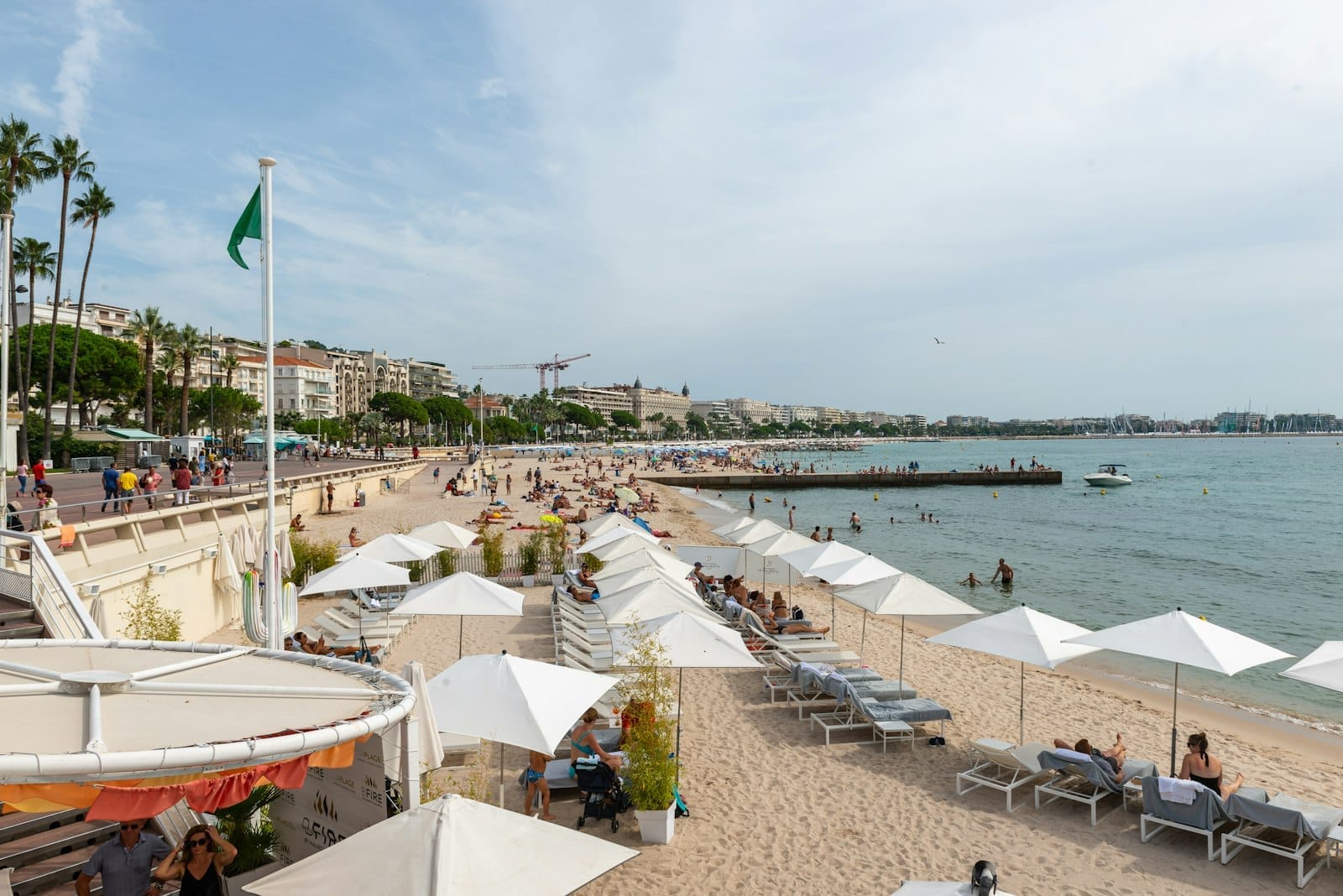
By mid-morning, the beach clubs are open and the sun umbrellas are unfolded. The café terraces at the palace hotels fill with guests nursing espressos, and the promenade begins to attract a steady stream of tourists walking the length of the strip. From around noon until late afternoon in summer, La Croisette is at full intensity: the heat bounces off the pale pavement, the beach is packed, and the road carries a slow procession of luxury cars. If you are here purely for the spectacle of Cannes doing what Cannes does, this is the hour to walk it.
After sunset, the boulevard takes on a different quality. The palace hotels are lit up, their facades reflecting off the sea, and the promenade fills with people out for an evening stroll rather than purposeful sightseeing. Restaurants and beach clubs transition to dinner service. The atmosphere is noticeably more relaxed than at midday: the crowds thin, the heat eases, and the place briefly feels as elegant as its reputation suggests.
It is worth being honest about the trade-offs. La Croisette is one of the most photographed and consequently one of the most visited streets on the French Riviera. In July and August, and especially during the Cannes Film Festival in May, it can feel more like a stage set than a neighborhood. The beach clubs charge significantly for sunbeds and service. The boutiques are largely international luxury brands. If you come expecting a lived-in local quarter, you will be disappointed. What La Croisette actually offers is scale and spectacle: the combination of a great bay, great hotels, and the accumulated mythology of a century of glamour.
What to See & Do
The most iconic activity on La Croisette requires no booking and costs nothing: walking the promenade from end to end. The roughly 2-kilometer stretch takes around 25 to 30 minutes at a leisurely pace, and the changing views across the bay toward the Îles de Lérins make it worth doing in both directions. Along the way, the Boulevard de la Croisette delivers the visual catalogue that defines the city's image: cream and white palace facades, ranked palm trees, private beach terraces, and the constant presence of the sea.
At the western end, the red carpet steps of the Palais des Festivals are a genuine piece of cinematic history. The 24 steps where directors and actors have walked since the 1980s are open to the public year-round for photographs. Handprints of festival luminaries are set into the ground nearby on the Allée des Étoiles. It is touristy by definition, but the Palais steps carry enough accumulated cultural weight to be worth five minutes of anyone's time.
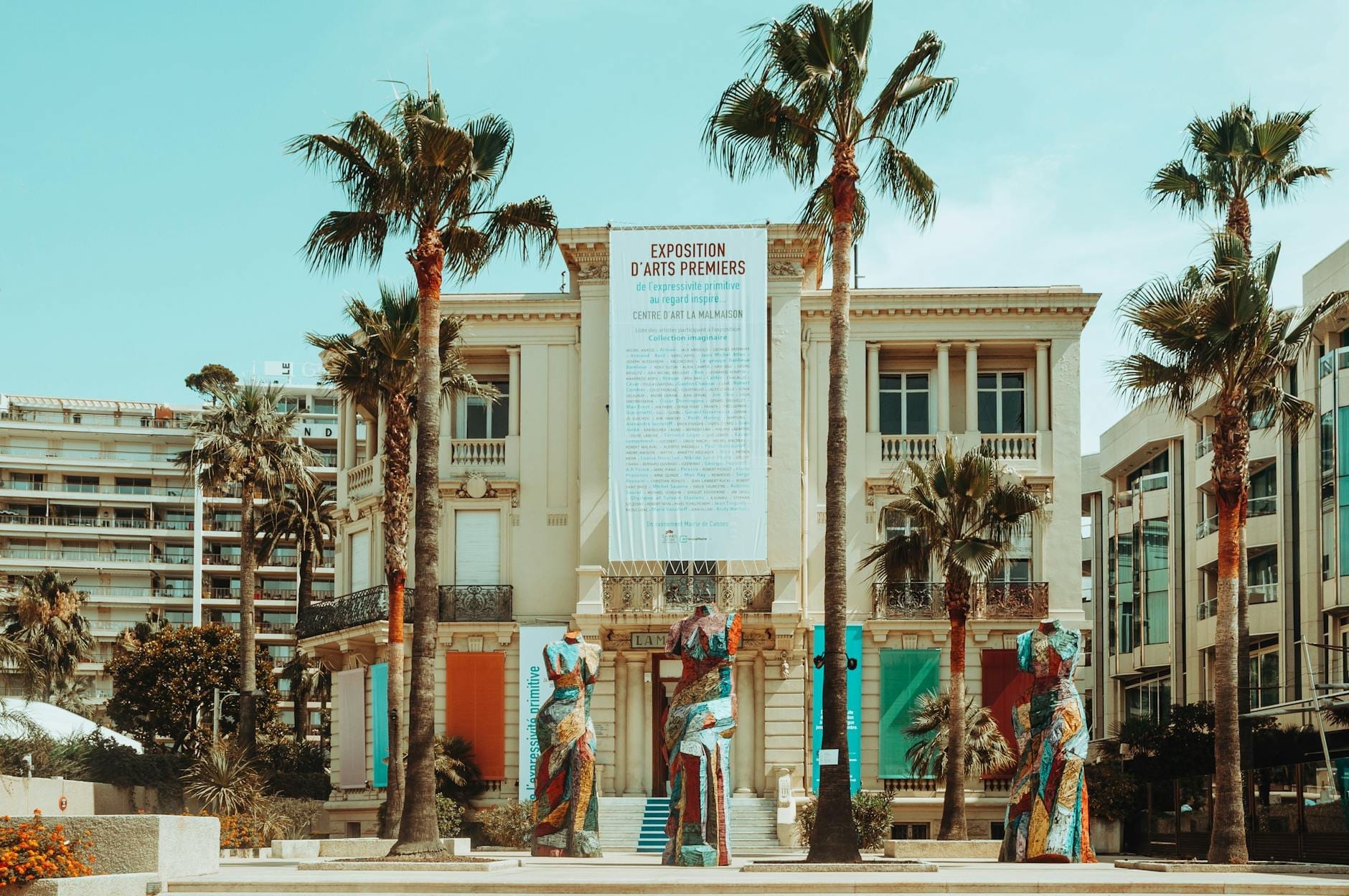
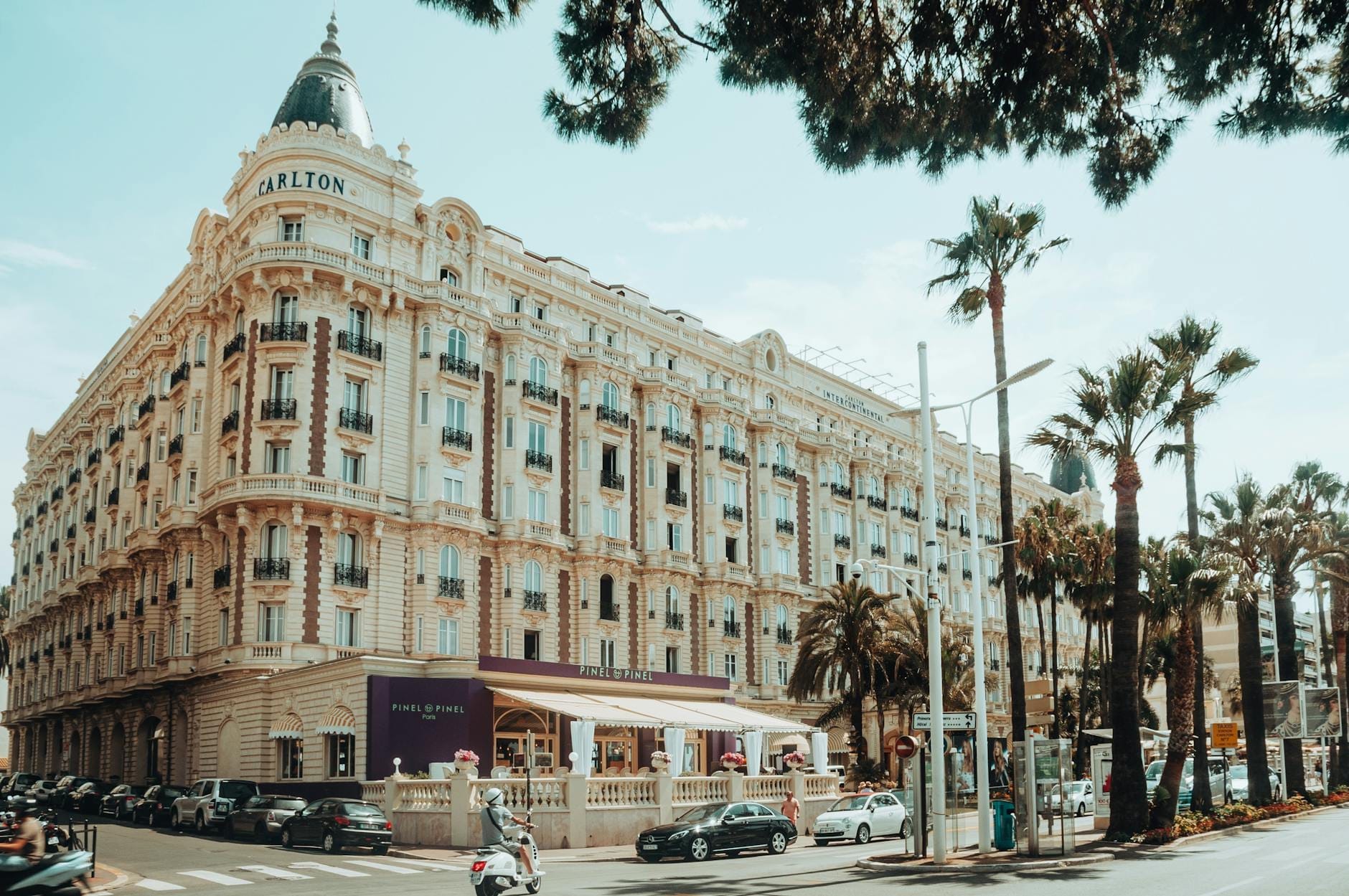
One block back from the beach, the Centre d'Art La Malmaison occupies a preserved belle-époque pavilion and hosts rotating contemporary art exhibitions throughout the year. It is a welcome pause from the scale of the boulevard, and admission is usually modest. Nearby, the Hôtel Carlton is worth stopping to look at even if you are not a guest: the twin cupolas modeled, reportedly, on the breasts of a celebrated courtesan, the immaculate white facade, the terrace where half the plot of Hitchcock's To Catch a Thief supposedly unfolds. It is one of the great hotel buildings in Europe.
Walk the full promenade at least once, ideally at sunrise or after sunset
Photograph the Palais des Festivals steps and the Allée des Étoiles handprints
Visit Centre d'Art La Malmaison for rotating contemporary exhibitions
Look at the Carlton, Martinez, and Majestic hotel facades from the promenade
Swim or sunbathe at Midi Beach, a free public beach area west of the main La Croisette strip
Rent a pedalo or kayak from beach operators in summer
Watch the boat traffic in the bay from the benches near Port Canto
For swimming without paying beach club prices, Midi Beach at the western end of the bay near the Palais des Festivals offers free public access to the water. The sand here is thinner and the location less scenic than the central stretch, but it is genuinely free and rarely as crowded as the private clubs directly on the boulevard.
Eating & Drinking
The food and drink options on La Croisette itself lean heavily toward hotel terraces, beach club restaurants, and upscale brasseries — all of which are good, some of which are exceptional, and most of which will test your budget. A coffee at one of the palace hotel terraces will cost three or four times what the same coffee costs one block inland on Rue d'Antibes. The trade-off is the view and the atmosphere, which at the right hour are worth the premium.
The beach club restaurants that line the central section of the boulevard are the most emblematic dining experience on La Croisette. Lunching here on a warm day — feet nearly in the sand, the Mediterranean in front of you, a glass of local rosé on the table — is one of the defining Cannes experiences. Expect to pay for it: a full lunch at a serious beach club often reaches 60 to 100 euros per person before wine. Some clubs have minimum spends on sunbeds that roll into food and drink credit, so the economics can be more favorable than the prices suggest.
For more affordable eating, the practical move is to step one block north to Rue d'Antibes, where bakeries, casual bistros, and neighborhood restaurants serve genuine food at genuine prices. The Marché Forville, just behind the Palais des Festivals near the port, is open Tuesday to Sunday mornings (Monday antiques) and sells excellent local produce, olives, cheese, and socca — the chickpea flatbread native to this stretch of the Riviera. It is one of the best and most honest food experiences in Cannes, and it is a 5-minute walk from the western end of La Croisette.
💡 Local tip
If you want to eat on or near La Croisette without paying beach club prices, look for the smaller café-restaurants tucked into the side streets between the boulevard and Rue d'Antibes. They serve straightforward French and Mediterranean menus at significantly lower prices than the waterfront properties.
Getting There & Around
Cannes' main railway station, Gare de Cannes, sits about 10 minutes on foot north of the Palais des Festivals end of La Croisette. Regional TER trains connect Cannes to Nice in roughly 30 to 40 minutes and to Antibes in around 15 minutes. This makes La Croisette one of the most accessible seafront promenades on the French Riviera by rail, and day trips from Nice or Antibes are entirely practical.
From Nice Côte d'Azur Airport (IATA: NCE), the fastest public transport option is the regional bus line LR 81, which connects the airport directly to Cannes in approximately 45 to 60 minutes, with a fare around 5 to 10 euros. A taxi or VTC from the airport (about 26 km from central Cannes) covers the drive in 30 to 45 minutes depending on traffic, but costs substantially more — typically in the range of 80 to 120 euros for a licensed taxi. Verify current fares and bus schedules before travel, as these change.
Within Cannes, the Palmbus network operates city bus routes that connect the railway station, the port, and points along La Croisette. For most visitors staying centrally, though, the boulevard is most naturally explored on foot. The full 2-kilometer length of La Croisette takes about 25 to 30 minutes to walk at a relaxed pace. For more on navigating the city, the getting around Cannes guide covers local transport options in detail.
Taxis have official stands near the Palais des Festivals and outside the major hotels. Uber also operates in Cannes, though availability varies outside peak hours. Cannes has no metro or tram; buses and legs are the practical options for most short journeys on or near La Croisette.
⚠️ What to skip
During the Cannes Film Festival (held annually in May, typically for 12 days), sections of La Croisette are subject to access restrictions for non-accredited visitors. The area around the Palais des Festivals becomes heavily cordoned, and traffic and parking are severely disrupted across the whole waterfront area. If you are visiting purely for sightseeing during this period, expect significant crowds and reduced access.
Where to Stay
La Croisette is home to some of the most famous hotels in France. The Hôtel Carlton (now InterContinental Carlton Cannes), the Hôtel Martinez, and the Hôtel Majestic Barrière are all palace-category properties directly on the boulevard, with rates that reflect both their history and their location. Staying on La Croisette itself puts you in the heart of the action — and in July and August, in the heart of the noise. The Hôtel Carlton in particular is one of those hotels that is genuinely worth the experience at least once, if the budget allows.
For travelers who want access to La Croisette without paying waterfront prices, the blocks immediately north of the boulevard — between the Croisette and Rue d'Antibes — offer more moderately priced hotels with a 3 to 5 minute walk to the sea. The area around the Palais des Festivals end of the boulevard also provides easy access to the old port, Le Suquet, and Marché Forville, making it a practical base for exploring the wider city. The where to stay in Cannes guide compares all major neighborhoods for accommodation.
La Croisette suits travelers who prioritize waterfront location, the full-glamour Cannes experience, and proximity to the Palais des Festivals. It is less suitable for those traveling on a tight budget, those seeking quiet residential atmosphere, or those who find heavy tourist concentrations draining. Families with young children will find the promenade very walkable, though beach costs add up quickly if you rely exclusively on the private clubs.
ℹ️ Good to know
Dress codes apply at some La Croisette venues. Upscale restaurants and the Casino Barrière typically require smart attire in the evening. Festival evening screenings at the Palais require formal dress, including black tie for red carpet events. Check specific venue requirements before booking.
La Croisette and the Wider City
La Croisette is only one facet of Cannes, and its visitors who spend their entire time on the boulevard leave with an incomplete picture of the city. A 10-minute walk west from the Palais des Festivals leads into Le Suquet, where the streets narrow, the prices drop, and the city's age becomes apparent in the stone walls and rooftiles. The contrast is striking and worth making deliberately.
From the port at the western end of La Croisette, ferries depart regularly for the Îles de Lérins — Sainte-Marguerite and Saint-Honorat — which sit clearly visible in the bay from anywhere on the promenade. A half-day trip to either island completely changes the register of a Cannes visit, trading the boulevard's noise and density for pine forests and near-empty coves. The Lérins Islands guide covers ferry times, costs, and what to do on each island.
Inland from the eastern stretch of La Croisette, the residential hillside district of La Californie climbs above the bay with large villas and panoramic views. Further east along the coast from Port Canto, Palm Beach Casino marks the point where La Croisette officially ends and the coast road continues toward Antibes. That eastern section of the boulevard is quieter and more residential than the central strip, and the walk from Port Canto back toward the Palais at golden hour, with the bay light shifting, is one of the better free experiences Cannes offers.
TL;DR
La Croisette is a 2-kilometer seafront promenade running from the Palais des Festivals to Port Canto — the defining address of Cannes and one of the most famous boulevards on the French Riviera.
Best visited at sunrise for beauty, midday for spectacle, and after sunset for atmosphere. Peak summer and Film Festival season bring serious crowds and restricted access near the Palais.
Eating and drinking directly on the boulevard is expensive; budget-conscious visitors should explore Rue d'Antibes and Marché Forville one block inland.
Ideal for travelers who want the full Cannes experience: palace hotels, beach clubs, the Palais des Festivals, and the Mediterranean at their doorstep.
Not suited to those seeking authentic local life, quiet residential atmosphere, or tight-budget travel — but essential to visit for at least a few hours regardless of where you are staying in Cannes.
Two days is genuinely enough to cover the best of Cannes, from the famous seafront promenade to the medieval hilltop quarter and the islands just offshore. This itinerary cuts through the noise with a practical, day-by-day plan, honest timing estimates, and the local details that make the difference between a rushed visit and a memorable one.
Cannes is a year-round destination, but each season delivers a completely different experience. This guide breaks down the weather, crowd levels, hotel prices, and key events by season so you can choose the timing that actually fits your trip.
Cannes has around 7 kilometres of coastline and far more beach variety than its Film Festival image suggests. This guide covers every type of beach experience: free public stretches, glamorous private clubs on the Croisette, and the wild coves of the Lérins Islands just offshore.
The Cannes Film Festival is the world's most prestigious cinema event, but it's also one of the most misunderstood. This guide breaks down exactly who can attend, how accreditation works, what ordinary visitors can experience, and how to plan logistics around the festival dates.
Cannes has a reputation for luxury, but visiting on a budget is entirely realistic if you know when to go, where to eat, and how to get around. This guide breaks down the real costs, the genuine free experiences, and the practical moves that keep your spending in check without missing what makes Cannes worth the trip.
Cannes, France offers far more than film festival glamour when it comes to retail. This guide covers the city's two main shopping corridors, the best local markets, neighborhood finds, VAT refund tips for non-EU visitors, and straightforward advice on what to skip.
Monaco is one of the most rewarding day trips from Cannes, and it is easier to reach than most visitors expect. This guide covers every transport option, the key sights to prioritise, timing advice for cruise passengers, and what to skip if your day is short.
Two iconic cities, one coastline, very different experiences. This guide breaks down the real differences between Cannes and Nice across beaches, budget, transport, atmosphere, and events — so you can choose the one that fits your trip, or figure out how to do both.
Cannes is compact enough to explore entirely on foot, yet layered enough to reward a full day of walking. This guide covers the best self-guided route through the city, from the medieval hilltop of Le Suquet to the glamour of La Croisette, with practical tips on timing, stops, and what to skip.
Everything you need to know about getting around Cannes, from arriving via Nice Côte d'Azur Airport to navigating the city on foot, by bus, train, taxi or bike. Includes fares, routes, parking tips and regional connections along the French Riviera.
Cannes has a reputation for exclusivity that puts many travelers off before they even book a train ticket. This guide cuts through the glamour to answer the real question: what does Cannes offer the average visitor, what does it actually cost, and when should you go?
Just 15 minutes by ferry from Cannes, the Lérins Islands offer a striking contrast to the Riviera's glamour: pine forests, a royal fortress, and a monk-owned vineyard. Here is everything you need to plan a visit, from ferry operators and current fares to what is worth your time on each island.
Cannes is far more than a film festival backdrop. This guide covers the best things to do in Cannes, France, from historic hilltop walks and island escapes to seafront promenades, local markets, and practical planning tips for every season.
Cannes is far more than film festivals and luxury hotels — it sits at the heart of one of France's richest culinary traditions. This guide covers the essential dishes, where to find them, what to pay, and which traps to avoid when eating your way through the French Riviera.
Choosing where to stay in Cannes shapes your entire trip. This guide covers every major neighborhood, the full range of accommodation types from the iconic Hotel Martinez to budget picks near the train station, and clear advice on when to book and what to avoid.