Best Time to Visit Cannes, France: A Month-by-Month Guide
Cannes is a year-round destination, but each season delivers a completely different experience. This guide breaks down the weather, crowd levels, hotel prices, and key events by season so you can choose the timing that actually fits your trip.
Plan and book this trip
Tools from our partner Travelpayouts help you compare flights and hotels. If you book through them, we may earn a commission at no extra cost to you.
Flights
Hotels map
TL;DR
- May and June are the sweet spot: warm weather, manageable crowds, and lower prices than peak summer — but book early if the Film Festival falls during your stay.
- July and August are peak season: hot, expensive, and crowded, but ideal if beach time is your priority.
- September is arguably the best value month: summer warmth lingers, prices drop, and beaches thin out significantly.
- Winter (November to February) is genuinely underrated for exploring Le Suquet, markets, and the islands without the crowds.
- No month is a bad time to visit — the Mediterranean climate keeps things mild even in winter, with average January highs around 13–14°C.
Understanding Cannes' Climate Before You Book
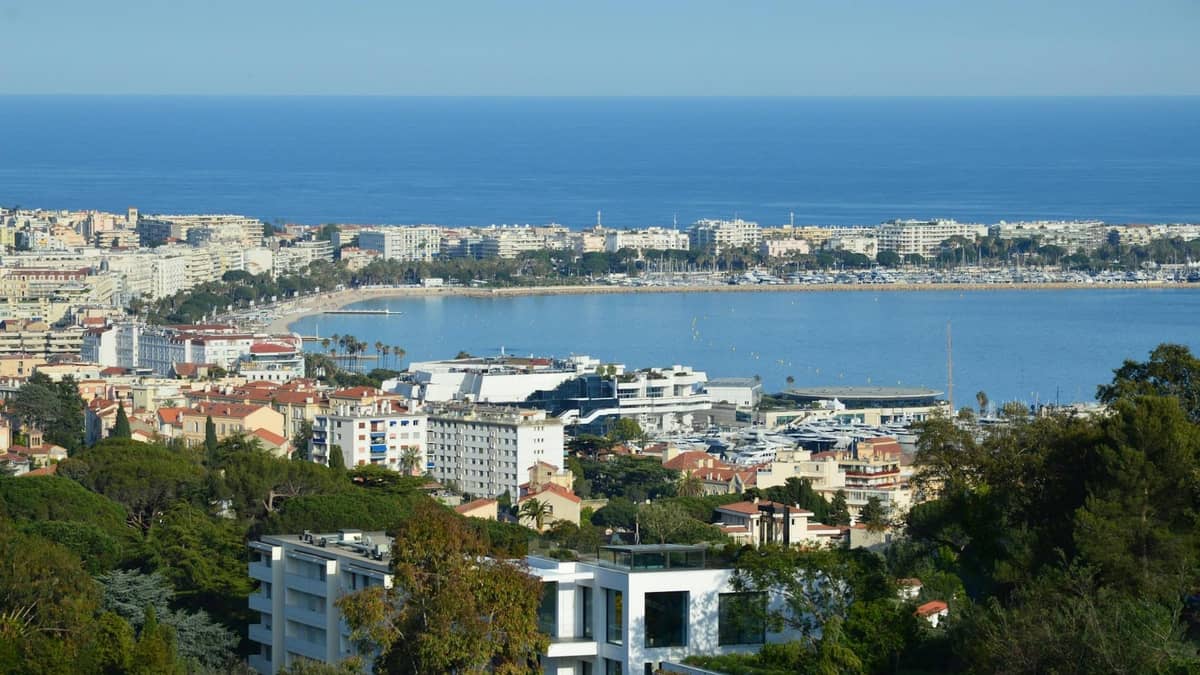
Cannes sits on the Bay of Cannes at roughly 43.5°N latitude, sheltered by the Alpes-Maritimes foothills to the north. The result is a textbook Mediterranean climate — Köppen classification Csa — with hot, dry summers and mild, occasionally rainy winters. Average summer highs reach 26–28°C, while January typically stays around 12–13°C during the day and drops to 5–6°C at night. This is not a destination that shuts down in winter.
Rainfall follows a predictable seasonal pattern. Summer (June to August) is very dry, which is one reason the beaches are so dependable. Autumn, particularly October and November, sees the heaviest precipitation as Mediterranean low-pressure systems roll in. Late winter can also bring wet spells, but genuine rain rarely lasts more than a day or two at a stretch. According to Météo-France long-term climate data for the Cannes-Mandelieu station, average annual rainfall is concentrated outside the summer months, with July among the driest months of the year.
ℹ️ Good to know
Sea temperatures matter for swimming. The Mediterranean off Cannes is warmest from July to September (around 23–26°C). In May and early June it typically sits around 18–20°C — pleasant for a quick dip but bracing for long swims. By October it's cooling fast, below 20°C.
Season by Season: What to Expect
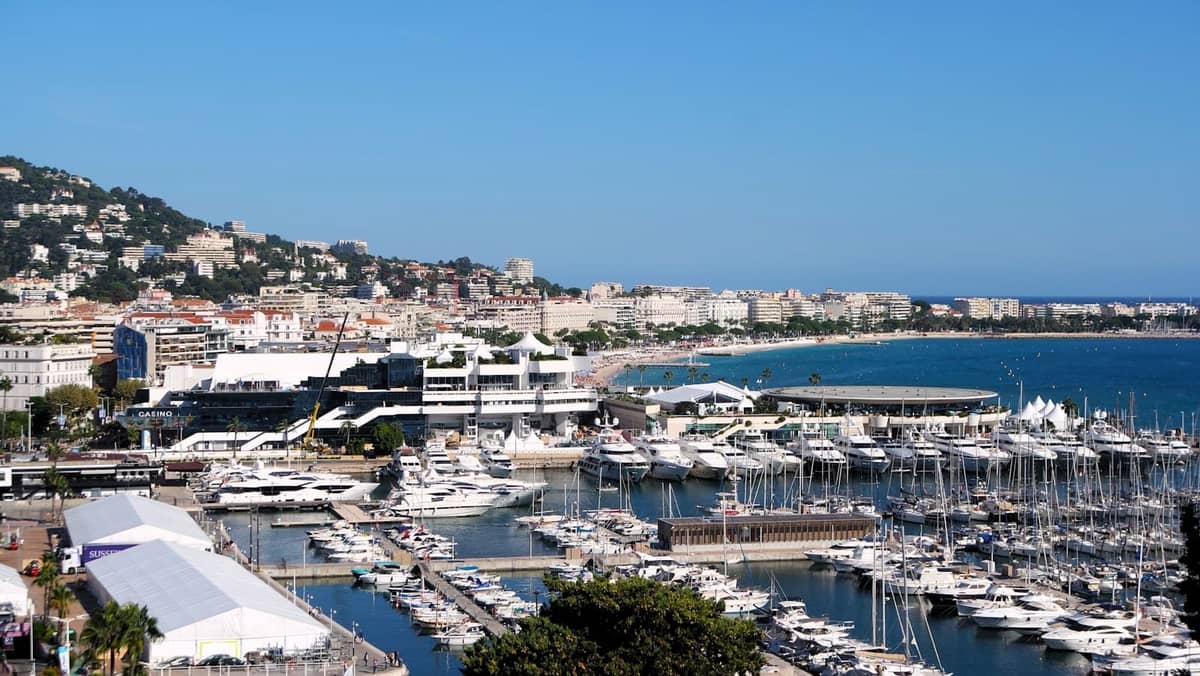
Spring (March to May) is when Cannes wakes up. March is still relatively quiet — daytime temperatures around 14–15°C, occasional showers, and a palpable off-season calm along La Croisette. By April, outdoor café terraces fill, boat services to the Îles de Lérins run more regularly, and the city begins its pre-summer preparations. May is complicated by one enormous event.
The Cannes Film Festival takes place over approximately 12 days in mid-to-late May (the 2026 edition is scheduled for 12–23 May). During this period, hotel prices surge dramatically — often doubling or tripling standard rates — and rooms within walking distance of the Palais des Festivals sell out many months in advance. If you are not attending the festival, planning around those dates or booking six-plus months out is the only sensible approach.
Summer (June to August) is peak season in every sense. June is the most comfortable summer month: warm (averaging around 25°C), sunny, and not yet overwhelmed. July and August push the mercury toward 28°C and above, the beaches fill daily, and the main waterfront hotels charge their highest rates of the year. Traffic on the Corniche and into the city centre can be genuinely frustrating, particularly on weekend afternoons in August. That said, if your goal is beach days, cold rosé, and evening strolls along the seafront, this is when Cannes delivers exactly that.
Autumn (September to November) deserves more credit than it gets. September is exceptional: the summer heat softens to a very comfortable 24–25°C, the sea remains warm enough for swimming, hotel prices begin to fall, and the beach clubs thin out noticeably after the first week of the month. It is a strong month for visiting the Îles de Lérins without the midsummer queues for the ferry. October is still mild (highs around 18–20°C) but rainfall becomes more likely. November marks the transition to low season, with some beach-facing establishments closing or reducing hours.
Winter (December to February) is Cannes at its most local. The promenade along La Croisette is peaceful in a way that is impossible from June to September. Average highs sit at 12–14°C, which is cold by Riviera standards but genuinely mild compared to most of northern Europe. Cannes hosts MIPIM (a major property conference) in March and various MICE events through the winter, which means some hotels stay busier than you might expect. For leisure travelers, though, this is low-season pricing with genuine calm.
The Best Time to Visit Cannes for Different Types of Trips
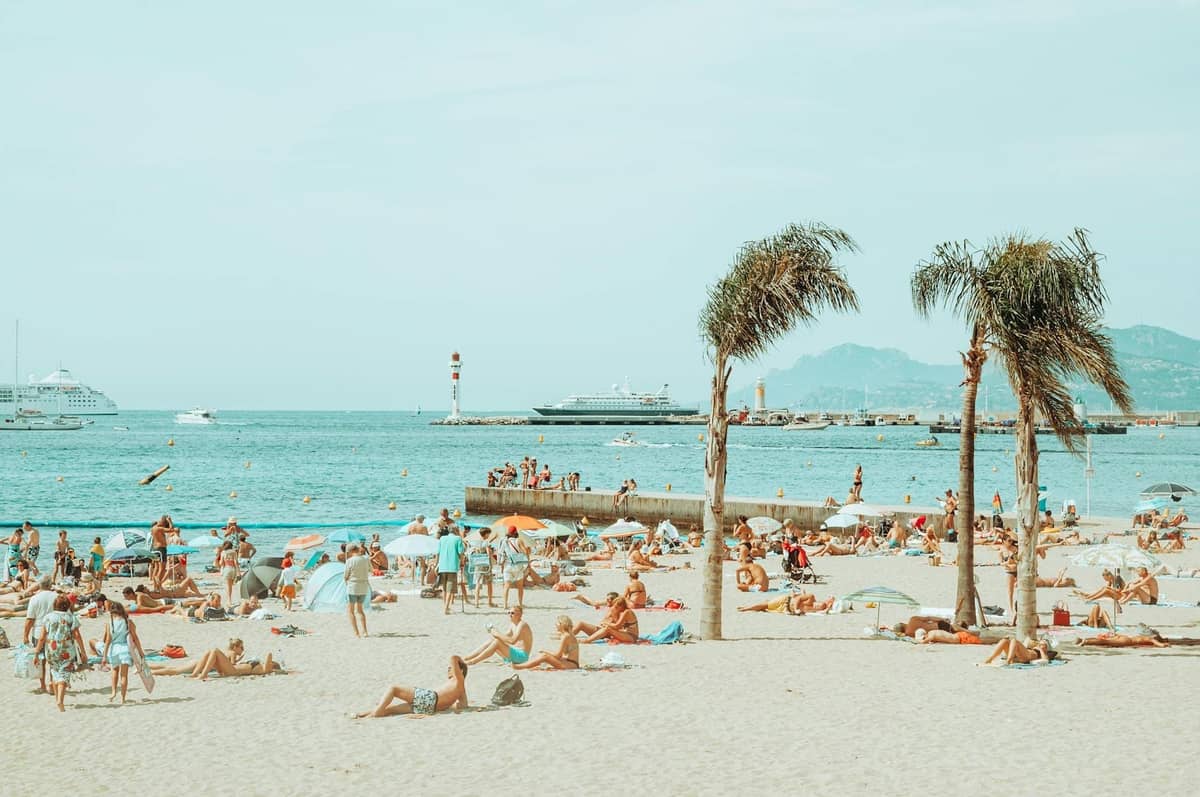
- Beach and swimming Late June through September. Sea temperatures peak in July–August (24–26°C). September is the ideal compromise — warm water, thinner crowds.
- Sightseeing and culture March to May (avoiding Film Festival dates) or October to November. Cooler temperatures make walking Le Suquet's steep lanes and exploring the old port far more enjoyable.
- Budget travel November through February offers the lowest hotel rates. Avoid March if MIPIM coincides with your dates — it inflates accommodation prices noticeably.
- Cannes Film Festival experience Mid-to-late May. Plan at least six months ahead for accommodation. Public access to festival screenings is limited; the real draw is the atmosphere around the Palais and along the Croisette.
- Day trips to Monaco, Nice, or the islands Spring and autumn. The coastal train runs year-round and is least crowded outside summer. The Lérins ferry also runs year-round from the Vieux-Port, though summer frequency is much higher.
Events That Affect Crowds and Prices Year-Round
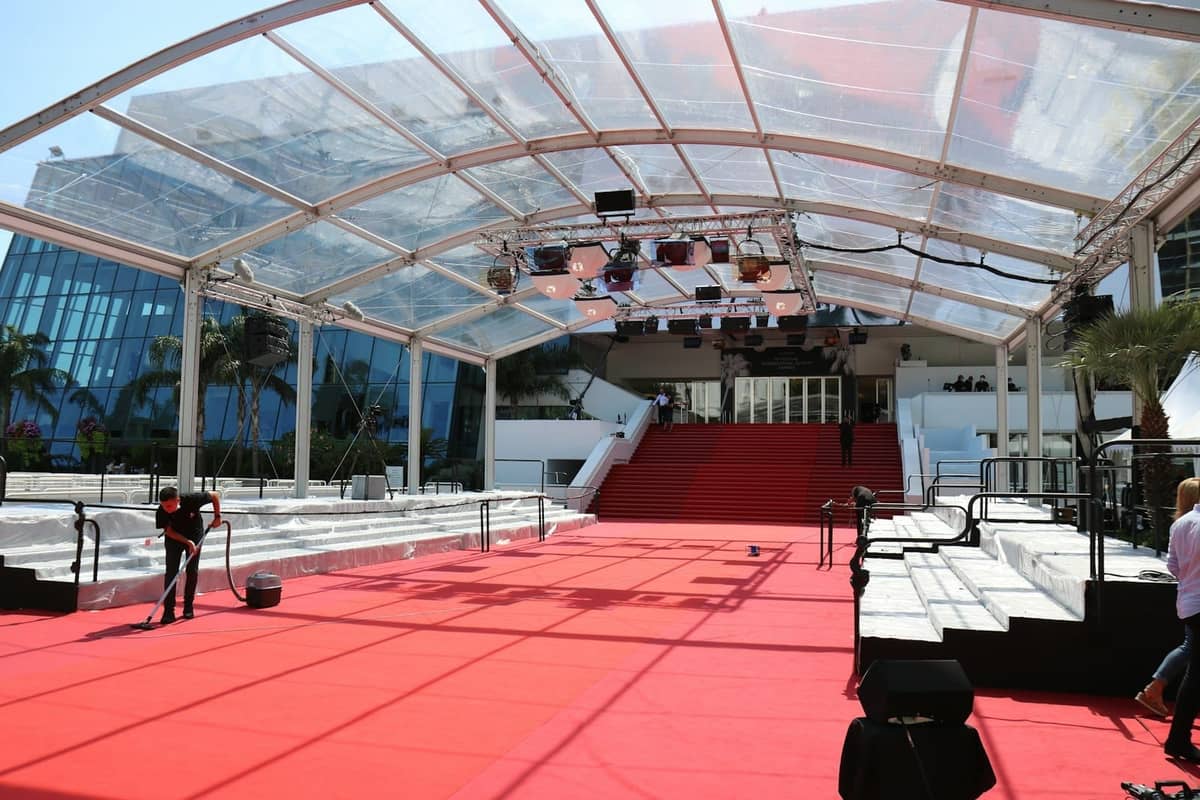
The Cannes Film Festival is the obvious one, but the Palais des Festivals et des Congrès runs a near-continuous calendar of professional congresses, trade fairs, and consumer events that keep the city busier than its roughly 74,000-person population would suggest. MIPIM (real estate, March) and Cannes Lions (advertising, June — scheduled for 15–19 June 2026) are the two most significant in terms of hotel demand spikes outside of the Film Festival. If you are traveling in those windows purely for leisure, rates can be surprisingly high for what appears to be a quiet time of year.
For purely leisure travelers, the events that enhance rather than complicate a visit include the Marché de Noël (Christmas market, typically December) near La Croisette and local festivals in Le Suquet during summer. The Marché Forville, Cannes' covered food market, operates year-round Tuesday through Sunday and is worth building a morning around regardless of when you visit.
⚠️ What to skip
Do not assume May is always expensive. The Film Festival occupies roughly 12 days of the month. If you book early May or after the festival ends (usually around the 25th), rates return to normal spring levels and the weather is excellent.
Month-by-Month Quick Reference
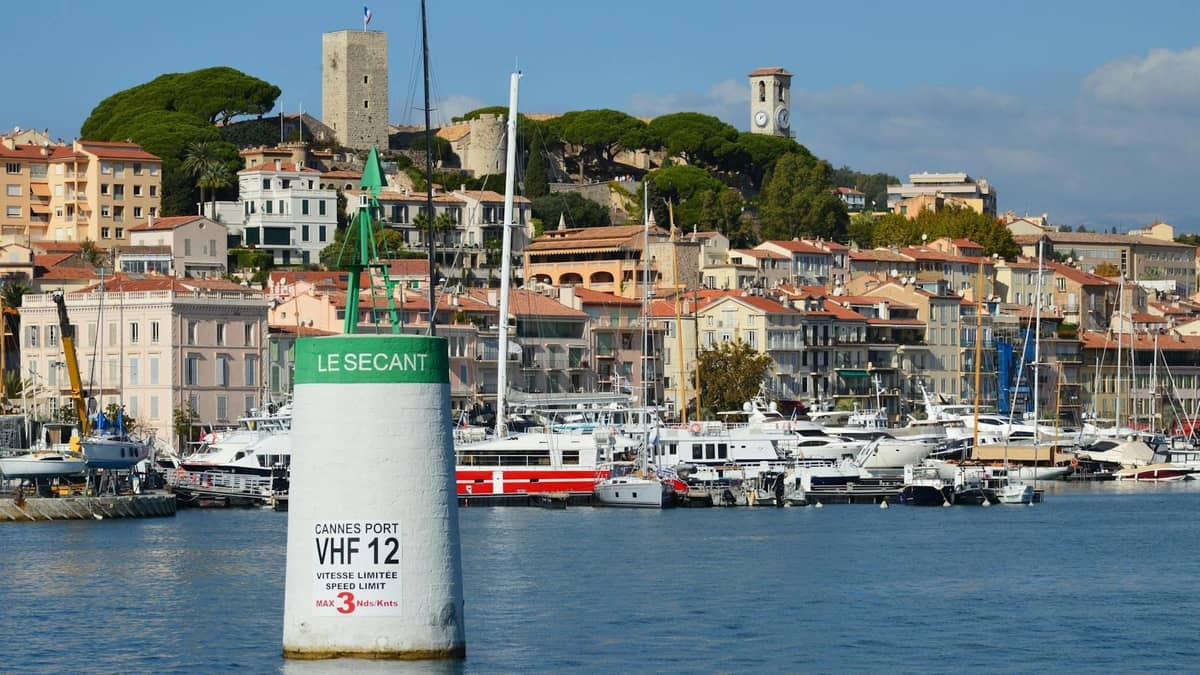
- January & February Mild (13–14°C highs), low crowds, lowest hotel prices. Good for exploring the old town, the Lérins Islands, and dining without reservations. Occasional rain.
- March Temperatures rise to around 15°C. MIPIM (property conference) spikes hotel demand mid-month. Otherwise a pleasant, quiet time to visit.
- April Spring arrives properly. Highs around 17–18°C, longer days, terraces open. Good value and manageable crowds. Some rain possible.
- May Best weather before summer heat. Cannes Film Festival (mid-to-late May) makes accommodation scarce and expensive for roughly two weeks. Book very early or avoid those dates.
- June Warm and sunny (around 25°C), sea warming up, beaches filling. Cannes Lions in late June adds a conference crowd but less disruptive than the Film Festival. Good overall balance.
- July & August Peak season. Hot (26–28°C), expensive, crowded on beaches and main streets. The Croisette is at its most animated. Book accommodation months in advance.
- September Excellent. Summer heat eases, crowds thin, prices drop. Sea still warm. The best overall month for a first visit combining weather, value, and comfort.
- October Pleasantly mild (19–20°C). Some beach clubs close. Hiking around Le Suquet and day trips to the islands are rewarding with autumn light. Rainfall increases.
- November & December Low season. Quieter, cheaper, and genuinely local in atmosphere. Christmas market in December. Some restaurants reduce hours or close for annual breaks.
Practical Planning Details
The main gateway airport is Nice Côte d'Azur (IATA: NCE), approximately 26 km from central Cannes by road. The regional bus line 81 (Région Sud network) connects the airport area to Cannes in around 60–70 minutes for roughly €3–€4. The TER regional train from Nice-Ville takes about 30–40 minutes and costs around €5–€9. A taxi or ride-hailing car (Uber operates in the area) runs roughly €70–€120 depending on time of day. For a more detailed breakdown of getting around once you arrive, see the getting around Cannes guide.
Cannes France sits in the Central European Time zone (UTC+1 in winter, UTC+2 in summer). The currency is the Euro. English is widely spoken in the tourism sector, though a few words of French go a long way in local restaurants and shops. Tap water is safe to drink throughout France, conforming to EU drinking water standards. For accommodation across budgets and neighborhoods, the where to stay in Cannes guide covers the main options by area and price range.
✨ Pro tip
If you are traveling in summer and want beach time without the July–August premium, target the first two weeks of June or the first two weeks of September. You get near-identical weather at 20–30% lower accommodation costs, and you can actually get a sun lounger without arriving at 8am.
For those weighing up whether Cannes is the right destination at all, a direct comparison with the alternative is useful. The Cannes vs Nice guide breaks down the practical differences in atmosphere, cost, and what each city does better. If you are planning a short visit and want to make every day count, the 2 days in Cannes itinerary is a good starting point.
FAQ
What is the best month to visit Cannes, France?
September is the strongest single month for most visitors: summer temperatures (around 24–25°C), a warm sea, noticeably fewer crowds than July–August, and lower hotel prices. May and June are close runners-up if you prefer slightly cooler weather and can book around the Film Festival dates in May.
Is Cannes worth visiting in winter?
Yes, with adjusted expectations. Cannes in January or February offers mild temperatures (13–14°C highs), very low prices, and a genuinely local atmosphere. You cannot swim comfortably and some seasonal restaurants reduce hours, but Le Suquet, the Vieux-Port, the Lérins Islands, and the markets are all accessible and far less crowded.
How does the Cannes Film Festival affect hotel prices?
Significantly. During the approximately 12-day festival (typically mid-to-late May), hotels near La Croisette and the Palais des Festivals can charge two to three times their usual rates, and availability is extremely limited. If you are not attending the festival, book very early or plan your trip for early May or after the festival ends.
When is the beach season in Cannes?
The sea is warm enough for comfortable swimming from late June through September, when water temperatures reach 24–26°C. Many beach clubs open from May and close in October, but the core swimming season is July, August, and September. The public beaches along La Croisette and at Midi Beach are free and accessible all year.
Is Cannes expensive to visit, and does the time of year affect costs?
Cannes can be expensive relative to other French cities, but timing makes a substantial difference. Peak costs hit in July–August and during major events like the Film Festival, MIPIM (March), and Cannes Lions (June). The cheapest periods are November through February, excluding any conferences at the Palais des Festivals. Shoulder seasons — April and September to October — offer the best balance of quality and price.