2 Days in Cannes: The Perfect Itinerary
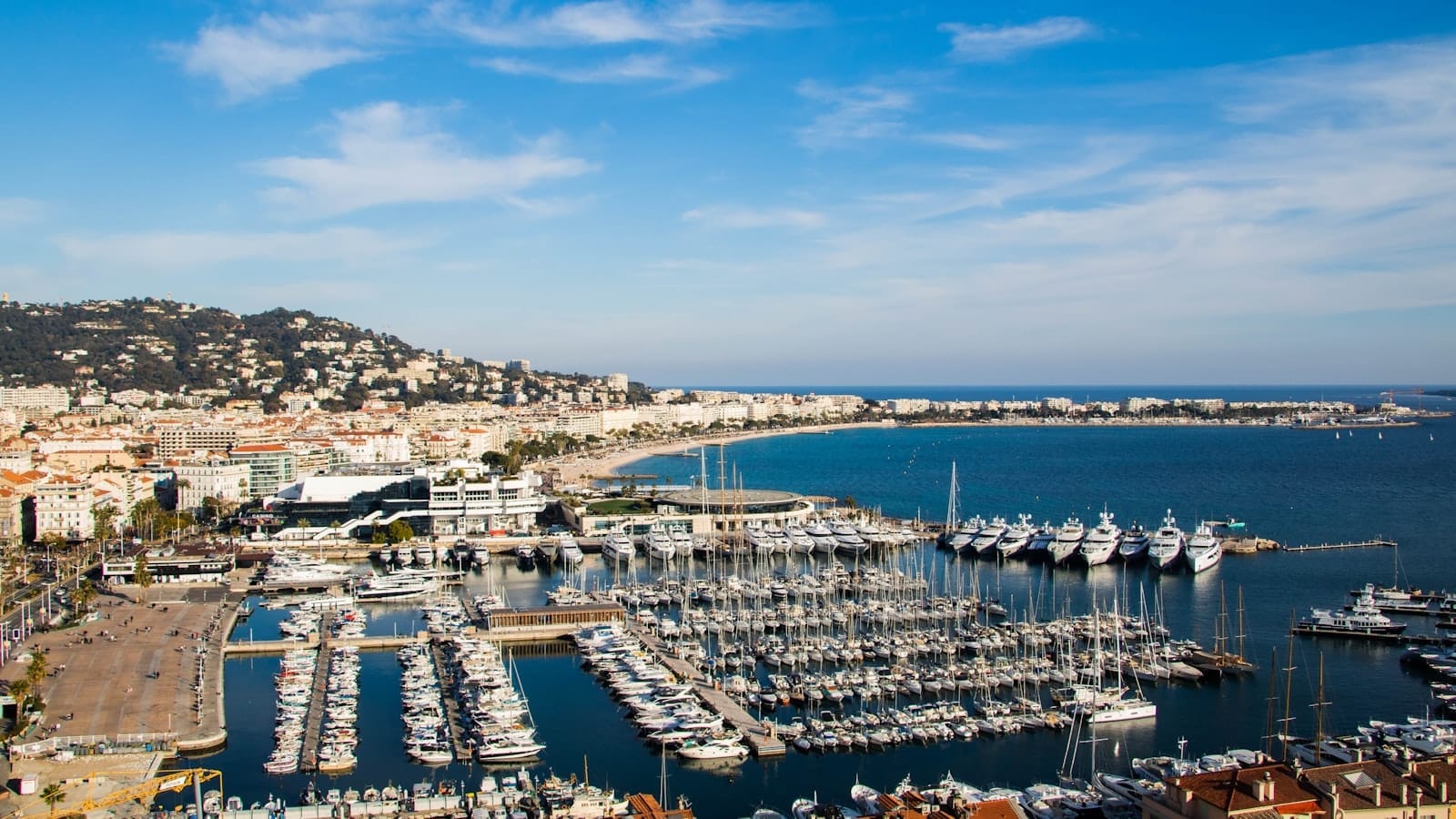
Two days is genuinely enough to cover the best of Cannes, from the famous seafront promenade to the medieval hilltop quarter and the islands just offshore. This itinerary cuts through the noise with a practical, day-by-day plan, honest timing estimates, and the local details that make the difference between a rushed visit and a memorable one.
Plan and book this trip
Tools from our partner Travelpayouts help you compare flights and hotels. If you book through them, we may earn a commission at no extra cost to you.
Flights
Hotels map
TL;DR
- Two full days covers Cannes' core: La Croisette, Le Suquet old town, Marché Forville, and a half-day on Île Sainte-Marguerite.
- Start Day 1 at the market, walk the promenade, then climb to Le Suquet in the afternoon. See the full Cannes walking tour for a mapped route.
- Day 2 belongs to the Lérins Islands. Take the first morning ferry to Sainte-Marguerite to beat the crowds.
- Cannes is not only for big spenders. Public beaches, the old town, viewpoints, and the market cost little or nothing.
- Avoid visiting during the Cannes Film Festival (May) unless you have accreditation. Hotels triple in price and the city is inaccessible in parts. Check the best time to visit Cannes for a full seasonal breakdown.
Is Two Days in Cannes Enough?
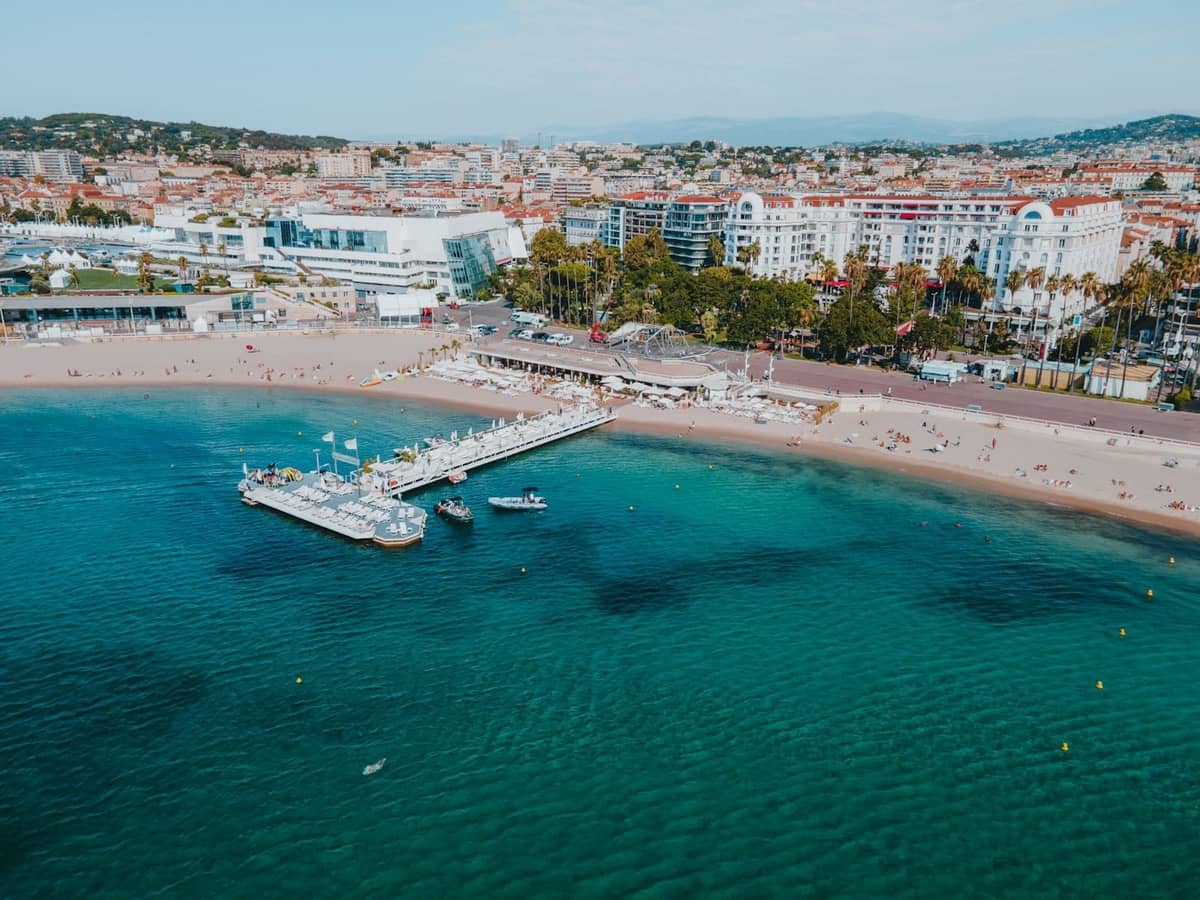
The honest answer is yes, with good planning. Cannes covers just 19.62 km² and the main visitor areas are even more compact: La Croisette, Le Suquet, the Vieux Port, and the surrounding streets are all walkable from each other in under 20 minutes. What takes time is not transit but enjoyment. Linger at a beach club, extend lunch, or sit at a café on the old port watching the yachts, and two days evaporates quickly. The itinerary below is structured to prevent that waste without turning the trip into a checklist sprint.
For visitors with three or four days, things to do in Cannes beyond the standard circuit include the Île Saint-Honorat, the arrondissement of La Californie, and day trips to Monaco or the perfume town of Grasse. But if two days is all you have, this guide makes them count.
Day 1 Morning: Marché Forville and La Croisette
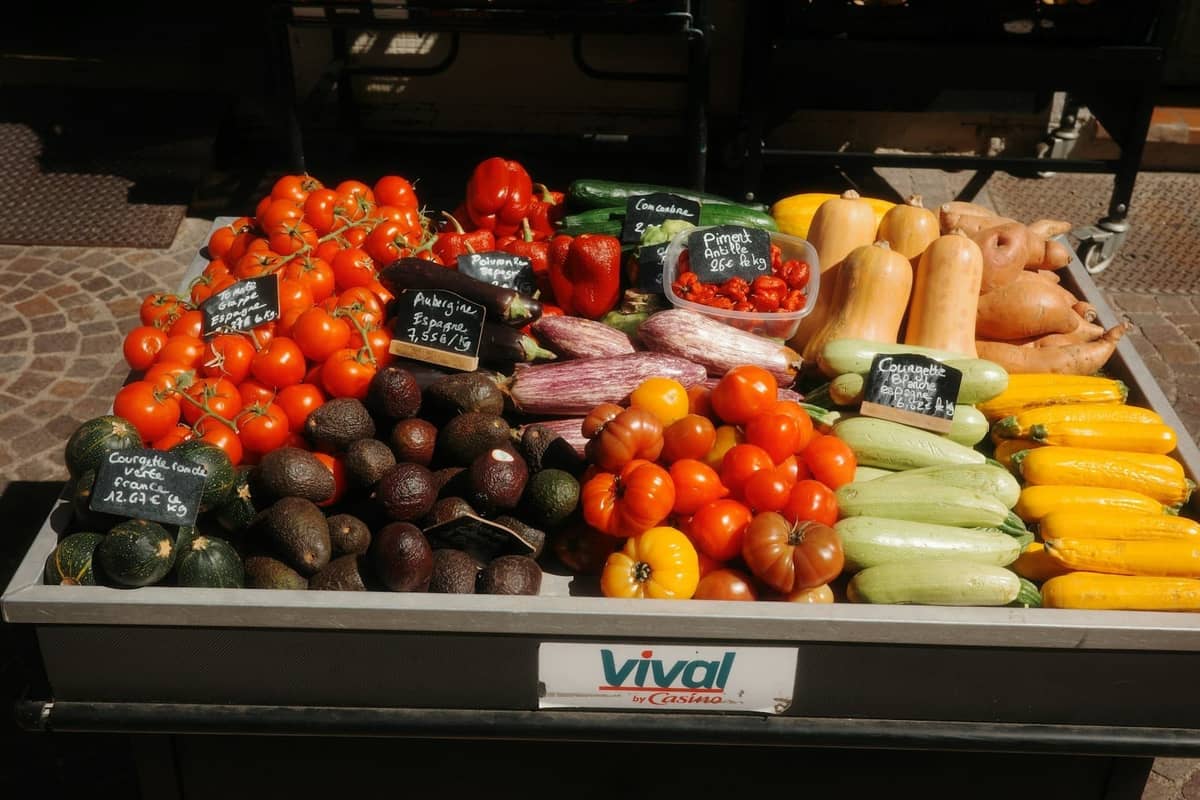
Start the day at Marché Forville, the covered market at 6 Rue du Marché Forville. It opens at 7:30 and runs until 13:30 Tuesday through Sunday (Monday is a flea market, 7:30–17:30). Arriving before 9:00 gives you the best produce selection and the most atmospheric experience, before tourist groups arrive. The market sells local olives, socca (chickpea pancakes), charcuterie, and flowers, and there are a handful of standing counters where you can pick up breakfast. Budget around €5–10 for coffee and something to eat. This is one of the best free things to do in Cannes, and skipping it is a genuine mistake.
💡 Local tip
On Monday, Marché Forville switches to a brocante (flea market) rather than a food market. If your Day 1 falls on a Monday, swap the market visit to Day 2 or head directly to La Croisette for an earlier start on the promenade.
From the market, it is a five-minute walk south to La Croisette, the seafront boulevard that defines Cannes' international reputation. The full promenade runs roughly 3 km from the Palais des Festivals in the west to the Palm Beach area in the east. Walk the full length in the late morning, when the light is good and the temperature is still manageable in summer. The western end near the Palais is the most photogenic section: the Carlton Hotel's white facade, the sweep of the bay, and the Lérins Islands visible offshore on clear days.
The Palais des Festivals et des Congrès is worth stopping at even outside Film Festival season. The red carpet steps at the main entrance are accessible year-round, and the celebrity handprints embedded in the promenade outside (Les Allées des Étoiles) give context to the city's film heritage without requiring any paid entry. Guided tours of the building interior are occasionally available through the tourist office, but availability changes seasonally. Verify current schedules at en.cannes-france.com before banking on this.
Day 1 Afternoon: Le Suquet and the Vieux Port
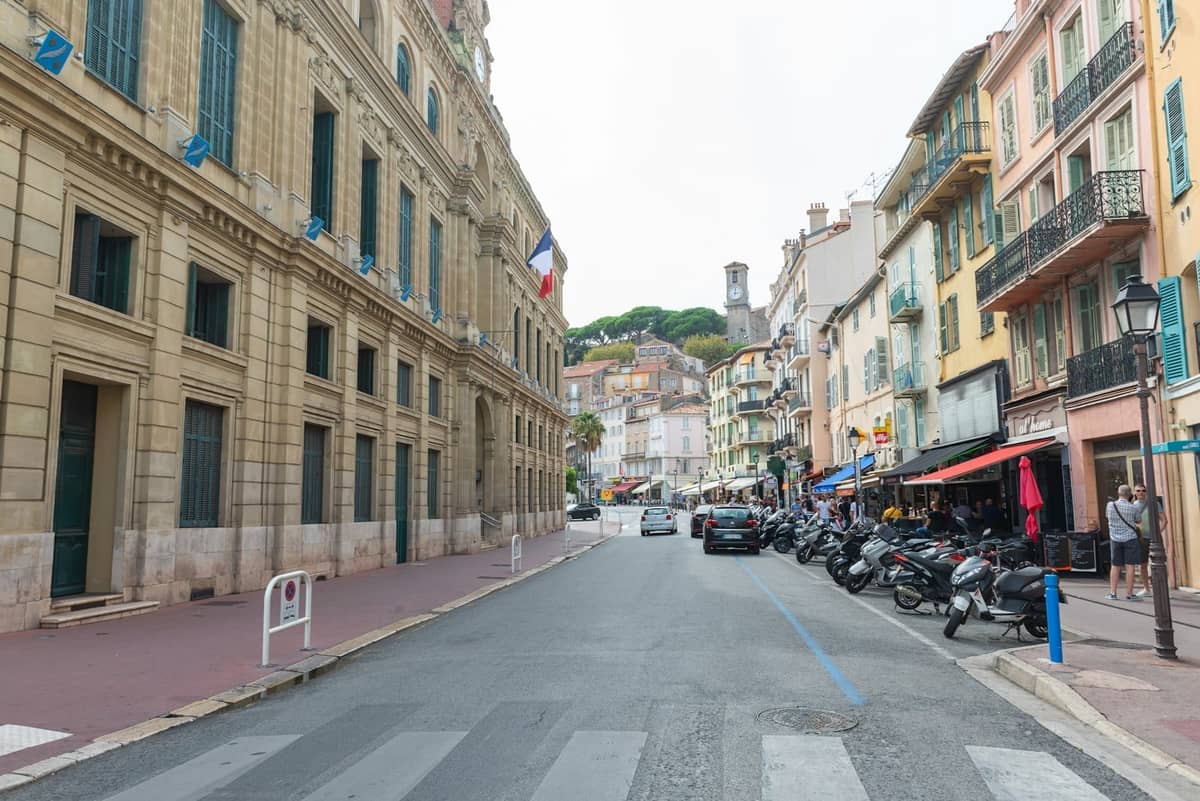
After lunch, the afternoon is for Le Suquet, Cannes' original hilltop settlement. Walk west along the waterfront from the Palais and you will reach the old port area within ten minutes. The climb up through the medieval lanes of Le Suquet takes around 15–20 minutes at a relaxed pace. It is steep in places but entirely walkable. At the top sits the Église Notre-Dame de l'Espérance, a 17th-century church with views over the bay, and the remains of the fortified castle that once protected this coastline.
Inside the castle grounds, the Musée de la Castre (6 Rue de la Castre) is a small but interesting ethnographic and archaeological museum with collections spanning Mediterranean and Middle Eastern antiquities. Admission is around €7 for adults, €4 for ages 18–25 and groups of ten or more, and free for under-18s. Standard opening hours are Tuesday through Sunday, 10:00–13:00 and 14:00–18:00, though hours vary seasonally. The Tour du Suquet, the castle's surviving tower, gives the best panoramic view over the rooftops and the Vieux Port and is included in the museum ticket.
⚠️ What to skip
Museum hours at the Castre change between summer and winter schedules, and the site closes on Mondays year-round. Always verify current hours with the Cannes tourist office or the museum directly before visiting, especially in low season.
Descend back to the Vieux Port for the early evening. The quayside around the old harbor, especially along Quai Saint-Pierre, is where locals actually spend time rather than on La Croisette. Aperitif hour (roughly 18:00–20:00) is the right moment to sit at one of the port-side cafés with a glass of rosé. Dinner in Le Suquet's lower streets offers better value and more authentic cooking than the tourist-heavy terraces along the beachfront. Expect to pay €20–35 per person for a two-course meal with wine at a mid-range restaurant here.
Day 2: The Lérins Islands
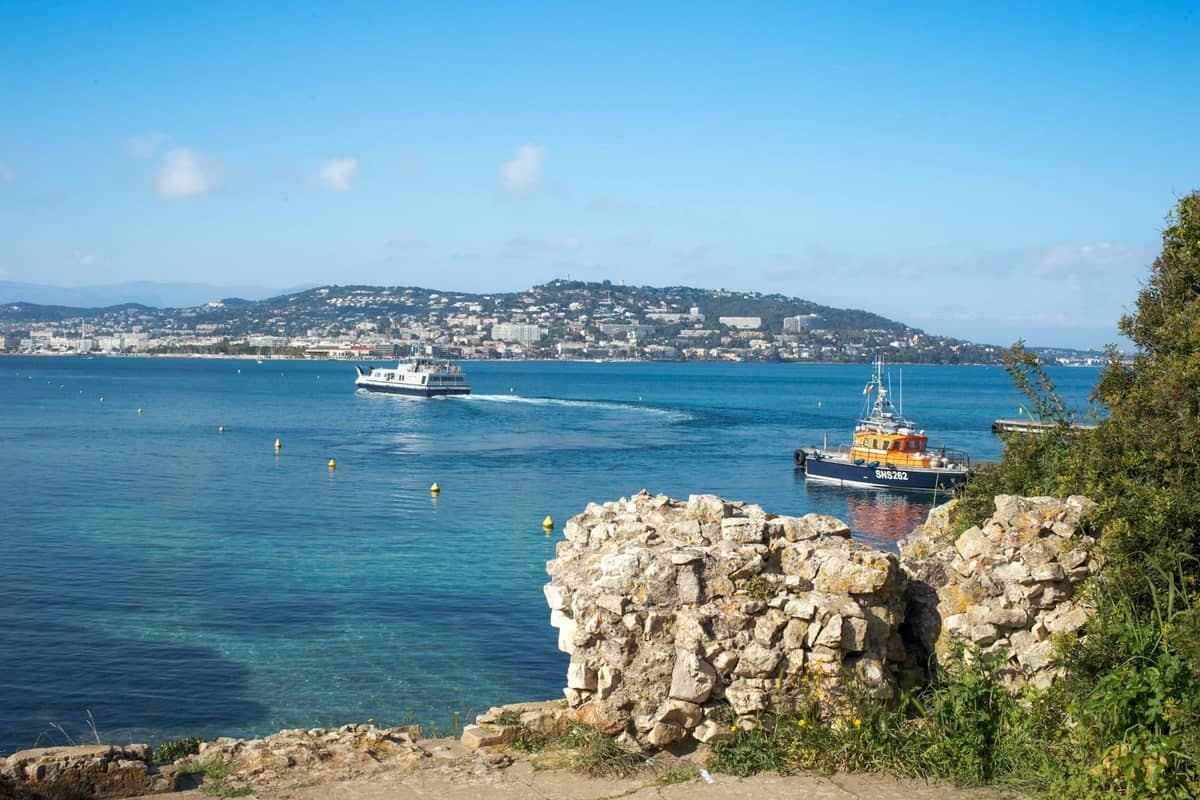
Reserve Day 2 for the Îles de Lérins. These two islands sit less than 30 minutes by ferry from the Vieux Port, yet feel completely removed from the city. Ferries depart from the Cannes harbor throughout the day, operated by local companies including Trans Côte d'Azur and Planaria. Tickets are bookable on-site at the harbor or online in advance. The crossing to Île Sainte-Marguerite takes around 15 minutes; the further Île Saint-Honorat is about 20 minutes.
Take the first or second morning ferry, ideally departing before 10:00. The islands are small and popular in summer, and by midday the paths around Sainte-Marguerite can feel genuinely crowded. On Sainte-Marguerite, the main draw is the Fort Royal, a 17th-century fortification most famous as the prison that held the Man in the Iron Mask. The fort houses the Musée de la Mer, with Roman amphora and shipwreck finds. Beyond the fort, the island is covered in protected maritime forest with marked trails along the shoreline. There are no vehicles, minimal development, and good swimming spots on the southern coast.
If your schedule allows, combine both islands in a single day. The Lérins Islands guide covers ferry timings, what to bring, and which island suits which type of traveler in detail. The brief summary: Sainte-Marguerite is bigger, wilder, and better for swimming and walking. Saint-Honorat is smaller, quieter, and home to an active Cistercian monastery that has operated since the 5th century. The monks produce wine and honey sold on-site. Both islands have limited eating options, particularly outside summer, so bring food and water if you plan to spend more than a couple of hours.
✨ Pro tip
For the return ferry, check the last departure time before you go. Missing it means a taxi boat at your own expense. Last ferries back to Cannes are typically in the late afternoon or early evening, and schedules vary significantly between seasons.
Day 2 Evening: Rue d'Antibes and Dinner Options
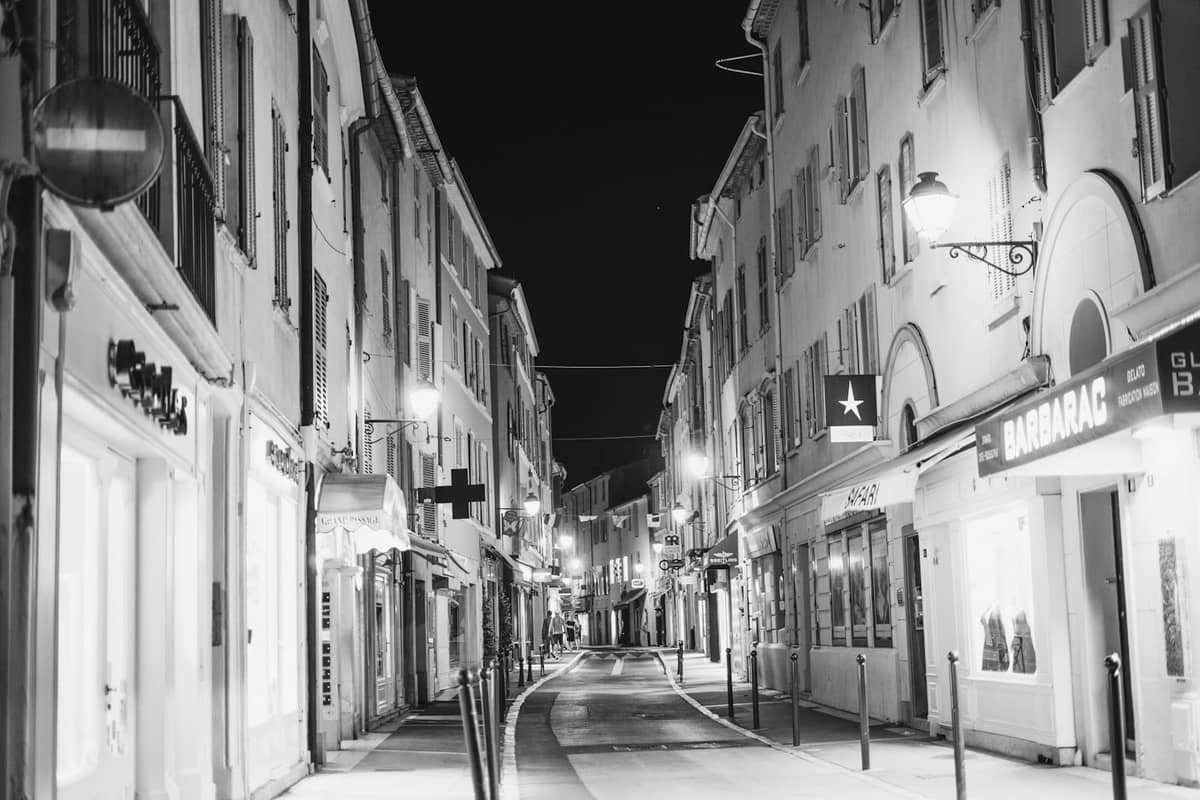
Return from the islands in the mid-afternoon, which leaves enough time for a walk along Rue d'Antibes, the main shopping street running parallel to La Croisette, one block inland. It mixes French chain stores with independent boutiques and is a more practical and less performatively glamorous experience than the Croisette. For those with a higher shopping budget, the Carré d'Or area between Rue d'Antibes and the beachfront concentrates the luxury brands in a few compact blocks.
For the final evening, make a reservation in advance. Cannes has no shortage of good restaurants but the best ones fill up quickly in season. The area around Rue Saint-Antoine in Le Suquet, and the streets just behind the Vieux Port, have the strongest concentration of quality-to-price ratio dining in the city. If budget is the priority, a pan bagnat or a slice of socca from a market stall near the port costs under €5 and is genuinely worth eating.
Practical Logistics for Your Two Days
Getting to Cannes: the main entry point is Nice Côte d'Azur Airport (IATA: NCE), approximately 26 km northeast of central Cannes by road. The most cost-effective option is the regional bus (Line 81), which connects the airport directly to Cannes in around 45–60 minutes for roughly €5–10 one-way. Alternatively, regional TER trains run from Nice Saint-Augustin or Nice-Ville station to Cannes in around 30–40 minutes for approximately €6–8. A licensed taxi from Nice Airport to Cannes typically costs a flat €88 for 1–4 passengers outside peak hours, while private shuttle transfers with companies and ride-hailing services typically start around €25–40 per person shared or €80 and above for a private car.
- Walking The most practical way to get around central Cannes. La Croisette, Le Suquet, the Vieux Port, and Marché Forville are all within a 15–20 minute walk of each other.
- Palmbus city buses The local Palmbus network covers Cannes and surrounding areas. Useful for reaching beaches further west (La Bocca area) or getting back from the eastern end of La Croisette.
- Taxis and Uber Taxis are available at stands near the Palais des Festivals, the train station, and major hotels. Uber operates in Cannes, though availability outside peak season can be variable.
- Ferries to the islands Depart from Cannes harbor (near the Vieux Port). No pre-booking strictly required, but booking ahead is advisable in July and August when ferries fill up.
On budget: Cannes does not require a large spending budget for two days. Cannes on a budget breaks down the specific costs in detail, but the short version is that public beaches along La Croisette are free, most of Le Suquet costs nothing to explore, and the Marché Forville is a genuinely affordable place to eat. The money disappears at private beach clubs (expect €20–30 just for a sunlounger hire), restaurants on the Croisette front terrace, and the luxury boutiques. All of these are optional.
- Book hotel accommodation well in advance for any dates in May, particularly Film Festival weeks (typically mid-to-late May). Prices across all categories increase dramatically during this period.
- Tap water in Cannes is safe to drink and meets EU standards. Bring a refillable bottle.
- France uses Type C and Type E plugs at 230V/50Hz. Bring an adaptor if your devices use a different standard.
- French is the official language, but English is widely spoken in hotels, restaurants, and tourist-facing businesses throughout Cannes.
- Tipping is not obligatory in France. Restaurant bills include service (service compris) by law. Rounding up or leaving a few euros for good service is appreciated but never expected.
- Emergency number throughout the EU, including France: 112. French-specific: Police 17, Fire 18, Medical (SAMU) 15.
ℹ️ Good to know
Cannes has a Mediterranean climate (Köppen Csa). Summer highs reach 26–28°C with very little rain. The shoulder months of May–June and September combine warm temperatures with lower crowds and more reasonable hotel prices. October and November bring the highest rainfall of the year, though the city remains open and mild by northern European standards.
FAQ
Is 2 days enough to see Cannes?
Yes. Cannes is compact, covering just under 20 km², and the main visitor areas are all walkable. Two days comfortably covers La Croisette, Le Suquet, Marché Forville, and a half-day or full-day on the Lérins Islands. You will not feel you have missed major sights if you follow a structured itinerary.
What is the best area to stay for a 2-day visit to Cannes?
The area between La Croisette and Rue d'Antibes puts you within walking distance of everything in this itinerary. Le Suquet is a quieter alternative with more character and often better value. Avoid booking far west in Cannes-la-Bocca unless you specifically want cheaper rates and don't mind a short bus or taxi ride to the main sights.
Can you visit the Lérins Islands as a day trip from Cannes?
Absolutely. Ferries depart from Cannes harbor throughout the day and the crossing takes 15–20 minutes. A half-day on Île Sainte-Marguerite fits easily into a two-day itinerary. If you want to visit both islands, dedicate a full day and take the first morning ferry.
When should I avoid visiting Cannes?
The Cannes Film Festival (typically the second and third weeks of May) causes hotel prices to spike dramatically and parts of the city become difficult to access without accreditation. Unless you have tickets or credentials, visiting during the festival is an expensive and frustrating experience. The Cannes Lions advertising festival in late June creates a smaller but similar effect.
How do I get from Nice Airport to Cannes?
The cheapest option is the regional bus (Line 81), running directly from Nice Airport to Cannes in 45–60 minutes for around €5–10. TER regional trains run from Nice station (about 10–15 minutes from the airport) to Cannes in 30–40 minutes for roughly €6–8. A taxi costs a flat €88 for 1–4 passengers outside peak hours. Verify current fares and schedules before travelling as these change regularly.