Cannes on a Budget: How to Visit Without Overspending
Cannes has a reputation for luxury, but visiting on a budget is entirely realistic if you know when to go, where to eat, and how to get around. This guide breaks down the real costs, the genuine free experiences, and the practical moves that keep your spending in check without missing what makes Cannes worth the trip.
Plan and book this trip
Tools from our partner Travelpayouts help you compare flights and hotels. If you book through them, we may earn a commission at no extra cost to you.
Flights
Hotels map
TL;DR
- Avoid May (Film Festival) and August: prices for accommodation drop sharply in late spring and September, often by 40–60%.
- Public beaches along La Croisette are free; private beach loungers can cost €20–€30 per day — skip them unless you really want the service.
- The regional train from Nice Airport to Cannes costs around €6–€8 and takes 30–40 minutes — far cheaper than a taxi (€80–€120).
- Base yourself in Nice or Antibes and day-trip to Cannes by train to cut accommodation costs significantly. See our where to stay in Cannes guide for more options.
- Cannes is compact and almost entirely walkable — your biggest daily expense will be food, not transport.
When to Go: Timing Is Everything for Your Budget
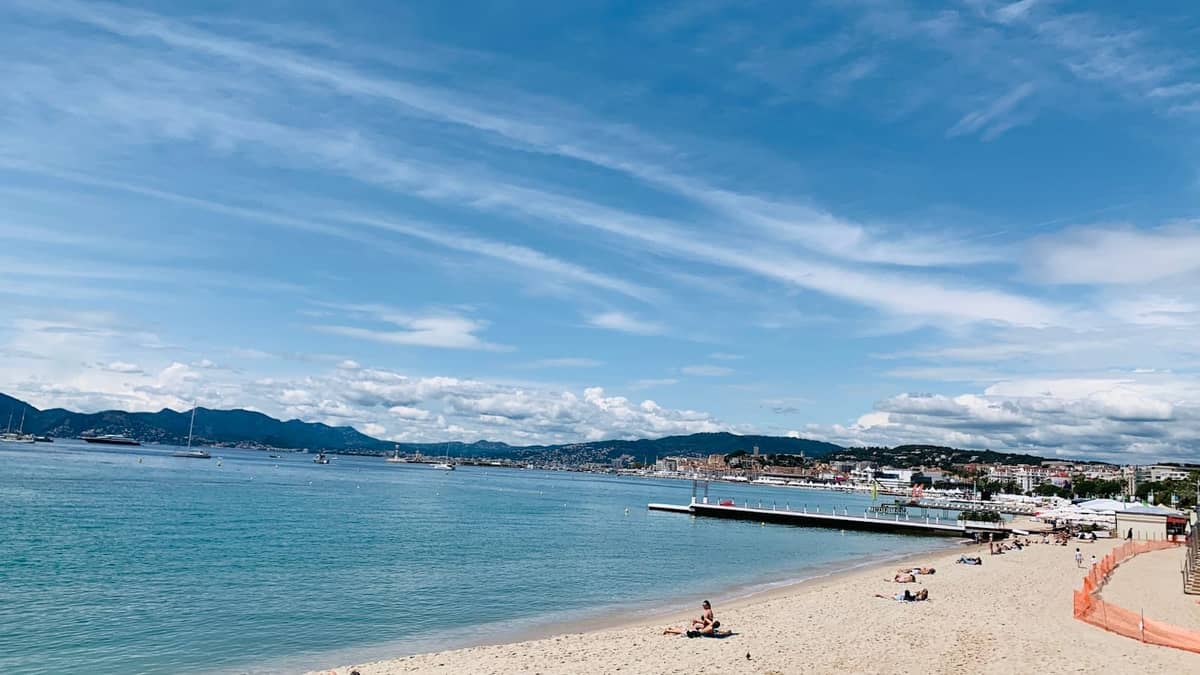
Cannes, France follows a predictable seasonal pricing pattern, and understanding it is the single most powerful budget move you can make. The city sits on the French Riviera in the Alpes-Maritimes department of Provence-Alpes-Côte d'Azur, and its Mediterranean climate means mild winters and hot, dry summers. That gives you real flexibility on timing.
Two periods are strictly off-limits if you're budget-conscious: the Cannes Film Festival in May (typically running two weeks in mid-May) and the peak summer weeks of mid-July through August. During the Film Festival, hotel prices can triple or quadruple overnight, and availability collapses weeks in advance. August is standard French peak-season madness: every beach town on the Riviera fills up, and Cannes is no exception.
The sweet spots are late March through April, and September into early October. Temperatures in September average around 17–25°C, the sea is still warm from summer, the crowds thin noticeably, and accommodation rates drop substantially. Spring (March–May, before the festival) offers similar value: the city is quieter, average highs reach around 15–21°C by May, and you can often find apartment rentals for a fraction of peak-season rates. A four-person apartment that costs €800+ per week in August might go for around €200 in a quieter shoulder week.
⚠️ What to skip
The Cannes Lions advertising festival typically runs in late June, adding another price spike after the Film Festival. If you're visiting in June, check those exact dates before booking — the week it runs, hotel prices and restaurant queues reflect a second mini-peak.
Getting to Cannes Without Paying Over the Odds
Cannes has no major commercial airport of its own. Cannes-Mandelieu Airport (IATA: CEQ), located about 5–6 km west of the city centre, handles business jets and general aviation only. For almost all visitors, the gateway is Nice Côte d'Azur Airport (IATA: NCE), roughly 26 km by road from central Cannes.
- Regional train (cheapest, recommended) Take a local bus or taxi from Nice Airport to Nice-Ville station, then a TER regional train to Gare de Cannes. Journey time: 30–40 minutes. Fare: around €6–€8 one-way. Book on SNCF Connect or buy at the station.
- Express bus LR 81 Direct coach from Nice Airport to Cannes via the motorway. Travel time: 45–60 minutes depending on traffic. Fare: approximately €5–€10 one-way. Convenient if you have luggage and don't want to navigate train stations.
- Shared shuttle transfer Pre-bookable door-to-door shared shuttles cost roughly €25–€40 per person. Worth considering if you're travelling in a group with heavy bags, but the train is nearly always cheaper for solo or pair travellers.
- Taxi or Uber (most expensive) A licensed taxi from Nice Airport to Cannes typically costs €80–€120 on the meter, depending on time of day and traffic. Ride-hailing apps (Uber operates in the area) may be slightly cheaper but are not the budget choice here.
Once in Cannes, the city is genuinely walkable. The central attractions — Boulevard de la Croisette, the Old Port, Le Suquet, and Marché Forville — are all within 15–20 minutes of each other on foot. Local Palmbus city buses cover wider routes for around €1.70 per trip. For a full breakdown of movement options, the getting around Cannes guide covers everything in detail.
Accommodation: Stay Smart, Not Just Cheap
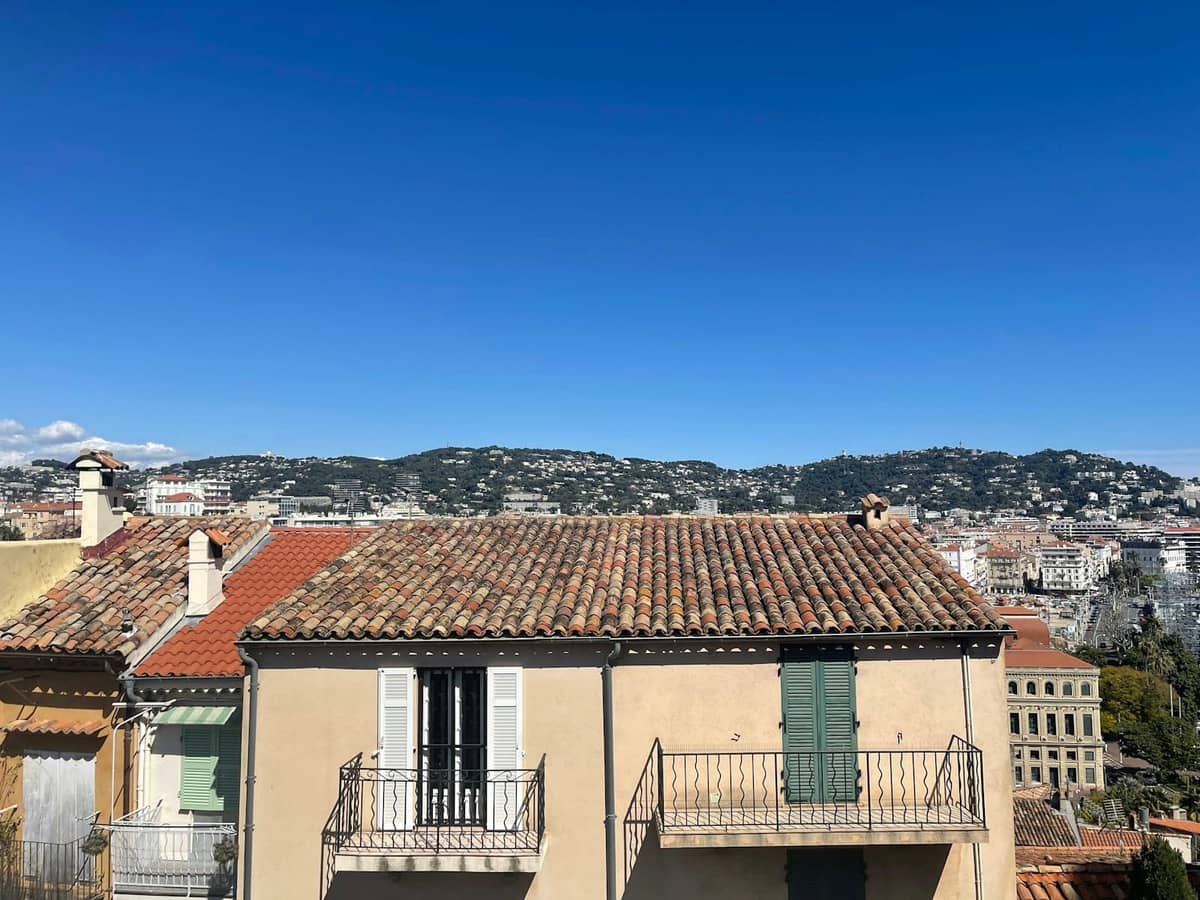
Cannes proper skews expensive for accommodation compared to the rest of the Riviera. Luxury hotels dominate the prime waterfront, and even mid-range hotels charge a significant premium for the postcode. That said, budget options do exist, and there's a broader strategic choice worth considering.
If your priority is keeping accommodation costs low, base yourself in Nice, Antibes, or Juan-les-Pins and day-trip to Cannes by train. Nice to Cannes by TER train takes around 30–40 minutes and costs under €8. Nice has genuine budget hostels and affordable hotels that simply don't exist in Cannes at the same price point. Juan-les-Pins, about 10–15 minutes from Cannes by TER train, is noticeably cheaper and still on the beach.
If you do want to sleep in Cannes itself, the area around the train station and Rue d'Antibes offers more affordable hotels than anywhere near La Croisette. Apartment rentals via short-stay platforms can offer good value in shoulder season, particularly for groups: a four-person apartment in the Pointe Croisette area can be found for around €200 per week in late spring, though those prices rise dramatically in May and August. Book as far ahead as possible for the Film Festival period, or simply avoid it.
💡 Local tip
Search for accommodation in 'Cannes-la-Bocca' as well as central Cannes. This western district has its own beach, is served by Cannes-la-Bocca train station, and typically offers lower prices than the Croisette area while still being part of the city.
Eating and Drinking: Where the Money Goes (and Where It Doesn't Have To)
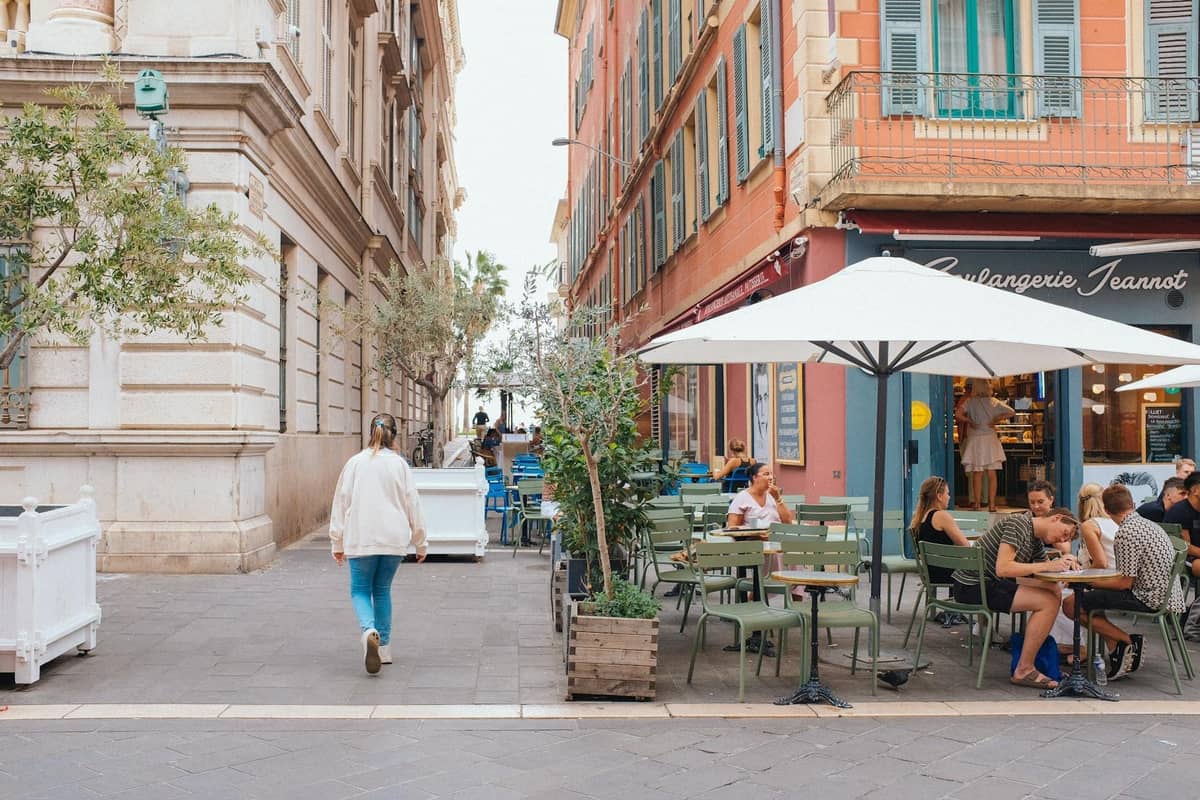
Food is where budget travel in Cannes either works or falls apart. The restaurants immediately facing La Croisette charge a heavy location premium — a simple pasta dish or salad can easily run €20–€30 per plate, and that's before drinks. Avoid these unless you're specifically there for the experience, not the food.
The practical alternative is Marché Forville, a covered market a few minutes' walk from the Old Port. It's open Tuesday through Sunday mornings (closed Mondays) and sells fresh bread, olives, cheese, charcuterie, and seasonal produce at straightforward local prices. A proper picnic for two — baguette, a wedge of cheese, some cured meat, fruit, and a bottle of water — costs €10–€15 if you're not reaching for the premium stalls. Take it to a public beach or a bench in Le Suquet and you have one of the best budget meals on the Riviera.
For sit-down meals, move one or two streets back from the waterfront. The streets around Le Suquet and behind Rue d'Antibes have brasseries and bistros offering a plat du jour (daily special) at lunch for €12–€18, often including a starter or dessert. A bakery breakfast — croissant and espresso — typically runs €2–€4.50 at most neighbourhood boulangeries, which keeps mornings cheap. Avoid ordering coffee while seated on a terrace unless you've checked the price; standing at a bar counter is always cheaper in France.
- Marché Forville: best for picnic supplies, Tuesday–Sunday mornings
- Street food kiosks near the beach: affordable sandwiches, paninis, and salads for €4–€8
- Bakeries (boulangeries): croissant €1.20–€2.50, espresso around €1.50–€2.00 at the counter
- Plat du jour at inland brasseries: €12–€18 at lunch, usually the best value hot meal
- Supermarkets (Monoprix, Carrefour City near the station): grab-and-go sandwiches, fruit, and drinks at normal prices
✨ Pro tip
Restaurant bills in France legally include service (service compris), so tipping is not obligatory. Rounding up or leaving a few euros for genuinely good service is appreciated but never expected. Don't feel pressured to add 10–15% as you might elsewhere.
Free and Low-Cost Things to Do in Cannes
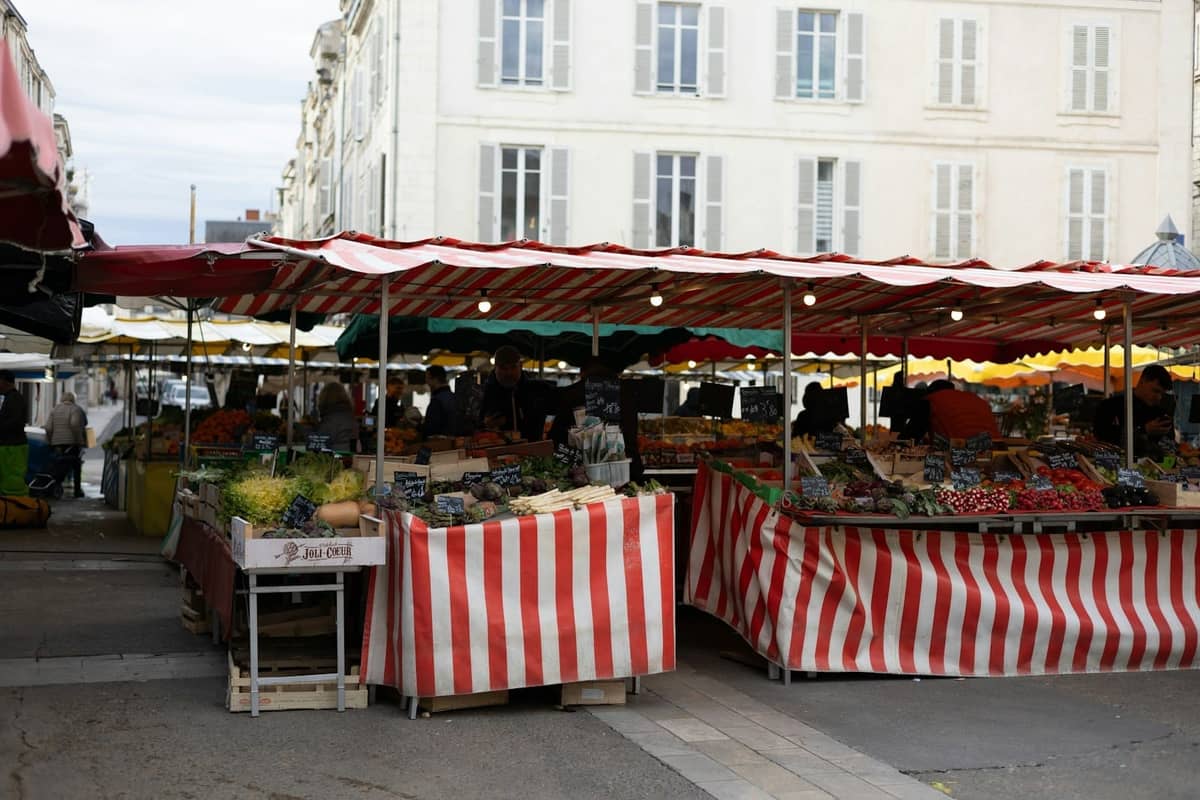
Cannes, France has more genuinely free things to do than its luxury reputation suggests. The key is knowing where to look and resisting the upsell at every turn.
The public sections of Plage de la Croisette are free. Yes, the private beach clubs with their colour-coordinated loungers and bottle service dominate the main strip, but public beach access exists on either side. A sun lounger rental on a private beach can cost €20–€30 for the day; the public beach is the same sea, the same sand, zero charge. Bring your own towel.
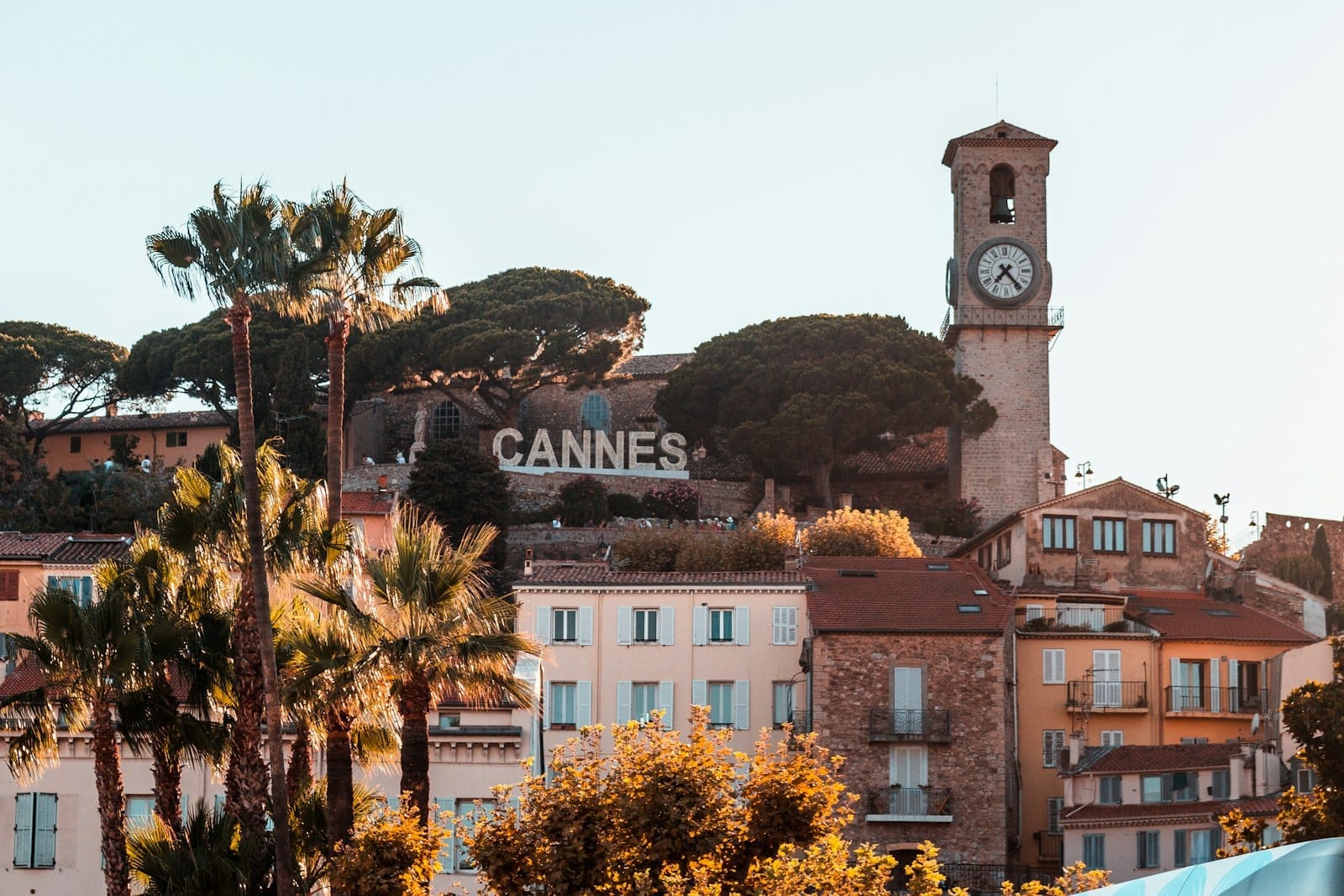
Walking up to Le Suquet, the old hilltop quarter of Cannes, costs nothing and gives you the best panoramic view over the bay and the Îles de Lérins. The climb takes about 15 minutes from the Old Port; the streets are narrow and genuinely old rather than tourist-stage-set old. The Tour du Suquet and the church of Notre-Dame de l'Espérance are free to visit.
The Red Carpet steps at the Palais des Festivals are free to walk up outside of event periods. The Centre d'Art La Malmaison hosts rotating art exhibitions with a low or sometimes free entry charge. During the summer, the Festival d'Art Pyrotechnique brings free fireworks displays over the bay, viewable from public beaches — check the official Cannes tourism calendar for exact dates.
A day trip to the Îles de Lérins does involve a ferry cost (around €18–€20 return to Sainte-Marguerite, slightly more to Saint-Honorat), but once you're on the islands, entry to the forest trails and beaches is free. The islands are a genuine escape from the mainland crowds and represent good value for a half-day. The Lérins Islands guide has everything you need to plan it.
Budget Mistakes to Avoid in Cannes
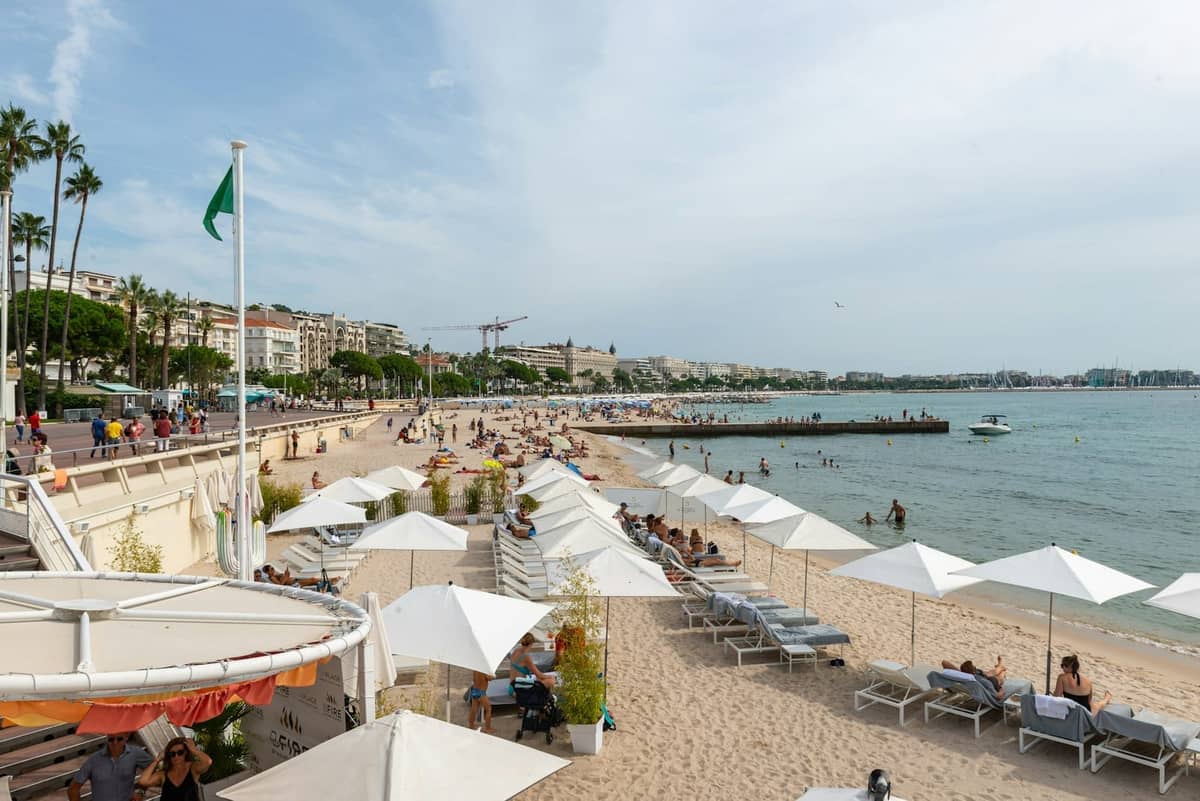
A few spending traps catch visitors who haven't done their research. The private beach clubs along La Croisette are the most obvious: the experience is pleasant enough, but at €20–€30 for a sun lounger before you've ordered a single drink, the costs compound fast. There's no shame in using the free public beach sections instead.
Taxis from the airport are the other classic overspend. The €80–€120 taxi fare from Nice Airport is often the single most expensive journey of a budget trip to Cannes — more than a night's accommodation in some cases. The bus or train combination costs under €10 and, outside of rush hour with heavy luggage, is genuinely not much less convenient.
- Eating on La Croisette itself: pay for the view, not the food quality
- Renting a car in Cannes: parking is expensive and the city is walkable — unnecessary for most visitors
- Visiting during the Film Festival without booking months ahead: prices surge and availability collapses
- Private beach clubs: pleasant but not necessary when public beach access is free
- Impulse shopping on Rue d'Antibes: window-shopping is free, but the street is designed to encourage spending
ℹ️ Good to know
Tap water in France, including Cannes, is safe to drink and subject to regular EU-standard quality monitoring. Carrying a reusable bottle and refilling it throughout the day saves several euros daily compared to buying bottled water — a minor detail that adds up over a week.
For a full picture of what's genuinely worth your time and money in the city, the things to do in Cannes guide covers both free and paid experiences with honest assessments of each. If you're planning a short visit, the 2 days in Cannes itinerary structures your time efficiently so you're not spending money just to fill gaps.
FAQ
Is Cannes, France expensive to visit?
Cannes has a luxury reputation but the actual cost depends heavily on timing and choices. Accommodation and restaurant prices along La Croisette are high, but public beaches are free, transport by train or bus is inexpensive, and eating away from the waterfront is affordable. The most expensive week by far is during the Cannes Film Festival in May, when hotel prices can triple. Visit in late spring or September for the best balance of good weather and reasonable prices.
What is the cheapest way to get from Nice Airport to Cannes?
The cheapest reliable option is the regional TER train from Nice-Ville station to Gare de Cannes, costing around €6–€8 one-way and taking 30–40 minutes. The express bus LR 81 from Nice Airport directly to Cannes costs approximately €20–€25 and is slightly slower (45–60 minutes) but avoids changing at a train station. A taxi costs €80–€120 and is not recommended for budget travellers.
Are there free beaches in Cannes?
Yes. While private beach clubs with sun loungers dominate much of La Croisette, public beach sections exist on either side and are completely free to use. The beach at Midi (Plage du Midi) and sections near Palm Beach are also publicly accessible. Bring your own towel and you pay nothing.
Should I stay in Cannes or a nearby town to save money?
If accommodation budget is tight, basing yourself in Nice, Antibes, or Juan-les-Pins and taking the train to Cannes is a legitimate and popular strategy. All three are 10–40 minutes away by TER train and have notably cheaper hotels and hostels. Juan-les-Pins is particularly good value: it's just two stops from Cannes by train and has its own beach scene.
What are the best free things to do in Cannes?
Walking La Croisette, climbing Le Suquet for the panoramic view, visiting the free public beaches, walking the Old Port waterfront, and exploring Marché Forville on a market morning are all free or near-free. During summer, the Festival d'Art Pyrotechnique fireworks displays over the bay are viewable from public beaches at no charge. The Palais des Festivals steps are also free to visit outside event periods.