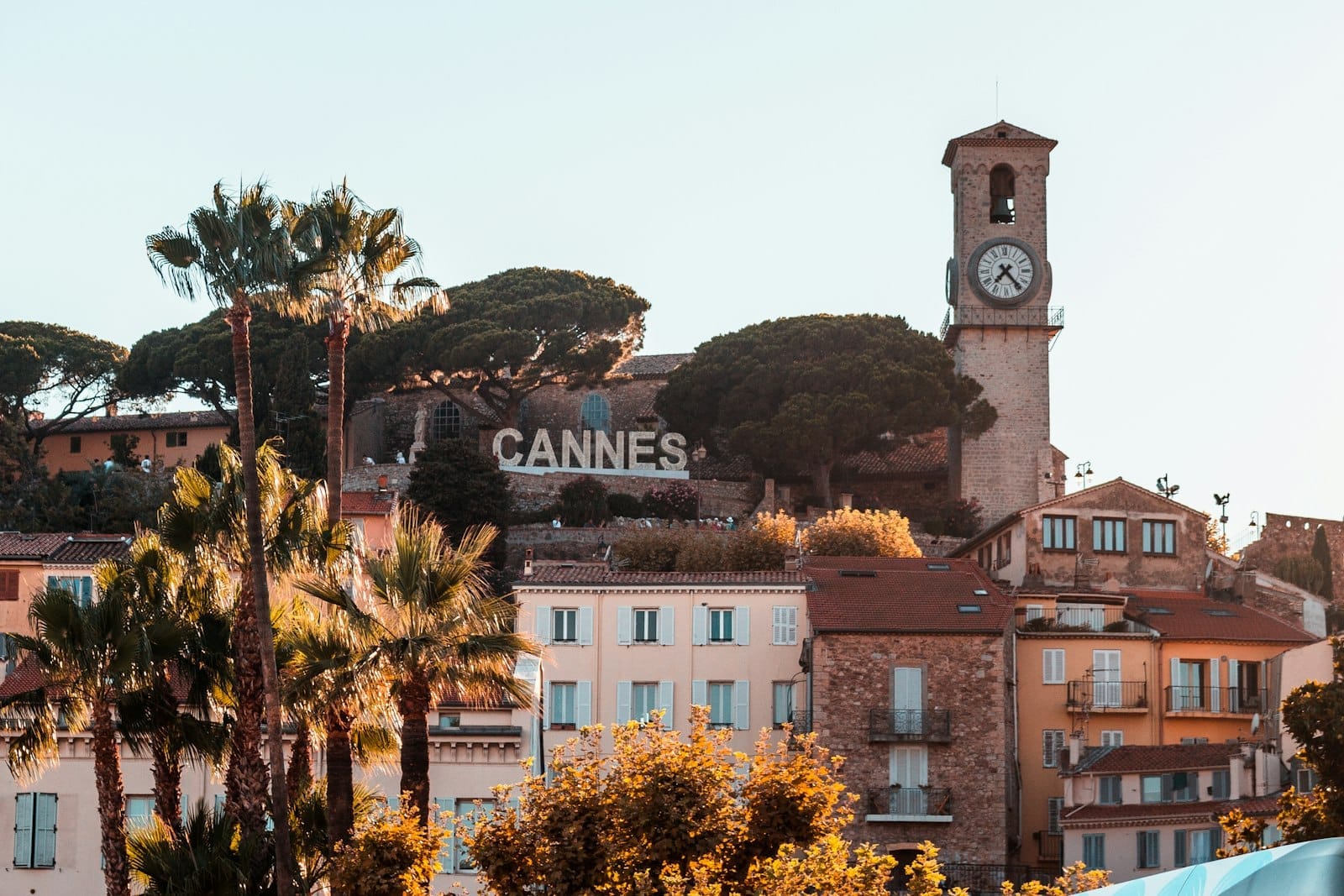
Le Suquet is the oldest district in Cannes, a medieval hilltop quarter rising above the Vieux Port with cobbled streets, a 15th-century church, and sweeping views over the Bay of Cannes. It feels worlds apart from the glamour of La Croisette, offering a slower, more genuinely local rhythm alongside some of the city's best dining.
Le Suquet is where Cannes began. Long before the film festival and the palace hotels, this rocky hill above the old port was home to fishermen, a fortified castle, and a Provençal village that still feels, at least in its quieter hours, surprisingly intact. It is the oldest district in the city and still its most atmospheric.
Orientation
Le Suquet occupies a low but steep hill on the western edge of central Cannes, directly above the Vieux Port. Its boundaries are loosely defined by Quai Saint-Pierre along the waterfront to the south, Rue Georges Clemenceau to the east, the edge of Marché Forville to the north, and Boulevard Victor Tuby to the west. Everything within those limits climbs: even the main pedestrian streets gain significant elevation within a few hundred metres.
The quarter sits at the opposite end of the city from the train station, which is roughly a 10-minute walk to the southeast. Between Le Suquet and the station lies the central commercial corridor of Rue d'Antibes and the eastern stretch of Boulevard de la Croisette. The Palais des Festivals sits roughly halfway between Le Suquet and the train station, making it easy to combine both areas in a single morning on foot.
From the base of Le Suquet, the Vieux Port is essentially at your feet. Ferries to the Îles de Lérins depart from Quai Max Laubeuf, less than five minutes' walk from the bottom of the hill. This geographic position, perched above the sea with the port on one side and the bay stretching east, is what made this spot strategically important centuries ago and what makes it so visually rewarding today.
Character & Atmosphere
The streets of Le Suquet do not look or feel like the rest of Cannes. Where La Croisette is horizontal, polished, and engineered for spectacle, Le Suquet is vertical, rough-edged, and intimate. The lanes are narrow enough that two people walking side by side will brush the walls of medieval stone houses. Window boxes overflow with geraniums. Cats appear on doorsteps. The smell of grilling fish drifts down from restaurant terraces before you can even see the menus.
Mornings in Le Suquet belong to locals. From around 7am to 1pm, Marché Forville at the foot of the hill operates as one of the best covered markets on the Côte d'Azur. The sound is all clattering crates and vendor calls, the light filtering down through the market roof onto stalls of tomatoes, olives, charcuterie, and freshly caught fish. By the time the market closes, tourists begin arriving in larger numbers, drawn up Rue Saint-Antoine and Rue du Suquet by the promise of sea views from the top.
Afternoons are when the district earns its postcard reputation. The afternoon sun hits the warm stone of the old buildings from the southwest, and the lanes glow. Restaurant terraces fill for long lunches that drift into the middle of the afternoon. The climb to the top, past the church and up to the castle esplanade, rewards with a view over the entire bay: the curve of La Croisette, the red-roofed Palais des Festivals, and the Îles de Lérins sitting flat on the water in the distance.
After dark, Le Suquet becomes one of the more pleasant places in Cannes to eat. The restaurants along Rue Saint-Antoine light up, candles appear on tables spilling onto the cobblestones, and the noise level stays conversational rather than loud. It is not a nightlife district in any conventional sense; there are no clubs and very few bars. But it is one of the few places in Cannes where dinner feels unhurried and genuinely pleasant rather than performance.
⚠️ What to skip
The cobbled lanes and steep gradients make Le Suquet difficult for anyone with limited mobility. Rue Saint-Antoine and the paths leading up to the castle involve uneven stone surfaces and significant inclines. There is effectively no fully step-free, wheelchair-accessible route to the upper hill.
History & Character
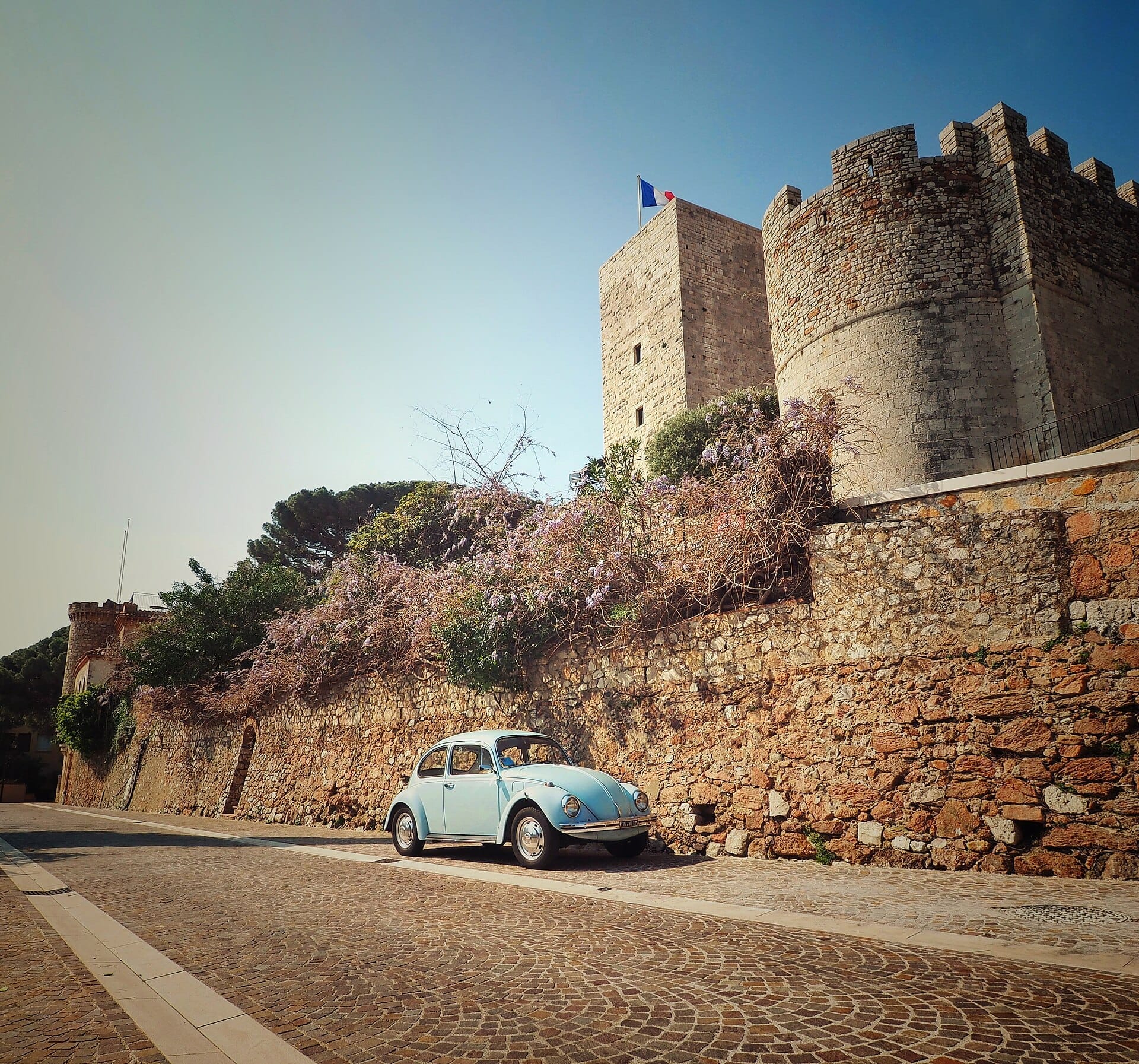
Le Suquet is not simply old by Cannes standards; it predates modern Cannes entirely. The hill was fortified in the medieval period by the monks of Lérins, who built a watchtower and castle here to defend the coast. The fishing community that grew up around the port at the hill's base eventually became the town of Cannes. When Lord Brougham arrived in 1834 and effectively launched the city's transformation into a winter resort for the European aristocracy, the fishermen of Le Suquet were already several generations deep in their trade.
Rue du Suquet was the original main road into Cannes, and its former importance is still legible in the scale of the buildings along it. Today it is pedestrianised and lined with restaurants, but the proportions of the streetscape, the thickness of the walls, the worn stone steps, all point to a much older town plan. Rue Saint-Antoine, winding and steep, developed as the social and commercial artery of the upper quarter and still functions as the district's main restaurant strip.
What to See & Do
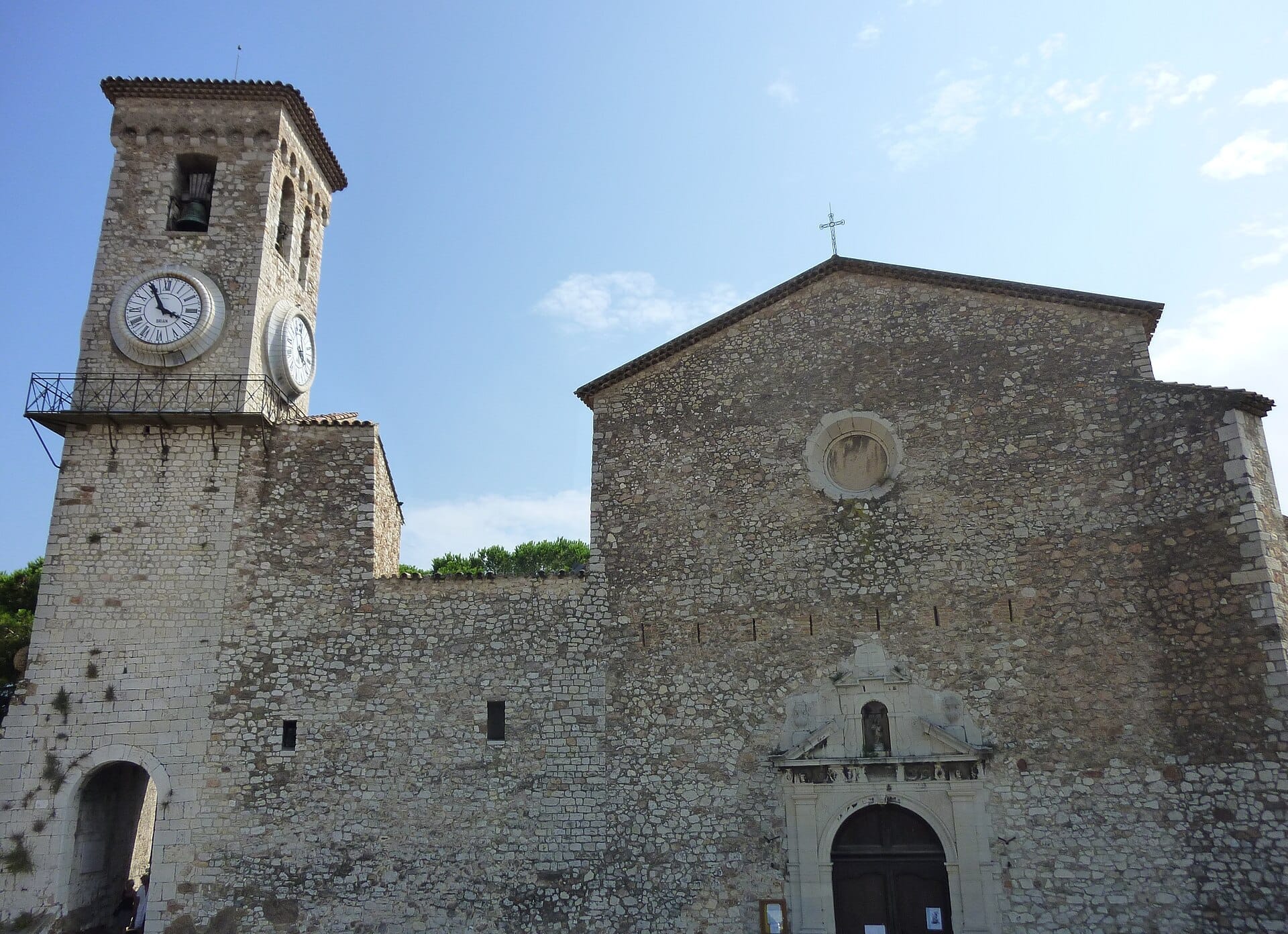
The most important landmark in Le Suquet is the Église Notre-Dame de l'Espérance, a Gothic church begun in the 15th century and completed in the 17th. It sits at the top of the hill and its presence is felt from well below: the bell tower anchors the skyline of this part of Cannes in almost every view from the port or the bay. The interior is cool and relatively plain, which is a relief on hot afternoons.
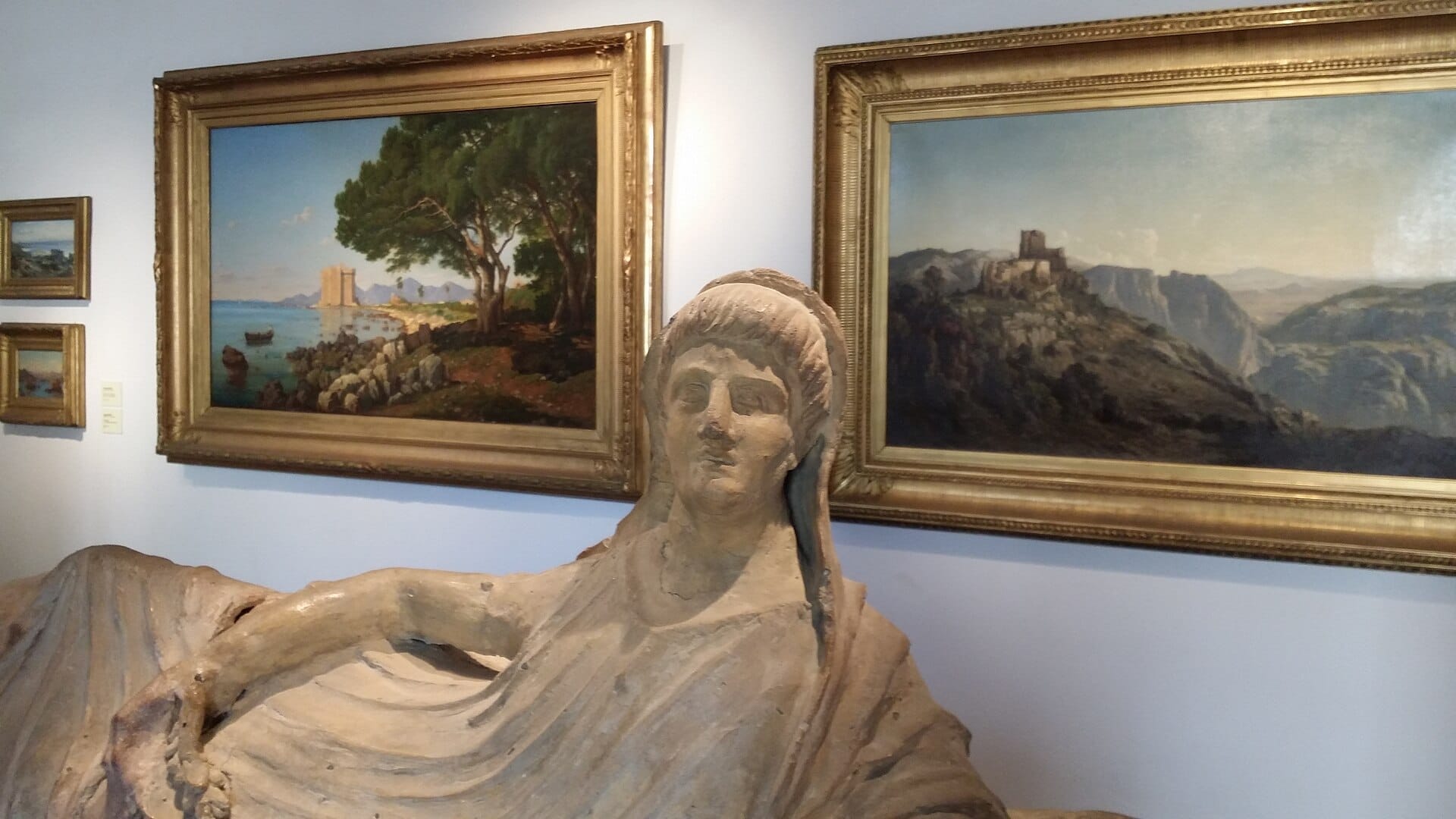
Adjacent to the church, within the medieval castle complex, is the Musée de la Castre. The museum holds collections of Mediterranean and Asian antiquities, Pacific and Pre-Columbian artefacts, and 19th-century paintings of the Provence region. The castle itself dates to the 11th and 12th centuries, with later alterations. The bell tower of the Chapel of Sainte-Anne, reachable via 109 steps, offers the highest and most complete panoramic view in central Cannes. For a city known for its visual spectacle, the view from the top of Le Suquet is the one that actually earns the reputation. You can see the full arc of the Bay of Cannes, the Tour du Suquet watch-tower, the Croisette stretching east, and on clear days the islands lying offshore.
At the foot of the hill, Marché Forville is one of the best reasons to be in this part of Cannes before noon. The covered market runs Tuesday through Sunday mornings and sells fresh produce, local cheeses, olives, flowers, and seafood; on Mondays, the hall hosts an antiques and second-hand market instead of the usual food stalls. Arrive before 10am for the best selection and a calmer atmosphere before the crowds build.
Église Notre-Dame de l'Espérance: 15th-century Gothic church at the summit of the hill
Musée de la Castre: antiquities and fine art inside the medieval castle complex
Chapel of Sainte-Anne bell tower: 109 steps to the best panoramic view in central Cannes
Rue Saint-Antoine: the quarter's main cobbled lane, best explored slowly on foot
Marché Forville: covered morning food market at the base of the hill, Tuesday to Sunday, with an antiques and second-hand market on Mondays
Vieux Port waterfront: five minutes downhill, with ferry departures for the Îles de Lérins
💡 Local tip
Combine a morning visit to Marché Forville with the climb up to the church and castle before 11am. The light is better for views, the market is at its fullest, and the restaurant terraces are still quiet enough to walk through without navigating lunch service.
Eating & Drinking
Le Suquet is the best neighbourhood in Cannes for a proper sit-down meal at a price that does not require a special occasion. The restaurant density along Rue Saint-Antoine and Rue du Suquet is high, and the competition keeps quality generally up. The dominant cuisine is Provençal and seafood-focused, which makes sense given the neighbourhood's origins as a fishing community and its proximity to the port.
Bouillabaisse, the classic Provençal fish stew, appears on several menus here. So does socca, the chickpea-flour flatbread that is a staple of this part of the Côte d'Azur. For lighter options, the market at Marché Forville supplies a string of small establishments around its perimeter with daily fresh ingredients, and the difference between the fish served near a working port and fish served elsewhere in the city is noticeable.
Prices in Le Suquet run from moderate to moderately expensive. A set lunch menu at many Rue Saint-Antoine restaurants will cost around €25-35 per person including a glass of wine. Dinner à la carte runs higher, typically €40-70 per person. For context, this is considerably less than comparable meals on La Croisette, and the atmosphere is far more relaxed. For a broader sense of what to eat across Cannes, the guide to eating in Cannes covers the full range of the city's food scene.
Drinking options are limited compared to the rest of central Cannes. There are no cocktail bars or late-night venues to speak of in the old quarter itself. Most people drink wine with dinner at a restaurant terrace. For anyone wanting a proper bar, the area around the Vieux Port at the base of the hill has a handful of options along Quai Saint-Pierre.
ℹ️ Good to know
During the Cannes Film Festival in May, restaurants throughout Le Suquet fill quickly in the evenings and many operate on extended hours. Reservations are strongly recommended for dinner during festival weeks. Outside of May and July-August, walk-in tables are usually available, especially at lunch.
Getting There & Around
Le Suquet is walkable from almost every central point in Cannes. From the Palais des Festivals, the walk west along the waterfront to the base of Le Suquet takes roughly 10 minutes at a comfortable pace. From the train station (Gare de Cannes), the walk is around 10–15 minutes heading south and then west through the city centre. The neighbourhood is most naturally approached from the port side, arriving at Quai Saint-Pierre and then heading uphill.
Palmbus city buses serve the Vieux Port area and stops near Marché Forville, making it accessible from other parts of Cannes without a long walk. Once you arrive at the base of the hill, most of the interior of Le Suquet is pedestrianised, with the historic lanes largely closed to through traffic. The guide to getting around Cannes has full details on bus routes and city navigation.
If you plan to visit the Îles de Lérins during your time in the neighbourhood, the ferry dock at Quai Max Laubeuf is immediately below Le Suquet. Boats for Sainte-Marguerite and Saint-Honorat depart from here throughout the day. The combination of a morning in Le Suquet followed by an afternoon on one of the islands works well logistically.
Where to Stay
Le Suquet itself has relatively limited accommodation compared to the areas around La Croisette or the train station. The old quarter's narrow streets and medieval building stock do not lend themselves to large hotels. What does exist tends to be small, independently run, and priced accordingly. Staying in Le Suquet puts you immediately inside the historic character of Cannes, but further from the beach and the concentration of services near the Croisette. For a broader overview of the city's accommodation options, the complete guide to where to stay in Cannes compares all the main neighbourhoods.
The most practical base for visitors who want easy access to Le Suquet without staying inside it is the area around the Vieux Port and the western end of the Croisette. From there, the old quarter is a short uphill walk and the beach, the Palais des Festivals, and central services are all within comfortable reach. This area suits travellers who want a quieter base than the eastern Croisette without sacrificing convenience.
Le Suquet is particularly well suited to couples, independent travellers, and anyone prioritising atmosphere and food over beach proximity or nightlife. It is not the right base for travellers who want to be in the middle of festival activity or close to luxury shopping, but for those who want Cannes at its most historically grounded, the old quarter is the obvious choice.
Who Should Visit Le Suquet
Le Suquet is not without its frustrations. On busy evenings in July and August, Rue Saint-Antoine can feel congested, with restaurant touts stationed at the entrances of competing terraces. The cobbled lanes and steep gradients are genuinely difficult for anyone with mobility challenges, and the hilltop attractions require a solid uphill walk regardless of fitness level. The restaurant scene, while generally good, is also somewhat formulaic: a high proportion of menus cover similar Provençal seafood territory.
None of these are reasons to avoid the quarter. They are reasons to time your visit thoughtfully. Early morning before the market closes, or early evening before the dinner rush arrives, Le Suquet is as good as old-town Mediterranean neighbourhoods get. Pair it with a walk down to the Vieux Port waterfront and a meal back up on the hill, and you have a genuinely satisfying few hours in the city. For a structured route through the area, the Cannes walking tour guide incorporates Le Suquet into a full city itinerary.
TL;DR
Le Suquet is the oldest and most historically coherent district in Cannes, built on a fortified hill above the Vieux Port with origins predating the modern city by centuries.
Best experienced in the morning (for Marché Forville) and early evening (for dinner on Rue Saint-Antoine or Rue du Suquet), avoiding the midday crowds in summer.
The climb to the Musée de la Castre and the Chapel of Sainte-Anne bell tower offers the best panoramic view of the Bay of Cannes available in the city centre.
Not suited to visitors with mobility difficulties due to steep, uneven cobbled lanes throughout the upper quarter.
Ideal for travellers who want atmosphere, history, and good food rather than beach access or proximity to the Croisette's luxury strip.
Two days is genuinely enough to cover the best of Cannes, from the famous seafront promenade to the medieval hilltop quarter and the islands just offshore. This itinerary cuts through the noise with a practical, day-by-day plan, honest timing estimates, and the local details that make the difference between a rushed visit and a memorable one.
Cannes is a year-round destination, but each season delivers a completely different experience. This guide breaks down the weather, crowd levels, hotel prices, and key events by season so you can choose the timing that actually fits your trip.
Cannes has around 7 kilometres of coastline and far more beach variety than its Film Festival image suggests. This guide covers every type of beach experience: free public stretches, glamorous private clubs on the Croisette, and the wild coves of the Lérins Islands just offshore.
The Cannes Film Festival is the world's most prestigious cinema event, but it's also one of the most misunderstood. This guide breaks down exactly who can attend, how accreditation works, what ordinary visitors can experience, and how to plan logistics around the festival dates.
Cannes has a reputation for luxury, but visiting on a budget is entirely realistic if you know when to go, where to eat, and how to get around. This guide breaks down the real costs, the genuine free experiences, and the practical moves that keep your spending in check without missing what makes Cannes worth the trip.
Cannes, France offers far more than film festival glamour when it comes to retail. This guide covers the city's two main shopping corridors, the best local markets, neighborhood finds, VAT refund tips for non-EU visitors, and straightforward advice on what to skip.
Monaco is one of the most rewarding day trips from Cannes, and it is easier to reach than most visitors expect. This guide covers every transport option, the key sights to prioritise, timing advice for cruise passengers, and what to skip if your day is short.
Two iconic cities, one coastline, very different experiences. This guide breaks down the real differences between Cannes and Nice across beaches, budget, transport, atmosphere, and events — so you can choose the one that fits your trip, or figure out how to do both.
Cannes is compact enough to explore entirely on foot, yet layered enough to reward a full day of walking. This guide covers the best self-guided route through the city, from the medieval hilltop of Le Suquet to the glamour of La Croisette, with practical tips on timing, stops, and what to skip.
Everything you need to know about getting around Cannes, from arriving via Nice Côte d'Azur Airport to navigating the city on foot, by bus, train, taxi or bike. Includes fares, routes, parking tips and regional connections along the French Riviera.
Cannes has a reputation for exclusivity that puts many travelers off before they even book a train ticket. This guide cuts through the glamour to answer the real question: what does Cannes offer the average visitor, what does it actually cost, and when should you go?
Just 15 minutes by ferry from Cannes, the Lérins Islands offer a striking contrast to the Riviera's glamour: pine forests, a royal fortress, and a monk-owned vineyard. Here is everything you need to plan a visit, from ferry operators and current fares to what is worth your time on each island.
Cannes is far more than a film festival backdrop. This guide covers the best things to do in Cannes, France, from historic hilltop walks and island escapes to seafront promenades, local markets, and practical planning tips for every season.
Cannes is far more than film festivals and luxury hotels — it sits at the heart of one of France's richest culinary traditions. This guide covers the essential dishes, where to find them, what to pay, and which traps to avoid when eating your way through the French Riviera.
Choosing where to stay in Cannes shapes your entire trip. This guide covers every major neighborhood, the full range of accommodation types from the iconic Hotel Martinez to budget picks near the train station, and clear advice on when to book and what to avoid.