Cannes to Monaco: The Complete Day Trip Guide
Monaco is one of the most rewarding day trips from Cannes, and it is easier to reach than most visitors expect. This guide covers every transport option, the key sights to prioritise, timing advice for cruise passengers, and what to skip if your day is short.
Plan and book this trip
Tools from our partner Travelpayouts help you compare flights and hotels. If you book through them, we may earn a commission at no extra cost to you.
Flights
Hotels map
TL;DR
- Monaco is roughly 50 km northeast of Cannes by road; the TER regional train is the fastest, cheapest, and most reliable way to get there.
- The train journey takes around 60 to 90 minutes each way depending on the service; book tickets at SNCF machines or via SNCF Connect.
- Guided minivan tours add Eze village to the itinerary and remove all logistical stress, but cost significantly more than going independently.
- Cruise passengers must factor in tender time, the 15-minute walk to Cannes train station, and a buffer before the ship departs.
- Monaco is a sovereign country, not a French city, so do not expect a relaxed beach town. It is compact, walkable, and genuinely unlike anywhere else on the Riviera.
Why Monaco Works as a Day Trip From Cannes
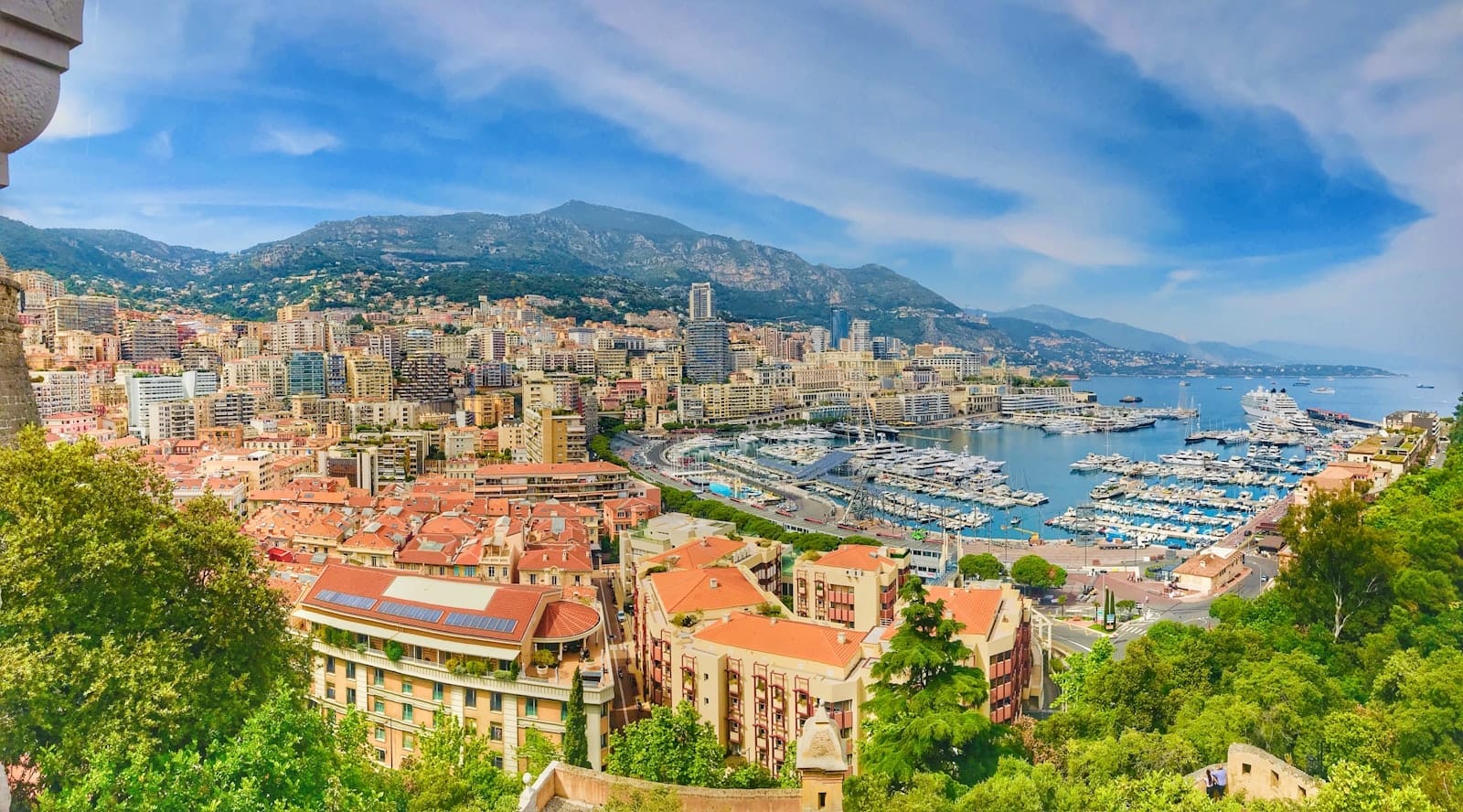
The French Riviera packs an extraordinary amount of variety into a short stretch of coastline, and a day spent exploring beyond Cannes often turns into the highlight of the trip. Monaco sits about 50 km to the northeast, squeezed between the French Alps and the Mediterranean, and covers just 2.02 km². That density works in your favour: you can walk between its most famous sights in under an hour.
Monaco is a sovereign constitutional monarchy bordered by France on three sides and the sea on the fourth. It is not a French city, not a French territory, and not simply a wealthy suburb of Nice. It has its own prince, its own flag, its own police, and a population of around 38,100 in one of the most vertically dramatic settings on the European coast. That distinctiveness is precisely what makes it worth the journey.
ℹ️ Good to know
Monaco uses the Euro and operates on the same time zone as France (CET/CEST), so there is no currency exchange or clock adjustment to worry about. EU and Schengen rules apply at the border, which is typically unmanned for day visitors arriving by train.
How to Get From Cannes to Monaco
There are three realistic options: the regional train, a guided tour, or a private transfer. Each suits a different type of traveller. Here is an honest breakdown.
- TER Regional Train (recommended) Trains run frequently from Gare de Cannes to Monaco-Monte-Carlo station. Journey time is roughly 60 to 90 minutes depending on the specific service and whether it stops at all intermediate stations. Fares are typically in the range of €8 to €15 one-way for an adult. You can buy a return ticket without committing to a specific return train time, which gives you flexibility on the ground. The route hugs the coastline east of Nice and offers some of the best rail scenery in France.
- Guided Minivan Tour (easiest, most expensive) Small-group tours from Cannes typically use 8-seat air-conditioned minivans with hotel pickup. Most include a stop in the medieval hilltop village of Eze, a visit to a perfumery, and time in Monaco including a lap of parts of the Formula One circuit. Private shore excursion pricing for a group can run around US$600 or more; per-person pricing on shared tours is considerably lower. Book through GetYourGuide or similar platforms and check recent reviews carefully.
- Private Transfer or Taxi A private car from Cannes to Monaco takes around 45 to 75 minutes depending on traffic on the A8 motorway, which can be heavy in summer. Expect to pay €100 or more each way for a standard private transfer. This option makes most sense for groups of three or more splitting the cost, or for travellers with mobility limitations who want door-to-door service.
💡 Local tip
At Cannes train station, use the SNCF ticket machines rather than the counter queue. Select 'Monaco-Monte-Carlo' as your destination. For a day trip, choose a return ticket but leave the return time open (no reservation required on TER regional trains). Keep your ticket for inspection throughout the journey.
Advice for Cruise Passengers Docking in Cannes
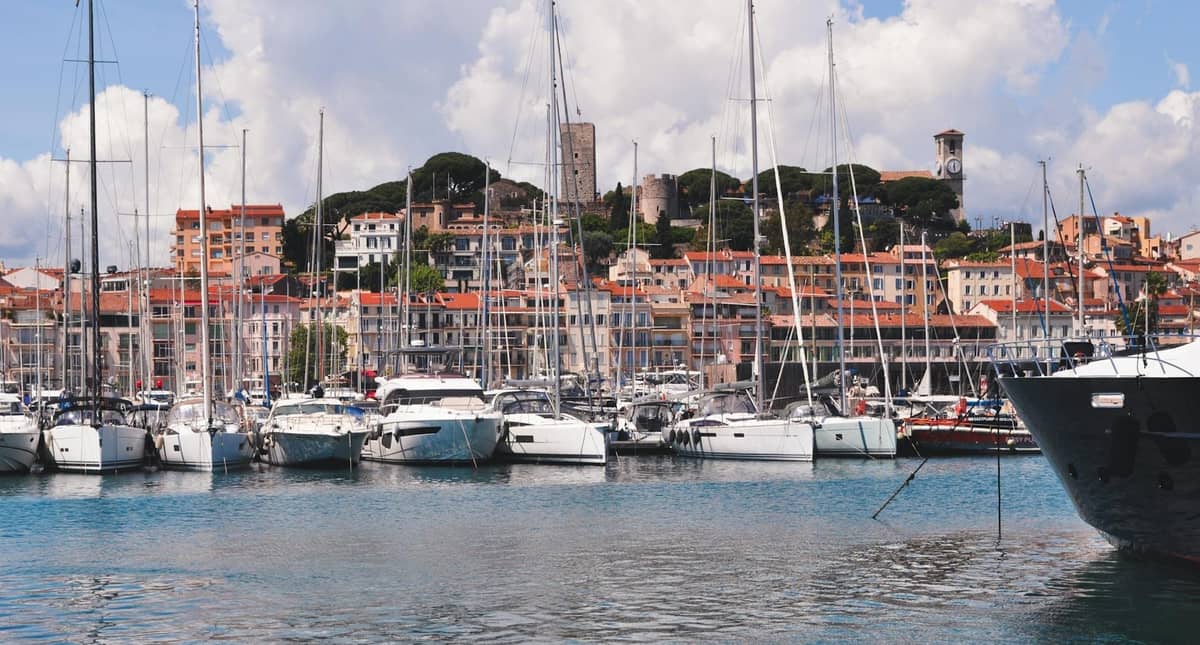
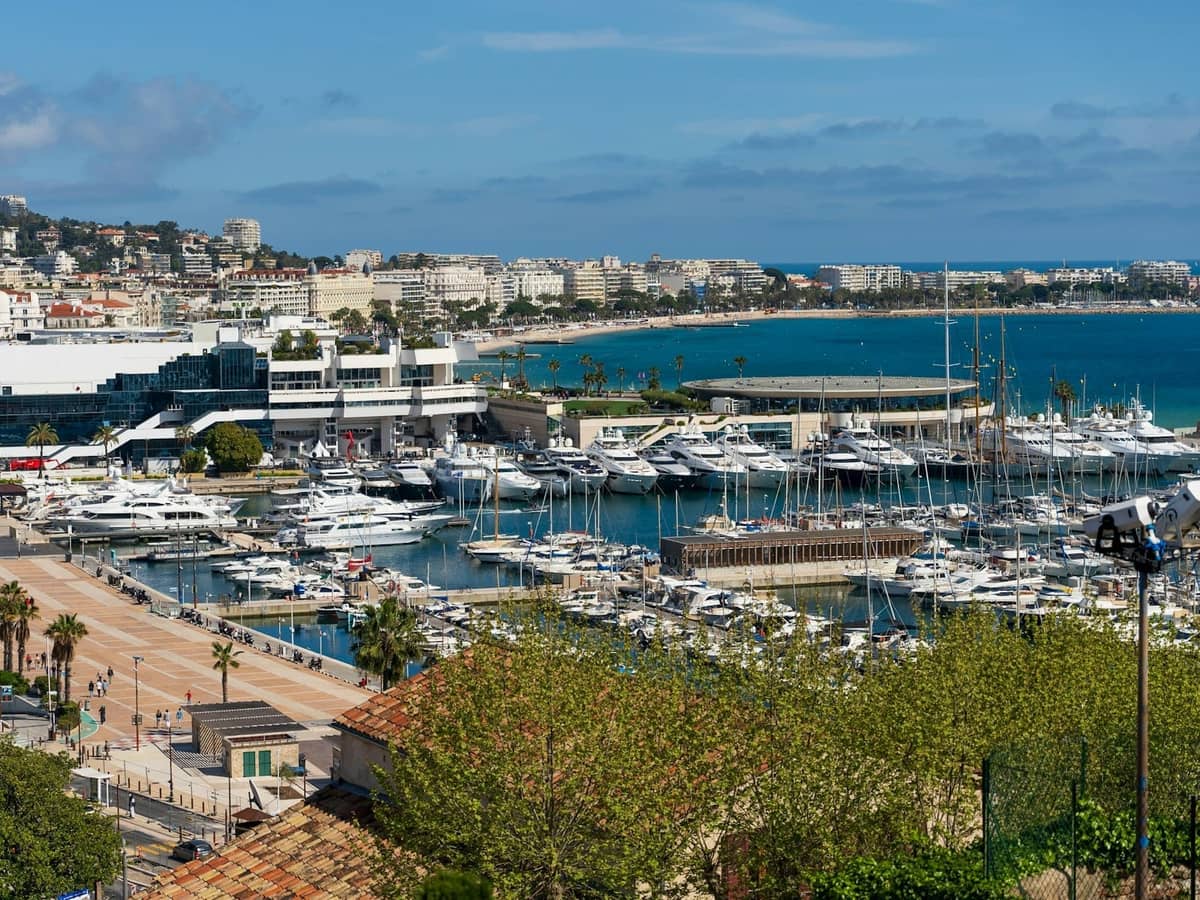
If your ship is anchored in the Bay of Cannes, you will arrive at the cruise terminal by tender boat rather than walking off the gangway directly. That tender process adds time, and it is the most common reason cruise passengers underestimate how long the Cannes-to-Monaco day trip actually takes. Plan the full logistics before you commit. The Vieux Port area is roughly a 15-minute flat walk from the tender dock to Gare de Cannes.
A realistic time budget for cruise passengers looks like this: 20 to 30 minutes for tendering, 15 minutes walking to the station, 60 to 90 minutes on the train each way, 3 to 4 hours in Monaco, 15 to 20 minutes walking back to the terminal, plus a buffer for the return tender queue. That adds up to a full day with little margin for error. If your ship departs before 19:00, the trip is feasible but tight. Before 17:00, it is genuinely stressful and probably not worth it.
⚠️ What to skip
During the Monaco Grand Prix, which takes place in late May, road closures and enormous crowds affect movement around Monte-Carlo significantly. If you are visiting during this period, factor in much longer transit times on the ground. The atmosphere is electric but the practicalities are difficult for a time-limited day trip.
What to See in Monaco on a Day Trip
Monaco rewards focused visits. The principality is small enough that trying to see everything leads to a rushed, unsatisfying experience. Pick two or three anchors and let yourself wander between them.
- Prince's Palace and the Changing of the Guard The Changing of the Guard takes place at 11:55 am daily on the Palace Square. Arrive five minutes early. The ceremony is brief but genuinely ceremonial, and the square offers sweeping views over the harbour and the surrounding coastline. The palace itself is open to visitors in summer; check the official Monaco government site for current hours and admission prices before visiting.
- Oceanographic Museum Founded by Prince Albert I in 1910, this is one of the finest marine science museums in Europe. Recent visitor guides cite adult admission around €17 to €20, though prices change. Hours are typically 10:00 to 17:00 or later in peak season. The rooftop terrace alone justifies the entrance fee. Check oceano.mc for current pricing before your visit.
- Monaco-Ville (Le Rocher) The old town sits on a promontory known as Le Rocher. It is compact, mostly pedestrianised, and contains the palace, the cathedral (where Prince Rainier and Grace Kelly are buried), and the Oceanographic Museum. Walking the full circuit of the rock takes under an hour at a leisurely pace.
- Casino de Monte-Carlo The famous Belle Époque casino is worth seeing from the outside and from the Place du Casino even if you have no interest in gambling. The entrance fee to walk through the gaming rooms applies to visitors who are not playing; smart casual dress is expected. This area also contains the grand hotels and the F1 circuit hairpin corner.
- Eze Village (add-on) If you take a guided tour rather than the train, most itineraries include a stop at Eze, a perched medieval village at 427 metres above sea level between Cannes and Monaco. The views over Cap Ferrat and the coast are exceptional. On an independent day trip, Eze requires an extra train stop and a bus or taxi up the hill, which complicates the schedule considerably.
Timing and Practical Logistics
The best months for this day trip are May, June, and September. Summer heat in July and August makes the steep streets of Monaco-Ville uncomfortable in the middle of the day, and the crowds at the casino and harbour are at their worst. September brings cooler temperatures and thinner crowds while the sea remains warm. For a broader look at when to visit the region, the best time to visit Cannes guide covers seasonal patterns in detail.
If you are travelling independently by train, aim to leave Cannes before 09:30. This gets you into Monaco before the tour groups arrive from Nice and gives you the morning light at the palace. Trains run roughly every 30 minutes from Gare de Cannes, but always check SNCF Connect for the current schedule as services vary by day and season. The return leg from Monaco-Monte-Carlo station is equally straightforward; the station is centrally located and well signposted.
One logistical point that catches travellers off guard: Monaco-Monte-Carlo railway station is underground. It is clean, well-managed, and easy to navigate, but it does not look like a traditional French station. From the station exit, it is a short walk uphill or by lift to the casino district, and a slightly longer walk or a short bus ride to Monaco-Ville and Le Rocher. The local bus network within Monaco is cheap and covers the main areas. For context on navigating the broader Riviera, the Cannes vs Nice comparison is useful if you are deciding which base works better for your Riviera day trips.
Is the Day Trip Worth It?
Monaco is genuinely unlike any other place on the Riviera. The concentration of wealth is visible and slightly surreal. The setting, the architecture, and the sheer audacity of a country this small functioning with such polish make it worth experiencing at least once. That said, it is not a place for lingering over a slow lunch at a reasonable price: food and drink costs are noticeably higher than in Cannes or Nice, and the atmosphere in tourist-heavy areas can feel performative. If you are travelling on a tight budget, Monaco works best as a half-day rather than a full day, keeping costs down by visiting the free outdoor sights and skipping the pricier restaurants.
For travellers who want to pack more into their Riviera time, Cannes itself has enough to fill several days. The full list of things to do in Cannes covers everything from the old town of Le Suquet to the Lérins Islands, which are a completely different kind of day trip: quieter, cheaper, and less visited than Monaco. The Lérins Islands guide is the place to start if you want to compare both options before deciding.
✨ Pro tip
If you only have one day and cannot decide between Monaco and the Lérins Islands, consider your priorities honestly. Monaco is urban, glamorous, and slightly overwhelming. The Lérins Islands are calm, historical, and genuinely off the tourist circuit. Both are excellent. Monaco wins on spectacle; Lérins wins on atmosphere.
FAQ
How long does the train from Cannes to Monaco take?
The TER regional train from Gare de Cannes to Monaco-Monte-Carlo takes approximately about 1 hour 10 minutes to 1 hour 30 minutes depending on the specific service. Some trains stop at every station along the coast; faster services with fewer stops are quicker. Always check the current timetable on SNCF Connect before you travel, as times vary by day and season.
Do I need a passport to visit Monaco from Cannes?
Monaco is a sovereign country but is part of the Schengen Area. In practice, the border is typically open and unmanned for tourists arriving by train or road from France. However, it is strongly advisable to carry your passport or a valid national ID card, as border checks can occur and Monaco authorities can request identification.
Is it possible to do a boat tour from Cannes to Monaco?
There is no regular scheduled ferry or boat tour service connecting Cannes directly to Monaco as a day trip option. Occasional private charter boat tours of the Riviera coastline may include Monaco in their itinerary, but these are expensive and not a practical alternative to the train for most travellers. The train is by far the most efficient option.
How much does a day trip from Cannes to Monaco cost?
By train, the core cost is the return fare, typically around €16 to €30 for an adult return depending on the service. Add museum admissions (the Oceanographic Museum runs around €17 to €20 per adult), food, and any local transport within Monaco. Budget around €60 to €100 per person for a comfortable independent day trip. Guided minivan tours cost significantly more, often €80 to €150 per person or higher for private options.
What is the best time of year for a Cannes to Monaco day trip?
May, June, and September offer the best combination of weather and manageable crowds. July and August are viable but hot, crowded, and more expensive. Avoid late May if the Monaco Grand Prix is scheduled, as it severely disrupts movement around Monte-Carlo. Early October is also pleasant, with warm weather and noticeably thinner tourist numbers.