Self-Guided Walking Tour of Cannes: The Complete Route Guide
Cannes is compact enough to explore entirely on foot, yet layered enough to reward a full day of walking. This guide covers the best self-guided route through the city, from the medieval hilltop of Le Suquet to the glamour of La Croisette, with practical tips on timing, stops, and what to skip.
Plan and book this trip
Tools from our partner Travelpayouts help you compare flights and hotels. If you book through them, we may earn a commission at no extra cost to you.
Flights
Hotels map
TL;DR
- The core self-guided walking route covers roughly 5.9 km (3.7 miles) and takes 3–4 hours with sightseeing stops, or just over an hour if walked straight through.
- Start at Marché Forville in the morning, work through Le Suquet, then descend to the Old Port, Palais des Festivals, and along La Croisette.
- No guide or fixed schedule needed — the route works any day of the year, though May to June and September offer the best walking weather.
- Audio guide apps (around €12) add historical context, but a good map and this guide cover most of what you need.
- Wear comfortable shoes — Le Suquet involves steep cobblestone climbs, and the full route has real elevation changes.
Why Walk Cannes Rather Than Take a Tour
Cannes covers just about 19.6 km² with most visitor-facing attractions concentrated in a narrow coastal strip. That makes it one of the few French Riviera cities where a self-guided walking tour of Cannes genuinely covers more ground than a group tour — you move at your own pace, linger where you want, and skip what doesn't interest you. The Le Suquet old town, the waterfront, the Old Port, and the main shopping streets are all within easy walking distance of each other.
Group tours typically rush through the highlights in under two hours. Walking independently means you can spend 45 minutes at the market, have a proper sit-down lunch, and still reach the far end of La Croisette before late afternoon. The route described here is designed to be done in a single day, but splitting it across two shorter outings also works well, particularly in the heat of July and August when midday temperatures regularly exceed 28°C.
💡 Local tip
Pick up a free printed map from the Cannes Tourist Office at Palais des Festivals, 1 boulevard de la Croisette. Hours are generally 9am–7pm (10am–6pm November to February, 9am–8pm in July and August), but may vary on public holidays and for certain events, so check the official site before you go. Staff speak English and can flag any temporary closures or events that might affect your route.
The Route: Stop by Stop
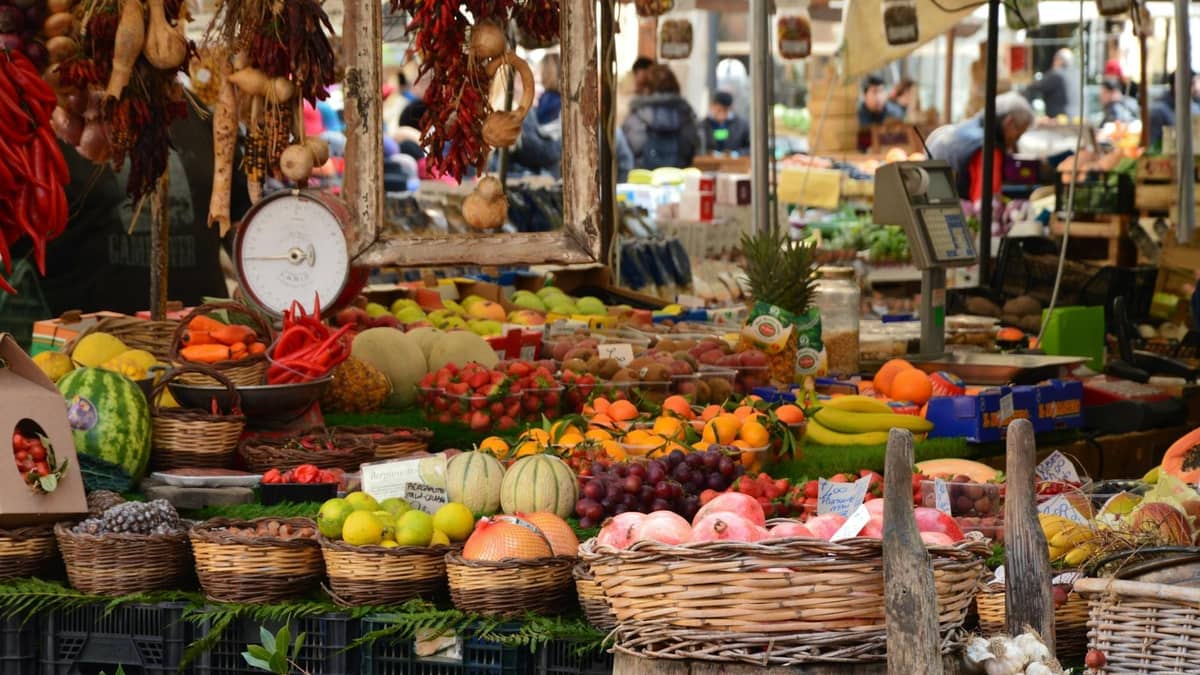
The most logical starting point is Marché Forville, the covered market just north of the Old Port. It runs Tuesday through Sunday mornings (usually closed Monday), and the combination of Provençal produce, fresh fish, and local cheese vendors makes it one of the better market experiences on the Côte d'Azur. Arrive before 10am to see it at full capacity — by noon the stalls are packing up.
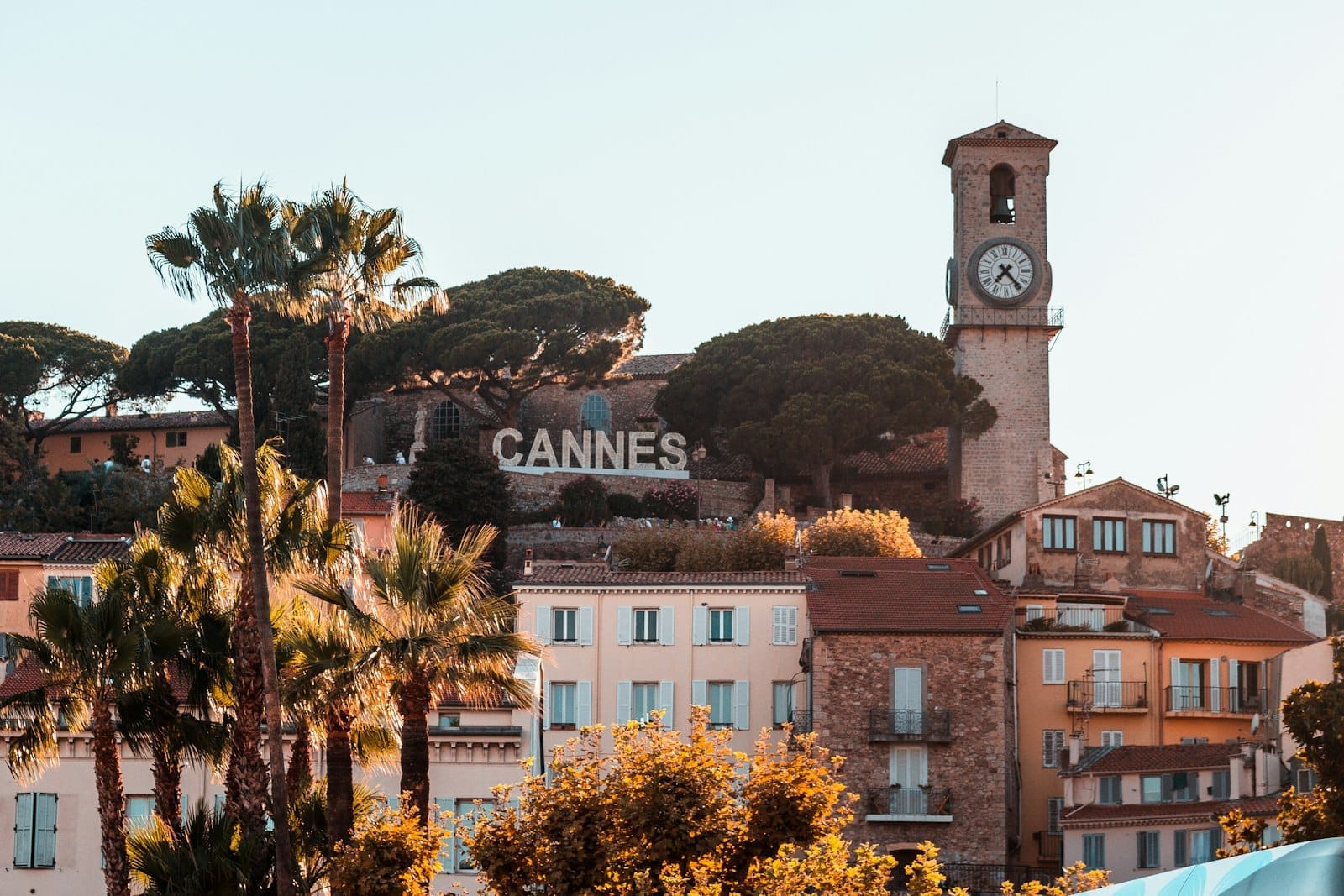
From the market, head uphill into Le Suquet. The narrow streets climb steeply to Notre-Dame de l'Espérance, a 16th-century church that anchors the old town at its highest point. Next to it, the Tour du Suquet — the medieval watchtower — offers some of the best elevated views over the Bay of Cannes and, on clear days, the Îles de Lérins. The Musée de la Castre inside the tower complex charges a modest admission fee and houses an eclectic collection of antiquities and musical instruments from around the world.
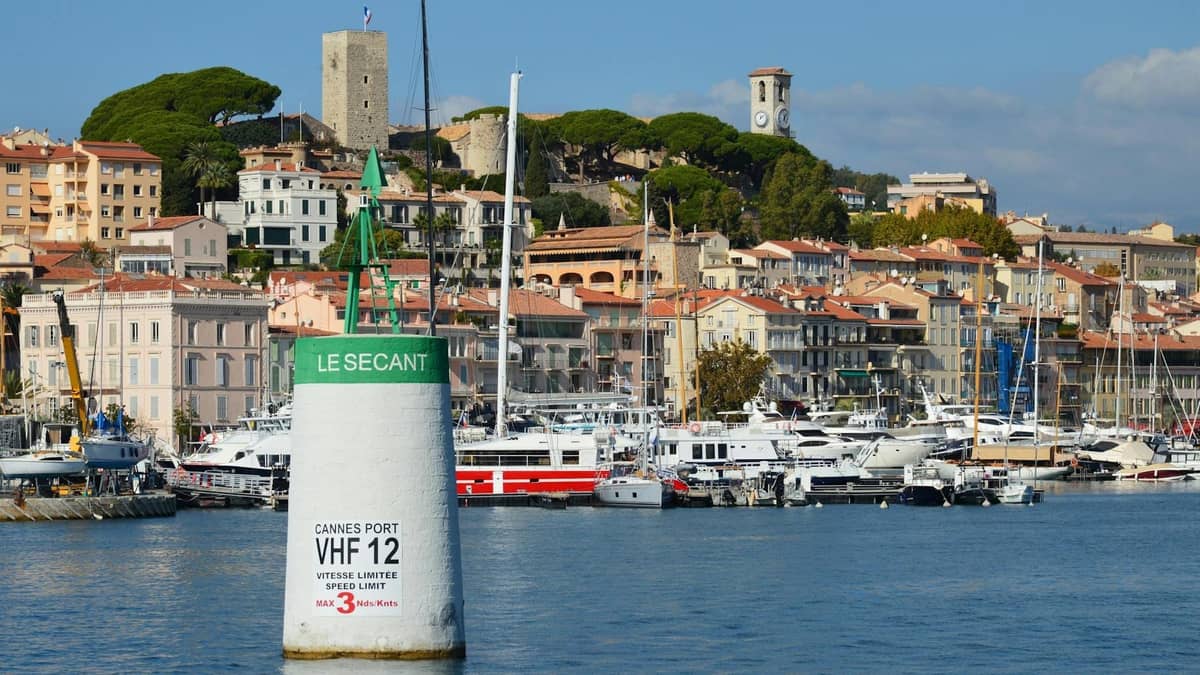
Descend back through Le Suquet's cobblestone lanes to reach the Vieux Port. The quay along Quai Saint-Pierre is lined with fishing boats and pleasure yachts and is where ferries depart for the Îles de Lérins. If you're considering a day trip to the Lérins Islands, this is where you'd add it to your itinerary — though it extends the day considerably and deserves its own half-day at minimum.
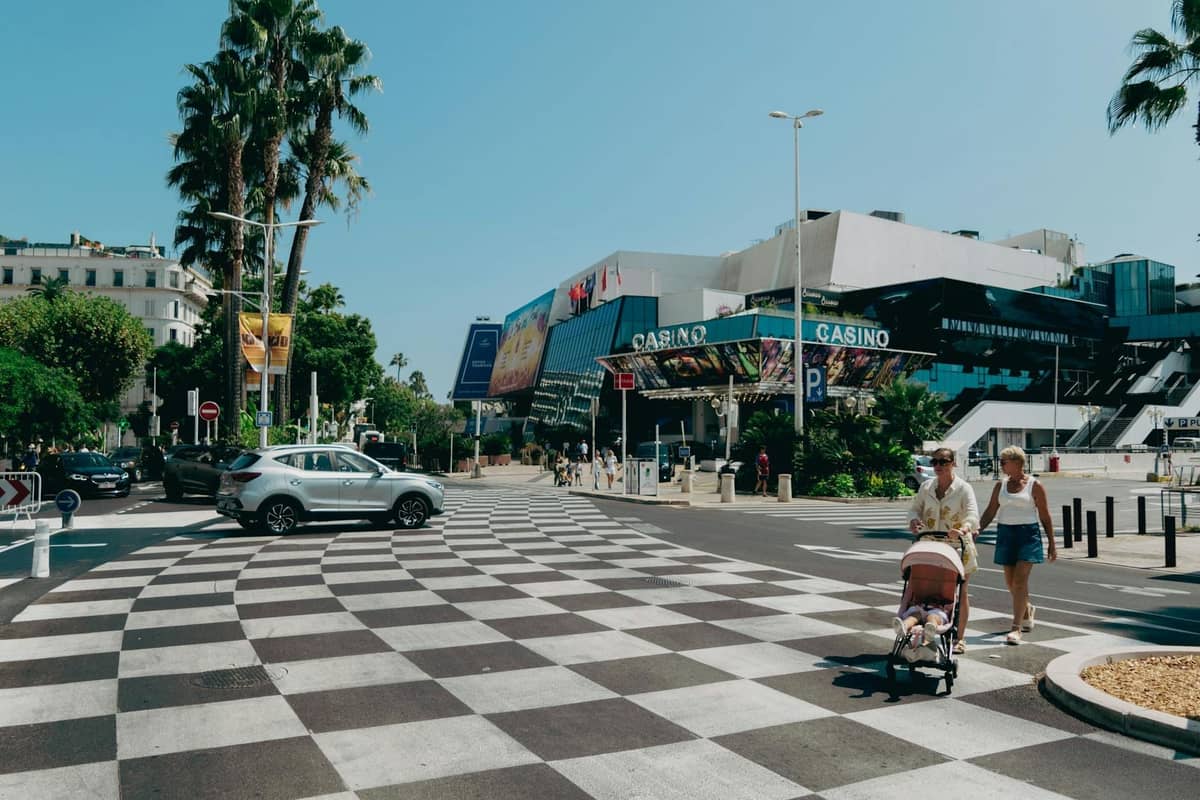
Continuing east along the waterfront brings you to the Palais des Festivals et des Congrès and the famous red carpet steps. Outside of festival periods, the steps are open to anyone for photos. Look for the handprints and signatures of film directors and actors pressed into plaques along the surrounding pavement — there are around 150 of them. The Palais itself is primarily a convention center; interior tours exist but must be booked in advance and aren't available during events.
From the Palais, the route continues east along Boulevard de la Croisette. The full boulevard runs roughly 2.7–3 km from the Palais to Palm Beach at the far eastern end. Walking the entire length one-way takes about 25 minutes at a relaxed pace. The Hôtel Carlton Cannes — one of the iconic Belle Époque palaces along the strip — sits roughly midway and is worth a pause. You don't need to be a guest to admire the façade or have a drink at the terrace bar, though prices reflect the address.
⚠️ What to skip
During the Cannes Film Festival (typically held over 11 days in May), large sections of La Croisette are cordoned off and heavily policed. The walking route is still possible but significantly disrupted. If your visit coincides with the festival, check the official Palais des Festivals site for access restrictions before planning your day.
Key Sights Along the Route
- Marché Forville The covered market near the Old Port. Open Tuesday–Sunday mornings. Best before 10am for full stalls and local atmosphere.
- Le Suquet & Tour du Suquet The medieval hilltop district with the best panoramic views in Cannes. Steep cobblestone streets — wear proper footwear. The Musée de la Castre is housed in the tower complex.
- Notre-Dame de l'Espérance 16th-century Gothic church at the top of Le Suquet. Free to enter. Quiet interior, good contrast to the busy seafront below.
- Vieux Port (Old Port) Working fishing port mixed with yachts and ferry departures. Quai Saint-Pierre is a good lunch or coffee stop before heading to the seafront.
- Palais des Festivals & Red Carpet Steps The center of the Cannes Film Festival. Freely accessible outside of events. The celebrity handprint plaques are on the surrounding esplanade.
- Boulevard de la Croisette The main seafront promenade running 2 km from the Palais to Palm Beach. Luxury hotels, designer boutiques, and public beach access points along the way.
- Centre d'Art La Malmaison A small art gallery in a 19th-century villa on La Croisette. Temporary exhibitions, modest admission fee. Easily added to the route without significant detour.
Practical Timing and What to Expect
The base walking distance for the core route is around 5.9 km. Without any stops, the walk takes roughly 1 hour 20 minutes. Add sightseeing time, a market browse, lunch, and a proper sit at the seafront, and you are looking at a comfortable 3–4 hour outing. If you extend to the full length of La Croisette and back, or add Rue d'Antibes for shopping, a full day is realistic.
Morning starts work best. Marché Forville closes by midday, Le Suquet gets warmer and more crowded as the day progresses, and the light on the Bay of Cannes is at its clearest in the first few hours after sunrise. Starting at 8:30–9am means you can complete the full route and be back at the port for a late lunch. For more on fitting this into a short trip, see the 2 days in Cannes itinerary which builds the walking tour into a broader plan.
✨ Pro tip
The stretch between the Palais des Festivals and the Carlton is the most photographed section of La Croisette and therefore the most crowded between 11am and 3pm in summer. If you want clean shots without crowds in the frame, walk this section before 9am or after 7pm — the evening light on the façades is also considerably more flattering.
Audio Guides, Apps, and What They're Actually Worth
Several providers offer digital audio guides for a self-guided walking tour of Cannes. These typically cost around €12 and deliver narrated commentary through your phone as you move between waypoints. The better ones include a digital map with the route pre-loaded, which removes any navigational guesswork. They're worth considering if you want historical context on Le Suquet or the festival history of the Palais without hiring a guide.
The honest assessment: for the outdoor sections, audio guides add genuine value. For museums like the Musée des Explorations du Monde or the Centre d'Art La Malmaison, the on-site information is usually sufficient. Free apps like SmartGuide offer basic Cannes content, while paid options from operators who specialize in the French Riviera tend to be more detailed. Check that any app works offline before you rely on it — mobile data on La Croisette is rarely an issue, but the upper streets of Le Suquet can have patchy coverage.
Extending the Walk: Rue d'Antibes and Beyond
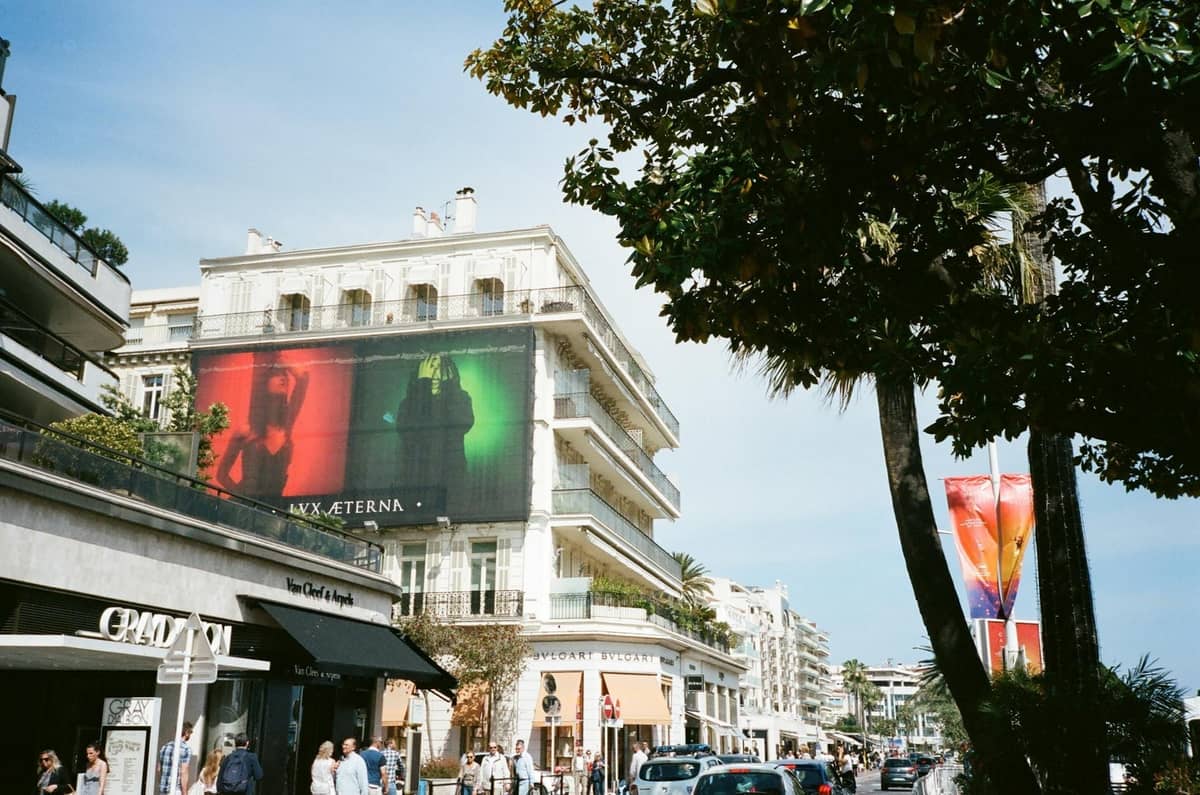
Running parallel to La Croisette, one block inland, Rue d'Antibes is Cannes' main shopping street. It's less glamorous than La Croisette but more practically useful, with a mix of French chain stores, independent boutiques, pharmacies, and cafés. If the seafront promenade starts feeling too manicured, Rue d'Antibes offers a more everyday version of the city. It also connects easily back to the Gare de Cannes (train station) if you need to plan your exit.
At the eastern end of La Croisette, Palm Beach marks the end of the main walking circuit. The Palm Beach Casino is here, along with more relaxed beach clubs than the ones in front of the luxury hotels. This is a natural turnaround point. Returning to the Palais on foot takes around 35–40 minutes along the same promenade, or you can catch a local bus back. For the full picture of what the seafront offers, including private versus public beach access, the Cannes beaches guide is worth reading before you go.
- Start early: market vendors pack up by noon and Le Suquet is far more pleasant before midday heat sets in
- Wear shoes with grip: cobblestones in Le Suquet get slippery after rain and are uncomfortable in flat-soled shoes on the descent
- Carry water: the public beach promenade has fountains, but the upper streets of Le Suquet do not
- Check for events: the Film Festival (May), Cannes Lions (June), and MIPCOM (October) all affect access to La Croisette
- Avoid peak July–August midday heat: temperatures regularly hit 28–30°C; plan a long lunch break between noon and 3pm
- La Croisette is flat; Le Suquet is steep — factor this in if anyone in your group has mobility considerations
FAQ
How long does a self-guided walking tour of Cannes take?
The core route covers roughly 5.9 km and takes about 1 hour 20 minutes at a continuous walking pace. With stops at Marché Forville, Le Suquet, the Old Port, and La Croisette, allow 3–4 hours. If you add Rue d'Antibes or the full length of the boulevard to Palm Beach, a full day is comfortable.
Is the Cannes walking route suitable for all fitness levels?
Mostly yes, with one exception. La Croisette and the Old Port are completely flat. Le Suquet involves a real climb on cobblestone streets — it's not extreme, but it's steep enough to be challenging for anyone with limited mobility. The ascent takes around 10–15 minutes and can be skipped if needed, though the views from the top are the best in the city.
What is the best time of year for a walking tour of Cannes?
May to June and September give the best combination of warm weather, good light, and manageable crowds. July and August are hot (often above 28°C midday) and the seafront is extremely busy. Note that late May coincides with the Cannes Film Festival, which disrupts access to parts of La Croisette. Winter walks (December–February) are quiet and mild by northern European standards, with average highs around 13–14°C.
Can you do a self-guided walking tour of Cannes as a day trip from Nice?
Yes, and it's one of the most practical day trips from the area. The TER regional train runs from Nice-Ville to Gare de Cannes in about 30–40 minutes, with fares around €6–8 one-way. Trains run frequently throughout the day. Arriving by 9am gives you a full day for the walking route before catching an evening train back. The bus (Line LR 81 from Nice Airport) takes around 45–60 minutes and costs approximately €2.10–€10 depending on ticket type and operator.
Do you need to book a self-guided walking tour in advance, or can you just show up?
The route itself requires no booking — you can walk it any time, any day. If you want a paid audio guide (around €12 from online providers), these can be purchased and downloaded in advance or on the day. The only things that benefit from advance booking are specific museum entry during busy periods and any boat tours from the Old Port to the Îles de Lérins, which can sell out in summer.