Marché Forville: Cannes' Provençal Market at the Heart of the Old Port
Marché Forville is Cannes' principal covered food market, operating since 1934 at the base of the Le Suquet old town. Spanning 3,000 square metres, it draws local chefs, fishermen, and morning shoppers in equal measure — and remains free to enter every morning of the week in summer during market hours.
Quick Facts
- Location
- 6 Rue du Marché Forville, 06400 Cannes (foot of Le Suquet, Old Port area)
- Getting There
- Short walk from Cannes SNCF train station; Old Port bus stops nearby (Palmbus network)
- Time Needed
- 30–60 minutes for a casual browse; longer if you shop or linger
- Cost
- Free entry. Prices vary by vendor.
- Best for
- Food lovers, self-caterers, early risers, photographers, local culture seekers
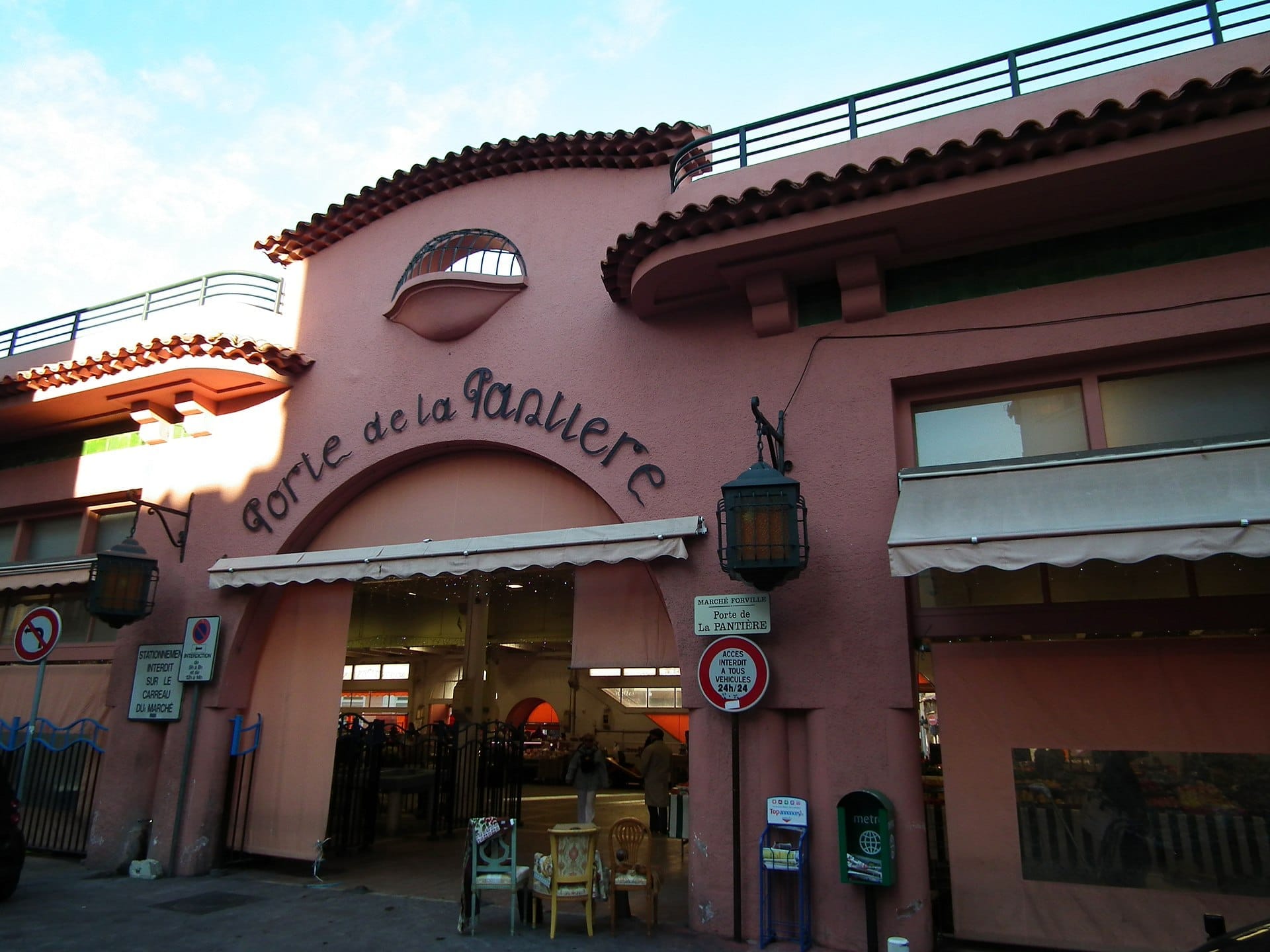
What Is Marché Forville?
Marché Forville is Cannes' main covered food market, a sprawling covered hall that has anchored daily life in this corner of the city since traders first set up here in 1934. It sits at the base of the historic Le Suquet quarter, tucked just back from the Old Port, which means it belongs to the working, residential side of Cannes rather than the glamorous seafront boulevard. That distinction matters: this is where the city actually eats, not where it poses.
The market is officially known as the Marché Provençal Forville, and the Provençal label is not just tourism branding. Vendors bring in produce grown in the Alpes-Maritimes hills, fish landed at the nearby coast, and regional specialties — tapenade, olive oils, lavender honey, dried herbs — that reflect the distinct culinary geography of Provence and the Côte d'Azur. It is the kind of market that professional kitchens in Cannes depend on. The restaurants lining the Old Port often source their morning catch here before service.
⚠️ What to skip
Renovation notice: Marché Forville is undergoing a comprehensive renovation through at least 2027. Since April 2025, local producers and fishermen have temporarily relocated to the large hall on the Allées de la Liberté, opposite the bandstand, while other retailers may remain on the eastern side of the Carreau Forville. Verify the current situation with the City of Cannes before your visit, as arrangements may change.
Opening Hours and When to Go
The market runs on a seasonal schedule. From 1 September through 30 June, it opens Tuesday to Sunday from 07:00 to 13:00, with Mondays off. During the summer months, 1 July to 31 August, it opens every day of the week, same hours: 07:00 to 13:00. Entry is free at all times.
On Mondays outside summer, the food market gives way to a flea and antique market inside the hall. This brocante version attracts a different crowd entirely: collectors, locals hunting for second-hand curiosities, and visitors who prefer browsing ceramics and vintage linens to weighing tomatoes. It is worth factoring into your itinerary if your visit falls on a Monday in spring or autumn.
Timing matters significantly. The market is at its fullest and most atmospheric between 07:30 and 09:30. Vendors are fully stocked, the fish stalls are freshest, and the mix of restaurant buyers negotiating in French, local residents filling wheeled trolleys, and early-rising visitors makes the hall feel genuinely alive. By 11:30, crowds thin and some stalls begin packing up. Arriving after 12:00 means you will find a reduced selection.
💡 Local tip
Arrive by 08:00 on weekdays for the quietest shopping experience and the best fish selection. On weekends, arrive earlier if possible — Saturdays in particular draw larger crowds.
Tickets & tours
Hand-picked options from our booking partner. Prices are indicative; availability and final rates are confirmed when you complete your booking.
Cannes, Antibes and St Paul de Vence half-day private tour
From 60 €Instant confirmationFree cancellationBoat & snorkeling trip to the Esterel Calanques from Cannes
From 75 €Instant confirmationFree cancellationCannes, Antibes and Saint Paul de Vence shared tour from Nice
From 65 €Instant confirmationFree cancellationCannes food tour with full meal
From 105 €Instant confirmationFree cancellation
What You'll Find Inside
The covered hall organises broadly into produce stalls, a fish section, charcuterie and cheese vendors, and specialty food sellers. The vegetable and fruit displays shift dramatically with the season. In spring, you see bundles of asparagus from the Var, small artichokes, and strawberries from Carros. Summer brings courgettes with their flowers still attached, fat Marmande tomatoes, and peaches from the interior valleys. Autumn means mushrooms — chanterelles, ceps — and the first chestnuts.
The fish section is one of the most compelling parts of the market and one that distinguishes Forville from inland markets of a similar scale. The Mediterranean catch includes rascasse (scorpionfish, the key ingredient in bouillabaisse), loup de mer (sea bass), and the small rock fish used for soups. Vendors display their fish on crushed ice with a directness that is common in southern French markets: whole, eyes clear, nothing pre-packaged.
Specialty food stalls sell prepared Provençal products that are practical to carry home: vacuum-packed tapenades, small bottles of local olive oil, jars of anchoïade, dried herbes de Provence, and various flavoured salts. These make better souvenirs than anything sold in tourist shops on Rue d'Antibes, and at considerably more honest prices.
The Sensory Experience of the Market
The smell of the market changes as you move through it. Near the entrance, there is the cold, clean scent of wet stone and fresh herbs. Further inside, the fish section carries that sharp coastal salt smell. Near the cheese and charcuterie vendors, the air thickens with aged rinds and cured meat. These are not subtle background notes — they are strong, specific, and entirely authentic to a working French market.
The sounds are equally layered. Vendors call out prices in French, sometimes slipping into the regional cadences of the Midi, with that characteristic rising intonation. The clatter of crates being shifted, the thud of a cleaver on a fish board, the murmur of early-morning conversations in Provençal dialect — these details accumulate into something that cannot be replicated in a supermarket or a tourist-facing food hall.
The light inside the covered hall in the early morning is diffuse and cool, filtering through the structure in a way that makes the produce colours — deep green courgettes, scarlet peppers, the silver skin of fresh fish — particularly vivid. Photographers working with natural light will find the early-morning window (07:30 to 08:30) the most rewarding. Bring a compact camera or use your phone; tripods and professional rigs feel intrusive and are unlikely to be welcomed by vendors.
Location, Access, and Getting There
The market sits at 6 Rue du Marché Forville, at the western edge of central Cannes, pressed up against the base of Le Suquet's historic hillside. It is a short walk from Cannes SNCF train station — roughly 10 minutes on foot heading southwest through the town centre. The Palmbus network serves the surrounding Old Port area, and several bus stops are within a few minutes' walk of the market entrance.
The immediate surroundings reward a slightly longer visit. The Old Port is a few minutes' walk east, where you can watch fishing boats unload or book ferry departures to the Îles de Lérins. The narrow streets of Le Suquet climb above the market, offering some of the most authentic pedestrian lanes in Cannes. Combining a Forville visit with a walk up through Le Suquet makes for a complete morning.
There is no dedicated parking at the market itself; the surrounding streets are a mix of pedestrian zones and resident parking. Arriving on foot, by bike, or via public transport is the practical choice. The market's pedestrian-only environment makes navigation easy for most visitors, though no specific accessibility data about ramps or facilities is published officially. Visitors with mobility considerations should contact the City of Cannes tourism office in advance.
How Forville Fits Into a Morning in Cannes
The most natural way to approach Marché Forville is as an anchor for a broader morning. Start at the market when it opens, work through the hall, pick up breakfast ingredients or a coffee from one of the nearby cafes on the surrounding streets, then walk up into Le Suquet to see the Tour du Suquet before the heat of the day sets in. From the hilltop, the views back over the Old Port and out toward the bay repay the climb.
Alternatively, if you are self-catering or have access to a kitchen, Forville functions as an excellent base for assembling a Provençal picnic. Pick up bread from a nearby boulangerie, add cheese, olives, and charcuterie from the market stalls, and take it all down to the Old Port waterfront or along the lower slopes of Le Suquet. This is a considerably cheaper and more pleasurable lunch than anything you will find on the beachfront terraces.
For context on how Forville compares to the other side of Cannes, the city's more commercial shopping corridor runs along Rue d'Antibes and through to La Croisette. Forville belongs to a different register entirely: local, unpretentious, and operating on market time rather than tourist time.
Who Should Skip Marché Forville
If you have no interest in food or markets as cultural spaces, Forville will hold limited appeal. It is not a scenic attraction in the conventional sense: there is no grand architecture to admire, no sweeping view, and no performance element. Its value is entirely in the experience of a working market, which requires a degree of engagement and a tolerance for crowds and noise.
Visitors arriving after 12:00, or on Mondays outside summer expecting a food market, will be disappointed. The afternoon version of the hall, when vendors are packing down and the freshness has gone from the produce, is a pale shadow of the morning experience. Similarly, travellers on very tight schedules who cannot budget even 45 minutes for a slow browse may find it an incomplete experience.
Insider Tips
- On Monday mornings outside July and August, the hall hosts a brocante (flea and antique market) instead of the food market. Arrive early for the best finds among vintage ceramics, old maps, and second-hand books.
- Vacuum-sealed tapenades and small bottles of Provençal olive oil from the specialty stalls make among the best food souvenirs in Cannes — more authentic and better priced than the tourist shops along the main boulevards.
- The fishmongers at the back of the hall tend to be the last vendors to pack up. If you are buying fish to cook, this is where to spend your time, and arriving at 07:30 gives you the widest selection before restaurant buyers clear the best stock.
- Bring a tote bag or small wheeled trolley if you plan to shop seriously. There is no bag service at the market, and paper bags from vendors can struggle with a full haul of fruit and vegetables.
- The renovation that began in 2024 (with vendors relocated from April 2025) has temporarily shifted the main producers to the Allées de la Liberté hall. Check the City of Cannes website for the latest status before your visit, as the situation may have changed by the time you arrive.
Who Is Marché Forville For?
- Food travellers and home cooks who want fresh, seasonal Provençal produce and regional specialties
- Early risers looking for an authentic, non-tourist-facing experience in Cannes before the city wakes up
- Photographers seeking natural light, colour, and genuine market atmosphere without staged scenes
- Visitors on a budget who want to assemble a high-quality picnic at local prices
- Antique and brocante hunters visiting on a Monday outside the July–August summer period
Nearby Attractions
Other things to see while in Vieux Port (Old Port):
- Cannes Yacht Marina (Port Canto)
Port Pierre Canto, inaugurated in the 1960s as the first private leisure marina built in France, anchors the eastern end of La Croisette with around 600 berths and a backdrop of open sea facing the Îles de Lérins. Free to enter on foot, it rewards an easy stroll with close-up views of serious yachts, a calm promenade away from the Croisette crowds, and direct sightlines toward Sainte-Marguerite island.
- Midi Beach (Plage du Midi)
Stretching along Boulevard Jean Hibert west of the Old Port, Plage du Midi is the public beach that locals actually use. No velvet ropes, no reservation fees, just sand, sea, and a view toward the Îles de Lérins. It rewards visitors who know when to show up.
- Vieux Port Waterfront
The Vieux Port de Cannes sits at the foot of the historic Le Suquet quarter, where superyachts now moor alongside fishing boats on the same quay that opened in 1838. Free to explore at any hour, it is the working heart of Cannes and the departure point for the Lérins Islands.