Best Things to Do in Cannes: The Complete Guide
Cannes is far more than a film festival backdrop. This guide covers the best things to do in Cannes, France, from historic hilltop walks and island escapes to seafront promenades, local markets, and practical planning tips for every season.
Plan and book this trip
Tools from our partner Travelpayouts help you compare flights and hotels. If you book through them, we may earn a commission at no extra cost to you.
Flights
Hotels map
TL;DR
- Walk La Croisette early morning before the crowds arrive, then head up to Le Suquet for the best views over the Bay of Cannes.
- Take a ferry to the Îles de Lérins for the most underrated half-day escape from the city, with no cars and genuine calm.
- Marché Forville opens at 7:30 a.m. and closes by 1:30 p.m. Tuesday to Sunday, with Monday flea market days. Arrive before 9 a.m. for the best produce.
- May and September offer the best combination of good weather, manageable crowds, and lower prices. See when to visit Cannes for a full seasonal breakdown.
- Cannes works well on a tight budget if you skip the private beach clubs and prioritize public beaches, markets, and free landmarks.
What Cannes Actually Offers (Beyond the Film Festival)
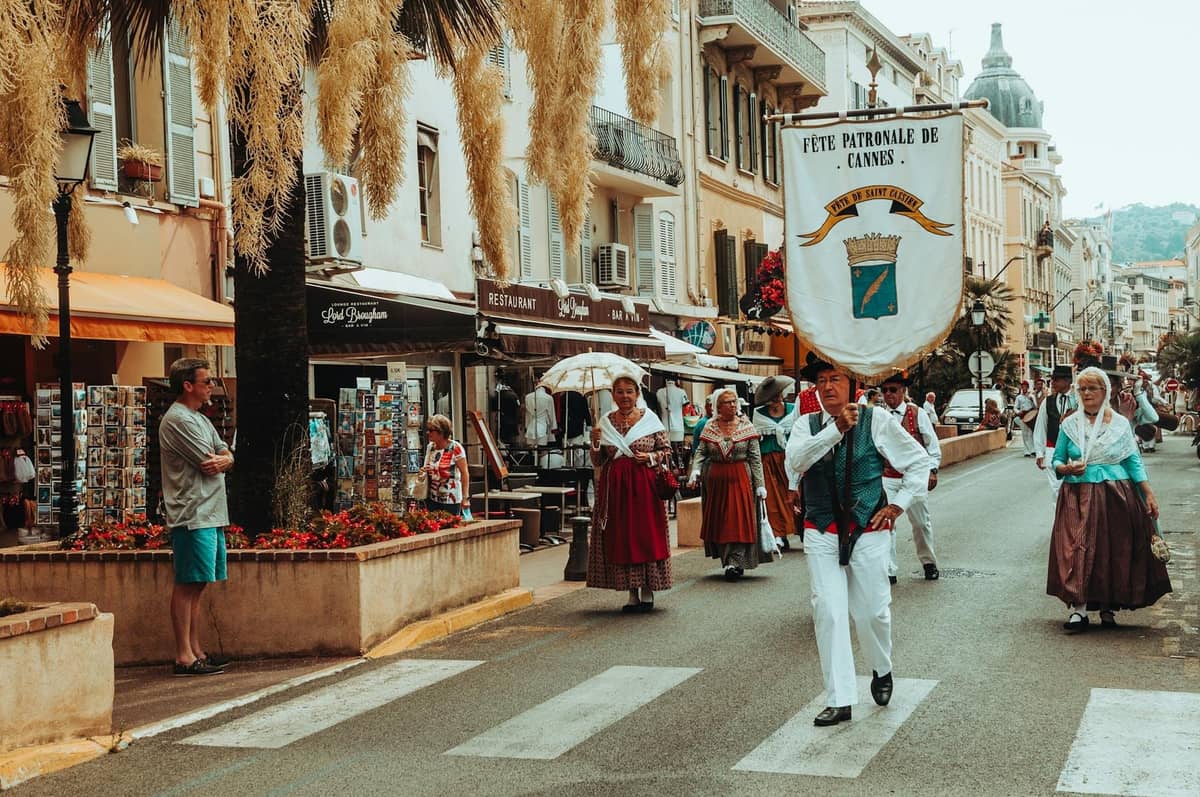
Most people arrive in Cannes expecting glamour and leave pleasantly surprised by how much substance the city has beneath the surface. Yes, the Cannes Film Festival is the city's defining event globally, but it runs for just 12 days in May. For the other 353 days of the year, Cannes is a well-structured French Riviera city with a compact historic quarter, a working old port, reliable public transport, excellent markets, and two genuinely beautiful islands a short boat ride offshore.
The city covers about 19.6 km² with a population of around 76,000, which means the main sightseeing areas are walkable from the train station in under 20 minutes. The Mediterranean climate delivers dry, sunny summers with average highs around 27-28°C, while shoulder seasons in May and September offer 21-25°C with far fewer visitors. Even winter, mild at 13-14°C, has its appeal for those who prefer an uncrowded promenade.
ℹ️ Good to know
Cannes hosts several major events beyond the Film Festival: Cannes Lions (advertising, June), the Cannes Yachting Festival (September), and MIPIM (property, March). These each fill hotels and push prices up significantly. Check event calendars before booking to avoid accidentally arriving during a conference week.
La Croisette and the Palais des Festivals
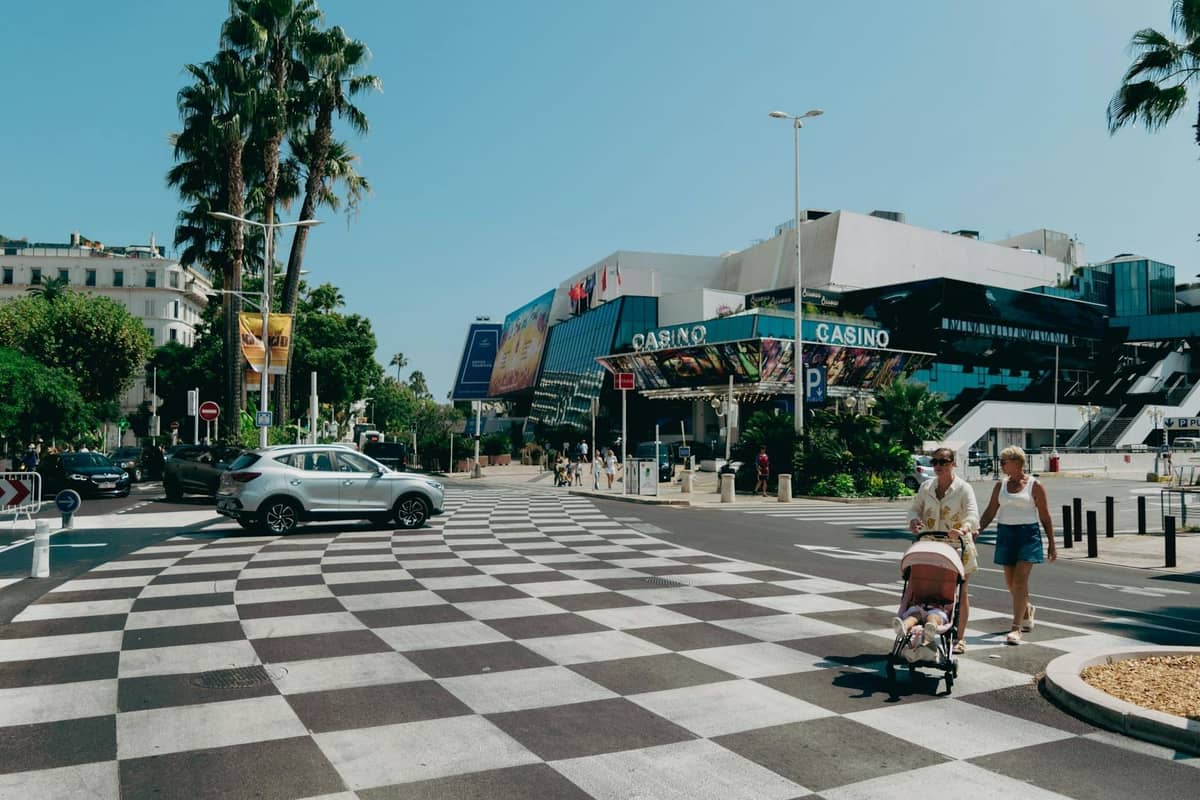
The Boulevard de la Croisette is Cannes' signature seafront promenade, stretching roughly 2 km from the Palais des Festivals in the west to the Palm Beach peninsula in the east. Palm trees line the central divide, luxury hotels face the sea, and the Mediterranean sits just below the retaining wall. It is genuinely attractive, though in July and August it can feel overcrowded between 11 a.m. and 6 p.m.
At the western end of the boulevard sits the Palais des Festivals et des Congrès, the concrete building that hosts the Film Festival each May. Outside festival season, the building is used for conferences, concerts, and trade shows. The famous red carpet steps (the Montée des Marches) are accessible year-round for photos, free of charge, though the building interior requires a scheduled tour or event ticket.
- Best time to walk La Croisette Early morning (before 9 a.m.) in summer, or any time from October to April. The light is better, the path is clear, and the hotel facades are easy to photograph without crowds.
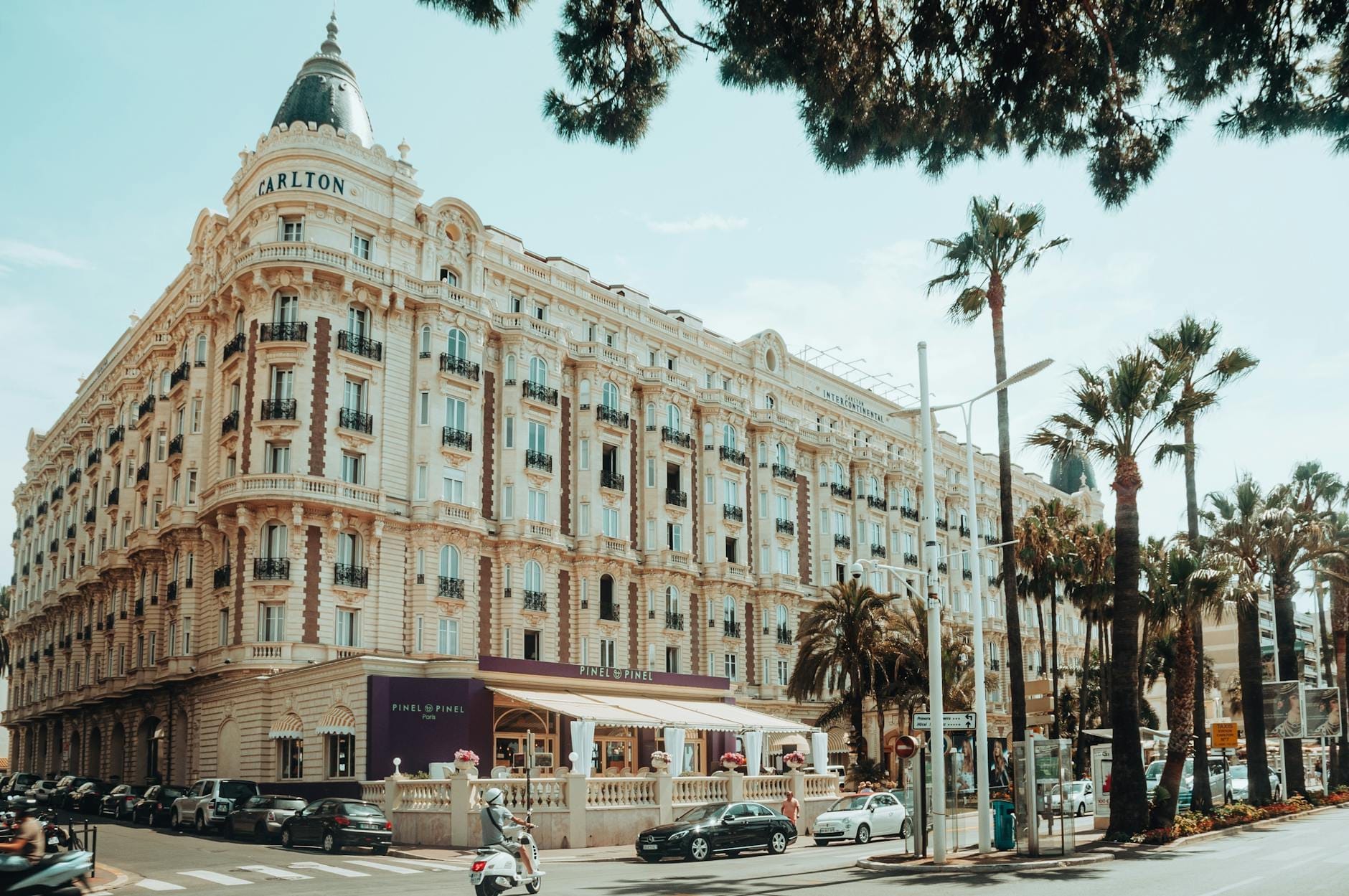
- Carlton Hotel The iconic Belle Époque facade of the InterContinental Carlton is worth seeing from outside even if you're not staying. The terrace café is open to the public, though prices reflect the address.
- Plage de la Croisette The beach along the boulevard is split between paid private club sections and free public sections. The public sections are narrower but perfectly usable. Arrive before 10 a.m. in summer to secure a spot.
- Palm Beach Casino At the eastern tip of La Croisette, the Palm Beach Casino marks the end of the formal promenade. The surrounding peninsula has a more local, less touristy feel than the central boulevard.
Le Suquet: The Old Town Worth the Climb
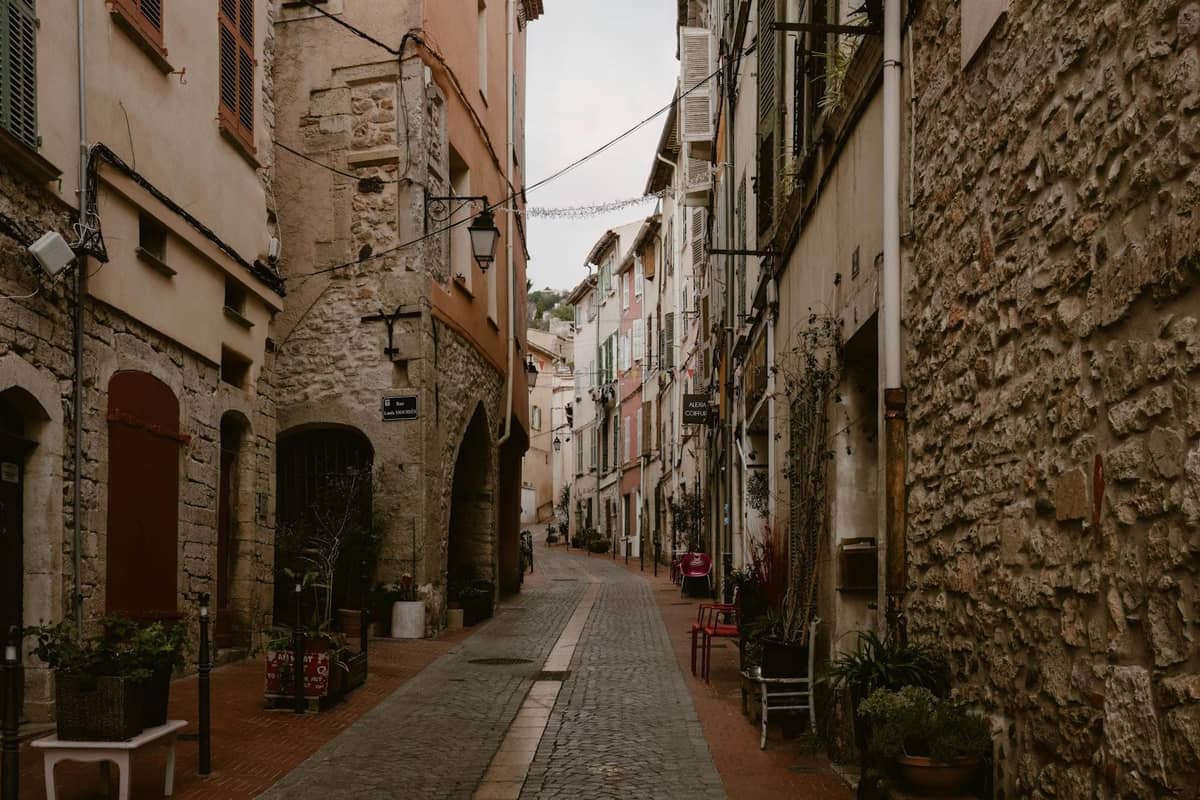
Le SuquetLe Suquet is Cannes' original settlement, a hilltop quarter directly above the Vieux Port. The streets are narrow, steep, and genuinely old, with restaurants and small shops tucked between stone walls. Most visitors spend 30 to 60 minutes here, which is enough to walk up, take in the panorama, and explore the main square around Place de la Castre.
At the top of the hill, the Tour du Suquet is a 12th-century watchtower that forms part of the former castle complex. Immediately beside it stands the Église Notre-Dame d'Espérance, a 17th-century church that is free to enter and mercifully cool in summer. The views from the terrace outside are the best free viewpoint in central Cannes, directly overlooking the old port and out across the bay toward the Lérins Islands.
💡 Local tip
The Musée de la Castre, housed in the castle complex at the top of Le Suquet, holds an eclectic collection of pre-Columbian artefacts, Mediterranean antiquities, and musical instruments. It is small but well-curated, and entry fees are modest. Check opening hours with the Cannes tourism office before visiting, as they vary by season.
The Vieux Port and Marché Forville
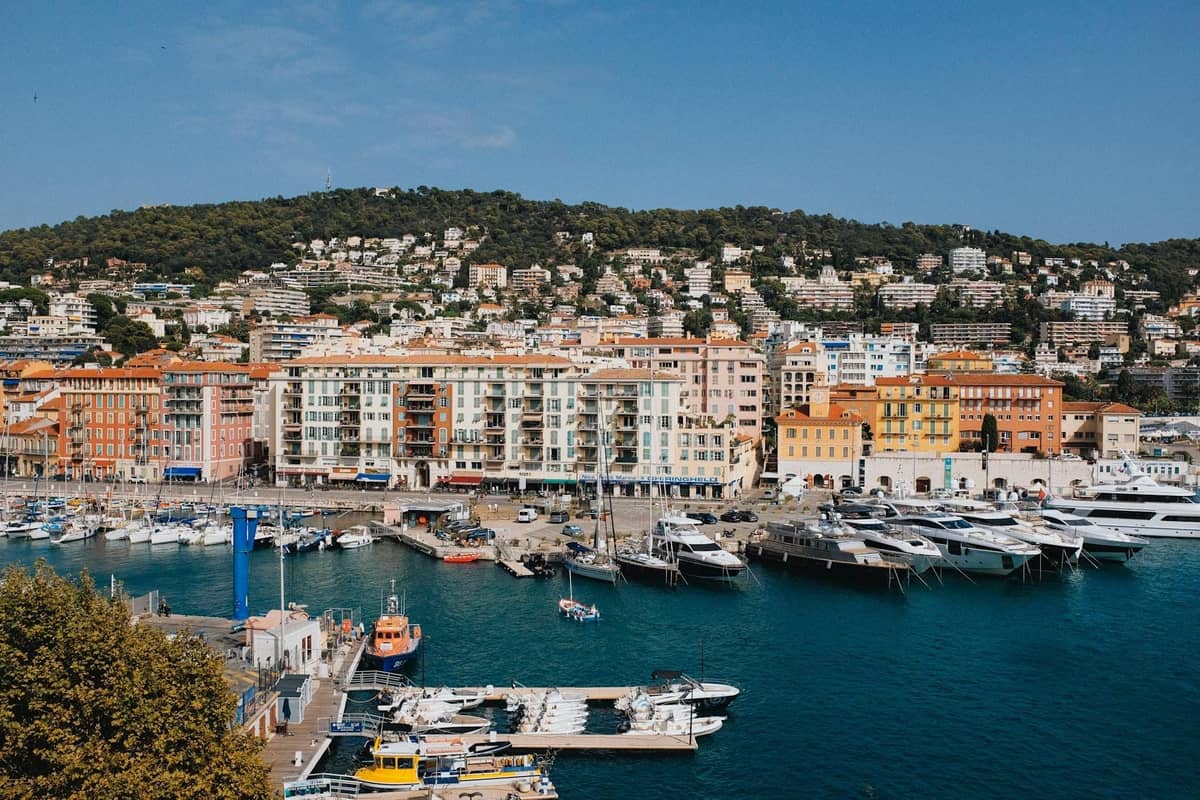
The Vieux Port sits directly below Le Suquet and is where Cannes functions as a working town rather than a resort. Fishing boats and pleasure craft share the harbor, ferry boats depart for the Lérins Islands from the ferry quay (Gare Maritime), and the surrounding streets have the kind of unpretentious cafés and brasseries that are harder to find along La Croisette.
A five-minute walk from the port brings you to Marché Forville, the city's main covered market. It opens at 7:30 a.m. and closes at 1:30 p.m., Tuesday through Sunday. Monday is flea market day, when antique dealers and secondhand traders replace the food stalls. The produce quality is consistently high: local olives, Provence honey, fresh fish from the morning boats, seasonal vegetables, and regional cheeses. This is the best place in Cannes to buy provisions for a picnic before heading to the islands.
⚠️ What to skip
Rue d'Antibes, the main shopping street running parallel to La Croisette, is often presented as a local shopping experience. In practice, it is dominated by international chains with a few quality French retailers mixed in. Worth walking if shopping is your priority, but manage expectations: it is not a hidden local street.
The Lérins Islands: The Best Half-Day Trip From Cannes
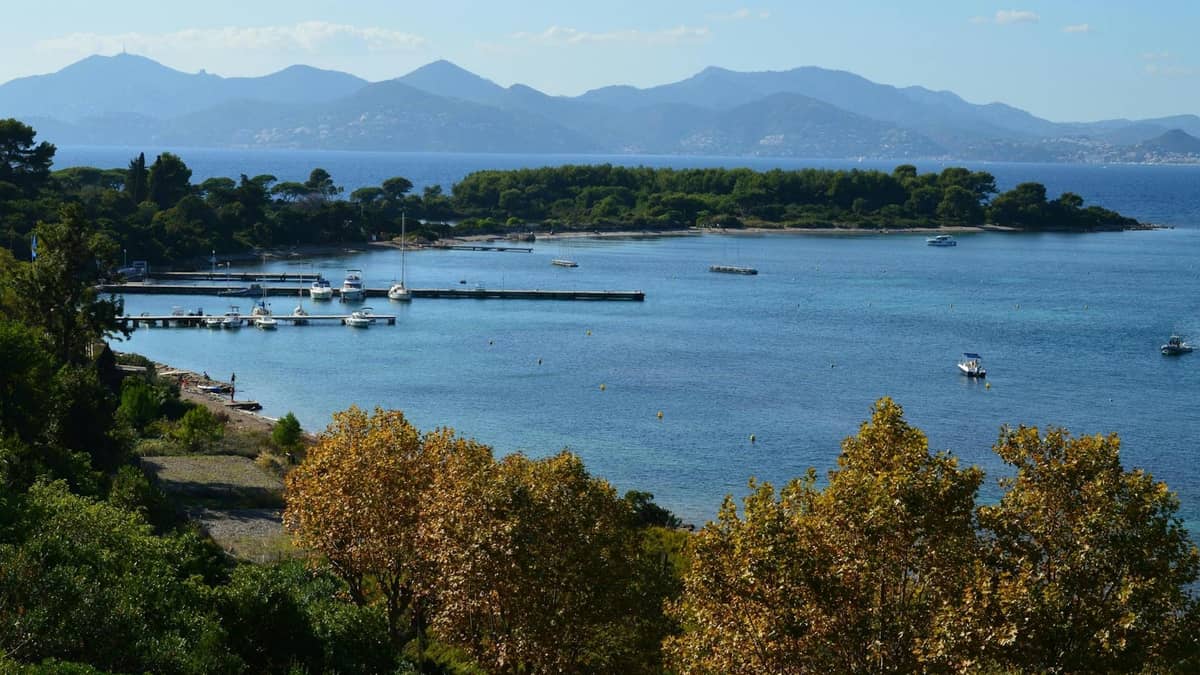
The two main Lérins Islands sit just 15 to 20 minutes by ferry from the Vieux Port, and they represent the single best reason to spend more than one day in Cannes. Neither island has cars, neither is overbuilt, and both offer a complete contrast to the resort city visible from their shores.
Île Sainte-MargueriteSainte-Marguerite is the larger of the two and is most famous for the Fort Royal, where the Man in the Iron Mask was allegedly imprisoned in the late 17th century. The fort houses a small maritime museum and the cell itself, which visitors can enter. Beyond the fort, the island has pine and eucalyptus forests with well-marked walking paths, rocky coves for swimming, and a couple of casual restaurants. A full circuit of the island on foot takes about two hours at a relaxed pace.
Île Saint-HonoratSaint-Honorat is smaller and quieter. A community of monks has lived here since the 5th century and still operates a working monastery, producing wine and liqueur that can be purchased on-site. The island is considerably calmer than Sainte-Marguerite and attracts visitors looking for a genuinely peaceful afternoon rather than historical sightseeing. The combination of both islands in a single day is possible but leaves little time for either.
Beaches, Shopping, and Everything Else
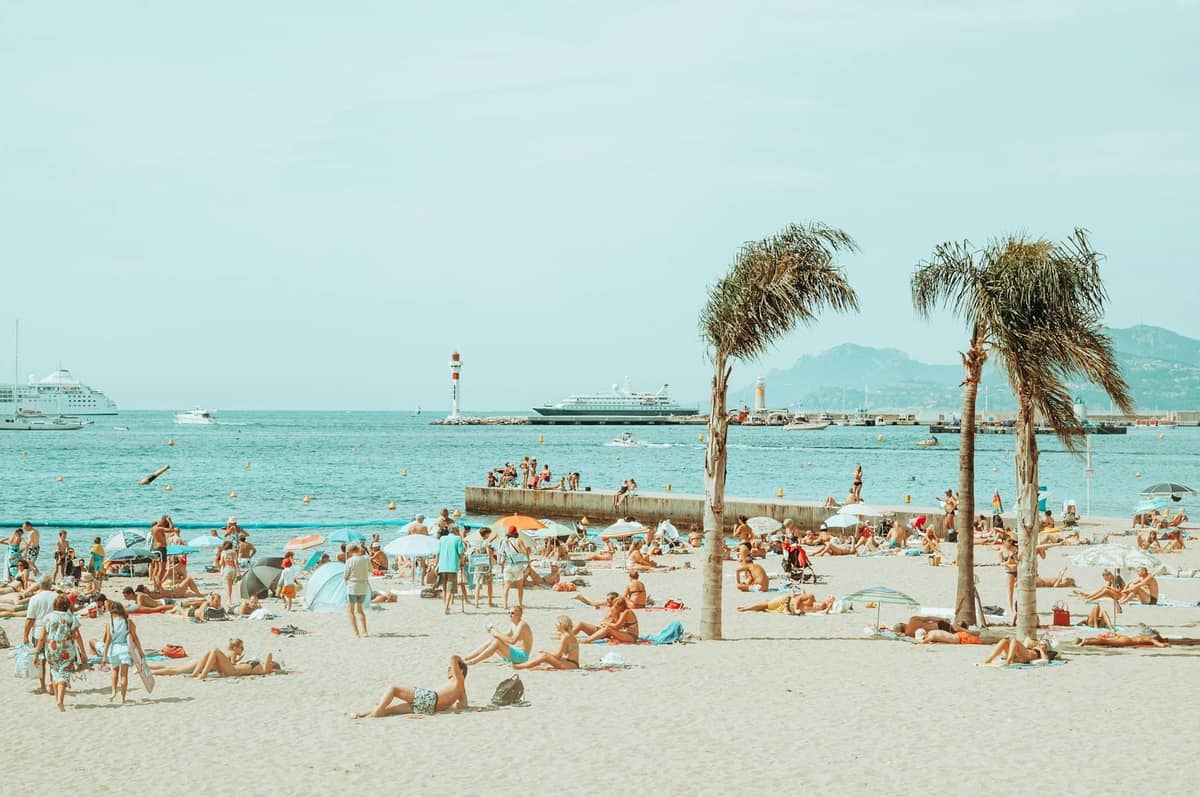
Cannes has two distinct beach zones. The central Plage de la Croisette is heavily contested in summer, particularly the private club sections fronting the luxury hotels, where sunbed rental can cost €30-€60 or more per person per day. The public sections are free but narrower. For more space and a less performative atmosphere, the beaches at the western end of the city toward La Bocca are wider and more practical.
For shopping, the Rue d'Antibes covers everyday retail while the Carré d'Or district, the 'Golden Square' between La Croisette and Rue d'Antibes, concentrates luxury boutiques including major French and Italian fashion houses. The Cannes shopping guide breaks down the different zones in more detail. Budget travelers can largely skip both areas and focus on Marché Forville and the streets around Le Suquet for more affordable souvenirs and local products.
- Centre d'Art La Malmaison A small contemporary art space in a 19th-century villa on La Croisette. Entry fees are low and exhibitions rotate seasonally. Often overlooked by visitors focused on the beach.
- Cannes Yacht Marina The Port Canto marina at the eastern end of La Croisette is worth a walk for boat enthusiasts. During the Cannes Yachting Festival in September, it becomes one of the world's largest in-water boat shows.
- Day trip to Monaco Monaco is accessible from Cannes by TER train in around 70-80 minutes via Nice. The route along the coast is one of the most scenic in Europe and makes for a practical full-day excursion.
- Walking tour of the city A self-guided circuit connecting the Vieux Port, Le Suquet, Marché Forville, and La Croisette covers the core of Cannes in around 3 hours at an easy pace.
If you are planning a full itinerary, the 2 days in Cannes guide structures these attractions into a practical sequence, and the Cannes on a budget guide identifies where you can cut costs without compromising the experience.
✨ Pro tip
The roughly 30–45-minute walk from the train station to the Vieux Port via Marché Forville, then up through Le Suquet and back down along La Croisette, covers the essential Cannes circuit without spending a euro. Do it first thing on arrival to orient yourself before committing to paid activities.
FAQ
What are the best things to do in Cannes besides the Film Festival?
The most rewarding things to do in Cannes outside of festival season include walking Le Suquet (the old town with the best views over the bay), visiting Marché Forville for local produce, taking a ferry to the Lérins Islands for a half-day escape, and walking La Croisette early in the morning before the crowds arrive. The city has enough substance for two to three days of sightseeing without any film industry connection.
How many days do you need in Cannes to see the main sights?
Two full days is enough to cover the central sightseeing areas comfortably: one day for La Croisette, Le Suquet, the Vieux Port, and Marché Forville; a second day for the Lérins Islands. A third day allows for day trips to Nice or Monaco by TER train, or more relaxed beach time.
Is Cannes worth visiting outside of the Film Festival?
Yes, and in many ways more so. Outside the festival (particularly in May), hotel prices drop significantly, the promenade and beaches are accessible without queues, and the local character of the city is much easier to experience. The islands, markets, and old town exist independently of the film industry and are the city's strongest genuine attractions.
Are the Lérins Islands worth visiting from Cannes?
They are the most underrated aspect of a Cannes trip. Ferries depart from the Vieux Port and take about 15 minutes to Sainte-Marguerite Island and around 20–30 minutes to Saint-Honorat. The islands have no cars, clear water for swimming, forests for walking, and in the case of Saint-Honorat, a working monastery with wines for sale. Half a day on one island is a practical addition to any Cannes itinerary.
What is the best time of year to visit Cannes for things to do?
May (after the Film Festival, roughly from the 25th onward) and September offer the best overall conditions: warm weather in the 21-25°C range, lower hotel prices than July-August, and manageable crowds at beaches and attractions. July and August are the busiest and hottest months. October through April is quiet, with mild temperatures around 13-20°C, all markets and most attractions still operating, and significantly lower costs.