Getting Around Cannes: The Complete Transport Guide
Everything you need to know about getting around Cannes, from arriving via Nice Côte d'Azur Airport to navigating the city on foot, by bus, train, taxi or bike. Includes fares, routes, parking tips and regional connections along the French Riviera.
Plan and book this trip
Tools from our partner Travelpayouts help you compare flights and hotels. If you book through them, we may earn a commission at no extra cost to you.
Flights
Hotels map
TL;DR
- Most visitors fly into Nice Côte d'Azur Airport (NCE), about 26 km from central Cannes, and reach the city by express bus (around €19.50), regional train (€6–8), or taxi (capped at €88 by prefectural regulation).
- Central Cannes is compact and very walkable: La Croisette runs just 1.5 km end to end, and most key sights are within 20 minutes on foot.
- The local Palmbus network covers the city and surrounding communes for around €1.80 per trip — useful for reaching the western beaches or Cannes-la-Bocca.
- Cannes has no metro or tram; your main options are walking, bus, taxi, bike, and the coastal TER train for day trips.
- For regional day trips to Nice, Antibes or Monaco, the TER coastal train from Gare de Cannes is fast, cheap and frequent — see our Cannes to Monaco day trip guide for full details.
Arriving in Cannes: From Nice Airport and Beyond
Cannes itself has no major commercial airport. The nearby Cannes-Mandelieu Airport (IATA: CEQ), about 5–6 km west of the city centre, handles only business jets and private aviation. For almost everyone, the journey begins at Nice Côte d'Azur Airport (IATA: NCE), the main international gateway for the French Riviera, located around 26 km northeast of central Cannes.
There are four realistic ways to cover that 26 km, and the right choice depends on your budget, luggage situation and how many people are travelling together.
- Express Bus – Zou! Line 81 Runs from Nice Airport Terminal 2 directly to Cannes SNCF station in about 45 minutes. Single fare is around €19.50 (verify current price before travel). Good value for solo travellers; limited luggage space at busy periods.
- Regional Train (TER) Take a local bus or short walk to Nice Saint-Augustin station (closest to the airport), or the free airport shuttle to Nice-Ville, then a TER coastal train to Gare de Cannes. Journey time: 30–40 minutes. Fare: roughly €6–8 one-way. Trains run frequently throughout the day. Best option for budget-conscious travellers who don't mind the transfer.
- Licensed Taxi Official taxis from Nice Airport to the Palais des Festivals area are subject to a prefectural maximum fare of €88. Travel time is typically 30–45 minutes depending on traffic. Available 24/7 from designated taxi ranks at the airport. Correct for groups of 3–4 splitting the cost.
- Private Transfer or Shuttle Pre-booked shared shuttles start from roughly €25–40 per person; private car transfers from around €80 for the whole vehicle. Door-to-door convenience with no transfer stress. Worth it for late arrivals, early departures, or if you're travelling with young children and luggage.
⚠️ What to skip
Uber and other ride-hailing apps operate in the Cannes-Nice corridor, but fares are not fixed and surge pricing applies during peak times, including the Cannes Film Festival in May and Cannes Lions in June. A taxi with the €88 cap can actually be the cheaper option during those periods.
Walking Around Cannes: Better Than You Might Expect
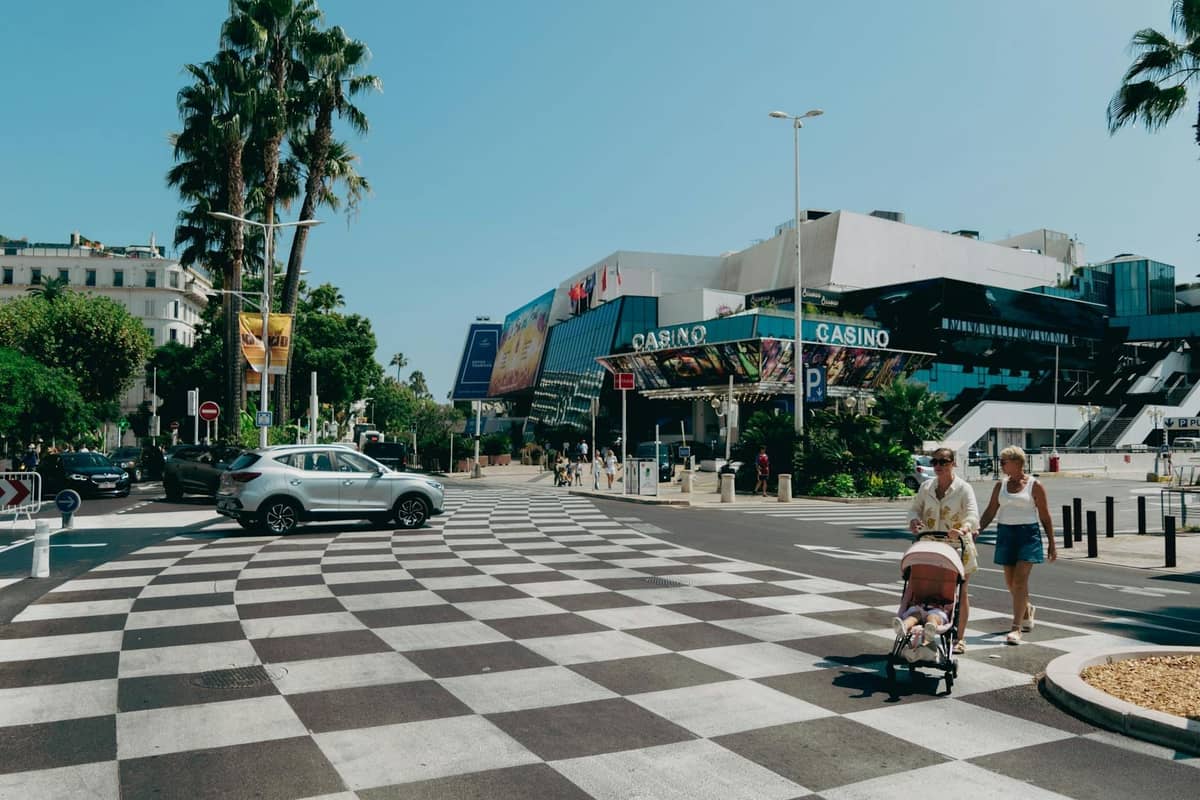
For most visitors, the best way to get around Cannes is to walk. The city covers just 19.62 km², and the tourist core is even smaller. Boulevard de la Croisette stretches about 2.5–3 km from the Palais des Festivals to the Palm Beach casino. From the seafront to the old port takes under 10 minutes. From the train station to the beach is a comfortable 15-minute stroll.
The only real exception is Le Suquet, the historic old town on the hill above the port. Getting up there requires some climbing along steep, narrow lanes, which can feel warm work in July and August when temperatures regularly hit 27–28°C. That said, the effort is worth it. A self-guided walking tour of Cannes covering the Croisette, the old port and Le Suquet comfortably takes two to three hours at a relaxed pace.
💡 Local tip
In July and August, start walking early — before 10am — or wait until after 6pm. Midday heat on the Croisette with the sun reflecting off the sea is genuinely punishing. The promenade also gets extremely crowded between noon and 4pm during peak summer.
Local Buses: The Palmbus Network
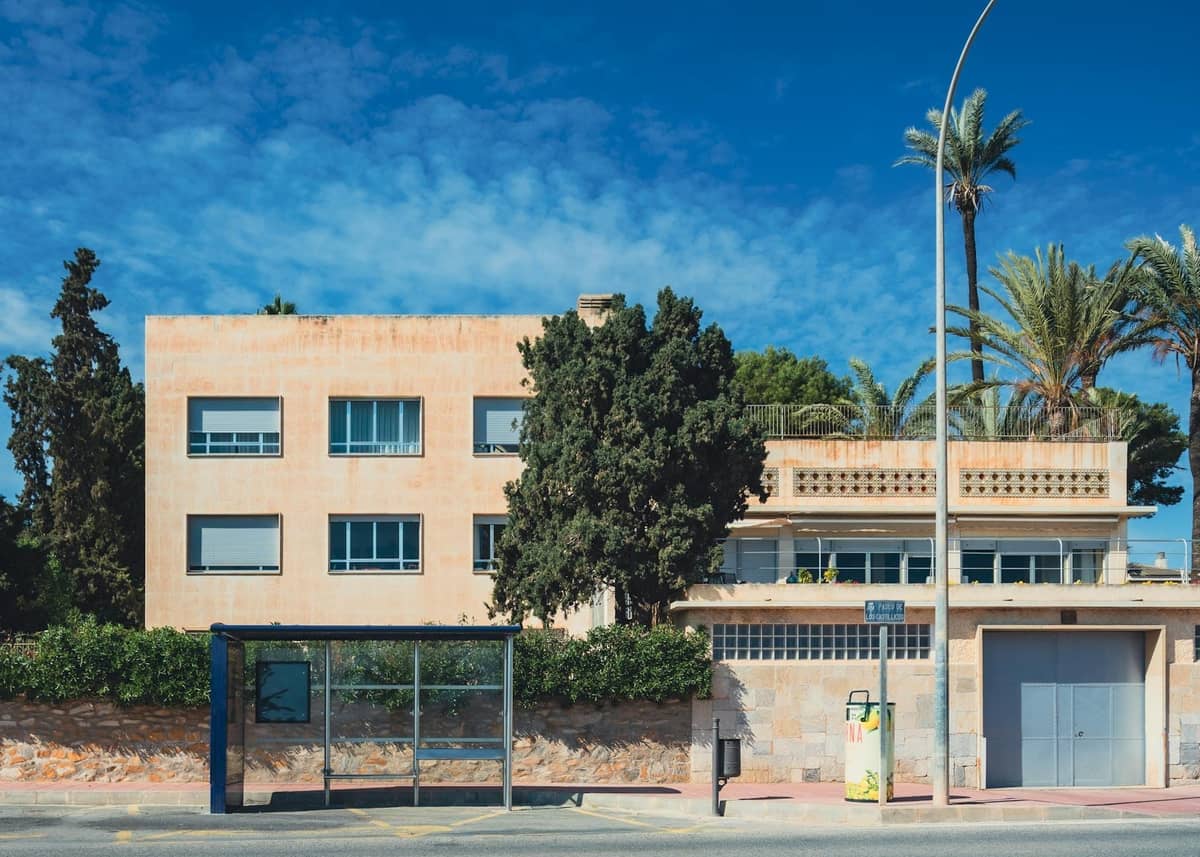
Cannes has no metro and no tram. The city's public transport is entirely bus-based, operated by Palmbus, the public authority covering Cannes and surrounding communes including Le Cannet and Mandelieu-La Napoule. Routes and real-time timetables are available on the Palmbus website and app. Single tickets cost around €1.50 depending on the route and purchase channel — significantly cheaper than a taxi for short urban hops.
The network is useful primarily for reaching areas that aren't easy to walk from the centre: the western beaches near Cannes-la-Bocca, the residential La Californie neighbourhood uphill, or neighbouring towns. For getting between the train station, the Croisette and the old port, most people simply walk. Night lines also operate, which matters if you're out late and don't want to pay taxi rates.
✨ Pro tip
During the Cannes Film Festival, accredited attendees can travel free on Palmbus by scanning a QR code through the 'My Cannes' section of the Festival's website. If you're visiting during the festival for any reason, it's worth checking whether you qualify before paying for every bus journey.
Taxis, Ride-Hailing and Getting Around by Car
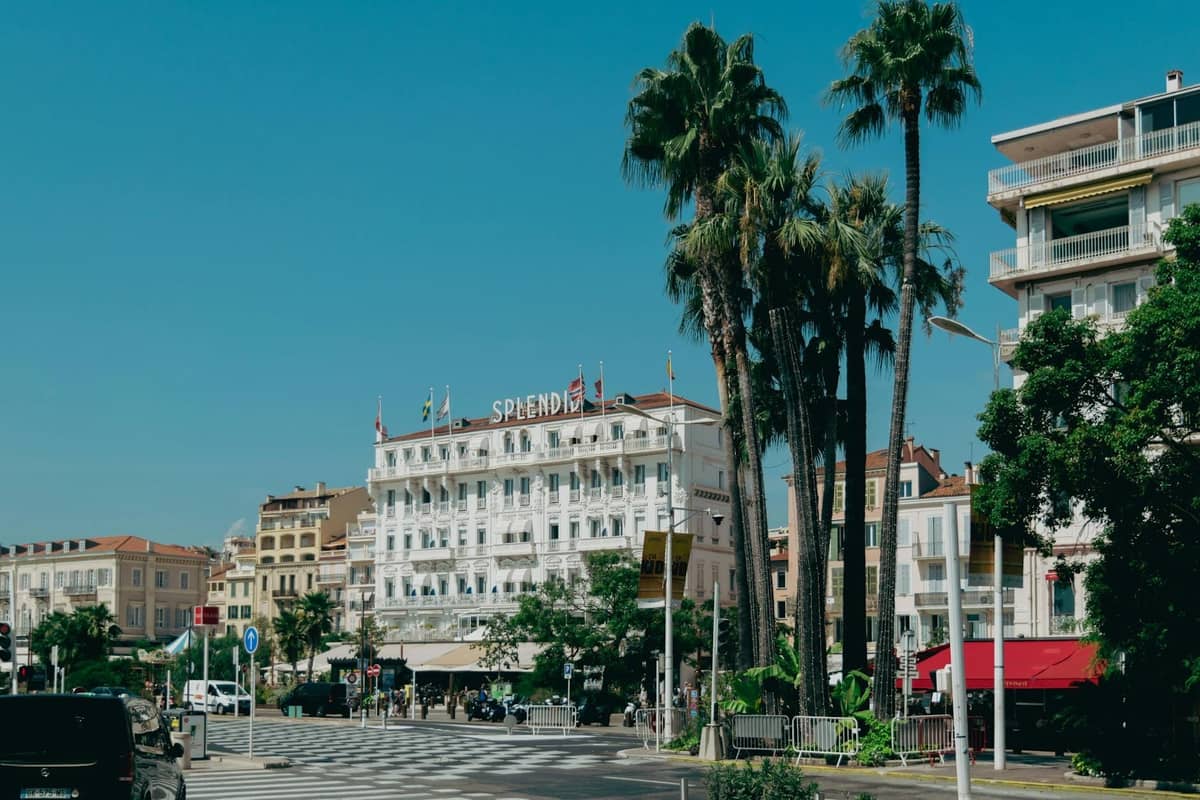
Licensed taxis in Cannes are metered and regulated. You'll find taxi ranks outside major hotels, the Palais des Festivals, the Croisette Casino, the train station and Town Hall. The central booking line is +33 (0)4 93 99 27 27, and the 'taxiclub' mobile app allows advance booking. There are reportedly 154 licensed taxis operating in Cannes during major festivals, but during peak events — especially the Film Festival in May — demand far outstrips supply. Book ahead.
Uber operates in Cannes and Nice. It's a convenient option for journeys between the two cities or for late-night travel, but availability drops sharply outside tourist season and during high-demand periods, when drivers frequently cancel or surge pricing makes the fare uncompetitive versus a standard taxi. Other VTC (voiture de transport avec chauffeur) services also operate locally; check availability within your preferred app on arrival.
Driving in central Cannes is generally not recommended. Traffic congestion on and around the Croisette is significant in summer, parking is limited and expensive, and most of what visitors want to see is easier to reach on foot. That said, having a car is valuable if you plan to explore the Esterel hills, visit inland Provençal villages, or take day trips away from the coast. Major rental companies including Sixt, Hertz, Europcar, Avis and Europcar have branches at or near Cannes train station.
- Parking near the Palais des Festivals The Palais des Festivals car park has 49 semi-fast EV charging points and 15 spaces reserved for mobility-impaired visitors. This is the most central paid parking option.
- Croisette street parking 30 minutes free, then approximately €3 per 2 hours. Payment at meters or via the Flowbird app. Spaces are hard to find in summer and nearly impossible during festival weeks.
- Other central car parks Laubeuf, Ferrage-Meynadier, Suquet-Forville, Vauban, République, Roseraie and several others serve different parts of the centre. Rates vary; expect to pay standard French city parking charges.
Trains and Regional Connections from Cannes
Gare de Cannes sits right in the centre of town, about a 15-minute walk from the beach. SNCF TER regional trains run along the coast in both directions throughout the day, making Cannes an excellent base for exploring the French Riviera without a car. Antibes is about 15 minutes east by train; Nice is 30–40 minutes. For Monaco, you change at Nice or take a direct train from Cannes in around 75 minutes. Full details on the eastern coastal route are in our guide to day trips from Cannes to Monaco.
One common misconception worth addressing: you cannot reach Èze Village directly by train. The train serves Èze-sur-Mer on the coast, and the famous hilltop village requires an additional bus or taxi journey from there. For a broader comparison of how Cannes and Nice compare as bases for exploring the region, see our Cannes vs Nice comparison guide.
For longer journeys, TGV INOUI high-speed services connect Cannes with Paris and other major French cities, though some routes require a change at Nice or Marseille. Book through SNCF Connect well in advance for the best fares. A second station, Cannes-la-Bocca, serves the western end of the city but sees fewer intercity services.
Cycling, Bikes and Getting to the Islands
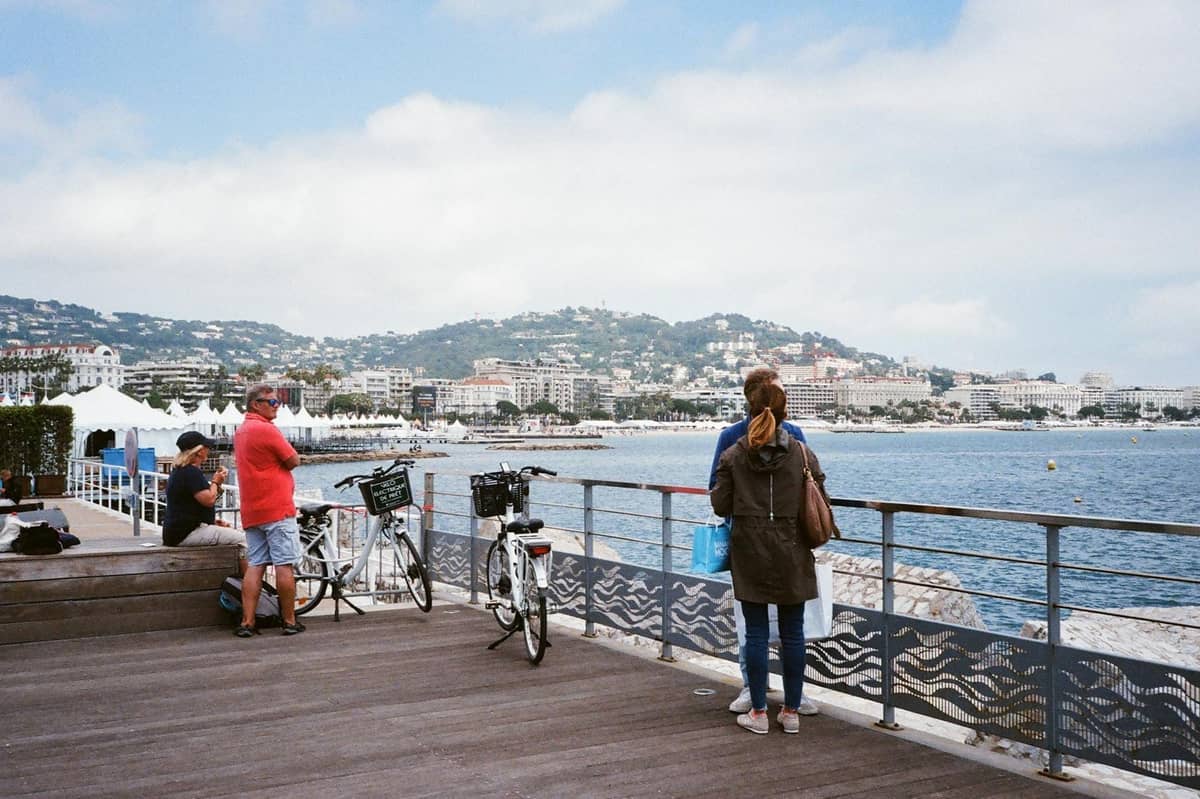
Cycling is a reasonable option in the flatter parts of Cannes, particularly along the seafront promenade and toward the western beaches. The city and private operators offer bike and e-bike rentals; Yourent Cannes operates in the city centre, offering classic bikes, e-bikes and e-scooters. E-bikes are particularly practical given that parts of Cannes do involve hills, especially toward La Californie or Le Suquet.
To reach the Îles de Lérins, you need to take a boat from the Vieux Port (Old Port). Ferry services to Sainte-Marguerite and Saint-Honorat depart regularly from the quay near the Palais des Festivals. Journey time to Sainte-Marguerite is about 20 minutes. See our full Lérins Islands guide for ferry schedules, ticket prices and what to do once you're there.
ℹ️ Good to know
Cannes operates on Central European Time (UTC+1 in winter, UTC+2 in summer). If you're travelling from the UK, remember you're 1–2 hours ahead of London depending on the season — relevant for timing train connections and last ferry departures back from the islands.
FAQ
What is the easiest way to get from Nice to Cannes?
The regional TER train from Nice-Ville station to Gare de Cannes is the most convenient option for most travellers: it takes 30–40 minutes, runs frequently throughout the day and costs around €6–8 one-way. If you're travelling directly from Nice Airport, the Zou! Line 81 express bus goes straight to Cannes SNCF station in about 45 minutes for around €19.50.
How far is Cannes from Nice Airport?
Nice Côte d'Azur Airport (NCE) is approximately 26 km from central Cannes by road. By taxi, the journey takes 30–45 minutes depending on traffic, with a prefectural maximum fare of €88. By express bus (Line 81), allow about 45 minutes. By train (with a transfer at Nice Saint-Augustin or Nice-Ville), the total journey takes roughly 50–70 minutes depending on connections.
Does Cannes have public transport?
Yes. Cannes is served by the Palmbus network, which operates city and intercommunal bus routes throughout the day and into the night. Single tickets cost around €1.80. There is no metro or tram in Cannes. For regional travel, the coastal TER train from Gare de Cannes connects to Nice, Antibes, Monaco and beyond.
Is it worth renting a car in Cannes?
For getting around central Cannes itself, no — parking is expensive, traffic is heavy in summer, and everything you'll want to see is walkable or reachable by bus or train. A rental car is useful if you plan to explore the Esterel Massif, drive into Haute-Provence or visit villages inland that aren't on the rail network.
How do I get to the Lérins Islands from Cannes?
Ferries to the Lérins Islands (Sainte-Marguerite and Saint-Honorat) depart from the Vieux Port, close to the Palais des Festivals. The crossing to Sainte-Marguerite takes around 15 minutes. Services run throughout the day, with reduced frequency in winter. Always check the last departure time before you head over — missing it means stranded on the island until the next morning.