Where to Stay in Cannes: The Complete Neighborhood & Hotel Guide
Choosing where to stay in Cannes shapes your entire trip. This guide covers every major neighborhood, the full range of accommodation types from the iconic Hotel Martinez to budget picks near the train station, and clear advice on when to book and what to avoid.
Plan and book this trip
Tools from our partner Travelpayouts help you compare flights and hotels. If you book through them, we may earn a commission at no extra cost to you.
Flights
Hotels map
TL;DR
- La Croisette is where the legendary hotels sit, including the Carlton and Hotel Martinez, but you pay a significant premium for the address.
- The area between the train station and the Croisette offers the best value: beach access in under 10 minutes, plenty of mid-range hotels, and walking distance to most attractions.
- Cannes has roughly 100 four- and five-star hotels, but budget options genuinely exist — you do not need to spend a fortune to stay well here.
- Book months in advance for the Cannes Film Festival (typically May) and the Cannes Lions festival (June) — prices during these periods can multiply several times over.
- For a quieter, more local feel, Le Suquet and the area around the Vieux Port offer character and reasonable rates compared to the beachfront strip.
Understanding Cannes: A Small City With Very Distinct Zones
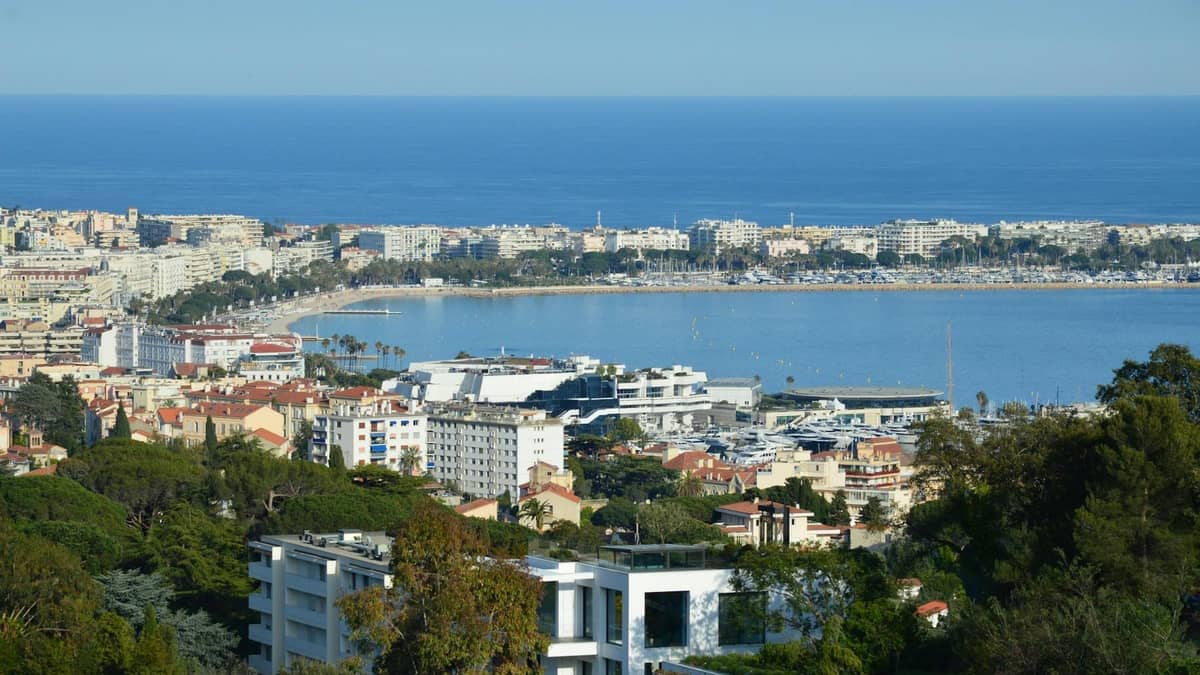
Cannes covers just under 20 square kilometers and has a population of around 73,500. That compact size is good news for accommodation planning: no matter where you stay in the city centre, you are rarely more than 15 to 20 minutes from the beach on foot. The bad news is that 'Cannes' means different things to different visitors, and choosing the wrong base can make the trip feel expensive, noisy, or disconnected from what you actually came for.
The city divides into a handful of clearly distinct zones. La CroisetteLa Croisette is the showpiece boulevard: palm-lined, hotel-fronted, and aggressively glamorous. Le Suquet is the medieval hilltop old town above the port. The central area around the train station and Rue d'Antibes is where most of the practical, mid-range accommodation sits. And then there is Cannes La Bocca to the west, a more residential stretch with longer, quieter beaches.
ℹ️ Good to know
Cannes has no metro or tram. Getting around relies on walking, the Palmbus network, taxis, and ride-hailing services such as Uber. For most of the central areas, walking is faster and more practical than any vehicle.
La Croisette: The Iconic Address (and Its Trade-Offs)
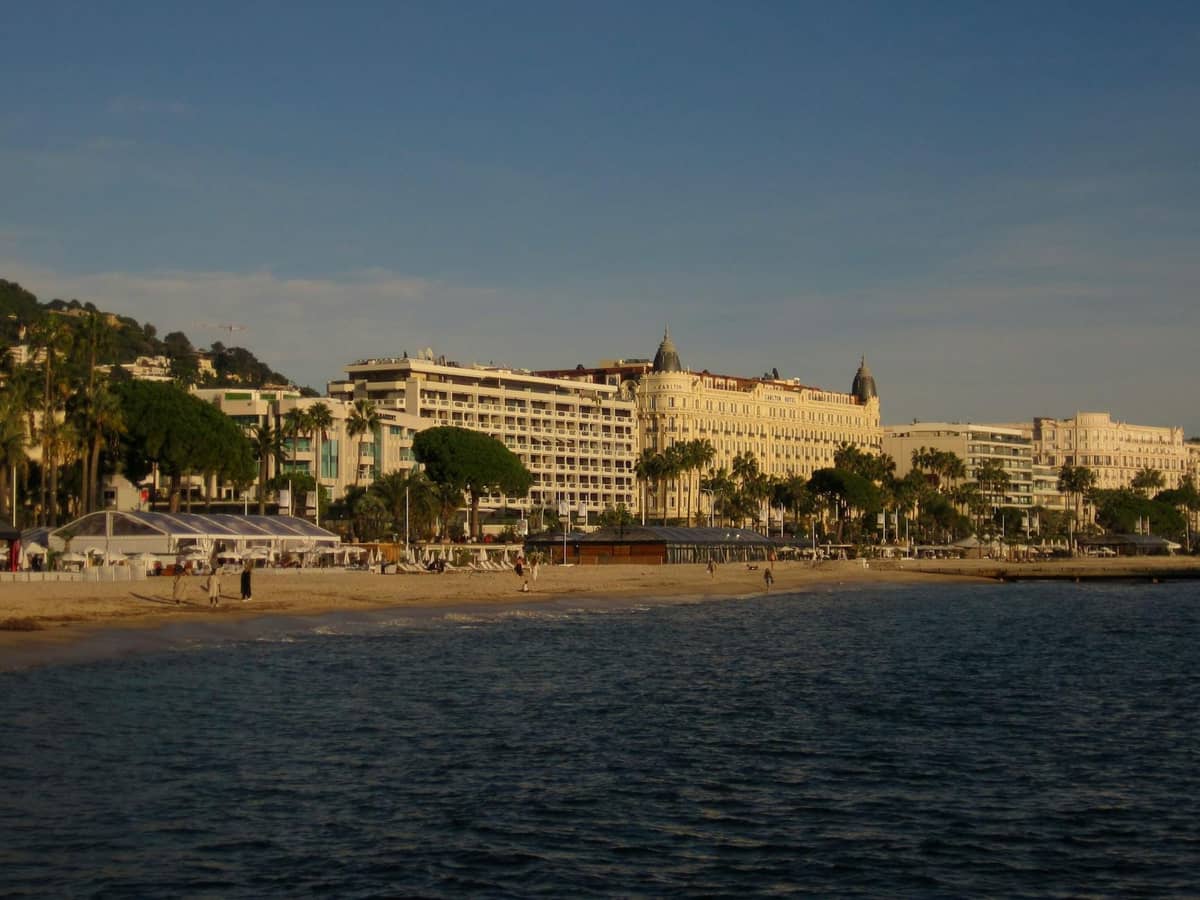
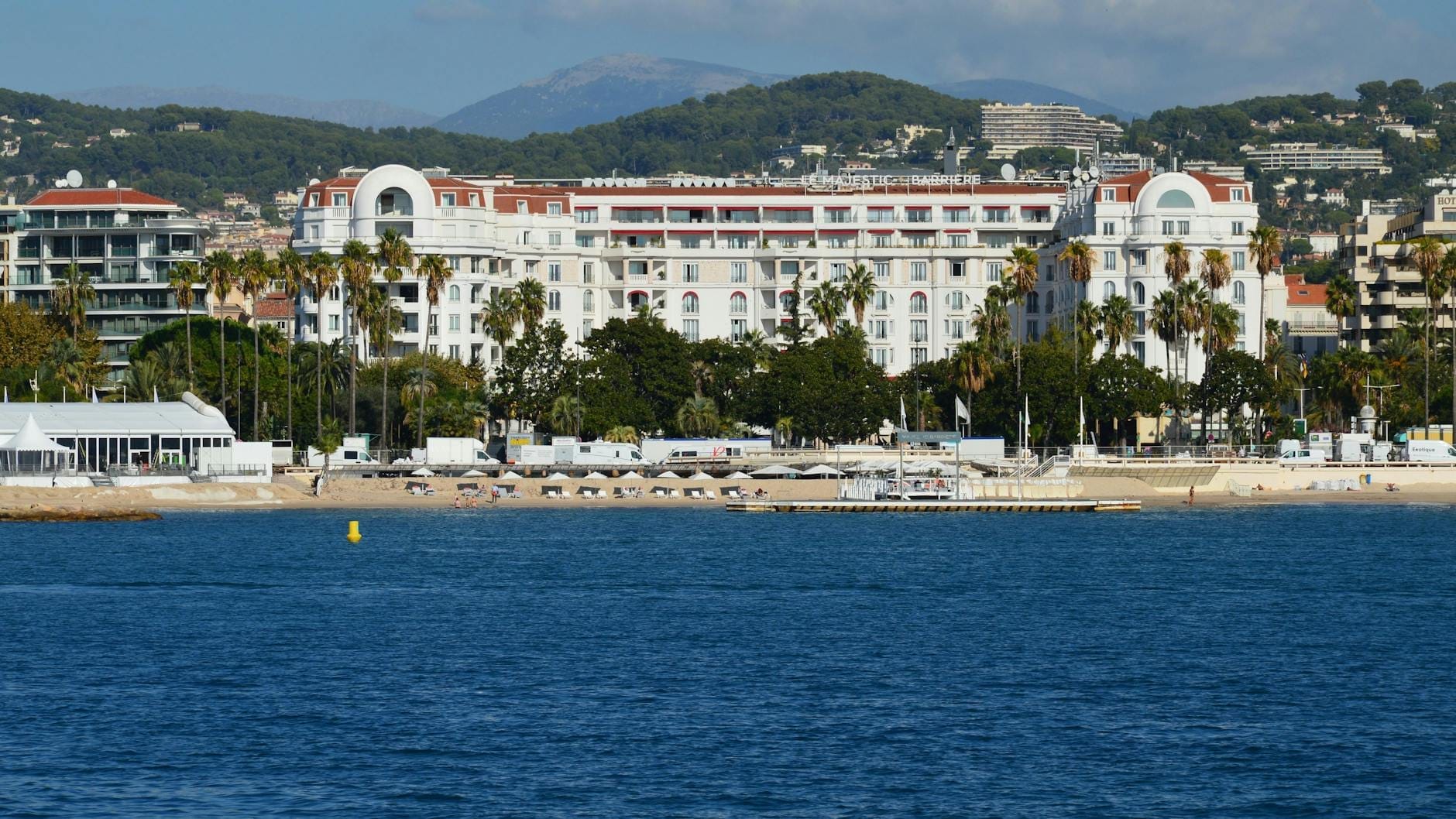
Staying directly on La Croisette means waking up to views over the Baie de Cannes, stepping out onto one of the most recognized seafront promenades in Europe, and being a short walk from the Palais des Festivals. The hotels here are, almost without exception, in the four- and five-star category. This is where the Hotel Martinez (now part of the Hyatt portfolio) sits, along with the InterContinental Carlton, the JW Marriott Cannes, and the Majestic Barrière. Each has its own private beach section and a distinct identity.
The Hotel Martinez on La Croisette is one of the most photographed hotels on the French Riviera, with its Art Deco facade and the largest private beach of any hotel in Cannes. The Carlton Hotel Cannes is arguably the more famous address globally, partly due to film appearances and its position directly at the midpoint of the Croisette. Both are genuinely special experiences, but neither is a bargain: standard rooms routinely exceed €400 per night in peak season, and during the Film Festival, rates can reach several thousand euros per night.
- Best for Honeymoons, milestone celebrations, attending the Film Festival or Cannes Lions, or simply living out the full French Riviera fantasy.
- Drawbacks Prices are consistently high even outside peak season. Street noise from the boulevard can be an issue on lower floors. The area feels performative rather than relaxing in high summer.
- What to know Private beaches attached to Croisette hotels charge extra for sun loungers and service. Public beach access exists but is limited along this stretch.
⚠️ What to skip
During the Cannes Film Festival (typically held in May over approximately 12 days), hotel rates across the entire city spike dramatically. La Croisette properties can become virtually inaccessible for budget travellers. If you are visiting during the festival, book at least 6 months ahead and consider staying in nearby Antibes or Mandelieu-La Napoule, then commuting in by train.
Centre-Ville and the Train Station Area: The Practical Sweet Spot
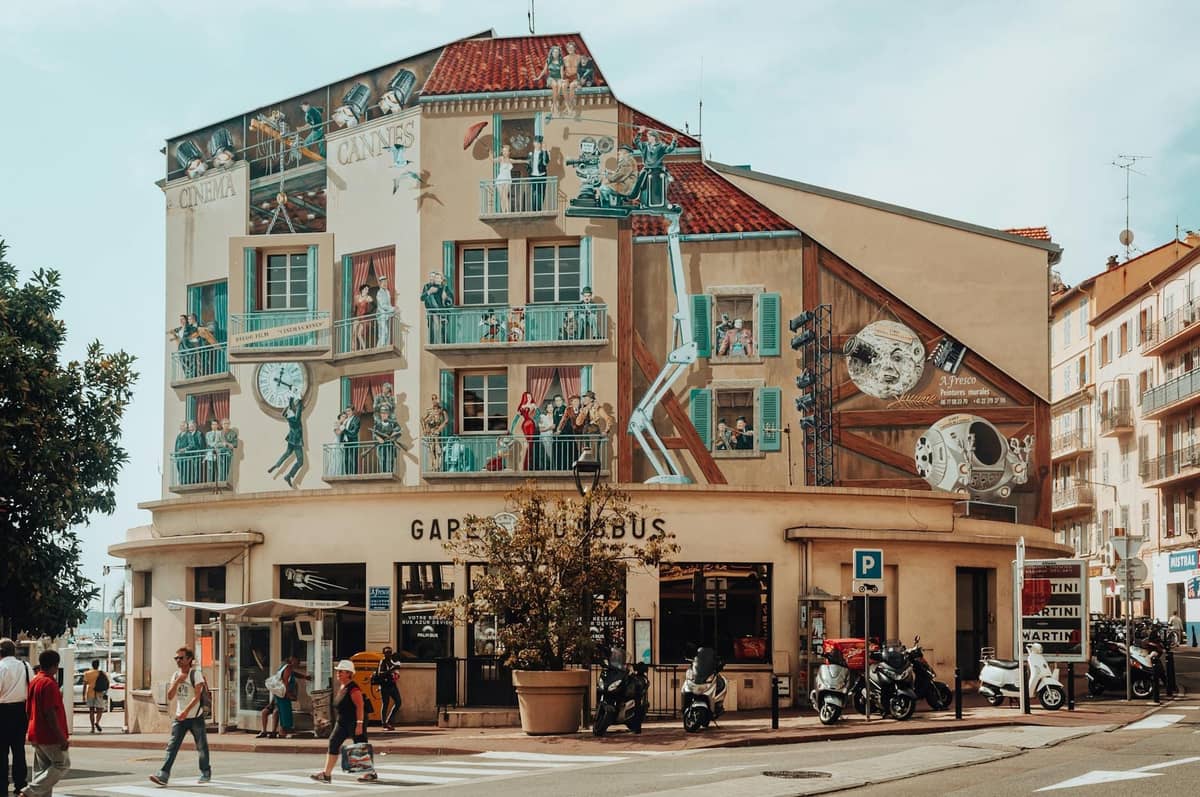
The neighbourhood between Gare de Cannes and the Croisette is where the city's best-value accommodation sits. It is a short grid of streets lined with two- and three-star hotels, a handful of four-star options, apartments, and the kind of cafés and pharmacies that make a place feel liveable rather than purely touristy. From the station, the beach is about a 10 to 12 minute walk. Rue d'Antibes, Cannes' main shopping street, cuts right through this zone.
This area suits first-time visitors well. You are central enough to walk to virtually everything of significance: the Palais des Festivals, the Vieux Port, Marché Forville, and the start of the Croisette are all reachable in under 20 minutes on foot. Accommodation here runs from around €80 to €200 per night for a double room outside of event periods, which represents a significant saving over the beachfront properties.
💡 Local tip
If you are visiting primarily for the beaches, look for hotels on the south side of Rue d'Antibes. The few extra minutes saved walking to the sand each day add up, and you avoid the heavier traffic near the station itself.
Le Suquet and the Old Port: Character Over Convenience
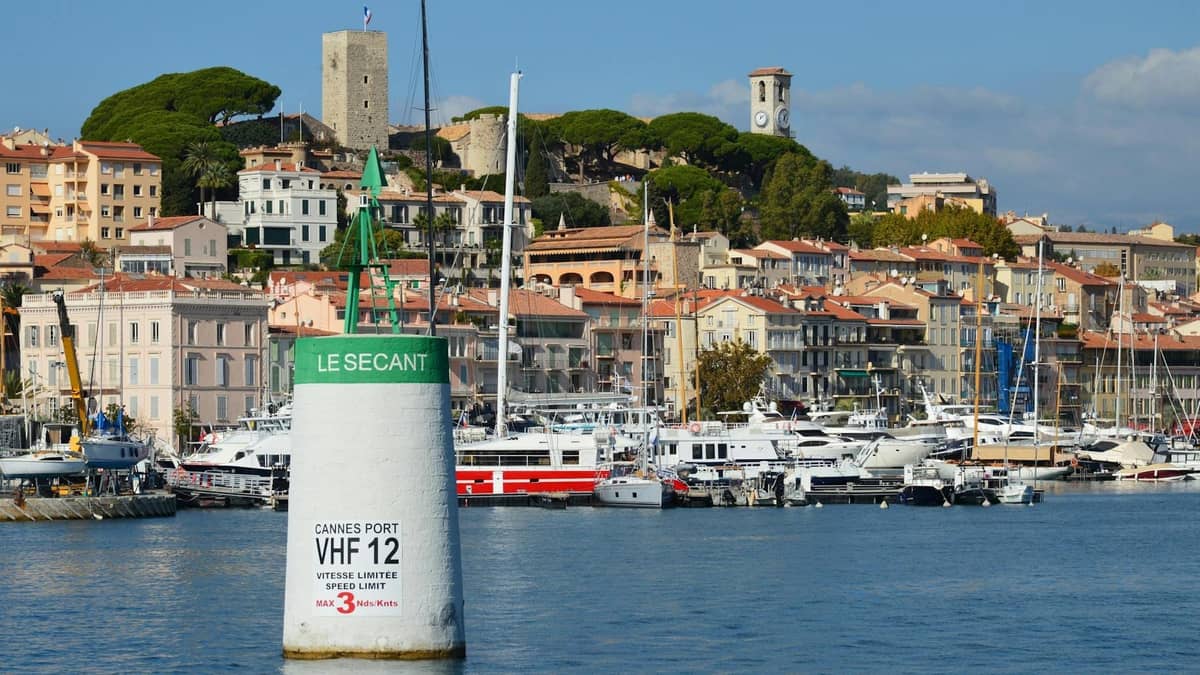
Le Suquet is Cannes' historic core, a steep hillside neighbourhood of narrow lanes, terracotta rooftops, and the 11th-century church of Notre-Dame de l'Espérance. It sits directly above the Vieux Port, giving it one of the best vantage points in the city. Accommodation here tends to be smaller, more independent, and moderately priced compared to the Croisette. It is the right choice if atmosphere matters more to you than beach proximity.
The trade-off is the terrain: Le Suquet involves hills, which can be inconvenient with luggage or for anyone with mobility concerns. The Vieux Port waterfront at the base of the hill is flat and accessible, with several mid-range and boutique hotels facing the marina. From here, ferries depart for the Îles de Lérins, making it a particularly good base if an island day trip is on the itinerary.
Cannes La Bocca: Quieter, Cheaper, Further
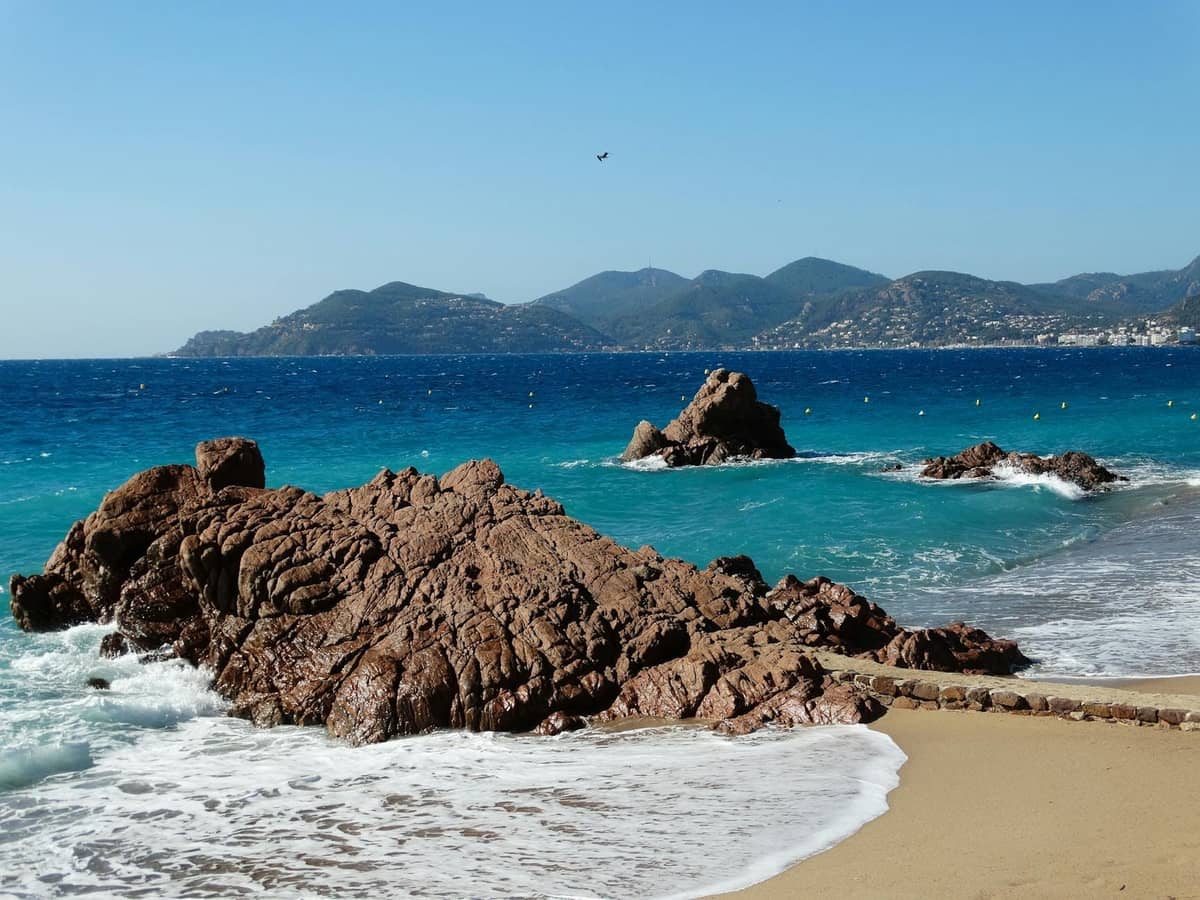
La Bocca is the western district of Cannes, stretching along the coast toward Mandelieu-La Napoule. The beaches here are longer and less crowded than those on the central Croisette stretch, and accommodation prices are noticeably lower. It is served by Cannes-la-Bocca railway station and several Palmbus routes. The one honest downside is that the main sights, restaurants, and the action of the city centre are a 20 to 30 minute bus or bike ride away.
La Bocca also hosts the only campsite within the Cannes commune itself: Parc Bellevue, a five-hectare site near the Bay of Cannes beaches. For those travelling on a strict budget or with camping equipment, this is the most affordable accommodation option in the city.
Accommodation Types: What Cannes Actually Offers
Cannes has a notably top-heavy accommodation market. The official tourism figures point to around 120 four- and five-star hotels in the city, which is a striking number for a commune of under 74,000 residents. But the city also has two- and three-star hotels, hotel residences (furnished apartments with hotel services, well-suited to longer stays), guest houses, and short-term rental apartments.
- Five-star hotels Concentrated on La Croisette. Expect private beach access, multiple restaurants, rooftop pools, and impeccable service. Best examples: Hotel Martinez, Carlton, Majestic Barrière, JW Marriott.
- Four-star hotels Found both on and behind the Croisette, and throughout the centre. A solid middle ground with most amenities; prices range widely from around €150 to €400 per night outside peak periods.
- Two and three-star hotels Mostly concentrated in the station-to-Croisette corridor. Functional, clean, and often recently renovated. Best value for straightforward beach holidays.
- Hotel residences Apartment-style accommodation with kitchen facilities. Good for families or stays of a week or more. Prices per night drop significantly for longer bookings.
- Short-term rentals and apartments Available across all neighbourhoods via major platforms. Often the most affordable route for groups or families, though quality varies considerably.
- Camping Parc Bellevue in La Bocca is the sole option within Cannes itself. Additional campsites exist in the wider area, including Mandelieu-La Napoule.
When to Book and What Drives Prices
Cannes operates on a pronounced event-driven pricing calendar. The Cannes Film Festival, held over roughly 12 days in May, is the most extreme example: the entire city books out, rates across all categories spike, and last-minute availability is essentially nonexistent. The Cannes Lions festival of creativity, typically held in late June, has a similar though somewhat smaller effect. Summer (July and August) brings high occupancy and elevated rates across the board due to beach tourism.
The most pleasant and cost-effective times to visit are May outside the Film Festival window, September, and October. Temperatures are mild (averaging around 23°C in September), the sea is warm enough to swim, crowds thin out, and hotel rates drop by 30 to 50 percent compared to peak July. For a deeper look at timing your visit, the best time to visit Cannes guide covers seasonal trade-offs in detail.
General booking guidance: for July and August travel, book at least two to three months ahead. For the Film Festival period, six months is the practical minimum for anything near the centre. For shoulder season travel in spring or autumn, four to six weeks ahead is usually sufficient, though popular properties can fill earlier during long weekends and French public holidays.
✨ Pro tip
If the Film Festival dates align with your planned trip, consider using a base in Antibes (15 minutes by TER train) or Mandelieu-La Napoule (5 minutes by train). Both have their own accommodation supply at significantly lower rates, with fast rail connections into Cannes for day visits.
Practical Details for Getting Oriented
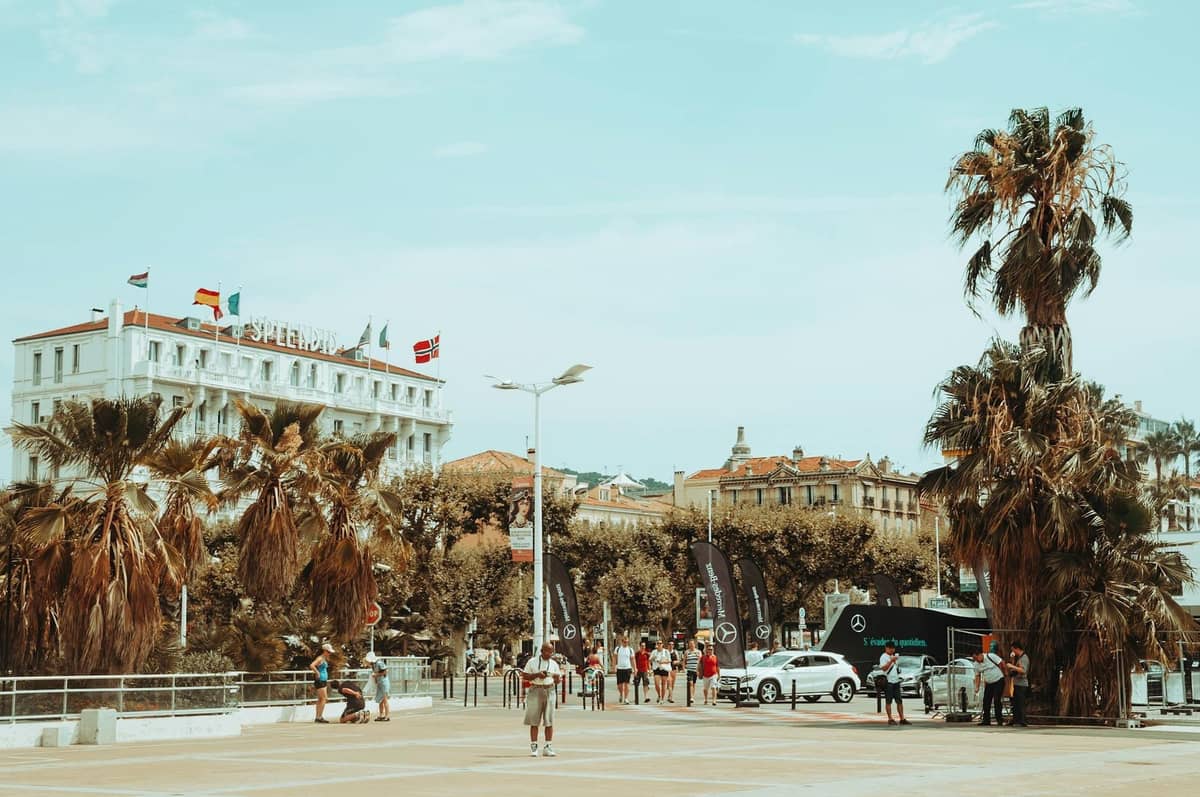
Most visitors arrive via Nice Côte d'Azur Airport (IATA: NCE), approximately 26 km from central Cannes. Regional bus line 81 connects the airport area to Cannes in around 45-60 minutes for roughly €5-10. Alternatively, a TER regional train from Nice Saint-Augustin or Nice-Ville station reaches Cannes Gare in about 30-40 minutes, with fares around €6-8. Taxis from the airport to Cannes run approximately €80-120 on the meter. More on your options is covered in the getting around Cannes guide.
Within Cannes, the centre is genuinely walkable. The Croisette itself runs for about 3 km from the Palais des Festivals to Palm Beach, and most visitors cover it on foot. For exploring further afield, including a day trip to the Îles de Lérins or heading up the coast toward Antibes, the Palmbus network and TER trains are the most practical options. Uber operates in Cannes, and licensed taxis have stands near the Palais des Festivals, the station, and major hotels.
FAQ
Where is the best area to stay in Cannes?
It depends on your priorities. La Croisette is the prestige address with the best beach hotels, but prices are high year-round. The area between the train station and the Croisette offers the best balance of location and value: you are within walking distance of the beach, the old port, and all major sights, with a much wider range of accommodation budgets. Le Suquet suits those who want character and a quieter atmosphere.
Is the Hotel Martinez in Cannes worth the price?
The Hotel Martinez is one of the finest Art Deco hotels on the French Riviera, with the largest private beach of any hotel in Cannes and exceptional service. Whether it is worth the price depends on what you are comparing it to. For a special occasion, it delivers an experience that justifies the premium. For a standard beach holiday where you plan to spend most of your time outside the hotel, the value calculation is harder to make.
How far in advance should I book a hotel for the Cannes Film Festival?
At minimum six months ahead for any property near the city centre. Many regular festival attendees book their accommodation 12 months out. If you have not booked by two or three months before the festival, expect limited availability and very high rates. Consider Antibes or Mandelieu-La Napoule as alternatives with fast train access into Cannes.
Are there budget hotels in Cannes?
Yes, though the city skews upscale. Two- and three-star hotels in the centre-ville area, particularly around the train station and Rue d'Antibes, offer double rooms from around €80-120 per night in shoulder season. Short-term apartment rentals can be more affordable for families or groups. The only campsite within the Cannes commune is Parc Bellevue in the La Bocca district.
Is it better to stay in Cannes or Nice?
Cannes is smaller, more focused, and easier to navigate on foot, making it a better base if Cannes itself is your main destination. Nice has a larger city infrastructure, more dining and nightlife variety, and better transport connections including the airport and tram network. If you plan to explore the wider Côte d'Azur, Nice can make more logistical sense. The two cities are about 40 minutes apart by train.