What to Eat in Cannes: Your Complete Provençal & Riviera Food Guide
Cannes is far more than film festivals and luxury hotels — it sits at the heart of one of France's richest culinary traditions. This guide covers the essential dishes, where to find them, what to pay, and which traps to avoid when eating your way through the French Riviera.
Plan and book this trip
Tools from our partner Travelpayouts help you compare flights and hotels. If you book through them, we may earn a commission at no extra cost to you.
Flights
Hotels map
TL;DR
- Cannes shares the Provençal and Riviera food traditions of nearby Nice — expect socca, ratatouille, daube, and olive-oil-rich vegetable dishes alongside excellent seafood.
- The best place to source fresh local produce is Marché Forville, Cannes' central market open most mornings — ideal for building a picnic or understanding what's in season.
- Restaurants on La Croisette skew expensive and tourist-facing; better value and more authentic cooking is found in Le Suquet and the streets behind Rue d'Antibes.
- Service is legally included in all French restaurant bills — tipping is appreciated but never obligatory.
- For a broader picture of how food fits into a Cannes visit, see the complete things to do in Cannes guide.
The Culinary Identity of Cannes: Provençal, Not Just Parisian
A persistent misconception about Cannes is that its food scene is dominated by international luxury — truffle menus, celebrity chefs, and five-star hotel dining rooms. That exists, certainly. But Cannes sits firmly within the Provence-Alpes-Côte d'Azur region, and its everyday cooking reflects the same traditions as the broader Riviera: olive oil over butter, garlic used generously, vegetables treated as the main event, and seafood pulled from the Mediterranean rather than flown in from the Atlantic.
The city's position between Nice to the east and the Var department to the west means menus draw from both the Niçois tradition (socca, petits farcis, pissaladière) and the deeper Provençal repertoire (daube, ratatouille, aioli). Bouillabaisse, the celebrated fish stew, originates from Marseille further along the coast but appears on many Cannes menus. The key distinction worth making: dishes marketed as local specialties in tourist-heavy spots along La Croisette are often pricier and less carefully made than the same dishes found a few streets inland.
ℹ️ Good to know
French restaurant bills include service charge by law (service compris). A small additional tip — rounding up or leaving a few euros — is common for attentive service but not legally required. You won't cause offense by leaving nothing extra.
The Essential Dishes: What to Order and Why
These are the dishes worth actively seeking out in Cannes, not simply accepting when a waiter steers you toward them on a tourist menu.
- Socca A thin pancake made from chickpea flour and olive oil, baked on a large cast-iron pan at high heat and served hot with black pepper. It is crisp at the edges, soft and slightly smoky in the centre. A street food originating in Nice that has spread across the Riviera. Eat it standing up, from paper, while it is still warm — anything else is a compromise.
- Pissaladière A thick-based tart topped with slow-caramelised onions, salted anchovies and Niçoise olives. Often sold by the slice in bakeries and markets. The sweetness of the onions against the salt of the anchovies is the whole point — if a version lacks that balance, it's been rushed.
- Petits Farcis Hollowed courgettes, tomatoes, aubergines and sometimes peppers stuffed with a mixture of minced meat, breadcrumbs, onion and herbes de Provence, then baked until golden. A staple of the Niçois kitchen that appears on lunch menus throughout the Riviera. Best in summer when the vegetables are at peak quality.
- Daube Provençale Beef braised slowly in red wine with vegetables, garlic and herbes de Provence, traditionally cooked in a terracotta daubière pot. The result is deeply savoury, with the wine reducing to a thick, aromatic sauce. Not a summer dish — look for it on autumn and winter menus when it makes most sense.
- Ratatouille The Provençal vegetable stew of aubergines, courgettes, peppers, onions and tomatoes, cooked slowly with olive oil, garlic and herbs. The dish has been so widely imitated that quality varies enormously. A properly made ratatouille has distinct vegetable textures and a concentrated flavour — if it tastes watery or underseasoned, the restaurant has cut corners.
- Bouillabaisse The iconic Marseillaise fish stew made with at least three types of rockfish, served with rouille (a saffron-garlic aioli) and grilled bread. Not native to Cannes, but widely available and worth ordering at a restaurant that takes it seriously. Avoid any version priced under €25 per person — the fish alone make an honest bouillabaisse expensive to produce.
- Tarte Tropézienne A soft brioche bun split and filled with a custard-buttercream mixture, often scented with orange blossom. It was created in Saint-Tropez in the 1950s but is found across the Riviera. A legitimate dessert option in any good patisserie.
⚠️ What to skip
Be cautious of restaurants on the La Croisette seafront that display photos of their dishes on outdoor menu boards. These venues rely on foot traffic rather than returning customers, and the food is often overpriced and underwhelming. Walk one or two streets back toward Rue d'Antibes and the quality-to-price ratio improves significantly.
Marché Forville: The Best Starting Point for Serious Eating
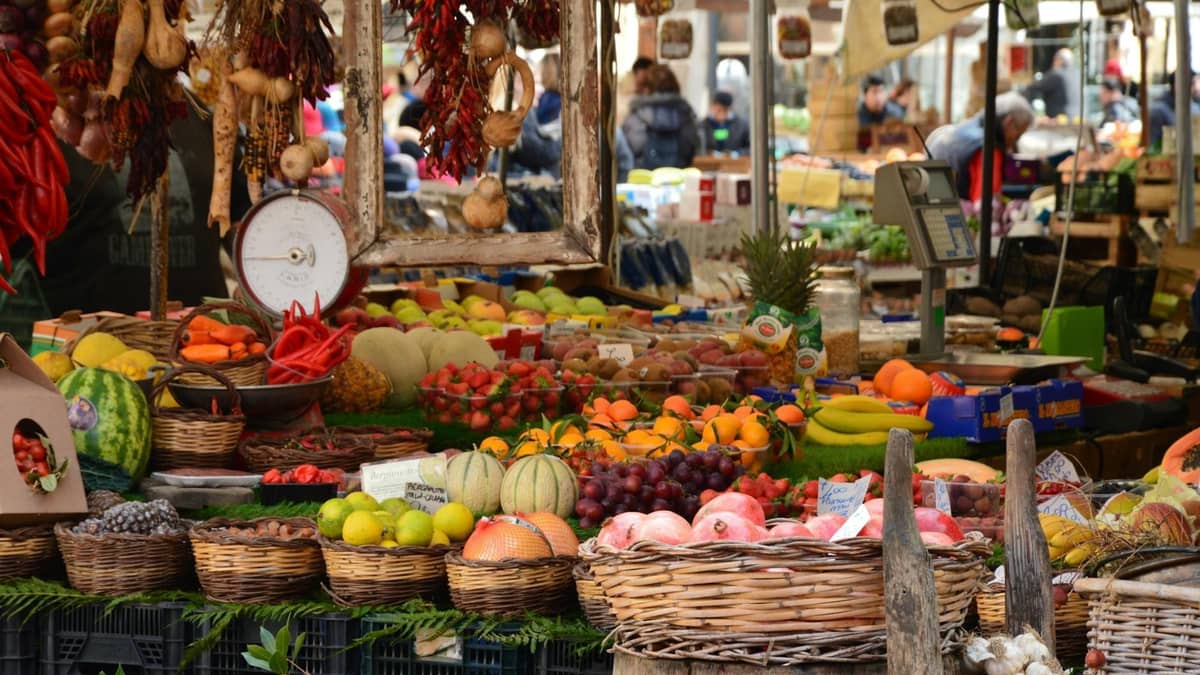
Located just behind Le Suquet and a short walk from the old port, Marché Forville is Cannes' main covered market. It operates most mornings and is where local cooks, restaurant chefs and knowledgeable visitors all end up. The stalls offer vegetables, fruit, cheese, charcuterie, fresh fish, olives, spices, and Provençal condiments — tapenade, anchoïade, pistou.
The market is genuinely useful for two purposes: assembling a picnic (bread from a nearby boulangerie, cheese, olives, charcuterie and fruit from the stalls) and understanding what is in season locally. In April and May, look for asparagus and artichokes. Summer brings courgettes, aubergines, tomatoes and basil. Autumn produces mushrooms, figs and the first cèpes. The market is not a performance — it is a functioning food supply point, which is exactly why it is worth visiting.
💡 Local tip
Arrive at Marché Forville before 10:00 on a weekday for the best selection and the least crowded aisles. By late morning the produce choice narrows and the tourist-to-local ratio shifts noticeably. The market hall does not host food traders on Mondays, when an antiques and second-hand market takes its place.
Where to Eat in Cannes: Neighborhoods and What to Expect
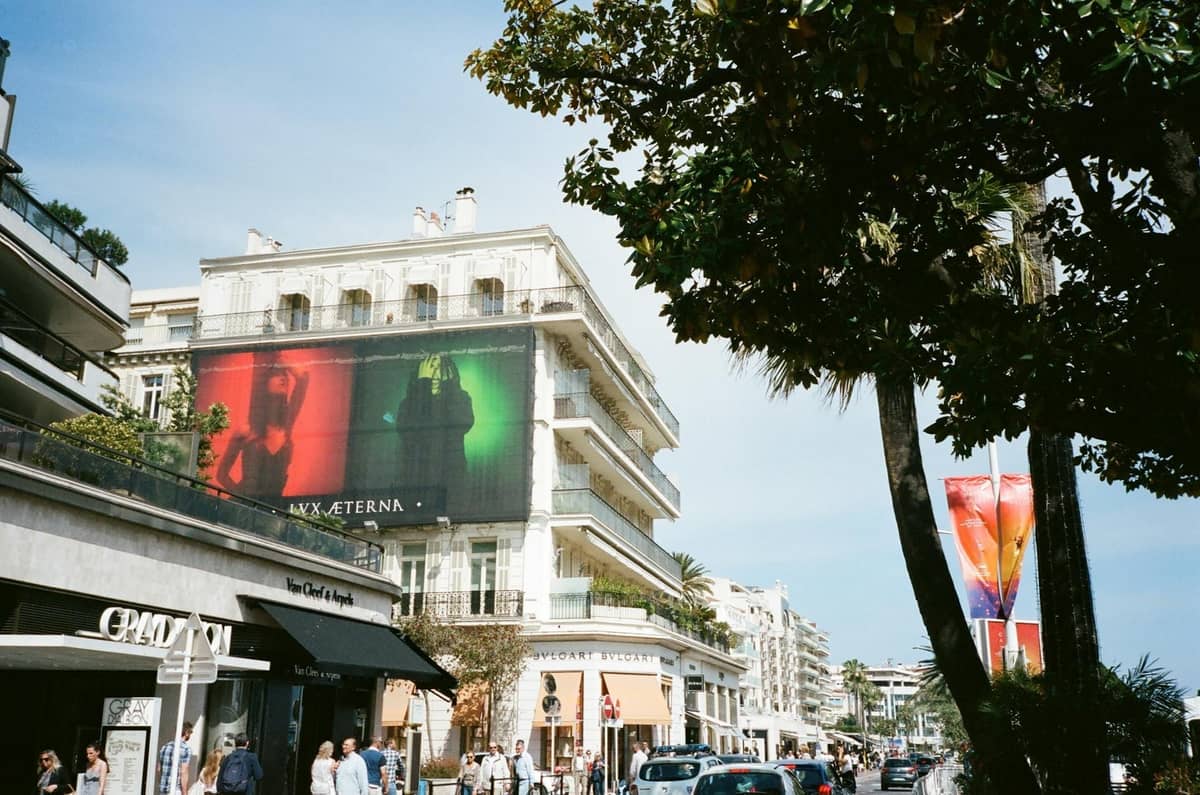
Cannes divides fairly cleanly into distinct dining zones. La Croisette is the most recognisable address but the least rewarding for food. The boulevard's restaurants trade on location and view, not cuisine. Budget for roughly €35-70 per person for a two-course lunch here, and manage expectations accordingly.
Le Suquet, the old town on the hill above the port, offers a better combination of atmosphere and cooking. The narrow streets around the Place de la Castre and Notre-Dame de l'Espérance are lined with smaller restaurants that serve Provençal and Riviera dishes at prices that reflect cooking rather than postcode. A two-course lunch with a glass of local rosé will run roughly €25-40 per person in this area.
The streets between Rue d'Antibes and the railway station represent the most practical middle ground for daily eating. This is where Cannes residents actually eat lunch. Brasseries, pizzerias, Vietnamese restaurants, Tunisian bakeries and simple bistros coexist here. A plat du jour (daily special) at a straightforward brasserie typically costs €14-20 and often includes a main course with a small carafe of house wine or a soft drink.
For budget-conscious eating, the student and residential areas around Cannes-la-Bocca to the west offer the most affordable options, though it requires more walking or a bus ride from the centre. The tradeoff is lower prices and a more local experience versus convenience.
Rosé, Local Wine, and What to Drink in Cannes
Provence is one of France's most important rosé wine regions, and the Côtes de Provence AOC — whose vineyards are within an hour's drive of Cannes — produces the dry, pale, mineral-edged rosés that have become globally fashionable. In Cannes, these wines are the default choice alongside most food, and for good reason: they work with seafood, vegetables, grilled fish and charcuterie without overpowering any of it.
A house rosé by the carafe at a mid-range restaurant runs around €7-14 for 25cl. Bottles of respected Côtes de Provence producers start at around €20-25 in restaurants. The same bottles cost €7-12 in supermarkets, which matters if you are planning picnics or self-catering. Bandol rosé, from a smaller appellation closer to Toulon, is fuller and more structured — worth requesting if you want something more serious.
- Côtes de Provence AOC rosé: the standard, reliable choice for most meals
- Bandol rosé: more body and complexity, better with meat-based dishes
- Local pastis: the anise-flavoured aperitif of Provence, served diluted with cold water — order it before lunch as the locals do
- Citron pressé: freshly squeezed lemon juice served with water and sugar on the side, the standard non-alcoholic option at any French café
- Tap water (eau du robinet): safe to drink throughout France and freely provided in all restaurants on request — there is no need to order bottled water
Seasonal Eating and When Food Is at Its Best in Cannes
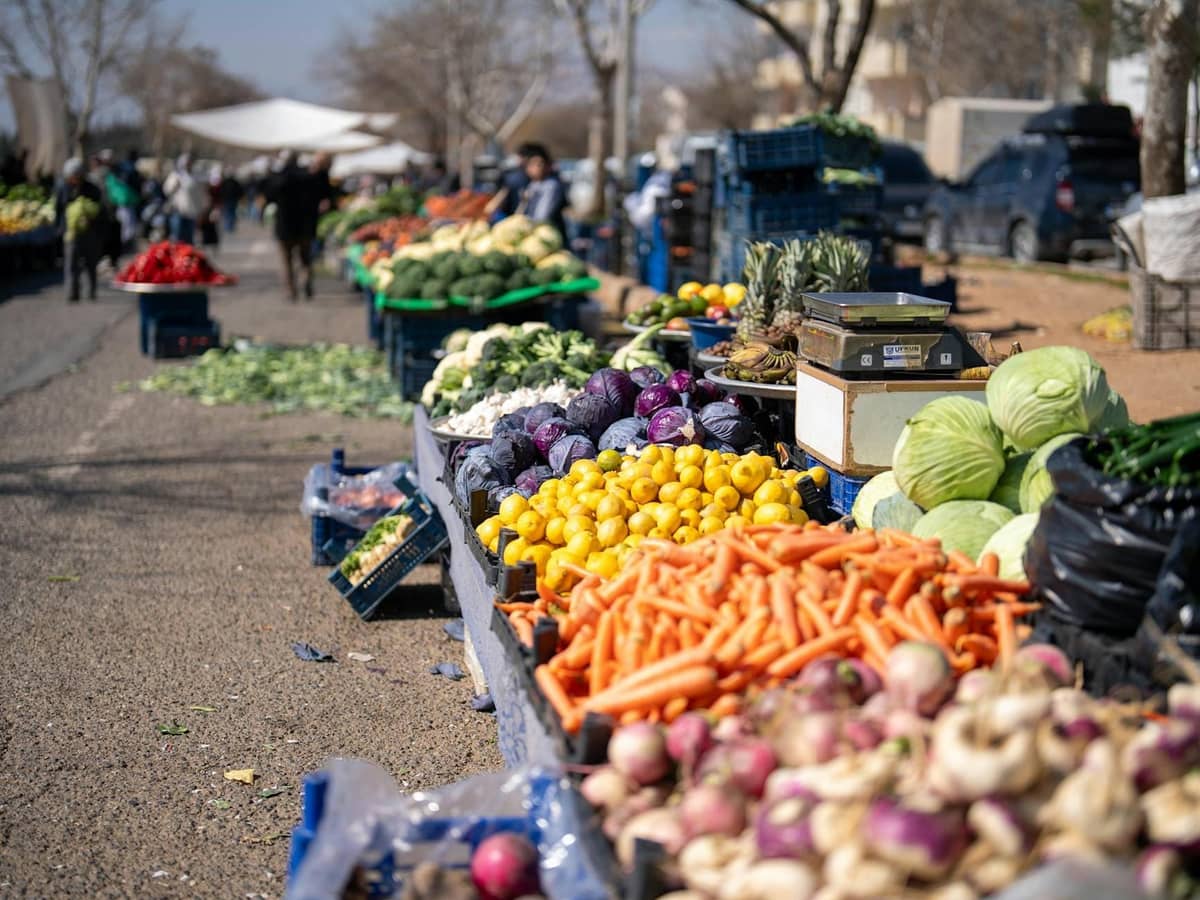
The French Riviera's climate (hot, dry summers, mild winters, with peak rainfall in autumn and early spring) directly shapes what is on menus. May and June offer the best combination of seasonal produce and manageable crowds: spring vegetables are at their peak, the first tomatoes are arriving from inland Provence, and the restaurants are not yet operating at July and August capacity.
September is the single best month for food-focused visits. The summer heat has eased, the produce markets are full of late-summer tomatoes, aubergines, figs and peppers, the courgette flowers used in fried fritters and stuffed preparations are still available, and restaurants are less hurried than during peak season. If you are planning a trip with food as a priority alongside beaches and the Îles de Lérins, September earns its reputation.
Winter in Cannes (November to February) is genuinely quiet. Many seasonal restaurants close or reduce hours, but this is when daube provençale, slow-braised lamb and warming pistou soups make the most sense. Prices drop, the market is still operating, and you will eat alongside residents rather than festival visitors. The Cannes Film Festival in May brings significant price increases and booking difficulty at restaurants across all categories — if you are visiting during the festival, plan restaurant reservations well in advance.
✨ Pro tip
During the Cannes Film Festival (typically held in May), restaurant prices across the city rise and popular spots fill weeks in advance. If your visit overlaps with the festival, book any restaurant you care about before you travel — or build your meals around Marché Forville and Le Suquet's smaller, walk-in-friendly spots rather than competing for tables at well-known addresses.
Practical Eating Tips: Pricing, Timing, and Local Etiquette
French meal times in Cannes follow national norms with a slight Riviera relaxation. Lunch service runs roughly 12:00 to 14:30, and arriving after 13:30 in a popular restaurant often means the plat du jour is gone. Dinner starts around 19:30 and peaks between 20:00 and 21:00. Restaurants that advertise continuous service (service continu) are more flexible but often compromise on freshness as a result.
The formule (set menu) at lunch is consistently better value than ordering à la carte at the same restaurant. A typical two-course formule (entrée and plat, or plat and dessert) runs €18-28 at a mid-range establishment. Three courses with coffee and a glass of wine can be done for around €28-40. Add 50-80% to those figures for dinner, and double them if you are in a Croisette address with a sea view. Budget travelers can eat well by prioritising market picnics, bakery lunches and the formule du midi.
- Budget lunch (bakery, market stall, café plat du jour): €8-15 per person
- Mid-range restaurant lunch with formule: €20-35 per person including a drink
- Mid-range restaurant dinner à la carte: €35-55 per person including wine
- Upscale restaurant or Croisette dining: €60-120+ per person
- Marché Forville picnic (cheese, charcuterie, bread, olives, fruit): €12-20 per person depending on selections
FAQ
What food is Cannes, France known for?
Cannes is known for Provençal and Riviera cooking: socca (chickpea flour pancake), pissaladière (onion and anchovy tart), petits farcis (stuffed vegetables), daube provençale (slow-braised beef in red wine), ratatouille, fresh Mediterranean seafood, and Côte de Provence rosé wine. The food traditions are shared with Nice and the wider French Riviera rather than being unique to Cannes itself.
Where should I eat in Cannes without overpaying?
Avoid restaurants directly on La Croisette for everyday meals — the view premium is steep and the food rarely justifies it. Le Suquet (the old town) offers better quality at more honest prices. The streets between Rue d'Antibes and the railway station have good brasseries and bistros where locals eat. Marché Forville is the best option for a self-assembled picnic at low cost.
Is Cannes good for food tourists?
Yes, with caveats. The city sits within one of France's richest culinary regions and has excellent markets, solid traditional restaurants, and access to outstanding local wine. However, the high proportion of tourist-facing restaurants on and near La Croisette means you need to be selective. Moving one or two streets away from the main seafront consistently improves quality and reduces cost.
What are the best restaurants in Cannes for local Provençal cuisine?
For the most current restaurant recommendations, check recent reviews on Google Maps or The Fork (LaFourchette) for restaurants in Le Suquet and around the old port. Look for menus that list daube, petits farcis, or local fish dishes by name rather than generic 'Mediterranean cuisine' descriptions. Restaurants with written-by-hand daily specials boards typically indicate fresh, seasonal cooking.
When is the best time to visit Cannes for food and markets?
May to June and September are the strongest months for food-focused visits. Spring produce is excellent in May-June, and September offers the best late-summer vegetables with fewer crowds than July-August. Marché Forville operates year-round every morning except Monday, but summer and early autumn offer the widest seasonal variety. Avoid the Cannes Film Festival period in May if you want easy restaurant access and normal pricing.