Things to Do in Mykonos: The Definitive Island Guide
Mykonos delivers more than beach clubs and late nights. This guide covers the top things to do in Mykonos, Greece — from ancient ruins on Delos and windswept Cycladic lanes to family beaches and genuine local culture — with practical logistics for every type of traveler.
Tickets & tours
Live prices and dates from our booking partner. If you book, we may earn a commission at no extra cost to you.
TL;DR
- The best things to do in Mykonos span archaeology, beaches, and nightlife — plan at least 3 full days to cover the highlights without rushing. See our 3-day Mykonos itinerary for a structured plan.
- A half-day trip to Delos is the single most rewarding excursion from the island — boats run from the Old Port and the site is open most mornings.
- Sunset at Little Venice and the Windmills draws large crowds from 19:00 onward; arrive early or book a table in advance. Peak season (late June–August) means higher prices and fully booked venues across the board. Check the best time to visit Mykonos to plan around crowds.
- Buses and rental vehicles (cars, scooters, ATVs) are far more practical than taxis for reaching beaches — taxis are limited and expensive in high season.
- Mykonos is a genuine archaeological and cultural destination, not only a party island: Chora, Ano Mera, and the island's churches reward slower exploration.
Mykonos Town (Chora): The Heart of the Island
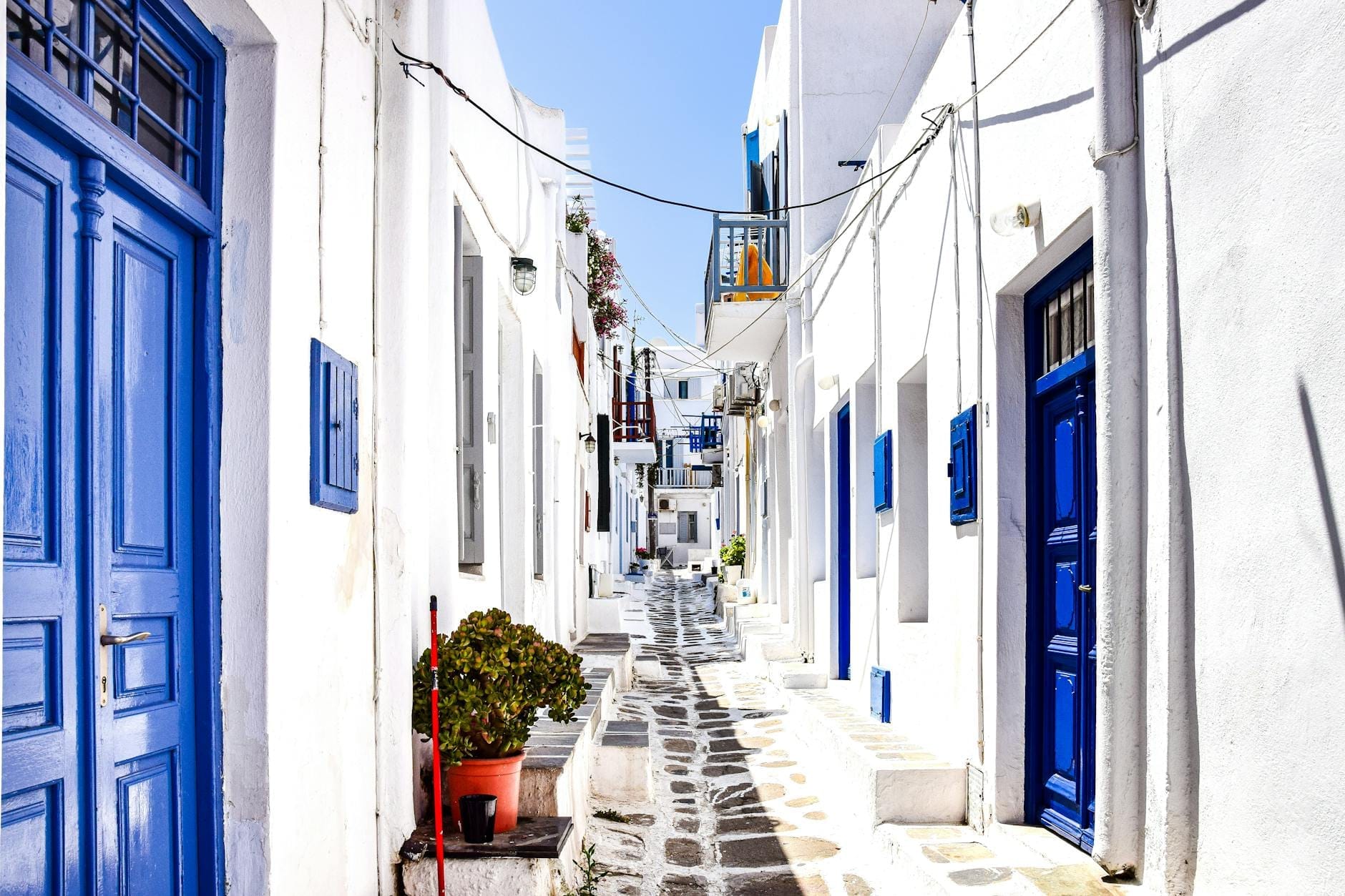
Most things to do in Mykonos begin and end in Mykonos Town, the island's compact, whitewashed Chora on the west coast. The street layout — an intentional labyrinth of narrow lanes — was designed to confuse pirates and still disorients first-time visitors today. Give yourself permission to get lost. The town rewards wandering far more than following a map.
The main commercial artery is Matoyianni Street, lined with boutiques, jewelers, and restaurants. For a quieter introduction to the town's architecture and local rhythm, explore the side streets off Matoyianni early in the morning before tour groups arrive. By 10:00 in peak season, the lanes fill quickly.
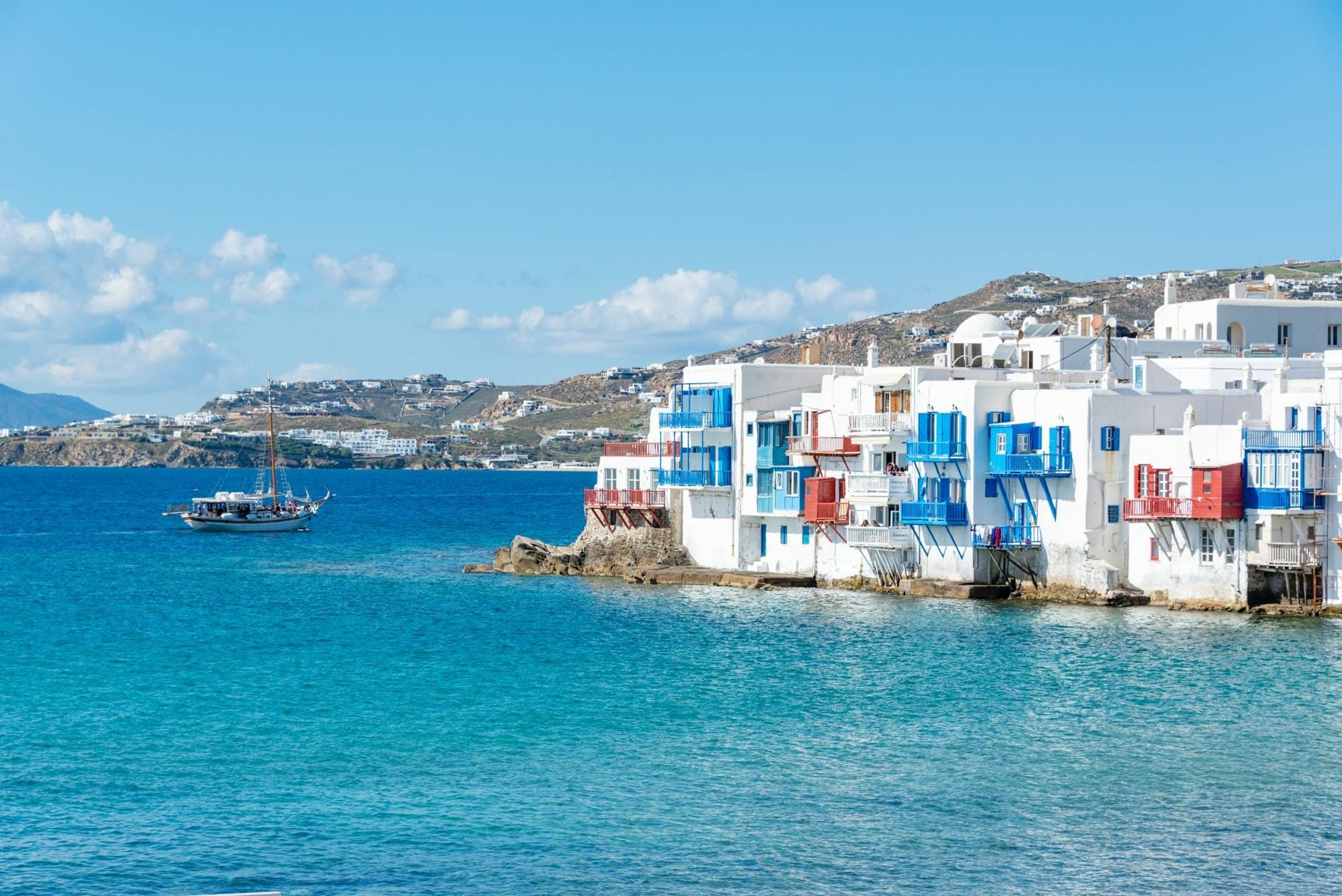
Two landmarks anchor the western edge of Chora. The Mykonos Windmills — a row of 16th-century grain mills known as Kato Myli — sit on a low hill overlooking the sea. They no longer operate commercially, but the view from the base is one of the most photographed in the Cyclades. Just below them, Little Venice is a stretch of 18th-century fishing houses built directly over the water, their balconies hanging above the Aegean. Today the ground floors are bars and restaurants. Tables at the water's edge fill up well before sunset; many require reservations with minimum spends of around €70 per person in high season.
💡 Local tip
For sunset at Little Venice without the minimum spend pressure, position yourself on the small pedestrian promenade that runs in front of the buildings. The view is identical, and it costs nothing. Arrive by 19:30 in summer to secure a good spot.
The Panagia Paraportiani church, a few minutes' walk north of Little Venice, is arguably the most distinctive religious building in the Cyclades — an asymmetric cluster of four interconnected chapels fused over centuries into one organic white mass. It is best photographed in the late afternoon light. The church is sometimes open to visitors, but the exterior alone is worth the detour.
Delos: The Archaeological Excursion You Should Not Skip
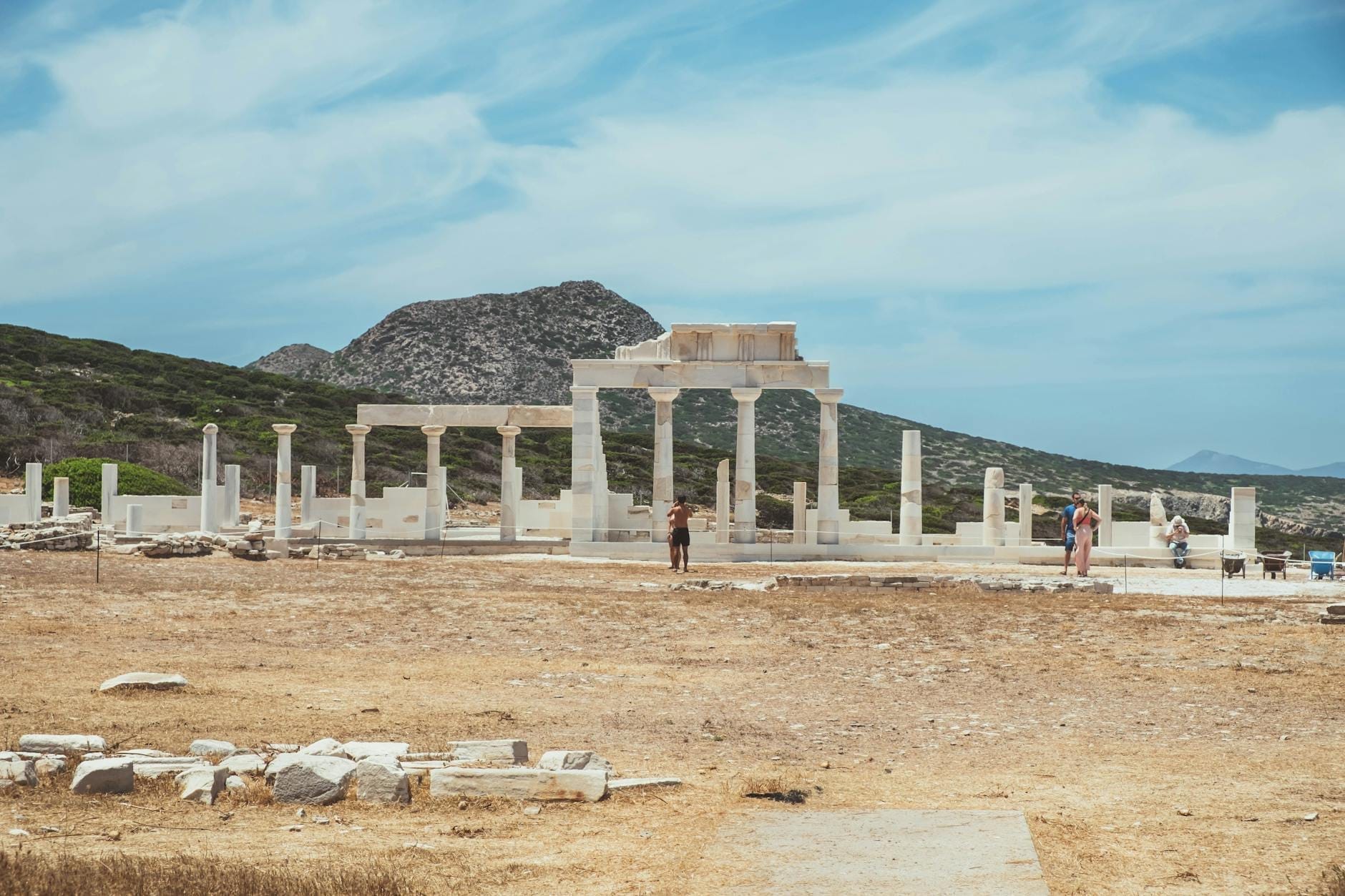
If you do one thing off the island, make it a visit to Delos. This tiny uninhabited island, roughly 30 minutes by boat from the Mykonos Old Port, is one of the most significant archaeological sites in the entire Mediterranean. In antiquity it was a major religious and commercial hub, believed to be the birthplace of Apollo and Artemis. Today it is an open-air museum of extraordinary scale.
The highlights include the Terrace of the Lions — a row of archaic marble lions dating to around 600 BC — and the Sanctuary of Apollo, the island's main religious complex. For context on the finds excavated here, the site's own Archaeological Museum of Delos is small but essential, and the House of Dionysus contains well-preserved floor mosaics. Climbing Mount Kynthos — the island's 113-meter summit — adds about 45 minutes to your visit but delivers panoramic views across the Cyclades.
⚠️ What to skip
Delos has no shade, no food vendors beyond a basic café near the entrance, and summer temperatures regularly exceed 30°C. Bring at least 1.5 liters of water per person, sunscreen, and a hat. The last boat back to Mykonos typically departs by early afternoon — confirm the return schedule before you go. See our full guide to planning a day trip to Delos for boat times and ticket details.
Boats depart from the Old Port most mornings (roughly 09:00–10:00 in season) and the crossing takes about 30 minutes. The site requires a separate entrance ticket — around €20 for adults at last check, though prices are subject to change. Budget three to four hours on the island to see the main areas comfortably. For full logistics, refer to our day trip to Delos from Mykonos guide.
Beaches: Which One Is Right for You
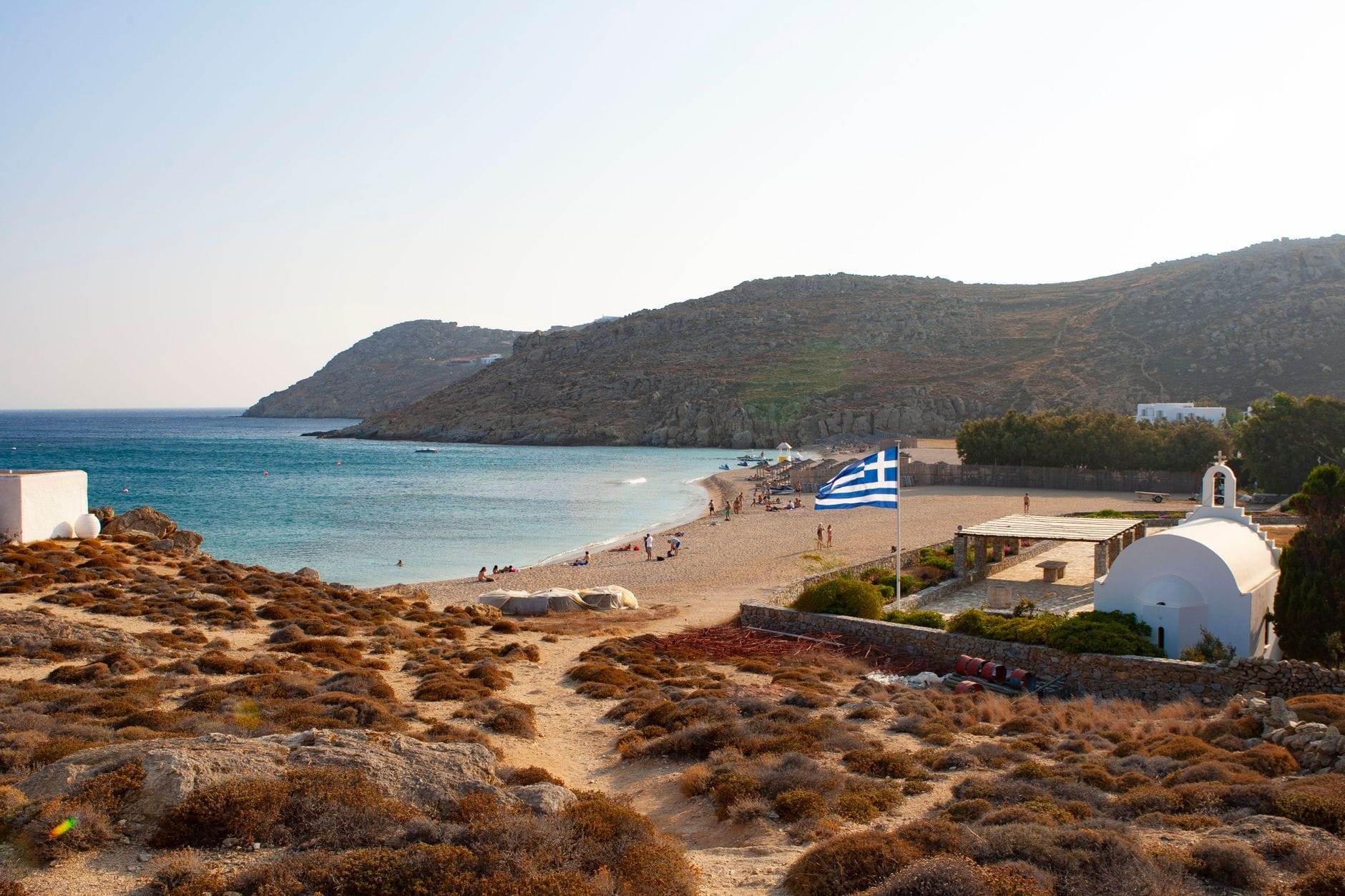
Mykonos has more than 30 beaches, and they are not interchangeable. The southern coast concentrates the organized, party-oriented spots, while the north and east offer calmer water and fewer sunbeds. Choosing the right beach for your group makes a significant difference. For a full breakdown across all sand types and crowd levels, the best beaches in Mykonos guide covers every option in detail.
- Ornos Beach About 3 km south of the harbor, Ornos is the most family-friendly of the main beaches — calm, shallow water, good bus connections, and a range of cafés and tavernas without the full beach-club pricing structure. Sunbed hire runs around €10–15 per bed in season.
- Platis Gialos Beach A longer stretch of sand further south, Platis Gialos is organized but less intense than Paradise. It also serves as a water-taxi hub for reaching beaches further east — useful if you want to explore without renting a vehicle.
- Paradise Beach The most famous of the party beaches, Paradise runs music from morning through night in peak season and hosts some of the island's biggest beach club events. If that's your aim, it delivers. If it's not, avoid it in July and August entirely.
- Super Paradise Beach More intimate than Paradise, Super Paradise has a loyal following and a strong beach club culture. Accessible by boat from Platis Gialos or by road — though the road is narrow and parking is extremely limited.
- Elia Beach One of the longest beaches on the island at around 500 meters, Elia attracts a calmer crowd. There are watersports, sunbeds, and a few good restaurants. It's about 12 km from Mykonos Town — a rental vehicle or boat from Platis Gialos is your best option.
- Agios Sostis Beach The north coast's standout: no sunbeds, no beach clubs, no music. Just a wide sandy bay with clear water and a well-regarded taverna above the beach. It rewards those willing to make the drive.
✨ Pro tip
Water taxis run between Platis Gialos and the eastern beaches (Paraga, Paradise, Super Paradise, Agrari, Elia) throughout the day in season. They are often faster and cheaper than renting a vehicle for a single beach day, and you avoid the parking chaos entirely.
Culture, History, and Slower Exploration
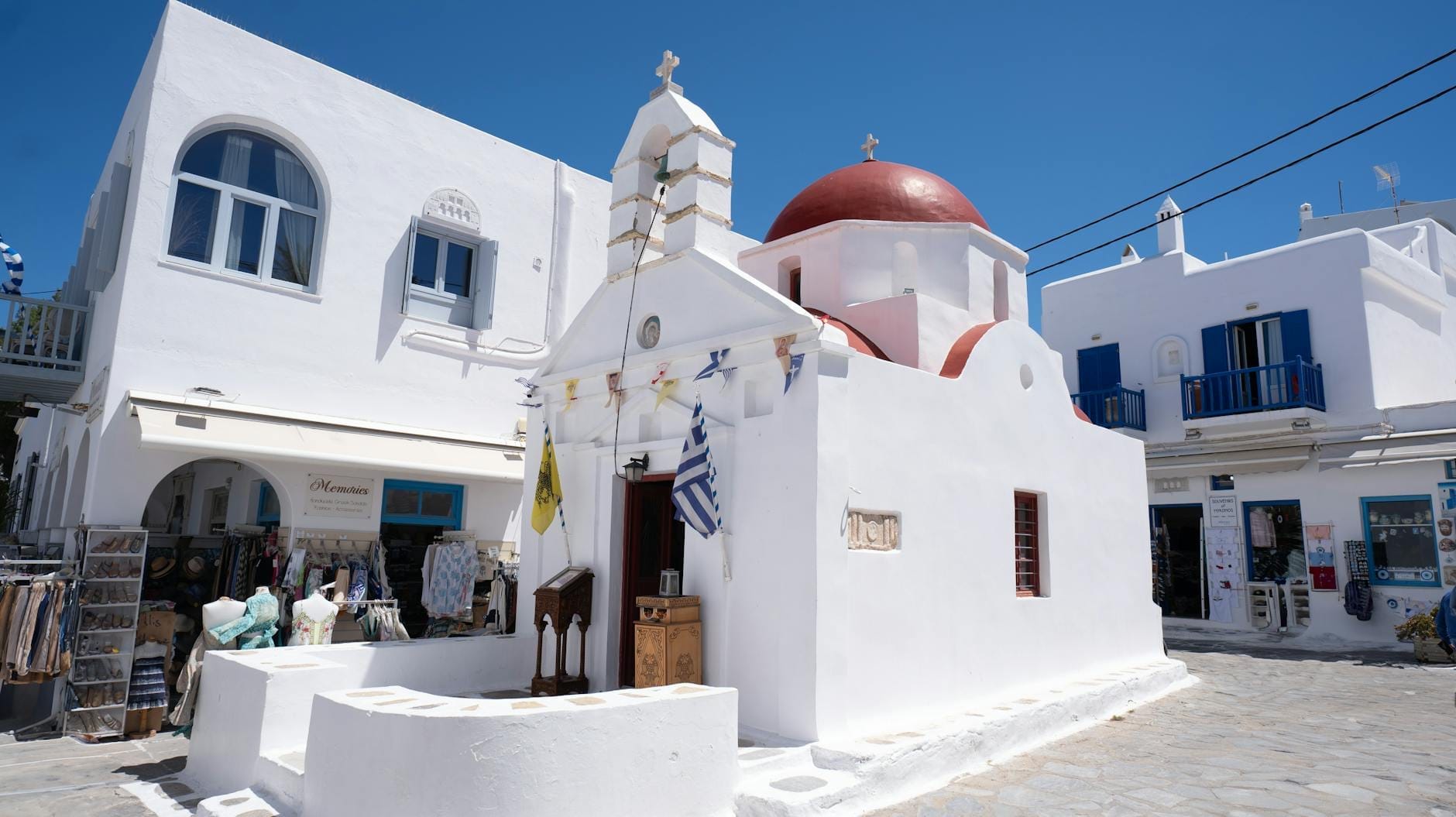
Mykonos has a reputation that overshadows its cultural depth. The island's interior and quieter corners offer a genuinely different experience from the beach clubs, and they are worth your time even if your primary reason for visiting is relaxation.
The inland village of Ano Mera sits about 8 km east of Chora and represents the island's rural character more honestly than anywhere else. The central square is anchored by the Monastery of Panagia Tourliani, a working 16th-century monastery with an ornate Florentine-style marble belfry. The village has a handful of traditional tavernas that serve straightforward Greek food at noticeably lower prices than Chora. It takes about 20 minutes by bus from the main Fabrika bus station.
Back in Chora, the Mykonos Archaeological Museum near the Old Port contains finds from Delos and the island's own cemeteries, including a notable 7th-century BC storage jar with relief scenes of the Trojan War. It's a small museum that takes about an hour and provides useful context before visiting Delos. The Aegean Maritime Museum is another compact but well-curated collection, focused on the seafaring history of the Cyclades — worth an hour for anyone with an interest in Greek maritime culture.
The Armenistis Lighthouse on the northwestern tip of the island is a low-key destination that most tourists miss entirely. The drive out takes about 20 minutes from Chora, and the coastal views along the way are worth it alone. It is particularly good at golden hour when the light falls across the rocky coastline.
Nightlife and Beach Clubs: Managing Expectations and Costs
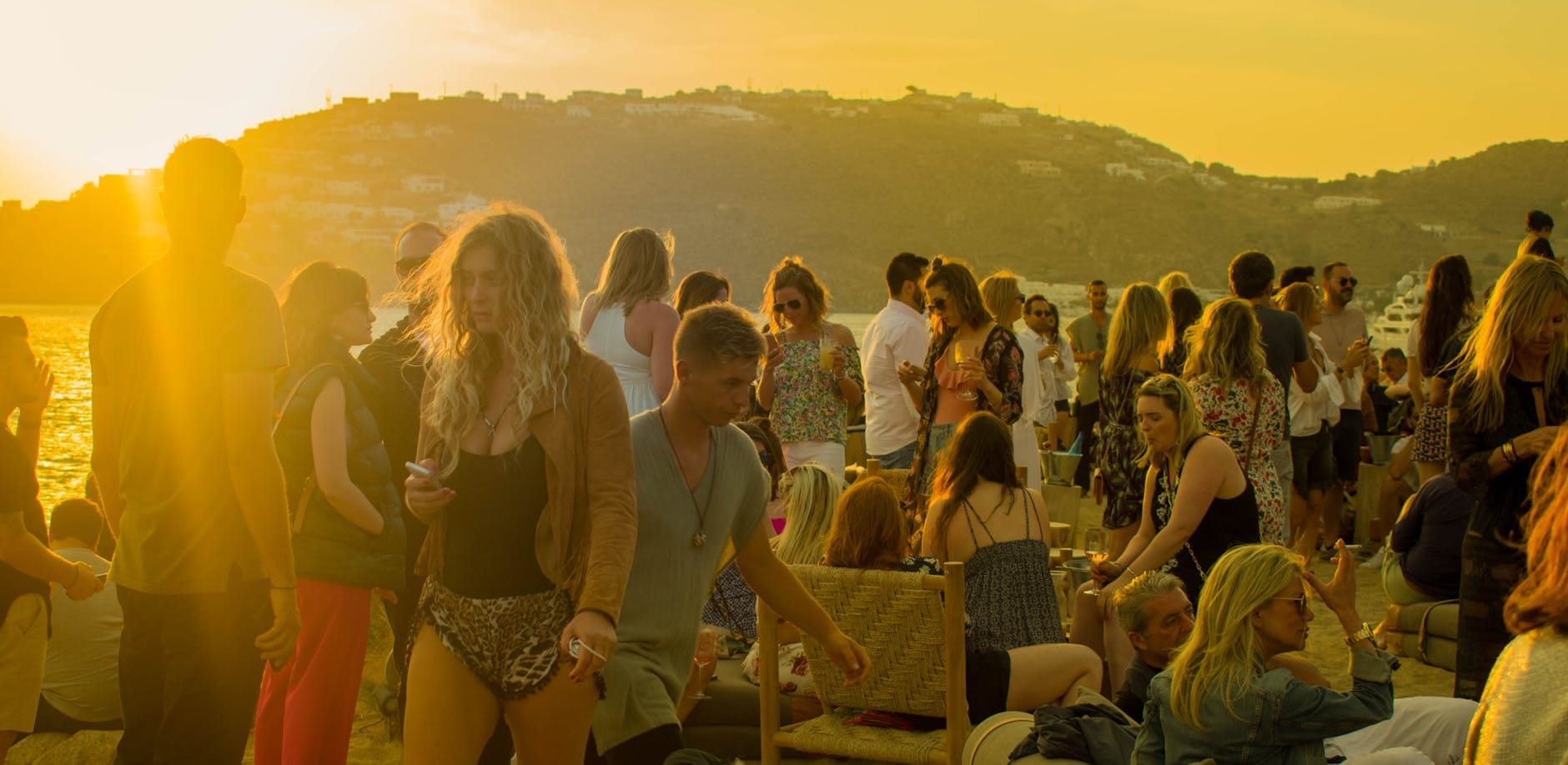
Mykonos nightlife is internationally famous and genuinely impressive in scale during peak season. It is also expensive, and several experiences fall significantly short of their price tags. The Mykonos nightlife guide covers venues, timing, and pricing in depth, but here are the key practical points.
Beach clubs at Paradise Beach and Super Paradise Beach operate with minimum spend models in peak season — expect roughly €80–150 per person for a sunbed reservation at a top-tier club, not counting drinks. Cocktails at premium beach clubs typically run €18–25 each. These are not tourist traps in the sense of being fraudulent, but the costs can surprise travelers who don't research in advance. The Mykonos beach clubs guide breaks down what's worth paying for.
The 180° Sunset Bar in Mykonos Town typically charges around €30–40 walk-in (including one drink) with reserved terrace spots often requiring minimum spends from roughly €80–100 per person. These figures shift seasonally, so verify current pricing directly with venues before visiting. For travelers on tighter budgets, standing on the public promenade near Little Venice costs nothing and provides nearly the same sunset view as any bar table.
If the luxury angle appeals, the Mykonos luxury guide covers high-end dining, private beach experiences, and premium accommodation. For those working with a stricter budget, the Mykonos on a budget guide identifies where to cut costs without sacrificing the experience.
Practical Logistics: Getting Around and Planning Your Days
Mykonos International Airport (IATA: JMK) is 4 km from the town center. Taxis are available but expensive and often scarce in peak season — prices to central Chora run around €15–25 depending on luggage and time of day. Local buses connect the airport to town and run to major beaches from two main bus stations in Chora (Fabrika, for southern beaches, and the Old Port station, for northern routes). Single fares are typically about €2.00–2.50.
For reaching beaches and villages independently, renting a car, scooter, or ATV gives the most flexibility. Roads are generally narrow and can be steep; driving in Mykonos Town itself is not recommended. A compact rental car costs roughly €40–70 per day in shoulder season and significantly more in July–August. For more transport options, see our guide to getting around Mykonos.
- Book beach club reservations and sunset bar tables at least 3–5 days ahead in July and August — walk-in availability at popular spots is minimal.
- The meltemi (north wind) blows strongly from July through early September, making the northern beaches choppy and some boat trips uncomfortable. Southern beaches are more sheltered.
- Ferries from Athens (Piraeus or Rafina ports) take about 2.5–4.5 hours on high-speed services, depending on route and stops. Book in advance for peak season sailings — they sell out weeks ahead.
- Mykonos is part of the Schengen Area; EU/EEA nationals enter with an ID card. Non-EU visitors should check current Schengen visa requirements before travel.
- Tap water on Mykonos is generally not recommended for drinking due to the island's reliance on desalination. Bottled water is inexpensive and widely available.
- Dress modestly when visiting churches and the Ano Mera monastery — covered shoulders and knees are expected. This applies even in summer.
ℹ️ Good to know
Mykonos is a genuinely good destination for couples and honeymooners as well as solo travelers and groups. The mix of archaeological interest, scenic towns, and beach variety means it works across different travel styles — though budget travelers will need to plan carefully. See the Mykonos honeymoon guide for romantic-specific recommendations.
FAQ
How many days do you need in Mykonos?
Three full days is the practical minimum to cover the main things to do in Mykonos without feeling rushed — one day for Delos and the Old Port area, one for beaches, and one for Chora and Ano Mera. Five days allows a more relaxed pace and time to explore less-visited corners like the north coast beaches and the lighthouse road.
Is Mykonos worth visiting if you're not into nightlife?
Yes, comfortably so. The Delos archaeological site alone justifies the trip for history-focused travelers. Mykonos Town's architecture, the quieter northern beaches like Agios Sostis, and the village of Ano Mera all reward visitors who have no interest in beach clubs. Shoulder season (May, June, September) is particularly good for cultural and relaxed travel.
What is the best time of year to visit Mykonos?
Late May through June and September are the sweet spot: warm temperatures (mid-20s°C), calmer crowds, open beaches and restaurants, and lower accommodation prices than peak season. July and August deliver the full Mykonos experience — parties, packed beaches, and intense heat — but also maximum crowds, highest prices, and the strong meltemi wind.
How do you get from Mykonos to Santorini?
The most common route is by high-speed ferry, which takes roughly 2–3.5 hours depending on the service and stops. The journey is scenic and runs multiple times daily in summer. Book tickets in advance during peak season. See our Mykonos to Santorini ferry guide for current operators and schedules.
Are there things to do in Mykonos beyond beaches and nightlife?
Significantly more than Mykonos's reputation suggests. The Delos day trip is world-class archaeology. Mykonos Town's Paraportiani church, the Archaeological Museum, the Maritime Museum, and the windmills offer several hours of cultural content. Ano Mera and the Panagia Tourliani monastery provide a genuine look at island life away from tourist infrastructure. The Armenistis Lighthouse and the north coast require a rental vehicle but reward the effort.
Tickets & tours
Live prices and dates from our booking partner. If you book, we may earn a commission at no extra cost to you.
Planning a trip? Discover personalized activities with the Nomado app.