Best Time to Visit Mykonos: A Season-by-Season Breakdown
Mykonos rewards travelers who time their visit carefully. This guide breaks down every season by weather, crowd levels, prices, and what's actually open, so you can decide when the island works best for your trip.
Tickets & tours
Live prices and dates from our booking partner. If you book, we may earn a commission at no extra cost to you.
TL;DR
- The best time to visit Mykonos is late May to mid-June or September to early October: warm weather, swimmable seas, and far lower prices than peak season.
- Peak season runs late June through August. Expect temperatures around 28°C, fully packed beaches and clubs, and accommodation prices that can double or triple.
- Winter (November to March) is not a viable option for most travelers. The majority of hotels, restaurants, and beach clubs close entirely.
- Budget travelers should target May or October, when midrange hotels drop to €80–150 per night. Read our Mykonos on a budget guide for more money-saving strategies.
- Mykonos International Airport (JMK) is just 4 km from Chora. Seasonal flight frequency peaks from late spring through early autumn, with fewer international connections in winter.
Mykonos at a Glance: Climate and Seasonal Logic
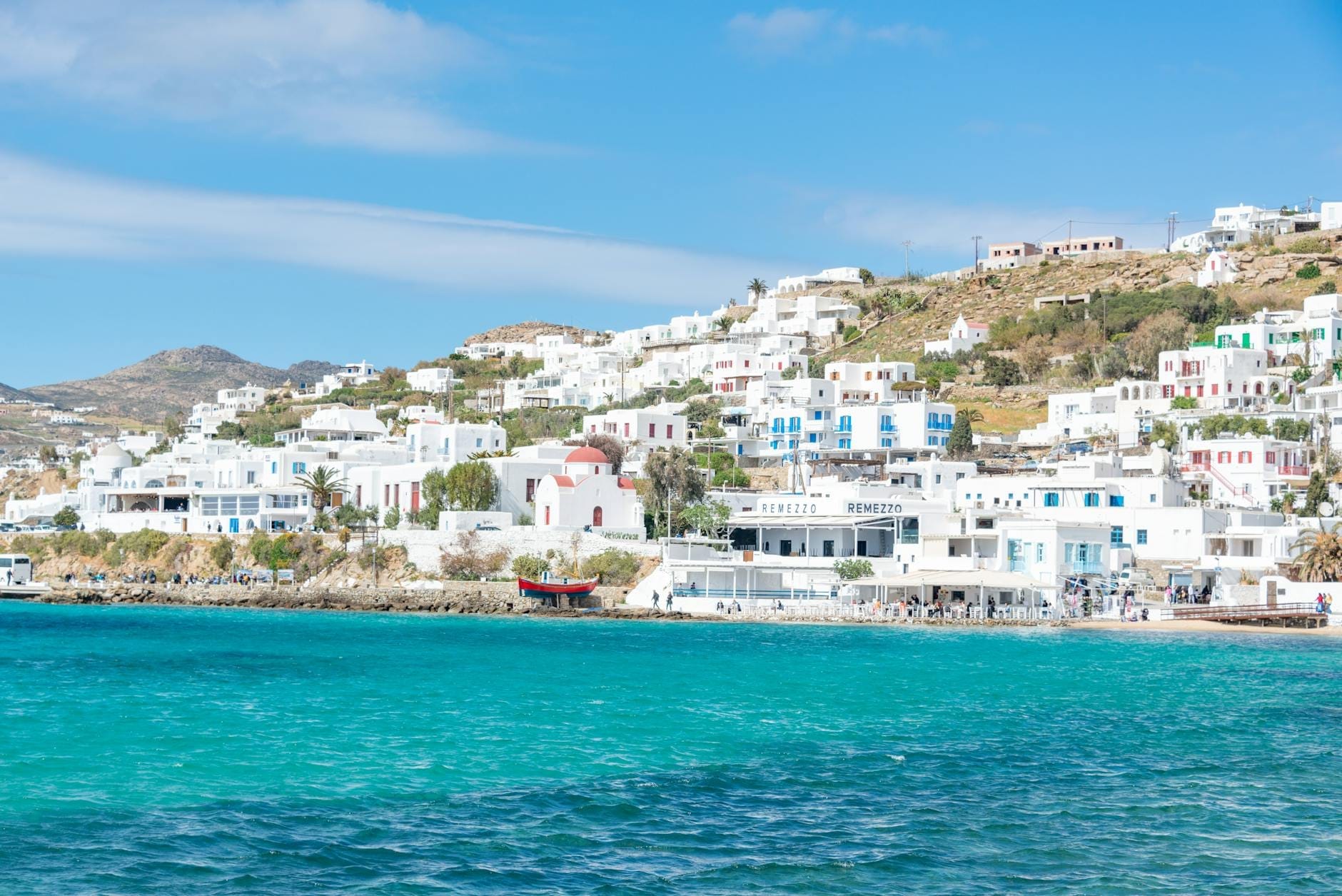
Mykonos sits in the Aegean Sea roughly 160 km east of Athens, with a Köppen-classified hot semi-arid climate (BSh) that carries strong Mediterranean characteristics. In practical terms, this means dry, hot summers with very little rain from June through August, and a wetter, cooler period from November through March. The island covers just 85.5 km², which means microclimates are minimal and weather patterns are consistent island-wide. What makes Mykonos weather genuinely distinctive is the Meltemi: a powerful north wind that blows across the Cyclades in July and August. It keeps temperatures from feeling oppressive, but it also whips up seas and can make certain north-facing beaches uncomfortable for days at a time.
Summer highs sit around 28°C with lows near 20°C. Spring warms gradually from the mid-teens into the low 20s by May. Autumn is the mirror image: September still feels like summer, October cools noticeably, and November signals the island winding down fast. Winter temperatures average around 10–13°C, which is mild by European standards, but with most of the island shuttered, those temperatures are largely academic.
ℹ️ Good to know
Greece operates on Eastern European Time (EET, UTC+2) in winter and Eastern European Summer Time (EEST, UTC+3) from late March to late October. If you're flying in from Western Europe, the time difference is two hours ahead during summer travel season.
Peak Season (Late June to August): What You're Actually Getting Into
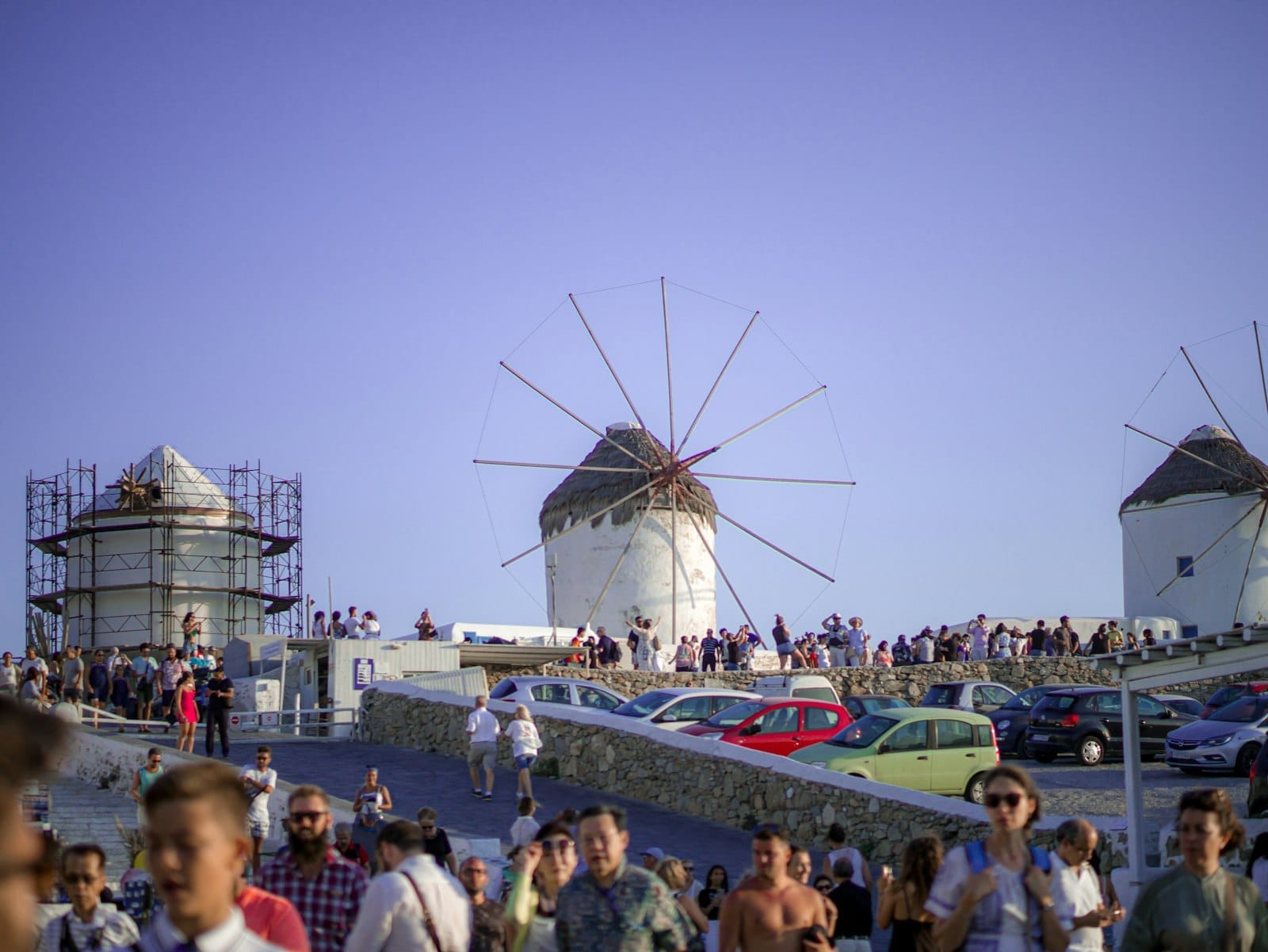
High season on Mykonos is genuinely intense. From late June through August, the island's permanent population of around 10,000 people is overwhelmed by tourist arrivals that some estimates put in the hundreds of thousands per month. Every beach club, bar, and sunset terrace is operating at capacity. Accommodation prices spike hard: midrange hotels that cost €80–150 per night in low season can climb to €180–300 or more in summer, and luxury properties reach significantly higher. Book at least three to four months ahead if you're targeting July or August, especially for anything near Mykonos Town.
The upside is that everything is open and running at full energy. Mykonos nightlife is in full swing, beach clubs like Cavo Paradiso host international DJs, and ferry connections to Athens, Santorini, and other Cycladic islands run multiple times daily. The Meltemi wind, most active in July and August, is worth factoring in: on breezy days, Paradise Beach and Super Paradise Beach remain sheltered due to their south-facing orientation, but northern beaches can be choppy.
- Pros of peak season Everything is open; maximum ferry and flight connections; highest energy nightlife and beach club scene; water temperature at its warmest (around 24–25°C).
- Cons of peak season Prices at their highest; beaches and restaurants crowded; popular spots like Matoyianni Street become near-impassable in the evenings; Meltemi wind can disrupt beach days on exposed coasts.
- Who peak season suits Travelers who prioritize the full party experience, don't mind paying a premium, and have booked well in advance.
⚠️ What to skip
If you're visiting in July or August without advance bookings, expect to pay significantly above listed rates or find little availability in central Mykonos Town. The island does not have surplus capacity during peak weeks. Book flights, ferries, and accommodation simultaneously as soon as your dates are confirmed.
Shoulder Season (May to Mid-June and September to Early October): The Actual Sweet Spot
This is the honest answer to when to visit Mykonos for most travelers. The shoulder months deliver nearly all of the island's appeal with a fraction of the drawbacks. In May and early June, daytime temperatures are in the low-to-mid 20s°C, the sea is warming up (swimmable from late May for most people), and accommodation prices are often significantly lower than their August peak. By late September and early October, the sea is at its warmest of the year, the summer crowds have thinned, and the island retains enough energy to feel alive without feeling crushed.
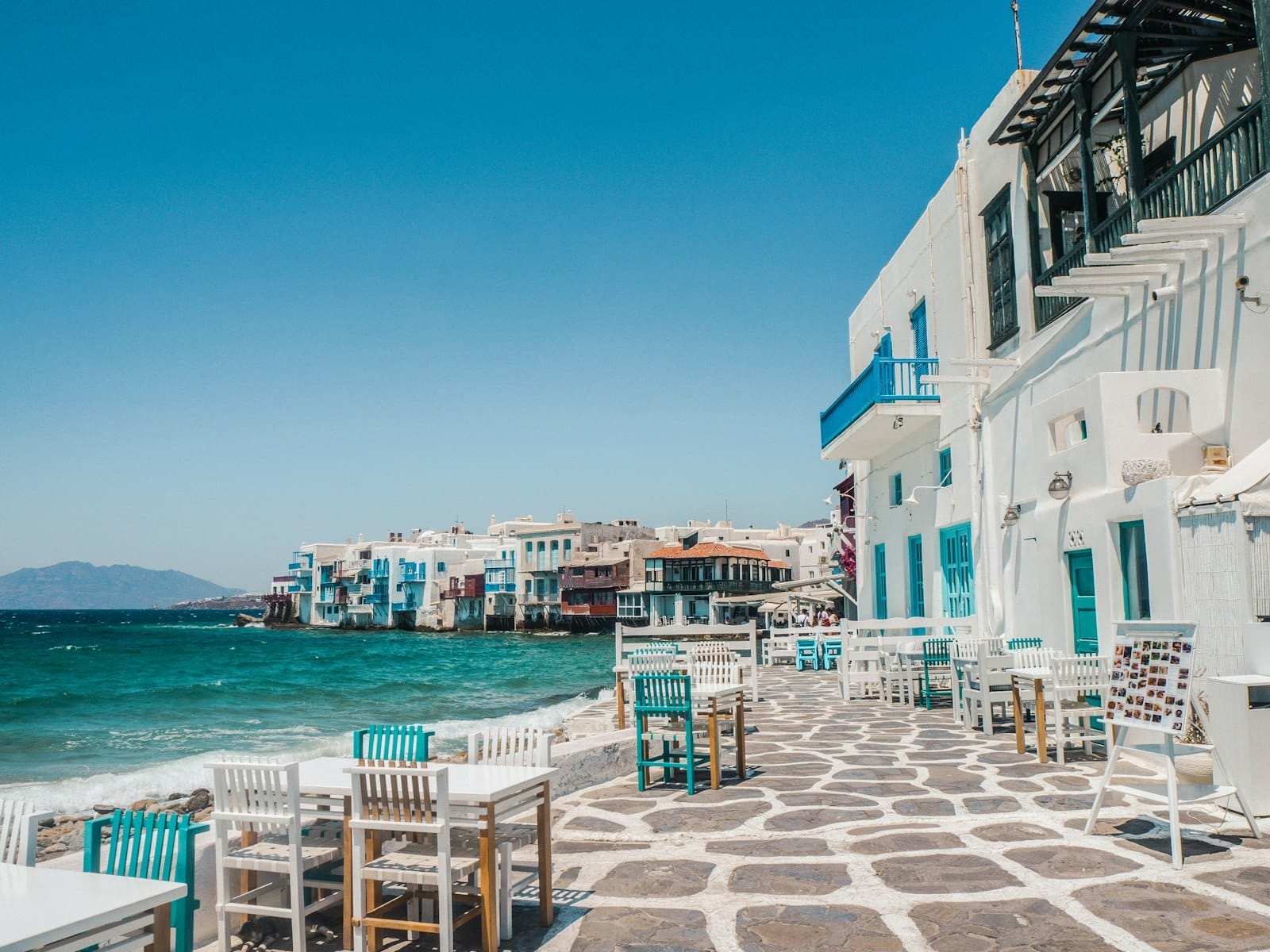
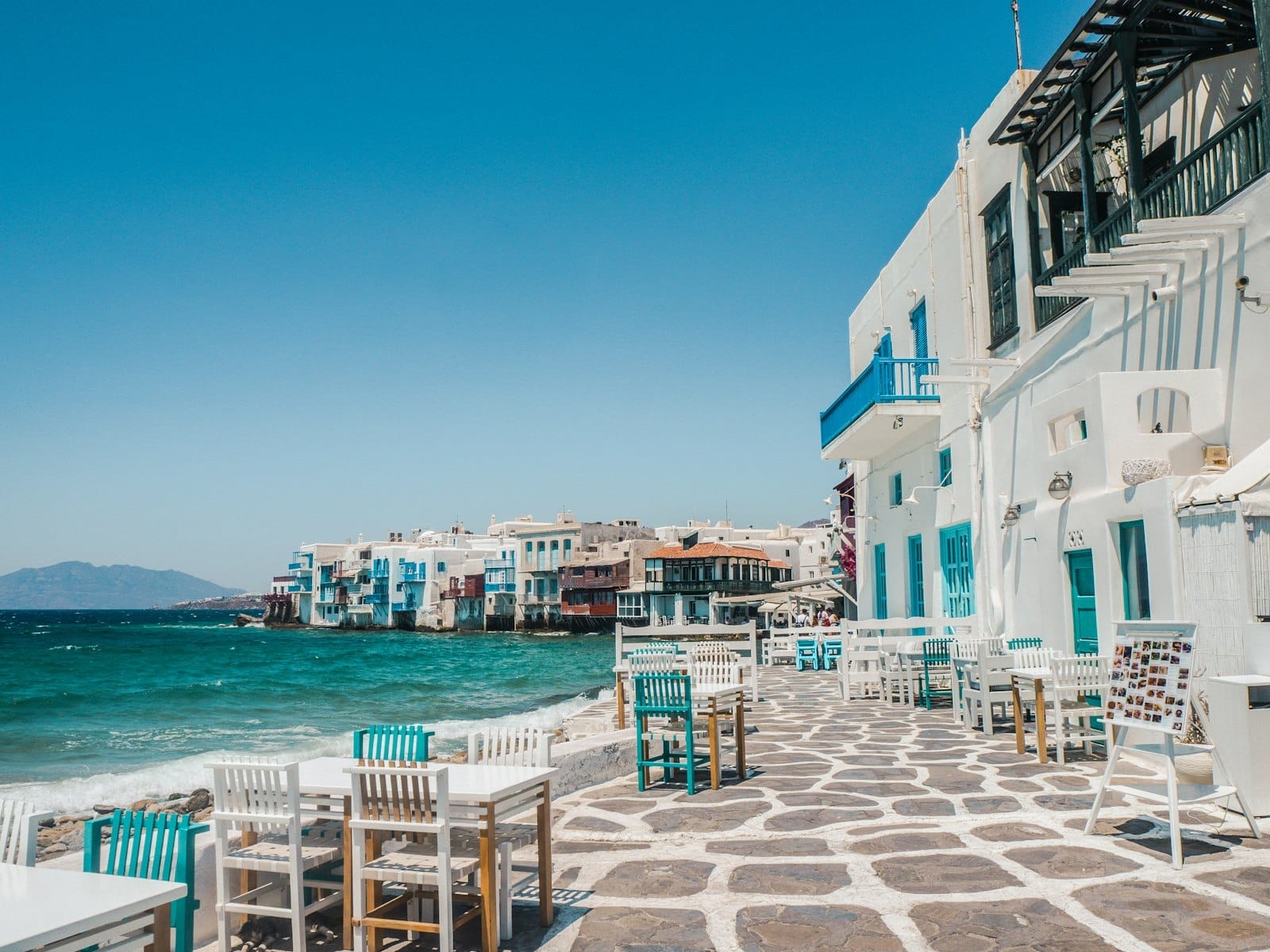
September is widely considered the single best month by experienced Mykonos visitors. The water is warm, the light is golden and softer than the harsh August midday sun, and the nightlife and beach club scene remain active without the extreme overcrowding. Little Venice is actually enjoyable to walk through, and getting a table at a restaurant without a reservation becomes possible again. The Mykonos windmills at sunset are photographable without navigating around tour groups.
One caveat for early May: the sea temperature is around 19–20°C, which is brisk for casual swimming but fine for those used to cooler water. Some beach clubs and restaurants are still in soft-opening mode, and a handful of properties may not have fully launched their season. By mid-May, the island is properly operational. October is the inverse: things start closing in the second half of the month, so aim for the first two weeks if you're targeting autumn.
Winter (November to March): Honest Assessment
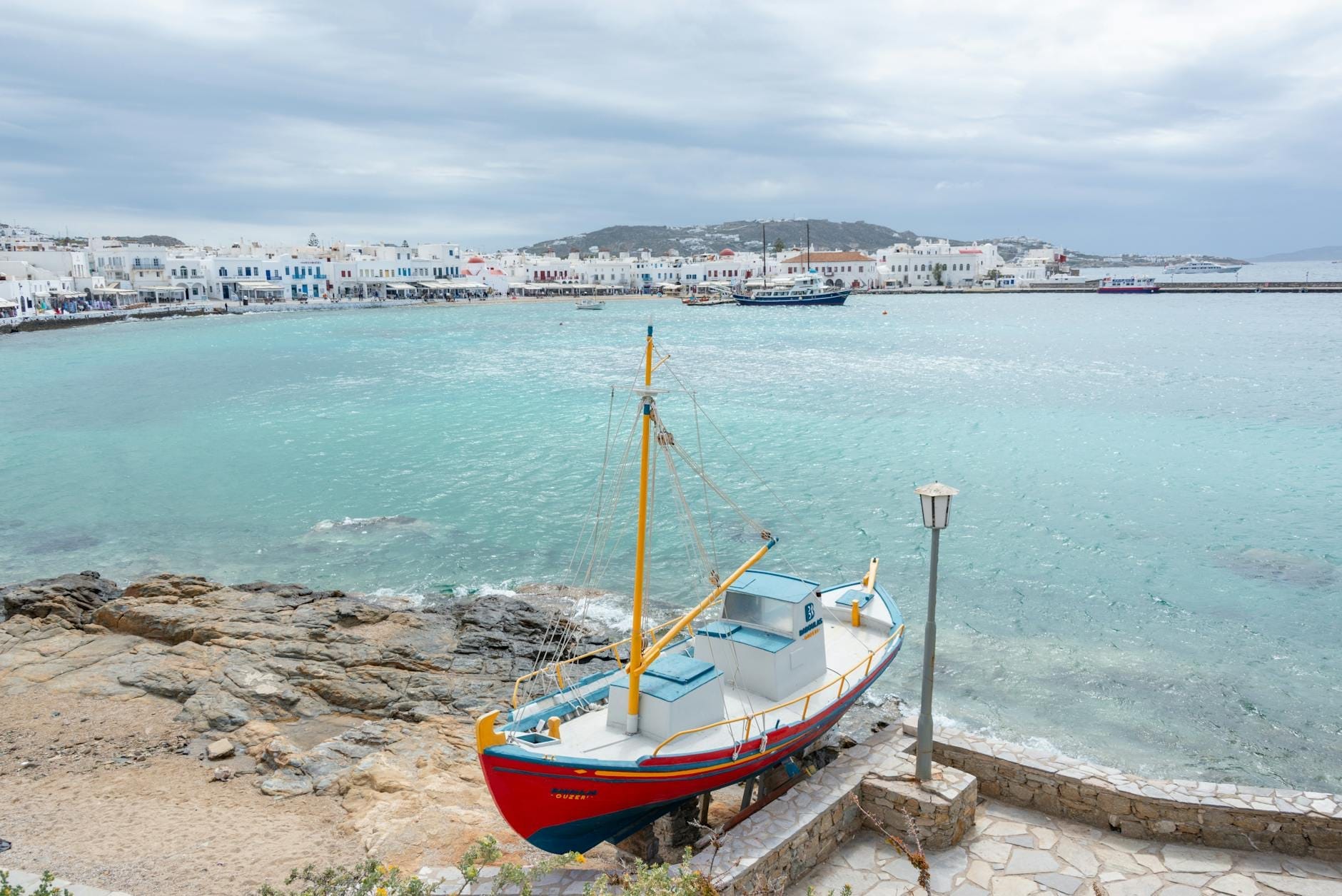
Mykonos in winter is not the same proposition as wintering in, say, a large city or a year-round resort island. The island effectively closes down. A significant proportion of hotels, restaurants, beach clubs, and shops shutter between November and February. Temperatures are mild at 10–13°C but the wind off the Aegean makes it feel cooler, and rainfall concentrates in this period. For a traveler who wants a quiet, off-season retreat with some atmospheric emptiness, it can work, but expectations need adjustment: dining options will be very limited, many of the island's signature experiences will be unavailable, and ferry connections thin out considerably.
If a winter visit to Greece is the goal, consider whether Mykonos is the right island for it. Athens is an excellent winter destination with its museums, food scene, and culture operating year-round. For island atmosphere with more winter infrastructure, look at larger islands. For Mykonos specifically, the shoulder of the shoulder season, specifically April and late October, offers the quiet atmosphere some winter travelers seek while keeping enough of the island open to make the trip worthwhile. You can learn more about the island's full range of offerings in our things to do in Mykonos guide to plan around what actually stays open.
Prices by Season: What to Budget
Mykonos is one of the more expensive Greek islands regardless of when you visit, but the seasonal price variation is significant enough to genuinely affect what kind of trip you can have. The numbers below are approximate and subject to change; verify current rates when booking.
- Midrange hotel (per night) €80–150 in low season (April, October); €180–300+ in peak summer (July–August).
- Hostel / budget accommodation €30–90 per night where available; options are limited compared to larger Greek islands.
- Beach club entry From around €25 per person, often credited toward food and drink minimums in peak season.
- Dinner at a sit-down restaurant €22–40 per person for a full meal; casual lunch around €10.
- Cocktails and drinks €16–25 for cocktails at beach clubs and bars; coffee around €3. House wine in restaurants from around €12; supermarket wine €8–10 per bottle.
For a full breakdown of how to manage costs on the island, including which experiences are genuinely worth the price and which are overpriced tourist traps, read the Mykonos on a budget guide. For those at the other end of the spectrum, the Mykonos luxury guide covers high-end properties and experiences by season.
Getting to Mykonos: Flights, Ferries, and Timing
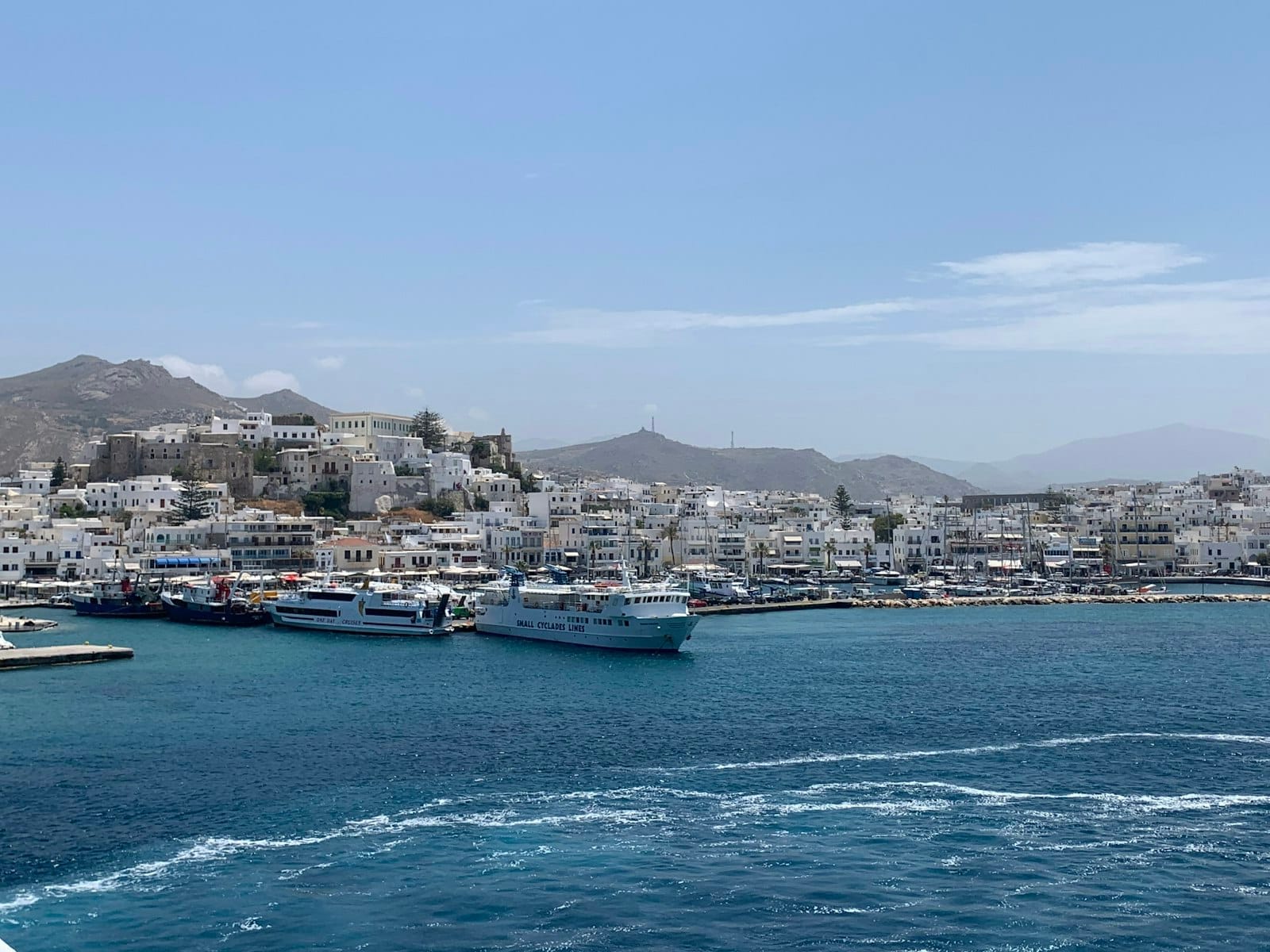
Mykonos International Airport (IATA: JMK) sits just 4 km from Mykonos Town (Chora). From late May through early September, it receives direct international flights from numerous European cities. Outside that window, connections thin out and most routes require a stopover in Athens. If you're traveling in shoulder season, check whether your origin city has a direct seasonal route before assuming you can fly direct.
Ferry connections from Athens (Piraeus port) and Rafina are the other main option. High-speed ferries cut the journey to around 2.5–4 hours depending on the route and operator; conventional ferries take longer but cost less. In peak season, ferries run multiple times daily. By November, services reduce to a few per week. The ferry-beach-club combination is a popular approach: arrive by ferry from Athens, spend a few days, then continue to Santorini or Paros. Our Mykonos to Santorini ferry guide has route-specific details if you're planning that leg.
From the airport or ferry port, taxis cover the short distance to Mykonos Town in under 10 minutes. Local buses run seasonally between Chora, the beaches, and Ano Mera. Taxis are limited and can be scarce late at night. Many hotels offer pre-booked transfers, which is the smoothest option if you're arriving with luggage at an odd hour. Uber is not a reliable option on the island; conventional taxis and rental vehicles dominate.
✨ Pro tip
If you're visiting in July or August, book ferry tickets at least 4–6 weeks ahead for popular routes. Mykonos ferries sell out during peak weeks, particularly on weekends. Traveling Tuesday through Thursday is consistently cheaper and less crowded than weekend sailings.
What to Do by Season: Matching Your Trip to the Calendar
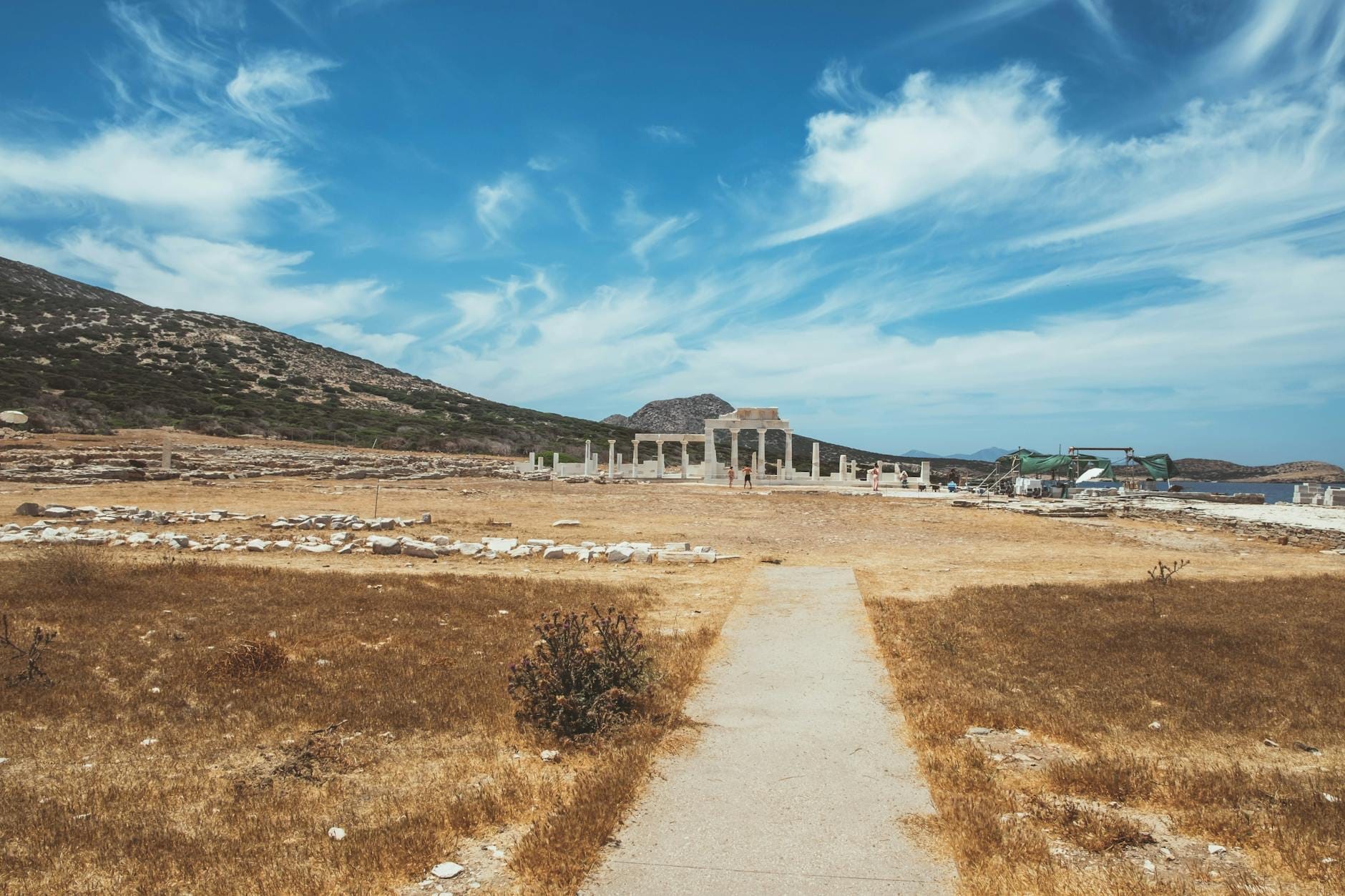
Mykonos delivers different versions of itself depending on when you arrive. In summer, the beach club circuit dominates, and the island's south coast, particularly the Paradise and Super Paradise beach area, operates as a continuous party from midday through the early hours. In the shoulder months, the cultural and historical side of the island becomes easier to access and more rewarding. The archaeological site at Delos Island, a 30-minute boat ride from Mykonos, is far more enjoyable when temperatures are below 30°C and crowds are thinner. Boats to Delos run from spring through autumn but not in winter.
For beach-focused visitors, May through October covers the swimmable season. Elia Beach Psarou Beach and Ornos BeachAgios Sostis Beach are among the options that reward visiting outside of the peak weeks when sunbeds aren't wall-to-wall. Our guide to the best beaches in Mykonos breaks down each beach by crowd level and character. Couples considering a honeymoon visit will find September and early October particularly suited to the trip: romantic without the peak-season chaos. The Mykonos honeymoon guide covers timing and property recommendations in detail.
💡 Local tip
Religious sites like Panagia Paraportiani in Mykonos Town and the Monastery of Panagia Tourliani in Ano Mera require modest dress (covered shoulders and knees). This is a consistent expectation at Greek Orthodox sites regardless of season. Carry a light layer if you're planning to visit either.
FAQ
What is the best time to visit Mykonos?
Late May to mid-June and September to early October offer the strongest combination of warm weather, swimmable seas, and manageable crowds. Prices are 30–50% lower than peak summer, and most tourist services are fully operational. September is particularly well-regarded for its warm water, lower crowd density, and active but not overwhelming nightlife.
How busy is Mykonos in July and August?
Extremely busy. July and August are peak season: accommodation prices reach their highest, beaches and popular areas like Matoyianni Street are crowded, and beach clubs require advance booking. The experience can be exhilarating if that's what you want, but it's not ideal for a relaxed visit. Book everything at least 3–4 months in advance.
Is Mykonos open in winter?
Not meaningfully. Most hotels, restaurants, beach clubs, and shops close between November and March. Ferry connections thin to a few per week. If you want a Greek island with winter infrastructure, Mykonos is not the right choice. The island's low season is a reality, not a marketing soft-pedal.
What are typical prices in Mykonos and do they vary by season?
Yes, significantly. Midrange hotels run €80–150 per night in low season and €180–300+ in peak summer. Cocktails cost €16–25 at bars and beach clubs year-round. Dinner at a sit-down restaurant runs €22–40 per person. Beach club entry starts around €25. The biggest cost driver is accommodation, and booking shoulder-season dates can meaningfully reduce the overall trip cost.
When does the ferry season to Mykonos run?
Frequent high-speed and conventional ferries from Athens (Piraeus and Rafina) operate from spring through autumn, with multiple daily departures in peak season. By November, services reduce significantly. For specific routes including connections to Santorini and other Cycladic islands, check current schedules with Greek ferry operators like Blue Star Ferries or SeaJets, as timetables change seasonally.
Tickets & tours
Live prices and dates from our booking partner. If you book, we may earn a commission at no extra cost to you.
Planning a trip? Discover personalized activities with the Nomado app.