Luxury Mykonos: The Ultimate High-End Travel Guide
Mykonos is Greece's most polished luxury destination, combining world-class hotels, private beach clubs, superyacht culture, and some of the Aegean's best dining. This guide cuts through the hype with specific advice on when to go, where to stay, how to get around, and what actually justifies the price tag.
Tickets & tours
Live prices and dates from our booking partner. If you book, we may earn a commission at no extra cost to you.
TL;DR
- Luxury Mykonos hotels in prime locations (Psarou, Ornos, Mykonos Town) start at around €500–€600 per night in high season, with top suites and villas exceeding €1,000+ per night.
- Peak luxury season runs June to September; shoulder months (May and October) offer a quieter, still-upscale experience with lower rates — see the best time to visit Mykonos for a full seasonal breakdown.
- Taxis on Mykonos are famously scarce — roughly 31 island-wide — so high-end travelers should arrange private drivers or hotel shuttles in advance.
- Mykonos is not just a party island: secluded villas, upscale dining, and quiet Aegean coves exist alongside the club scene, and the island genuinely rewards those willing to look beyond the obvious.
- For a day trip to the ancient island of Delos — one of the Aegean's most significant archaeological sites — see our guide to day trips to Delos from Mykonos.
Why Mykonos Leads the Aegean Luxury Market
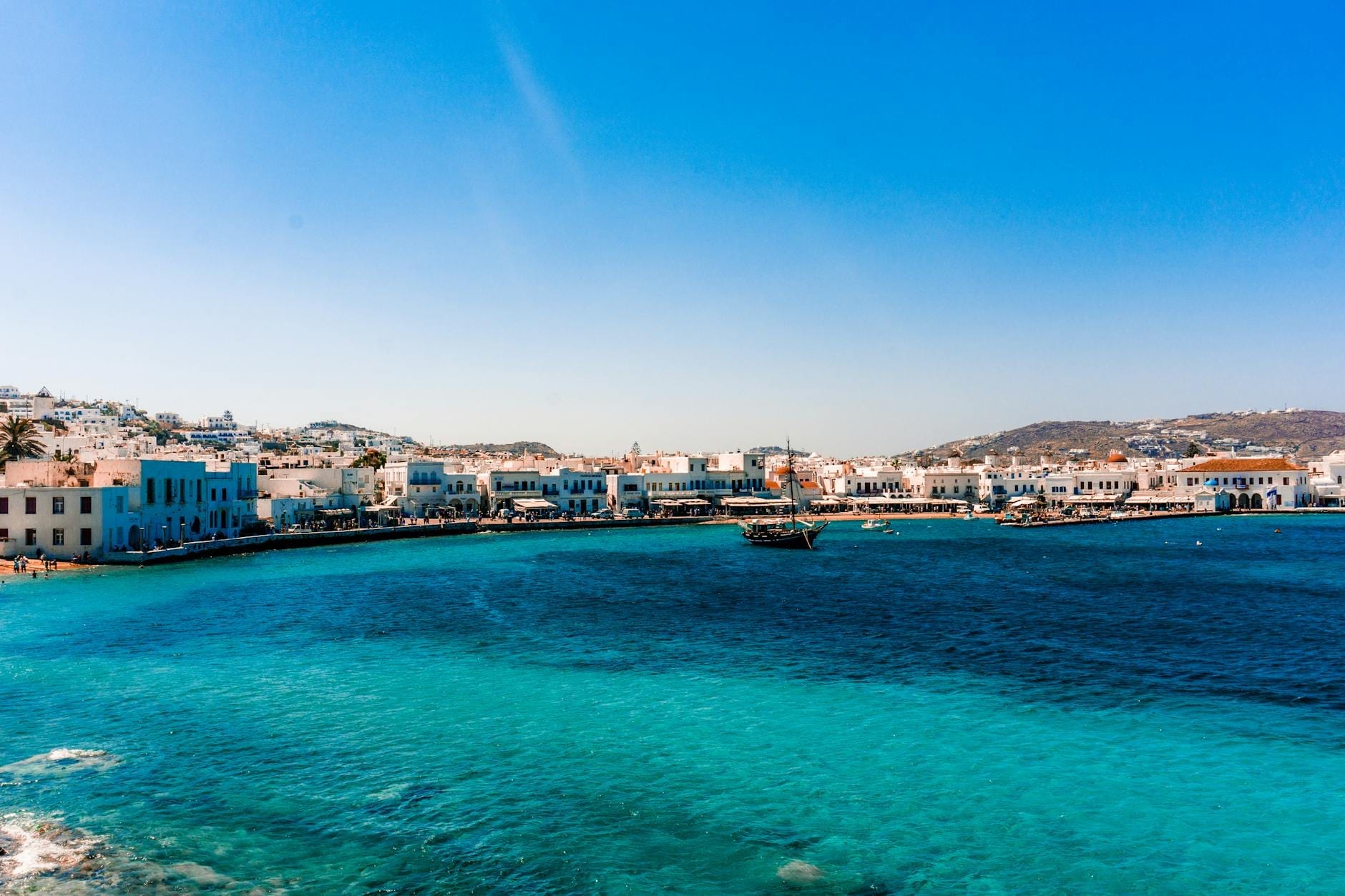
Mykonos is a small island — about 85 km² — located in the Cyclades, roughly 150 km southeast of Athens. Its permanent population sits at around 10,700, but in peak summer the island receives hundreds of thousands of visitors, many of them specifically chasing a high-end experience. That concentration of spending power has driven the development of some of Greece's most sophisticated hospitality infrastructure: clifftop infinity pools, Michelin-calibre restaurants, private yacht charters, and beach clubs that function more like luxury resorts than simple sunbed operations.
The reputation is earned, not invented by marketing. Mykonos has attracted serious investment from international hotel groups and independent operators who understand that this particular clientele expects precision. Staff-to-guest ratios at top properties are high, menus are genuinely creative, and design standards at leading hotels rival anything in Ibiza, Capri, or Santorini. That said, the luxury experience on Mykonos is very real but also very seasonal. Most high-end properties, beach clubs, and fine dining restaurants operate roughly from late April through early October, with the true luxury scene concentrated between June and September.
ℹ️ Good to know
Mykonos operates on Eastern European Summer Time (EEST, UTC+3) from late March through late October, which covers the entire high season. Currency is the Euro (EUR). The international dialling code for Greece is +30, and the emergency number is 112.
Choosing Where to Stay: Neighbourhoods and Property Types
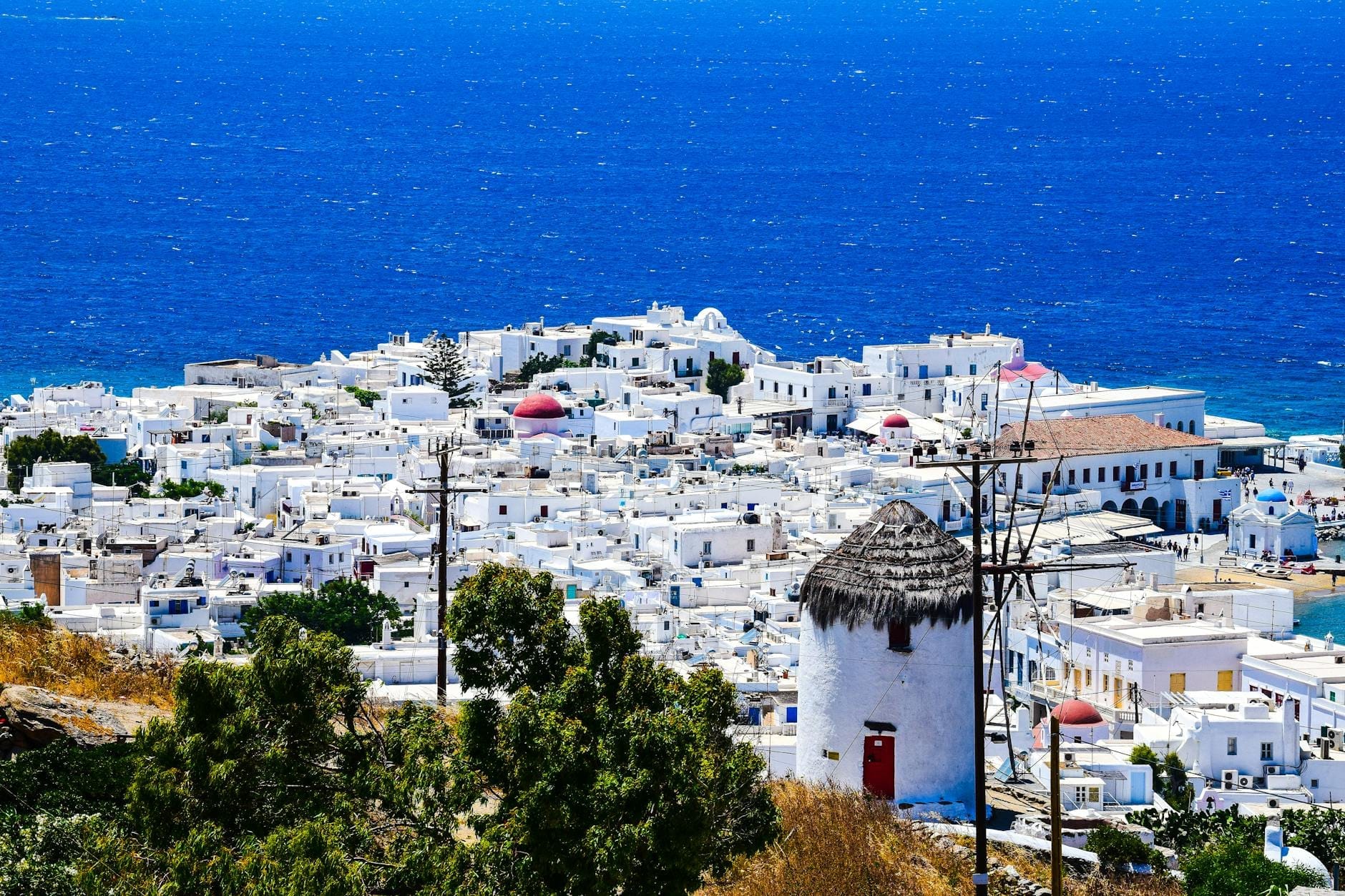
Location matters enormously on Mykonos. Mykonos Town (Chora) is the whitewashed, labyrinthine capital on the west coast — ideal for guests who want to be at the heart of the action, near Matoyianni Street boutiques and the iconic Little Venice waterfront. Boutique luxury hotels here tend to be compact, with rooftop pools, sea-view terraces, and prime walking access — but the narrow streets mean no private car access and persistent foot traffic in peak season.
For beach-adjacent luxury, Psarou and Platis Gialos on the south coast are the benchmark. Psarou in particular is where the superyacht crowd anchors and where the island's most expensive beach club real estate is located. Properties here offer direct beach access or very short transfers. Ornos sits a short distance west and is slightly more family-oriented, with calmer water and a cluster of well-regarded mid-to-high-end hotels along the bay.
- Mykonos Town (Chora) Best for: boutique hotel stays, nightlife access, shopping, dining. Not ideal for: beach days without a transfer, large groups needing vehicles.
- Psarou / Platis Gialos Best for: beach-club culture, superyacht access, premium sunbed territory. Expect to pay top-of-market rates for both accommodation and beach club entry.
- Ornos Best for: calmer atmosphere, family-friendly upscale stays, easy access to both the town and south-coast beaches.
- Panormos / North Coast Best for: secluded villas, cooler breezes, genuine escape from the summer crowds. Trade-off: you'll need a car or private driver for everything.
- Ano Mera (inland) Best for: authenticity seekers. The only real village inland, with the Monastery of Panagia Tourliani and a slower pace. Luxury accommodation is limited but growing.
For a curated breakdown of all accommodation options across price points and neighbourhoods, the complete where to stay in Mykonos guide covers everything from budget guesthouses to ultra-luxury villas.
⚠️ What to skip
Booking luxury accommodation on Mykonos in peak season (July–August) without significant lead time is a genuine risk. Prime properties at Psarou and in Chora are frequently sold out 4–6 months in advance. If you have specific dates and specific properties in mind, book early and book direct — some hotels offer better rates or room upgrades outside of third-party platforms.
What Luxury Mykonos Hotels Actually Cost
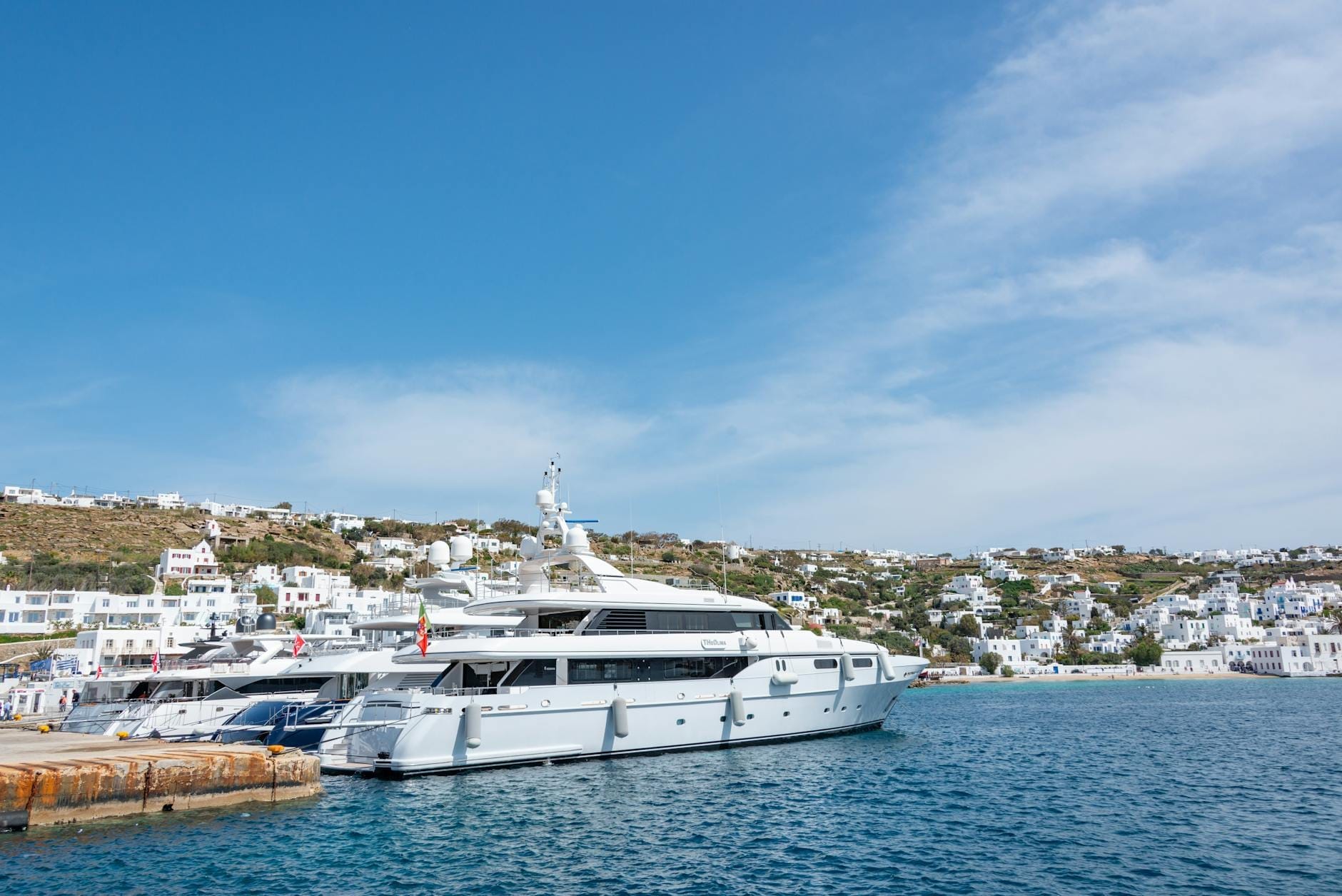
To set realistic expectations: five-star resorts and high-end boutique hotels in prime Mykonos locations typically start around €500–€600 per night during July and August. Suites with private plunge pools or panoramic sea views regularly exceed €1,000–€1,500 per night at peak. Private villas with full staff, horizon pools, and direct sea access — often booked through specialist villa agencies — can run €3,000–€10,000+ per night depending on size and location.
Shoulder season (May, June, September, and October) changes the calculation considerably. The same properties that charge peak-summer rates often reduce prices by 30–50% in May or early October, while still operating at full capacity. Weather in May and September remains excellent for beach use, crowds are manageable, and the overall Mykonos experience — particularly the dining and cultural side — is arguably better than the July frenzy. If your goal is maximum luxury value rather than maximum social scene, shoulder season is the smarter call.
Getting to Mykonos and Moving Around Like a Local (Who Has a Driver)
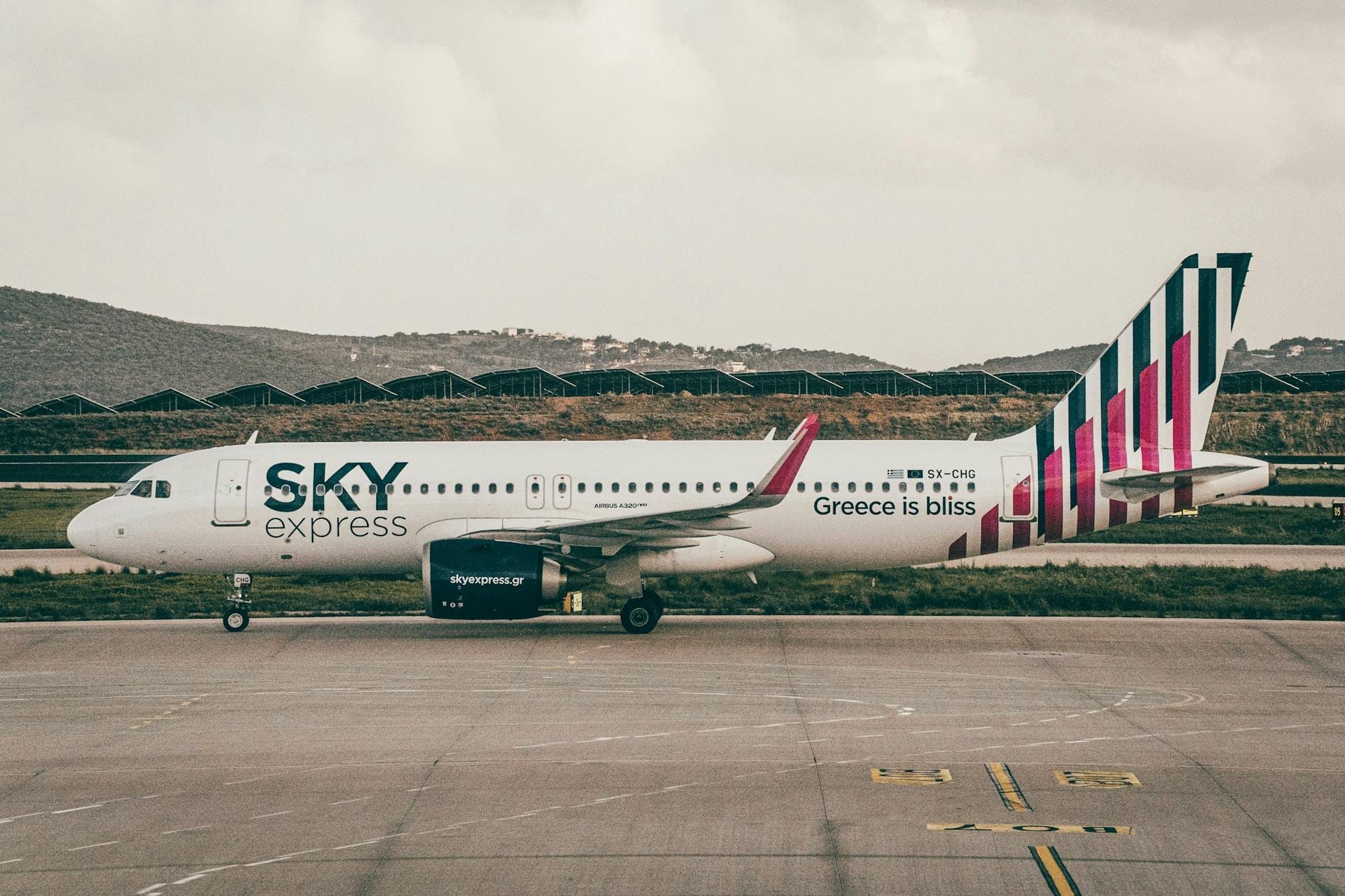
Mykonos International Airport (IATA: JMK) sits just 4 km from Mykonos Town, making it one of the more convenient island airports in the Aegean. Direct international flights connect Mykonos to major European cities in summer, and Athens (ATH) serves as the primary hub year-round, with short domestic flights of around 45 minutes. Ferry connections from Piraeus (Athens) typically take about 3 to 5 hours depending on the vessel type, with high-speed catamarans at the faster end — a solid option if you're travelling with luggage and want the Aegean scenery.
On the island itself, the taxi situation is the single biggest logistical frustration for first-time luxury travellers. There are approximately 31 licensed taxis on Mykonos — a number wildly disproportionate to summer visitor volumes. Taxi queues at the port and airport can stretch to an hour or more in peak season. The practical solution for high-end stays is straightforward: arrange a private transfer in advance. Most quality hotels offer airport and port transfers, either complimentary or at a set fee. Private driver hire by the half-day or full-day is also widely available and genuinely worthwhile. For more detail on all transport options, the guide to getting around Mykonos covers buses, water taxis, scooters, and rental cars in full.
- Pre-book airport or port transfers through your hotel before you arrive — do not assume a taxi will be waiting.
- Water taxis run between southern beaches like Paradise and Super Paradise; they're faster than road transfers in peak traffic.
- Renting a car or ATV gives you genuine freedom on the island, but parking in Chora is effectively impossible in summer. Leave the vehicle at the town's paid car park and walk.
- EU driving licences are fully valid in Greece. Non-EU travellers typically need an International Driving Permit alongside their national licence.
- Scooters are popular but carry real risk on narrow, busy Mykonian roads in summer — this is not hyperbole, the roads are genuinely challenging.
Beach Clubs, Dining, and Where the Real Money Goes
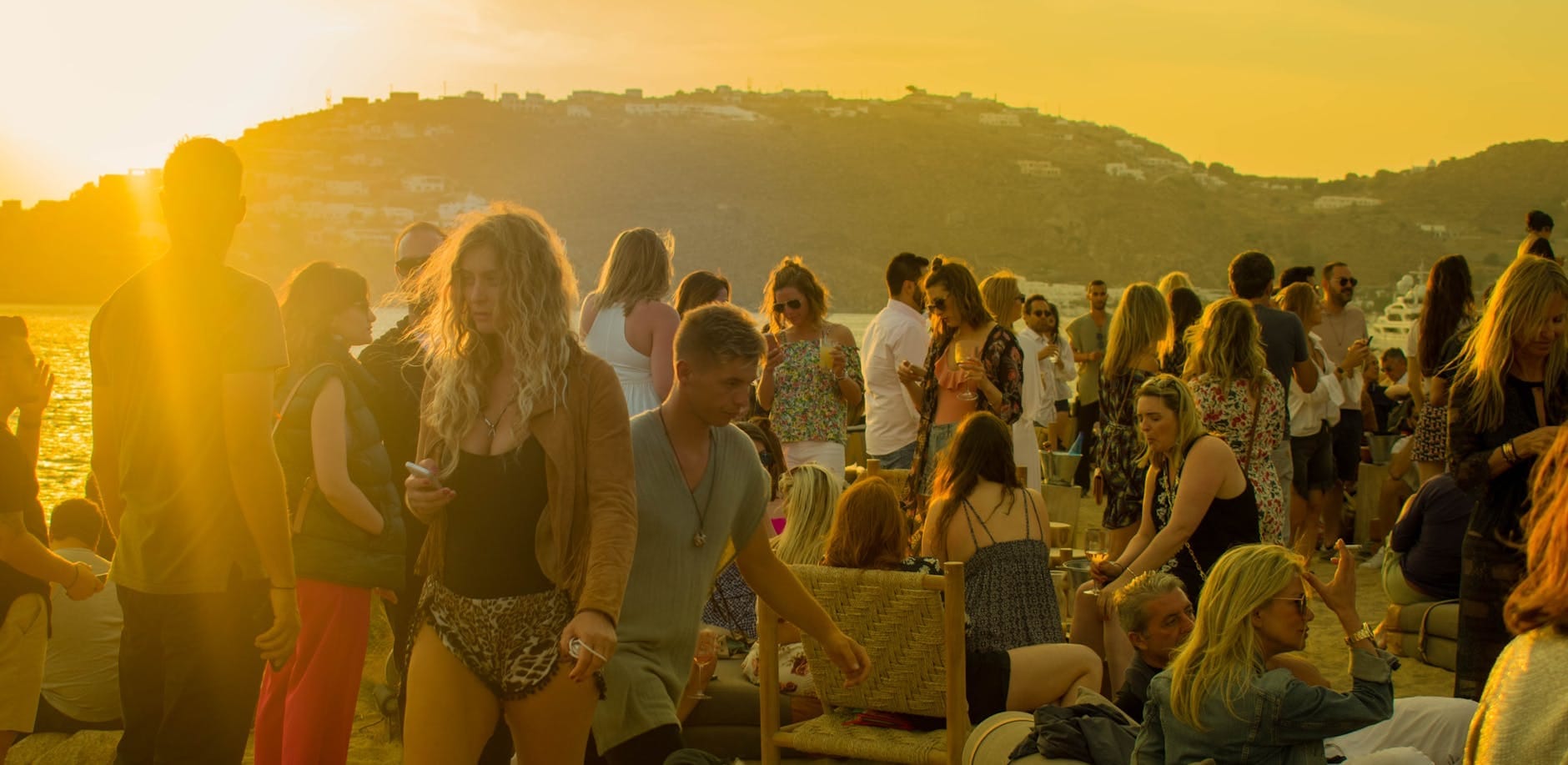
The beach club scene is central to the luxury Mykonos experience, and it operates on a specific economic logic. At top clubs near Psarou Beach and Super Paradise, sunbeds come with minimum spend requirements rather than flat entry fees — expect €50–€150 per person as a minimum consumption at the better-positioned spots in peak season. The spend covers food and drinks, which at quality establishments are genuinely good. The full Mykonos beach clubs guide ranks the best options and explains exactly what to expect at each.
Dining in Mykonos spans a wide range, from excellent traditional Greek tavernas to high-concept restaurants with serious wine lists. For the most authoritative overview of what and where to eat, the what to eat in Mykonos guide covers the full spectrum. At the top end, dinner for two with wine at a premium restaurant will typically run €150–€300+. Reservations at the most sought-after spots in July and August need to be made weeks in advance — some require a credit card guarantee.
One misconception worth addressing directly: Mykonos is not only a nightlife destination. The after-dark scene is real and significant, but it coexists with a genuinely sophisticated daytime culture. The archaeological museum in Mykonos Town, the ancient island of Delos reachable by a 30-minute boat ride, and the quieter northern beaches offer completely different experiences from the club circuit. Luxury travellers who write Mykonos off as 'just parties' are missing a more layered destination.
✨ Pro tip
For the quietest, most atmospheric version of Mykonos Town, walk the Kastro neighbourhood and the area around Panagia Paraportiani church before 9am or after 9pm. The narrow lanes that feel impossible to navigate at noon are genuinely magical when the crowds thin. Little Venice at sunset, with a drink from one of the waterfront bars, is one of the Aegean's great experiences — but arrive early to secure a seat.
Practical Essentials for High-End Travellers
Greece is part of the Schengen Area, meaning EU, EEA, and Swiss nationals enter with a national ID card or passport. Many non-EU nationalities — including US, Canadian, Australian, and UK citizens — can enter visa-free for up to 90 days within any 180-day period under standard Schengen rules. Always verify current entry requirements before travel, as regulations are subject to change.
- Currency: Euro (EUR). Major credit cards are accepted at luxury hotels and most restaurants; carry some cash for smaller tavernas, market stalls, and local buses.
- Electricity: 230V, 50Hz, Type C and F plugs (standard European). Bring adapters if travelling from the UK or North America.
- Tap water: Mykonos relies partly on desalination due to its semi-arid climate and high seasonal demand. Many visitors and locals prefer bottled water — check with your accommodation for current guidance.
- Tipping: Not legally required, but rounding up or leaving 10% at restaurants is standard practice. Hotel staff, drivers, and spa therapists similarly appreciate small gratuities.
- Dress code: Casual and resort-wear at beaches and most restaurants. Smart casual for upscale dining. Modest dress (covered shoulders and knees) required when visiting churches and the monastery at Ano Mera.
- Emergency number: 112 (EU standard, works across Greece).
If this is your first visit and you're weighing Mykonos against other Aegean options, the honest comparison guide to Mykonos vs Santorini lays out exactly where each island excels and where it falls short. For couples specifically, the Mykonos honeymoon guide covers the most romantic properties and experiences in detail.
FAQ
What is the best time to visit Mykonos for a luxury trip?
June and September offer the best balance for luxury travellers. June brings full hotel and beach club operations, warm weather, and slightly less pressure on availability than July–August. September is arguably the best month overall: the sea is warmest, crowds have thinned noticeably, and rates begin to ease. July and August are peak season — maximum energy but maximum crowds, prices, and logistical friction. May and October suit travellers who prioritise tranquility and value over the full social scene.
How much should I budget per day for a luxury Mykonos trip?
A realistic daily budget for genuine luxury — five-star accommodation, beach club with minimum spend, dinner at a quality restaurant, and private transfers — sits between €800 and €2,500 per couple per day in peak season, not including flights. Villa rentals sit at the higher end. Shoulder season (May, June, September, October) can reduce accommodation costs by 30–50% while maintaining the quality of experience.
Are there quiet, upscale areas of Mykonos away from the party scene?
Yes. The north coast around Panormos Beach and the inland area near Ano Mera are significantly quieter than the south-coast beach clubs. Several boutique and villa properties in these areas specifically market themselves to guests seeking privacy. Agios Sostis on the north coast has no sunbed operations or beach bars — it's one of the island's most untouched beaches and a short drive from Mykonos Town.
Is Mykonos suitable for a luxury trip outside of summer?
Most high-end hotels, beach clubs, and restaurants close between November and March, making a true luxury Mykonos experience effectively impossible in deep winter. April and October are borderline — some properties open, weather is mild (around 15–22°C), and the island has a pleasant off-season calm. For a fully operational luxury experience with all services running, May through October is the reliable window.
What is the most exclusive beach in Mykonos?
Psarou consistently ranks as the island's most exclusive beach, used as an anchorage by superyachts and home to some of the highest minimum-spend beach club setups on the island. Access is limited by both geography and economics — it's not a beach you stumble onto. Elia Beach, on the south coast, offers a slightly broader stretch of sand with comparably upscale facilities and a marginally less pressured atmosphere.
Tickets & tours
Live prices and dates from our booking partner. If you book, we may earn a commission at no extra cost to you.
Planning a trip? Discover personalized activities with the Nomado app.