Getting Around Mykonos: Every Transport Option Explained
Mykonos is a small island with a surprisingly complex transport puzzle. From the KTEL bus network and south-coast caiques to the island's notoriously scarce taxis and rental vehicles, this guide breaks down every way to get around — with real prices, practical tips, and honest warnings about what doesn't work as well as you'd hope.
Tickets & tours
Live prices and dates from our booking partner. If you book, we may earn a commission at no extra cost to you.
TL;DR
- Getting around Mykonos relies on buses, water taxis, rental vehicles, and the occasional taxi — there is no metro, no rail, and no full Uber-style ride-hailing network to speak of.
- The KTEL bus network covers most beaches and villages cheaply (€2–3 per ride), but routes split between two town stations: Fabrika and the Old Port bus stop.
- Taxis are scarce — roughly 30 island-wide — and nearly impossible to find on summer nights without a pre-booked transfer.
- South-coast water taxis (caiques) run late May to mid-October and are often the fastest, most scenic way to hop between beaches.
- The historic core of Mykonos Town is pedestrian-only — don't plan to drive into the old town or park anywhere near the center.
Getting to Mykonos: Airport and Ferry Arrivals
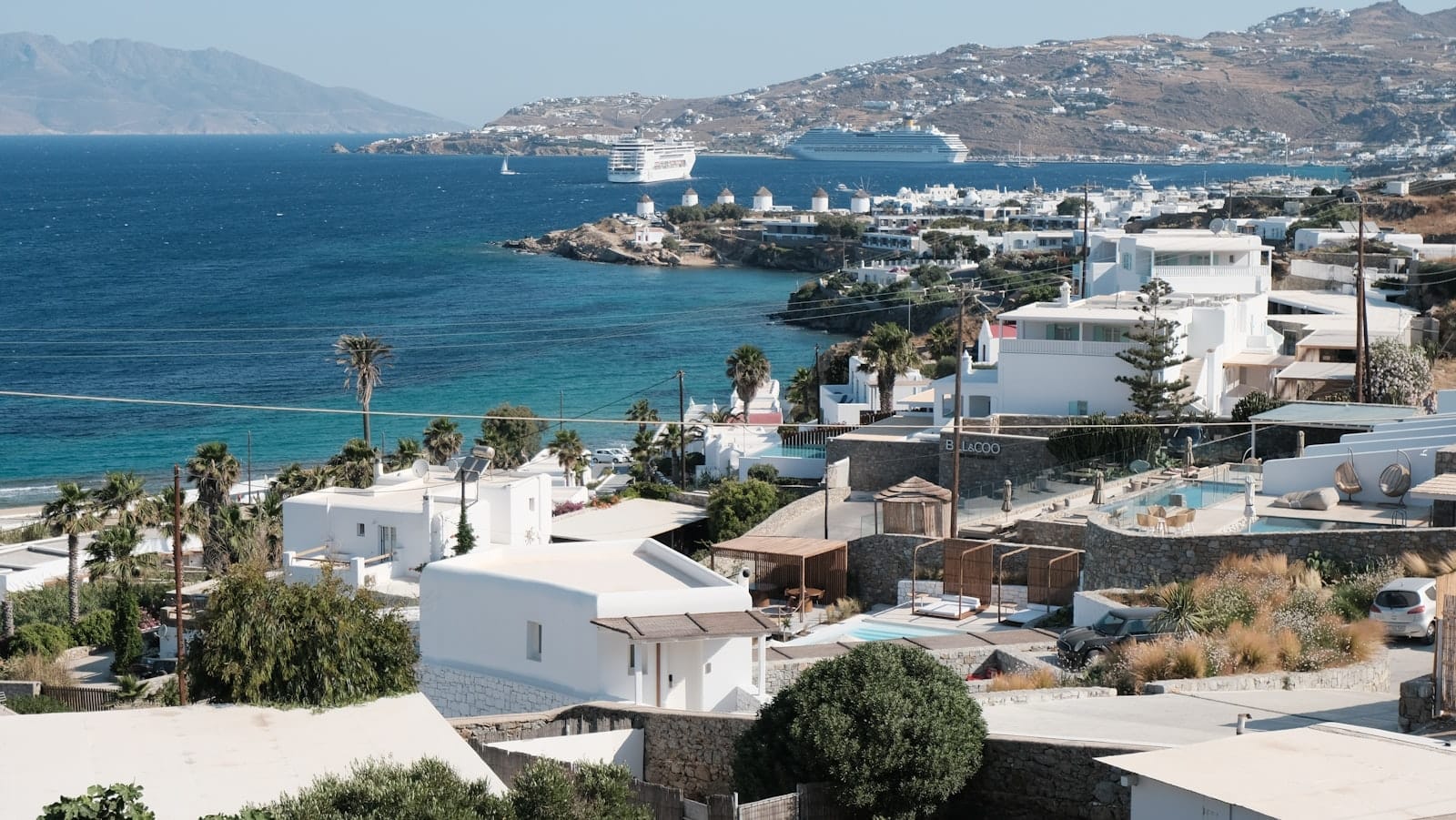
Mykonos International Airport (IATA: JMK) sits just 4 km from Mykonos Town, which sounds convenient until you realize there is no dedicated airport bus in the traditional sense. The KTEL bus does serve the airport from both Fabrika (south station) and the Old Port station, but schedules vary by season and the service runs less frequently than you might expect. Buses cost around €2–3 and drop you at one of the two main town bus hubs, which works well if your accommodation is central or you're traveling light.
A taxi from the airport to Mykonos Town costs approximately €25 for the roughly 3.5 km trip. That sounds reasonable, but the airport taxi queue can be surprisingly long on busy afternoons in July and August, and the island only has about 30 licensed taxis in total. Private transfers pre-booked through your hotel or a transfer operator typically run €25–45 depending on destination and luggage surcharges — worth considering if you're arriving late or with a group.
If you're arriving by ferry, note that there are two ports. The Old Port (Chora waterfront) handles smaller ferries and excursion boats. The New Port at Tourlos, about 2.5 km north of town, is where the larger car ferries and cruise ships dock. The Mykonos ferry network connects the island to Athens (Piraeus), Santorini, Paros, and other Cycladic islands. The Sea Bus (see below) links the New Port back to town for €2, which is far more practical than waiting for a taxi at the port.
⚠️ What to skip
Arriving at the New Port (Tourlos) and expecting a quick taxi into town is a common mistake. The taxi rank there has limited capacity and queues build fast during peak arrivals. Book a private transfer in advance or use the Sea Bus — it's €2 and takes about 10 minutes.
KTEL Mykonos: The Public Bus Network
The KTEL bus is the workhorse of island transport and by far the cheapest option for reaching beaches and villages. Fares are typically €2–3 per journey, paid in cash when you board. The network runs from roughly April through October, with the highest frequency in peak summer. In winter, services are drastically reduced and some routes stop entirely.
There are two separate bus stations in Mykonos Town, and which one you need depends entirely on your destination. This catches a lot of visitors off-guard.
- Fabrika Bus Station (South Town) Serves Ornos, Agios Ioannis, Platis Gialos, Paranga, Paradise Beach, Super Paradise, New Port, and the Airport. Buses to south-coast beaches run as often as every 30 minutes in peak season.
- Old Port Bus Station (North Town, near the Archaeological Museum) Serves the Airport, New Port, Agios Stefanos, Ano Mera, Kalafati, Elia, Kalo Livadi, Panormos, Ornos, Agios Ioannis, Platis Gialos, and Super Paradise.
A few routes overlap between stations, but if you're heading to the island's interior, specifically the village of Ano Mera, or to the eastern beaches like Elia Beach and Kalafatis Beach, you need the Old Port station. KTEL doesn't operate a centralized website that's consistently up to date — check current timetables at your hotel front desk, the bus stop notice boards, or the kiosks in town.
💡 Local tip
Always carry small euro coins and low-denomination notes for bus fares. Drivers often can't break large bills, especially early in the morning. A €10 note is generally fine; anything larger creates friction.
Sea Bus and Water Taxis: Getting Around by Boat
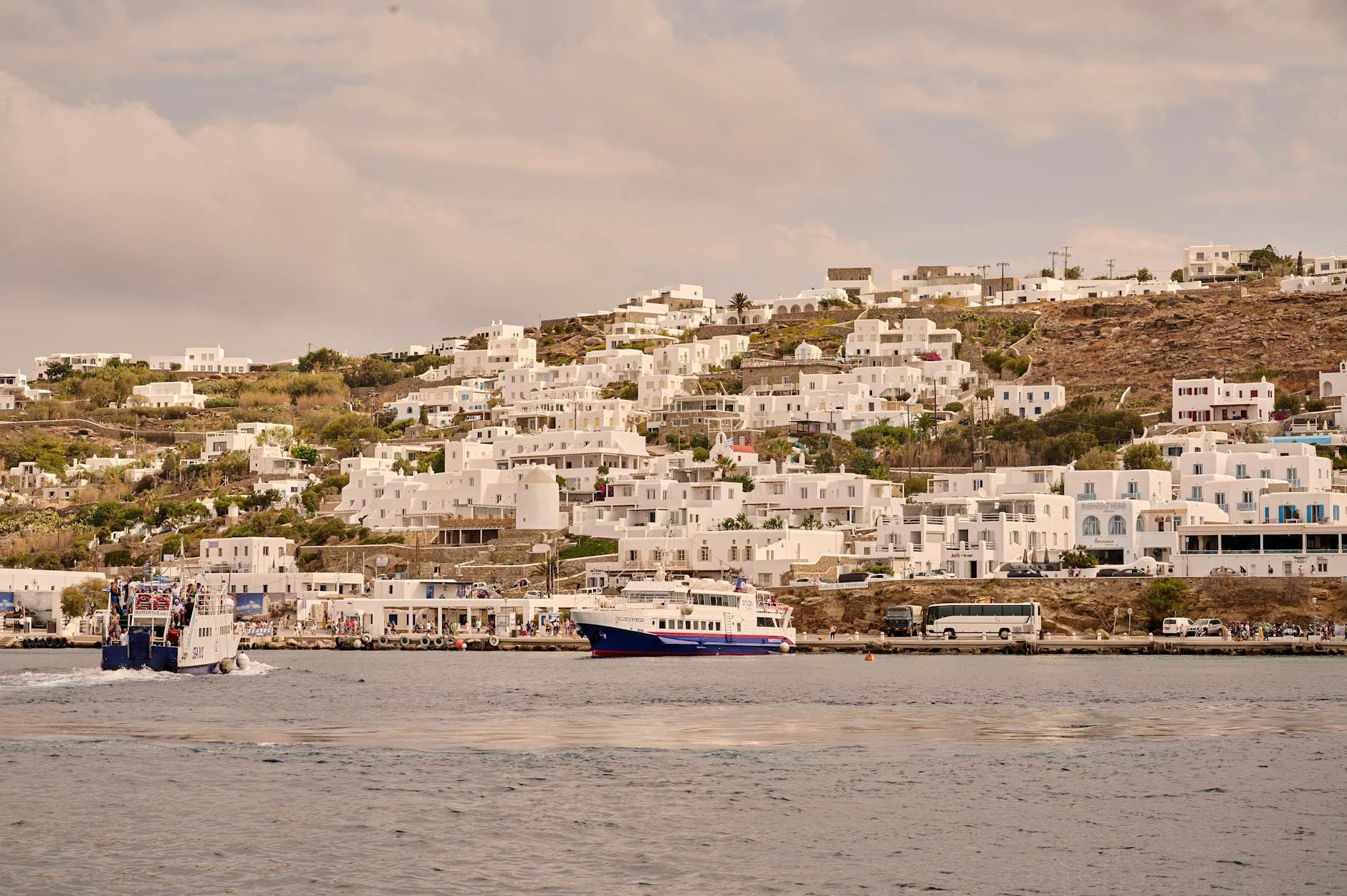
The Sea Bus is an underused option that connects Mykonos Town with the Old Port and New Port by boat. It runs daily, generally every 30 minutes during the day and as often as every 15 minutes in peak season. The one-way fare is €2 and the journey to the New Port takes about 10 minutes. For anyone staying near the waterfront or arriving by large ferry, this is genuinely the most stress-free way to reach town.
South-coast water taxis, known locally as caiques, are a more enjoyable alternative to buses for beach-hopping. Small wooden boats depart from Ornos and connect Platis Gialos, Paranga, Paradise Beach, Super Paradise, Agrari, and Elia in a single route. They typically run from late May to early October, departing Ornos from around 10:00, with the last return from Elia around 17:45.
- Round-trip to one beach: approximately €15, paid cash on board
- All-day, all-beach pass (hop on/off between all stops): approximately €20
- Service operates late May to mid-October only — not available outside tourist season
- Boats don't run in rough sea conditions, which can happen with the Meltemi winds in July–August
✨ Pro tip
The all-day caique pass is excellent value if you're planning to visit two or more south-coast beaches. It costs less than two separate return bus trips and gets you much closer to the beach entrances. The downside: if the wind picks up, service can be suspended with little notice, so have a bus backup plan.
Taxis: Technically Available, Practically Difficult

Mykonos has around 30 licensed taxis for an island that hosts tens of thousands of visitors in peak season. That ratio tells you everything. Taxis are fine for airport runs if pre-booked, or for early morning trips when demand is low. Trying to hail one at midnight on a Saturday in August is a different experience entirely.
The main taxi rank is on the north side of Mykonos Town, near the Archaeological Museum. Taxis also queue at the New Port and the Airport. Example fares: the airport to town runs around €25; from the New Port to a south-coast hotel might be €20–30 depending on destination. Meters are used, but surcharges apply for luggage, night hours, and public holidays.
Private transfer services fill the gap. Pre-booked minivans and cars (typically €25–35 from airport to town, more for distant beaches) are far more reliable than hoping a taxi appears. Your hotel can usually arrange these, or you can book independently through local operators. If you're traveling as a group, the per-person cost of a private transfer often beats the per-person taxi rate anyway.
Car, Scooter, and ATV Rentals
Renting a vehicle is the most flexible way to explore Mykonos, particularly for reaching beaches that buses don't serve well, like Agios Sostis on the north coast or the quieter eastern coves. Rental agencies cluster near Fabrika bus station and along the waterfront by the Old Port. Major international brands (including Avis and Sixt) and local agencies operate rental counters at or near the airport.
Daily car rental rates outside peak months can fall under €50 for a small vehicle, but expect significantly higher rates in July and August when demand is intense. Scooters and ATVs are popular for their ability to park nearly anywhere and navigate narrow island roads. Non-EU drivers legally need an International Driving Permit alongside their home license to rent. The roads on Mykonos are generally in decent condition, but the island is hilly and some coastal tracks are unpaved. If you're heading to Agios Sostis or Panormos Beach on the north coast, a vehicle is essentially the only practical option.
- Best for families or groups Small car rental — more comfortable, can carry luggage, works for airport runs and multiple beach stops in one day.
- Best for couples or solo travelers Scooter or ATV — easy to park anywhere, cheap to rent, perfect for the island's scale. Requires basic riding confidence on hilly roads.
- Not recommended Renting a large or premium vehicle — parking is limited island-wide, roads in some areas are narrow, and the extra cost adds up fast.
⚠️ What to skip
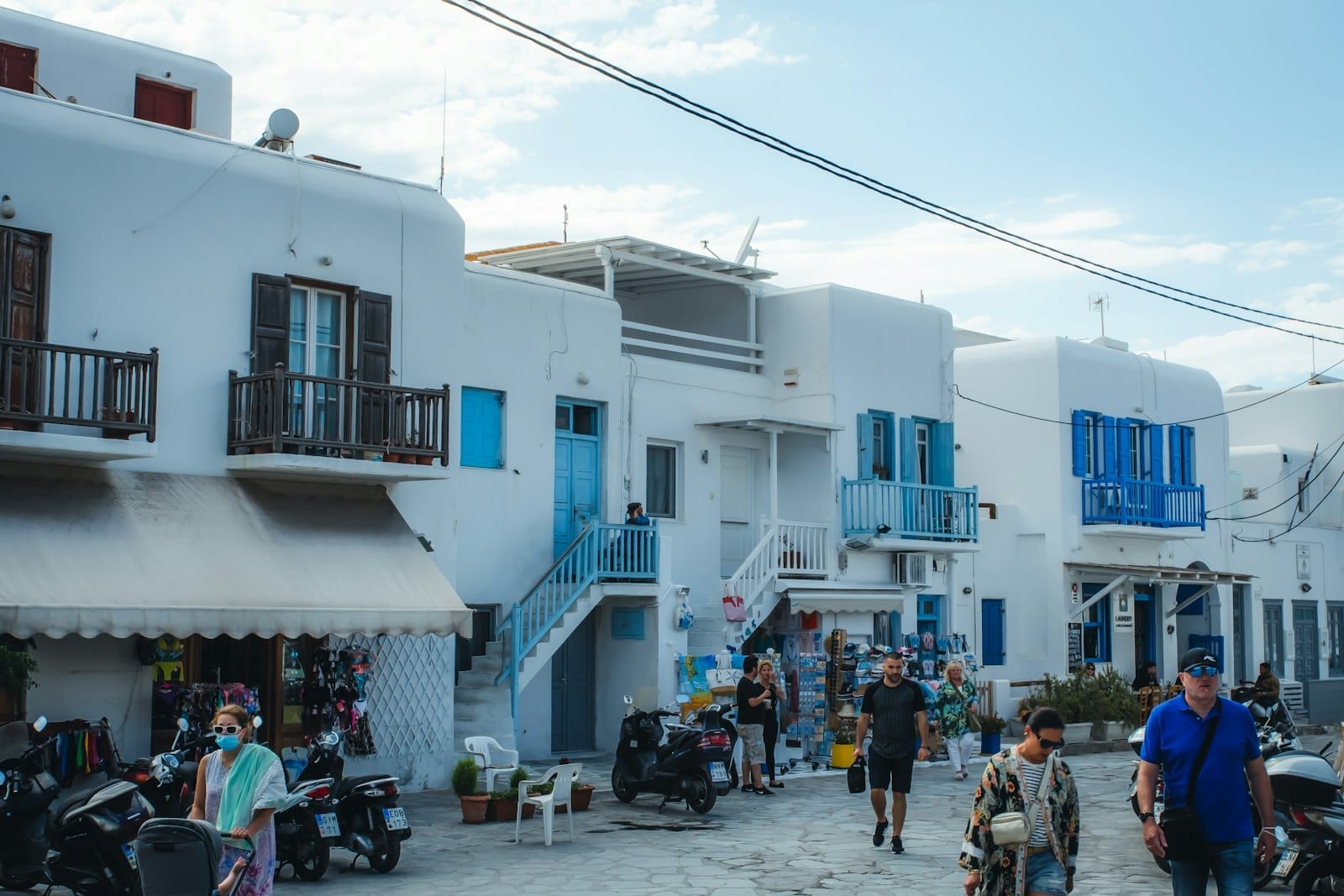
You cannot drive into the historic center of Mykonos Town (Chora). The central lanes are pedestrian-only and physically inaccessible to most vehicles. Parking is available on the outskirts, but spots fill quickly by mid-morning in July and August. Factor in walking time from any parking area.
Walking Mykonos Town: The One Place You Don't Need Transport
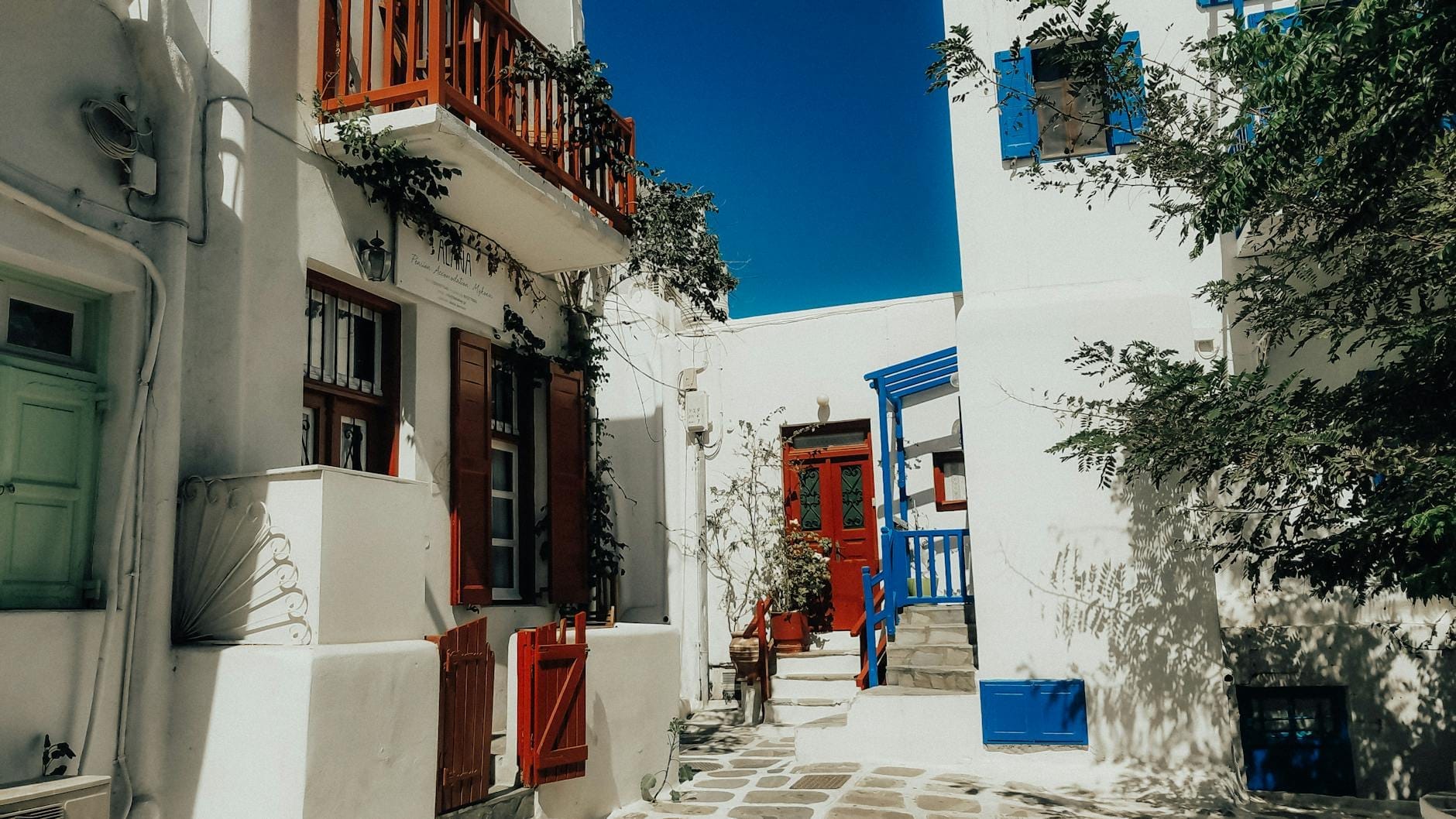
Once you're in Mykonos Town itself, walking is the only way to get around, and the compact scale makes it genuinely pleasant. The central streets around Matoyianni Street, Little Venice, and the famous Mykonos windmills are all within 10 to 15 minutes on foot of each other. The labyrinthine white-walled alleyways are part of the island's character — and also genuinely easy to get turned around in. Don't stress about getting lost; the town is small enough that you'll find your bearings quickly, and the waterfront is a reliable anchor point.
Wear comfortable shoes with decent grip. The cobblestone paths can be slippery, especially after evening crowds have moved through them, and some lanes have unexpected steps or steep inclines. High heels and flip-flops both cause real problems. The town's layout rewards slow exploration, but if you're in a hurry to reach a specific restaurant or meeting point, use Google Maps offline — the street names are small and signage in the alleys is sparse.
Seasonal Differences and When Transport Gets Complicated
Transport on Mykonos is built almost entirely around the tourist season (April–October). In peak summer, buses run frequently, caiques operate daily, the Sea Bus covers long hours, and rental agencies are fully stocked. The downside is that demand also peaks: taxi waits get long, buses fill up, and rental vehicles book out. Book any pre-arranged transfers well in advance if you're arriving in July or August.
Shoulder season (May–June and September–October) is arguably the best time for logistics. Crowds thin out, buses still run on useful schedules, and you won't wait 45 minutes for a taxi at 1am. If you're planning a trip primarily around beaches and want to use public transport, May and September hit the sweet spot. For more on timing, the best time to visit Mykonos guide breaks down the seasonal trade-offs in detail.
Winter visitors (November–March) face a sharply reduced network. Bus routes shrink significantly, caiques don't run, and some rental agencies close or operate by appointment only. The airport has year-round service but with fewer flight options. If you're visiting off-season, a rental car is close to essential for any real mobility beyond the town center.
FAQ
How do I get from Mykonos Airport to the town center?
You have three realistic options: the KTEL public bus (€2–3, departs from just outside the terminal), a taxi (approximately €25, available from the rank outside arrivals), or a pre-booked private transfer (€25–35 depending on destination). The bus is cheapest but runs on a schedule; taxis can have queues in peak season. If you're arriving in July or August, booking a private transfer in advance is the most reliable option.
Is there Uber or a ride-hailing app in Mykonos?
No practical ride-hailing service operates on Mykonos. Uber is present in Greece but concentrated in Athens. On Mykonos, conventional taxis are the only for-hire vehicle option, supplemented by pre-booked private transfer services. With only around 30 taxis on the entire island, availability in peak season is genuinely limited.
Can I rent a car and drive to all the beaches?
Yes, and it's one of the best ways to reach the less-served north coast beaches like Agios Sostis and Panormos. However, you cannot drive into Mykonos Town's historic center — it's pedestrian-only. Parking near the town fills up quickly in summer. For south-coast beaches, the KTEL bus and water taxis are often faster and less stressful than driving and searching for parking.
How do I get between beaches on Mykonos?
For south-coast beaches (Platis Gialos, Paradise, Super Paradise, Elia), the caique water taxi departing from Ornos is the most convenient option from late May to mid-October, with an all-day pass costing around €20. The KTEL bus from Fabrika station also reaches these beaches. For north and east coast beaches, you'll need a rental vehicle or a taxi — they're not well served by public transport.
Do I need an International Driving Permit to rent a car in Mykonos?
Non-EU drivers are legally required to carry an International Driving Permit alongside their national license to rent and drive legally in Greece. EU license holders can use their standard license. It's worth sorting this out before you travel — getting an IDP is straightforward in most countries but cannot be obtained on the island.
Tickets & tours
Live prices and dates from our booking partner. If you book, we may earn a commission at no extra cost to you.
Planning a trip? Discover personalized activities with the Nomado app.