What to Eat in Mykonos: A Local Food & Cuisine Guide
Mykonos has a distinct culinary identity that goes far beyond generic Greek salads and souvlaki. This guide covers the island's signature foods, honest price expectations, where to eat well on any budget, and the restaurants worth planning your day around.
Tickets & tours
Live prices and dates from our booking partner. If you book, we may earn a commission at no extra cost to you.
TL;DR
- Mykonos has genuine local specialties — kopanisti cheese, louza, amygdalota — that are distinct from mainland Greek food.
- Budget eating is possible: gyros start around €3.50, and simple tavernas near Mykonos Town can feed two for under €15.
- Top spots like Kiki's do not take reservations — arrive by 11:30 for lunch or expect a 2-hour wait in peak season.
- Fine dining and beach clubs (Nammos, Scorpios, COYA) require advance bookings, especially June through September.
- Pair food exploration with a visit to Ano Mera village for a more authentic, quieter dining atmosphere away from the tourist center.
The Real Mykonian Food Identity
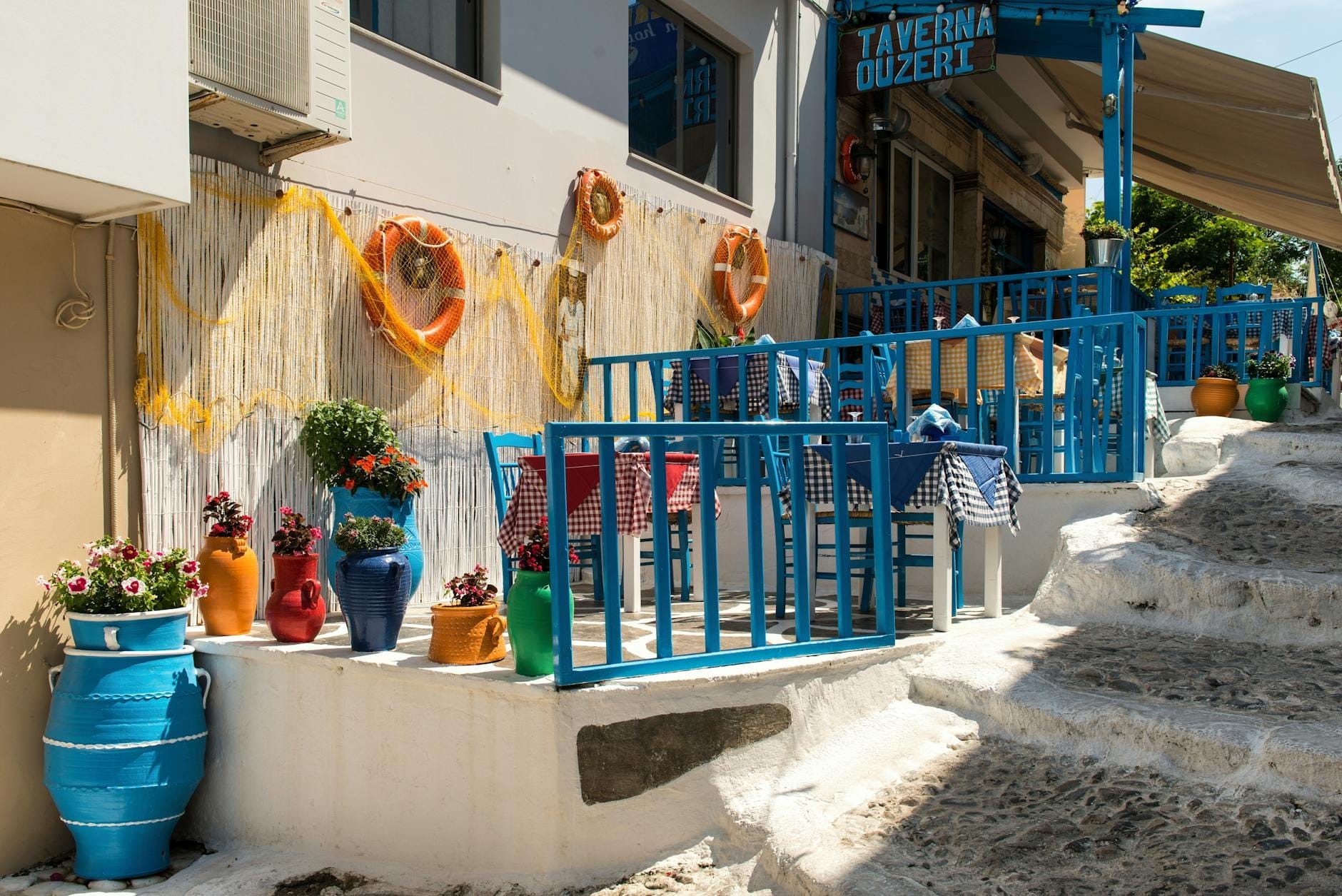
Most visitors arrive expecting standard Greek food and leave surprised by how specific and developed the island's own culinary tradition actually is. Mykonos sits in the Cyclades, a group of Aegean islands with a food culture shaped by geography, trade, and necessity. The island is semi-arid with limited agricultural land, which historically pushed locals toward curing, preserving, and fermenting rather than relying on fresh produce year-round. The result is a cuisine built on pork products, aged cheeses, barley, and the sea.
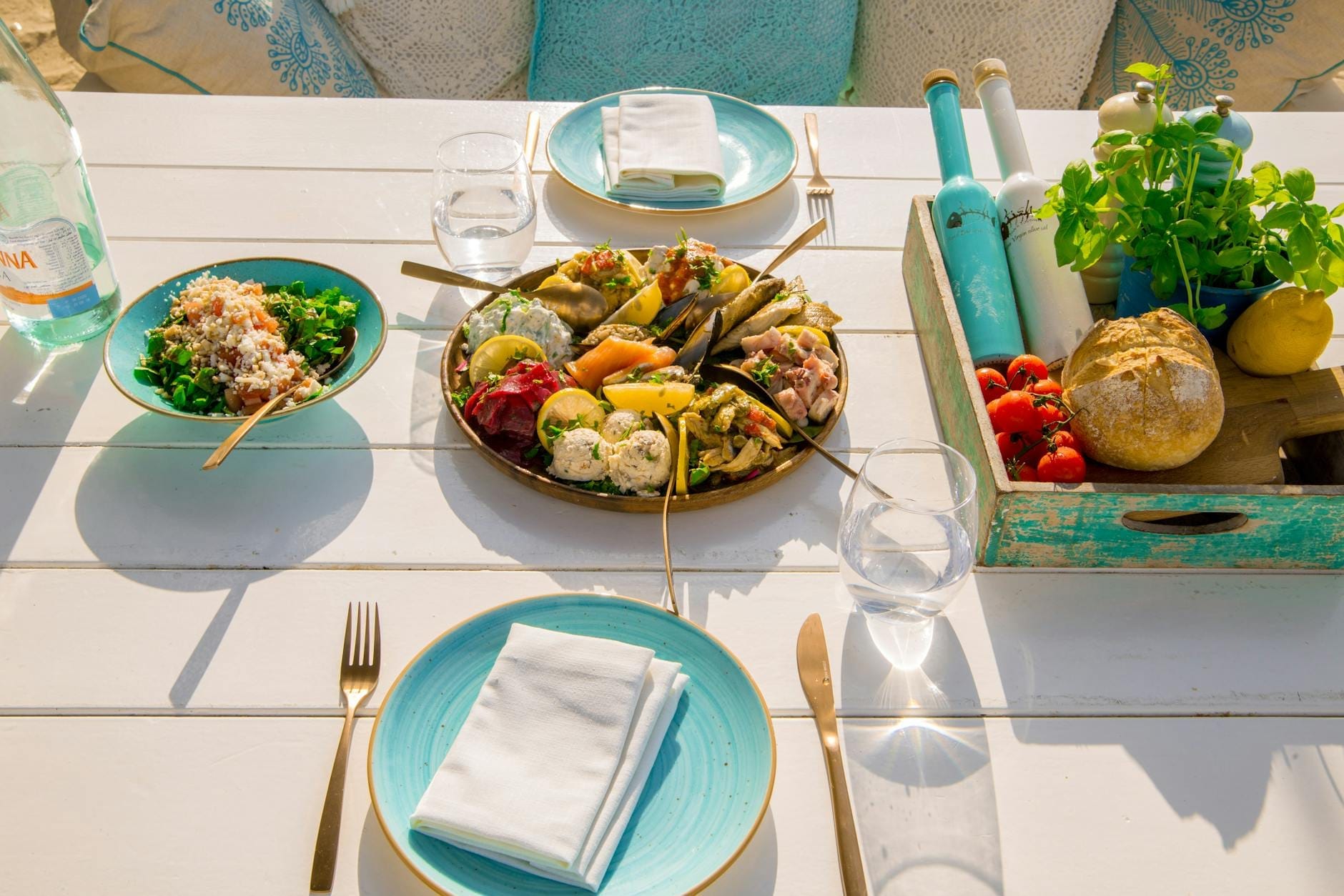
That heritage is still visible if you know where to look. At the right taverna or deli, you will find louza (dry-cured pork loin with aromatic spices), siglino (smoked pork), and local sausages that have nothing in common with what you find at a mainland souvlaki stand. These are served as meze, sliced thin and paired with local cheese and a cold beer or a glass of Assyrtiko wine. They are not produced for tourists — they are the actual food the island grew up eating.
ℹ️ Good to know
Kopanisti Mykonou holds PDO (Protected Designation of Origin) status in the EU, meaning only kopanisti produced on Mykonos under the registered specification can use this name. It is a peppery, fermented cheese with a strong, almost funky finish. If you only try one Mykonian food, make it this one — ideally on a barley rusk with fresh tomato.
Signature Local Foods You Should Actually Try
- Kopanisti Mykonou (PDO) A spicy, creamy, fermented soft cheese with an intense bite. Served on barley rusks (dipyrites) with tomato — the unofficial Mykonian snack. Look for it in delis and at traditional tavernas.
- Louza Dry-cured pork loin rubbed with island spices and left to age. Sliced thin and served as meze. Concentrated flavor, nothing like generic deli meat.
- Ksinotiri (Sour Cheese) A tangy, slightly acidic fresh cheese used in pies and eaten on its own. Softer and more delicate than kopanisti, with a clean dairy sharpness.
- Amygdalota Bitter-almond macaroons made with rose water, a traditional Mykonian sweet. Chewy, fragrant, and sold by weight at pastry shops. Buy a bag to take home.
- Onion Pie (Kremidopita) A savory pie made with local onions, typically using ksinotiri or tirovolia cheese. Found at bakeries and small tavernas — inexpensive and genuinely local.
- Skaros (Parrotfish) A traditional Cycladic fish, now less common but still found grilled at certain tavernas. Mild flesh, best eaten simply with lemon and olive oil.
For sweets, amygdalota are the thing to seek out — not baklava or loukoumades, which you can find anywhere in Greece. Traditional pastry shops in Mykonos Town stock them alongside honey-based confections with cinnamon and orange. If you are visiting the inland village of Ano Mera, the kafeneion and small shops there often carry these local products with less tourist markup than the Chora shops.
Where to Eat: From Budget to Splurge
There is a widespread belief that eating in Mykonos is universally expensive. That is only half true. The island runs the full spectrum from €3.50 pita gyros to €200-per-head beach club dinners. The key is knowing which category a place falls into before you sit down.
At the budget end, gyro and souvlaki spots in Mykonos Town are reliable and honest. Places like Souvlaki Story in Chora serve pita gyros from around €4–5 and stay open until roughly midnight, making them useful for a late snack after a long evening. Two people can eat a full meal here — gyros, a shared salad, soft drinks — for roughly €20–25. These spots are not glamorous, but the food is freshly made and filling.
⚠️ What to skip
Avoid the restaurants lining the main tourist walkways near the waterfront in Chora unless you have checked reviews carefully. Several have menus with inflated prices and mediocre food targeted squarely at cruise day-trippers. Walk one or two streets back and quality improves noticeably.
At the mid-range level, Kiki's Tavern near Agios Sostis beach has earned a near-mythological reputation among serious food visitors. The menu focuses on grilled pork chops and fresh seafood, charcoal-cooked and served with simple salads and wine. It does not take reservations. In peak season (July and August), the queue starts forming around opening time at 12:30, with many people arriving earlier in peak season, and waits of 90 minutes to 2 hours are normal. Many regulars bring swimwear and use the beach while they wait. Prices are what locals call 'typical Mykonos' — not cheap, but fair for what you get.
For a quieter mid-range experience without the Kiki's queue, the tavernas around the central square in Ano Mera village deserve more attention than they typically receive. The crowd is more local, the pace slower, and the cooking is grounded in traditional Mykonian recipes. It is about an 8–9 km drive from Chora and easy to combine with a visit to the Monastery Panagia Tourliani nearby.
At the top end, Mykonos has a well-developed luxury dining scene anchored by beach clubs. Nammos at Psarou Beach is the most famous — a scene as much as a restaurant, with grilled fish sold by the kilo at prices that will startle the uninitiated, and a clientele that arrives by yacht. Scorpios, positioned between Paraga and Platis Gialos, takes a different approach: Mediterranean sharing plates, a bar with carefully curated music, and a sunset atmosphere that justifies the prices if that experience is what you are after. COYA Mykonos brings a Peruvian-Japanese fusion menu with cocktails to match. None of these are traditional Greek dining, but they do what they do very well.
Booking, Timing, and Seasonal Realities
The single most common mistake visitors make is arriving in July or August without reservations at the restaurants they actually want to visit. The island's permanent population is about 10,500 people, but summer brings hundreds of thousands of visitors. The best tables at the well-known spots fill weeks in advance during peak season.
- Book fine dining and beach clubs at least 2-3 weeks ahead in July-August — some require reservations a month or more out.
- Kiki's Tavern does not accept any reservations. Arrive before 11:30 or plan for a long wait in summer.
- Souvlaki spots and gyro stands in Chora rarely require booking and are good for spontaneous meals.
- Remote beach tavernas, including spots near Fokos Beach, are primarily seasonal and may not operate outside June-September.
- Shoulder season (May, early June, late September, October) significantly reduces wait times and slightly reduces prices.
- Off-season (November to April), most beach-facing restaurants close. Dining concentrates in Mykonos Town, where a handful of year-round tavernas and cafes stay open for locals.
✨ Pro tip
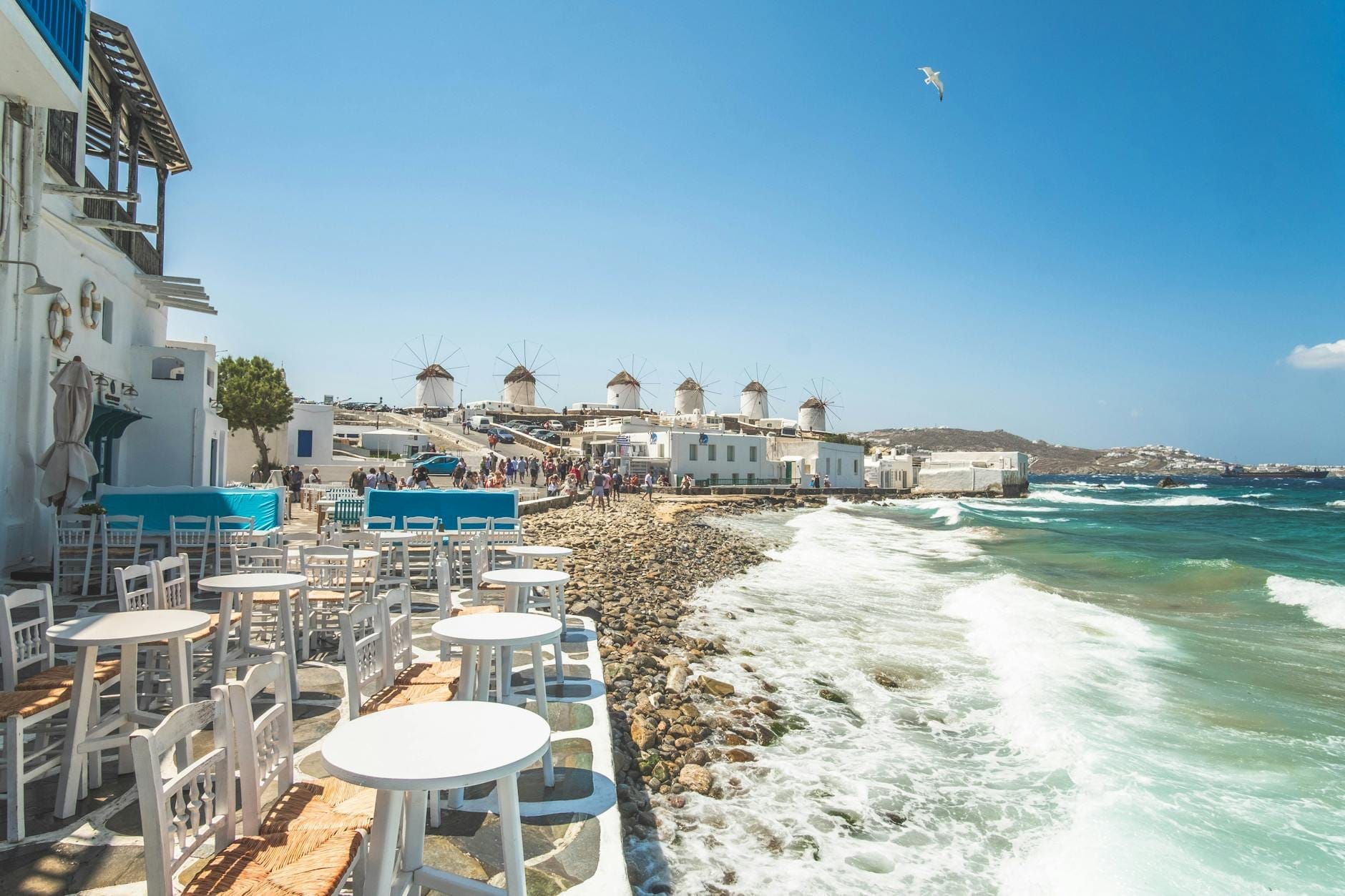
For sunset dining with a view, the restaurants and bars in Little Venice (the waterfront neighborhood in Chora with houses extending over the sea) are hard to beat atmospherically. Get there at least 30 minutes before sunset to secure a table. Food quality varies — treat it as much for the setting as the meal, and order the simple Greek dishes rather than anything elaborate.
If your trip overlaps with a visit to the sacred island of Delos, keep in mind that there is no proper restaurant on Delos itself — just a basic cafe near the site entrance. Have a proper meal before or after the boat back. Read the full day trip to Delos from Mykonos guide for ferry timing and logistics.
Drinks, Coffee, and What to Order
Greek coffee culture is serious and has its own vocabulary. In Mykonos, you will find both traditional Greek coffee (brewed in a small copper pot, served in a demitasse with grounds that settle at the bottom) and frappé (cold instant coffee blended with milk and ice, still ubiquitous across Greek islands). For a more modern option, freddo espresso and freddo cappuccino have become the dominant cold coffee orders across Greece in the last decade and are available everywhere.
On the wine side, Assyrtiko from Santorini is the most famous Cycladic white and widely available on Mykonos. Local tavernas often carry house wine served in jugs — inexpensive and frequently underrated. For spirits, ouzo is the default meze accompaniment, though tsipouro (a rougher, unaged grape spirit from the mainland) has grown in popularity. Beer drinkers will mostly encounter mainstream Greek brands like Mythos and Alpha, though some bars now stock craft options.
The bar and restaurant scene in Mykonos blends seamlessly — many venues function as both through the evening. The Mykonos nightlife guide covers that transition in more detail, including the bar districts in Chora and the beach club timeline that runs from afternoon into early morning.
Practical Tips for Eating Well Without Overspending
Mykonos has a reputation for expense, and parts of it are deserved — but the budget travel guide for Mykonos makes clear that food is one area where smart choices go a long way. The main strategies: eat your main meal at lunch rather than dinner (many restaurants offer the same dishes at lower midday prices), shop at the local supermarkets in Chora for snacks and breakfast items, and prioritize the neighborhood bakeries for morning pastries over hotel breakfasts.
- Tipping Not mandatory but customary. Rounding up the bill or leaving 5-10% is normal at sit-down restaurants. At beach clubs and upscale venues, service charges are sometimes included — check the bill.
- Water at restaurants Tap water on Mykonos relies partly on desalination. Most restaurants serve bottled water and will charge for it. Carrying a refillable bottle for daytime use is practical and reduces cost.
- Cover charge (couvert) Many Greek restaurants add a small couvert charge (€0.50-€1.50 per person) for bread and table setup. This is legal and normal — it is not a scam, but it should appear clearly on the menu.
- Fish pricing At seafood tavernas, fish is typically priced by the kilogram. Always ask the weight before ordering — a single sea bream can easily run €25-40 depending on size and venue.
💡 Local tip
The best food shopping souvenir from Mykonos is a vacuum-packed package of louza or a small jar of kopanisti cheese, both available at specialty food shops in Chora. Both travel well and give you a genuine taste of the island's culinary identity at home.
FAQ
What is the most famous local food in Mykonos?
Kopanisti Mykonou is the island's most distinctive product — a PDO-certified spicy fermented cheese with an intense, peppery character. It is typically served on barley rusks with tomato. Louza (cured pork loin) and amygdalota (almond macaroons) are also specifically Mykonian and worth seeking out.
Is eating in Mykonos very expensive?
It depends entirely on where you eat. Gyros and souvlaki in Mykonos Town start around €3.50, and two people can have a full casual meal for under €15. Mid-range tavernas like Kiki's run €25-50 per person with drinks. Beach clubs and fine dining (Nammos, Scorpios, COYA) can reach €100-200 per person. There is genuine range if you are willing to look past the tourist-facing waterfront restaurants.
Do I need reservations at restaurants in Mykonos?
For fine dining, beach clubs, and sunset-view spots in peak season (July-August), yes — book 2-4 weeks ahead. For popular tavernas like Kiki's, reservations are not accepted at all, so arrive early. Gyro shops, bakeries, and casual spots in Chora require no booking.
What should I eat for breakfast in Mykonos?
Local bakeries in Chora sell tiropita (cheese pie), spanakopita (spinach pie), and fresh bread — a practical and inexpensive start to the day. Hotel breakfasts tend to be overpriced for what they offer. For a sit-down experience, many cafes along the waterfront serve Greek yogurt with honey and nuts alongside coffee.
When is the best time to visit Mykonos for food and dining?
May, early June, and late September offer the best combination of good weather, full restaurant availability, and manageable crowds. July and August have the most venues open but the longest waits, highest prices, and greatest need for advance reservations. Most beach tavernas and seasonal restaurants close by late October.
Tickets & tours
Live prices and dates from our booking partner. If you book, we may earn a commission at no extra cost to you.
Planning a trip? Discover personalized activities with the Nomado app.