Mykonos on a Budget: How to Visit Without Overspending
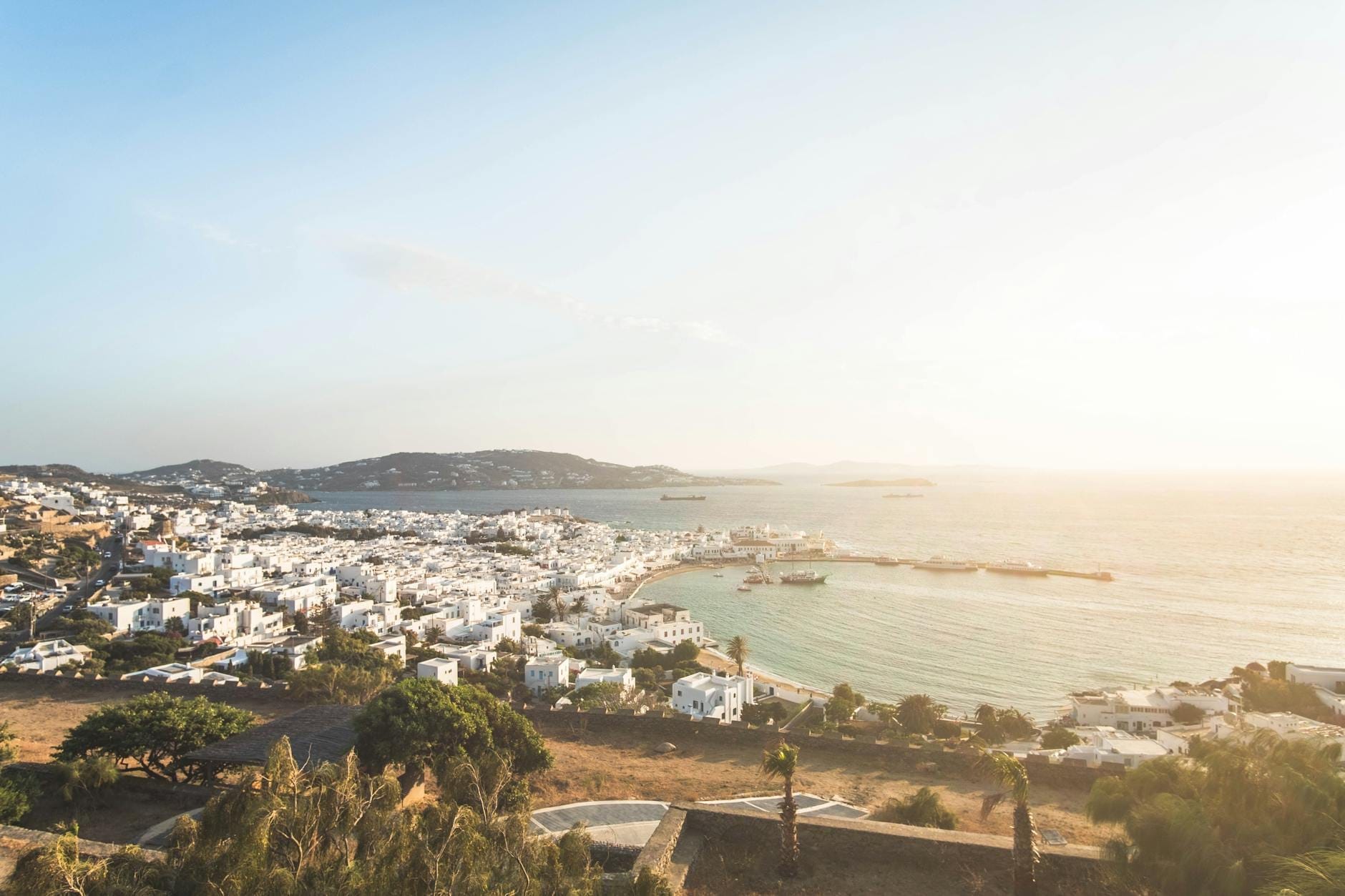
Mykonos has a reputation as one of Greece's most expensive islands, and that reputation is mostly earned. But visiting without hemorrhaging money is entirely possible if you understand how pricing works, when to go, and where to spend versus save. This guide breaks it all down honestly.
Tickets & tours
Live prices and dates from our booking partner. If you book, we may earn a commission at no extra cost to you.
TL;DR
- Mykonos is genuinely expensive compared to other Greek islands, but budget travel is feasible with the right timing and approach.
- Traveling in May, early June, or September saves significantly — peak July and August prices can be double the shoulder season rates.
- Bus tickets between beaches and Mykonos Town cost €1–€3; taxis are far pricier and harder to find in high season. See our full getting around Mykonos guide for logistics.
- Budget-friendly hostels run €50–€100/night in peak season; shoulder season brings that down to €30–€60 for basic private rooms.
- Free and low-cost activities — beaches, Panagia Paraportiani, the old town, the windmills — are among the island's best anyway.
Is Mykonos Actually Expensive? The Honest Answer
Mykonos is expensive. Not 'expensive for Greece' — expensive by European standards full stop. This is a small island (approximately 85 km²) with a permanent population of around 10,000–10,500 people that absorbs hundreds of thousands of tourists each summer. Supply is constrained, demand is enormous, and prices reflect that reality. Almost everything costs more here than on the Greek mainland or on less-touristed Cycladic islands like Naxos or Paros.
That said, 'expensive' doesn't mean 'impossible on a budget.' The island has a spectrum of options, and costs vary enormously depending on when you visit, where you stay, how you get around, and whether you're eating at beachfront restaurants or buying a gyros from a bakery. The travelers who get burned financially are usually those who go in July or August, stay near the sea, and eat wherever looks convenient. Avoid those patterns and the numbers get much more manageable.
⚠️ What to skip
Peak season (mid-July through August) is when Mykonos pricing goes into a different league. Accommodation rates can literally double compared to early June or late September. If your dates are flexible at all, this is the single most impactful budget decision you can make.
When to Go: Timing Is Your Biggest Budget Lever
Mykonos operates on a sharp seasonal curve. The island's high season runs from late June through August, with July and August at the extreme. Outside those months, prices drop noticeably, crowds thin, and availability opens up. May and early June offer warm weather (mid-20s °C most days), calm seas, and shoulder-season pricing across accommodation, ferries, and restaurants.
September is arguably the best budget month that still feels like a proper Mykonos trip. The sea is warm from summer, beach clubs are still open, temperatures are comfortable rather than scorching, and rates fall back to something approaching reasonable. By October, some businesses close for the season, so that month is hit or miss depending on what you want to do.
- May to early June Best value overall. Warm but not brutal, far fewer crowds, accommodation 30–50% cheaper than peak. Some beach clubs haven't fully ramped up yet.
- Late June Good balance of atmosphere and cost. The island is lively but not yet at maximum capacity. Book accommodation at least 6–8 weeks ahead.
- July–August Most expensive, most crowded, most chaotic. Prices peak, queues form everywhere, and availability disappears. Only worth it if you specifically want the full party-island scene.
- September Excellent shoulder-season option. Sea is at its warmest, prices drop, and the vibe is more relaxed. Probably the best overall timing for most visitors.
- October–April Many hotels, restaurants, and attractions close. Not suitable for a typical beach holiday, but very cheap for those who want to experience the island off-season.
Accommodation: Where the Budget Pressure Is Highest
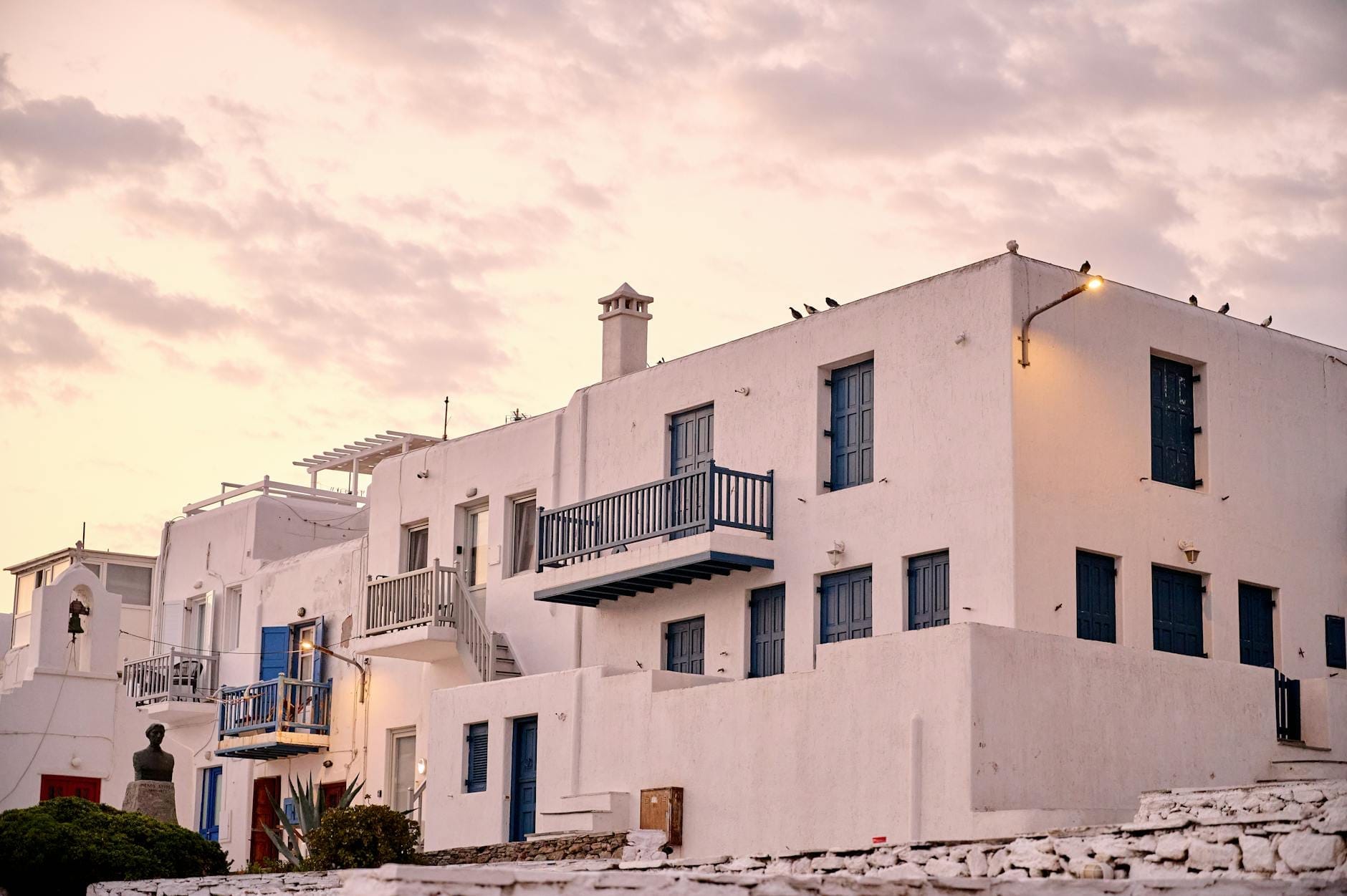
Accommodation is where Mykonos bites hardest. During peak season, budget private rooms and studios start at around €70–€150 per night, and hostels with dormitory beds come in at €50–€100 or more. Those are real numbers for what would be considered budget options on the island. In shoulder season (May–June, September), those same rooms drop to roughly €40–€80 for private doubles and €25–€50 for hostel dorms, which is far more workable.
Location within the island matters significantly. Staying in Mykonos Town (Chora) puts you close to restaurants, nightlife, and the bus network, but it commands a premium. Budget travelers who don't mind a short bus ride can find cheaper rooms in areas like Ornos, Platis Gialos, or inland near Ano Mera — the island's main inland village, which is significantly quieter and more affordable than the coast.
💡 Local tip
Book accommodation as early as possible for any summer dates — ideally 3–4 months ahead for July and August. Last-minute options in peak season are both scarce and brutally priced. For shoulder season, 4–6 weeks ahead is usually sufficient.
Getting Around Without Breaking the Bank
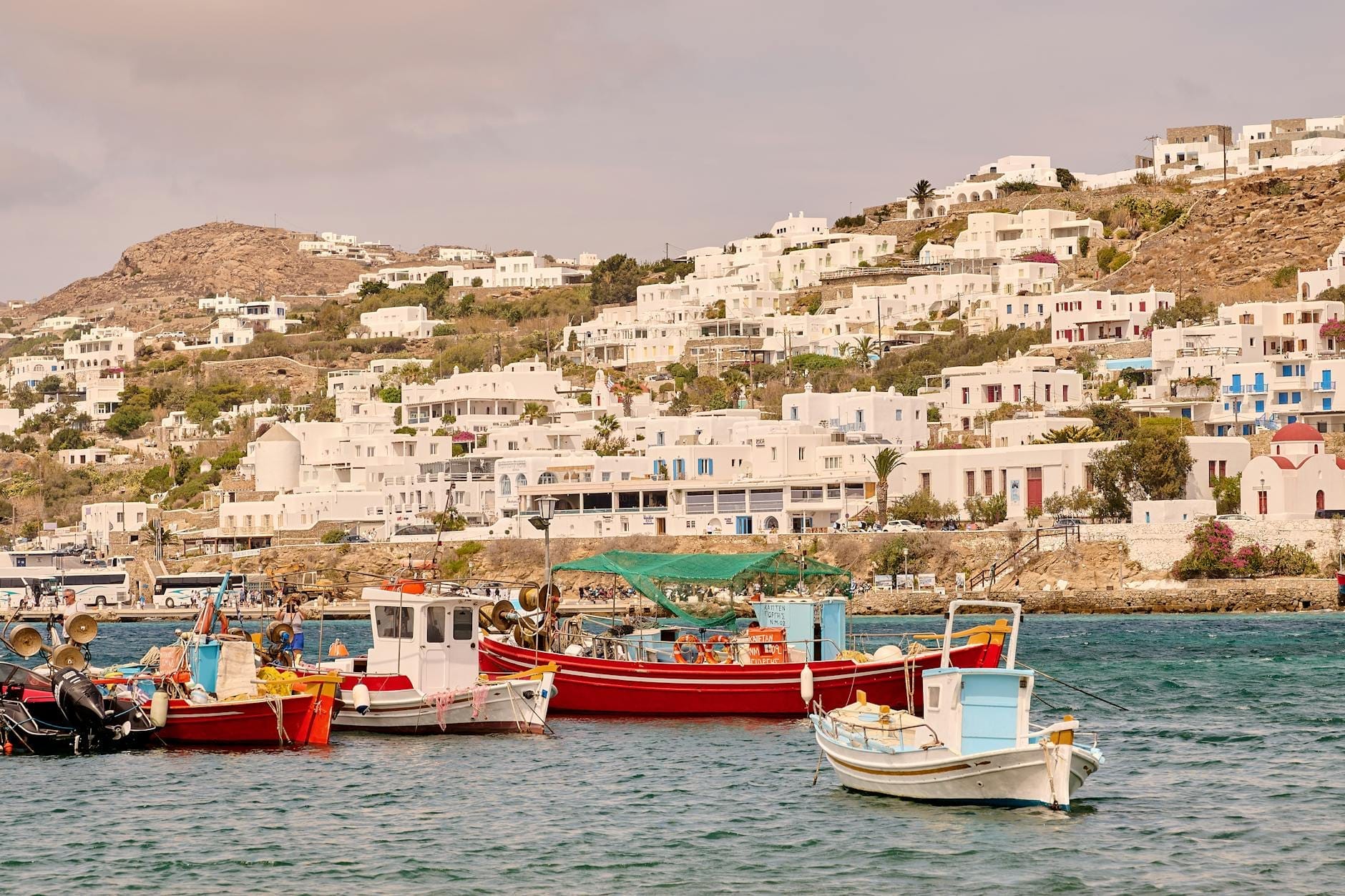
Mykonos has no metro or rail network — transport is buses, taxis, rental vehicles, and water taxis between beaches. The public bus network is the budget traveler's best friend. The island has two main bus stations in Mykonos Town: Fabrika, which serves the southern beaches, and the Old Port, which covers the northern routes. Tickets cost €1–€3 per journey depending on the destination. That's the price of a coffee to get from town to the beach and back.
Taxis are a different story. The island has a limited number of licensed taxis (Manto Mavrogenous Square in Mykonos Town is the main hub), and in peak season, finding one can take 30–60 minutes or longer. Fares are metered but there are fixed rates for certain routes. Budget travelers should rely on buses wherever possible and save taxis for late-night returns or luggage-heavy airport transfers. The airport is only about 3–4 km from Mykonos Town, so the taxi fare is relatively short.
Renting an ATV or scooter is popular and gives you flexibility, but it comes with real costs: rental rates in peak season can run €30–€60 per day, and petrol is an additional expense. For a week-long trip, that adds up quickly. Weigh it against the bus network coverage before committing. If you're mainly hitting the southern beaches on the Fabrika route, buses will cover you fine.
✨ Pro tip
The standard ferry from Piraeus (Athens) to Mykonos takes roughly 4–6 hours and is often cheaper than flying, especially if you book a deck or economy cabin ticket. It's not glamorous, but it saves money on both transport and a night's accommodation. Book through official ferry operators and compare prices for fast ferries (2–3 hours) versus standard ones — the time saving of the fast ferry rarely justifies double the fare for budget travelers.
Food and Drink: The Wide Gap Between Tourist Traps and Real Value
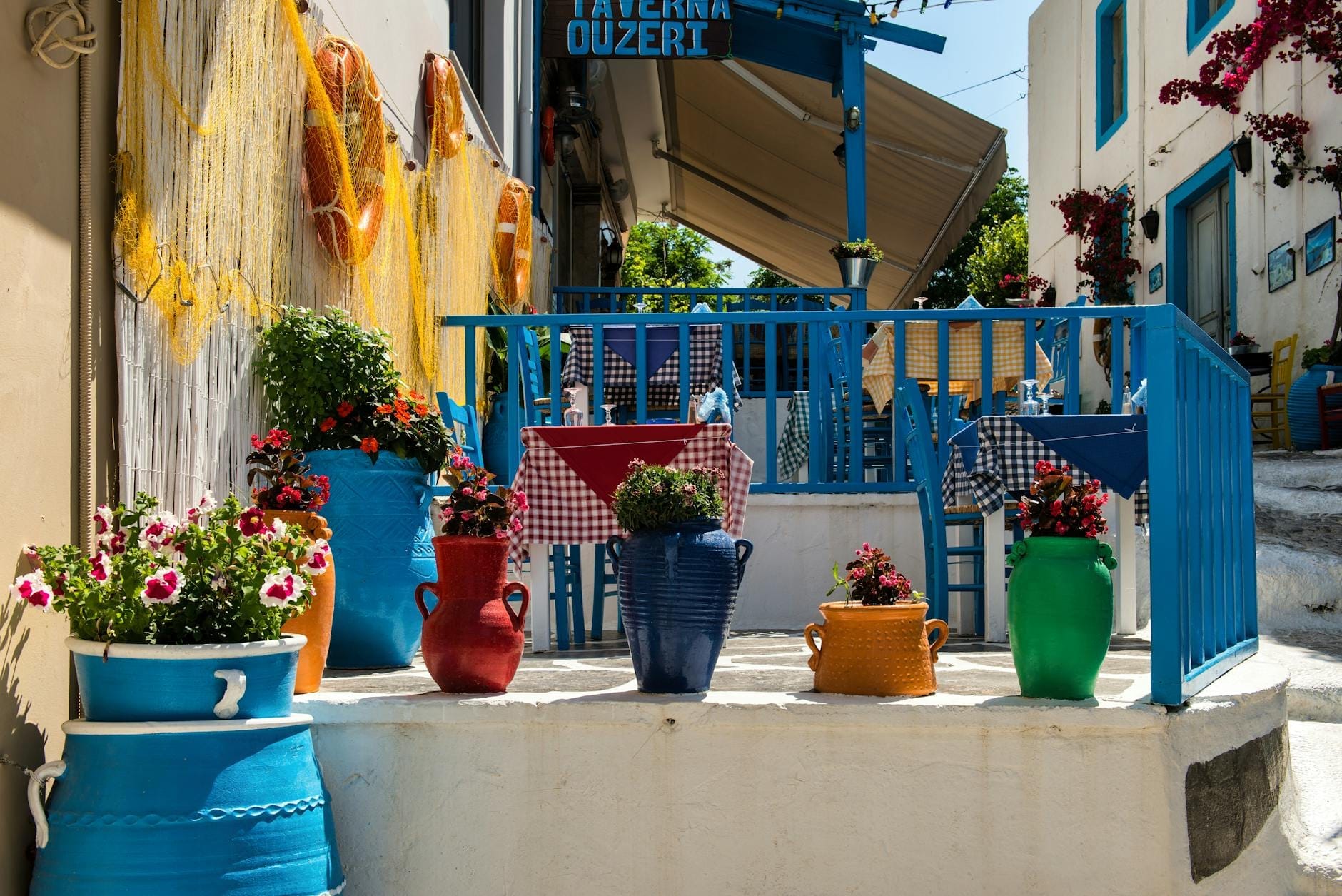
Mykonos has a massive range of food costs depending entirely on where you choose to eat. A sit-down meal at a beach club or waterfront restaurant in Chora can easily run €30–€60 per person with drinks. The same person eating at a bakery, a gyros spot, or a basic taverna in a non-tourist-facing street will spend €8–€15 for a full, satisfying meal.
Gyros wraps are the budget staple — expect to pay €3–€5 for a generous wrap from a local shop. Fresh bread, cheese pies (tyropita), and spanakopita from bakeries are similarly priced and excellent. For sit-down meals, look for tavernas away from the main drag of Matoyianni Street in Chora — the streets one block back from the tourist circuit often have smaller, cheaper, and frankly better places to eat. Meze-style ordering (several small dishes to share) is both the local way of eating and often more economical than ordering individual mains.
- Gyros wrap from a local shop: €3–€5
- Cheese pie or spinach pie from a bakery: €2–€4
- Coffee (Greek or espresso): €2–€4 depending on location
- Beer at a non-beach-club bar: €4–€7
- Cocktail at a beach club: €15–€25+
- Simple taverna meal (fish meze, salad, wine): €20–€35 per person
- Beach club restaurant meal: €40–€80+ per person
Supermarkets exist in Mykonos Town and near Ano Mera — buying breakfast items, snacks, and drinks from a supermarket rather than cafes or beach bars significantly reduces daily spending. This is particularly useful for understanding what to eat in Mykonos without defaulting to tourist-priced menus every meal.
Free and Low-Cost Things to Do
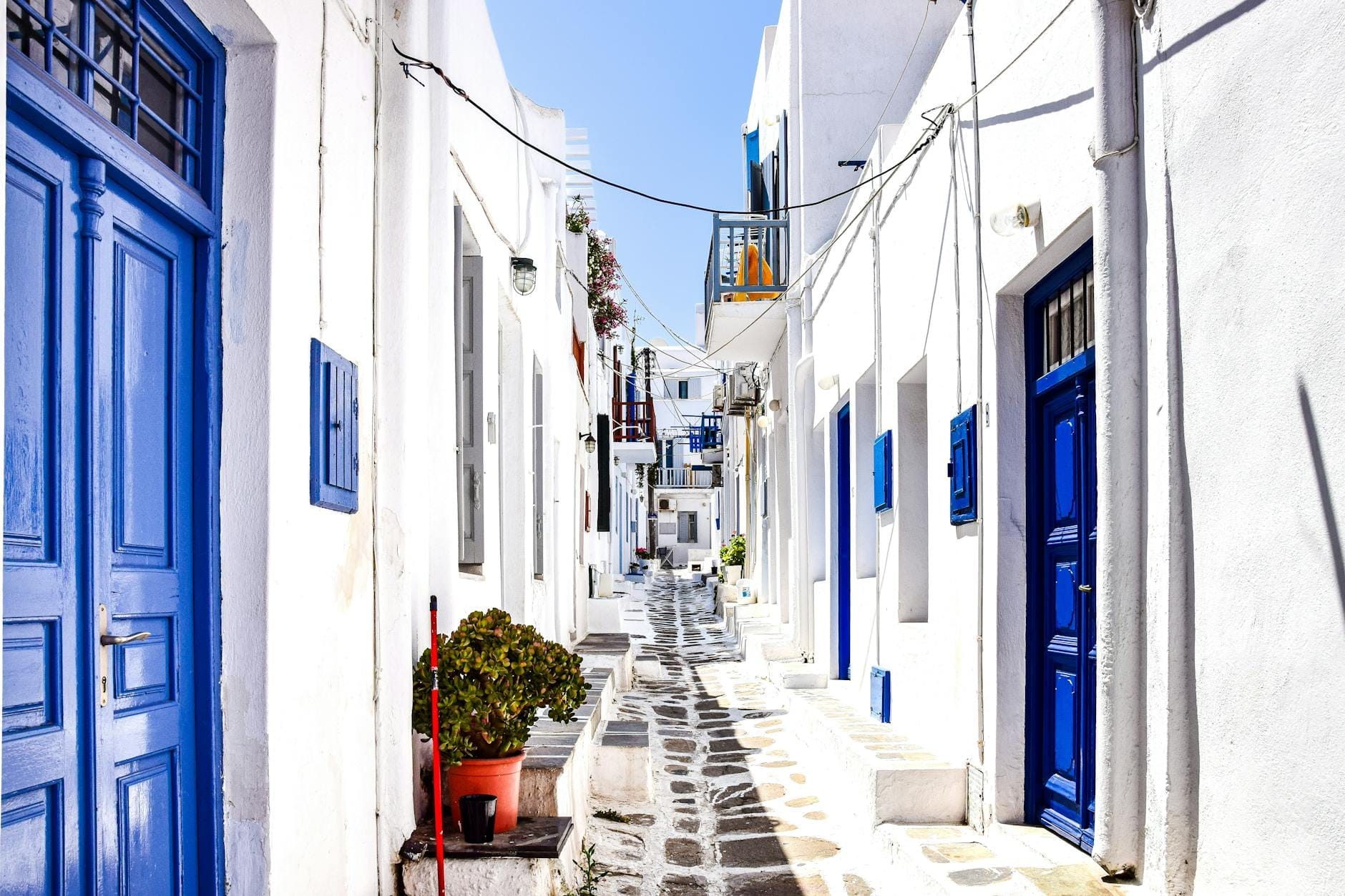
Here's where Mykonos actually works well for budget travelers: many of the best things to do on the island cost nothing or close to it. The beaches are free to access — you only pay if you rent a sunbed (typically €10–€20 per person at organized beaches). Walking the streets of the old town is free. Watching the sunset from the area near the windmills costs nothing and delivers one of the best views in the Cyclades.
The iconic windmills above the Little Venice waterfront are free to view and photograph. The Panagia Paraportiani church — arguably the most photographed structure on the island — is free to visit (though modest dress is expected inside). The Mykonos Archaeological Museum has a modest entry fee and provides solid historical context for the island's ancient past.
For a genuinely different and historically significant day out that won't destroy your budget, the ferry to Delos is one of the most worthwhile excursions in the entire Aegean. The boat takes about 30 minutes from Mykonos Town's old port, and the combined ferry and site entry typically comes in under €25 per person — exceptional value for a UNESCO World Heritage site of that scale. Read our day trip to Delos guide before you go.
The walk to the Armenistis Lighthouse on the island's northwestern tip is free, scenic, and takes you away from the crowds. Less-visited beaches like Agios Sostis are unorganized — no sunbed rentals, no beach bars, no entrance fees. Bring your own water and snacks and you have a full beach day for nothing.
Where Budget Travelers Go Wrong: Common Money Traps
The single biggest budget error on Mykonos is going in July or August without a firm plan and assuming you'll figure costs out on arrival. Accommodation without advance booking in peak season is either unavailable or priced at a premium you won't expect. The second biggest error is eating at any restaurant that puts a menu in English on a stand outside the door near the waterfront — these are almost uniformly overpriced and underwhelming.
Beach clubs deserve their own warning. The glamorous beach clubs along the Paradise and Super Paradise beach area are genuinely fun experiences, but they are not budget activities. A sunbed reservation at a premium club can require a minimum spend of €50–€100 per person. Cocktails run €15–€25 each. This is part of the Mykonos experience for some travelers — just go in knowing what it costs. If you're on a tight budget, skip the famous beach clubs entirely and use the public beach areas instead.
ℹ️ Good to know
Tipping in Greece is not mandatory but is standard practice in restaurants and for taxis. Rounding up the bill or leaving 5–10% for table service is the norm. In tourist-heavy areas, some establishments add a service charge automatically — check the bill before tipping on top.
FAQ
Is Mykonos expensive compared to other Greek islands?
Yes, noticeably so. Mykonos is among the most expensive Greek islands alongside Santorini. Accommodation, food, and drinks all cost more than on islands like Naxos, Paros, or Crete. That said, the gap closes significantly in shoulder season (May–June, September), and budget travel is feasible with the right approach.
What is a realistic daily budget for Mykonos?
In shoulder season, a budget traveler staying in a hostel or basic studio can manage on roughly €70–€120 per day, covering accommodation, public buses, meals from local spots, and free or low-cost activities. In peak July–August, that same style of travel costs closer to €120–€180 per day due to higher accommodation rates and fewer cheap options.
What is the cheapest way to get to Mykonos from Athens?
The overnight ferry from Piraeus to Mykonos is the cheapest option — typically €30–€60 for a deck or economy ticket depending on the season. The journey takes around 5–6 hours on a standard ferry. Fast ferries take 2–3 hours but cost significantly more. Budget flights can also be competitive, especially outside peak season, but airport transfer costs and luggage fees can erode the savings.
Are there free beaches in Mykonos?
Yes. All beaches in Greece are legally public and free to access. The cost comes if you choose to rent a sunbed or umbrella from a beach operator, which is optional. Unorganized beaches like Agios Sostis and parts of Panormos have no sunbed rentals at all, making them completely free. Even at organized beaches like Ornos or Platis Gialos, you can lay your towel on the non-rented section of beach at no cost.
Is it worth visiting Mykonos on a tight budget?
It depends on what you want from the trip. If your goal is the famous beach clubs, the party scene, and luxury dining, a tight budget will feel limiting. But if you're there for the architecture of the old town, good beaches, the Delos day trip, and Greek food from local spots, Mykonos delivers real value even on a restrained budget — particularly in May, early June, or September.
Tickets & tours
Live prices and dates from our booking partner. If you book, we may earn a commission at no extra cost to you.
Planning a trip? Discover personalized activities with the Nomado app.